




Oscillating Knife Cutting Machine for Fabric and Leather – Manufacturer
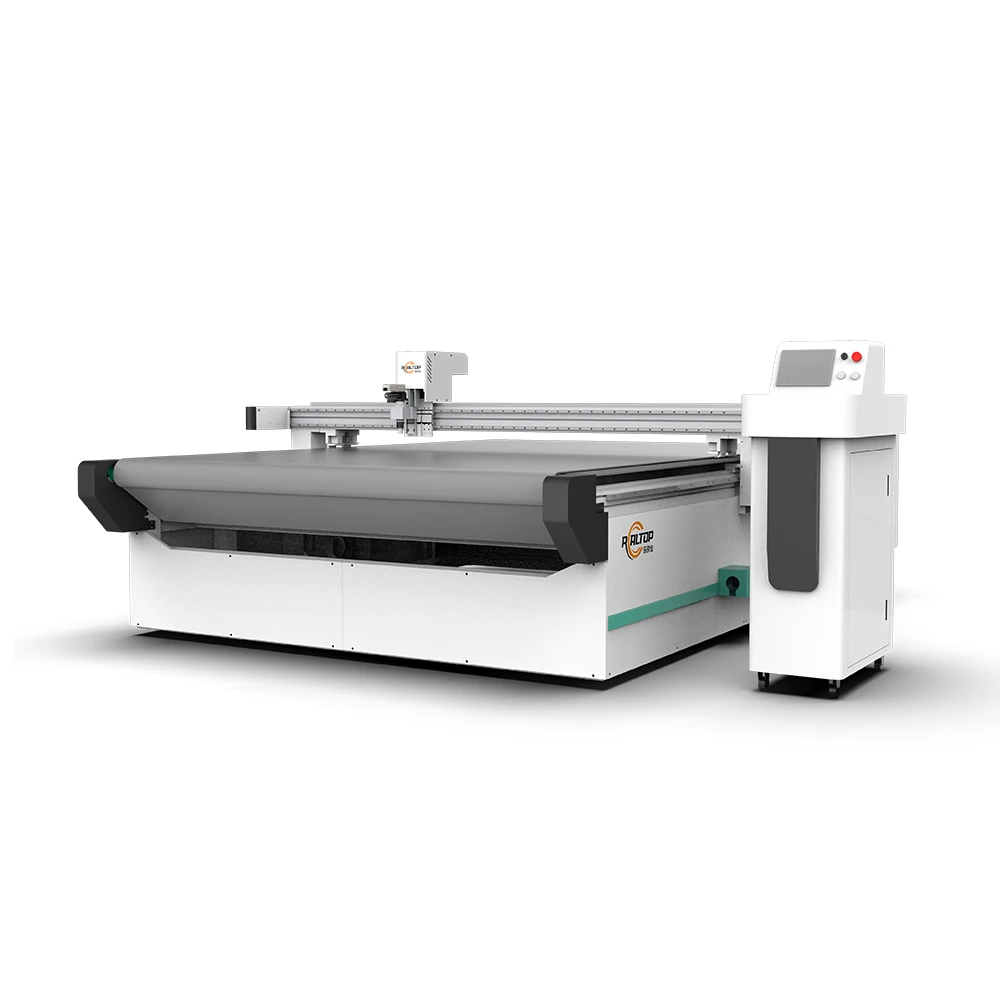
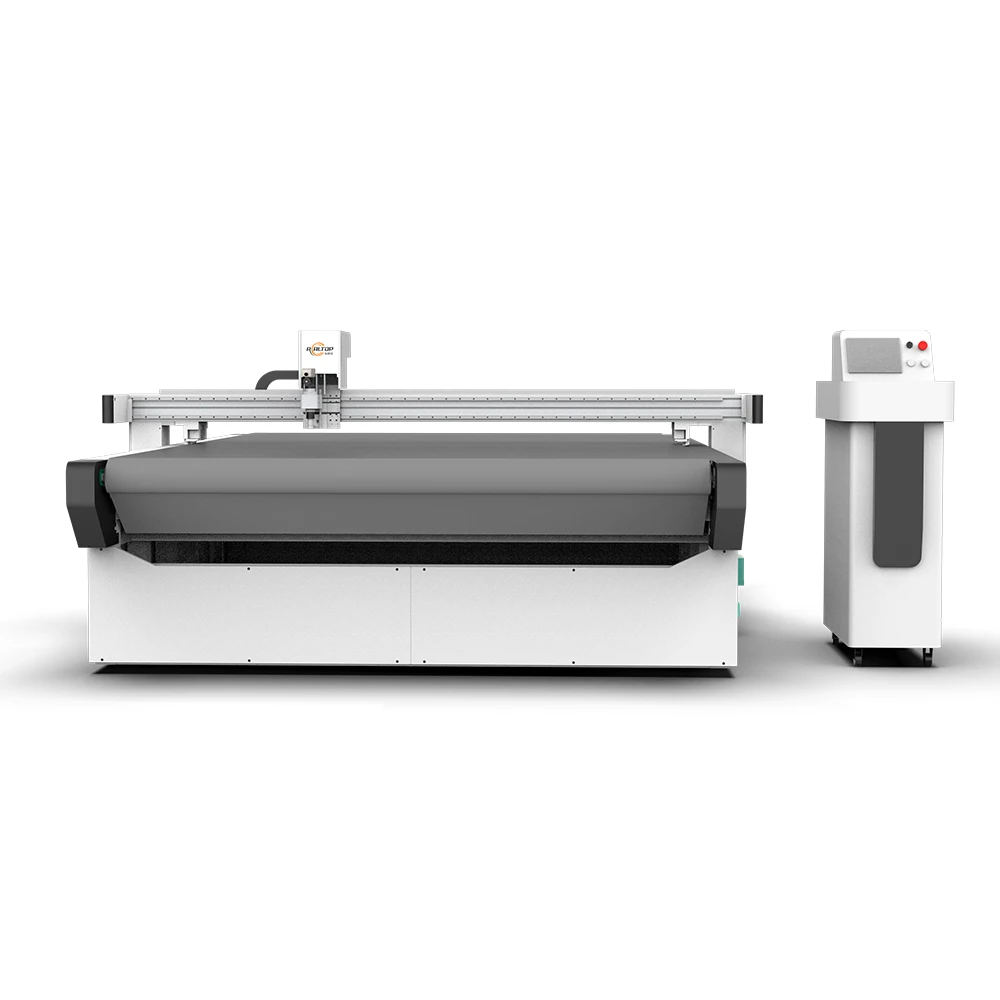
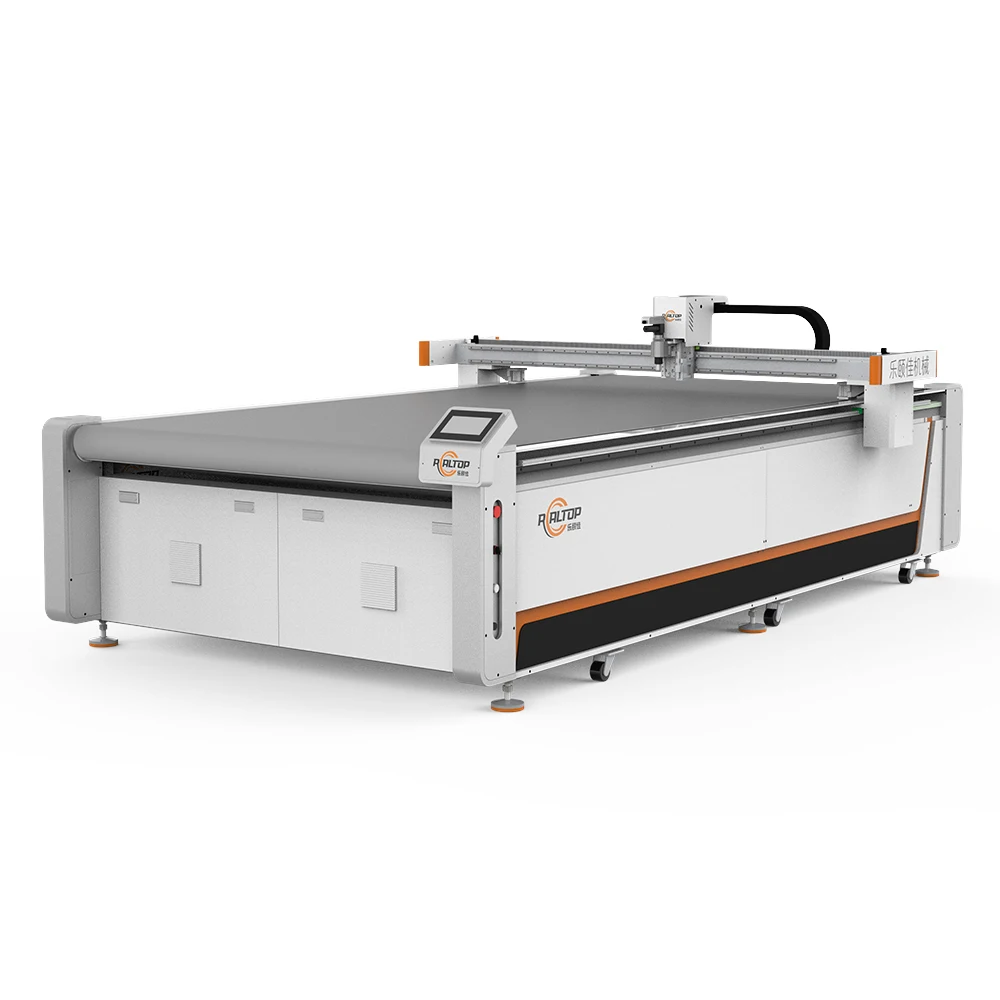
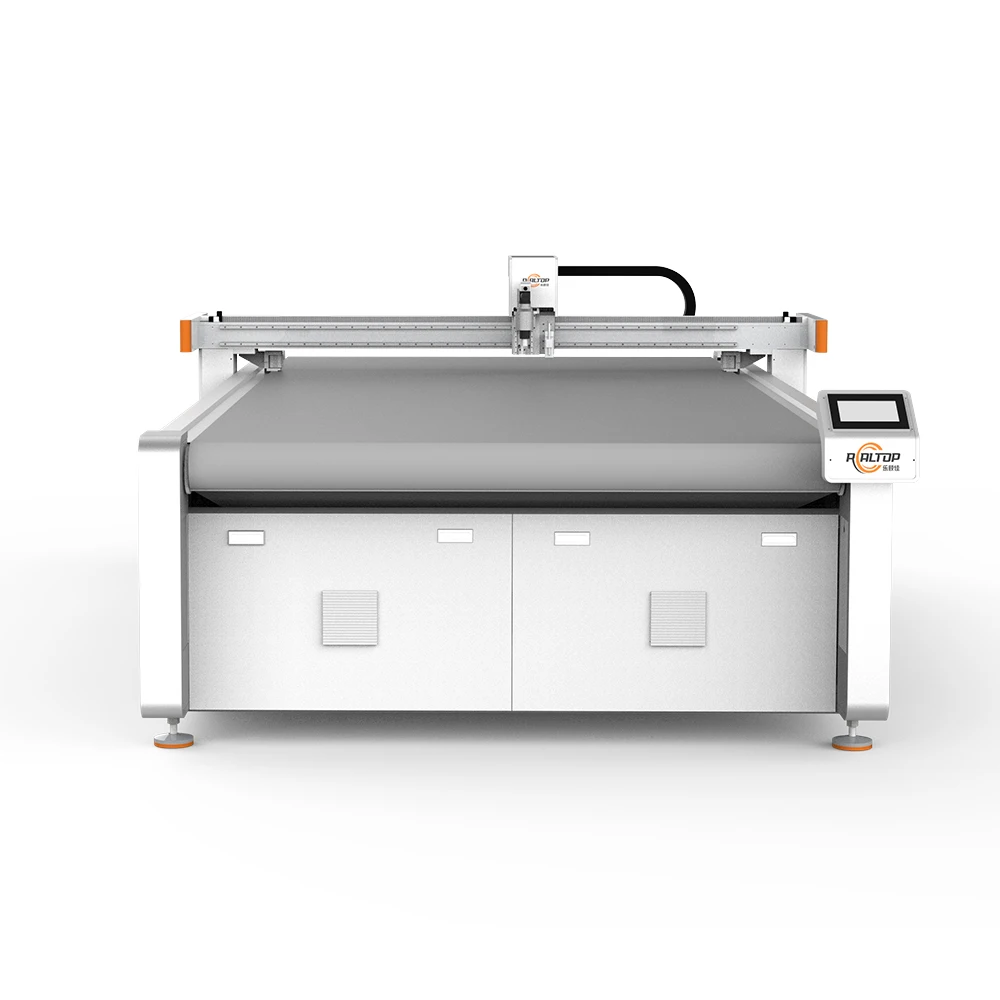
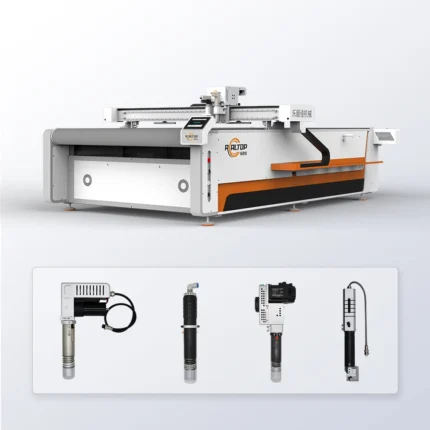
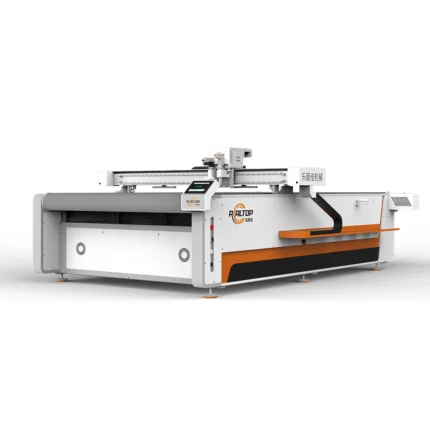
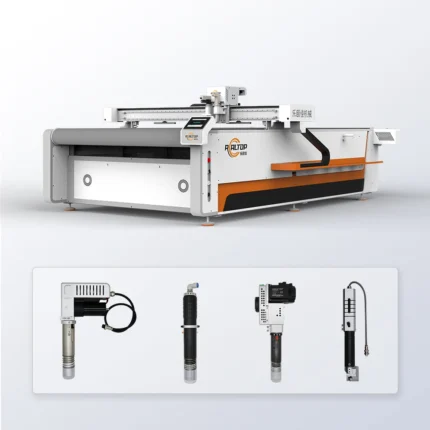
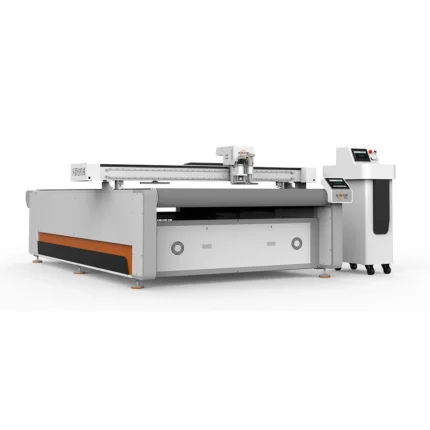
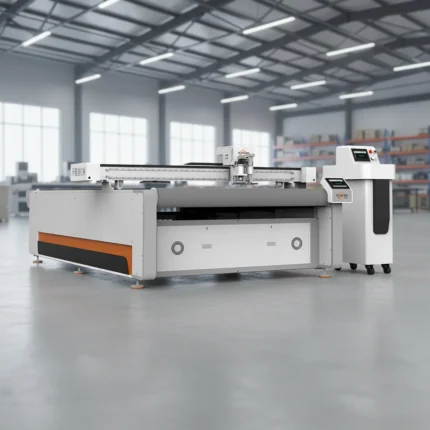
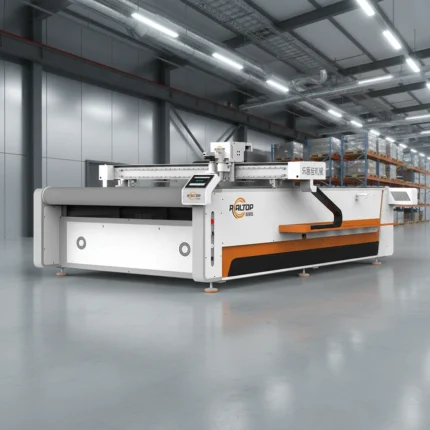
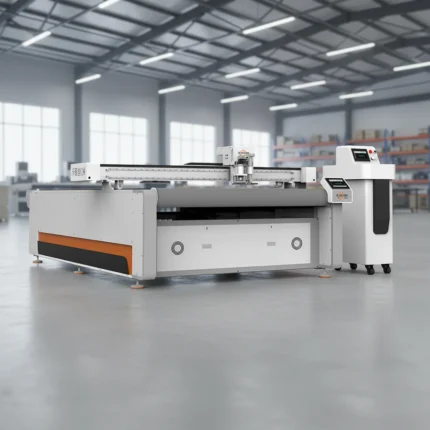
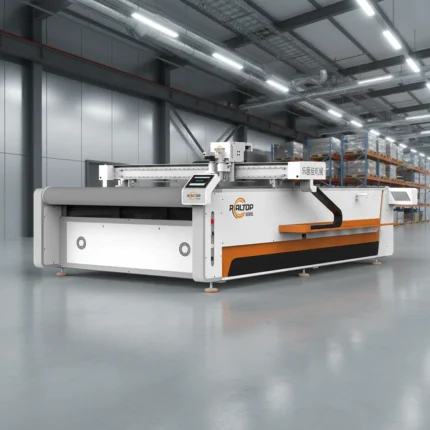
1625 CNC Oscillating Knife Cutting Machine, 1600×2500 mm Bed, ±0.1 mm Accuracy — configured for fabric, leather and composite cold-cutting where laser scorching or fumes must be avoided.
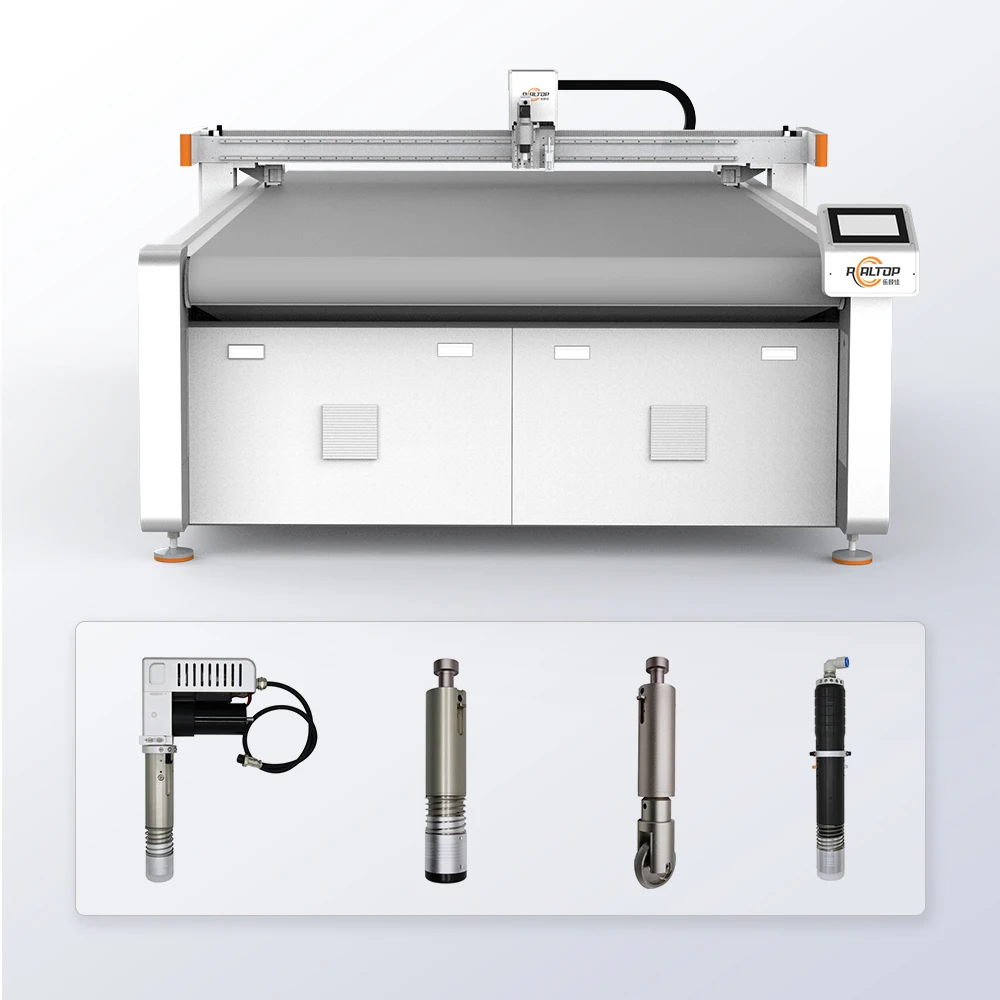
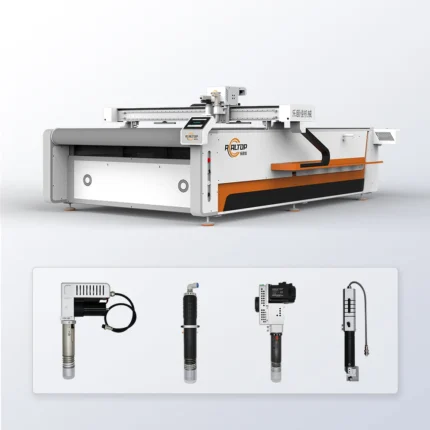
- Interchangeable oscillating, rotary and pneumatic knife heads matched to material ply and density
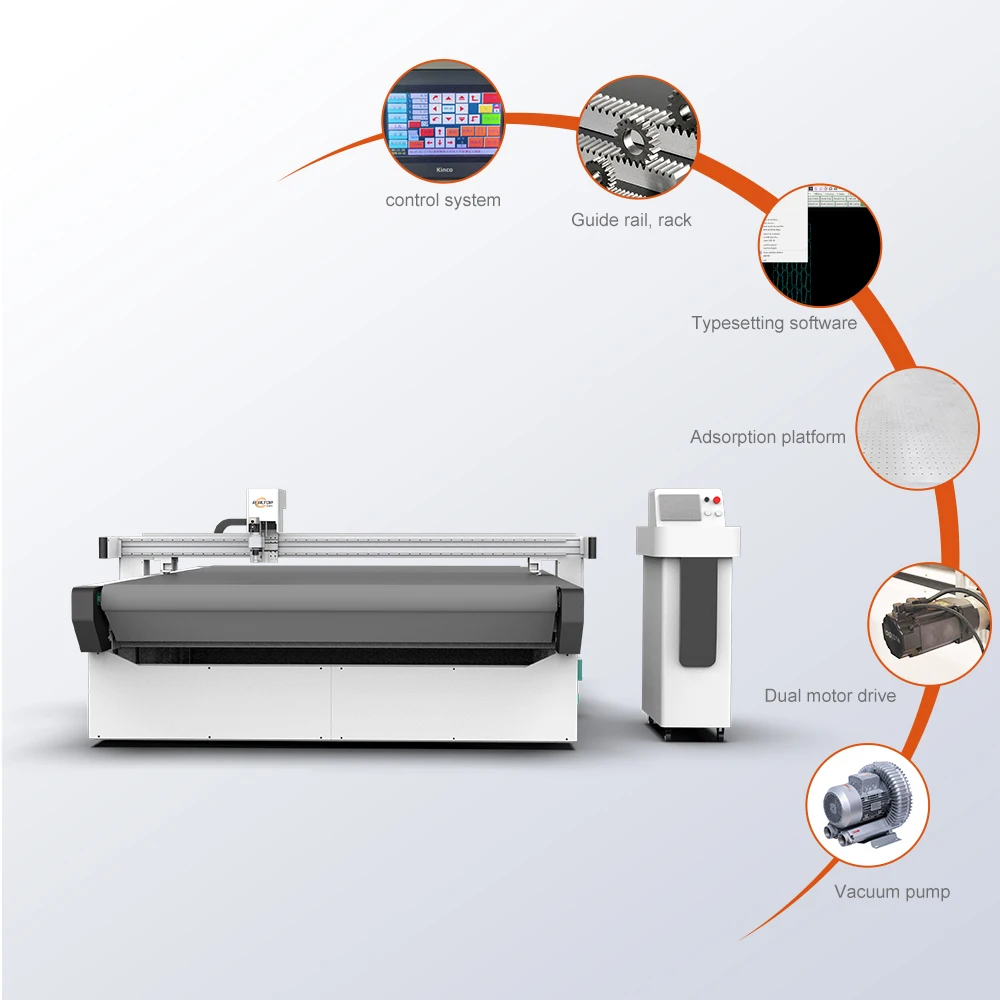
- Aluminum bellows vacuum table with zoning to prevent small-part lift during high-speed cuts
- PLC control with multi-language display and DXF/PLT/AI/PDF import for existing nesting workflows
Sample cutting on your own material documented in a report before order commitment, confirming edge quality and achievable ply count for your specific application.
Cold-Cutting Configuration — every 1625 oscillating knife cutting table is configured after material sample testing to match the tool head, vacuum zoning and oscillation frequency to the buyer’s exact textile or composite.
Technical Specifications
| Parameter | Value |
|---|---|
| Model | 1625 |
| Product Type | CNC Oscillating Knife Cutting Machine |
| Working Area | 1600×2500 mm |
| Tool Head Options | Oscillating knife, Driven rotary knife, Creasing wheel, Kiss cutting tool, Pneumatic knife, Milling tool, V groove knife |
| Cutting Speed | 0–2000 mm/s |
| Cutting Thickness | ≤ 30 mm (basis not stated in source — confirm material type and density) |
| Cutting Accuracy | ±0.1 mm |
| Vacuum Table Type | Aluminum bellows vacuum table |
| Vacuum Pump Power | 9 kW |
| Servo Motor Options | Panasonic, Delta, Dorna |
| Control System | PLC control panel with multi-language display |
| Supported File Formats | PLT, DXF, AI, PDF |
| Nesting Software | Included (intelligent nesting for material optimization) |
| Voltage Options | 110V, 220V, 380V |
| Safety Devices | Infrared sensor, Emergency stop |
| Machine Dimensions (L×W×H) | 3300×2100×1350 mm |
| Certification | CE (specific standard number to be verified against documentation) |
Application Suitability
| Application | Material or Output |
|---|---|
| Apparel manufacturing | Suits, knitwear, lace, complex woven and knitted fabrics requiring pattern-matching layouts |
| Automotive interiors | Seat fabrics, carpets, PVC mats, headliner textiles |
| Home textiles | Sofa fabrics, curtains, rugs, multi-layer upholstery stacks |
| Composite processing | Carbon fiber prepreg, aramid fabrics, glass fiber reinforced materials where heat must be avoided |
Why "Cutting Thickness ≤ 30 mm" Needs a Material Conversation Before You Commit
A 30 mm rating means nothing unless tested on your specific fabric density and ply count.
I have watched a buyer order a CNC oscillating knife cutting machine for fabric based on a spec sheet alone, only to find the blade couldn’t get through his actual multi-layer stack of coated automotive carpet. The machine ran fine on the sample he sent — which turned out to be a lighter variant than what his production line used. Thickness ratings shift with material density, coating type and whether the plies compress or spring back under the knife [NEED_CITE: material compression behavior under oscillating blade load]. That is why we ask for your real production material before quoting a final configuration.
Tool Head Selection Dictates Edge Quality on Every Textile You Cut
The 1625 platform supports seven interchangeable tool heads — oscillating knife, driven rotary knife, pneumatic knife, creasing wheel, kiss cutting tool, milling tool and V groove knife. Choosing the right one is not a matter of preference; it depends on whether your material is woven, non-woven, coated or laminated. A driven rotary knife handles loose-weave fabrics that an oscillating blade would fray, while a pneumatic knife delivers the downforce needed for dense rubber-backed carpet. A CNC oscillating knife cutting machine for fabric and textile processing is only as effective as the tool head matched to your actual stock.
Vacuum Zoning Keeps Small Pattern Pieces Flat During High-Speed Cutting
The aluminum bellows vacuum table on this machine provides consistent suction across the full 1600×2500 mm bed, but the zoning layout determines whether small cut pieces — collar pieces, glove panels, gasket shapes — stay pinned or lift at the trailing edge. When the vacuum zones are too broad, suction spreads thin and lighter fabric plies shift mid-cut. We configure the zone map based on the smallest part in your nesting layout, not the largest [NEED_CITE: vacuum hold-down requirements for small-format textile parts]. This matters especially when cutting multi-layer stacks for home textiles, where a shifted bottom ply wastes an entire lay.
What the Specification Numbers Mean on the Production Floor
The ±0.1 mm cutting accuracy is maintained by the servo-driven motion system — available with Panasonic, Delta or Dorna motors — and it directly affects how well pattern pieces align during downstream sewing. A half-millimeter drift across a 1.5-meter cut length causes visible seam mismatch on suit jackets and automotive seat covers. The 9 kW vacuum pump delivers the suction needed to hold porous fabrics flat, but the actual hold-down performance depends on the table surface seal and zone configuration. The PLC control panel accepts DXF, PLT, AI and PDF files, which means your existing nesting workflow can feed directly into the machine without format conversion. Cutting speed reaches up to 2000 mm/s on straight runs, though curves and tight corners require the controller to decelerate — the nesting software included with the machine accounts for this when calculating estimated run time.
The Cost of Skipping the Sample Cutting Step
When a buyer specifies a machine on working area alone and skips material testing, the problems surface after the machine is installed. The wrong oscillation frequency tears non-woven interlining instead of cutting it. A vacuum zone that is too wide fails to hold down narrow gasket strips, producing tapered edges. The blade dulls within hours on fiberglass-reinforced composites that were never part of the original specification. These are not defects — they are mismatches, and every one of them can be caught by running the buyer’s real material on the machine before the order is finalized [NEED_CITE: tool wear rates on abrasive composite textiles].
Why Buyers Source This Platform From Our Jinan Facility
We design and produce both knife and laser cutting systems in-house, so the recommendation for cold cutting versus thermal cutting is based on your material behavior — not on which machine we need to move. Each tool head and vacuum configuration is specified against the buyer’s material sample, not chosen from a default list. The CCD camera positioning option is available for printed contour work where registration marks must be tracked at production speed. Voltage, plug type and control language are confirmed in writing before the machine enters assembly. And the sample cutting report — run on your actual fabric, leather or composite — ships with the machine documentation so the agreed configuration is on record.
Documentation & Verification
- Machine specification sheet listing the confirmed tool head and vacuum zone map for your material
- Sample cutting report on your fabric or composite documenting edge quality and achievable ply count
- Electrical schematic and voltage confirmation matched to your facility power supply
- Software licence and file format compatibility note for DXF, PLT, AI and PDF workflows
- Factory test record showing cutting accuracy verification across the full 1600×2500 mm bed before dispatch
- Spare parts list covering blades, vacuum seals and wear items specific to your configuration
Installation, Commissioning & Support
- Floor space requirement of at least 4.5×3 meters to accommodate the 3300×2100×1350 mm machine frame with access clearance
- Dedicated circuit for the 9 kW vacuum pump on the confirmed voltage option (110V, 220V or 380V)
- Machine ships with tool heads pre-mounted and vacuum table leveled; on-site assembly covers gantry and control panel connection
- First-run parameter setting includes oscillation frequency, vacuum zone activation and cutting speed calibration on your material
- Operator training covers tool head changeover, nesting software import and PLC control panel navigation in the confirmed language
- Recommended spare blade and vacuum seal inventory based on your material abrasiveness and daily cutting volume
What We Need to Configure the Right Machine for Your Line
Send us the material type, thickness and whether it is single-ply or multi-layer. Tell us your target daily volume, the smallest part in your nesting layout and the voltage standard at your facility. If you work with printed fabrics, let us know whether contour recognition is part of your workflow. We will run your actual material on the 1625 platform and return a sample cutting report with our configuration recommendation.
Frequently Asked Questions
Q: How is cutting thickness verified for my specific fabric type and ply count?
A: We run your actual production material on the 1625 machine and document the result in a sample cutting report. This covers edge quality, blade wear rate and the maximum ply count that produces a clean cut. The ≤ 30 mm rating in the spec sheet is a starting reference, not a guarantee across all material densities.
Q: Which tool head is recommended for my material?
A: The choice depends on your material structure. Woven fabrics typically use the oscillating knife, loose-weave or stretch textiles suit the driven rotary knife, and dense rubber-backed materials require the pneumatic knife for sufficient downforce. We confirm the tool head after the sample cutting test on your material.
Q: Is CCD camera contour recognition available for printed fabric registration?
A: Yes, the CCD camera option is available for this platform and tracks printed registration marks during cutting. We verify the camera’s ability to read your specific print contrast and mark size at production speed before including it in your configuration.
Q: What vacuum zone configuration is needed for small pattern pieces?
A: The aluminum bellows vacuum table is divided into zones that we configure based on the smallest part in your nesting layout. Narrow or lightweight pieces require tighter zone spacing to prevent lifting during cutting. We map the zones to your typical nesting pattern before the table is finalized.
Q: Can the machine import my existing nesting files and what software is included?
A: The system accepts PLT, DXF, AI and PDF file formats. Intelligent nesting software is included for material yield optimization. We confirm file compatibility with your existing CAD or nesting workflow before the order and document this in the software compatibility note that ships with the machine.


Related products
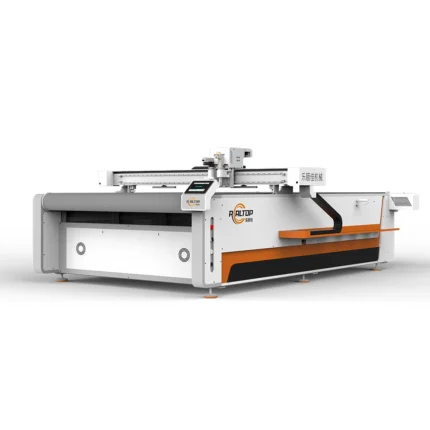
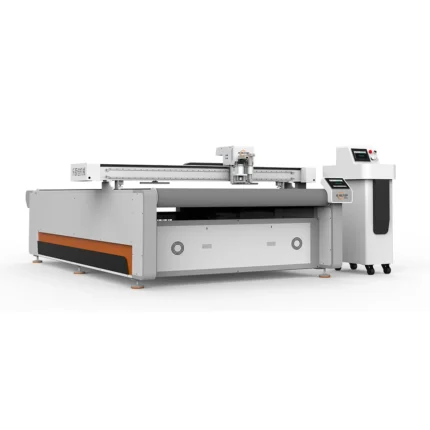
CNC Oscillating Knife Cutting Machine 2026 3000¡Á1600mm High-Speed
Product Parameters
| Model | CNC Oscillating Knife Cutting Machine 2026 |
| Working Area | 3000mm¡Á1600mm |
| Cutting Type | Oscillating Knife |
| Application | Fabric Cutting |
| Feature | High-Speed |
Introduction
High-performance CNC oscillating knife cutting machine with 3000mm¡Á1600mm working area, ideal for high-speed fabric cutting. Precision and efficiency for professional textile processing needs.
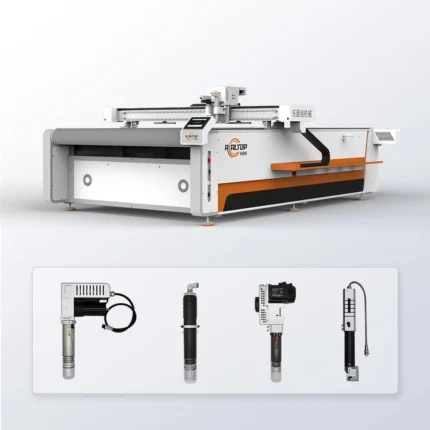
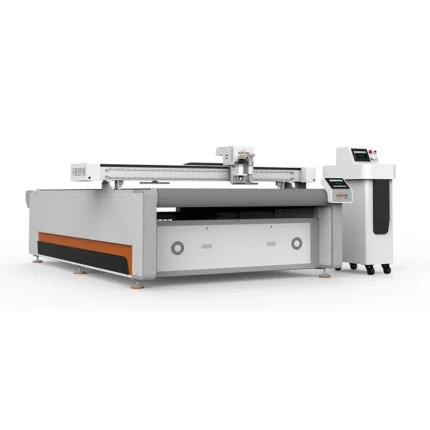
Sistema de Cuchilla Vibratoria CNC 2026 para Prepreg No Tejido de Poliéster y Nailon
Product Introduction
CNC Vibration Knife System 2026 is ideal for cutting polyester, nylon, non-woven fabrics, and prepreg materials with precision and efficiency, suitable for industrial manufacturing needs.Product Parameters
| Model | 2026 |
| CNC Vibration Knife | |
| Materials | Polyester, Nylon, Non-Woven, Prepreg |
Máquina CNC personalizada de corte de tela para camisetas 2026
Product Introduction
Custom CNC Shirt Fabric Cutting Machine 2026, ideal for precise fabric cutting in garment manufacturing, offering efficient and accurate cutting solutions.
Product Parameters
| Model | Custom CNC Shirt Fabric Cutting Machine 2026 |
| Type | CNC Fabric Cutting Machine |
| Application | Shirt Fabric Cutting |
| Year | 2026 |
Jinan Realtop CNC Fabric Slitting Cutter 2026: Cortador avanzado de materiales flexibles
Product Introduction
Jinan Realtop CNC Fabric Slitting Cutter 2026 is a high-performance cutting equipment designed for precise fabric processing, ideal for industrial manufacturing needs with reliable CNC technology.Specifications
| Model | 2026 |
| Type | CNC Fabric Slitting Cutter |
| Manufacturer | Jinan Realtop |
| Application | Fabric Processing |
| Control System | CNC |
商品评价
There are no reviews yet.