

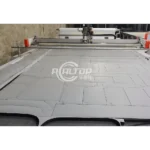
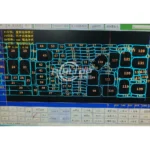
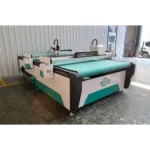
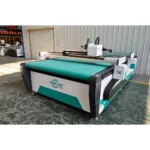
Realtop-2516 CNC Fabric Cutter for Leather and Garment – Custom Build
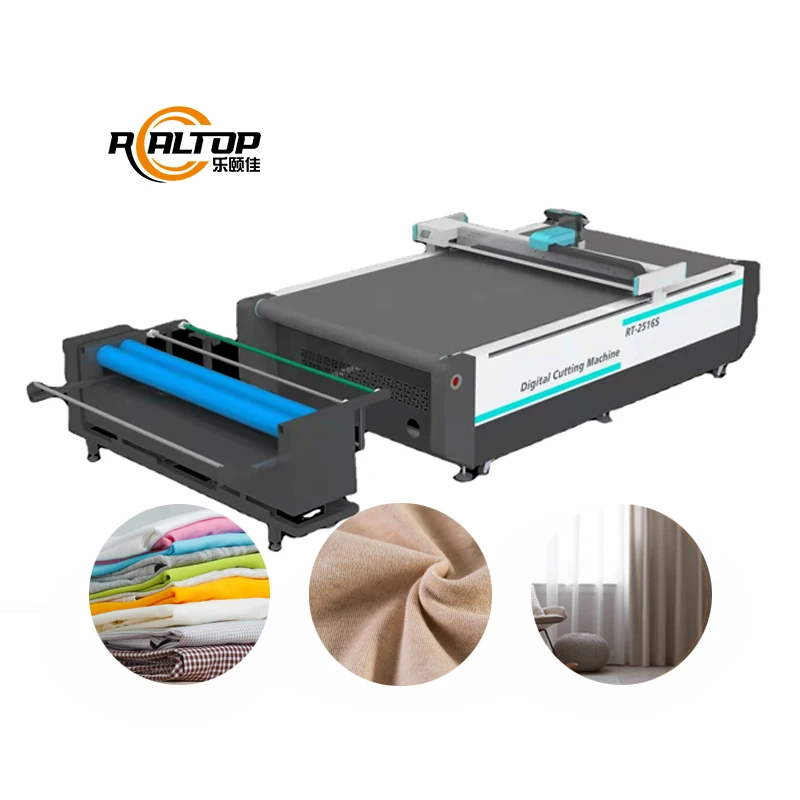
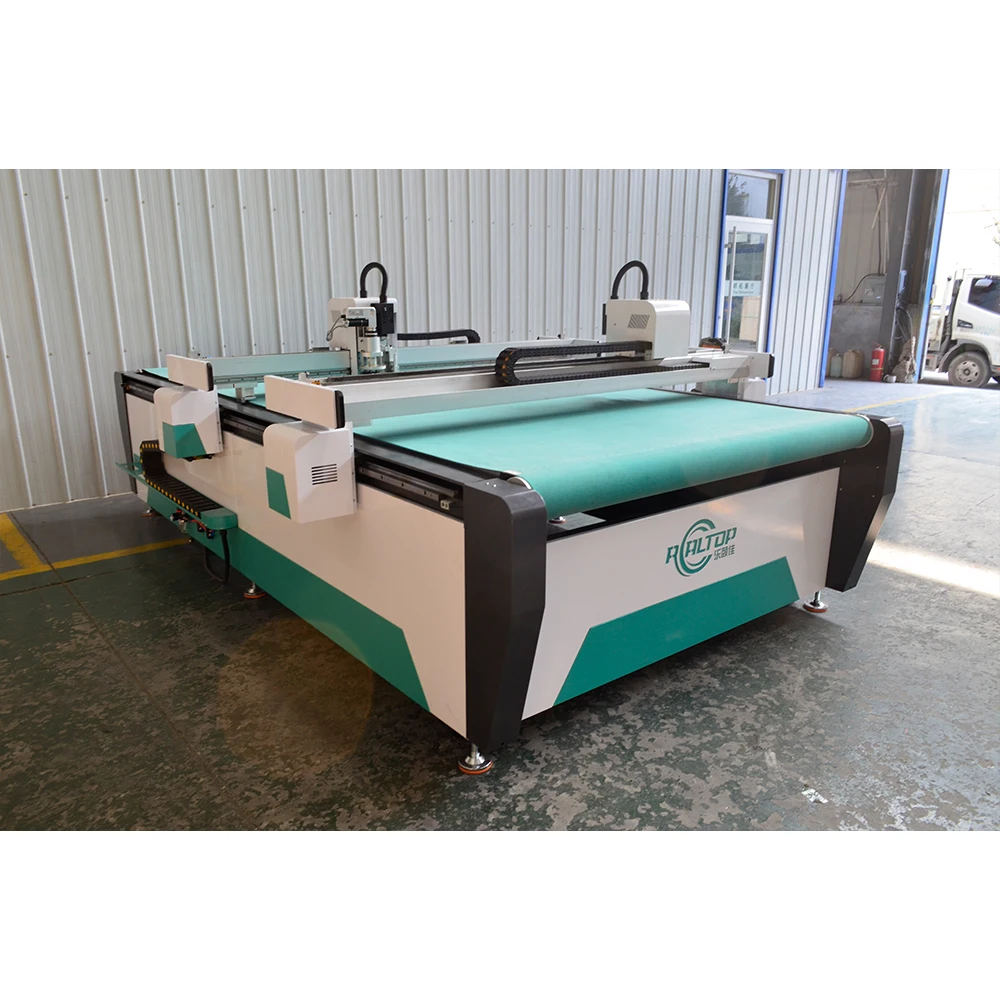
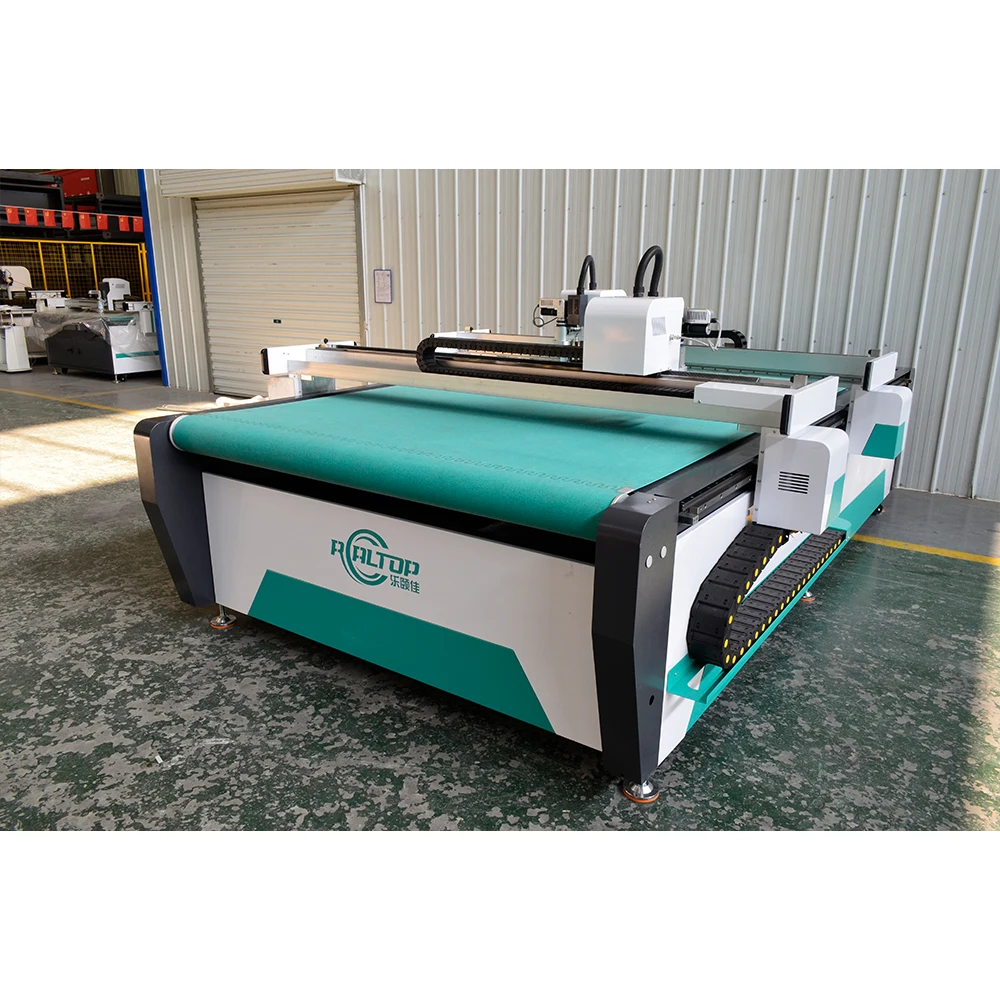
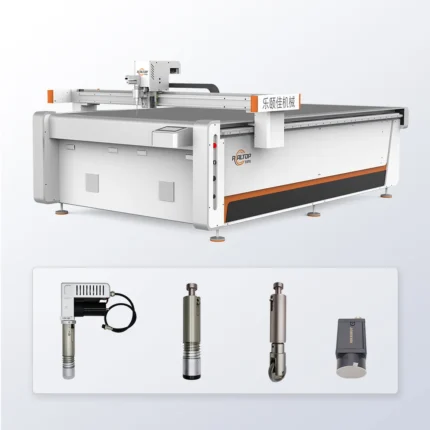
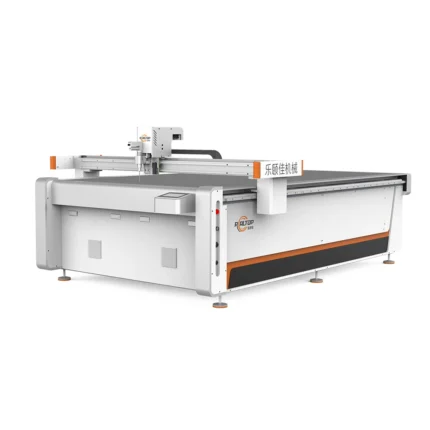
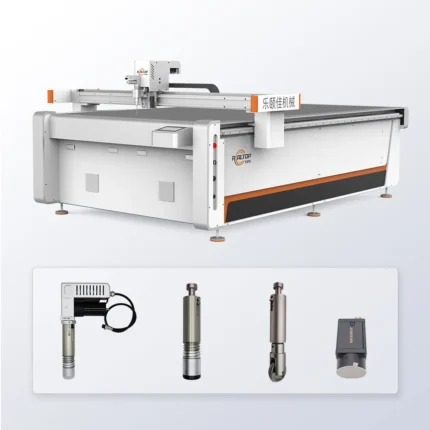
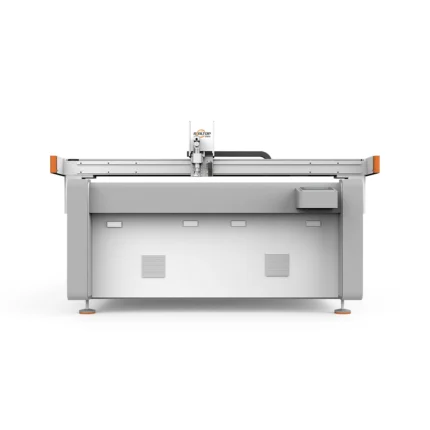
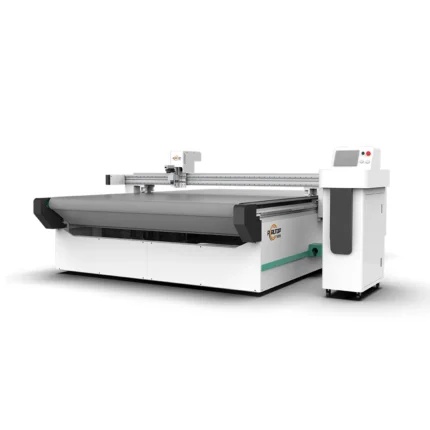
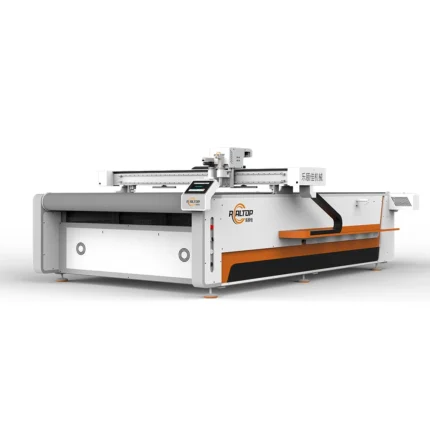
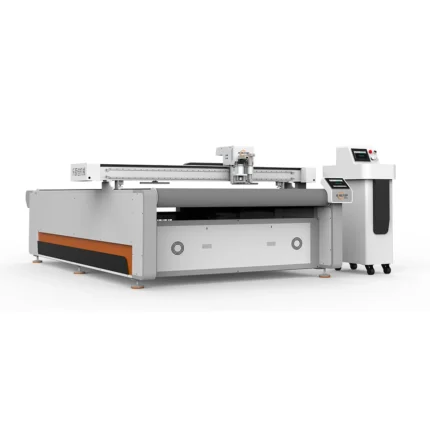
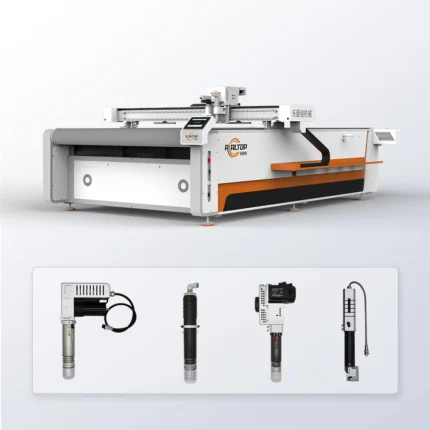
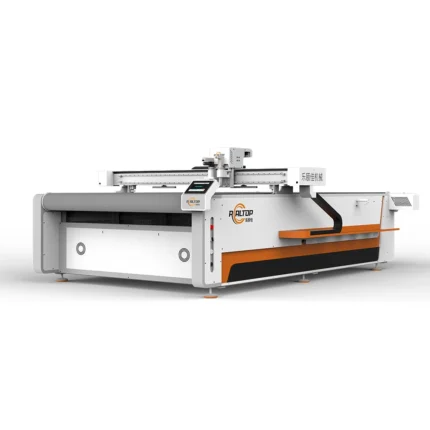
RT-D2516/RT-S2516 CNC Fabric Oscillating Knife Cutting Machine, 1600×2500mm, ≤50mm Cutting Thickness — engineered for burr-free edge quality on fabric, leather and sponge composites.
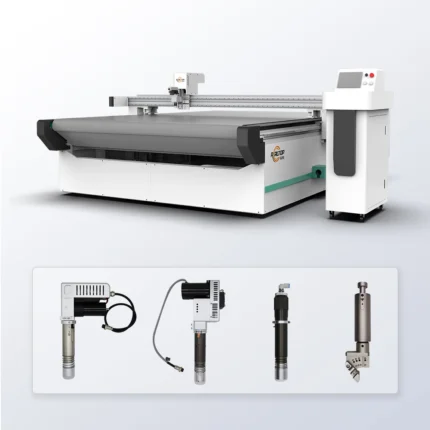
- Swiss imported oscillating knife supports vibration full-cut, half-cut and cursor location per material density
- 7.5kW vacuum pump with high-density felt table cloth holds small nested parts flat at 800–1200mm/s translational speed
- Modular tool holder accepts round knife, marking pen and auto feeder for future product expansion
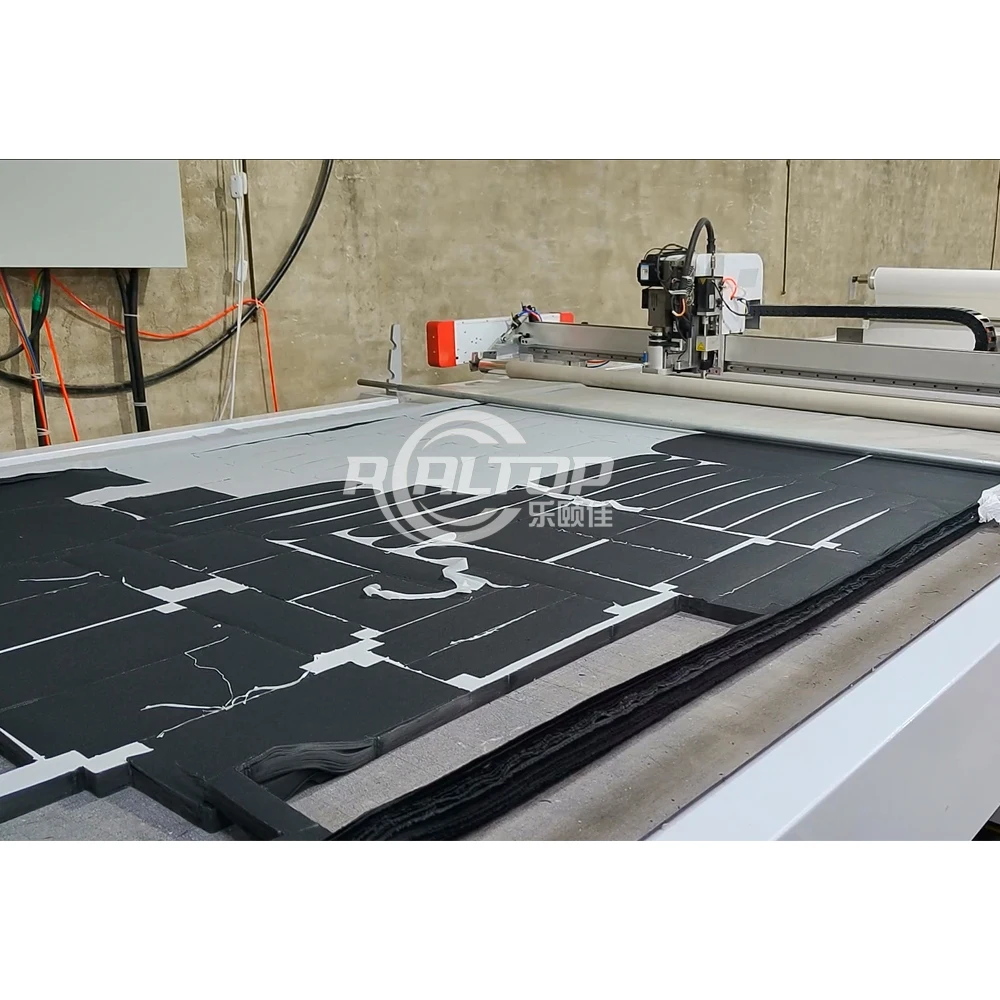
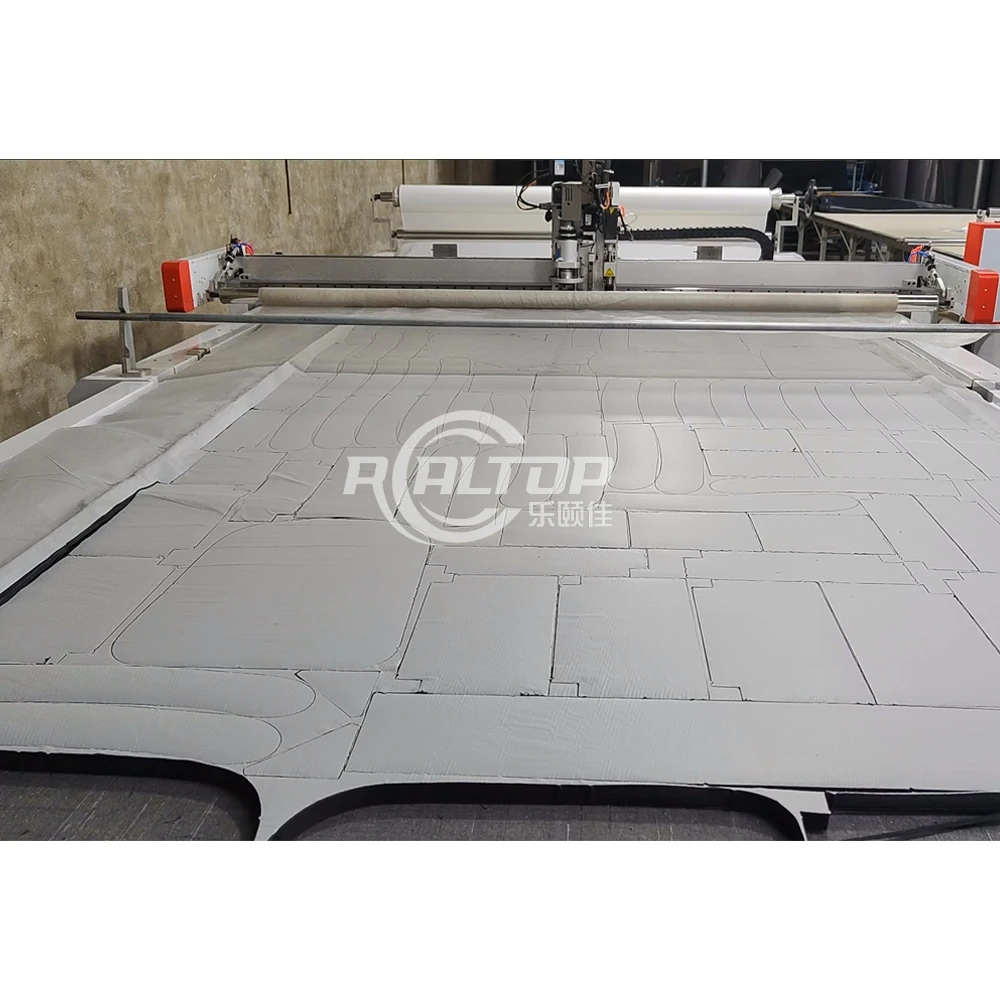
Sample cutting on your own material confirms edge quality and thickness capability before order, with voltage, plug and software language locked in the specification sheet.
Modular Tooling Flexibility — Swiss-imported oscillating knife heads configured per material density and thickness, validated on buyer-supplied samples before factory dispatch.
Technical Specifications
| Parameter | Value |
|---|---|
| Product Type | CNC Fabric Oscillating Knife Cutting Machine |
| Working Area | 1600 × 2500 mm |
| Machine Size | 3450 × 2300 × 1250 mm |
| Rated Power | 9 kW |
| Working Table Type | Flatbed with high-density felt surface |
| Vacuum System | 7.5 kW vacuum pump |
| Multifunctional Tool Head | Swiss imported knife with vibration full cutting, half cutting, and cursor location |
| Cutting Thickness | Up to 50 mm depending on material density and composition |
| Translational Velocity | 800–1200 mm/s |
| Repeated Accuracy | ≤0.1 mm |
| Transmission System | Digital servo motor, linear guide, synchronous belt, ball screw |
| Servo Motor Brand | Delta or Panasonic (confirm at order) |
| Guide Rail | Taiwan Hiwin rail |
| Conveyor Belt | Germany-imported belt with auto-feeding system |
| Instruction Format | HP-GL compatible |
| Voltage | 380V ±10% |
| Safety Device | Infrared sensors |
| Control Software Language | English, Russian, Italian, Chinese; custom languages available |
| Lathe Bed Structure | Overall welding with imported milling machine processing |
| Certification | CE declaration |
Application Suitability
| Application | Material or Output |
|---|---|
| Garment and fashion fabric cutting | Single and multi-layer woven, knit, and technical textiles |
| Leather goods production | Natural and synthetic leather for bags, shoes, and belts |
| Automotive interior trimming | Sponge composite leather, PVC, and foam laminates |
| Home furnishing fabrication | Soft glass, silicon sheets, and flexible composite panels |
| Packaging sample making | Carton board and corrugated material for prototype runs |
| Gasket and seal cutting | Rubber and silicon sheets for industrial sealing applications |
Why the Tool Head Decision Matters More Than the Working Area
Many buyers specify a flatbed by table size alone, only to discover the installed knife cannot handle their material thickness or produces crushed edges on layered foam. The RT-D2516/RT-S2516 addresses this with a modular tool holder that accepts round knife, oscillating blade, and marking pen configurations, each selected around the actual stock being processed.
A 2500 × 1600 mm table means nothing if the cutting head tears through your PVC-coated textile or leaves ragged fringes on multi-layer garment stacks. I have seen fabric producers lose entire shifts to edge defects traced back to a mismatched blade profile — the machine runs, the material feeds, but the cut quality fails downstream at sewing or assembly [NEED_CITE: material-specific tooling requirements in textile converting].
How Oscillation Frequency Controls Edge Quality on Coated Fabrics
The Swiss-imported oscillating knife runs at high-frequency vibration to slice through layered textile without dragging or pulling fibers. On coated materials like PVC-backed blackout cloth or PU-laminated upholstery fabric, the vibration frequency must be matched to coating hardness and substrate density. A CNC fabric cutting machine factory that tests only on standard polyester will miss the thermal buildup that melts PVC coatings at the cut line.
Vacuum Zoning and Small-Part Stability at High Traverse Speeds
At translational velocities between 800 and 1200 mm/s, small nested parts — collar pieces, gasket rings, or shoe upper components — can lift off the table if vacuum distribution is uneven. The 7.5 kW vacuum pump paired with high-density felt across the flatbed creates consistent hold-down pressure. For buyers running mixed nests of large panels and small trim pieces, zoning confirmation on the actual nesting layout prevents mid-cut material shift [NEED_CITE: vacuum hold-down principles in flatbed digital cutting].
Reading the Specifications Against Your Production Reality
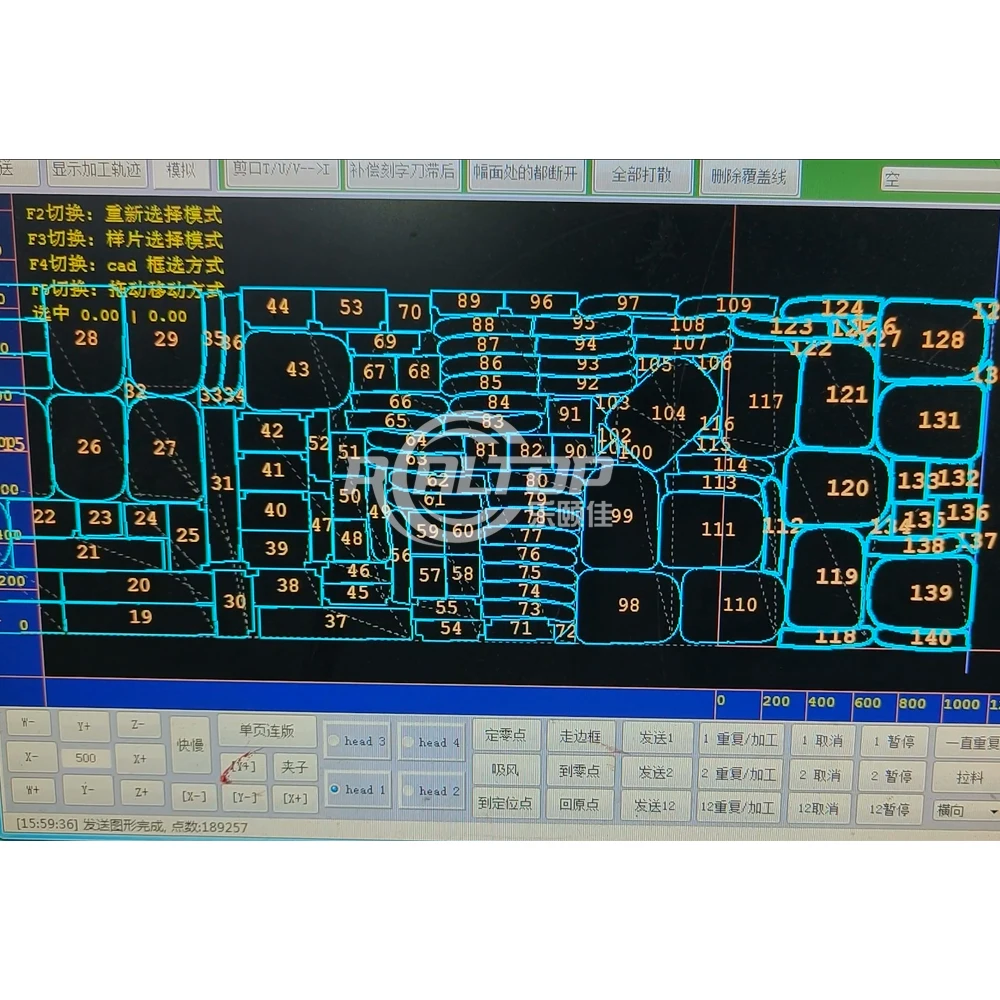
The ≤50 mm cutting thickness rating varies significantly by material: a dense rubber gasket sheet will cut far thinner than a layered foam laminate. Repeated accuracy of ≤0.1 mm supports garment pattern grading and leather hide nesting where cumulative tolerance drift ruins material yield. The Delta or Panasonic servo motor specification must be locked at order because servo response characteristics affect corner accuracy on intricate patterns. The HP-GL compatible instruction system integrates with common nesting software but file format compatibility should be verified against the buyer’s existing CAD workflow before production begins.
The Cost of Skipping Material-Specific Configuration
When a machine arrives with the wrong tool head or vacuum specification, the buyer faces weeks of trial-and-error parameter adjustment on the production floor. Coated fabrics melt and re-seal behind the blade. Multi-layer foam stacks compress under incorrect knife pressure, yielding undersized pieces that fail quality checks. Small garment parts shift on insufficient vacuum, producing seconds that are only discovered at the sewing line. These problems compound because each material change requires a fresh round of testing [NEED_CITE: production loss from unverified cutting parameters].
Why This Build Approach Fits Laser-Adjacent Fabrication Workshops
The in-house design team covers both knife and laser cutting technologies, so a buyer processing mixed material streams can match cutting method to material rather than forcing one process. Tool head and table configuration are specified per material type and production volume, not sold as a universal default. CCD camera positioning is available for printed contour work where registration marks must be tracked at production speed. Software compatibility is confirmed against the buyer’s nesting workflow before the order is finalized, not discovered during commissioning. Voltage, plug type, and control language customization are documented in the specification sheet before production starts.
Documentation & Verification
- Machine specification sheet with locked servo motor brand and voltage confirmation
- Tool head and table configuration list matched to your material samples
- Sample cutting report on buyer-supplied material with edge quality photographs
- Electrical schematic showing 380V ±10% circuit layout and safety sensor wiring
- Factory test record documenting repeated accuracy and cutting speed on your stock
- Software license and HP-GL file format compatibility note for your nesting workflow
Installation, Commissioning & Support
- Foundation must support 3450 × 2300 mm footprint with level tolerance for guide rail alignment
- Dedicated 380V ±10% circuit with rated capacity exceeding 9 kW plus 7.5 kW vacuum pump draw
- Machine ships fully assembled; vacuum table felt and conveyor belt installed at factory
- First-run parameter tuning on your material thickness range with oscillation frequency adjustment
- Operator training covers tool head changeover, vacuum zoning, and auto-feeder calibration
- Spare parts list includes replacement felt, oscillating blades, and high-flexibility cable sets
What We Need to Quote Accurately
Send your material type, maximum thickness, and typical sheet dimensions along with daily cutting volume and nesting file format. Confirm your facility voltage, plug standard, and preferred control language. If your stock includes coated, laminated, or composite materials, ship physical samples so we can run cutting trials and document edge quality before the machine leaves the factory.
Frequently Asked Questions
Q: How do you verify cutting thickness and edge quality on my specific material before shipment?
A: We ask buyers to send actual production material samples. Our team runs test cuts using the configured tool head, documents edge quality with photographs, and records achievable cutting speed and thickness. The sample cutting report ships with the machine so your operators have baseline parameters from day one.
Q: Can I add different tool heads later if my product range expands?
A: The modular tool holder accepts round knife, oscillating blade, marking pen, and auto-feeder attachments. Adding a new tool head later does not require replacing the machine or the control system — you configure the new head and update the cutting parameters for the additional material type.
Q: How is vacuum suction distributed for small nested parts that tend to lift during cutting?
A: The 7.5 kW vacuum pump works through the high-density felt table cloth to create uniform suction across the bed. For nests containing many small geometry pieces, we review your nesting layout and confirm hold-down performance during the factory sample test before dispatch.
Q: Does the control software work with my existing DXF or PLT nesting files?
A: The instruction system accepts HP-GL compatible formats. We confirm file import compatibility against your nesting software before the order is placed, and include a software license note documenting supported formats in the delivery documentation.
Q: How are voltage, plug type, and control language confirmed before production?
A: These are locked in the machine specification sheet at order stage. The 380V ±10% electrical system is built to your facility standard, the plug is matched to your local code, and the control interface language — English, Russian, Italian, Chinese, or a custom option — is set before the machine powers on for its factory test.


Related products
2026 Cortador de Tela Automático de Cuchilla Circular de Alta Eficiencia
Product Introduction
High Efficiency 2026 Auto Fabric Cutter with Round Knife is a professional cutting equipment designed for fabric processing. It features advanced automation and high cutting efficiency, suitable for various fabric materials in industrial production.Product Parameters
| Model | 2026 |
| Type | Auto Fabric Cutter |
| Blade Type | Round Knife |
| Feature | High Efficiency |
2026 Carbon Fiber Cloth Cutting Machine – China Manufacturer
Product Introduction
Fabric Sample Cutter Pillow Machine ¨C 2026 Carbon Fiber Cloth Cutting Machine, ideal for precise cutting of carbon fiber cloth and fabric samples, suitable for pillow production and related textile applications.Product Parameters
| Name | Fabric Sample Cutter Pillow Machine |
| Model | 2026 |
| Material | Carbon Fiber Cloth |
| Application | Pillow Fabric Cutting |
Cortadora de cuchilla oscilante de mesa plana 2026, 1600x3500 mm, textil con alimentación automática
Product Overview
Flatbed Oscillating Knife Cutting Machine 2026 is a high-precision textile fabric cutter with auto-feeding function, ideal for efficient and accurate cutting tasks in textile manufacturing. It combines advanced oscillating knife technology with a large working area to meet industrial production needs.Key Specifications
| Model | 2026 |
| Working Area | 1600x3500mm |
| Feeding System | Auto-Feeding |
| Cutting Type | Oscillating Knife |
| Application | Textile Fabric |
2026 Máquina de corte para tablas de surf SUP inflables
Product Introduction
Ideal for inflatable surf SUP board production, this 2026 cutting machine ensures precise and efficient cutting, tailored for manufacturers seeking reliable performance in water sports equipment manufacturing.
Specifications
| Application | Inflatable Surf SUP Board |
| Type | Cutting Machine |
| Model Year | 2026 |
CNC Oscillating Knife Cutting Machine 2026 3000¡Á1600mm High-Speed
Product Parameters
| Model | CNC Oscillating Knife Cutting Machine 2026 |
| Working Area | 3000mm¡Á1600mm |
| Cutting Type | Oscillating Knife |
| Application | Fabric Cutting |
| Feature | High-Speed |
Introduction
High-performance CNC oscillating knife cutting machine with 3000mm¡Á1600mm working area, ideal for high-speed fabric cutting. Precision and efficiency for professional textile processing needs.
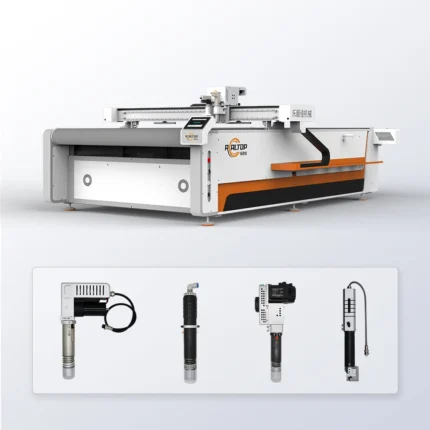
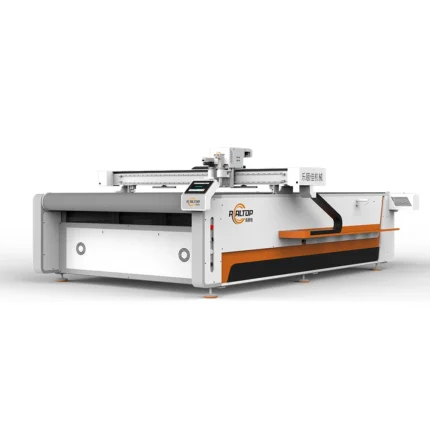
Máquina de corte de tela de alta velocidad 2026 con cuchilla oscilante redonda
Product Overview
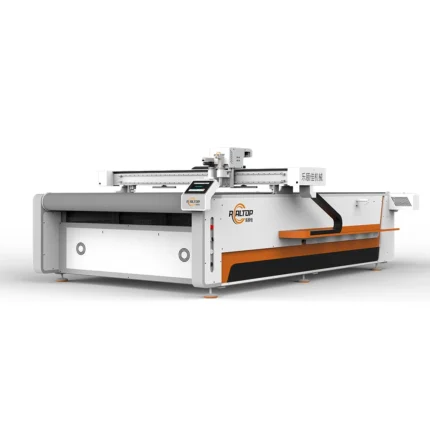
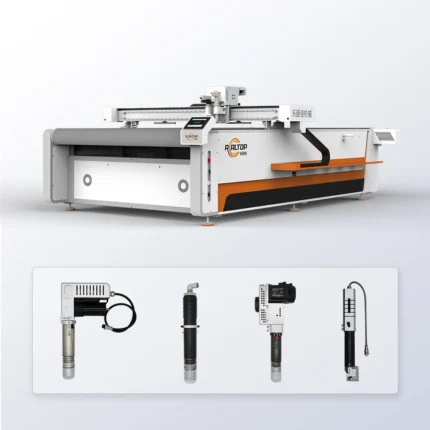
High Speed Fabric Cutting Machine 2026 with round and oscillating knife for efficient fabric cutting. Ideal for textile manufacturing and related industries.Key Specifications
| Cutting Type | Round & Oscillating Knife |
| Model Year | 2026 |
| Application | Fabric Cutting |
| Feature | High Speed Performance |
Jinan Realtop CNC Cortadora de Cuchilla Oscilante 2026
Product Introduction
Jinan Realtop CNC Oscillating Knife Cutter 2026, a precision cutting solution from China's leading welding & cutting equipment manufacturer, ideal for efficient material processing with advanced CNC technology.
Key Specifications
| Model | 2026 |
| Type | CNC Oscillating Knife Cutter |
| Manufacturer | Jinan Realtop |
Máquina de Corte de Tela CNC Realtop 2026 Certificada CE
Product Introduction
Realtop CNC Fabric Cutting Machine 2026, CE Certified, ideal for precision fabric cutting with advanced CNC technology. Engineered for efficiency and reliability in textile manufacturing processes.Key Specifications
| Model | Realtop CNC Fabric Cutting Machine 2026 |
| Certification | CE Certified |
商品评价
There are no reviews yet.