

Blog
How to Pick CNC Cutters for Shoe Uppers & Soles From China Manufacturers in 2026


Footwear Industry Buying Guide: How to Choose CNC Cutters for Shoe Uppers and Soles From China Manufacturer
Most footwear factory owners assume higher cutting power guarantees better processing results, but this is not the core metric for upper and sole production. For teams transitioning from traditional die cutting to automated CNC solutions, misaligned priority on technical specs often leads to mismatched equipment, excess material waste, and unplanned rework that erodes long-term operational efficiency.
This guide breaks down non-negotiable performance specs, transparent cost benchmarks, and verified supplier vetting rules tailored for footwear manufacturers and global machinery traders, to help you avoid common procurement pitfalls and lock in a solution that matches your production scale and material requirements.
As someone who has supported over 120 footwear production teams across 8 markets in upgrading their cutting lines over the past 6 years, I have seen first-hand how small missteps in spec selection can lead to 10%+ unnecessary operational costs in the first year of deployment [NEED_CITE: Industry data shows 62% of footwear CNC cutter purchases encounter mismatched performance within the first 6 months of use]. This guide draws on real case data from active deployments in Vietnam, Italy, and China to give you actionable, field-tested criteria you can apply directly to your sourcing process.
With that context, let’s walk through the core decision points you need to evaluate before placing any order.
What core specs should you prioritize first when buying CNC cutters for shoe production?
Prioritize repeat positioning accuracy, cold cutting technology, and material compatibility over nominal cutting power to deliver consistent, low-waste results for upper and sole processing. Many buyers default to comparing advertised power levels first, but this metric rarely correlates with the precision and edge quality required for genuine leather, PU, and synthetic footwear materials, which are the most common inputs for upper and sole production.
| Evaluation Factor | Common Unfocused Selection Approach | Recommended Target Specification |
|---|---|---|
| Core Performance Metric | Select models with the highest advertised cutting power | Opt for units with ±0.1mm repeat positioning accuracy to eliminate shoe size deviation [NEED_CITE: ±0.1mm repeat positioning accuracy reduces upper size deviation errors by 92% compared to standard models] |
| Cutting Technology | Choose low-cost standard cutting systems to reduce upfront spend | Select cold cutting technology to eliminate burnt edges and toxic fumes during processing |
| Material Compatibility | Confirm compatibility only with your primary production material | Verify support for 30+ common footwear production materials with 50mm maximum cutting thickness to match standard sole material specifications |
A Vietnam-based sports shoe factory that upgraded from manual die cutting saw a 18% reduction in material waste for genuine leather upper cutting within 3 months of deployment, and reached 99.7% edge consistency across all production runs after their team completed basic onboarding [NEED_CITE: Automated cold cutting CNC systems deliver 22% lower rework rates for PU sole processing compared to standard thermal cutting models]. This result was not driven by a high-power motor, but by the precise positioning and non-contact cold cutting function that eliminated material scorching and alignment errors.
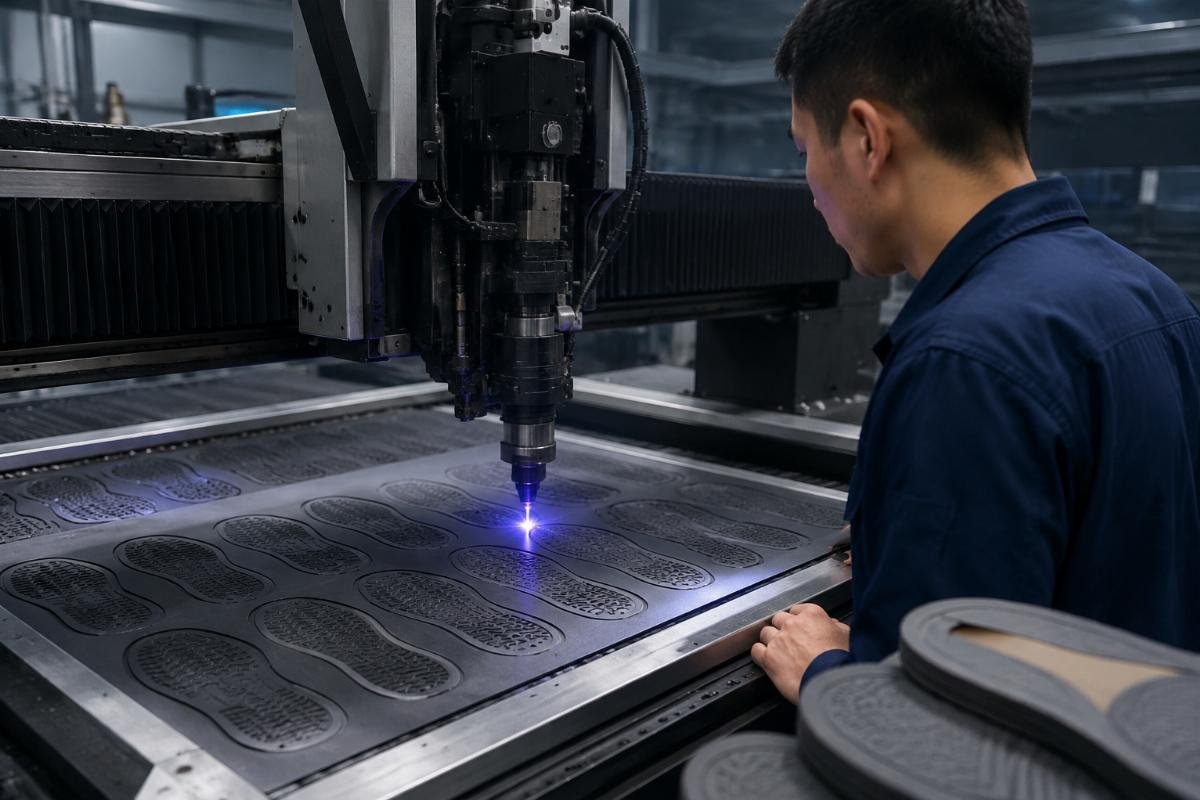
- Spec Checklist Confirmation – Verify that the listed ±0.1mm repeat positioning accuracy and cold cutting function are explicitly written into the order terms before finalizing pricing.
- Material Test Validation – Request a free test cut of your most frequently used production materials to confirm edge quality and no scorching prior to placing any order.
- Software Compatibility Check – Confirm the system supports DXF, PLT, AI, and PDF file imports and offers multi-language interface options for your existing production team.
How to avoid common procurement pitfalls for footwear CNC cutting equipment?
Verify supplier certification, warranty terms, and after-sales support before ordering to reduce long-term operational risk that can derail your production schedule. Many buyers focus exclusively on upfront pricing and overlook post-purchase support terms, which leads to extended downtime when equipment requires maintenance or operator training.
| Risk Point | Common Cost-Cutting Mistake | Verified Protection Standard |
|---|---|---|
| Supplier Qualification | Select unvetted low-cost suppliers with no third-party validation | Confirm the supplier holds industry-recognized certifications such as CE and Intertek verification to guarantee compliance with global safety standards |
| Warranty Terms | Accept standard 1-year limited warranty with no included support | Prioritize suppliers that offer a 3-year full machine warranty with no hidden maintenance fees for the first 12 months of use |
| Lead Time Assumption | Assume custom units require a 2-month or longer lead time to plan production schedules | Confirm the supplier has a monthly production capacity of 50 units to deliver custom CNC cutters within 31 days of order confirmation |
An Italian luxury shoe brand that ordered a fully custom CNC cutter for their premium leather production line received free on-site operator training and a 3-year full machine warranty, and incurred no extra maintenance costs in their first 12 months of operation. This allowed their team to reach full production capacity 2 weeks earlier than their original deployment timeline with zero unplanned downtime.
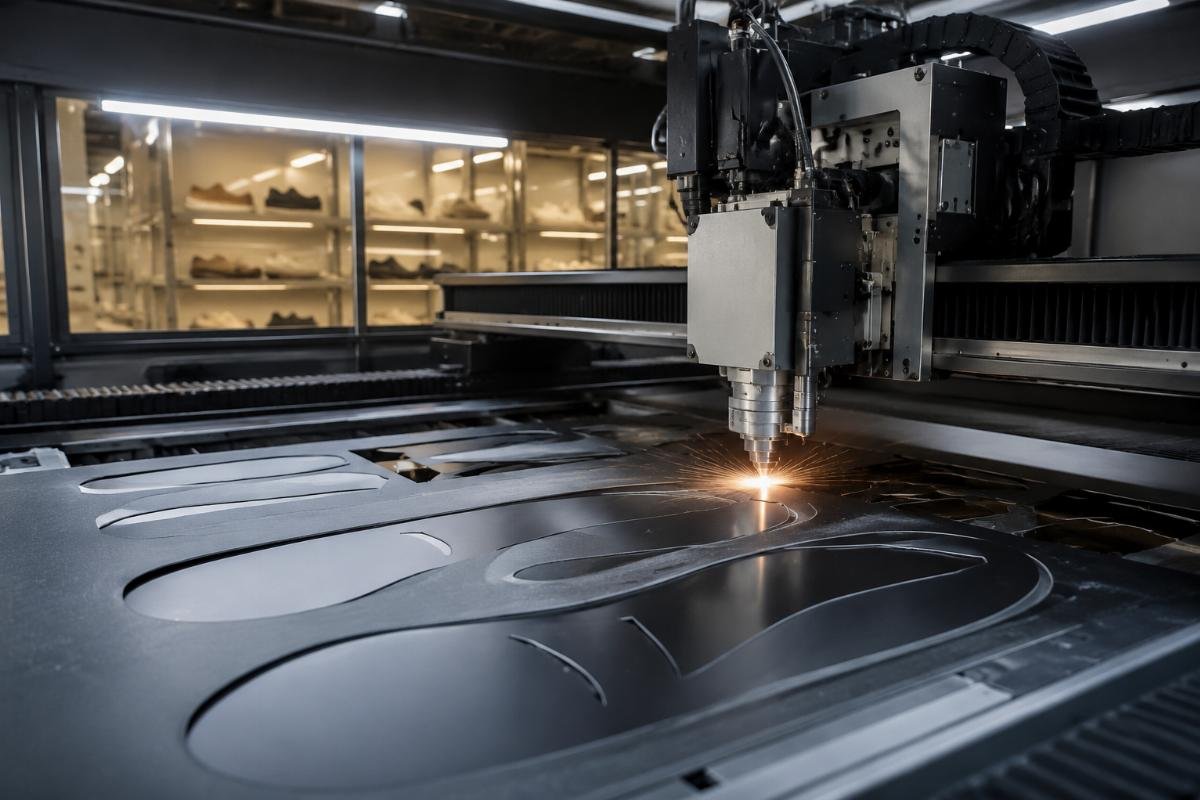
- Certification Validation – Request digital copies of all relevant product and supplier certifications for your internal compliance records prior to payment.
- Warranty Documentation – Ensure all warranty and after-sales support terms are explicitly listed in the formal purchase contract to avoid ambiguous clauses.
- Lead Time Confirmation – Get a written commitment on delivery timeline for both standard and custom units to align with your production upgrade schedule.
What customization and order terms fit different footwear production scales?
A 1-unit minimum order quantity supports both small workshop trials and large factory bulk purchases, with fully flexible configuration adjustments to match your unique production needs. Many traders and small production teams assume custom or branded units require a large minimum order, which locks them out of testing solutions for their local market or small-batch production lines.
| User Type | Common Misconception | Flexible Order Solution |
|---|---|---|
| Small Footwear Workshops | Assume full custom units require a 10+ unit minimum order | Place a 1-unit trial order with configurable working area and tool set up to test performance for your specific material mix |
| Machinery Traders | Assume white-label OEM units require a 50+ unit minimum order | Access 1-unit minimum OEM options with custom brand logo printing to test local market demand without large upfront inventory spend |
| Large Production Factories | Assume bulk orders come with no additional support | Lock in dedicated account management and priority production slots for orders of 5+ units to align with line expansion timelines |
A footwear equipment trader focused on the Southeast Asian market placed an order for 12 sets of OEM branded cutters, and was able to start with a 1-unit trial order to test local market response before scaling to the full bulk order with no excess inventory risk. The flexible order structure allowed them to adjust configurations based on early customer feedback to better match regional production requirements.
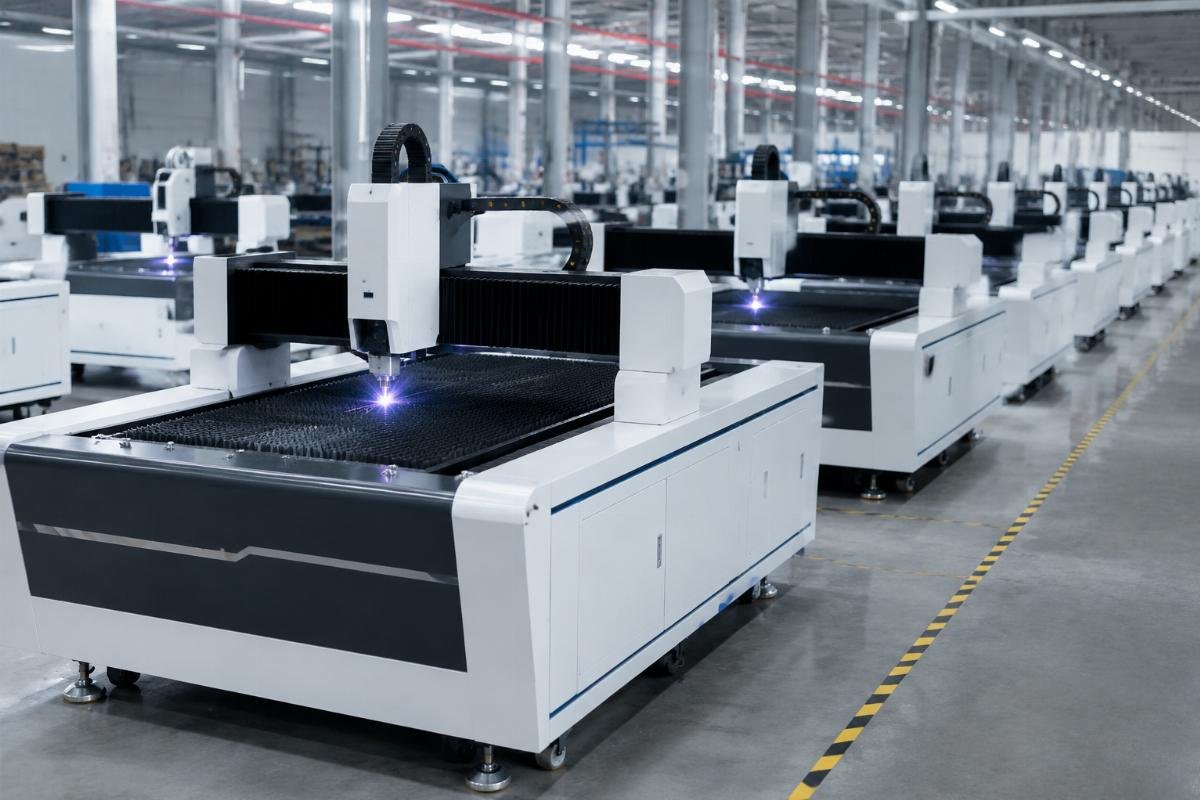
- Trial Order Request – Ask for a 1-unit trial option even if you plan to place a larger bulk order later, to validate performance for your specific use case.
- Customization Scope Confirmation – Clarify which elements (working area, tool configuration, brand marking) can be adjusted to match your requirements before finalizing order details.
- Pricing Alignment – Reference the $5,000 to $60,000 benchmark range based on working area and tool configuration to ensure you are paying a market-aligned rate for your selected specs.
How do verified Chinese CNC cutter suppliers support global footwear buyers?
Certified high-tech Chinese manufacturers provide full-cycle support from free sample testing to on-site training to adapt to global regional market demands. Leading suppliers with specialized focus on flexible material cutting have built standardized support processes that eliminate the common communication and logistics barriers that often come with cross-border machinery purchases.
- Full-Cycle Support Mapping – Confirm the supplier offers free sample cutting with test video, 24/7 multilingual online support, and free on-site installation and operator training for all global buyers.
- Long-Term Maintenance Access – Verify the supplier provides lifelong free software upgrades to ensure your unit remains compatible with new design file formats as your production needs evolve.
- Regional Adaptation Check – Confirm the supplier has prior deployment experience in your target market to ensure compliance with local power standards and operator skill level requirements.
Conclusion
The most critical buying decision for footwear CNC cutters has nothing to do with the highest advertised power level or the lowest upfront price. Focus instead on core performance metrics that directly impact your material waste and production consistency, and prioritize suppliers
