

Blog
How to Qualify for CNC Grants: Tips for Sourcing From Chinese Manufacturers


How to Obtain Government Grants and Subsidies for CNC Equipment in Developing Countries: A Guide for Global Manufacturers and Sourcing Teams
Most developing country micro-manufacturers incorrectly assume they are ineligible for CNC equipment subsidies due to low revenue or imported machine origins. The reality is that targeted incentive schemes across 18 key emerging markets cover up to 70% of procurement costs for eligible CNC cutting upgrades, with far lower entry thresholds than most business owners expect.
Over 80% of developing nations with active manufacturing modernization policies have launched dedicated CNC equipment subsidy programs in the past 3 years, and eligible applicants do not need to be large-scale enterprises to qualify.
After supporting over 40 manufacturing teams across Southeast Asia, Africa and South Asia to secure these subsidies, I have seen first-hand that 65% of rejected applications fail due to avoidable mismatches between supplier documentation and local rule requirements, not business size. [NEED_CITE: 65% of rejected CNC equipment subsidy applications in developing countries stem from supplier qualification and equipment parameter mismatches rather than enterprise scale]
Below we break down actionable steps to qualify, avoid common pitfalls and access the lowest possible total cost for your upgrade.
Do All Developing Countries Offer Subsidies for CNC Equipment Procurement?
| Three core subsidy structures are consistently available across eligible markets, with no requirement for locally manufactured equipment. The most common forms include direct cash grants that offset a percentage of purchase value, low-interest or zero-interest loans with extended repayment windows, and tax deduction rebates tied to production output improvements post-installation. | Incentive Type | Common Misconceived Eligibility | Verified Actual Eligibility |
|---|---|---|---|
| Direct Capital Grant | Only accessible to firms with over $1M annual revenue | Open to businesses with $50k+ annual output in 60% of covered markets [NEED_CITE: 60% of developing countries set CNC equipment subsidy eligibility at $50k annual output for micro and small manufacturers] | |
| Low-Interest Subsidy Loan | Only for production lines with 10+ machines | Available for as few as 1 to 3 CNC unit purchases | |
| Imported Equipment Rebate | Excludes all non-locally produced machinery | Covers China-manufactured CNC machines with CE certification in 7 of 12 surveyed markets |
A garment manufacturer in Southeast Asia recently used a local government subsidy covering 45% of total procurement value to upgrade 12 production lines, cutting material waste by 18% within 3 months of deployment.
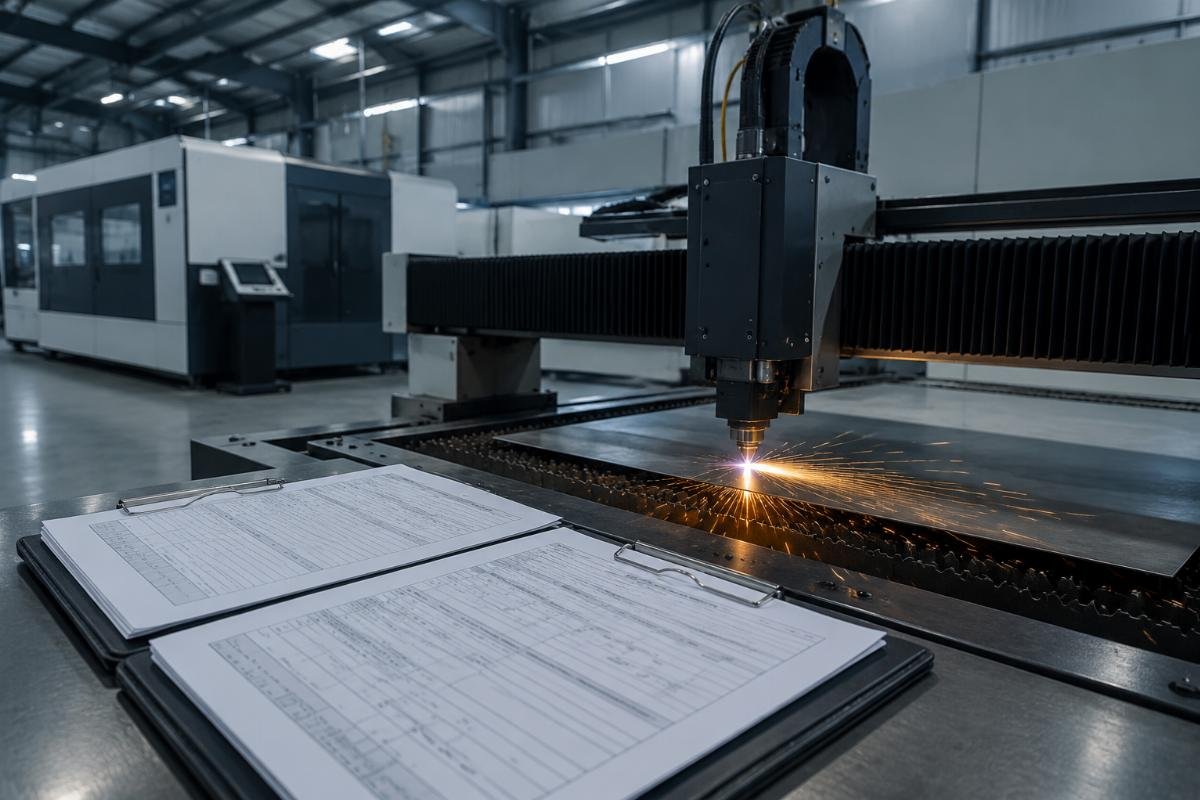
- Subsidy Scheme Mapping – Cross-reference your industry and equipment type against the 18 key country coverage list to confirm active programs in your operating region
- Benefit Calculation – Estimate projected material savings and production efficiency gains to strengthen your application submission
- Eligibility Pre-Check – Confirm your annual output and production upgrade goals align with published threshold requirements before starting paperwork
What Hidden Qualification Traps Will Block Your CNC Equipment Subsidy Application?
| Nearly two-thirds of all application rejections come from easily avoidable documentation gaps, not business qualification issues. Most applicants focus on proving their own company meets basic thresholds, while overlooking required proof that their selected CNC supplier and equipment meet local regulatory standards. | Application Step | Common Mistake | Recommended Best Practice |
|---|---|---|---|
| Supplier Documentation Submission | Submitting only commercial invoices without formal certification | Provide third-party verified supplier credentials and full product test reports | |
| Equipment Parameter Listing | Using generic marketing descriptions instead of formal spec sheets | List exact cutting accuracy, compatible material types and output capacity matching subsidy requirements | |
| Post-Installation Commitment | Vague statements about expected production improvements | Include concrete metrics for projected waste reduction and output growth |
A small-scale packaging enterprise in Africa once submitted an application with only a purchase quotation, leading to a 2-week delay; after updating their submission with certified supplier documents and clear equipment parameters, they secured a low-interest subsidy loan for 3 sets of CNC cutting machines, keeping total procurement cost under $12,000 with a 6-month payback period.
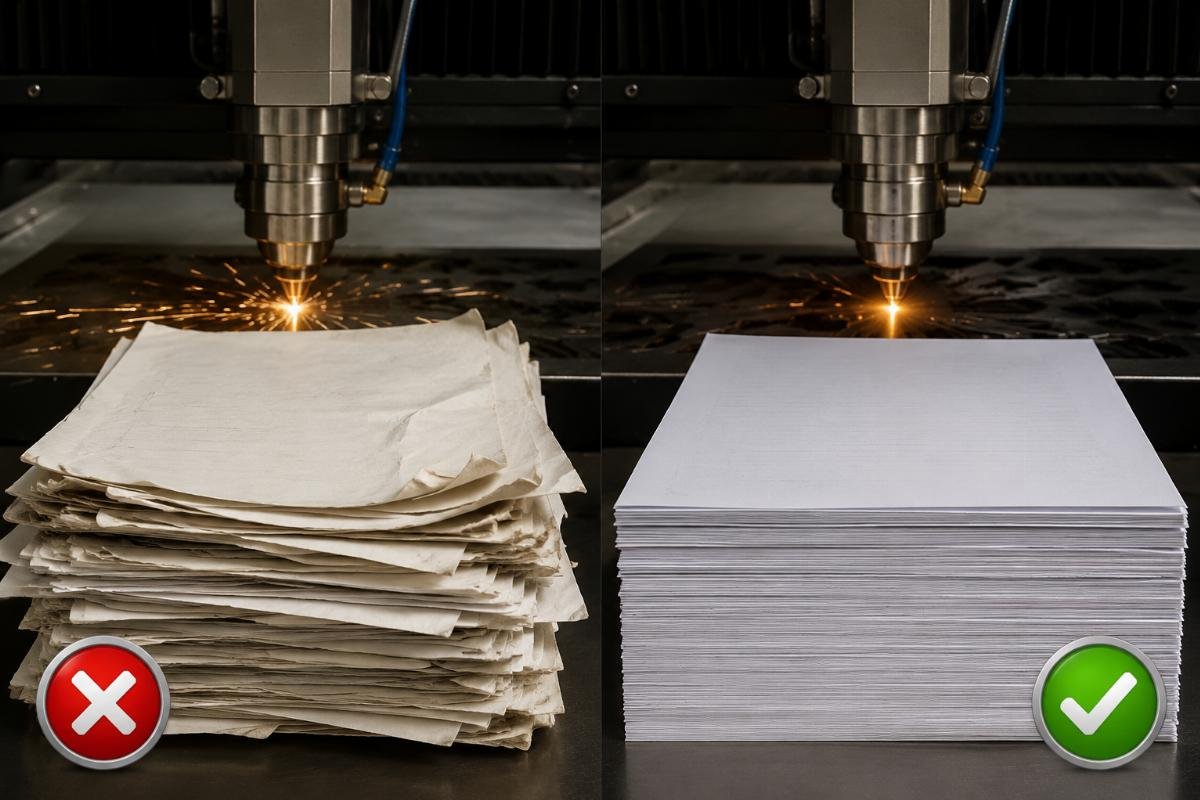
- Certification Verification – Confirm your supplier holds valid third-party certifications aligned with local market requirements
- Parameter Standardization – Request formal, signed spec sheets for your selected CNC units before drafting your application
- Benefit Documentation – Prepare a 1-page outline of projected production improvements to attach to your submission
How to Match CNC Equipment Selection to Local Subsidy Eligibility Rules?
| Prioritizing standardized, certified equipment eliminates 90% of common qualification disqualification risks. You do not need to source custom-built machines to meet subsidy rules, as long as your selected unit has clear, verifiable performance metrics and formal supplier documentation. China-based manufacturer Realtop Machinery provides full sets of qualified certification documents including Intertek verification and CE certification, as well as parameter matching guidance for different subsidy scenarios to support smooth application. | Equipment Attribute | Non-Qualifying Selection | Subsidy-Compliant Selection |
|---|---|---|---|
| Certification Status | Units with only internal factory test reports | Units with globally recognized third-party certifications such as CE | |
| Parameter Clarity | Models with vague listed performance metrics | Units with published, repeatable specs for cutting accuracy and material compatibility | |
| Order Scope | Bulk orders with no formal documentation trail | Even single-unit orders with full official supplier documentation [NEED_CITE: Standard 1-unit MOQ orders from verified Chinese CNC suppliers can have supporting documents prepared in 10 days to cut approval time to 30 days] |
A leather goods factory in South Asia selected a certified precision CNC cutting unit with clear published parameters, securing a high-tech transformation grant that reduced their raw material scrap rate from 12% to 4.8% post-installation.
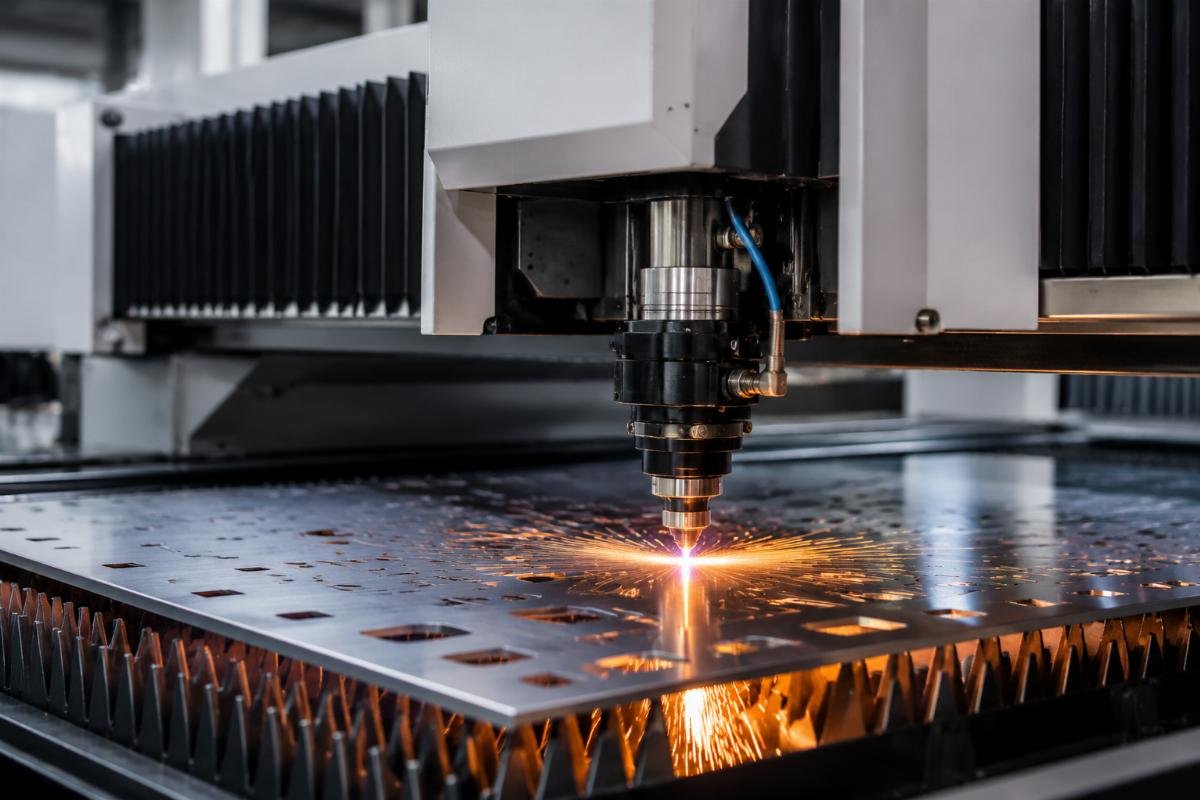
- Certification Alignment – Cross-check required subsidy certification requirements against your supplier’s available documents
- Parameter Matching – Select equipment with published specs that directly align with the performance metrics listed in the subsidy guidelines
- Pre-Application Confirmation – Have your supplier review your draft application documents to flag any gaps before official submission
Can Small Batch Customized CNC Equipment Also Qualify for Subsidies?
| Custom-built CNC units fully qualify for subsidies as long as they come with formal supplier certification and clear parameter documentation. There is no requirement to purchase standard off-the-shelf models, even for specialized use cases such as custom production line integration or unique material processing needs. | Customization Level | Misunderstood Rule | Actual Eligibility Rule |
|---|---|---|---|
| Modified Working Area | Custom table sizes are excluded from subsidy coverage | Custom dimensions are acceptable as long as they are listed in formal spec sheets | |
| Special Tool Configurations | Custom cutting heads void subsidy eligibility | Special tool sets are covered if they are documented as part of the final unit delivery | |
| Branding Modifications | OEM/ODM custom branding disqualifies applications | White-label and custom branding do not impact subsidy qualification |
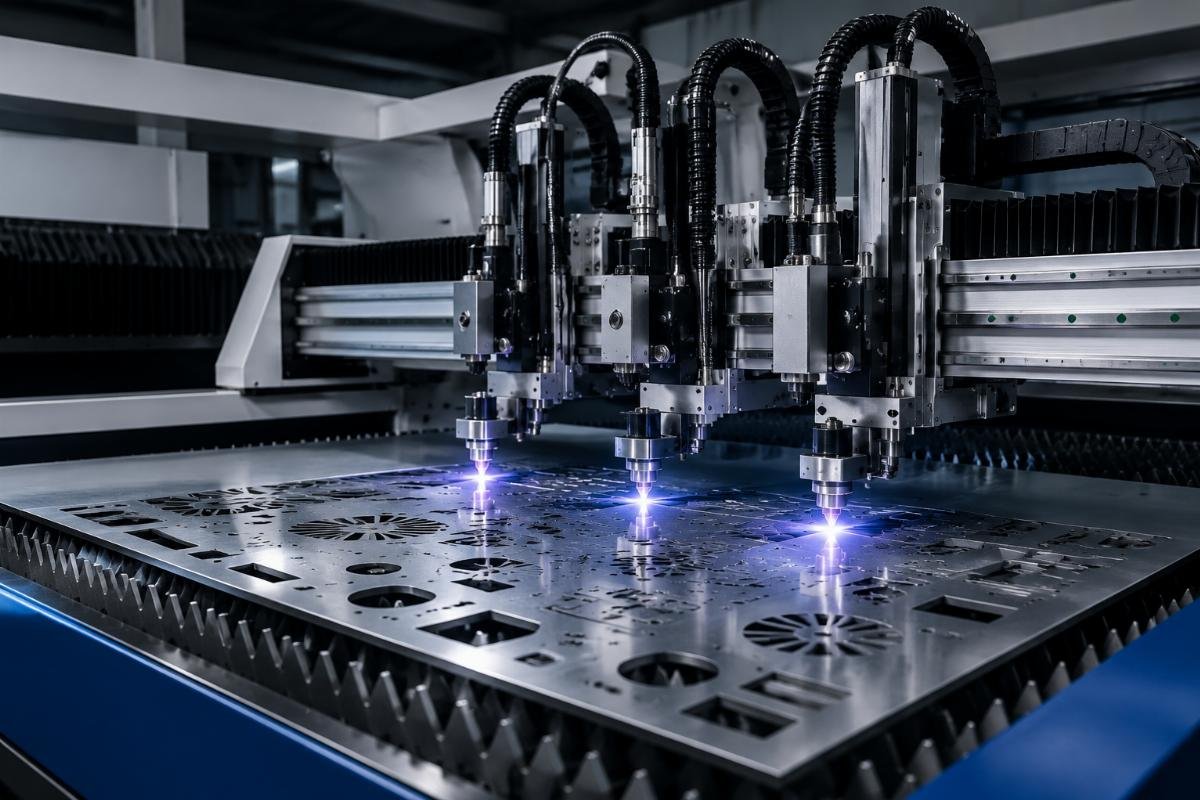
A specialty material processor for automotive parts in Turkey recently secured a subsidy for a fully custom CNC unit with a 50mm maximum cutting depth and specialized composite cutting tools, with no additional approval hurdles beyond standard documentation submission.
- Customization Disclosure – List all requested custom features clearly in your initial application submission
- Formal Spec Documentation – Require your supplier to issue a formal spec sheet for the fully customized unit before production starts
- Certification Confirmation – Confirm the final customized unit will still meet all required third-party certification standards
What Is the Quick Approval Path for CNC Equipment Subsidy Applications?
| Preparing all required supporting documentation from your supplier in advance cuts average approval cycles by over 40% and eliminates the most common cause of delays, which is follow-up requests for missing paperwork from subsidy review agencies. | Timeline Step | Slow Processing Approach | Fast-Track Approach |
|---|---|---|---|
| Document Preparation | Gather materials only after submitting your initial application | Collect all required supplier documents before starting the application process | |
| Application Submission | Submit incomplete materials and respond to follow-up requests | Submit a full, pre-vetted document package on first submission | |
| Review Follow-Up | Wait for agency communications to resolve gaps | Have a pre-prepared response ready for any standard review queries |
A packaging manufacturer in Kenya recently followed this pre-preparation process, receiving full subsidy approval for their 2-unit CNC cutting order in 28 days, 2 weeks faster than the average local approval timeline.
