

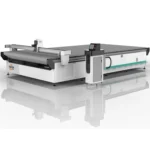
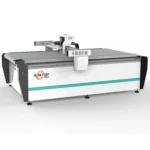
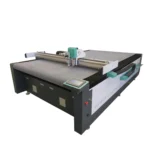
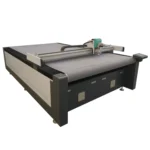


Cloth CNC Cutting Machine for Fabric and Leather – Laser Cutting and Engraving Focus
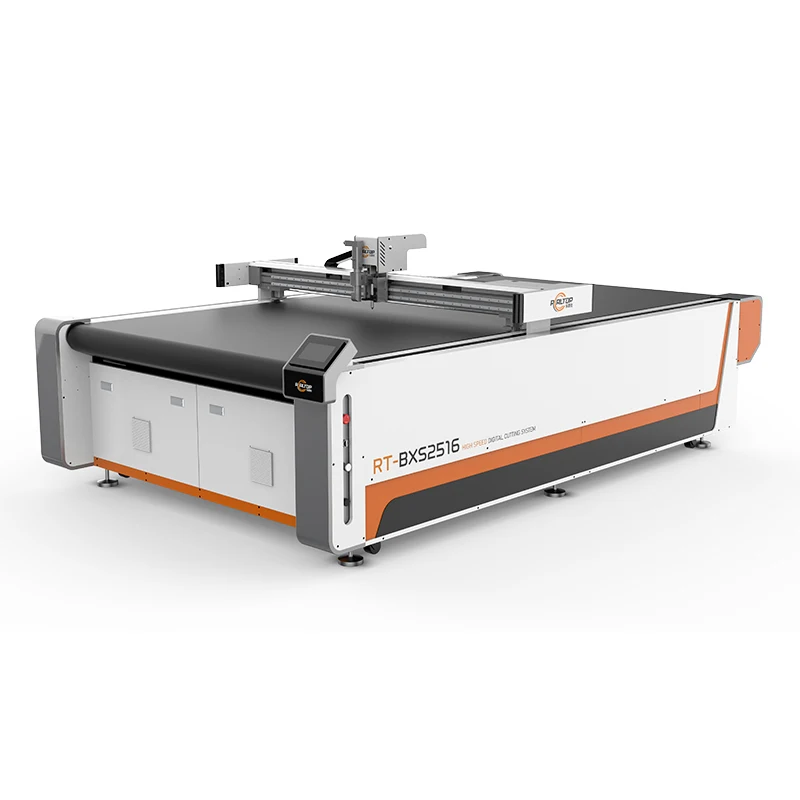
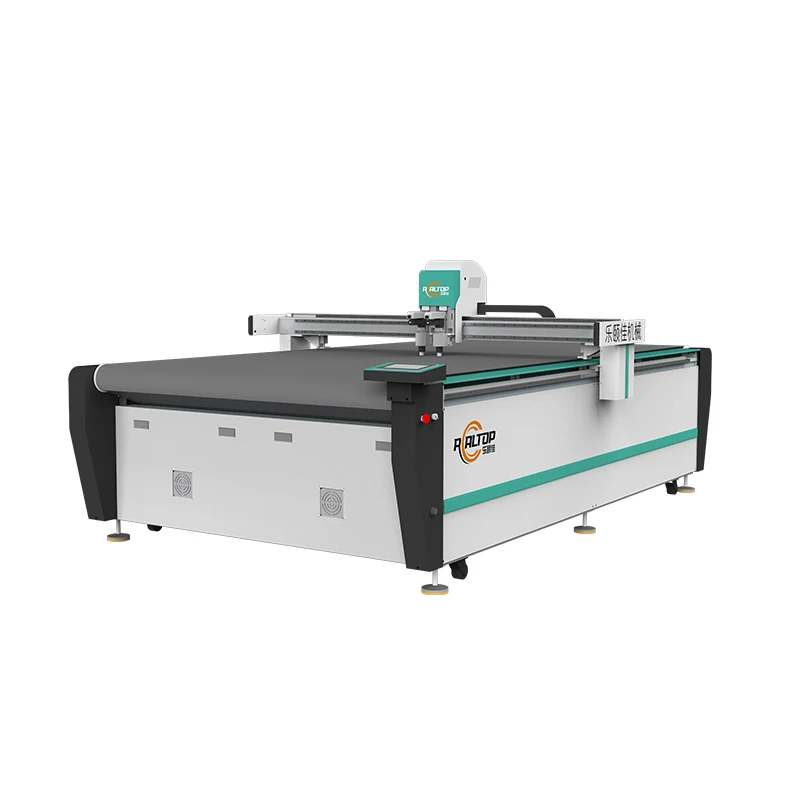
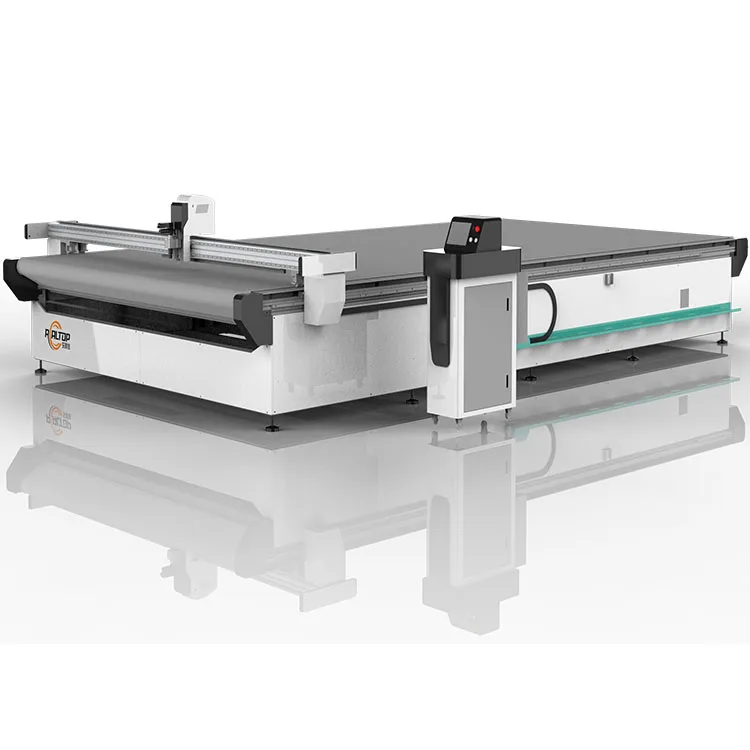
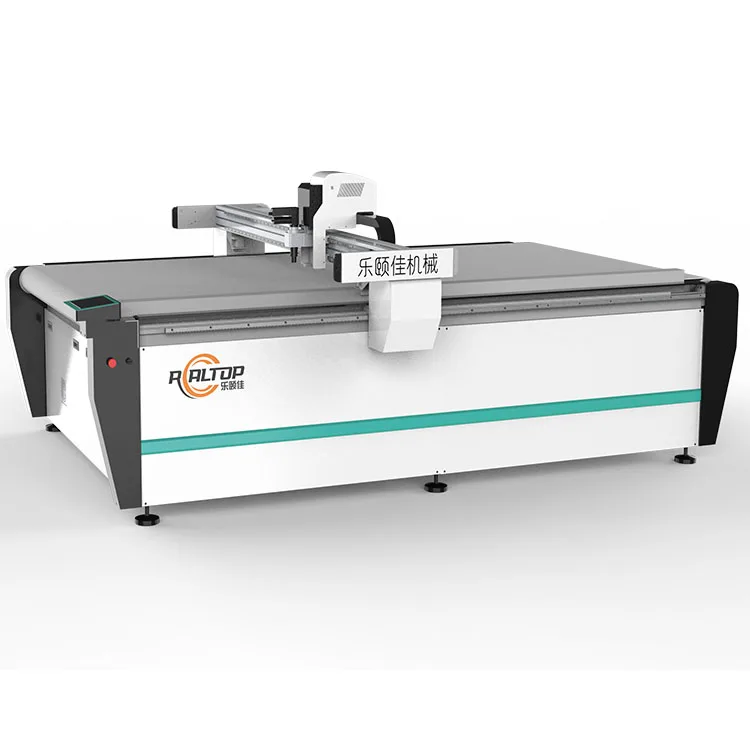
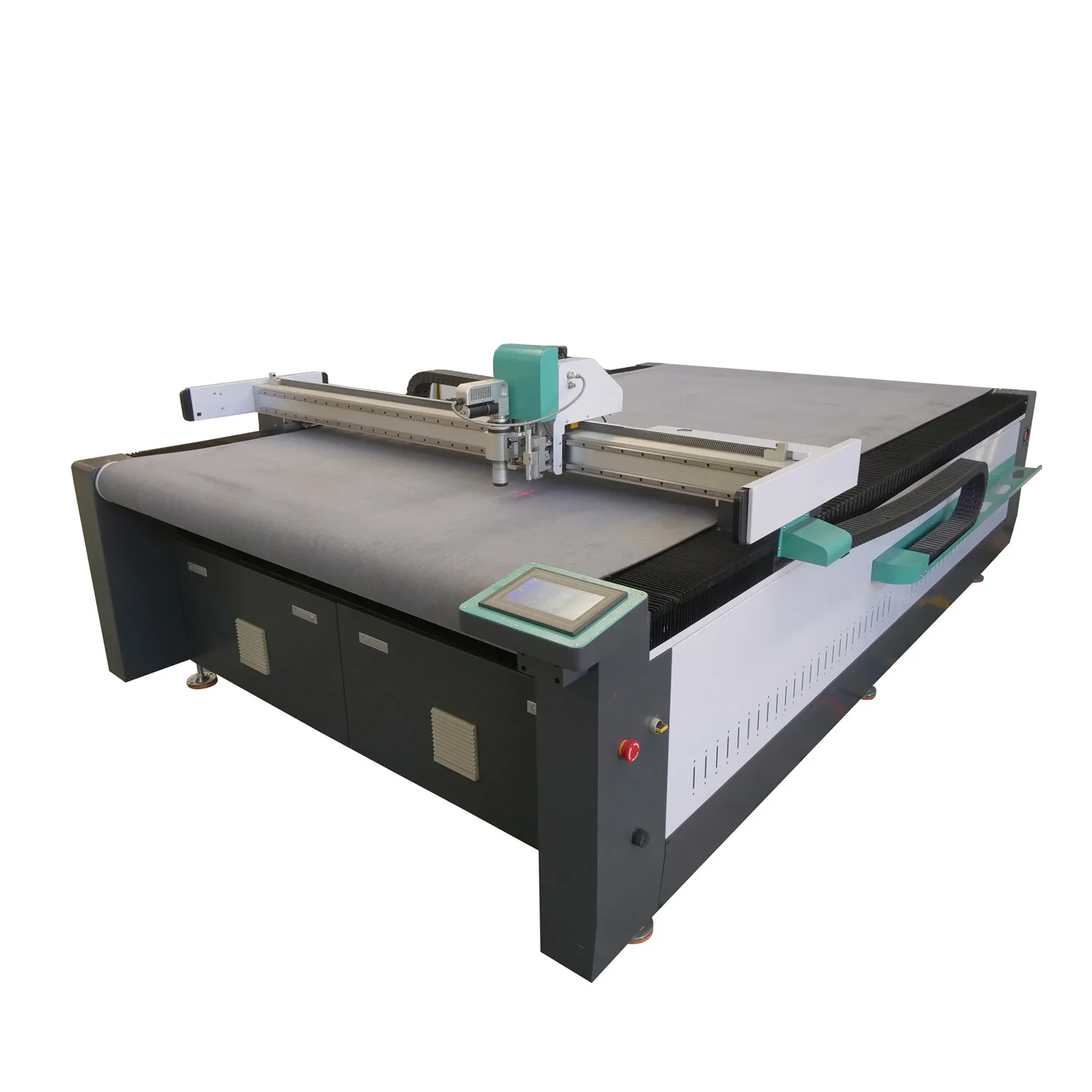
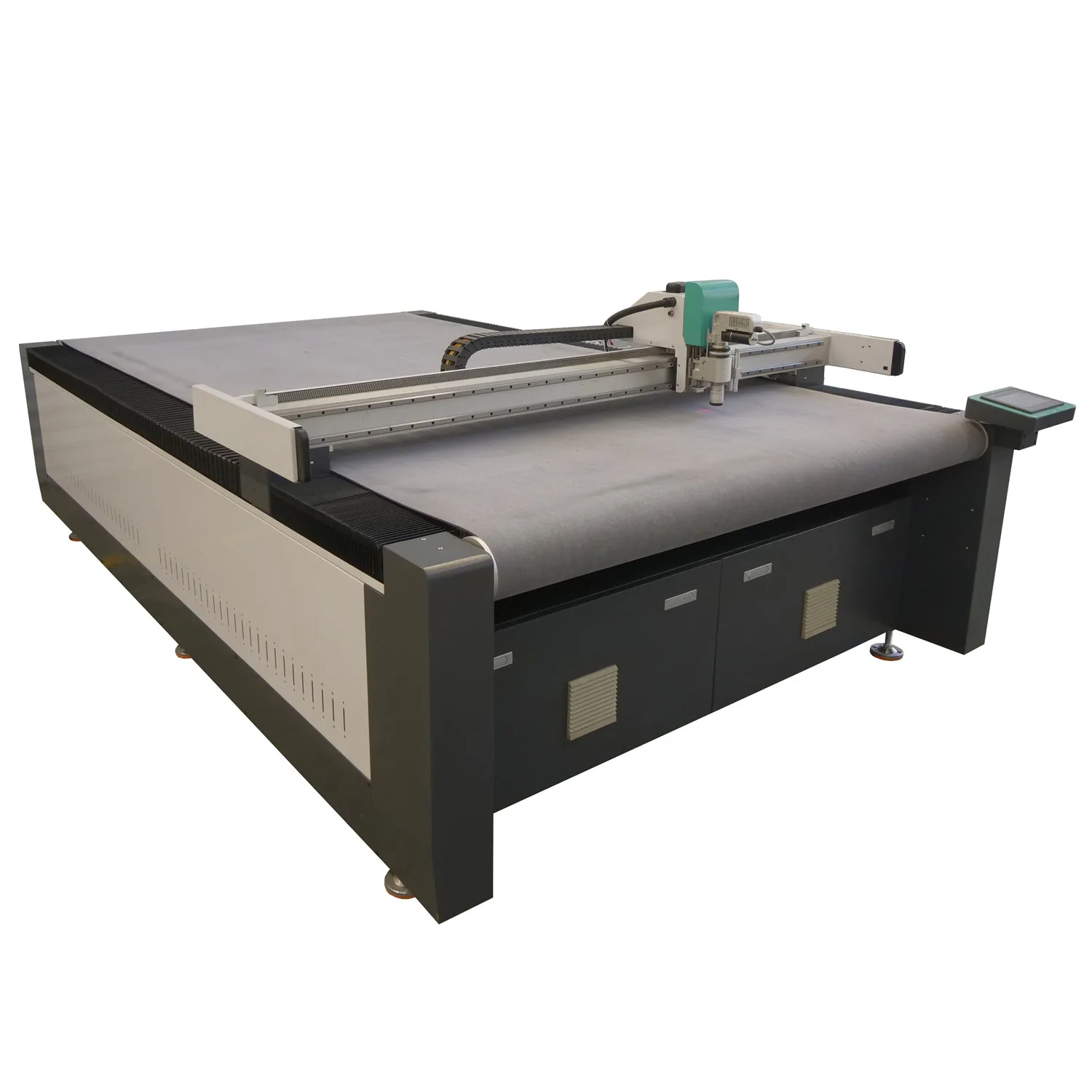
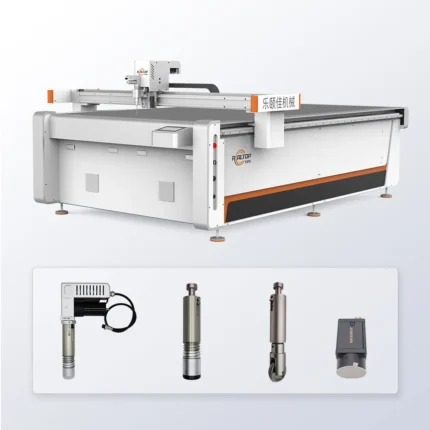
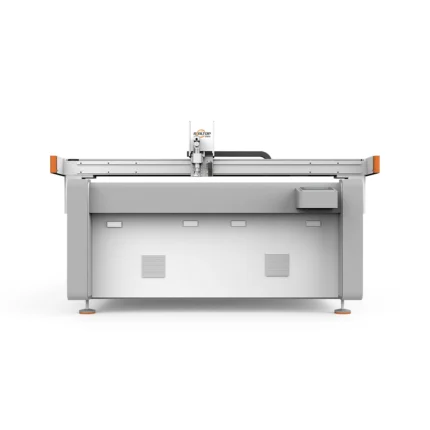
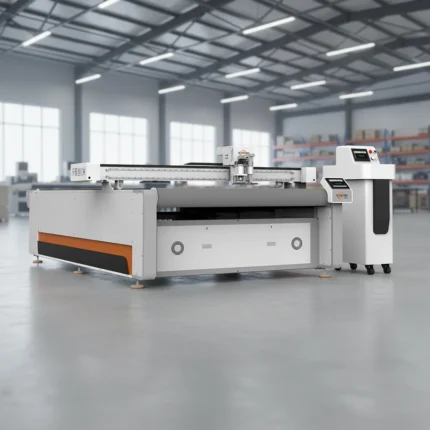
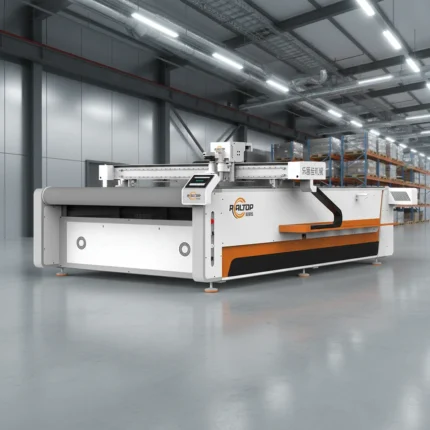
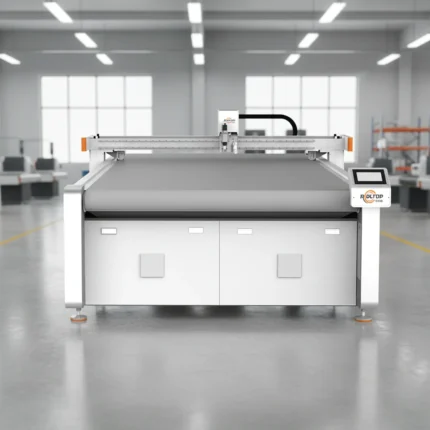
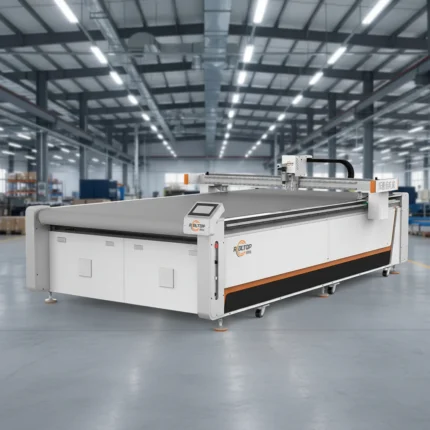
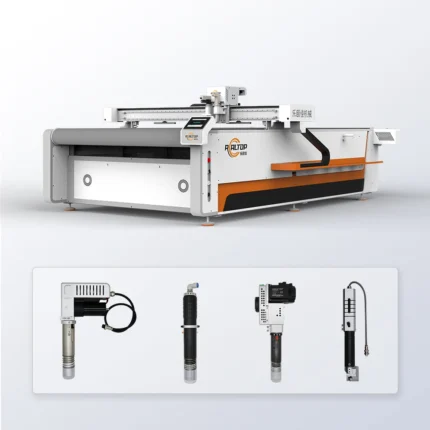
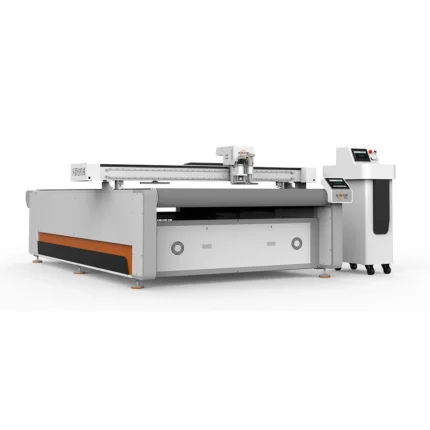
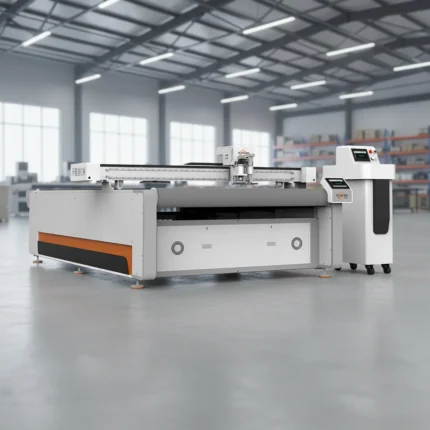
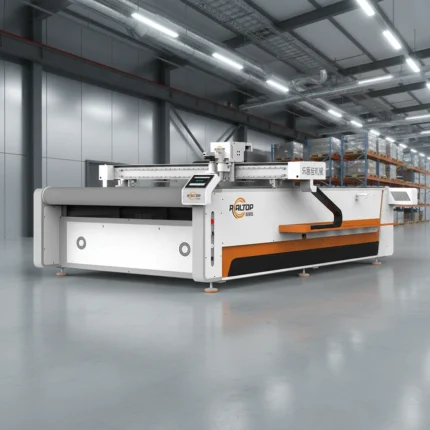
RT-D2516/RT-S2516 CNC Oscillating Knife Cutting Machine, 1600×2500mm Working Area, Delta Servo Motor — configured with multifunctional tool heads including oscillating knife, drag knife and creasing wheel for fabric, leather and composite materials. Laser versus knife cutting evaluation available to match the method to your material thickness and edge quality requirements. CCD camera positioning supports printed contour tracking, while the magnesium-aluminum vacuum table ensures secure holding across zoning areas. – Sample cutting on your own material provided before commitment, with tool head and configuration confirmed per production volume
Precision cutting tool head matched to material — RT-D2516/RT-S2516 ships with Swiss knife and CCD positioning configured against your actual fabric, leather or composite sample, so the cut edge is verified before the machine leaves the factory.
Technical Specifications
| Parameter | Value |
|---|---|
| Product Type | CNC Oscillating Knife Cutting Machine |
| Model | RT-D2516/RT-S2516 |
| Working Area | 1600 × 2500 mm |
| Machine Size | 3450 × 2300 × 1250 mm |
| Rated Power | 9 kW |
| Cutting Thickness | ≤100 mm (varies with the material) |
| Repeated Accuracy | ≤0.1 mm |
| Translational Velocity | 800–2000 mm/s |
| Cutting Speed | 200–800 mm/s (according to different cutting materials) |
| Transmission System | Digital servo motor, linear guide, synchronous belt, ball screw |
| Servo Motor | Delta servo motor (optional Panasonic or made in Japan) |
| Linear Guide | Taiwan Hiwin rail |
| Vacuum Table | Magnesium-aluminum alloy with fluorocarbon PVDF powder spraying, anodic oxidation |
| Vacuum Pump | 7.5 kW with integrated aviation aluminum shell |
| Conveyor Belt | Germany imported conveyor belt |
| Visual Positioning | Small CCD camera mark point positioning, panoramic camera recognition, projection positioning |
| Tool Head Options | Oscillating knife, pneumatic knife, high-power vibrating knife, circular knife, V cutting knife, drag knife, creasing wheel, dotted line knife, punching, brush |
| Control Panel | Touch screen with multiple language support |
| Software | Auto typesetting, supports PLT, DXF, AI formats |
| Voltage | 380V ±10% |
| Instruction System | HP-GL compatible format |
| Safety Features | Infrared induction blocking, anti-collision, emergency stop |
| Language Options | English, Russian, Italian, Chinese, etc. Special languages customizable |
| Standards | CE declaration where applicable |
Application Suitability
| Application | Material or Output |
|---|---|
| Garment and footwear cutting | Fabric, textile, clothing cloth, shoe material, non-woven fabric |
| Automotive interior production | Leather, composite materials, gasket material, PU, EVA |
| Soft furnishing and carpet processing | Multi-layer fabric, carpet, sponge, foam board |
| Luggage and bag manufacturing | Luggage material, PVC, PP, PE, synthetic leather |
| Packaging and graphic printing | Cardboard, corrugated cardboard, sticker, film |
| Sports and outdoor products | XPE, PTFE, ETFE, fiberglass, composite panels |
| Sealing and industrial gaskets | Rubber, PTFE, gasket material |
Why the Wrong Tool Head Produces Ragged Edges on Your Fabric
Matching the tool head to the actual material and thickness eliminates crushed edges and fraying before production starts.
I once had a sportswear buyer send fabric for sampling — standard polyester ran cleanly, but the production batch arrived with a waterproof coating that turned every cut edge yellow and brittle. We spent two days re-dialing power and speed parameters until the edge sealed properly without thermal damage. That kind of mismatch is common when a CNC oscillating knife cutting machine is specified only by working area, ignoring the tool head and material interaction. Buyers frequently discover after delivery that their vacuum table zoning cannot hold small pattern pieces flat, or the selected knife produces crushed foam instead of a clean shear [NEED_CITE: tool head selection guidelines for oscillating knife systems].
Knife Versus Laser: Choosing the Right Process for Your Material
A cloth CNC cutting machine using an oscillating knife shears through fabric and foam without generating heat, which prevents edge discoloration on coated textiles and avoids the fused edges that laser cutting can leave on synthetics. The RT-D2516/RT-S2516 offers a Swiss imported knife supporting vibration full cutting and half cutting, making it suitable for multi-layer fabric stacks where a clean, unfused edge is required for downstream sewing operations.
When CCD Camera Positioning Matters on Printed Contours
For garment manufacturers cutting pre-printed fabric or signage producers working with contour-printed vinyl, the small CCD camera and panoramic camera recognition system locates printed marks and adjusts the cutting path in real time. This prevents misalignment that would otherwise scrap expensive printed material. The visual positioning system on the CNC oscillating knife cutting machine works alongside projection positioning, giving operators a secondary reference to verify alignment before the head engages.
What the Specification Sheet Means for Daily Production
The 1600 × 2500 mm working area accommodates standard fabric roll widths and full hide layouts without requiring pre-cutting. Taiwan Hiwin linear guides paired with Delta servo motors maintain the ≤0.1 mm repeated accuracy needed for nested pattern pieces where cumulative drift would cause assembly misalignment in finished garments or upholstery panels [NEED_CITE: linear guide tolerance standards for CNC cutting tables]. The 7.5 kW vacuum pump with magnesium-aluminum alloy table provides consistent hold-down force across the bed; the PVDF fluorocarbon coating resists adhesive residue buildup from sticker and film cutting. The 9 kW total rated power keeps electrical draw within standard industrial circuit capacity at 380V ±10%. Cutting speed ranges from 200 to 800 mm/s depending on material density and thickness, which is why sample testing on your actual material remains the only reliable way to confirm throughput expectations.
What Happens When Configuration Is Skipped
When a buyer orders based on working area alone without specifying the tool head for their material, the consequences show up on the first production day. Crushed foam cores, frayed textile edges, and delaminated composite layers all trace back to using a drag knife where an oscillating knife was needed, or running a circular knife through material that exceeds its depth capacity. Small parts lifting off the table mid-cut usually means vacuum zoning was not matched to the nesting layout, and once that happens repeatedly, operators start taping material down by hand — defeating the purpose of automated cutting entirely [NEED_CITE: vacuum table zoning impact on small part retention].
Why Buyers Source This Equipment Here
In-house design covers both knife and laser cutting technologies, so you can evaluate which process fits your material rather than being forced into one method. Tool head and table configurations are specified per material type and production volume, documented before the order is placed. CCD camera positioning is tested against your printed artwork to confirm tracking accuracy at running speed. Software compatibility with PLT, DXF and AI formats is verified against your existing nesting workflow. Voltage, plug type, and control language are confirmed in writing before shipment, avoiding the situation where a machine arrives with the wrong electrical standard. Sample cutting on your actual fabric or composite material is completed and reported before commitment, so the edge quality you see in the sample is what the production machine delivers.
Documentation & Verification
- Machine specification sheet listing configured tool heads and table type for your material
- Electrical schematic confirming voltage, frequency and plug type for your facility
- Sample cutting report on your fabric or leather showing edge quality achieved
- Software licence with confirmed PLT, DXF and AI format compatibility
- Factory test record documenting accuracy and cut quality before dispatch
- Packing photographs showing crate condition prior to shipment
Installation, Commissioning & Support
- 3450 × 2300 mm machine footprint requires level concrete floor with adequate clearance for conveyor feed
- 380V ±10% three-phase supply with dedicated 9 kW circuit and proper earthing
- Machine ships partially assembled; vacuum table and gantry require on-site alignment
- First-run commissioning includes vacuum zoning calibration for your nesting pattern
- Touch screen control panel training in your selected language (English, Russian, Italian or custom)
- Spare parts list covering Swiss knife blades, conveyor belt segments and vacuum seals
- Daily maintenance covers linear guide cleaning and vacuum table surface inspection
How to Prepare Your Inquiry
Provide your material type, thickness range, and maximum sheet or roll width so the correct tool head and table configuration can be specified. Share your target daily volume and existing file formats to confirm software compatibility and throughput expectations. Confirm your local voltage standard, frequency, and preferred control language so the electrical system and interface are built to match before the RT-D2516/RT-S2516 enters production.
Frequently Asked Questions
Q: How do I decide between oscillating knife and laser cutting for my fabric?
A: Oscillating knife cuts without heat, preventing edge discoloration on coated or synthetic textiles. Laser seals edges on materials prone to fraying but can leave thermal marks on certain coatings. Send your actual fabric for sample testing so both methods can be compared on edge quality, speed, and suitability for your downstream sewing or bonding process.
Q: Which tool head configuration handles my material thickness and edge requirements?
A: Tool head selection depends on material density, thickness, and whether you need full cut, kiss cut, or creasing. The Swiss oscillating knife handles most fabrics and foams up to the rated thickness, while drag knives suit thinner vinyl and sticker materials. We specify the head after sample cutting on your actual material.
Q: Can the CCD camera track printed registration marks at production speed?
A: The small CCD camera and panoramic recognition system are tested against your printed artwork to confirm mark detection at running speed. We verify this during sample cutting using your actual printed file, so tracking reliability is confirmed before the machine ships rather than discovered during your first production run.
Q: How is the vacuum table configured to prevent small parts from lifting?
A: The magnesium-aluminum alloy table uses zoning matched to your typical nesting layout. Small pattern pieces require tighter zone segmentation to maintain suction. We configure the zoning based on your smallest part dimensions and confirm hold-down performance during the factory test on your material.
Q: What file formats does the software support and how does nesting integrate?
A: The auto typesetting software supports PLT, DXF and AI formats natively. We verify import compatibility with your existing design files before order confirmation. The HP-GL compatible instruction system works with standard nesting workflows, and file format testing is included in the sample cutting report.


Related products
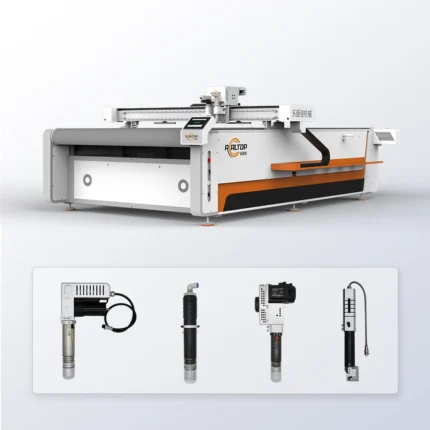
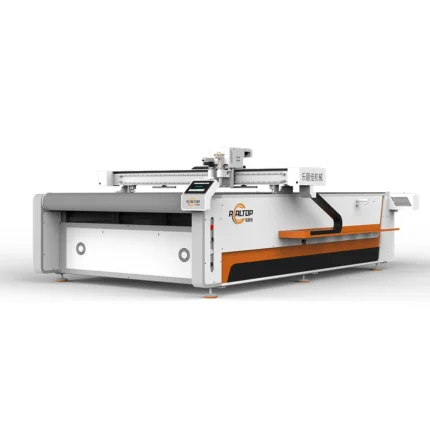
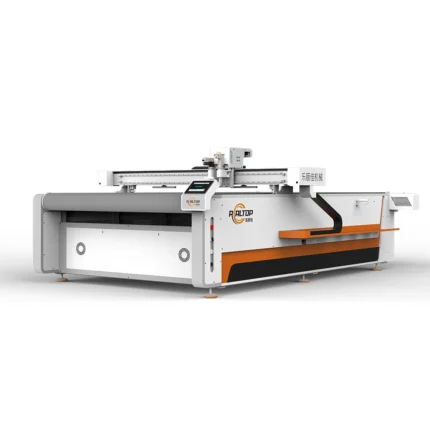
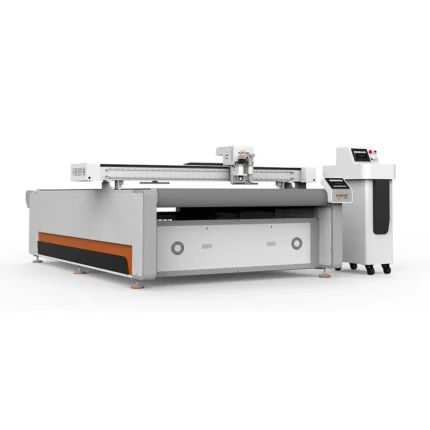
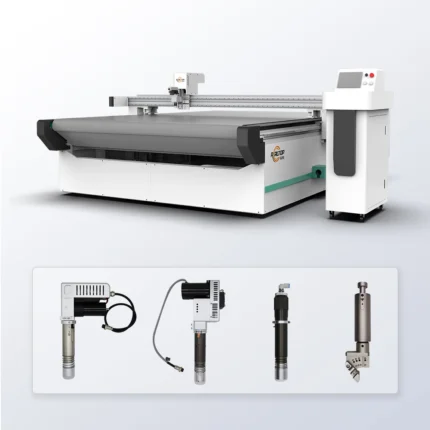
2026 Auto CNC Cloth Cutting Machine High-Precision Fabric Leather Plotter
Product Introduction
2026 Auto CNC Cloth Cutting Machine, a high-precision fabric & leather plotter designed for efficient cutting. Ideal for textile and leather industries with advanced CNC technology.
Key Specifications
| Model | Auto CNC Cloth Cutting Machine 2026 |
| Application | Fabric & Leather |
| Precision | High-Precision Cutting |
| Type | CNC Plotter |
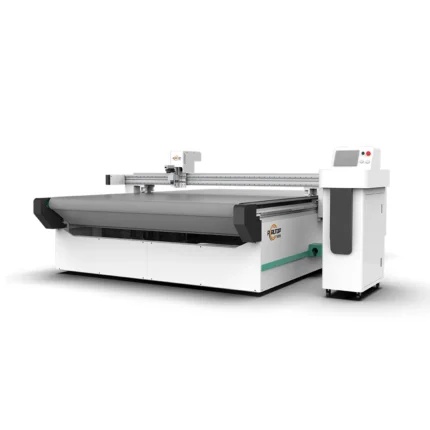
2026 Carbon Fiber Cloth Cutting Machine – China Manufacturer
Product Introduction
Fabric Sample Cutter Pillow Machine ¨C 2026 Carbon Fiber Cloth Cutting Machine, ideal for precise cutting of carbon fiber cloth and fabric samples, suitable for pillow production and related textile applications.Product Parameters
| Name | Fabric Sample Cutter Pillow Machine |
| Model | 2026 |
| Material | Carbon Fiber Cloth |
| Application | Pillow Fabric Cutting |
2026 Flatbed Oscillating Knife Cutter 1600x3500mm Auto-Feeding Textile
Product Overview
Flatbed Oscillating Knife Cutting Machine 2026 is a high-precision textile fabric cutter with auto-feeding function, ideal for efficient and accurate cutting tasks in textile manufacturing. It combines advanced oscillating knife technology with a large working area to meet industrial production needs.Key Specifications
| Model | 2026 |
| Working Area | 1600x3500mm |
| Feeding System | Auto-Feeding |
| Cutting Type | Oscillating Knife |
| Application | Textile Fabric |
Automatic Multi-Layer Vibrating Knife Cutter 2026
Product Introduction
Automatic Multi-Layer Vibrating Knife Cutter 2026, ideal for precise cutting of various materials with multi-layer processing capability, enhancing production efficiency.
Key Specifications
| Type | Automatic Vibrating Knife Cutter |
| Layer Capacity | Multi-Layer |
| Model | 2026 |
| Function | Precision Cutting |
Custom CNC Shirt Fabric Cutting Machine 2026
Product Introduction
Custom CNC Shirt Fabric Cutting Machine 2026, ideal for precise fabric cutting in garment manufacturing, offering efficient and accurate cutting solutions.
Product Parameters
| Model | Custom CNC Shirt Fabric Cutting Machine 2026 |
| Type | CNC Fabric Cutting Machine |
| Application | Shirt Fabric Cutting |
| Year | 2026 |
Jinan Realtop CNC Fabric Slitting Cutter 2026: Advanced Flexible Material Cutter
Product Introduction
Jinan Realtop CNC Fabric Slitting Cutter 2026 is a high-performance cutting equipment designed for precise fabric processing, ideal for industrial manufacturing needs with reliable CNC technology.Specifications
| Model | 2026 |
| Type | CNC Fabric Slitting Cutter |
| Manufacturer | Jinan Realtop |
| Application | Fabric Processing |
| Control System | CNC |
商品评价
There are no reviews yet.