




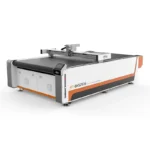


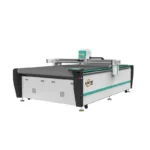
Cloth CNC Cutting Machine for Roller Blind – Manufacturer
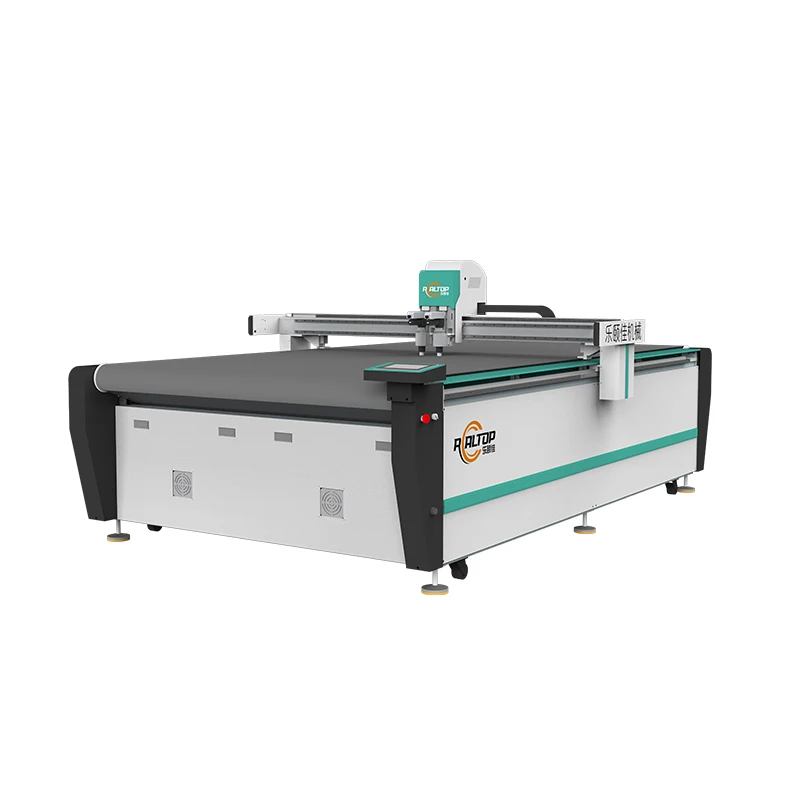
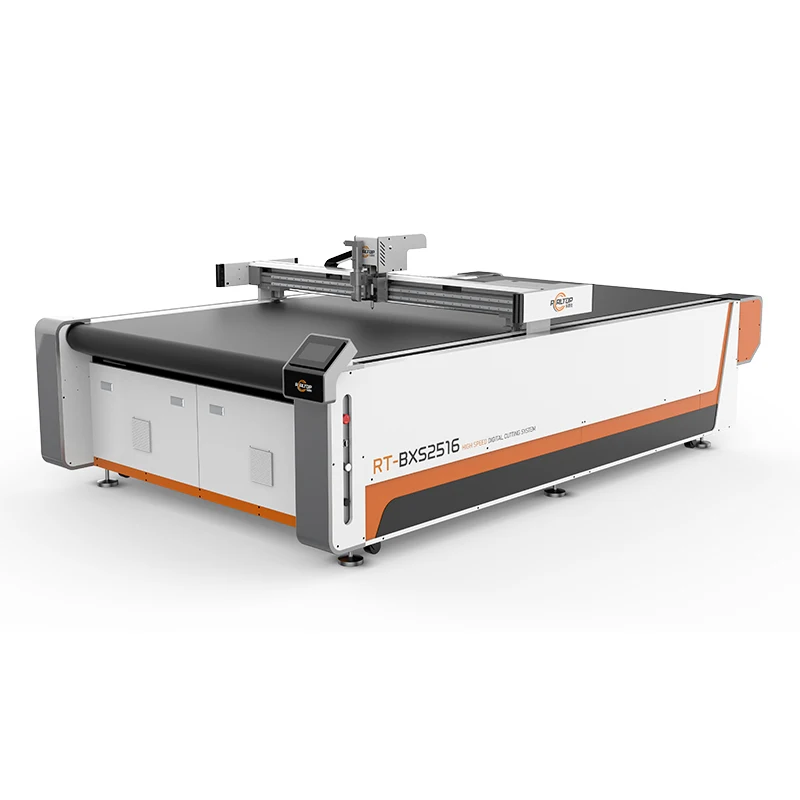
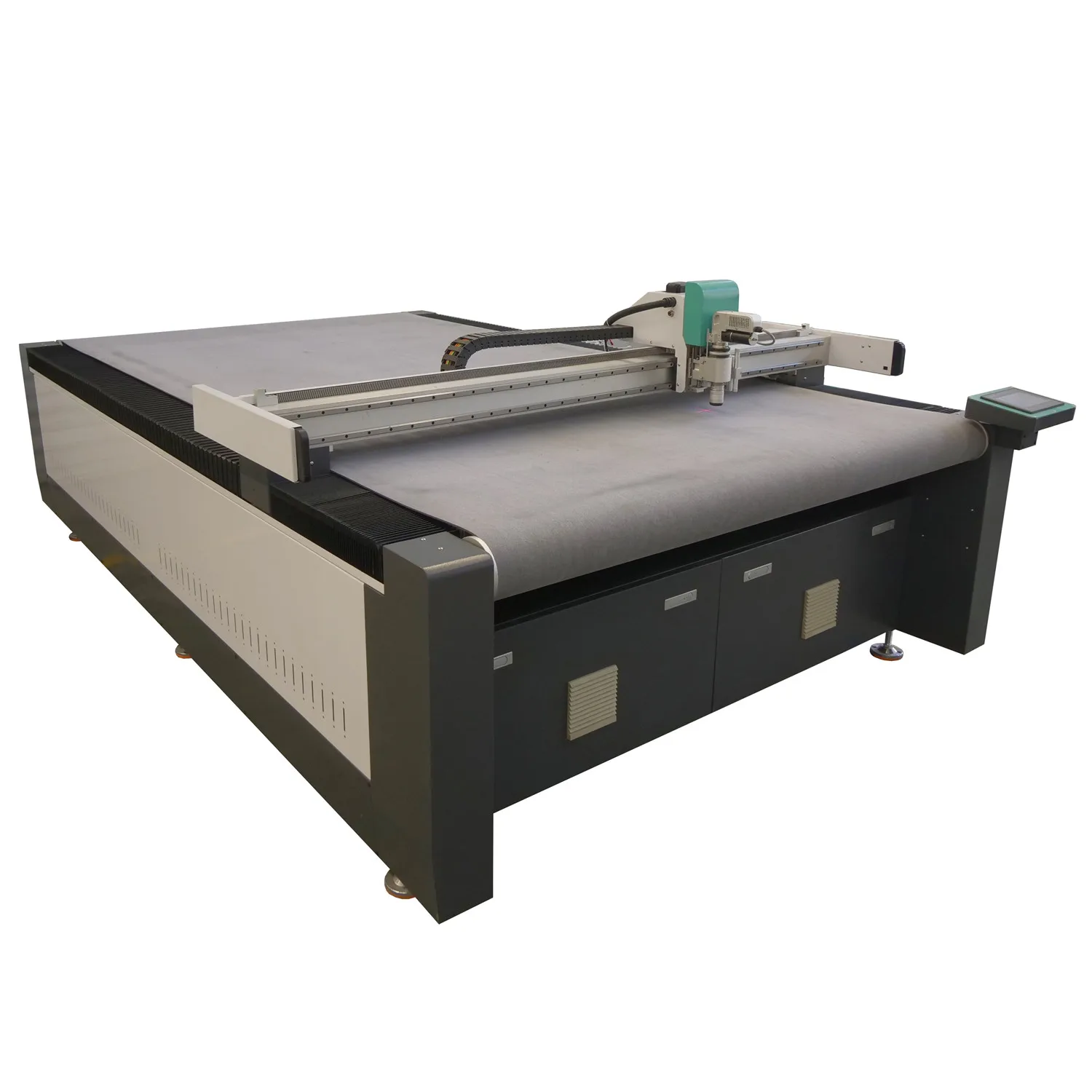
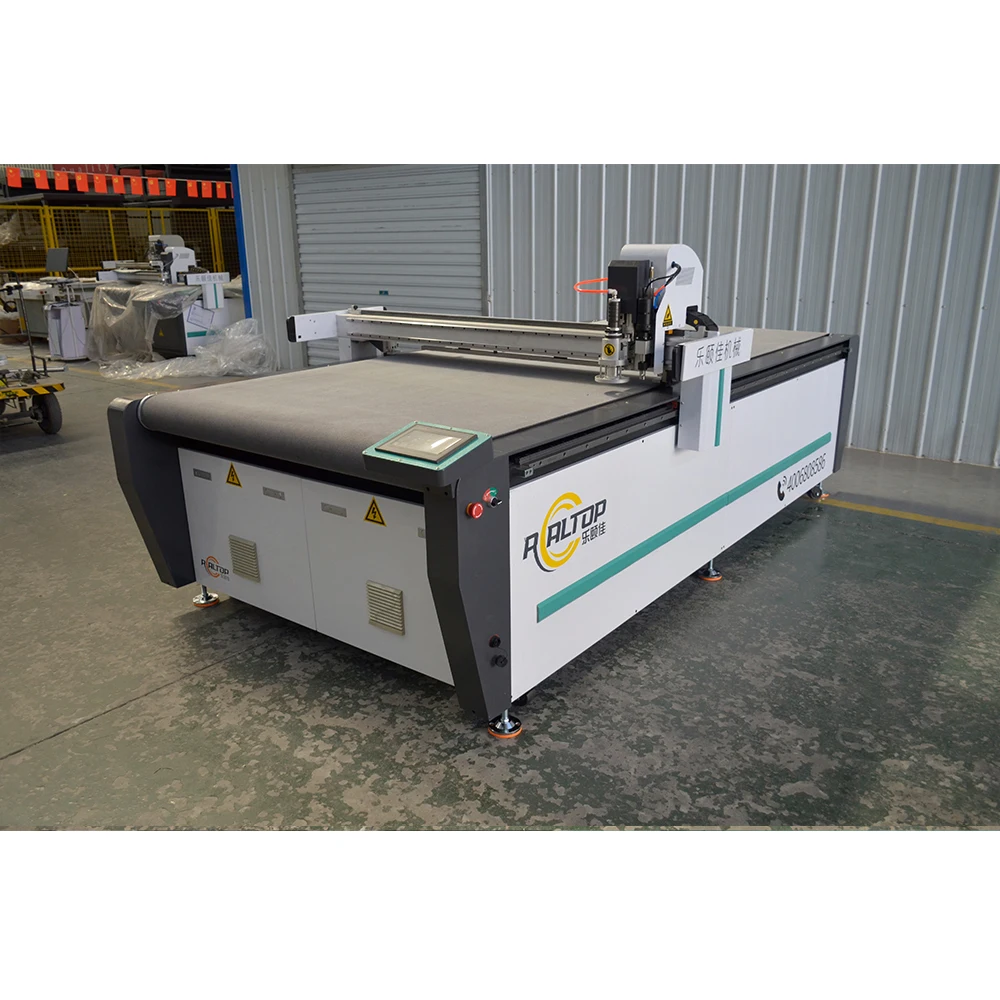
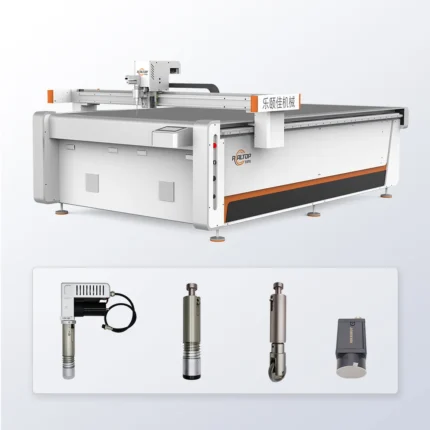
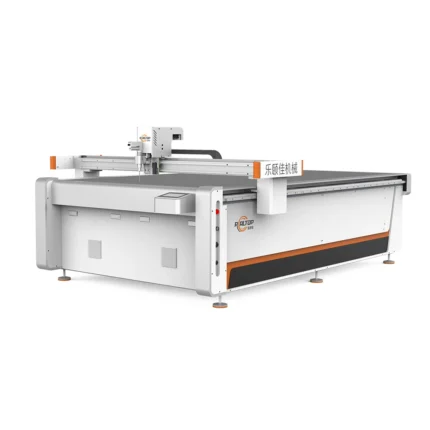
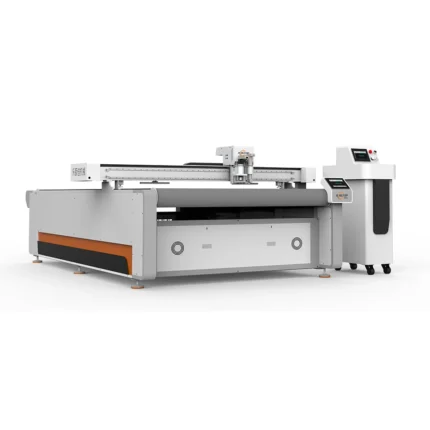
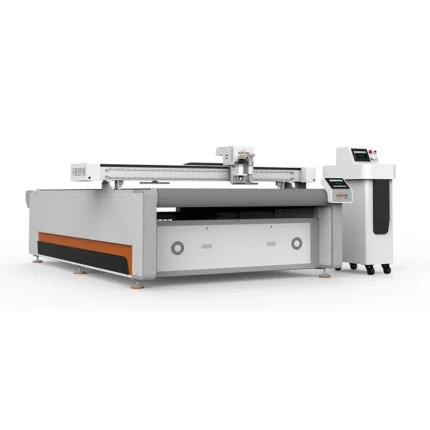
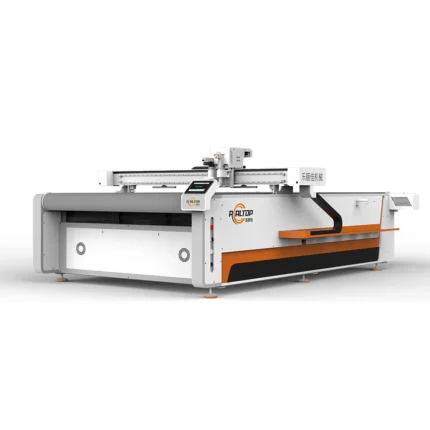
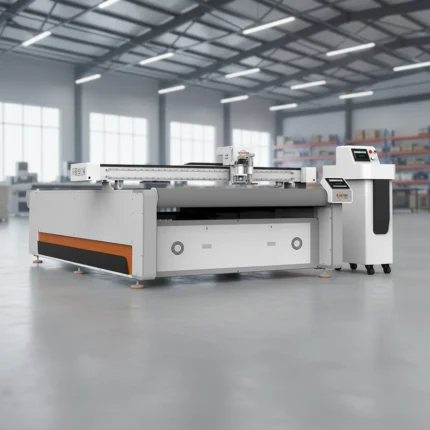
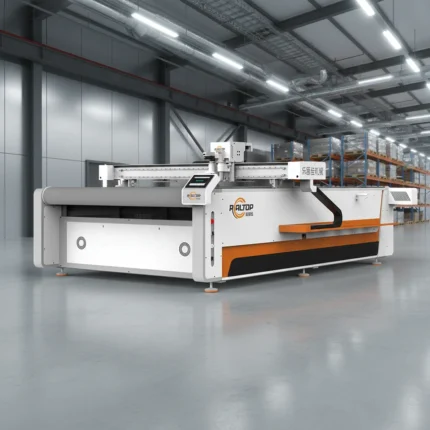
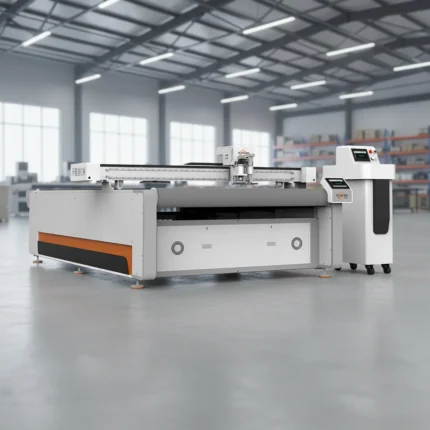
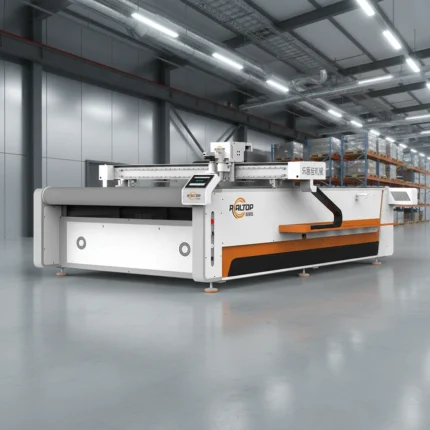
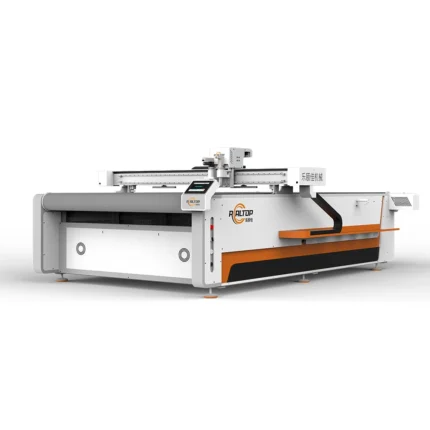
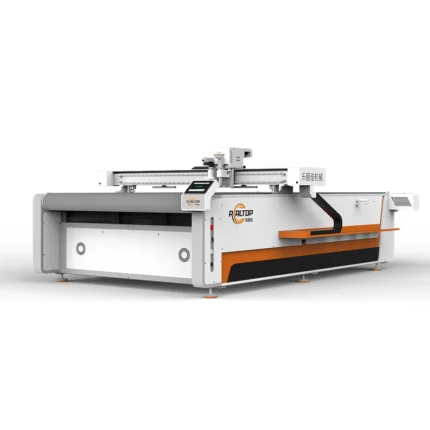
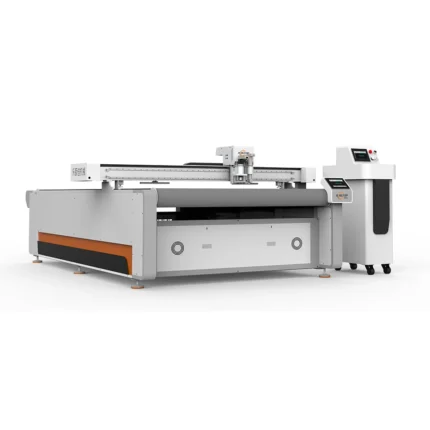
RT-D2516/RT-S2516 Cloth CNC Cutting Machine, 1600×2500mm working area, multifunctional oscillating knife head, auto-feeding conveyor for continuous roll processing — configured for fabric and roller blind production with CCD visual positioning.
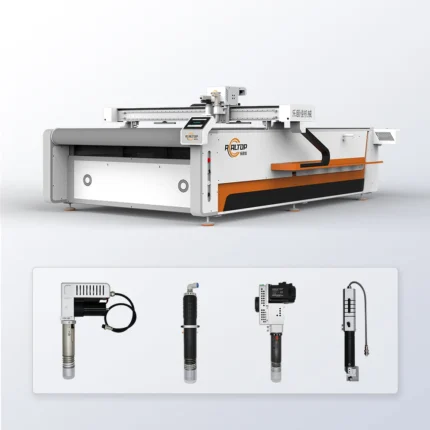
- Swiss imported knife supports full and half cutting with cursor location, switchable to drag, circular, creasing or punching tools per material type and thickness
- Magnesium-aluminum vacuum table with zoned suction and integrated 7.5kW pump reduces noise by ~35% while maintaining flatness across small and large cut parts
- HP-GL compatible control accepts PLT, DXF and AI files; touchscreen panel available in English, Russian, Italian or Chinese
Sample cutting on your own roller blind material confirms edge quality, contour tracking accuracy and throughput before commitment.
Tool-First Configuration — Every cutting head, vacuum zone and feeding option is specified against the buyer’s actual material sample before the order is confirmed, eliminating the mismatch between catalog promises and workshop reality.
Technical Specifications
| Parameter | Value |
|---|---|
| Product Type | CNC Oscillating Knife Cutting Machine with Auto-Feeding |
| Model | RT-D2516/RT-S2516 |
| Working Area | 1600 × 2500 mm |
| Machine Size | 3450 × 2300 × 1250 mm |
| Rated Power | 9 kW |
| Table Type | Flat working table or auto-feeding table |
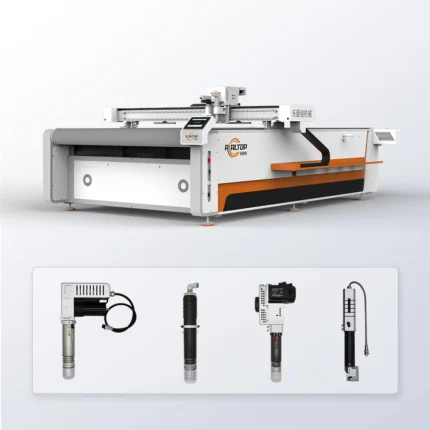
| Tool Head Options | Swiss imported knife (vibration full cut, half cut, cursor location); multifunctional head supports oscillating knife, pneumatic knife, high-power vibrating knife, circular knife, V-cutting knife, drag knife, creasing wheel, dotted line knife, punching, brush |
| Visual Positioning | Small CCD camera mark point positioning, panoramic camera recognition, projection positioning |
| Translational Velocity | 800 – 2000 mm/s |
| Cutting Speed | 200 – 800 mm/s (basis not stated in source) |
| Cutting Thickness | Up to 100 mm (varies by material density) |
| Repeated Accuracy | ≤ 0.1 mm |
| Transmission System | Digital servo motor, linear guide, synchronous belt, ball screw |
| Servo Motor Option | Delta (China) or Panasonic (Japan) |
| Control Panel | Touch screen, multiple languages supported |
| Instruction System | HP-GL compatible format |
| Software File Formats | PLT, DXF, AI |
| Voltage | 380V ± 10% |
| Vacuum Pump | 7.5 kW, aviation aluminum shell, built-in silencer sponge (~35% noise reduction) |
| Vacuum Table | Magnesium-aluminum alloy, fluorocarbon PVDF powder spraying, anodic oxidation, hard oxidation; integrated box or split box design |
| Safety Devices | Infrared sensor stop, anti-collision on both sides of beam, emergency stop button |
| Language Options | English, Russian, Italian, Chinese (special languages customizable) |
| Assembly State | Fully assembled |
| Standards | CE |
Application Suitability
| Application | Material or Output |
|---|---|
| Roller blind and window furnishing production | Coated blackout fabric, screen fabric, PVC-coated polyester from roll stock |
| Garment and footwear nested cutting | Woven textile, non-woven fabric, PU leather, EVA foam, shoe lining |
| Automotive interior trimming | Multi-layer textile composites, carpet, sponge composite leather, gasket material |
| Soft home furnishing fabrication | Upholstery cloth, curtain fabric, cushion foam, carpet |
| Packaging sample and short-run | Corrugated cardboard, sticker film, foam board |
| Sealing and gasket production | PTFE, ETFE, rubber, silicone, fiberglass sheet |
Why Specified Cutting Speed Means Nothing Without the Material Name
A cloth CNC cutting machine rated at 800 mm/s on thin polyester will stall or burn edges on coated blackout fabric at the same speed.
Over years of commissioning cutting lines across Middle East workshops, I have watched buyers compare two quotations based on a single speed figure, then wonder why their roller blind fabric frays or yellows at the edge. The truth is that cutting speed on fabric depends entirely on material density, coating type, and layer count. A 200 g/m² uncoated cotton cuts cleanly at a translational velocity that would crush a three-layer PVC-coated sun screen. When suppliers publish a speed range without naming the test material, the number is marketing, not engineering [NEED_CITE: material-specific cutting parameters for oscillating knife systems].
Blade Selection Dictates Edge Quality More Than Motor Power
The multifunctional tool head on this system accepts a Swiss imported knife along with oscillating, pneumatic, circular, drag, and V-cutting tools. Each blade geometry suits a different material behavior. An oscillating knife slices through woven textile and non-woven layers with a high-frequency vertical stroke that prevents the fabric from dragging or bunching. A drag knife, by contrast, works well on thin vinyl and sticker film but tears multi-layer cloth. Specifying the correct blade before the machine ships avoids the situation where a roller blind producer discovers that the installed head leaves micro-fraying on coated polyester, forcing a tool swap that delays production.
CCD Vision and the Reality of Printed Contour Tracking
The visual positioning system offers small CCD mark point positioning, panoramic camera recognition, and projection positioning. For roller blind manufacturers running printed patterns, the panoramic camera scans registration marks across the full working area and adjusts the cutting path to compensate for fabric stretch or skew introduced during feeding. Without this correction, a printed floral motif drifts from the cut line by several millimeters over a long panel, producing waste that cannot be reworked. The system reads marks at production speed, though buyers should always verify tracking accuracy on their own printed stock before signing off [NEED_CITE: CCD contour recognition accuracy standards for digital cutting tables].
Reading the Specifications That Actually Matter
The 1600 × 2500 mm working area accommodates standard roller blind widths up to approximately 1.5 meters with margin for clamping, while the auto-feeding conveyor — fitted with a Germany imported belt — advances roll stock continuously so that nested panels are cut one after another without manual sheet loading. The 7.5 kW vacuum pump seated in an aviation aluminum shell with integrated silencer sponge maintains suction across the magnesium-aluminum table; split box zoning allows operators to isolate vacuum to the active cutting zone, holding small nested parts flat without wasting airflow on empty table surface. Repeated accuracy of ≤ 0.1 mm ensures that mating pieces in a multi-panel blind assembly fit together without visible mismatch, and the Delta or Panasonic servo motor option lets buyers align drive components with their existing maintenance inventory.
What Happens When Configuration Is Skipped
When a buyer orders on working area alone and skips the tool head discussion, the machine arrives configured for generic fabric. The first production run on a stiff, PVC-coated sun screen produces crushed edges and delaminated layers because the oscillating stroke frequency is wrong for the material hardness. Small gasket parts lift off the table mid-cut because the vacuum zoning was left as a single full-bed zone, and the suction cannot hold a 30 mm diameter piece against knife drag. These failures are not machine defects — they are configuration omissions that surface only after material is already wasted [NEED_CITE: vacuum zoning requirements for small-part digital cutting].
Why This Build Approach Fits Production Realities
In-house design covering both knife and laser cutting means the cutting method is matched to the material, not forced into one technology. Tool head and table configurations are specified per the buyer’s material sample and daily volume, so a roller blind line running coated polyester gets a different setup than a garment shop cutting woven cotton. CCD camera positioning is verified on printed stock before shipment, not assumed from a catalog claim. Software file format compatibility — PLT, DXF, AI — is confirmed against the buyer’s existing nesting workflow so there is no discovery of unsupported geometry on day one. Sample cutting on the buyer’s own fabric, at production speed, provides the evidence needed to sign off with confidence.
Documentation & Verification
- Machine specification sheet listing confirmed tool head and vacuum zone layout
- Electrical schematic with 380V ± 10% circuit diagram and fuse schedule
- Sample cutting report on your roller blind or fabric stock with edge photos
- Software license and PLT/DXF/AI file format compatibility note
- Factory test record showing repeated accuracy measurement before dispatch
- CE declaration and packing photographs for shipment verification
Installation, Commissioning & Support
- Floor space of at least 4000 × 3000 mm required for the 3450 × 2300 mm machine footprint plus roll loading clearance
- Dedicated 380V ± 10% three-phase circuit rated for the 9 kW total draw including the 7.5 kW vacuum pump
- Machine ships fully assembled; positioning and leveling on site with anchor bolts to the prepared floor
- First-run commissioning includes vacuum zone mapping, servo tuning, and CCD calibration on buyer-supplied material
- Operator training covers tool head changeover, nesting software workflow, and touch screen parameter adjustment
- Spare parts list includes Swiss knife blades, vacuum table seals, and conveyor belt sections for scheduled replacement
What to Prepare Before Requesting a Quotation
Send a representative sample of the fabric or composite material you intend to cut, including coated or laminated variants if applicable. Specify the maximum roll width, material thickness, and the daily linear meter output your line must sustain. Confirm the local voltage and frequency at your facility, the preferred control language, and whether your nesting workflow uses PLT, DXF, or AI files so the software can be validated before the machine enters production.
Frequently Asked Questions
Q: How can I verify the cutting speed claim of 200–800 mm/s for my specific fabric?
A: The published speed range lacks a stated material basis, so request a sample cutting test on your own fabric at your target production speed. The resulting report documents edge quality, cutting depth, and any fraying or delamination, giving you a verified speed figure tied to your actual material rather than a generic benchmark.
Q: Which tool head should I choose for coated roller blind fabric versus plain woven textile?
A: Coated fabrics such as PVC polyester generally require a high-power oscillating knife to slice through the coating and base layer without delamination, while plain woven cloth cuts cleanly with a standard oscillating knife. Confirm the blade type against a sample cut on your material before the order is finalized.
Q: Can the CCD system track printed marks on roller blind fabric without slowing production?
A: The panoramic camera recognition mode scans registration marks across the full 1600 × 2500 mm working area and corrects the cutting path for fabric stretch or skew. Verification on your printed stock at target speed confirms whether tracking accuracy meets your pattern alignment tolerance.
Q: How does vacuum table zoning affect small nested parts?
A: The split box vacuum table design allows operators to activate suction only in the zone where cutting occurs. This concentrates holding force on small gasket or pattern pieces that would otherwise lift off a single-zone table during knife contact, reducing mis-cuts and material waste.
Q: What electrical and language details are confirmed before the machine ships?
A: Voltage at 380V ± 10%, plug type, and control panel language — available in English, Russian, Italian, Chinese, or customizable options — are confirmed during the specification review. The electrical schematic and software compatibility note for PLT, DXF, and AI files are included in the dispatch documentation.


Related products
2026 Auto Fabric Cutter Round Knife High Efficiency
Product Introduction
High Efficiency 2026 Auto Fabric Cutter with Round Knife is a professional cutting equipment designed for fabric processing. It features advanced automation and high cutting efficiency, suitable for various fabric materials in industrial production.Product Parameters
| Model | 2026 |
| Type | Auto Fabric Cutter |
| Blade Type | Round Knife |
| Feature | High Efficiency |
CNC Vibration Knife System 2026 for Polyester Nylon Non-Woven Prepreg
Product Introduction
CNC Vibration Knife System 2026 is ideal for cutting polyester, nylon, non-woven fabrics, and prepreg materials with precision and efficiency, suitable for industrial manufacturing needs.Product Parameters
| Model | 2026 |
| Cutting Technology | CNC Vibration Knife |
| Materials | Polyester, Nylon, Non-Woven, Prepreg |

Electric Fabric Rotary Cutter 2026 12V Auto-Cut Industrial
Product Introduction
Industrial-grade Electric Fabric Rotary Cutter designed for precise cutting of scan-printed cloth. Features 12V auto-cut functionality for efficient, automated operation, ideal for professional textile processing.Product Parameters
| Power Supply | 12V |
| Function | Auto-Cut |
| Application | Scan-Printed Cloth |
| Type | Industrial Electric Rotary Cutter |
Jinan Realtop CNC Fabric Slitting Cutter 2026: Advanced Flexible Material Cutter
Product Introduction
Jinan Realtop CNC Fabric Slitting Cutter 2026 is a high-performance cutting equipment designed for precise fabric processing, ideal for industrial manufacturing needs with reliable CNC technology.Specifications
| Model | 2026 |
| Type | CNC Fabric Slitting Cutter |
| Manufacturer | Jinan Realtop |
| Application | Fabric Processing |
| Control System | CNC |
Realtop CNC Fabric Cutting Machine 2026 CE Certified
Product Introduction
Realtop CNC Fabric Cutting Machine 2026, CE Certified, ideal for precision fabric cutting with advanced CNC technology. Engineered for efficiency and reliability in textile manufacturing processes.Key Specifications
| Model | Realtop CNC Fabric Cutting Machine 2026 |
| Certification | CE Certified |
商品评价
There are no reviews yet.