

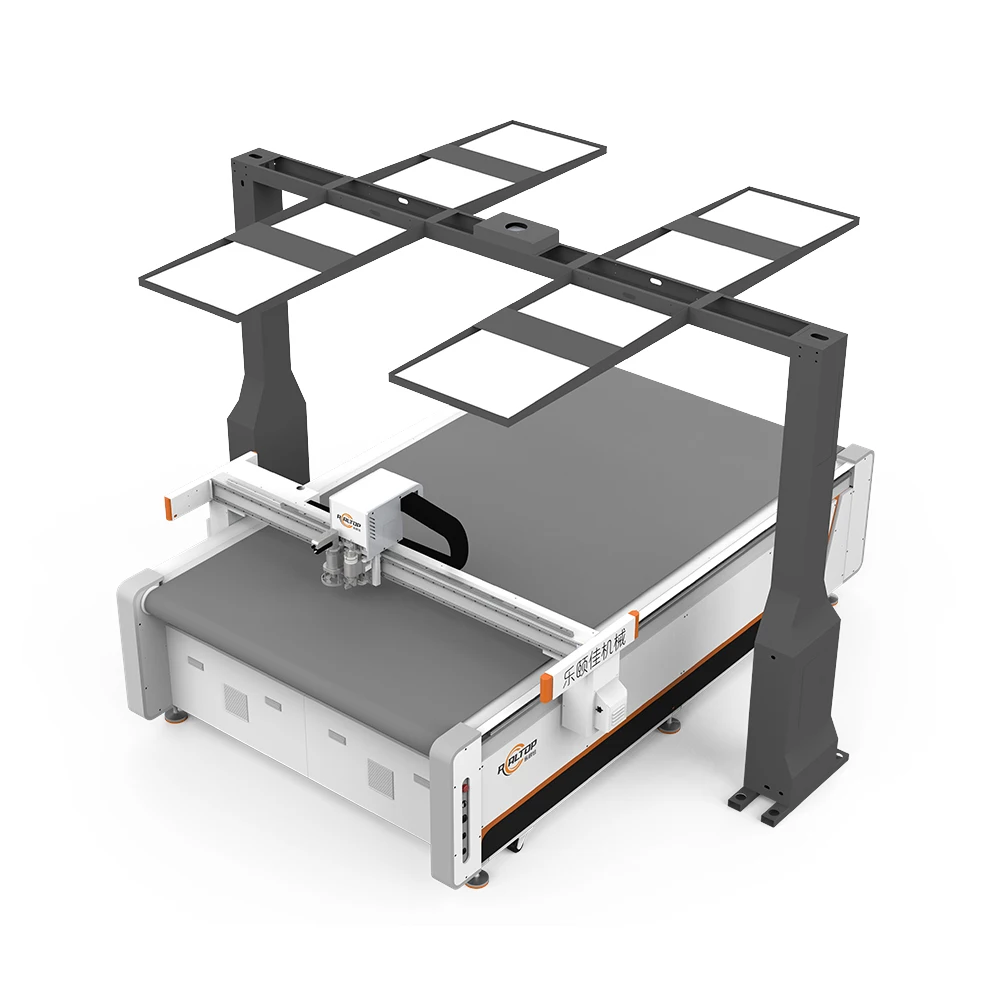
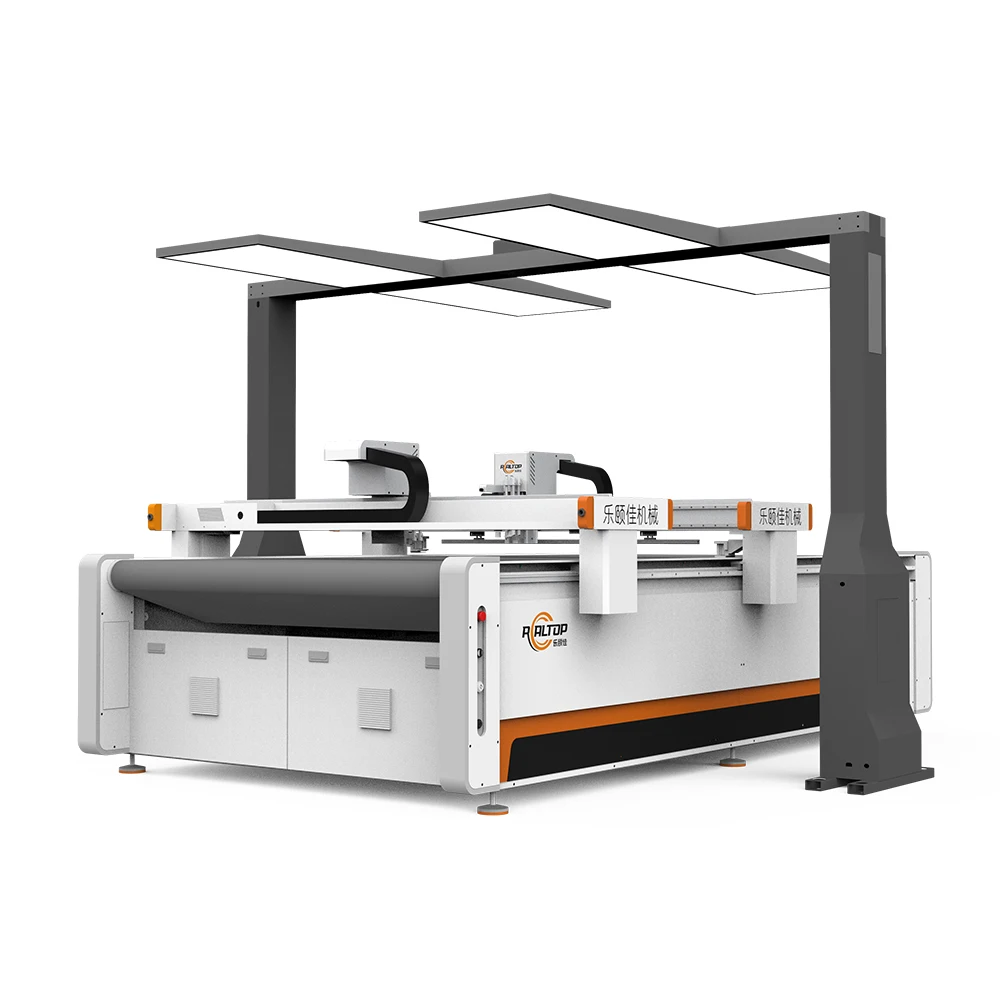
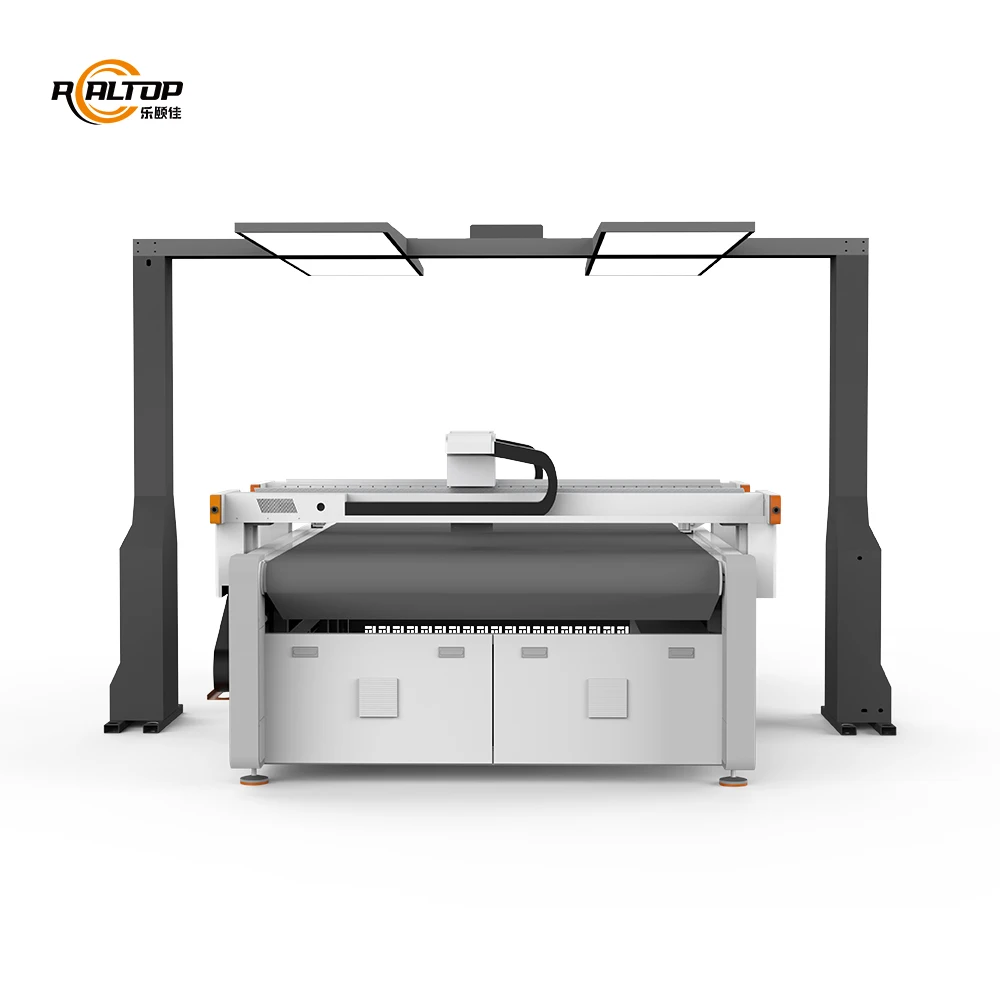


Leather CNC Cutting Machine 2516 Auto Feed – Laser Cutting and Engraving Equipment Manufacturer
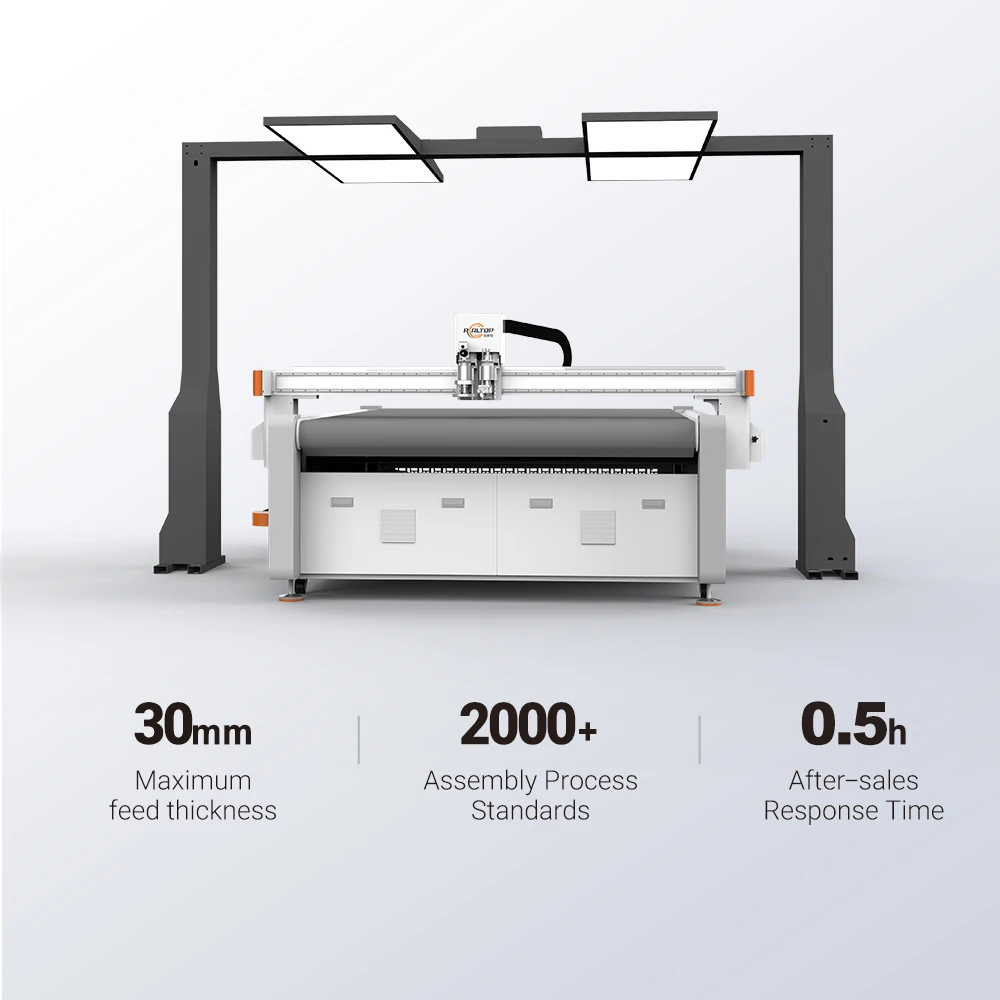
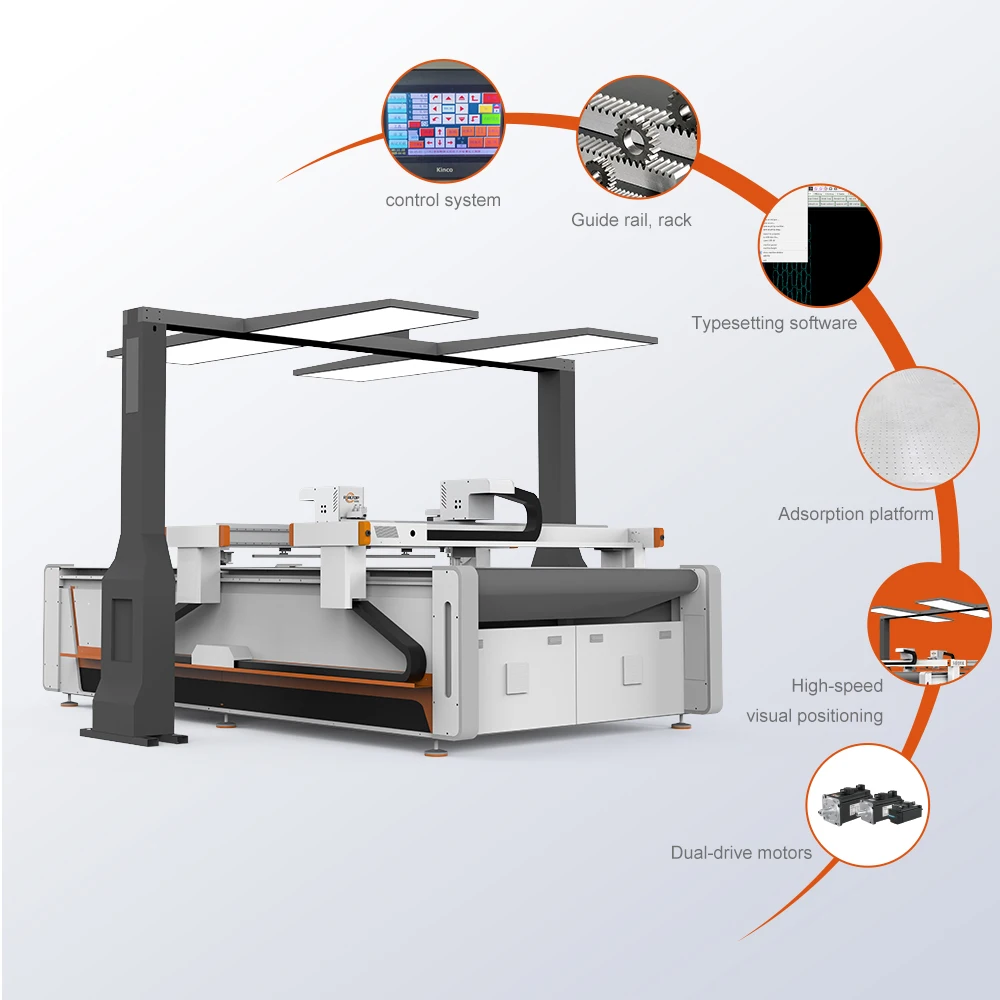
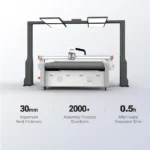
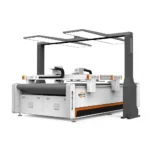
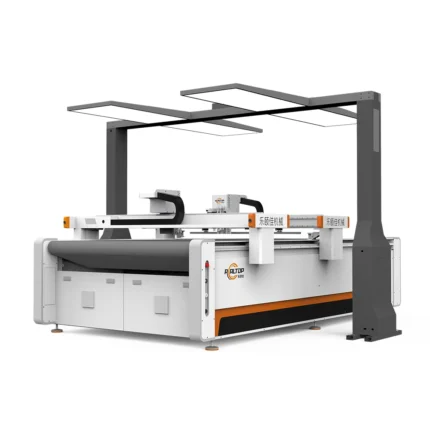
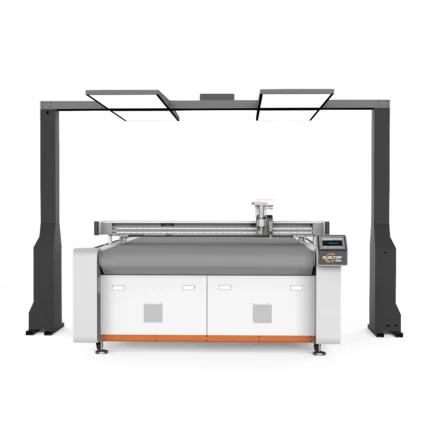
2516 CNC Leather Cutter Auto Feed, 1600×2500mm working area, ≤30mm cutting thickness, ±0.1mm accuracy — engineered for leather and textile processing with dual-technology capability. CO2 laser and oscillating knife options allow you to match the cutting method to genuine leather, synthetic materials, or printed fabrics, while CCD camera positioning ensures accurate contour recognition at production speed. Multiple tool heads including driven rotary knife and creasing wheel handle diverse applications from shoe uppers to automotive seat covers. Sample cutting test on your actual material verifies edge quality and real cutting depth before commitment, with voltage, software compatibility, and control language confirmed for your local requirements.
Precision cutting matched to material behavior — dual knife and laser technology with sample-tested configurations verified on your specific leather and textile stock before order confirmation.
Technical Specifications
| Parameter | Value |
|---|---|
| Product Type | CNC Leather Cutter Auto Feed |
| Model | 1625 |
| Cutting Area | 1600 × 2500 mm |
| Cutting Thickness Capacity | Up to 30 mm |
| Cutting Accuracy | ±0.1 mm |
| Cutting Speed | 0–2000 mm/s |
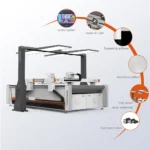
| Available Tool Heads | Oscillating knife, Driven rotary knife, Creasing wheel, Kiss cutting tool, Pneumatic knife, Milling tool, V groove knife |
| Vacuum Pump | 9 kW |
| Vacuum Table | Aluminum bellows vacuum table |
| Machine Frame | Heavy-duty frame with precision-ground surface |
| Servo Motors | Multiple options including Panasonic, Delta, Dorna |
| Control Panel | PLC control panel with intuitive interface |
| Voltage Options | Configurable from 110V to 380V |
| Accepted File Formats | PLT, DXF, AI, PDF |
| Safety Features | Infrared sensor device and emergency stop device |
| Machine Dimensions | 3300 × 2100 × 1350 mm |
| Language Options | English, Russian, Italian, Chinese (customizable) |
| Compliance | CE |
Application Suitability
| Application | Material or Output |
|---|---|
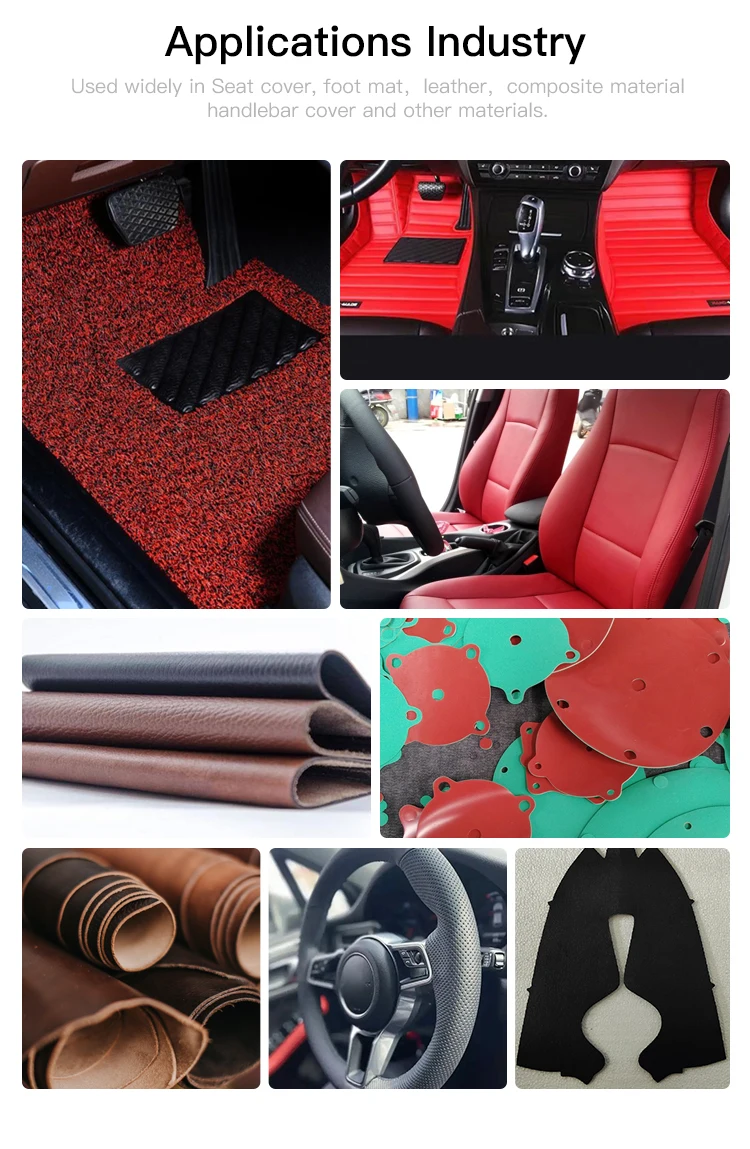
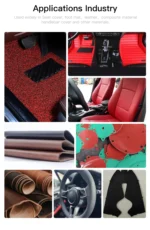
| Shoe upper and leather goods manufacturing | Genuine leather, synthetic PU and PVC leather, suede |
| Automotive seat cover and interior production | Automotive-grade leather, multi-layer composite leather, seat foam |
| Bag and luggage component cutting | Thick cowhide, bonded leather, fabric-backed leather |
| Sofa and upholstered furniture production | Upholstery leather, textile fabric, composite padding |
| Car mat and floor covering fabrication | EVA foam, rubber, thermoplastic mats, coil mats |
| Signage and adhesive graphic production | PVC sheets, adhesive vinyl, acrylic panels, foam boards |
Why Material Thickness Changes Everything About Tool Selection
A CO2 and fiber laser cutting machine for leather might sound like a universal answer, but the actual cutting method must be matched to what you run on the table every day.
I once sent a unit out for automotive floor mat production after clean sample cuts on the client’s reference leather. When the machine arrived at their facility, the actual production stock was a multi-layer composite with much higher density. The original tool head could not cut through it. That entire setup had to ship back for a spindle swap. The delay cost the buyer over a month of production time [NEED_CITE: material density variation between sample and bulk stock].
Leather is not a single material. Full-grain hides behave differently from split leather, which in turn cuts nothing like bonded or synthetic composite sheets. The oscillating knife handles thick, fibrous stock cleanly, while a laser seals edges on thinner synthetics. Choosing the wrong method means ragged cuts, delaminated layers, or scorch marks — defects your quality team catches too late.
Matching Laser Process to Leather and Synthetic Grades
Edge quality on leather depends heavily on whether the cutting energy comes from a blade or a focused beam. For thin PU, PVC, and synthetic textile layers, laser cutting seals edges and prevents fraying without any mechanical force pushing the material out of position. This matters when you cut intricate contours on shoe uppers or decorative panels where even slight distortion ruins the pattern match.
The 1625 platform accommodates both approaches. A buyer running predominantly thin synthetics and printed fabrics benefits from laser-edge sealing, while a facility processing heavy natural hides or multi-layer foam-leather composites needs the mechanical shearing force of an oscillating or pneumatic knife. Selecting the correct method avoids the burn marks and discoloration that can appear when laser power is pushed beyond what a given material thickness and composition can tolerate.
Edge Sealing Versus Mechanical Shearing on Mixed Production
Many leather workshops do not run a single material. They cut genuine cowhide in the morning and synthetic PU in the afternoon. A production environment like that needs tool heads that switch without a full recalibration cycle every time. The interchangeable tool configuration on this system — from oscillating knife to driven rotary knife to kiss cutting tool — lets you move between natural leather, which demands clean mechanical shearing, and synthetic materials that benefit from thermal edge sealing [NEED_CITE: edge quality standards for automotive leather interiors].
The aluminum bellows vacuum table holds material flat across the full 1600 × 2500 mm working area. On thinner hides or fabrics that tend to lift under knife drag, consistent vacuum zoning prevents the material from shifting mid-cut, which is where most contour accuracy problems originate.
What the Spec Sheet Numbers Mean on the Cutting Floor
The ±0.1 mm cutting accuracy rating only holds when the frame, drive, and vacuum systems all work in agreement. A heavy-duty frame with a precision-ground surface absorbs the vibration generated at higher cutting speeds. Without that mass, the oscillating knife at 2000 mm/s would introduce micro-vibrations that show up as jagged edges on tight curves — exactly where shoe upper patterns have the most detail.
The 9 kW vacuum pump generates the hold-down force needed for the full table area. If you cut small pieces — think bag hardware panels or shoe components — the vacuum zoning must keep each piece seated after it is cut free from the surrounding material. Insufficient zoning means pieces lift and the next pass of the tool head catches them, ruining both the part and potentially the knife.
The PLC control panel with configurable language options means your operators do not have to translate instructions on the fly. File format compatibility with PLT, DXF, AI, and PDF eliminates the step of re-drawing patterns that your design team already has in standard vector formats.
The Real Cost of Skipping Configuration Verification
When a machine arrives with the wrong voltage configuration, the choices are bad: run a transformer that adds failure points, or ship the electrical cabinet back for rewinding. Either option delays production by weeks. Voltage must be confirmed against the buyer’s actual facility supply — not assumed from a country-level standard [NEED_CITE: industrial voltage and frequency variations across export markets].
Similarly, when a software workflow cannot import a buyer’s existing nesting files, the production team has to rebuild patterns from scratch. That lost time compounds across every new design. Verifying file format compatibility and nesting software integration before the order is placed eliminates a problem that otherwise surfaces on day one of production.
Why Buyers Source This Equipment From the Factory
In-house design and production across both knife and laser cutting means a buyer gets the cutting method that fits the material, rather than being forced into whichever technology a single-technology vendor sells. The tool head and table configuration are specified per material type and production volume, not pulled from a default catalog line.
CCD camera positioning is available for printed contour work, letting you align cuts to pre-printed patterns on leather and textiles with registration accuracy. Sample cutting on the buyer’s actual stock is required before order commitment — this is not an optional add-on but a standard step that prevents the composite-leather mismatch I described earlier.
Voltage, control language, and electrical specifications are confirmed against the buyer’s facility data before the machine enters production. The documentation package ships with the machine, not buried in email threads after delivery.
Documentation & Verification
- Machine specification sheet listing configured tool heads and table zoning for your leather grades
- Electrical schematic with confirmed voltage, phase, and plug type for your facility
- Sample cutting report on your actual material with edge quality and depth measurements
- Software license and file format compatibility note covering PLT, DXF, AI, and PDF workflows
- Factory test record documenting cutting accuracy and speed on your specified stock
Installation, Commissioning & Support
- Heavy-duty frame requires level concrete flooring to maintain ±0.1 mm cutting accuracy across the 1600 × 2500 mm bed
- 9 kW vacuum pump draws dedicated circuit; confirm amperage availability with your electrician before delivery
- Machine ships as single unit at 3300 × 2100 × 1350 mm; verify doorway and overhead clearance at your facility
- First-run commissioning includes tool head calibration on your leather and composite samples
- Operator training covers PLC panel navigation in your selected language including Russian, Italian, or Chinese
- Spare parts list with oscillating knife blades, vacuum seals, and drive belts identified by part number
What We Need to Recommend the Right Configuration
Tell us what you actually cut: material type, typical thickness range, and whether you process natural hides, synthetics, or both. Share your daily or weekly volume so we can recommend tool head and feed configuration that matches your throughput. If you have existing nesting software or specific file formats in your workflow, let us know so compatibility is confirmed before build.
Frequently Asked Questions
Q: How do I decide between laser and oscillating knife for my leather products?
A: The choice depends on material composition and thickness. Genuine leather and thick composites generally require an oscillating or pneumatic knife for clean mechanical shearing without thermal damage. Thin synthetic PU, PVC, and textile layers often benefit from laser cutting, which seals edges and prevents fraying. We test your actual stock to confirm the method before finalizing the configuration.
Q: What edge quality should I expect on different leather grades?
A: Full-grain leather typically shows a clean mechanical cut edge with an oscillating knife, while split leather and bonded materials may require adjusted blade frequency to avoid fraying. Synthetic materials cut by laser produce a sealed edge that prevents unraveling. Edge quality varies by material density, which is why sample cutting on your specific stock is a required step before order.
Q: How does CCD camera positioning work with printed leather and textile patterns?
A: The CCD camera reads printed registration marks on your material and adjusts the cutting path in real time to match the printed design. This is particularly useful for shoe uppers, bag panels, and automotive interiors where the cut contour must align precisely with a pre-printed pattern. We verify mark detection speed on your actual printed stock during the sample phase.
Q: What file formats and nesting options does the system accept?
A: The system accepts PLT, DXF, AI, and PDF vector formats directly. If you use third-party nesting software, we confirm compatibility with the machine’s control system before order. This prevents workflow interruptions where operators must redraw existing patterns in unfamiliar software.
Q: How can I verify the machine will handle my actual material thickness?
A: Send us production samples of your thickest and most challenging materials. We run cutting tests at the configured speed and document edge quality, cutting depth, and cycle time in a sample report you receive before committing to the order. This step eliminates surprises when the machine arrives at your facility.


Related products
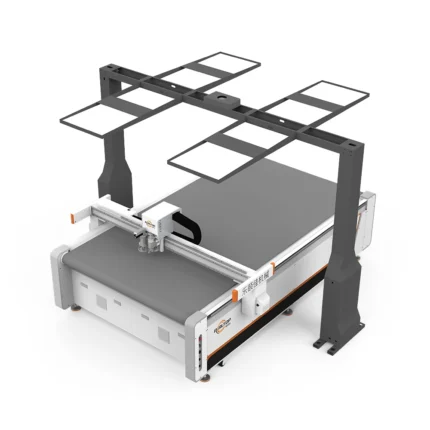
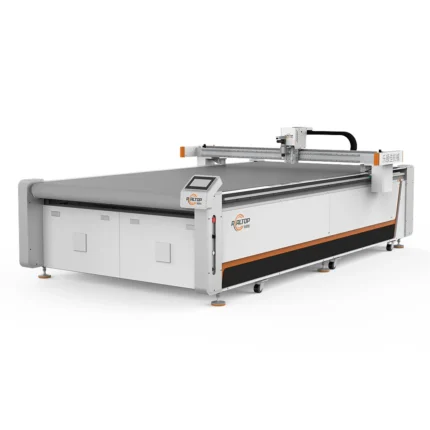
1625 CNC Oscillating Blade Cutter for Artificial Leather & Elastic Fabric
Product Introduction
1625 CNC Oscillating Blade Cutter, ideal for precise cutting of artificial leather and elastic fabric, offering efficient and accurate material processing for 2026 production needs.
Product Parameters
| Model | 1625 |
| Type | CNC Oscillating Blade Cutter |
| Applications | Artificial Leather, Elastic Fabric |
| Year | 2026 |
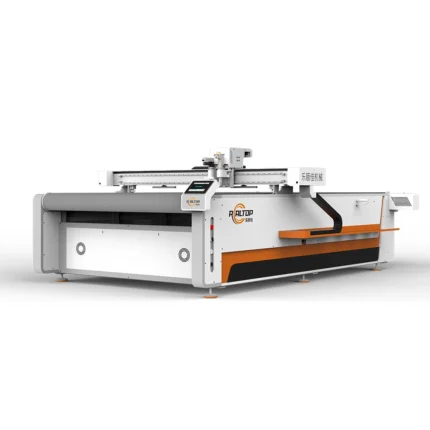
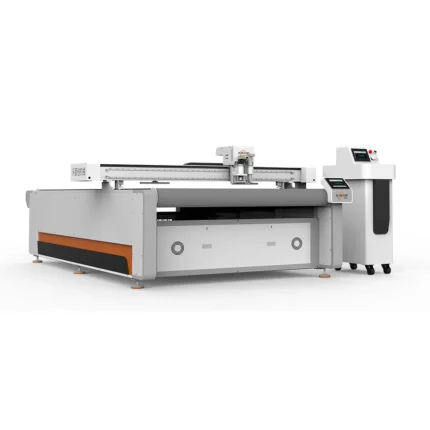


Auto Knife Leather Cutting Machine 2026 Contour & Auto Feed
Product Introduction
Auto Knife Leather Cutting Machine 2026 with contour cutting and auto feed functions, designed for precise leather processing. Ideal for efficient cutting tasks in manufacturing settings.Product Parameters
| Function | Contour Cutting & Auto Feed |
| Type | Auto Knife Cutting Machine |
| Application | Leather Processing |
| Year | 2026 |
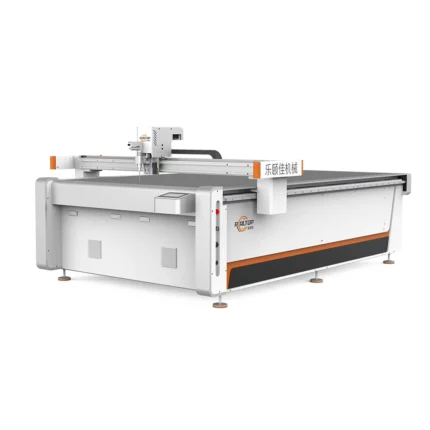
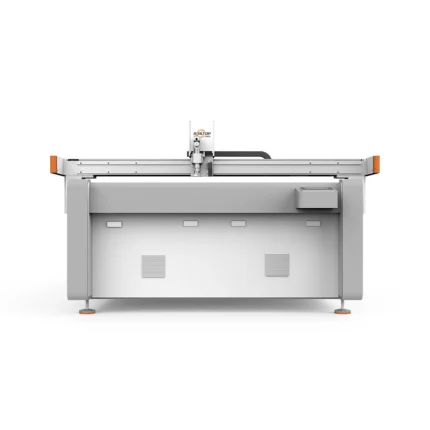
Leather CNC Oscillating Knife Cutter – Realtop1625
Realtop1625 Leather CNC Cutting Machine, 1600×2500mm, ≤30mm Thickness, CCD Contour Recognition — configured with interchangeable oscillating and rotary knife heads matched to leather grade and fabric density rather than a single fixed tool. Aluminum bellows vacuum table holds small contours flat across the full working area, with CCD camera tracking printed marks on patterned rolls at production speed.
Sample cutting on your own material with a written test report before order commitment, voltage and control language confirmed before shipment.
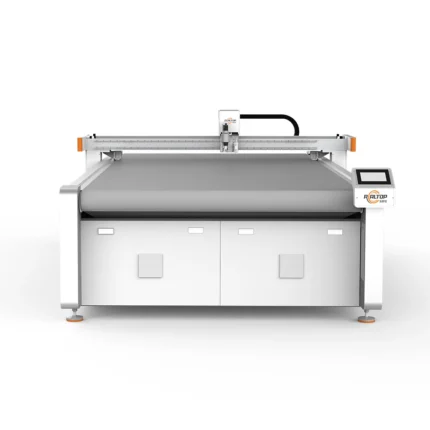
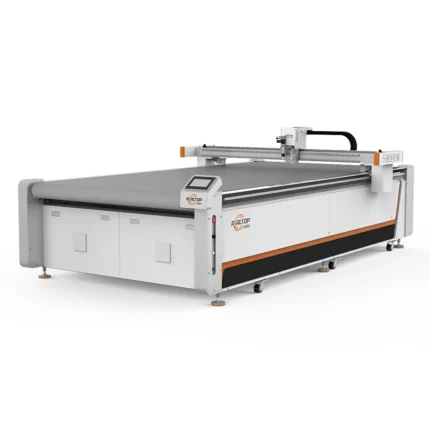
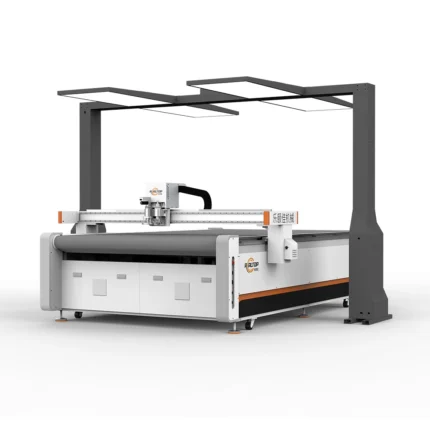
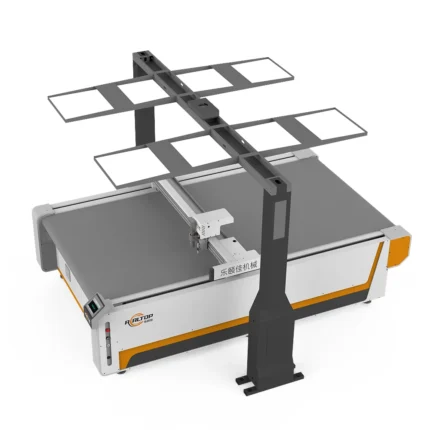
Realtop 2026 Digital Leather Cutting Machine
Product Introduction
Realtop Digital Leather Cutting Machine 2026 is a professional equipment designed for precise leather cutting, ideal for manufacturing applications. It integrates advanced digital technology to ensure efficient and accurate cutting performance, suitable for various leather processing needs.
Product Parameters
| Model | Realtop 2026 |
| Type | Digital Leather Cutting Machine |
| Application | Leather Processing |
| Core Feature | Precision Cutting Technology |
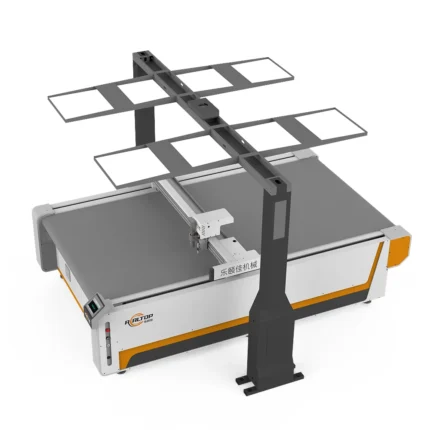
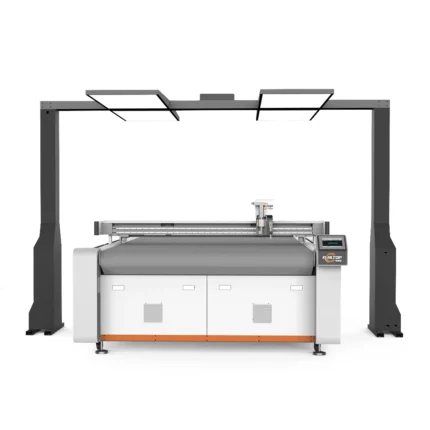
Realtop 2026 Leather CNC Oscillating Knife Cutter Camera
Product Introduction
Realtop Leather CNC Oscillating Knife Cutter with Camera ¨C 2026, ideal for precision leather cutting with advanced camera positioning. Efficient and reliable for professional manufacturing needs.
Key Specifications
| Type | CNC Oscillating Knife Cutter |
| Material | Leather |
| Feature | Built-in Camera |
| Model | 2026 |
商品评价
There are no reviews yet.