


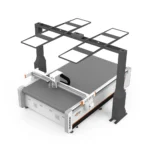
Leather CNC Oscillating Knife Cutting Machine | Manufacturer
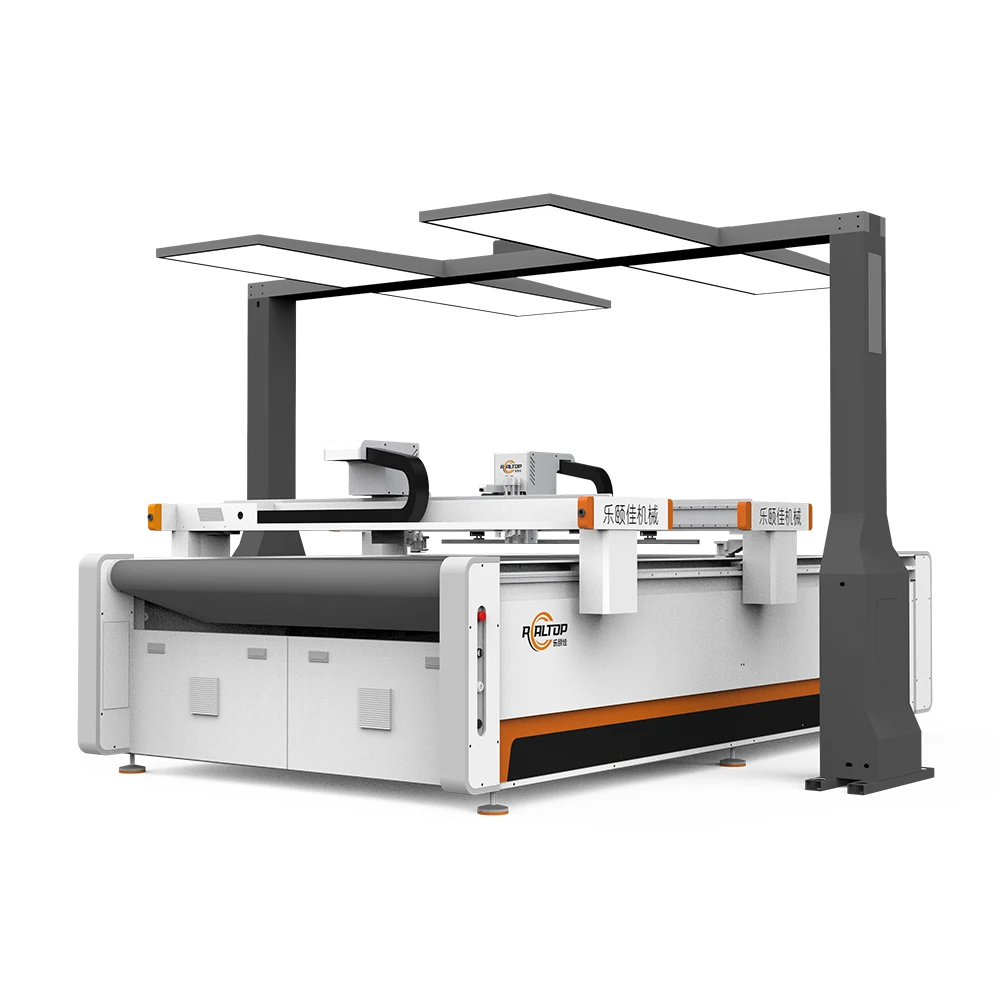
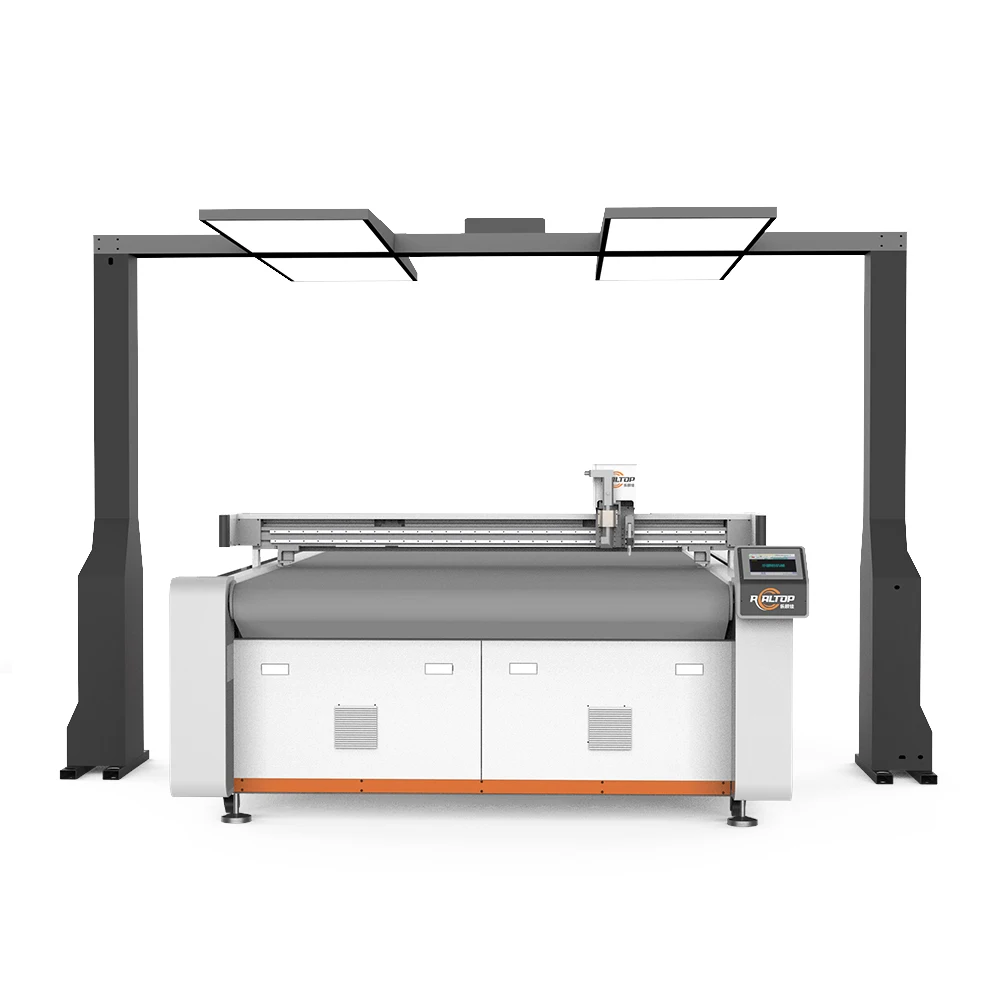
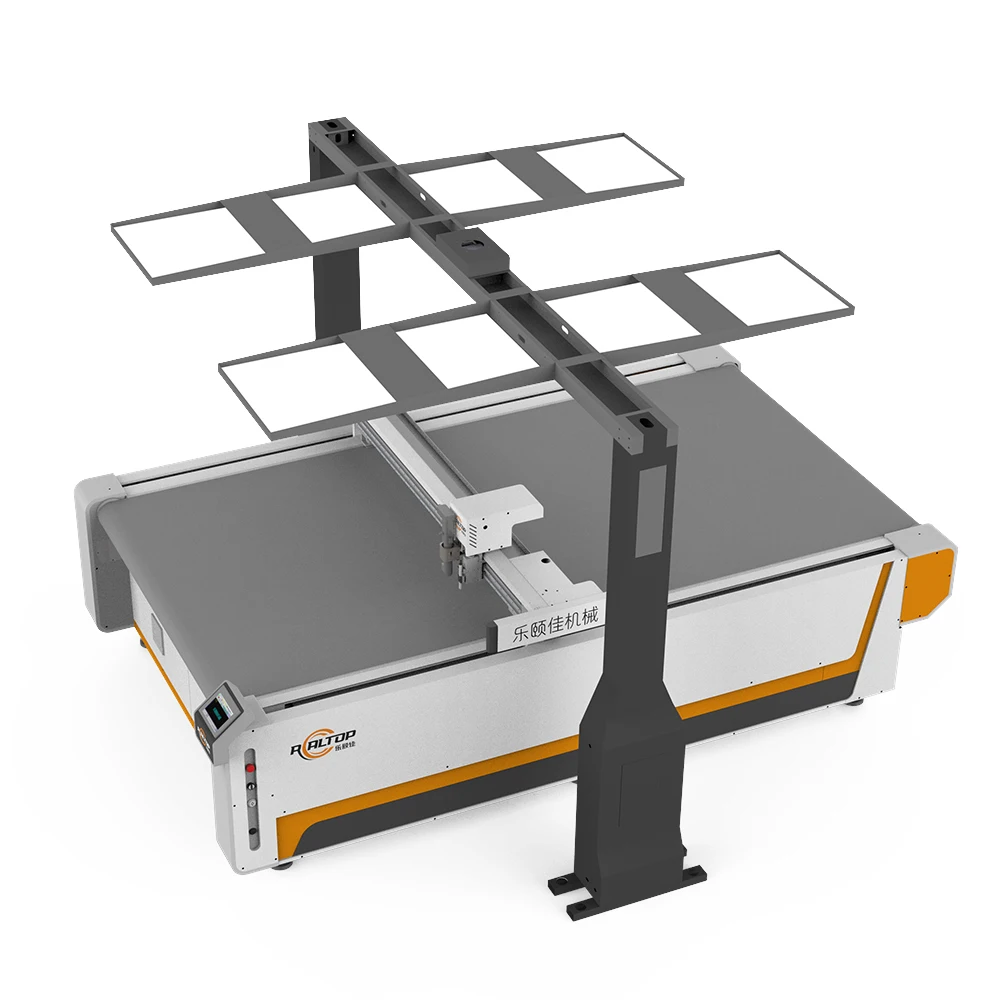
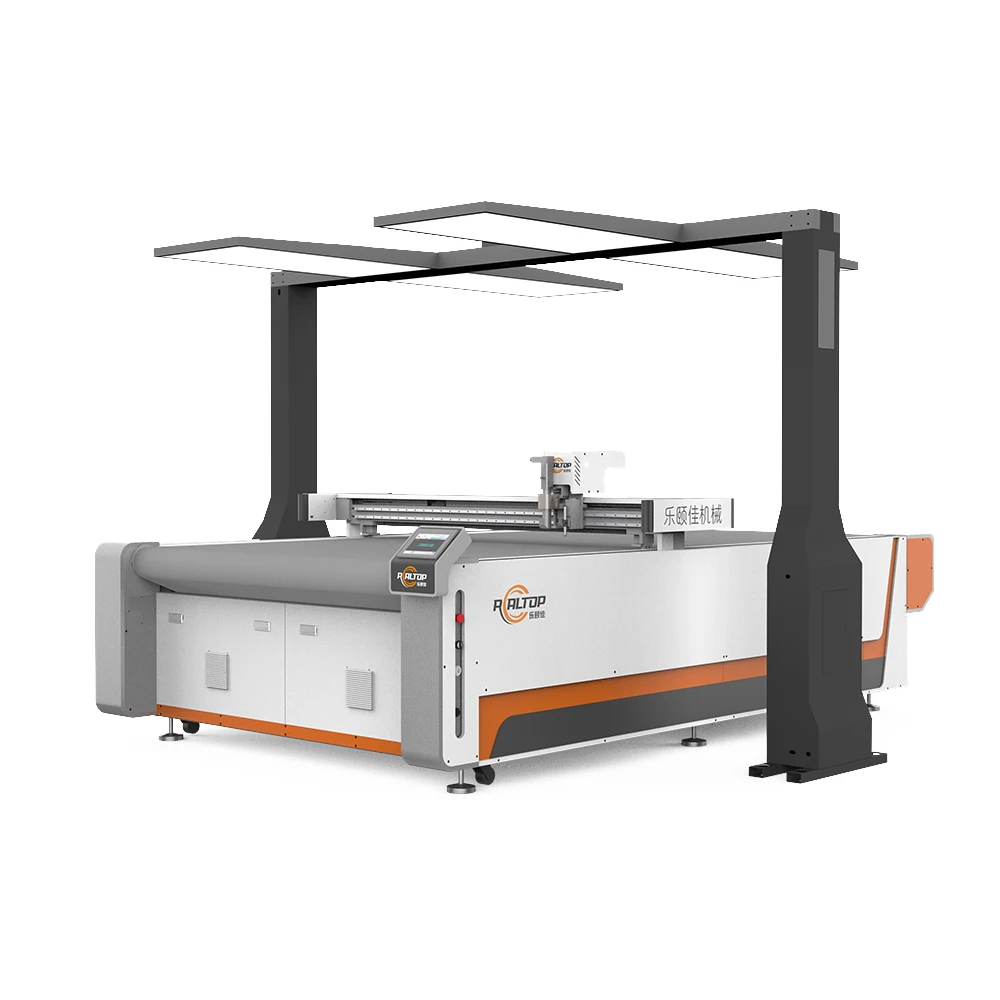
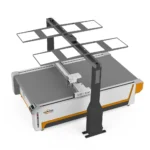
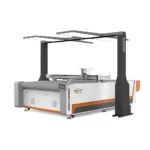
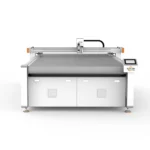
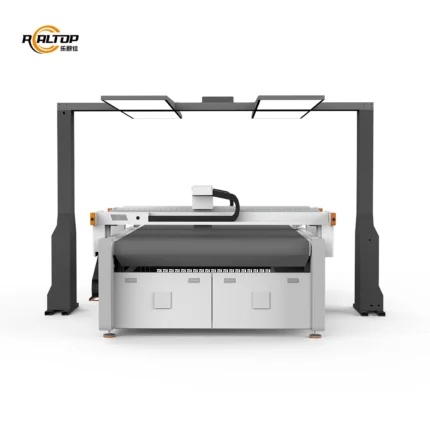
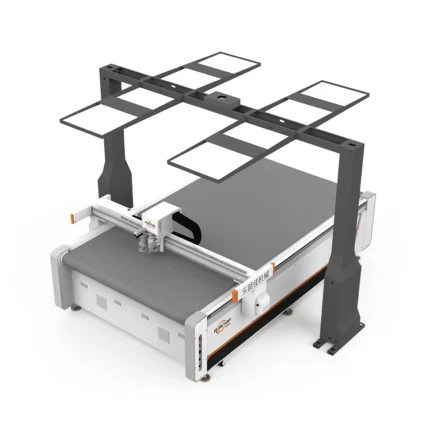
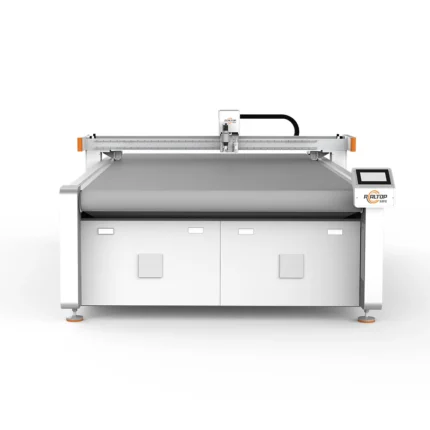
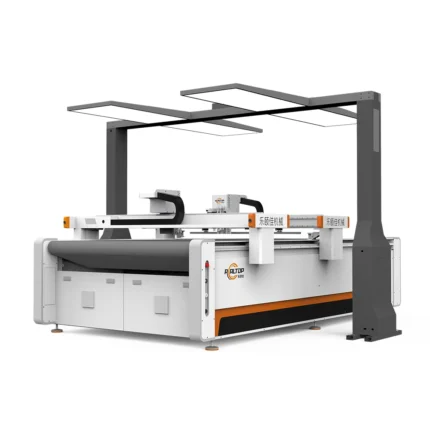
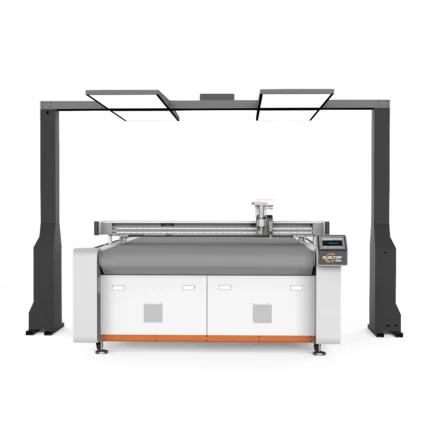
Realtop 1625 CNC Oscillating Knife Cutting Machine, 1600×2500mm, ±0.1mm, CCD Camera — engineered for leather, fabric and soft material processors who demand precise cutting methods matched to their specific production needs.
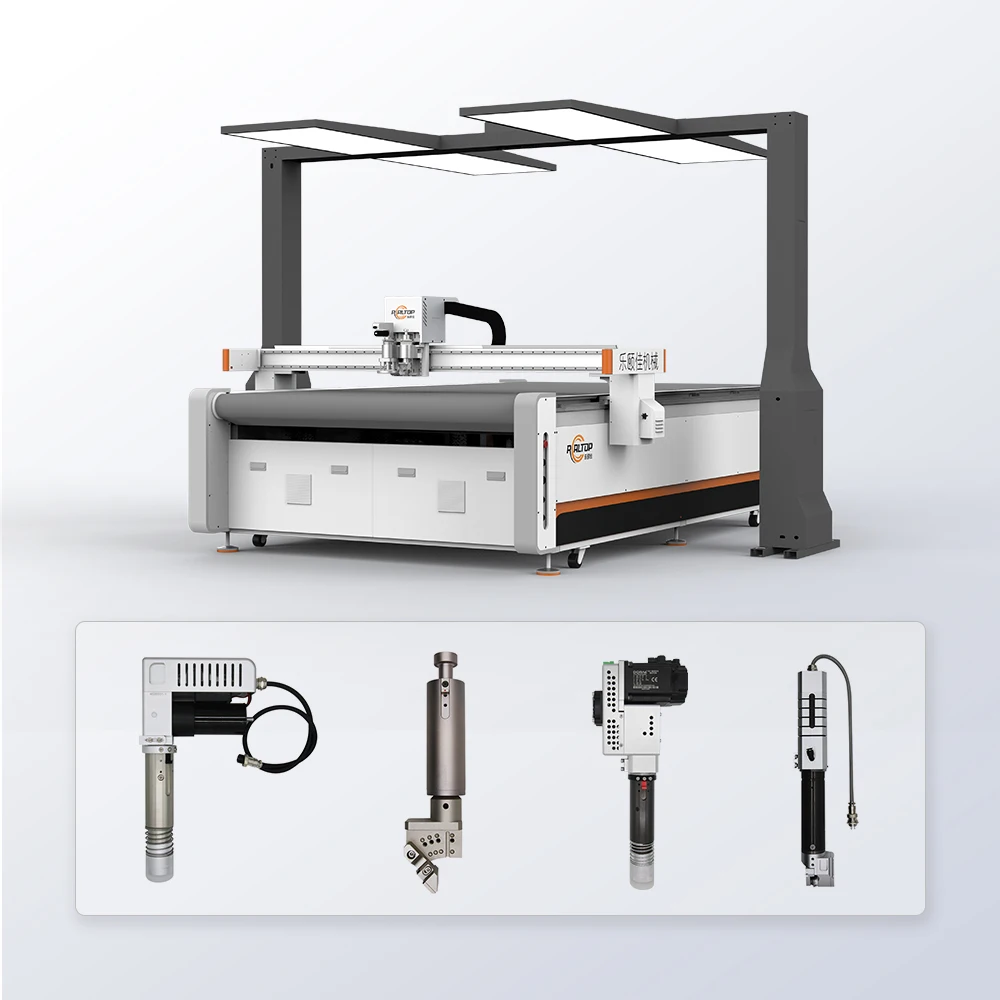
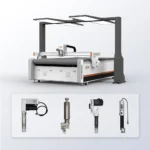
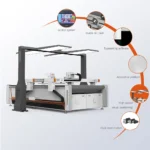
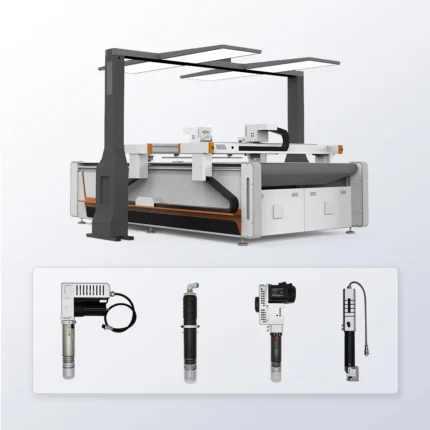
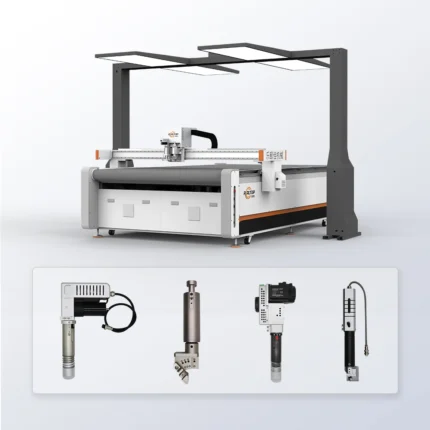
- Multi-tool head configuration with oscillating knife, rotary knife and creasing wheel options
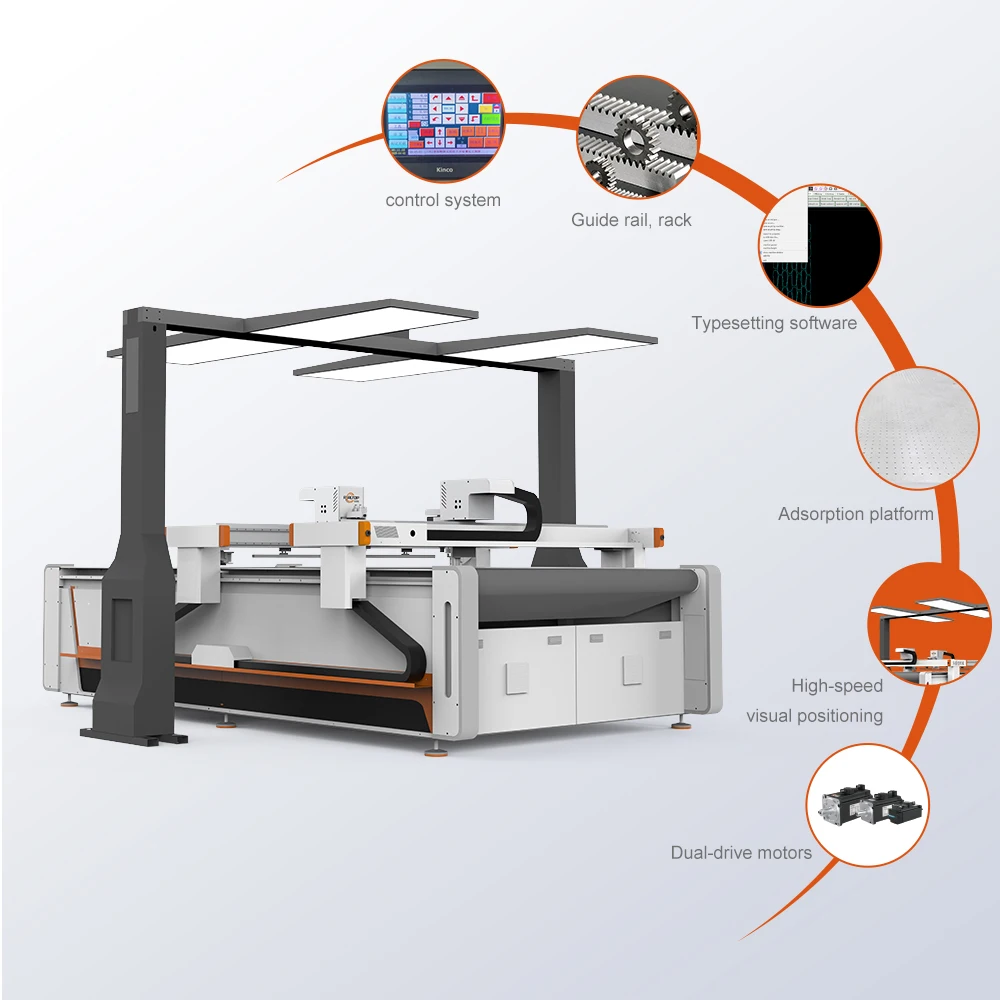
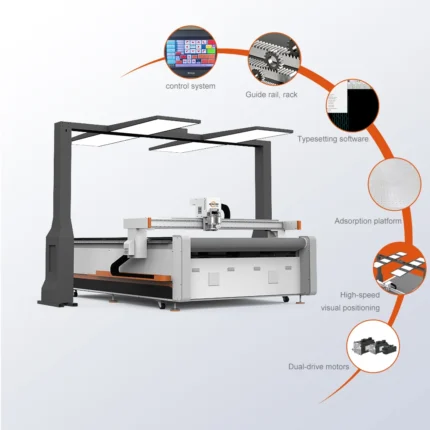
- Aluminum bellows vacuum table ensures full-surface adsorption for small parts
- CCD camera contour recognition handles printed leather and patterned fabric at production speed
Sample cutting on your own material before commitment, with tool head configuration documented per your material type and production volume.
Precision-Matched Cutting Method — Our in-house engineering team designs both knife and laser platforms, ensuring leather and fabric processors receive the exact cutting technology their material demands rather than a forced compromise.
Technical Specifications
| Parameter | Value |
|---|---|
| Model | 1625 |
| Product Type | CNC Oscillating Knife Cutting Machine |
| Working Area | 1600×2500 mm |
| Cutting Speed | 0–2000 mm/s |
| Cutting Thickness | ≤ 30 mm (basis not stated in source — confirm material type and density) |
| Cutting Accuracy | ±0.1 mm |
| Tool Head Options | Oscillating knife, Driven rotary knife, Creasing wheel, Kiss cutting tool, Pneumatic knife, Milling tool, V groove knife |
| Vacuum Pump Power | 9 kW |
| Vacuum Table | Aluminum bellows vacuum table |
| Servo Motor Options | Panasonic, Delta, Dorna (source value — verify against manufacturer catalog) |
| Control System | PLC control panel with optional display languages |
| Software File Formats | PLT, DXF, AI, PDF |
| CCD Camera | Contour recognition and positioning for printed materials |
| Voltage Options | 110V, 220V, 380V (frequency not stated in source — confirm 50Hz / 60Hz) |
| Software Languages | English, Russian, Italian, Chinese (special languages customizable) |
| Safety Device | Infrared sensor device and emergency stop device |
| Machine Size | 3300×2100×1350 mm |
Application Suitability
| Application | Material or Output |
|---|---|
| Footwear production | Shoe uppers and insoles from genuine and synthetic leather |
| Leather goods manufacturing | Handbags, belts and apparel components from hide and PU leather |
| Automotive interior trim | Seat covers, car mats and door panels from leather and composites |
| Upholstery and sofa fabric | Contour-cut cushion covers and decorative textile panels |
| Packaging sample making | Foam boards, PVC sheets, acrylic panels and carton prototypes |
| Advertising and signage | Adhesive stickers, vinyl lettering and display boards |
Why Working Area Alone Never Tells the Full Story
A cutting table sized only by footprint leaves material behavior entirely unaddressed.
Many buyers specify a CNC Oscillating Knife Cutting Machine manufacturer based on bed dimensions and discover afterward that the machine cannot hold their specific leather thickness or synthetic composite flat during the cut. Small die-cut pieces lift off the table when vacuum zoning does not match the nesting pattern, causing edge drift and scrapped material across an entire shift. [NEED_CITE: vacuum hold-down requirements for flexible sheet materials] The 1625 addresses this gap by pairing a 9 kW vacuum pump with an aluminum bellows table surface, where zone mapping is configured against the buyer’s actual nesting layout before the machine leaves the factory.
Matching the Knife to the Hide
Leather is not a uniform substrate. Full-grain cowhide presents different resistance than split leather or bonded PU, and each responds differently to blade oscillation frequency and stroke length. The 1625 platform supports seven interchangeable tool heads — oscillating knife, driven rotary knife, creasing wheel, kiss cutting tool, pneumatic knife, milling tool and V groove knife — allowing a single machine to handle scoring, through-cutting and bevel-edge profiling without secondary operations. A CNC Oscillating Knife Cutting Machine manufacturer must confirm the correct tool head against sample material, because forcing a standard oscillating blade through dense automotive leather can produce frayed edges that fail downstream quality checks.
CCD Camera Alignment for Printed Grain and Contour
When leather goods carry printed grain patterns or when textile panels must align with dye-sublimated graphics, static nesting wastes material and breaks visual continuity. The integrated CCD camera on this unit reads printed fiducial marks and adjusts the cutting path in real time, compensating for stretch and distortion that occur when hides and fabrics are laid flat. [NEED_CITE: CCD contour recognition tolerance on flexible materials] This capability matters for footwear uppers and automotive seat covers where pattern alignment across paired left-and-right components is mandatory for assembly line acceptance.
Reading the Spec Sheet Against Real Production Conditions
The ±0.1 mm cutting accuracy figure assumes a rigid frame and calibrated motion system — the 1625 uses a precision-ground aluminum bellows table surface that resists the deflection common in honeycomb tables under concentrated vacuum loads. The 0–2000 mm/s travel speed is the maximum axis velocity; actual cutting speed depends on leather density and tool engagement. The 9 kW vacuum pump delivers the suction required to hold small nested pieces — shoe upper components and bag strap segments — that lighter pumps allow to shift mid-cut. Software compatibility with PLT, DXF, AI and PDF file formats means most existing nesting workflows transfer directly, though file import should be verified on a sample job before commitment.
The Hidden Cost of Underspecified Vacuum Zoning
When vacuum zones are too broad for the nesting pattern, small leather components lose hold-down force the moment the blade exits the cut. The part lifts into the knife path, producing a ragged trailing edge or — worse — jamming the tool head and stopping production. Operators then resort to taping material down manually, which slows throughput and introduces adhesive residue on finished surfaces. [NEED_CITE: material lift incidents in vacuum-assisted flatbed cutting] Zone mapping should reflect the buyer’s smallest recurring piece dimension, not the largest sheet size.
Why Sourcing Directly Changes the Configuration Conversation
In-house design covering both knife and laser cutting means the buyer’s material dictates the method — leather processors are not pushed toward a laser simply because a knife table is unavailable. Tool head and vacuum table configuration is specified per material type, thickness and daily volume, not quoted as a default package. CCD camera positioning is validated against the buyer’s printed leather or fabric sample before the order is confirmed. Voltage, plug type and control panel language are documented in writing before shipment, avoiding on-site electrical mismatches. Sample cutting on the buyer’s own leather or fabric is completed and shared as a report before any commitment is made.
Documentation & Verification
- Machine specification sheet matched to your confirmed leather type and tool head selection
- Electrical schematic with voltage and frequency locked to your facility supply
- Sample cutting report on your own hide or fabric before order placement
- Tool head and vacuum zone configuration list tied to your nesting pattern
- Software licence and file format compatibility note for PLT, DXF, AI, PDF workflows
- Factory test record documenting cutting accuracy and vacuum hold-down performance
Installation, Commissioning & Support
- Floor space of approximately 3300×2100 mm plus operator clearance on three sides for the 1625 frame
- Dedicated electrical circuit matching confirmed voltage option (110V, 220V or 380V) with correct frequency
- Aluminum bellows vacuum table leveled on-site to maintain ±0.1 mm cutting accuracy across the bed
- CCD camera calibrated against buyer’s printed leather or fabric stock during commissioning
- PLC control panel language set to operator preference before first production run
- Oscillating knife and rotary knife blade replacement schedule established for your specific material density
What We Need to Quote Accurately
Provide the leather or fabric type, typical sheet thickness, largest single-piece dimension and estimated daily cutting volume so the correct tool head and vacuum zoning can be specified. Confirm your facility voltage, frequency and plug standard, along with the preferred control panel and software language. Share a sample DXF or PLT nesting file so software import and CCD camera contour tracking can be validated against your actual production layout before the order is finalized.
Frequently Asked Questions
Q: How is cutting thickness verified for my specific leather or fabric type before I commit?
A: A sample cutting test is run on your actual material using the proposed tool head and vacuum configuration. The result is documented in a cutting report that records edge quality, hold-down stability and achievable speed, so you evaluate real performance rather than a generic thickness rating.
Q: Which tool head is correct for my material — oscillating knife vs driven rotary vs kiss cutting?
A: Genuine leather and dense synthetics typically require an oscillating knife for clean through-cuts, while driven rotary knives suit continuous contour work on thinner fabrics. Kiss cutting tools handle adhesive-backed materials without penetrating the liner. The correct head is confirmed during the sample cutting stage.
Q: How does the CCD camera handle my printed leather or patterned fabric at production speed?
A: The camera reads printed fiducial marks and adjusts the cutting path dynamically, compensating for material stretch or distortion on the table. Contour tracking accuracy is validated on your printed sample during commissioning, not assumed from a generic specification.
Q: What voltage, plug and control language will the machine ship with for my country?
A: Voltage options include 110V, 220V and 380V, with frequency and plug type confirmed in writing before production. The PLC control panel language is set to your operator preference — standard options cover English, Russian, Italian and Chinese, with other languages available on request.
Q: Can the software import my existing DXF or PLT nesting files, and is the licence included?
A: The system supports PLT, DXF, AI and PDF formats. File import compatibility is tested with your actual production files during the pre-order sample stage, and the software licence scope is documented in the order confirmation so there are no surprises at commissioning.


Related products
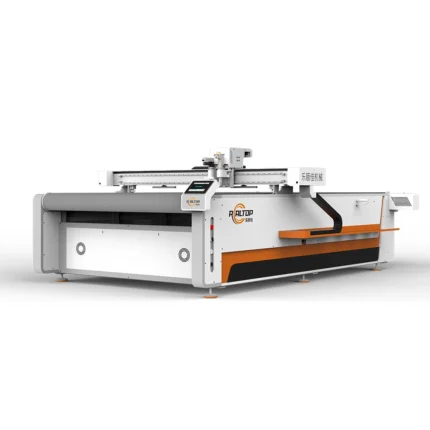
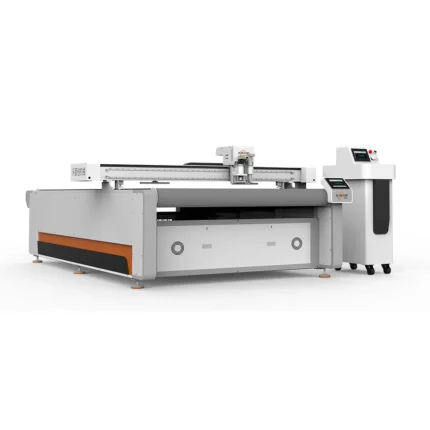


Auto Knife Leather Cutting Machine 2026 Contour & Auto Feed
Product Introduction
Auto Knife Leather Cutting Machine 2026 with contour cutting and auto feed functions, designed for precise leather processing. Ideal for efficient cutting tasks in manufacturing settings.Product Parameters
| Function | Contour Cutting & Auto Feed |
| Type | Auto Knife Cutting Machine |
| Application | Leather Processing |
| Year | 2026 |
Auto Knife Leather Cutting Machine for Contour & Auto Feed – Manufacturer
RT-D2516/RT-S2516 CNC Oscillating Knife Leather Cutting Machine, 1600×2500mm Working Area, 9kW, 380V — engineered for leather, composite and flexible material processing with Swiss imported knife head supporting full-cut, half-cut and cursor location modes.
- Magnesium-aluminum alloy vacuum table with PVDF coating ensures uniform hold-down across the entire work surface
- CCD camera contour recognition with panoramic and mark-point positioning options for printed leather hides
- Auto-feeding configuration available for continuous medium-to-high volume production runs
- Software supports PLT, DXF, AI formats with auto typesetting and multi-language control panel
Sample cutting on your specific leather type and thickness is completed before order commitment, ensuring tool head selection and edge quality match your production requirements.

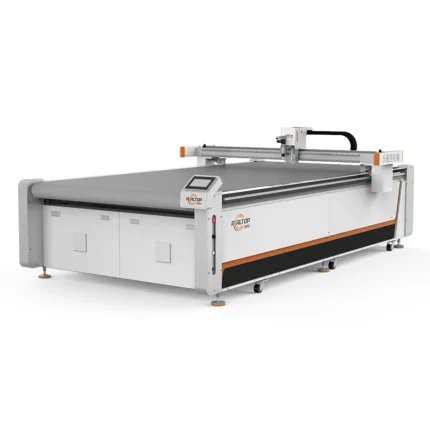
Oscillating Knife Leather Cutter CNC 2026
Product Introduction
Oscillating Knife Leather Cutter CNC 2026 is a precision cutting solution for leather materials, designed for efficient and accurate fabrication in manufacturing settings. Ideal for leather processing with advanced CNC technology.Product Parameters
| Model | Oscillating Knife Leather Cutter CNC 2026 |
| Cutting Type | Oscillating Knife |
| Application | Leather Materials |
| Control System | CNC |
Realtop 2026 Auto Vibration Knife Leather Cutting Machine
Product Introduction
Realtop 2026 Leather Cutting Machine features auto vibration knife technology, ideal for precise cutting of PU and genuine leather materials with efficient performance.
Specifications
| Model | 2026 |
| Cutting Technology | Auto Vibration Knife |
| Material Compatibility | PU & Genuine Leather |
| Type | Leather Cutting Machine |
商品评价
There are no reviews yet.