

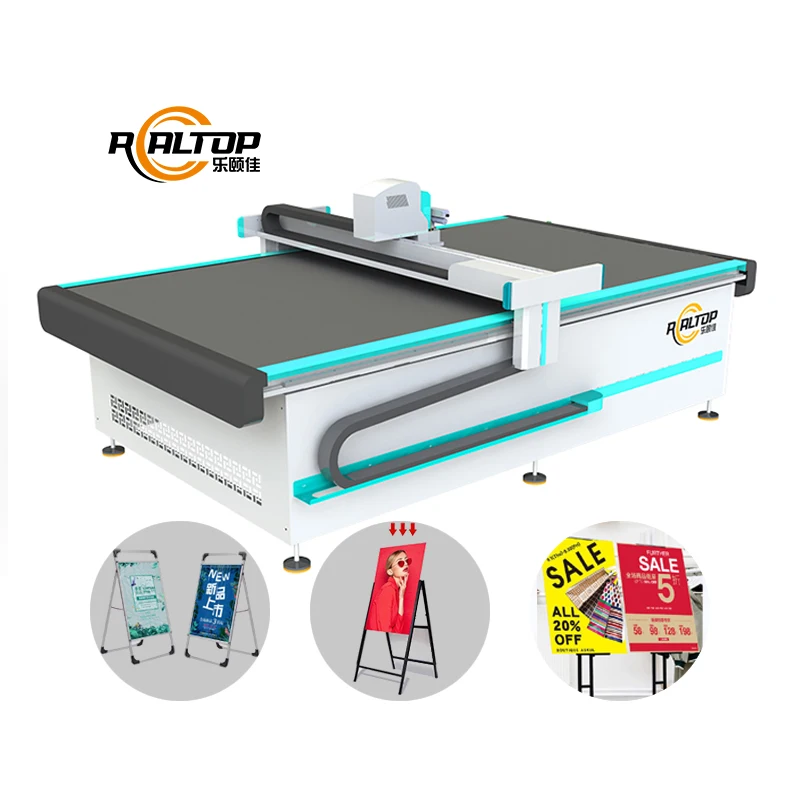
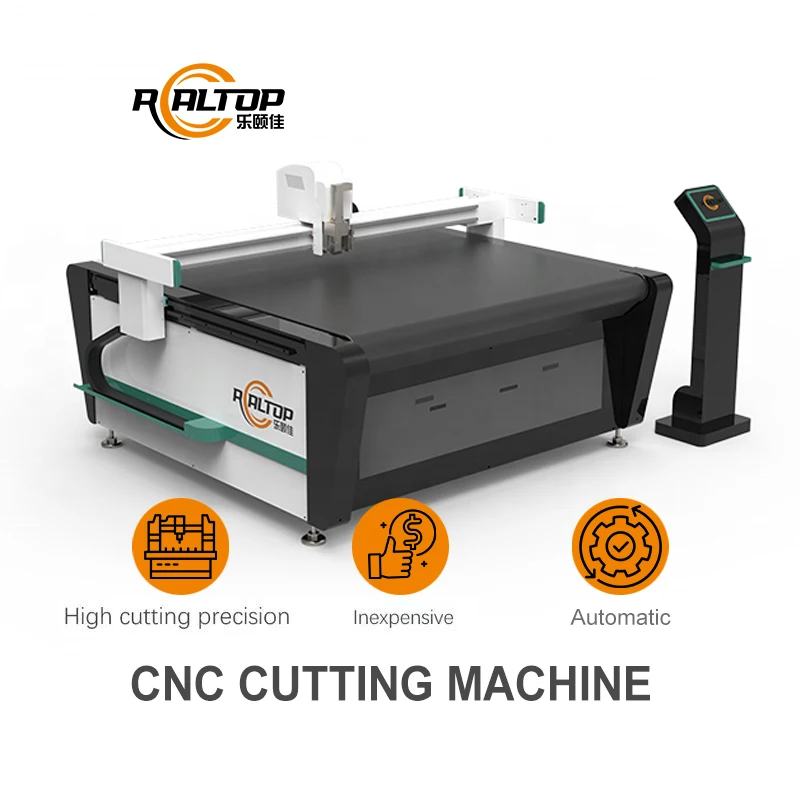
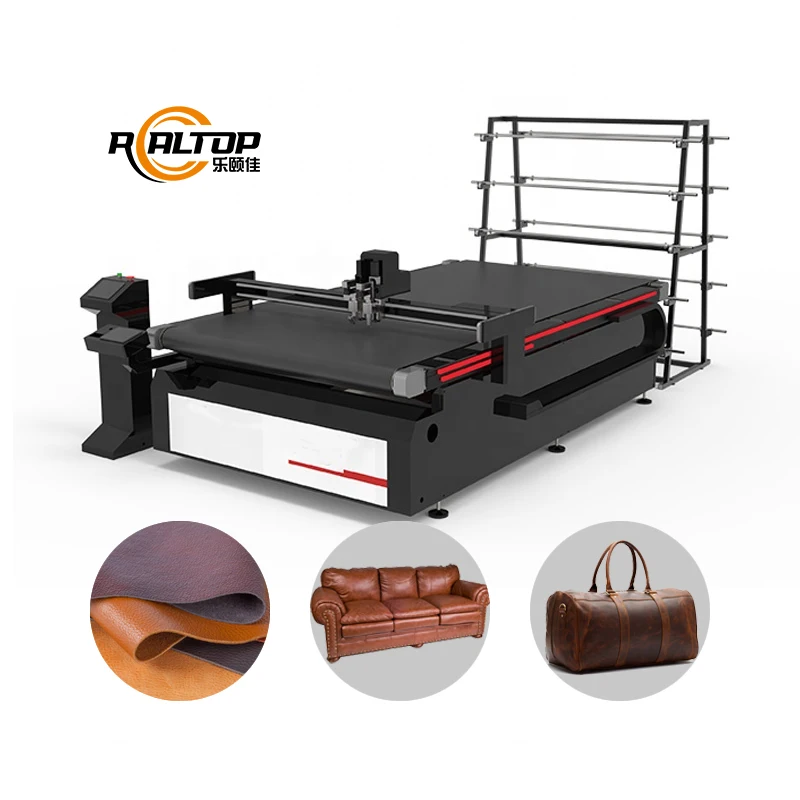
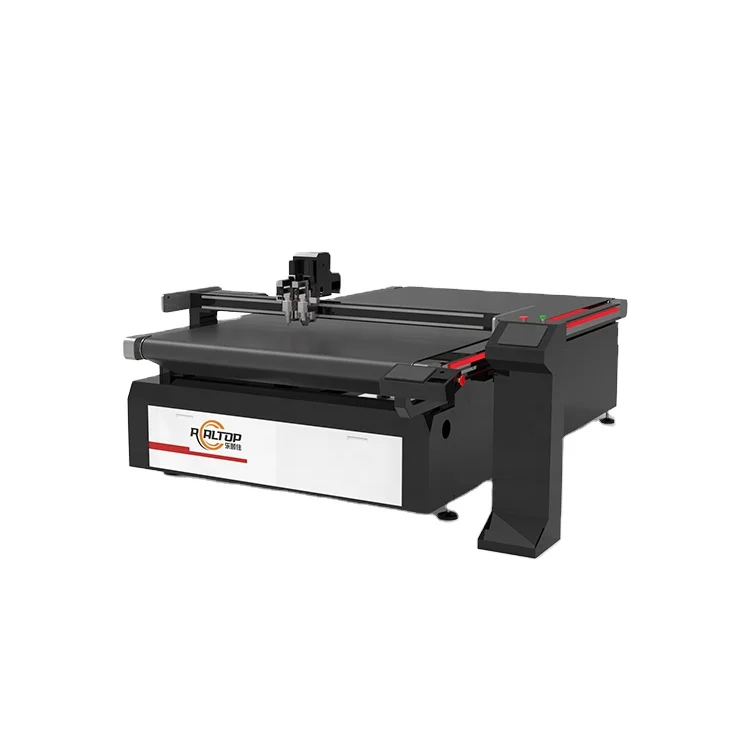

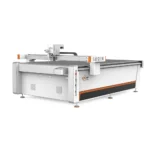
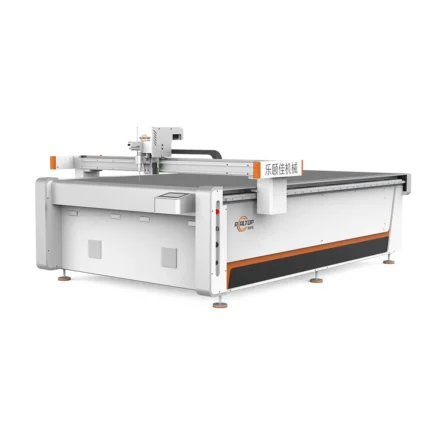
RT-D2516/RT-S2516 CNC Oscillating Knife Cutter | OEM Available
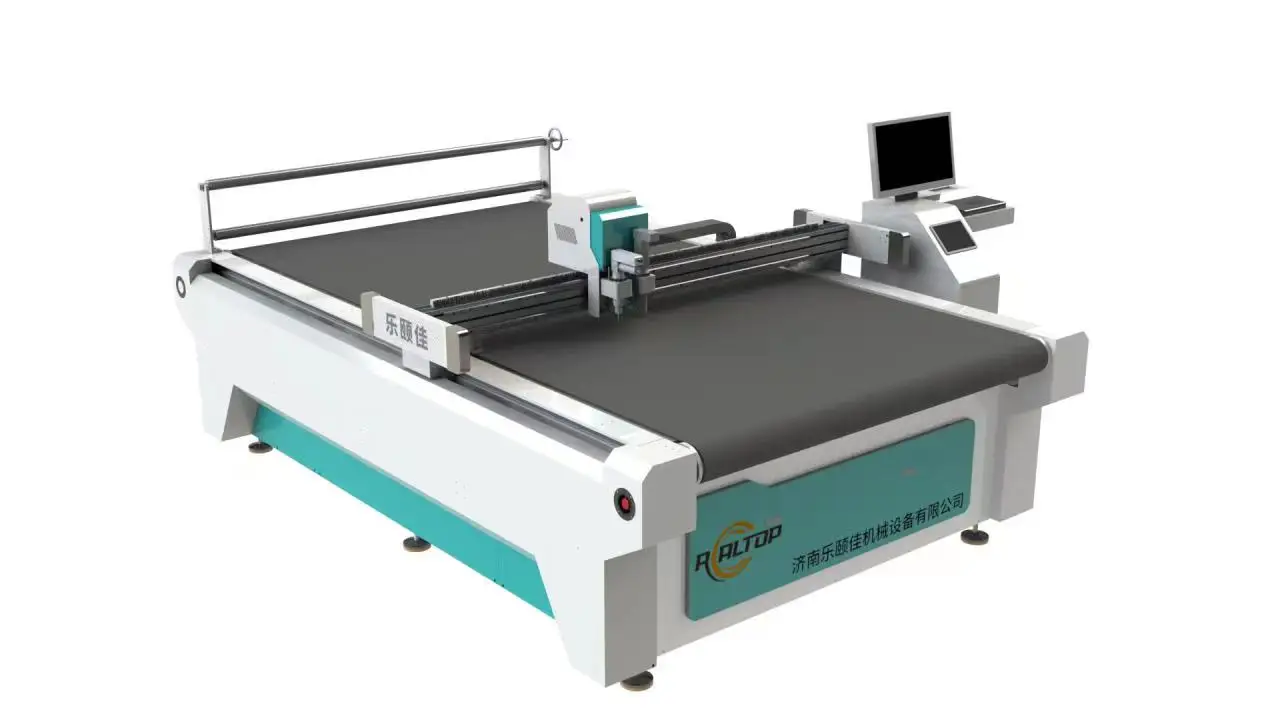
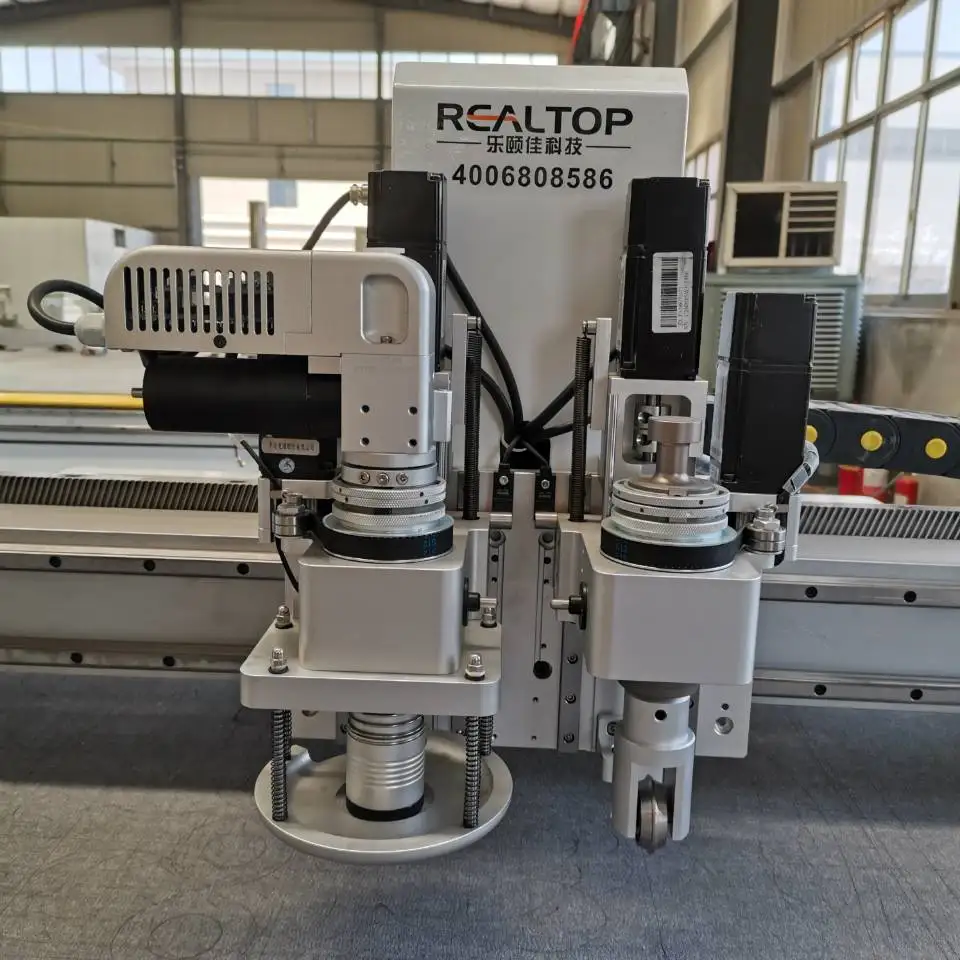
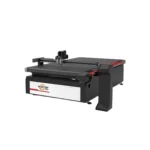
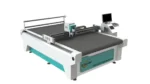
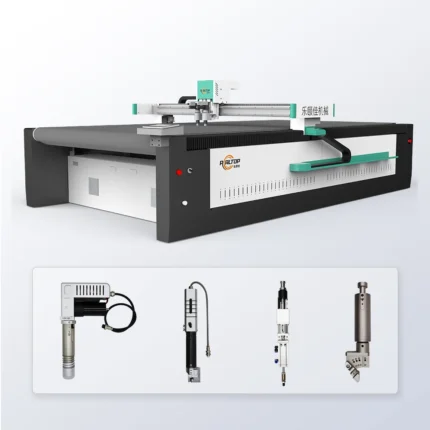
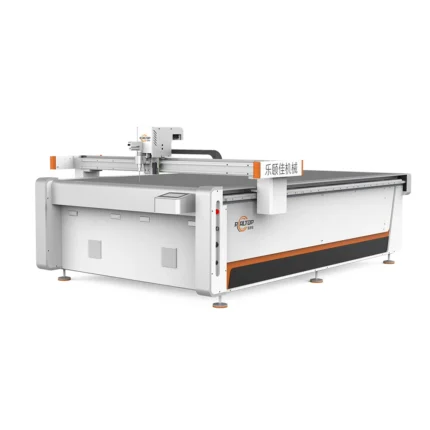
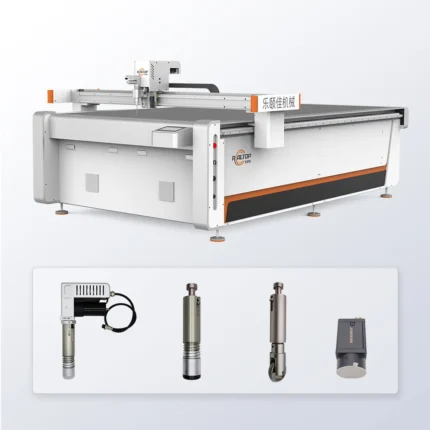
RT-D2516/RT-S2516 CNC Oscillating Knife Cutting Machine, 1600×2500mm Working Area, Delta Servo, Auto Feeding — configured with Swiss imported knife for vibration full and half cutting, delivering ≤0.1mm repeated accuracy across leather, PVC, foam and composite materials up to 100mm thick.
- CCD camera positioning for printed contour work, vacuum table zoning, and HP-GL compatible workflow ensure clean edges at 200-800mm/s cutting speed
- Laser power specifications on our platform always state continuous rated output against verified material thickness, not peak values
Sample cutting on your own material is provided before commitment, with electrical schematic and voltage matched to your facility supply.
Custom cutting configuration — Each RT-D2516/RT-S2516 unit ships with a tool head and table layout matched to the buyer’s actual material thickness, density and daily volume rather than a standard catalog build.
Technical Specifications
| Parameter | Value |
|---|---|
| Model | RT-D2516/RT-S2516 |
| Product Type | CNC Oscillating Knife Cutting Machine |
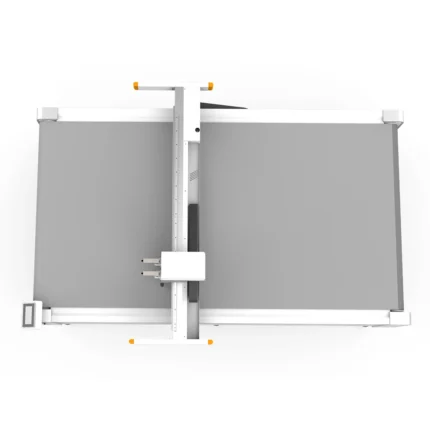
| Working Area | 1600 × 2500 mm |
| Machine Size | 3450 × 2300 × 1250 mm |
| Rated Power | 9 kW |
| Cutting Thickness | ≤ 100 mm (varies with material) |
| Table Type | Flat working table |
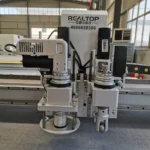
| Tool Head | Swiss imported oscillating knife (full cut, half cut, cursor location) |
| Translational Velocity | 800–1200 mm/s |
| Cutting Speed | 200–800 mm/s (basis not stated in source — confirm material / thickness) |
| Repeated Accuracy | ≤ 0.1 mm |
| Transmission System | Digital servo motor, linear guide, synchronous belt, ball screw |
| Servo Motor | Delta |
| Rail | Taiwan Hiwin |
| Vacuum Pump | 7.5 kW |
| Conveyor Belt | Germany imported |
| Auto Feeding | Yes |
| Instruction System | HP-GL compatible format |
| Voltage | 380 V ± 10 % |
| Software Language | English, Russian, Italian, Chinese (customizable) |
| Safety Device | Infrared sensors, anti-collision, emergency stop |
| Standards | CE declaration where applicable |
Application Suitability
| Application | Material or Output |
|---|---|
| Graphic advertising and large-format print finishing | PVC foam board, KT board, corrugated plastic, sticker film, vinyl |
| Packaging sample making and short-run carton | Corrugated cardboard, plastic box stock, folding carton board |
| Automotive interior trimming | PU leather, composite fabric, sponge, carpet, floor mat stock |
| Gasket and sealing production | Rubber, PTFE, ETFE, silicone sheet, non-woven fabric |
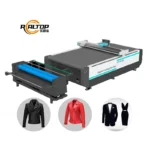
| Soft furnishing and textile cutting | Leather, clothing fabric, sponge composite leather, cloth |
| Sports and outdoor goods | EVA, XPE, PE, PP foam sheets, composite panels |
Why the Cutting Speed Number Needs Your Material First
Every buyer asks how fast the machine cuts, but a speed figure without material context is meaningless.
The only speed number that matters is the one measured on your specific sheet at your required thickness.
I once watched a print shop accept a cutting speed claim at face value, then discover their high-density PVC foam board needed three passes where the supplier had quoted one. The batch came back with ragged edges and crushed cores. A CO2 laser cutting and engraving machine manufacturer will rate power against a named material; the same discipline applies to knife cutting. The RT-D2516/RT-S2516 lists a cutting speed range of 200–800 mm/s, but that span covers everything from thin vinyl film to dense rubber gasket stock. [NEED_CITE: cutting speed variance across non-metal material categories] The real question is what speed your material holds before edge quality breaks down.
Matching the Knife Tool to the Advertising Substrate
Oscillating knife cutting works by vibrating the blade at high frequency to slice through flexible and semi-rigid sheets. The Swiss imported tool head on this unit handles full-cut, half-cut and cursor-location tasks, which covers most advertising and print finishing jobs. For thin self-adhesive vinyl and transfer film, half-cut mode scores the face without penetrating the backing, letting operators weed the matrix cleanly. For thicker PVC foam board or corrugated plastic used in exhibition stands, full-cut mode with the correct blade angle keeps the edge straight instead of tearing the cell structure apart.
Vacuum Zoning and Small-Part Stability
The 7.5 kW vacuum pump paired with a flat working table holds sheets in place during high-speed traversal. When the table is zoned correctly, small cut parts stay flat instead of lifting into the knife path, which would otherwise cause misalignment or blade deflection. On advertising jobs where a single sheet contains dozens of die-cut shapes — point-of-sale displays, standee components, counter-top signs — zoning becomes the difference between a clean nested sheet and a pile of shifted parts that need manual re-cutting. [NEED_CITE: vacuum table zoning requirements for small-part digital cutting]
Reading the Specs That Actually Affect Output
The 1600 × 2500 mm working area accommodates most standard advertising sheet sizes without repositioning, which matters when a shop runs full-size 5 × 10 ft foam board or corrugated sheets. The Delta servo motors and Taiwan Hiwin linear rails provide the positional control that keeps repeated accuracy within 0.1 mm — critical when a printed contour must match the cut line within a millimeter. The HP-GL compatible instruction system accepts files from common graphic design and nesting software, so existing artwork workflows import without reformatting. The Germany imported conveyor belt feeds material onto the table automatically, reducing the manual handling step between cuts on long production runs.
What Happens When the Wrong Tool Meets Your Material
Choosing a drag knife for a job that needs an oscillating knife, or running a blade angle suited for leather against PVC foam, produces visible damage: crushed cell structure on foam, frayed edges on woven fabric, delamination on composite sheets. These defects are not cosmetic — they force the operator to reduce speed, make additional passes, or scrap the part entirely. [NEED_CITE: material-tool mismatch consequences in CNC flatbed cutting] Shops that skip the sample-cutting step absorb these costs after the machine arrives, when retooling and reprogramming eat into the first production week.
Why Buyers Route Their Orders Through This Build
The tool head and table configuration is specified per material and production volume, so the RT-D2516/RT-S2516 leaves the factory set up for the buyer’s actual job rather than a generic default. Software compatibility and file format imports are confirmed before the order is placed, eliminating the discovery that existing nesting files will not open. Voltage, plug type and control panel language are locked in during specification review, so the machine arrives ready to power on without transformer swaps or menu translation. Sample cutting on the buyer’s own material demonstrates real edge quality and cutting speed before commitment. An in-house design team covers both knife and laser cutting technologies, meaning a buyer comparing methods gets an honest recommendation instead of being steered toward whichever platform is in stock.
Documentation & Verification
- Machine specification sheet listing configured tool head, table zone map and working area
- Electrical schematic with voltage and frequency matched to your facility supply
- Sample cutting report on your advertising substrate showing edge quality and dimensional accuracy
- Factory test record with translational speed measurement and safety device function check
- Software licence and HP-GL file format compatibility note for your existing workflow
- Spare parts list covering blades, knife holders and conveyor belt wear items
Installation, Commissioning & Support
- Requires a level floor area of at least 4000 × 3000 mm to accommodate the 3450 × 2300 × 1250 mm machine and operator access
- Dedicated 380 V ± 10 % circuit rated for the 9 kW machine load plus 7.5 kW vacuum pump
- Machine ships in a single crate; the flat table and gantry are assembled on-site and leveled
- First-run commissioning includes vacuum zone calibration and servo tuning for the 1600 × 2500 mm travel range
- Operator training covers tool head changeover, HP-GL file import and CCD cursor location workflow
- Recommended spare blades and knife holders stocked for the Swiss oscillating knife assembly
What to Include When You Request a Quote
To size the configuration correctly, share the specific advertising materials you cut, the sheet dimensions and thickness range, and your typical daily volume. Confirm your workshop voltage and frequency, the control panel language you prefer, and whether your existing nesting software exports in HP-GL or another format. If you can send a sample of the heaviest and the thinnest material in your production mix, a cutting test will confirm edge quality before the build is finalized.
Frequently Asked Questions
Q: How do I know if oscillating knife is the right method instead of laser for my advertising materials?
A: Oscillating knife cutting suits PVC foam board, corrugated plastic, vinyl and composite sheets where laser heat would melt edges, release fumes or discolour printed surfaces. Laser works better on acrylic and wood where edge sealing or engraving is needed. Send a material sample so both methods can be compared on edge quality, speed and extraction requirements before you commit.
Q: The cutting speed is listed as 200–800 mm/s — what speed should I expect on my material?
A: That range covers everything from thin self-adhesive film to dense rubber. Your actual speed depends on material type, thickness and the edge quality your job requires. A sample cutting test on your exact sheet will establish the speed where the edge stays clean without crushing or fraying.
Q: Can my existing nesting and design files run on this machine without reformatting?
A: The instruction system accepts HP-GL compatible format, which covers most standard graphic and nesting software exports. File format compatibility is confirmed before the order is placed so your existing workflow transfers directly. If your software uses a proprietary format, a conversion test is run during the specification stage.
Q: What voltage and electrical preparation does my workshop need before the machine arrives?
A: The RT-D2516/RT-S2516 operates on 380 V ± 10 %, three-phase, and draws approximately 9 kW plus the 7.5 kW vacuum pump. Voltage, plug type and frequency are confirmed against your facility supply before shipment. A dedicated circuit and proper earthing are required; an electrical schematic is provided for your electrician.
Q: How is blade wear managed during long production runs?
A: The Swiss oscillating knife assembly uses replaceable blades that can be changed without removing the tool head from the gantry. The spare parts list includes recommended blade types for each material in your production mix, and operators are trained to recognize the edge quality signs that indicate a blade change is due.


Related products
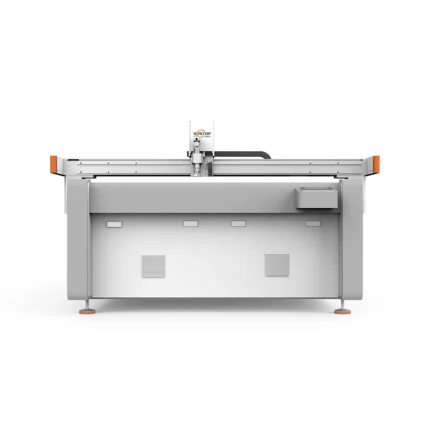
1625 Digital Box Cutter for Corrugated Board – OEM Available
1625 CNC Oscillating Knife Cutting Machine, 1600×2500mm, ±0.1mm Accuracy, 9kW Vacuum — engineered for corrugated board, foam and cardstock packaging work. Laser cuts risk burn marks on cellulose substrates; this oscillating knife table delivers clean mechanical edges without thermal damage. Seven interchangeable tool heads handle cutting, creasing and V-grooving in one setup. Sample cutting on your own flute profile and board grade before order commitment, with voltage, language and tooling confirmed per your production requirements.


1625 Digital Cutter for Packaging & Carton Sample Making – Factory Supply
1625 CNC Oscillating Knife Cutting Machine, 1600×2500mm, ≤40mm Thickness, ±0.1mm Accuracy — configured for packaging and carton sample making without physical die molds.
- Interchangeable tool heads (oscillating knife, creasing wheel, V-groove, milling) matched to corrugated board, foam, and carton by ply count and flute type
- Aluminum bellows vacuum table with 9KW pump ensures full hold-down on small parts during high-speed cutting
- Dedicated packaging box structure design software supports PLT, DXF, AI, and PDF file formats
Buyers receive a sample cutting report on their own material before order, with voltage, plug, and control language confirmed pre-shipment.
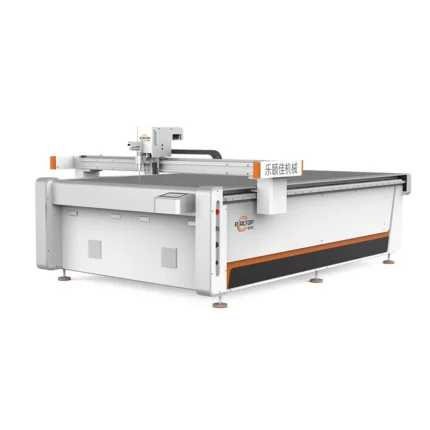
Automatic Hot Knife Cutting Machine for Acrylic PVC – Manufacturer
1625 CNC Oscillating Knife Cutting Machine, 1600×2500mm Working Area, ±0.1mm Accuracy, 9kW Vacuum Pump — engineered for cold cutting of composites, carbon fiber, and soft materials without thermal damage or fumes.
- Interchangeable tool heads (oscillating knife, driven rotary, milling, V-groove) match cutting physics to material type and thickness
- Aluminum bellows vacuum table with full-surface adsorption holds large-format flexible materials flat during high-speed operation
- PLC-controlled motion with Panasonic/Delta servo options delivers repeatable precision for aerospace gaskets and automotive interior components
Sample cutting on your own composite material verifies edge quality, delamination-free results, and cutting depth before order commitment — with tool head configuration, voltage, and control language confirmed in writing prior to shipment.


CNC Foam Cutting Machine EVA/PP 2026 High-Precision
Product Description
High-precision CNC foam cutting machine designed for EVA/PP materials, ideal for packaging box cutting with advanced 2026 technology. Ensures accurate and efficient cutting performance for professional packaging production needs.Key Specifications
| Material Compatibility | EVA, PP |
| Application | Packaging Box Cutting |
| Precision | High-Precision |
| Type | CNC Foam Cutting Machine |

Model Selection CNC Oscillating Knife Cutter – Fixed Bed Packaging
CNC Oscillating Knife Cutting Machine, 1600×2500mm Working Area, 9KW Vacuum Pump — cold-cuts corrugated board, foam and adhesive-backed packaging materials without burnt edges or fume extraction burden.
- Tool heads include oscillating knife, driven rotary, creasing wheel, V-groove and kiss cutting, matched per flute type and foam density
- ±0.1mm accuracy with Panasonic/Delta/Dorna servo options and PLC control in configurable languages
- Dedicated packaging structure design software supports PLT, DXF, AI and PDF file imports
Sample cutting on your own packaging material confirms edge quality and achievable thickness before order commitment.


Realtop 2516 CNC Oscillating Knife Cutter for Packaging – Manufacturer
RT-D2516/RT-S2516 CNC Oscillating Knife Cutting Machine, 1600×2500mm Working Area, 9kw — configured for packaging carton, corrugated board and flexible material processing.
- Swiss imported oscillating knife with vibration full/half cutting and CCD cursor location
- Delta servo motor with Taiwan Hiwin linear guide for ≤0.1mm repeated accuracy
- 7.5kw vacuum pump with zoning control holds small parts flat during cutting
- Professional carton nesting software imports multiple file formats for automatic positioning and indentation
Explore the complete laser and knife cutting range to match method to material — from acrylic engraving to multi-layer fabric production — rather than forcing one technology across every application. Sample cutting on your own board stock confirmed before order, with tool head configuration and software compatibility verified per workflow.
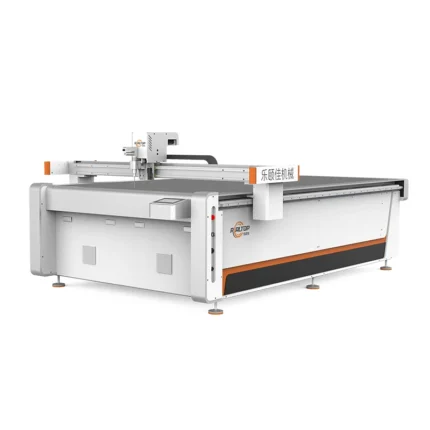
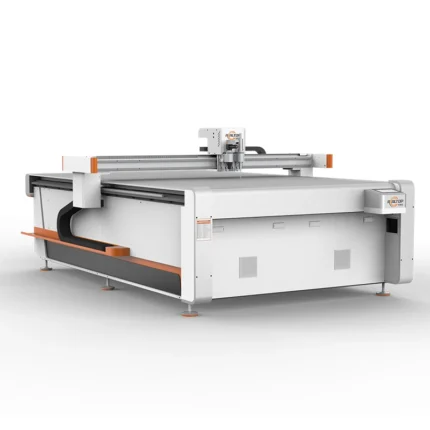
RT-D2516/RT-S2516 CNC Oscillating Knife Cutting Machine for Advertising Printing – OEM Available
RT-D2516/RT-S2516 CNC Oscillating Knife Cutting Machine, 1600×2500mm Working Area, 9kW, Delta Servo Motor — configured with Swiss-imported oscillating knife and multifunctional tool head for full cutting, half cutting, and cursor positioning across flexible advertising materials.
- CCD visual positioning with panoramic camera recognition for printed contour tracking
- Magnesium-aluminum vacuum adsorption table with PVDF coating ensures stable material hold during high-speed operation at 800-1200mm/s
- Tool head options include pneumatic knife, drag knife, creasing wheel, and V-cutting knife for KT board, PVC, vinyl, and composite sheets
In-house design covers both knife and laser platforms, so you can match the cutting method to your material rather than compromise.
商品评价
There are no reviews yet.