

CNC Oscillating Knife Cutter for Non-Asbestos Gasket – for Industry
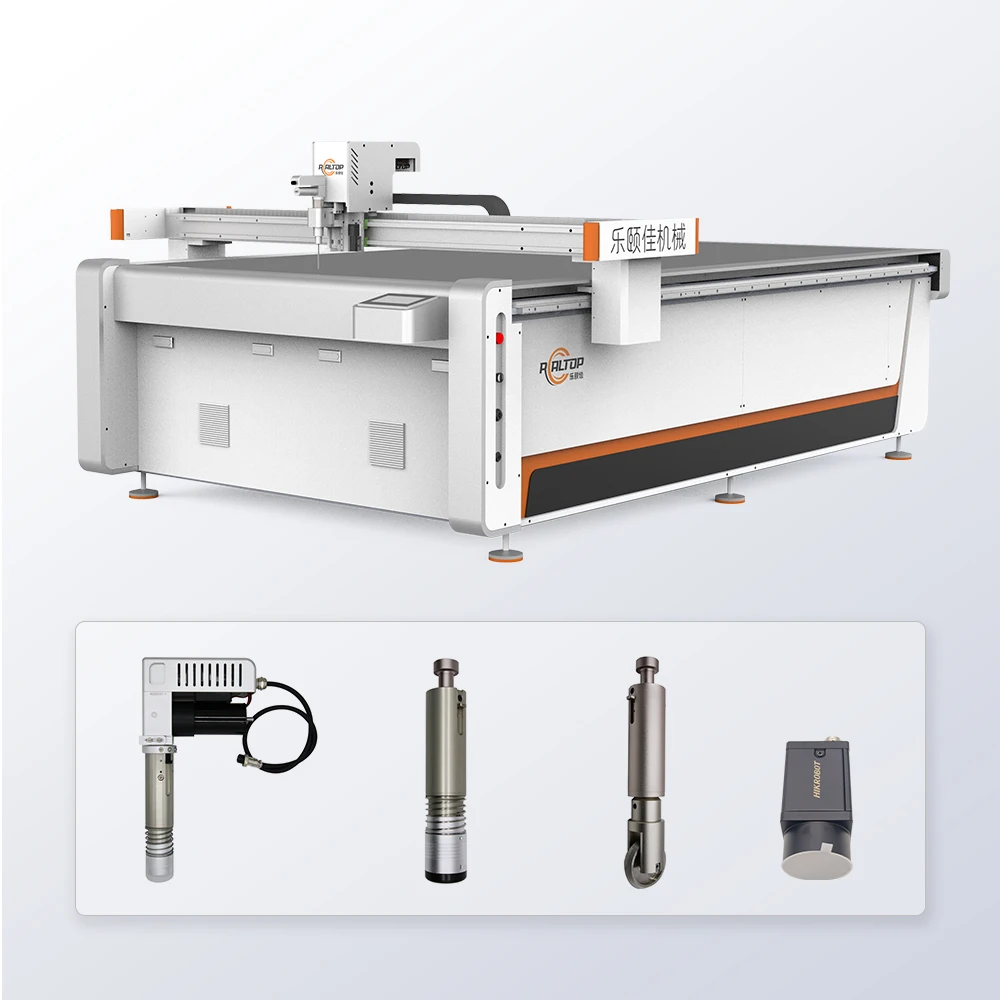
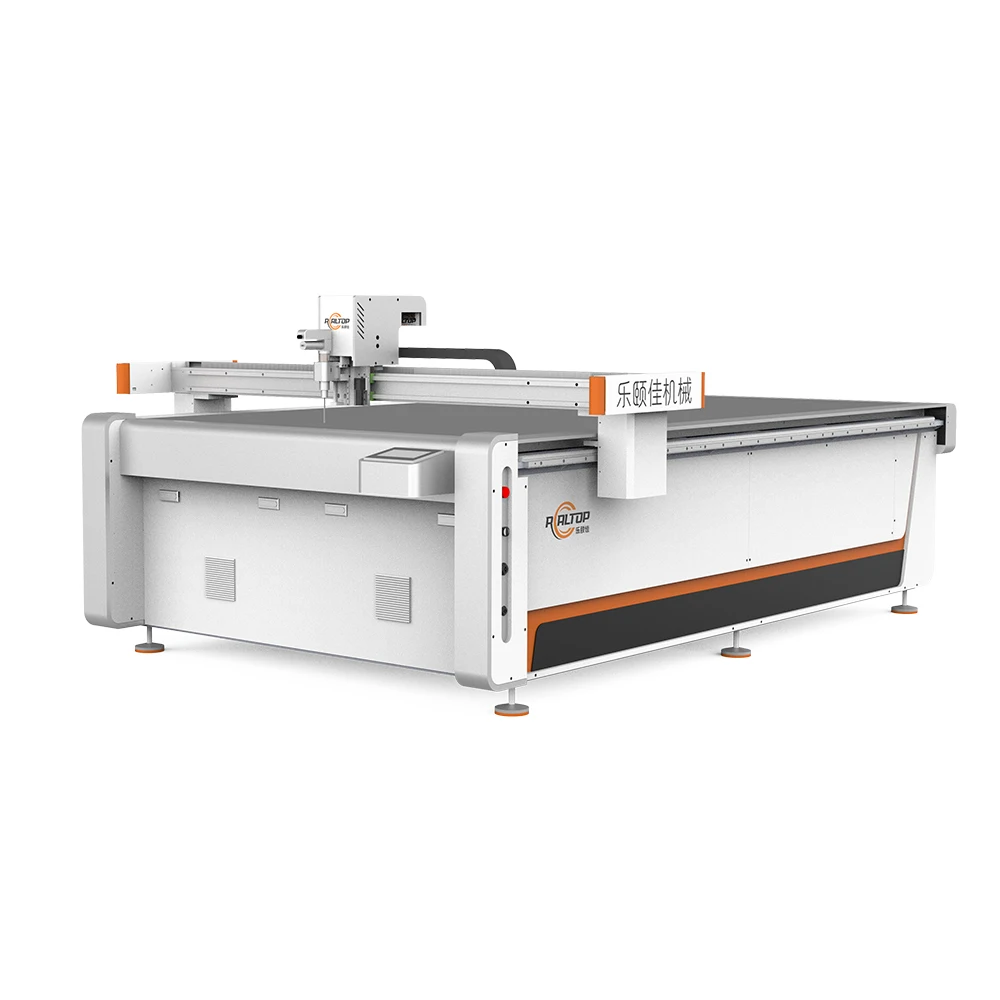
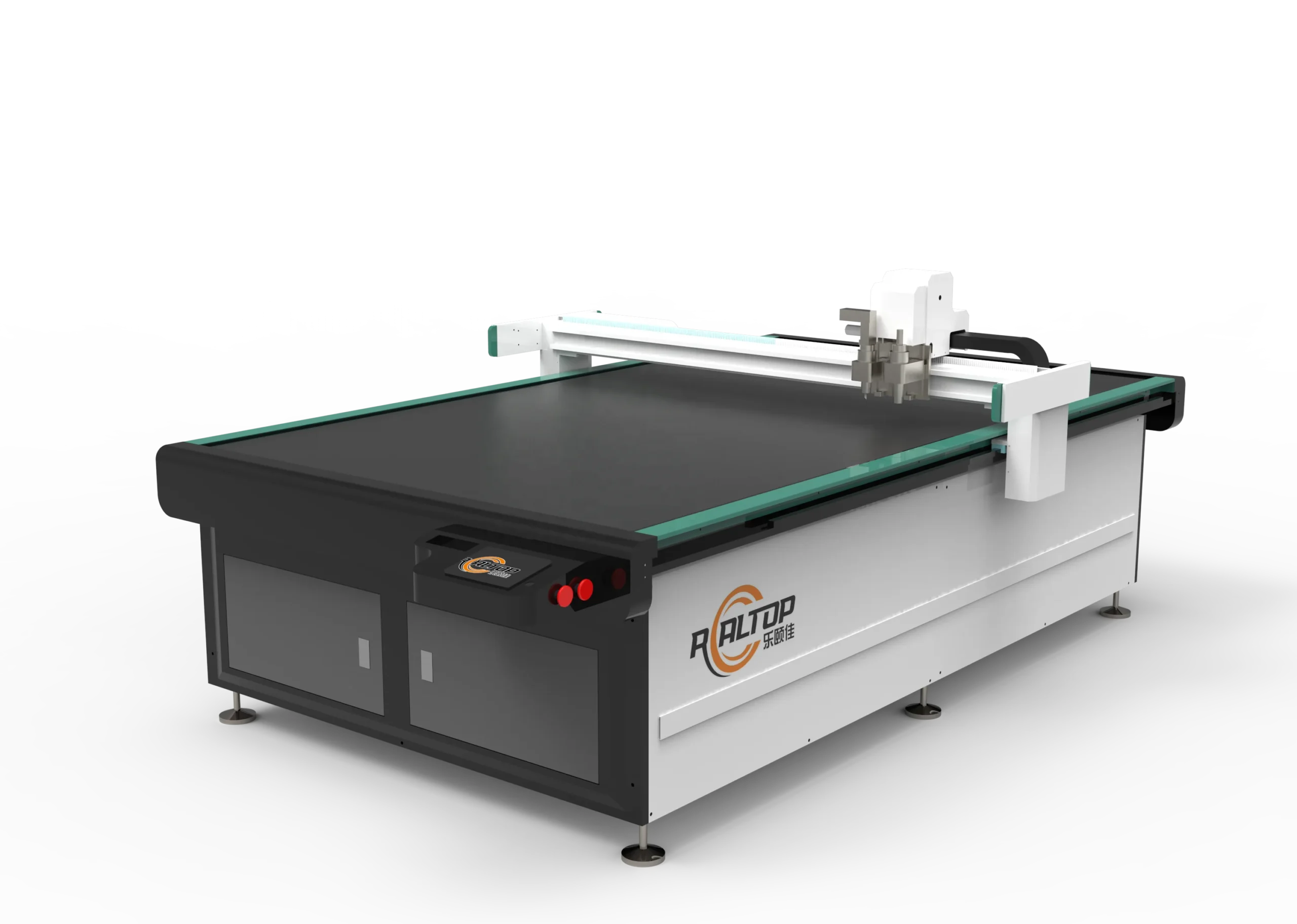
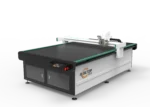
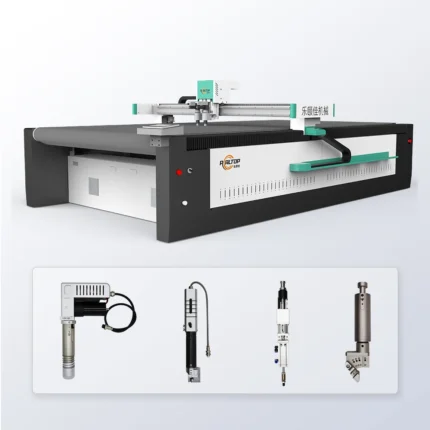
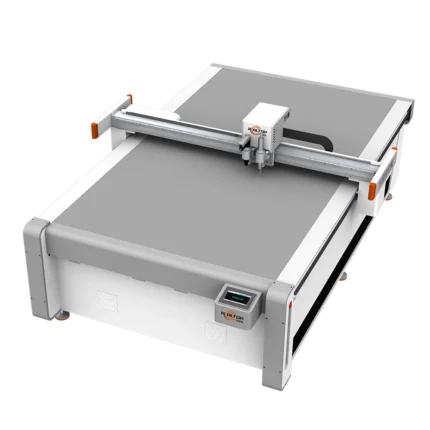
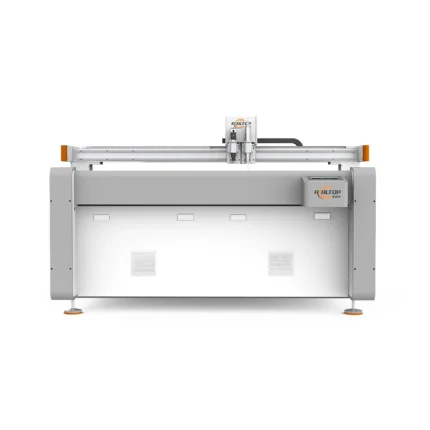
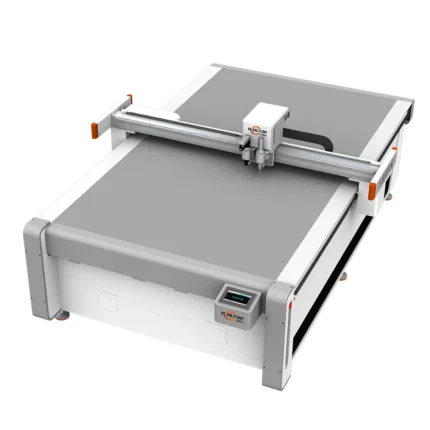
1625 CNC Oscillating Knife Cutting Machine, 1600×2500 mm, ±0.1 mm Accuracy — cold-cutting solution for composite gasket and non-metal materials without thermal damage.
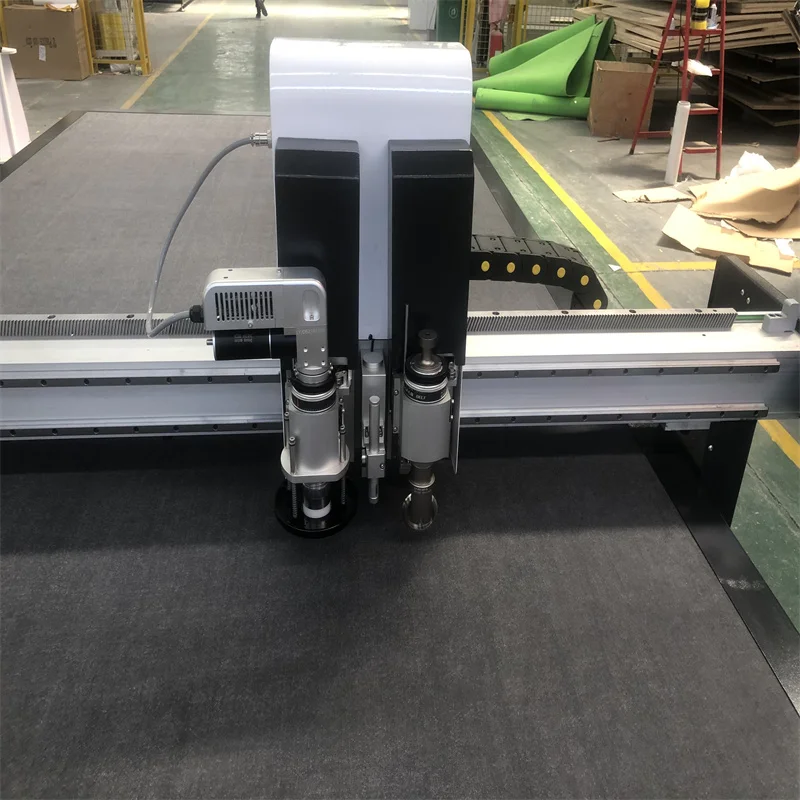
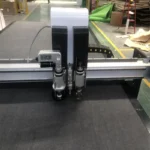
- Multi-tool head configuration (oscillating knife, driven rotary, creasing wheel, milling) matched to material thickness up to 30 mm
- Aluminum bellows vacuum table ensures full-surface adsorption for flexible and semi-rigid substrates
- PLC control with multi-language display and CCD contour recognition for printed mark tracking
Buyer sample cutting performed on your own material before order commitment, with tool head configuration list and voltage confirmation documented prior to shipment.
Customized Cutting Configuration — The 1625 platform is built around material-specific tooling, matching oscillating knife, rotary knife or milling head to your composite layup rather than forcing a single blade through incompatible substrates.
Technical Specifications
| Parameter | Value |
|---|---|
| Model | 1625 |
| Product Type | CNC Oscillating Knife Cutting Machine |
| Working Area | 1600×2500 mm |
| Tool Head Options | Oscillating knife, Driven rotary knife, Creasing wheel, Kiss cutting tool, Pneumatic knife, Milling tool, V-groove knife |
| Cutting Speed | 0–2000 mm/s |
| Cutting Thickness | ≤ 30 mm (basis not stated in source — confirm material and block format) |
| Cutting Accuracy | ±0.1 mm |
| Vacuum Table | Aluminum bellows vacuum table |
| Vacuum Pump | 9 kW |
| Control System | PLC control panel |
| Servo Drive Options | Panasonic, Delta, Dorna |
| Voltage Options | 110V, 220V, 380V |
| Display Language | English, Russian, Italian, Chinese (others customizable) |
| File Compatibility | PLT, DXF, AI, PDF |
| Safety Devices | Infrared sensor, emergency stop |
| Machine Dimensions | 3300×2100×1350 mm |
| Assembly State | Fully assembled |
| Certification | CE |
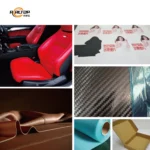
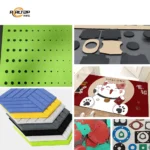
Application Suitability
| Application | Material or Output |
|---|---|
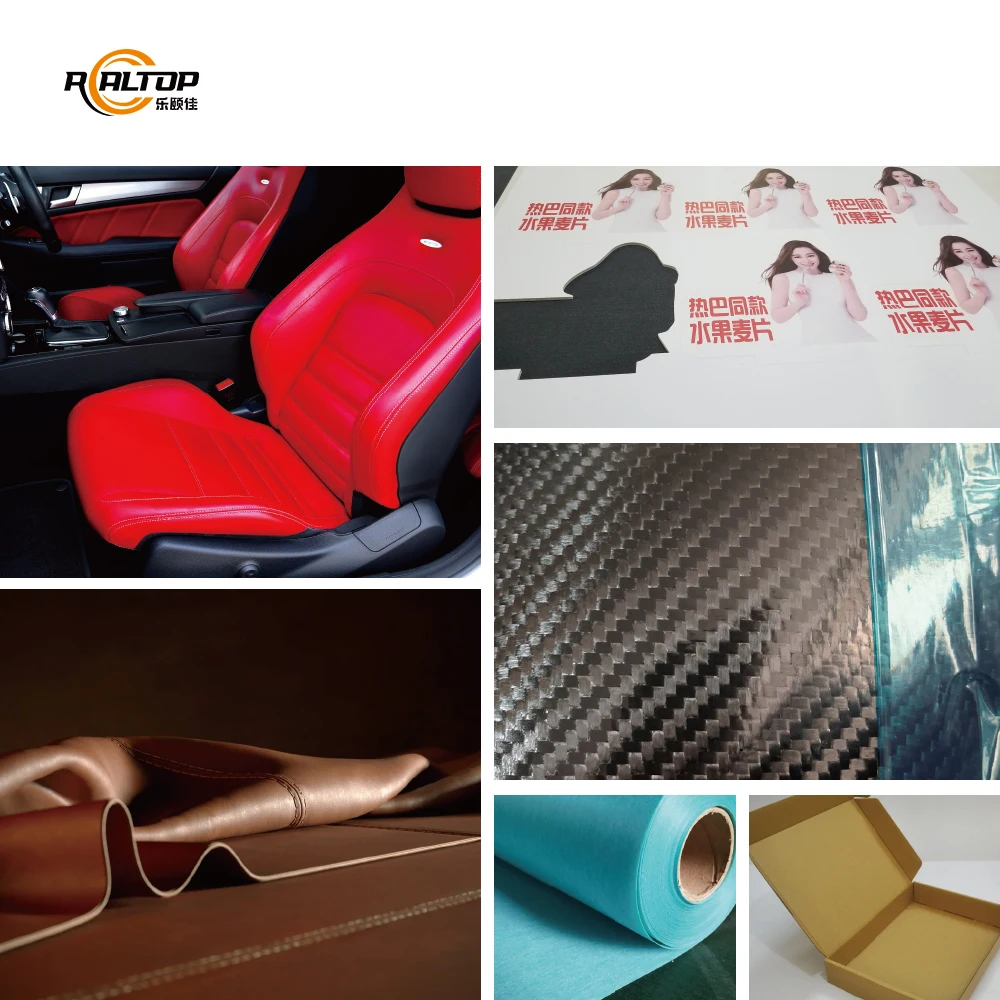
| Aerospace composite prepreg cutting | Carbon fiber prepreg, aramid honeycomb, thermal insulation foam |
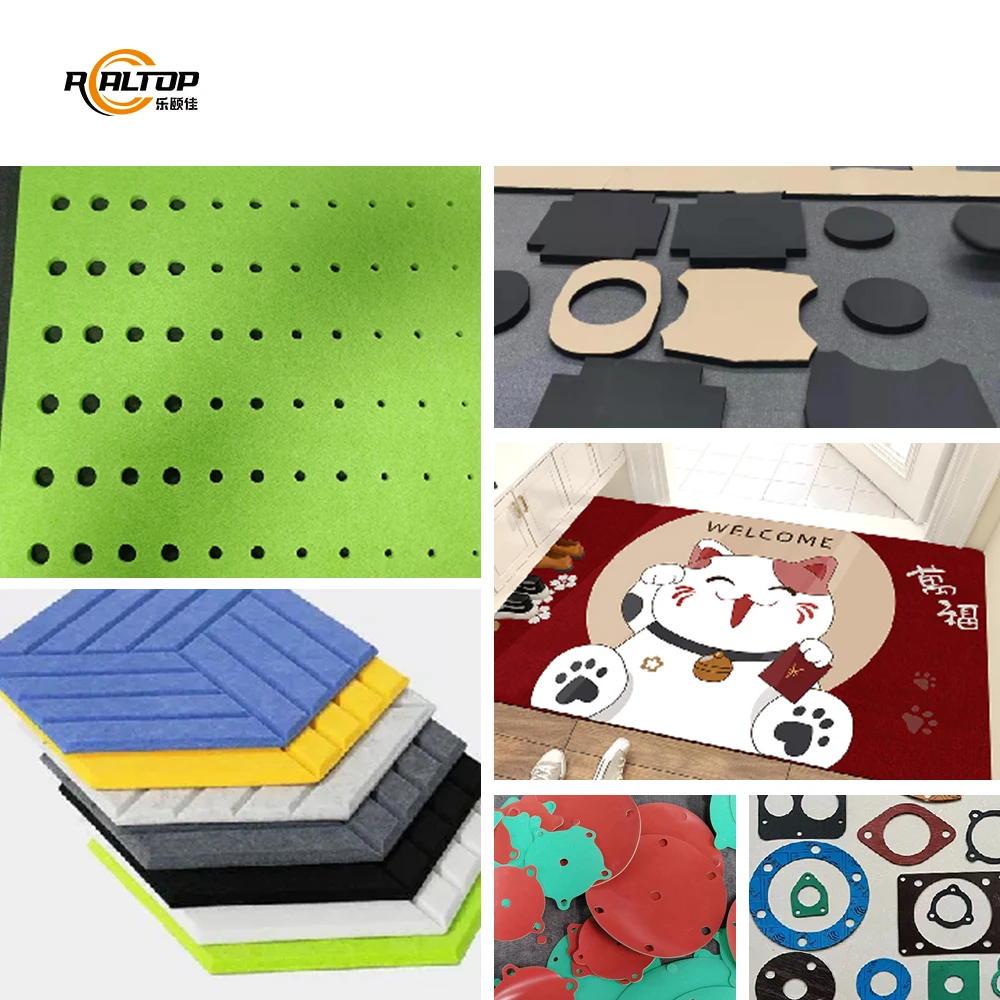
| Automotive interior trim and gaskets | Acoustic felt, damping pads, carpets, non-asbestos sealing strips |
| Wind turbine blade preform | Fiberglass cloth, carbon fiber cloth, vacuum infusion mesh, PET/PVC foam core |
| Sporting goods and leisure equipment | Kevlar sheets, high-performance foam, composite fabrics |
What "Cutting Thickness ≤ 30 mm" Leaves Out on Composite Materials
The real cutting depth depends on resin hardness, fiber weave density and tool head selection — not just blade stroke.
When a buyer quotes a 30 mm composite board and receives a CNC oscillating knife cutting machine for laser and engraving applications based on that number alone, the first production run often reveals ragged delamination on the bottom ply. I have seen gasket shops run high-density non-asbestos composite that killed a standard blade edge in under two hours, dropping usable output to a fraction of the expected rate. The ≤ 30 mm figure is a mechanical stroke limit, not a guaranteed throughput across every resin system [NEED_CITE: material-specific cutting depth validation for oscillating knife systems].
Cold-Cutting Advantage Over Thermal Methods in Resin Composites
Laser heads melt the resin matrix in carbon fiber prepreg and aramid honeycomb, leaving a heat-affected zone that compromises structural certification in aerospace and automotive applications. The oscillating knife action on the 1625 shears fibers at room temperature, preserving the resin bond and eliminating the need for fume extraction systems rated for styrene or epoxy vapor. This makes the CNC oscillating knife cutting machine for laser and engraving applications a practical cold-cutting alternative where thermal damage is a rejection criterion.
Multi-Tool Head Swapping for Mixed Material Runs
A gasket shop cutting non-asbestos fiber sheet in the morning and PTFE in the afternoon cannot rely on a single blade geometry. The 1625 accepts interchangeable heads — oscillating knife for fibrous sheets, driven rotary knife for woven fabrics, milling tool for rigid foam core stock, and V-groove knife for folding carton or honeycomb panels. Swapping heads takes minutes at the spindle mount, and the PLC panel stores separate speed and oscillation frequency profiles per tool, so operators do not recalibrate from scratch between jobs. [NEED_CITE: tool head selection by composite material type]
How Servo Drive and Vacuum Zoning Affect Edge Quality
The ±0.1 mm accuracy specification relies on closed-loop servo feedback; the available Panasonic, Delta and Dorna drives differ in encoder resolution and response latency, which shows up as micro-serrations on tight-radius contours in carbon fiber cloth. Below the cutting head, the aluminum bellows vacuum table paired with a 9 kW pump holds flexible prepreg flat across the full 1600×2500 mm bed. Without adequate hold-down, thin infusion mesh lifts during the upstroke and produces frayed edges that fail visual inspection.
The Hidden Cost of Skipping Material-Specific Configuration
Ordering a CNC oscillating knife cutting machine for laser and engraving applications by working area alone is the most common shortcut I encounter. The buyer receives the machine, loads a dense aramid honeycomb panel, and discovers the standard oscillating knife stalls mid-cut because the oscillation frequency is too low for the fiber tensile strength. The resulting downtime, blade consumption and scrap material often exceed the cost of a factory sample-cutting test done before the purchase order is signed. [NEED_CITE: sample cutting validation before equipment commitment]
Why Sourcing From a Dual-Technology Manufacturer Matters
Buying from a builder that produces both knife and laser platforms means the cutting method is chosen for the material, not forced by a single-product catalog. The 1625 knife configuration sits alongside CO₂ and fiber laser options within the same design team, so a buyer processing both composite prepreg and acrylic signage can consolidate equipment sourcing. Voltage, plug type and PLC language are confirmed against the destination market before the machine leaves the Jinan factory, avoiding the 220V/60Hz mismatch that leaves machines idle on a Southeast Asian shop floor. File format compatibility — PLT, DXF, AI, PDF — is verified against the buyer’s existing nesting software during the sample-cutting stage, not after installation.
Documentation & Verification
- Machine specification sheet listing configured tool heads and vacuum pump rating for your material
- Electrical schematic confirming voltage, phase and plug type before shipment
- Sample cutting report on your composite material with edge quality photographs
- Software license and file format compatibility note for your nesting workflow
- Spare parts list with blade, oscillation block and vacuum seal part numbers
Installation, Commissioning & Support
- Floor space requirement of approximately 3300×2100 mm with clearance for material loading on the 1600×2500 mm bed
- Dedicated circuit matching confirmed voltage option — 110V, 220V or 380V — for the 9 kW vacuum pump and servo drives
- Machine ships fully assembled; crane unloading and leveling required at the foundation bolts
- First-run parameter tuning for oscillation frequency, knife depth and vacuum zoning on your actual material
- Operator training covers PLC panel navigation in the confirmed display language
- Wear parts stock — oscillating blades, vacuum seals, rotary knife wheels — included in the initial spare parts package
Ready to Scope the Right Configuration for Your Line
Send the specific composite material type, sheet dimensions, layup structure and daily cutting volume so the tool head and vacuum configuration can be matched before quotation. Include your facility voltage, frequency and preferred PLC language to avoid field rewiring. If your current nesting workflow uses a proprietary file format, share a sample file so software compatibility is confirmed at the sample-cutting stage.
Frequently Asked Questions
Q: How is cutting thickness verified for different composite materials and what is the basis for the ≤ 30 mm specification?
A: The ≤ 30 mm figure is the maximum mechanical stroke of the oscillating knife head, not a guaranteed cut depth across all composites. Dense aramid honeycomb and carbon fiber prepreg each behave differently under the blade. Verification requires a sample cut on your actual material, measuring edge quality, delamination and blade wear rate before the final tool head is selected.
Q: Which voltage configurations are available and how is the correct option confirmed for the target market?
A: The 1625 is configurable for 110V, 220V and 380V supplies. The correct option must match your facility’s phase, frequency and plug standard, which are confirmed during the quotation stage and documented in the electrical schematic. Mismatched voltage discovered after delivery often requires a full control cabinet rewiring, causing weeks of downtime.
Q: How do I select the right tool head for my specific composite material to avoid ragged edges or delamination?
A: Fibrous sheets like carbon fiber prepreg typically require a high-frequency oscillating knife, while woven fabrics suit a driven rotary knife and rigid foam core stock needs a milling tool. The selection is finalized during sample cutting, where edge quality and tool wear are evaluated on your exact material before the machine configuration is locked.
Q: What file formats does the software accept and is my existing nesting workflow compatible?
A: The control software reads PLT, DXF, AI and PDF profiles directly. If your nesting system outputs a proprietary format, a sample file should be submitted during the pre-order stage so conversion compatibility is tested. This avoids workflow stoppages where operators must redraw nesting layouts in a secondary program.
Q: Can I send my material for sample cutting before placing the order?
A: Yes. Sending a representative sheet of your composite material allows the factory to run cutting tests, record edge quality, measure blade consumption and confirm the correct tool head configuration. The resulting sample cutting report is included with the quotation, giving you verified parameters rather than catalog assumptions.


Related products

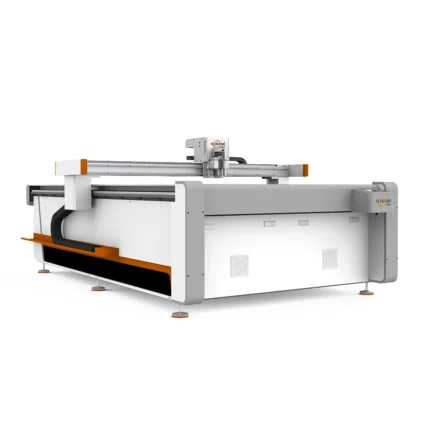
1625 CNC Oscillating Knife Cutting Table for Corrugated Box – Custom Build
1625 CNC Oscillating Knife Cutting Table, 1600×2500 mm, ≤40 mm Cutting Depth — configured with seven interchangeable tool heads including oscillating knife, creasing wheel, and V-groove for corrugated box sampling and packaging prototype work.
- Aluminum bellows vacuum table with 9 kW pump provides full-surface adsorption to prevent small-part lift during cutting
- ±0.1 mm accuracy at 0–1500 mm/s with PLC control and PLT/DXF/AI/PDF file compatibility
Sample cutting on your own corrugated stock is completed before commitment, with tool head and vacuum zoning matched to your flute profile and grammage.
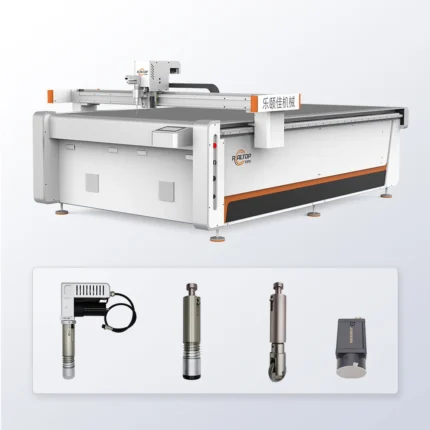
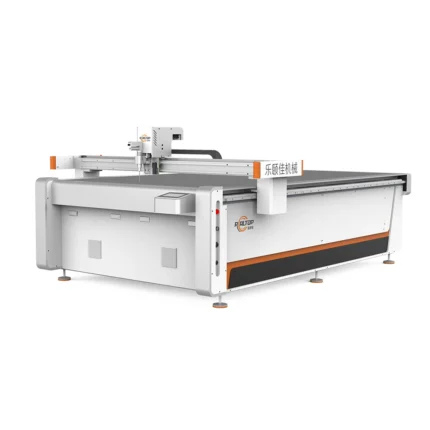
2026 High-Precision CNC Gasket Cutting Machine Non-Asbestos
Product Introduction
2026 model high-precision digital CNC cutting machine designed for gasket materials, ideal for non-asbestos applications with advanced precision cutting capabilities.
Product Parameters
| Model | 2026 |
| Type | Digital CNC Cutting Machine |
| Application | Gasket Materials |
| Feature | High-Precision |
| Material Compatibility | Non-Asbestos |
Advertising Printing CNC Cutter for Sterile Surgical Gown – OEM Available
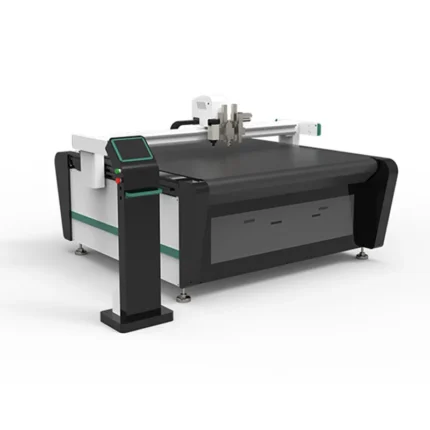
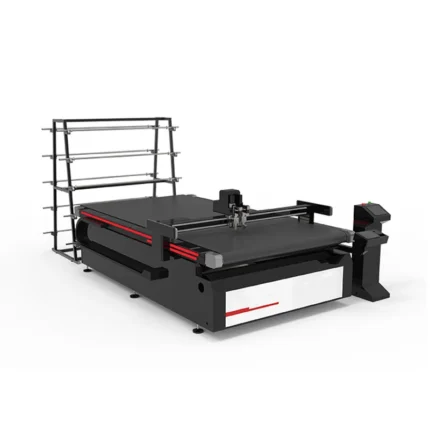
RT-D2516/RT-S2516 CNC Oscillating Knife Cutting Machine, 1600×2500mm Working Area, 380V, 7.5kW Vacuum — configured for sterile surgical gown die-cutting and advertising print contour work across leather, flexible textiles, sponge composites and PVC.
- Japanese Yaskawa servo drives with Taiwan Hiwin linear rails deliver ≤0.1mm repeatability for precise CCD-contour cutting at 200–800mm/s.
- Auto-feeding conveyor table with zoned vacuum hold-down keeps flexible materials flat during high-speed oscillating knife operation.
Sample cutting on your own material is completed and documented before order confirmation, ensuring the tool head and vacuum zoning match your actual production requirements.
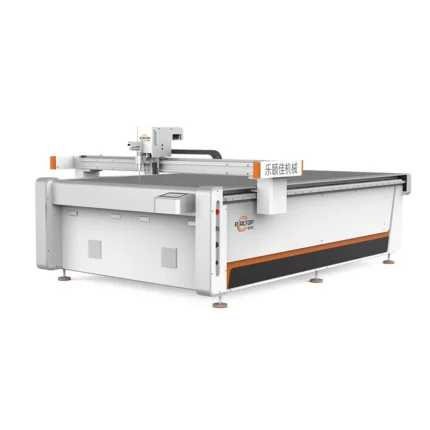
Automatic Hot Knife Cutting Machine for Acrylic PVC – Manufacturer
1625 CNC Oscillating Knife Cutting Machine, 1600×2500mm Working Area, ±0.1mm Accuracy, 9kW Vacuum Pump — engineered for cold cutting of composites, carbon fiber, and soft materials without thermal damage or fumes.
- Interchangeable tool heads (oscillating knife, driven rotary, milling, V-groove) match cutting physics to material type and thickness
- Aluminum bellows vacuum table with full-surface adsorption holds large-format flexible materials flat during high-speed operation
- PLC-controlled motion with Panasonic/Delta servo options delivers repeatable precision for aerospace gaskets and automotive interior components
Sample cutting on your own composite material verifies edge quality, delamination-free results, and cutting depth before order commitment — with tool head configuration, voltage, and control language confirmed in writing prior to shipment.

CNC Digital Carton Box Cutting Machine for Packaging – Automatic PLC Control
1625 CNC Oscillating Knife Cutting Machine for Packaging, 1600×2500mm, PLC Control — configured for corrugated cardboard, greyboard and foam insert processing with oscillating knife, creasing wheel and kiss cutting tool heads.
- Dedicated packaging box structure design software imports PLT, DXF, AI and PDF files for sample making and short-run production
- Aluminum bellows vacuum table with 9KW pump holds small carton parts flat during cutting, ±0.1mm accuracy for crease-to-cut registration
Sample cutting on buyer's own flute type and foam density before commitment, with voltage, plug and control language confirmed per destination market.
Economical Sterile Surgical Gown XXL CE 3-Level 2026
Product Parameters
| Size | XXL |
| Certification | CE-Certified |
| Protection Level | 3-Level |
| Feature | Reinforced Die Cutting |
Introduction
Economical Sterile Surgical Gown XXL, CE-Certified with 3-Level protection. Features reinforced die cutting for reliable performance. Ideal for surgical environments, ensuring safety and comfort during procedures.
Intelligent CNC Box Maker Die-Free Cardboard Cutter 1625 – PLC Control
1625 CNC Oscillating Knife Cutting Machine, 1600×2500mm, PLC Control — configured for die-free packaging sample making and short-run corrugated board production.
- Seven interchangeable tool heads including oscillating knife, creasing wheel and V-groove, selected per material to prevent ragged edges or crushed foam
- Aluminum bellows vacuum table ensures secure holding across the full cutting area at ±0.1mm accuracy
- Accepts PLT, DXF, AI and PDF files with multi-language control panel options
Cutting method matched to your material stack with sample test report on your own board and foam before commitment.
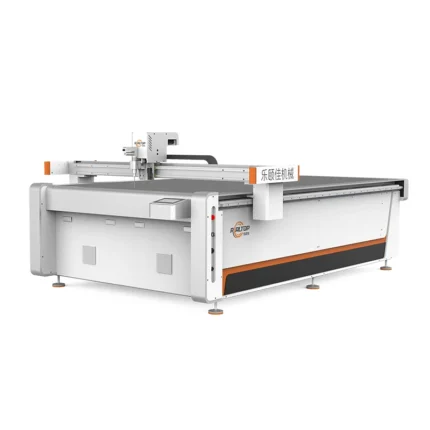
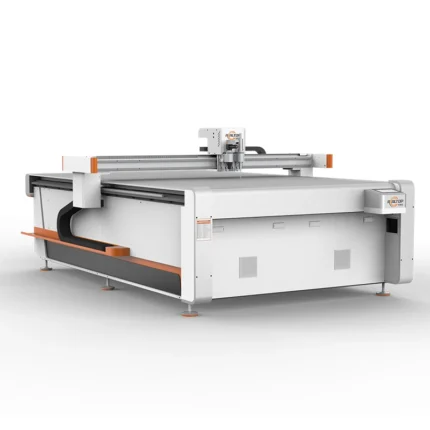
RT-D2516/RT-S2516 CNC Oscillating Knife Cutting Machine for Advertising Printing – OEM Available
RT-D2516/RT-S2516 CNC Oscillating Knife Cutting Machine, 1600×2500mm Working Area, 9kW, Delta Servo Motor — configured with Swiss-imported oscillating knife and multifunctional tool head for full cutting, half cutting, and cursor positioning across flexible advertising materials.
- CCD visual positioning with panoramic camera recognition for printed contour tracking
- Magnesium-aluminum vacuum adsorption table with PVDF coating ensures stable material hold during high-speed operation at 800-1200mm/s
- Tool head options include pneumatic knife, drag knife, creasing wheel, and V-cutting knife for KT board, PVC, vinyl, and composite sheets
In-house design covers both knife and laser platforms, so you can match the cutting method to your material rather than compromise.
商品评价
There are no reviews yet.