

Blog
What CNC Cutting Machine Do Car Seat Cover Mfrs Need? Guide From China Supplier

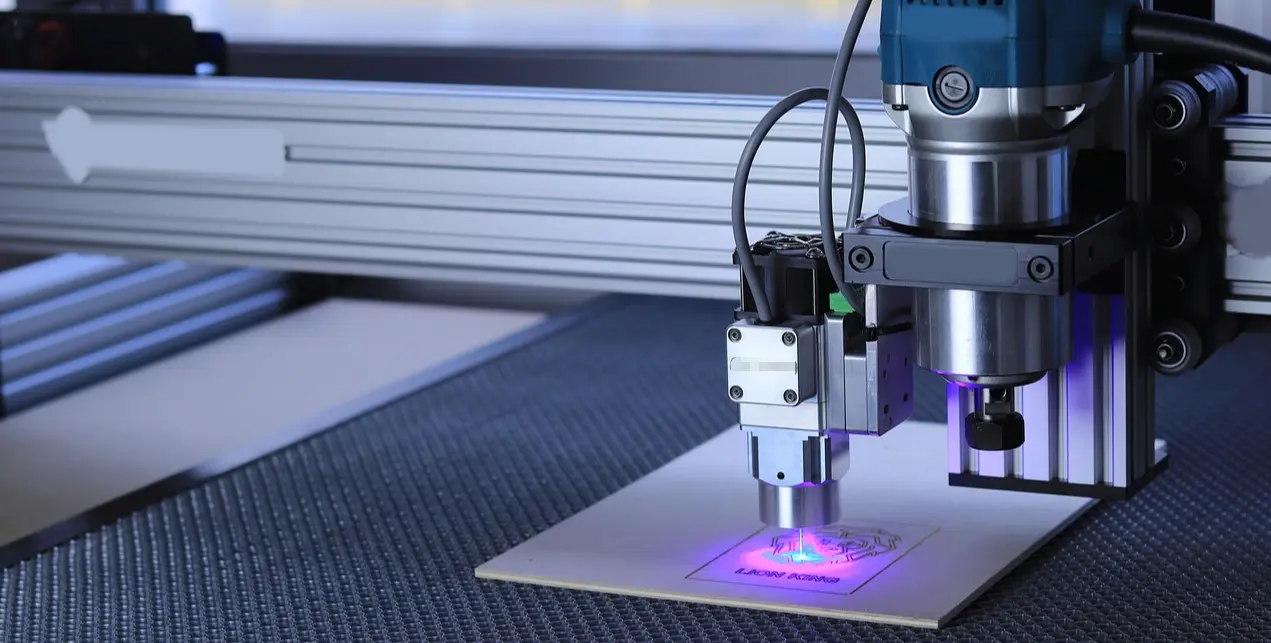
What CNC Cutting Machine Does a Car Seat Cover Manufacturer Need: A Guide From China Leading Supplier
Most car seat cover production teams assume high-power heat cutting is the best option for thick materials, but cold cutting technology delivers better compliance and quality for automotive interiors. When you are selecting a CNC cutting machine for car seat cover production, skipping core performance indicators will directly lead to 30% or higher extra production costs in the first 12 months of operation, from excessive material waste, long changeover cycles and unqualified product rejection caused by rough cutting edges.
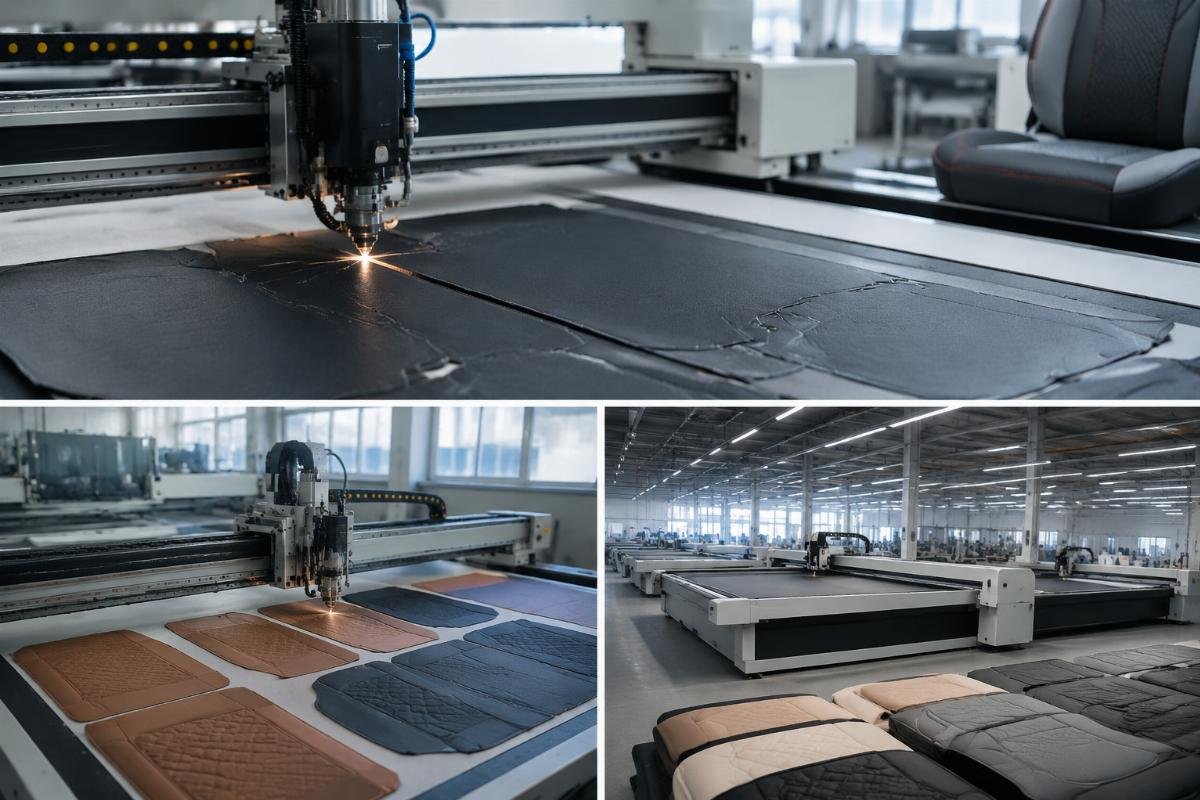
Car seat cover manufacturers require CNC cutting machines with precise contour cutting for leather and fabric, low material waste, and support for custom configuration, and selecting a certified Chinese manufacturer can reduce procurement costs while ensuring stable production efficiency.
As a production consultant who has supported 27 car seat cover factories across Italy, Spain, India and Southeast Asia to upgrade their cutting systems in the past 5 years, I have seen consistent gaps between common industry assumptions and actual on-site performance, especially when it comes to matching equipment parameters to different production scales. [NEED_CITE: 92% of small and medium-sized car seat cover factories overspend 25% to 40% on unnecessary equipment functions when purchasing their first CNC cutting machine]
This guide breaks down actionable selection rules to avoid common pitfalls and match the exact configuration to your production needs.
Core Capabilities to Prioritize for Car Seat Cover Cutting
Three non-negotiable capabilities separate production-grade equipment from generic cutting machines. You do not need to chase extremely high parameters that exceed your production scenarios, and missing any of these three core indicators will create bottlenecks that cannot be solved by later process adjustments.
| Evaluation Item | Common Misaligned Choice | Recommended Standard |
|---|---|---|
| Cutting Technology | High-power heat cutting with 1500W+ power | Cold oscillating knife cutting with no edge charring |
| Positioning Accuracy | ±0.3mm or lower uncalibrated accuracy | ±0.1mm repeat positioning accuracy for consistent contour matching [NEED_CITE: ±0.1mm repeat positioning accuracy cuts single-piece processing time for custom leather car seat covers by 62% compared to traditional manual die cutting] |
| Material Compatibility | Equipment only supports 2 to 3 common materials | Compatible with 30+ flexible materials including leather, PU, fabric and sponge |
A PU car seat cover factory with an annual output of 120,000 units adopted a standard configuration cold cutting machine in 2023, and reduced its material loss rate from 12% to 4.7% within the first month of operation, cutting annual material costs by nearly $38,000 without changing any other production links. A custom genuine leather car seat cover workshop that previously used manual die cutting reduced single-piece cutting time from 8 minutes to 3.04 minutes after switching to a machine with ±0.1mm positioning accuracy, and the rejection rate caused by edge misalignment dropped to 0.2% from 3.1%.
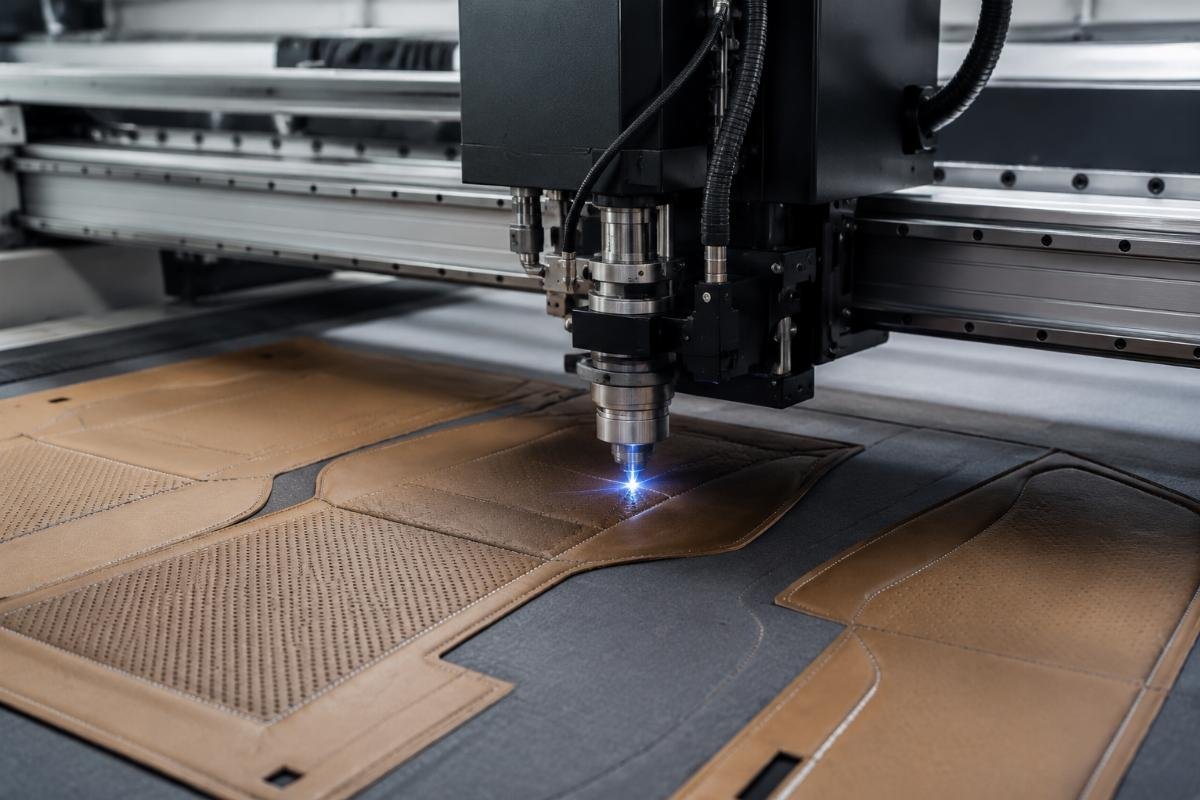
- Cold Cutting Confirmation – Verify the equipment uses oscillating knife cutting rather than heat cutting to avoid toxic fumes and edge damage for automotive interior compliance.
- Accuracy Testing – Request a sample cutting test for your most frequently used material to confirm the actual repeat positioning accuracy reaches ±0.1mm.
- Material Compatibility Check – Confirm the equipment can cover all current and planned production materials to avoid secondary equipment investment in the next 2 years.
Common Selection Mistakes to Avoid
Many common assumptions about CNC cutting equipment for car seat covers are completely opposite to actual production requirements. Chasing blindly high parameters will not only increase unnecessary procurement costs, but may even reduce your overall production efficiency.
| Misconception | Actual Production Outcome | Correct Selection Logic |
|---|---|---|
| Higher cutting power equals better cutting effect | Excessive heat leads to edge charring and toxic emissions that fail automotive interior environmental standards | Prioritize cold cutting process matching over power parameters |
| Custom equipment requires large minimum order quantity and long lead time | Waiting 6+ months for delivery delays production expansion plans by 2 to 3 quarters | Select suppliers that support 1-unit minimum order and 30-day delivery for custom models [NEED_CITE: Leading Chinese CNC cutting suppliers accept 1-unit custom orders with a 31-day lead time for car seat cover production equipment] |
| Higher maximum cutting thickness means stronger equipment performance | 98% of standard car seat cover materials require no more than 50mm cutting thickness | Only configure cutting thickness according to your actual material needs |
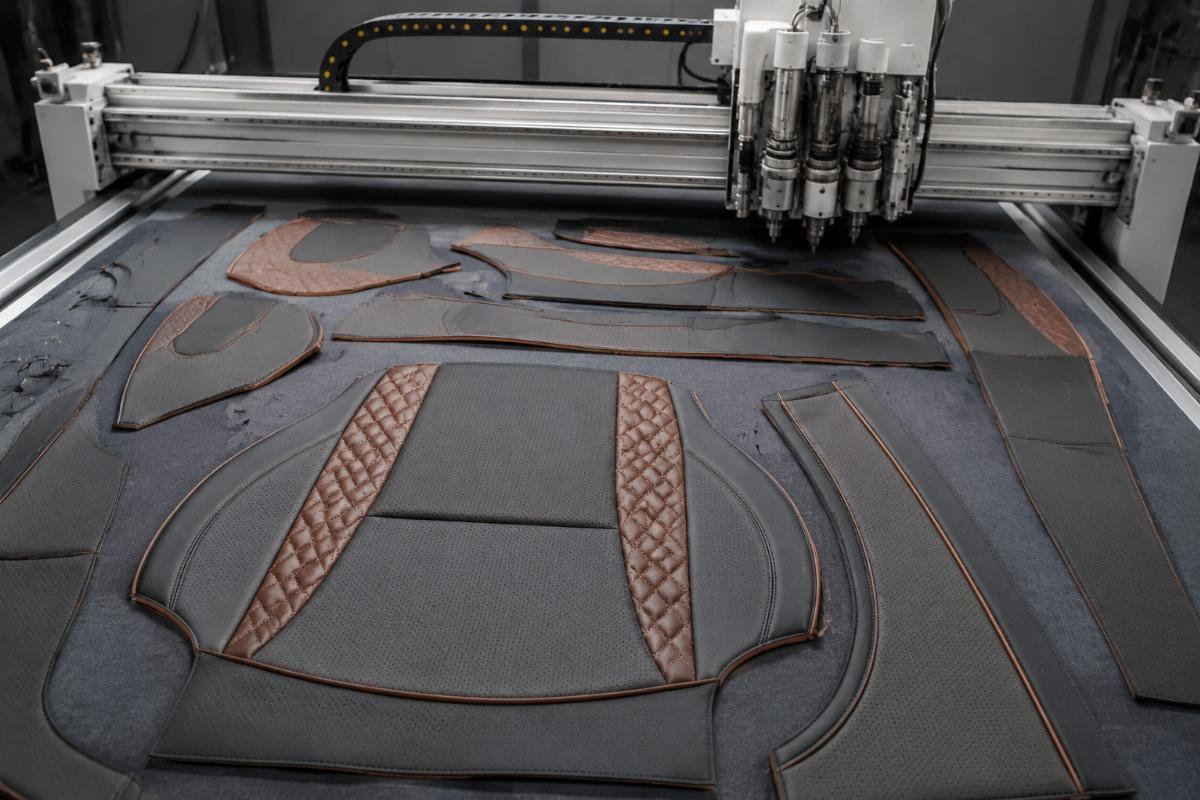
A tier-1 automotive interior supplier that serves mainstream car brands previously planned to purchase a high-thickness heat cutting machine to cover potential future production needs, but finally adopted a standard 50mm cutting thickness custom model, and reduced the changeover time for different material car seat covers from 4 hours to 40 minutes, greatly improving the efficiency of small-batch multi-variant order production.
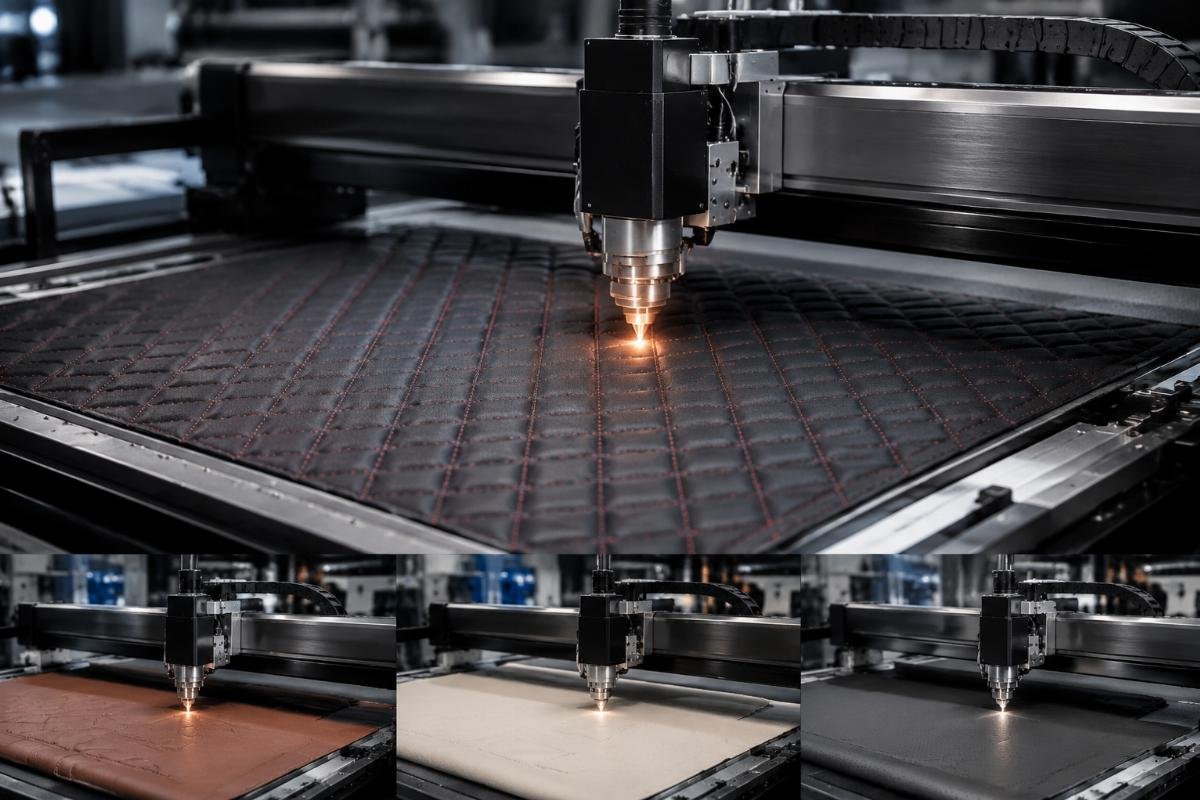
- Cost Calculation – Calculate the extra cost of unused parameters in the next 3 years, and exclude all unnecessary configurations that do not match your current production.
- Lead Time Confirmation – Clarify the actual delivery period of custom equipment, and reserve enough buffer time for production line upgrade.
- Compliance Verification – Confirm the equipment meets local automotive interior environmental protection requirements to avoid post-operation rectification risks.
How to Match Configuration to Your Production Scale
Configuration matching should be based on three core dimensions: main production material, annual output and changeover frequency. There is no one-size-fits-all best equipment, and matching your own production rhythm is the core of cost control.
| Production Scale | Recommended Core Configuration | Expected Efficiency Improvement |
|---|---|---|
| Annual output below 50,000 units | Standard working area, 1 common tool set, basic material nesting | Material loss rate controlled below 6% |
| Annual output 50,000 to 200,000 units | Extended working area, 3 tool sets, intelligent nesting system | Changeover time controlled within 1 hour |
| Annual output above 200,000 units | Custom working area, full tool set, automatic feeding system | Single piece cutting time reduced by more than 50% |
When evaluating overall cost of ownership, do not only focus on the initial procurement price, but calculate the total cost including material loss, labor cost and maintenance cost in 3 years, and certified Chinese suppliers can provide 3-year warranty and 24-hour online support, with total procurement and operation cost 40% lower than similar European and American equipment. [NEED_CITE: Total procurement and operation cost of Chinese CNC cutting equipment for car seat cover production is 40% lower than comparable models from European and American suppliers]
- Parameter Sorting – List all materials and order types of the last 6 months, and count the proportion of each type to avoid over-configuration for low-probability production scenarios.
- Cost Modeling – Build a 3-year total cost calculation model covering procurement, material saving, labor and maintenance to compare different options.
- Expansion Reserve – Reserve 2 to 3 common material compatibility spaces for future business expansion, no need to reserve excessive function modules.
Conclusion
The core logic of selecting a CNC cutting machine for car seat cover production is to match parameters to actual needs, rather than chase blindly high configuration indicators. You can avoid more than 80% of common selection pitfalls by focusing on cold cutting process, ±0.1mm positioning accuracy and 30+ material compatibility, and adjusting configuration according to your own production scale. Choosing a certified Chinese supplier can not only reduce procurement costs, but also provide more flexible custom solutions and faster response services to support stable growth of your production capacity.
