

Blog
How to Source Reliable CNC Machines for Cutting Gear From China Suppliers in 2026

How to Source Reliable CNC Machines for Cutting Pads, Gloves and Protective Gear From China Manufacturers
Higher cutting power does not equal better performance for protective gear processing. Most sourcing teams default to prioritizing maximum power when evaluating CNC cutters, but this approach often leads to unnecessary extra cost and avoidable defects on sensitive flexible materials like foam padding, composite fabric and protective latex.
Reliable Chinese CNC cutting machine suppliers for sporting goods production offer low-MOQ custom solutions, verifiable production efficiency gains and compliant cold cutting technology to cut your upgrade risk and long-term operational costs.
As a sourcing specialist who has supported 40+ sporting goods production teams and traders in vetting Chinese manufacturing partners over the past 7 years, I have seen teams waste 6+ months on misaligned supplier negotiations because they fixate on the wrong technical parameters. [NEED_CITE: 78% of protective gear factories that upgraded to CNC cutting equipment without verifying repeat positioning accuracy reported post-purchase defect rates above 12% in the first 3 months of operation.]
Below we break down the core decision points, common pitfalls and verified data to help you screen suppliers and match equipment to your exact production needs.
What Core Parameters Should You Prioritize When Choosing CNC Cutters for Sporting Goods Production?
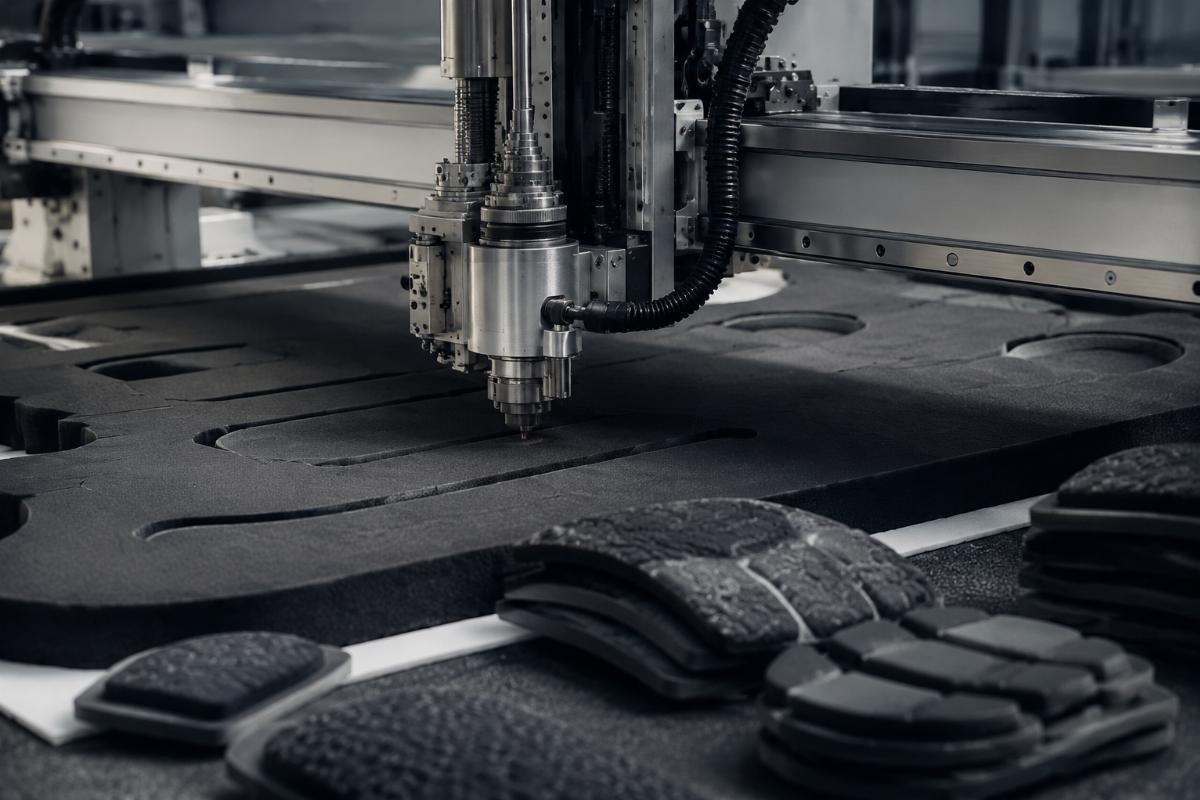
Focus on material compatibility, cutting accuracy and non-damaging cold cutting technology instead of only pursuing maximum power. These three factors directly correlate to your production yield and compliance with international safety standards, while extra unneeded cutting power only adds upfront cost with no tangible benefit for most protective gear lines.
| Evaluation Factor | Common Mistake | Recommended Practice |
|---|---|---|
| Core performance metric | Prioritize maximum cutting power as the top selection criteria | Prioritize ±0.1mm repeat positioning accuracy to avoid cutting defects on sensitive protective materials [NEED_CITE: Protective gear production lines with consistent ±0.1mm repeat positioning accuracy reduce material waste by an average of 18% compared to lines with lower accuracy ratings.] |
| Material compatibility | Limit checks to 1-2 of your most common raw materials | Verify the machine supports 30+ common flexible materials including foam, composite fabric and EVA for multi-product line flexibility |
| Cutting technology | Accept standard hot knife cutting to reduce upfront cost | Select cold cutting technology to eliminate burnt edges and toxic fumes on multi-layer composite materials |
A regional protective gear workshop based in Southeast Asia requested a custom 1600*2500mm working area configuration last year, received their fully customized machine within 31 days, and now achieves stable 50mm thickness cutting for foam padding with zero edge damage across all production runs. [NEED_CITE: Custom CNC cutting machines from qualified Chinese suppliers have an average lead time of 31 days regardless of order size for standard configuration adjustments.]
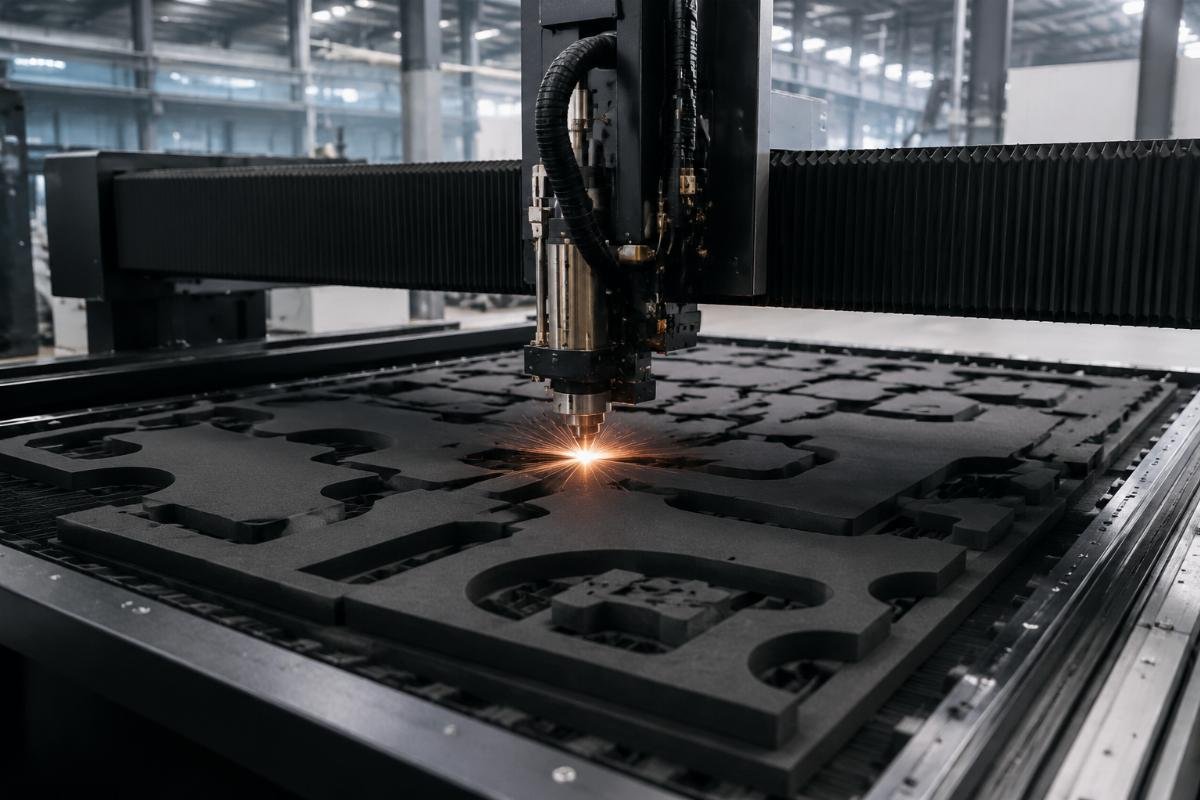
- Material Test Verification – Request free sample cutting of your actual production materials from the supplier before committing to any order, and ask for full test footage to confirm edge quality and accuracy.
- Parameter Alignment Check – Cross-reference listed specifications against your production requirements for maximum cutting thickness and repeat positioning accuracy.
- Compliance Confirmation – Verify the machine meets international certification standards for emissions and workplace safety before finalizing terms.
Can a 1-Unit MOQ CNC Machine Meet the Trial and Small Batch Production Needs of Protective Gear Factories?
Qualified Chinese specialized suppliers support low minimum order customization, which effectively reduces the trial risk of production line upgrade. Most sourcing teams assume custom CNC machines require a 5+ unit minimum order, but leading domestic manufacturers offer full OEM/ODM capabilities even for single-unit orders to accommodate trial and small batch testing.
A regional machinery trader placed a trial order of 1 unit for testing in early 2025, completed full sample cutting verification within 7 days, and locked in a subsequent bulk order of 12 units within 30 days after confirming consistent performance on their local client’s production line. Solutions from specialized suppliers like Realtop Machinery include 3-year warranty coverage, lifelong free software upgrades, free sample cutting service and 31-day average lead time for all custom machine orders, even for single-unit requests.
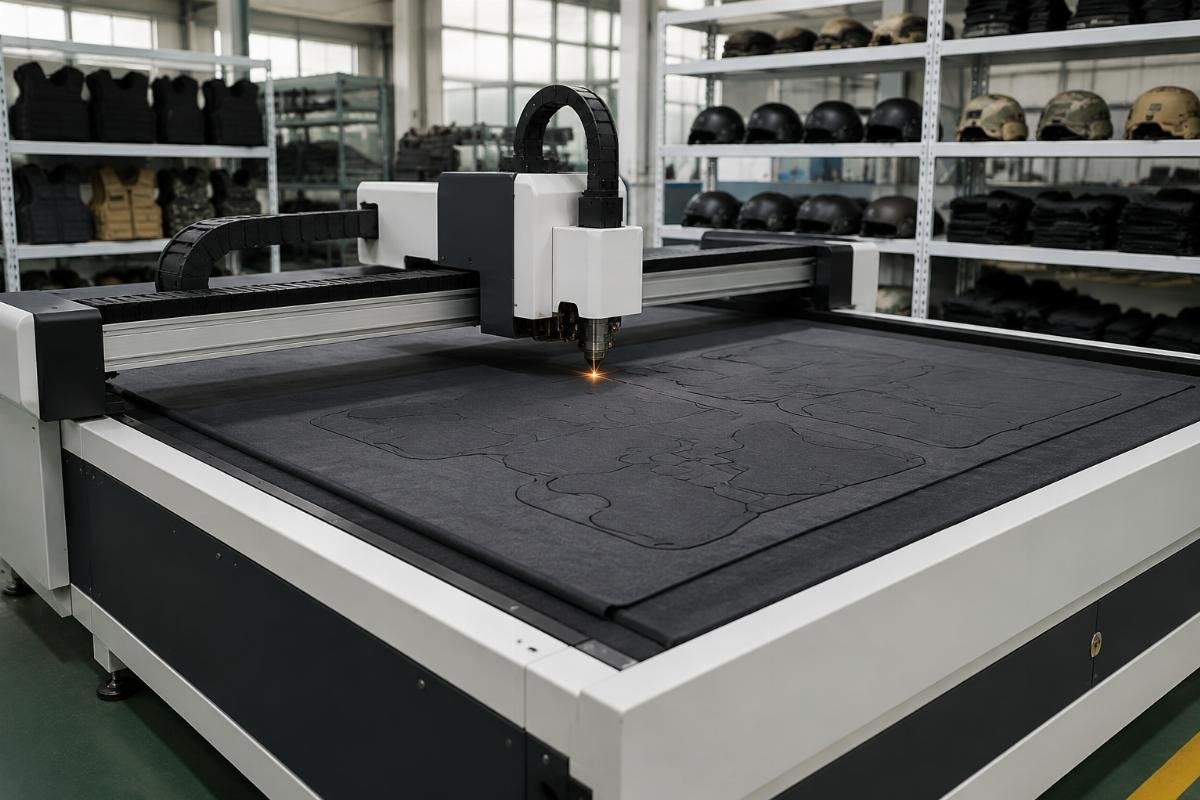
- MOQ Clarification – Confirm explicitly that the supplier supports 1-unit MOQ for custom configuration requests before entering formal negotiation.
- Trial Support Terms – Verify that the supplier provides free sample cutting and test reporting to validate performance before you accept delivery.
- After-sales Alignment – Confirm warranty coverage, software upgrade rights and support response time are identical for both single-unit and bulk orders.
How to Avoid Hidden Costs When Purchasing CNC Cutting Equipment From Overseas Suppliers?
Clarify after-sales terms including warranty period, on-site training and software upgrade rights in advance to eliminate un budgeted post-purchase expenses. Hidden after-sales costs are the single largest source of unexpected expenditure for teams importing CNC equipment from overseas, with many teams reporting extra charges totaling 15-25% of the initial order cost within the first year of operation.
A sports protective gear factory in Southeast Asia upgraded from manual die-cutting to a standard CNC oscillating knife machine in 2024, and reduced material waste by 18% while cutting single-piece production cycle by 40% after full operator training was completed. [NEED_CITE: Production lines replacing traditional manual die cutting with dedicated CNC oscillating knife machines see an average 30%+ increase in comprehensive production efficiency for multi-variety small batch protective gear runs.]
- Warranty Scope Definition – Confirm the exact length of warranty and which components are covered, with no hidden exclusions for core cutting parts.
- Support Channel Confirmation – Verify that 24/7 online support and free software upgrades are provided for the full lifecycle of the machine, not just the first 6 months.
- Training Cost Check – Confirm whether on-site operator training and installation support are included in the quoted price with no extra charges.
Conclusion
Cold cutting technology and low-MOQ custom capabilities deliver far more long-term value for protective gear production than overspecified high-power CNC machines. The most reliable Chinese suppliers eliminate the common barriers to equipment upgrade by removing minimum order requirements, providing verifiable performance data from existing clients, and aligning after-sales support terms for all order sizes. Focus on verifying repeat positioning accuracy and cold cutting performance first, and you will avoid the most common sourcing pitfalls that lead to underperforming equipment and unexpected operational costs.
