






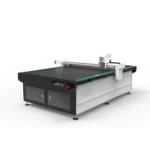
Cardboard Box Cutting Plotter for Packaging – Manufacturer
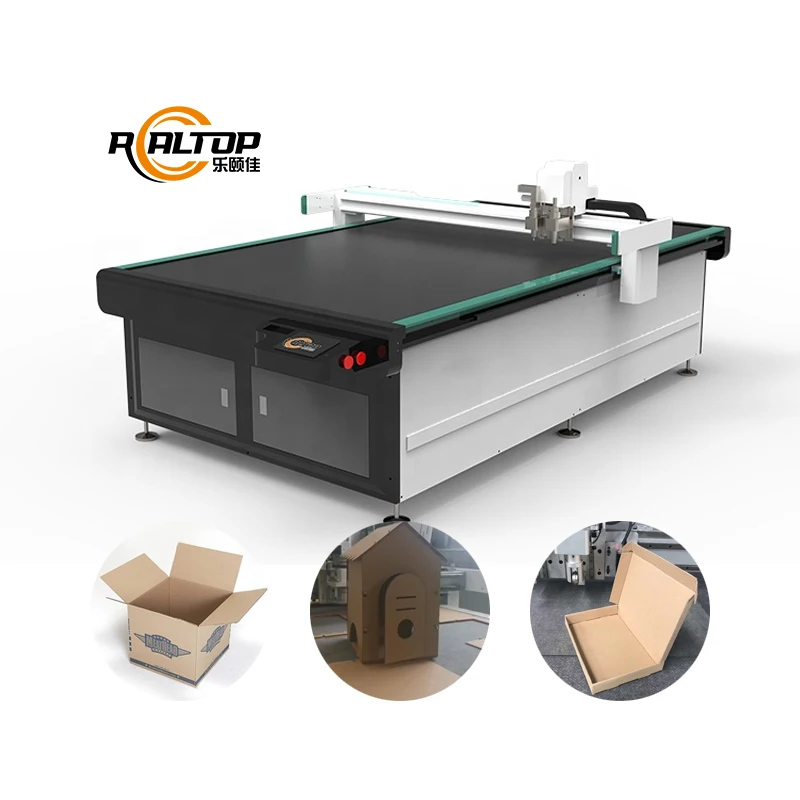
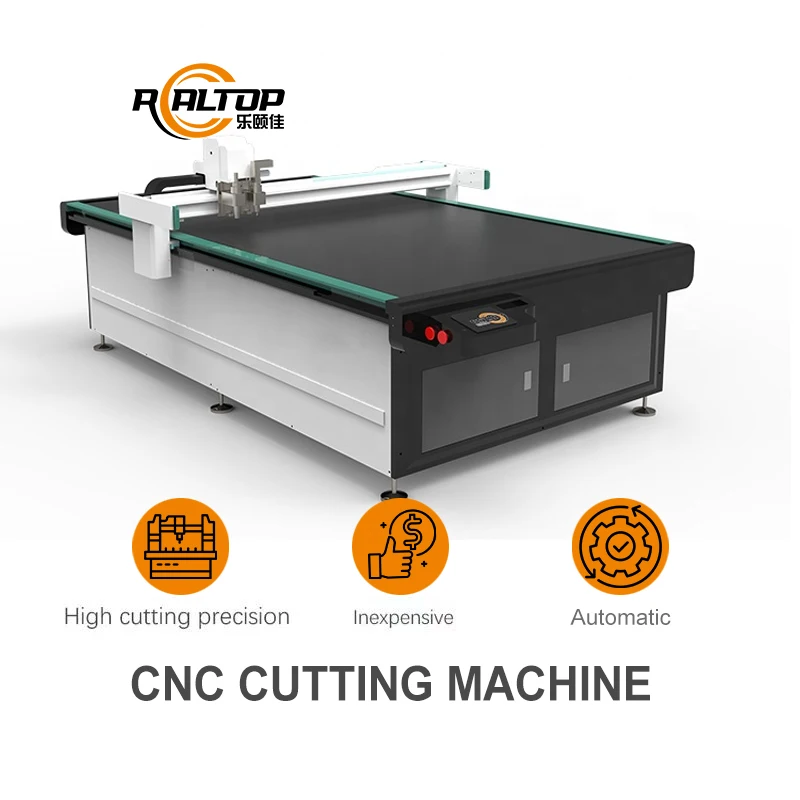
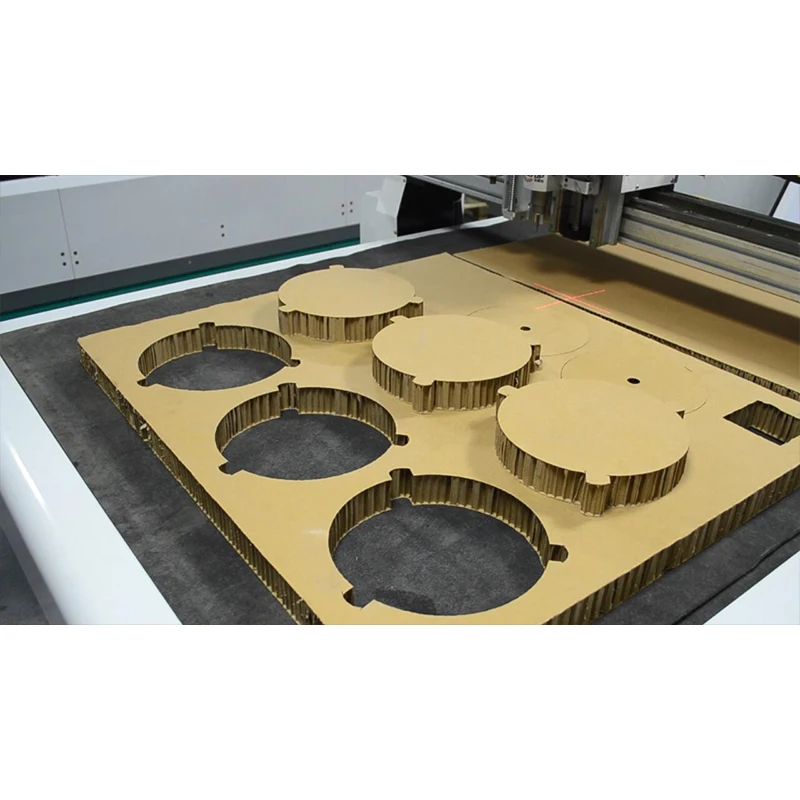
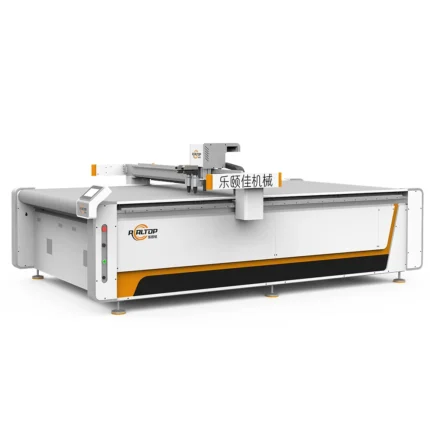
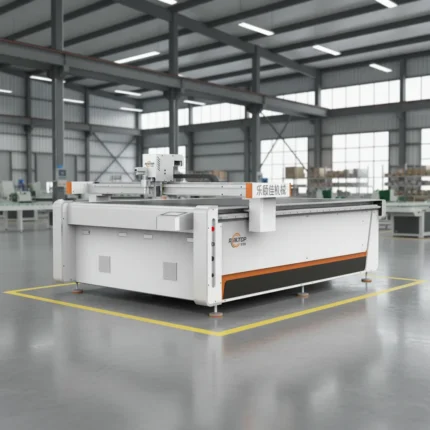
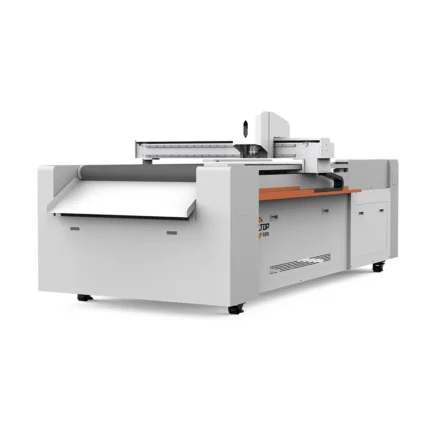
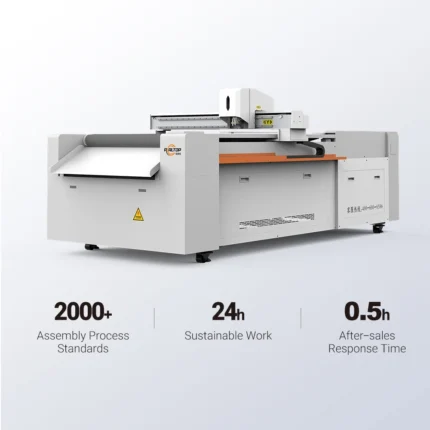
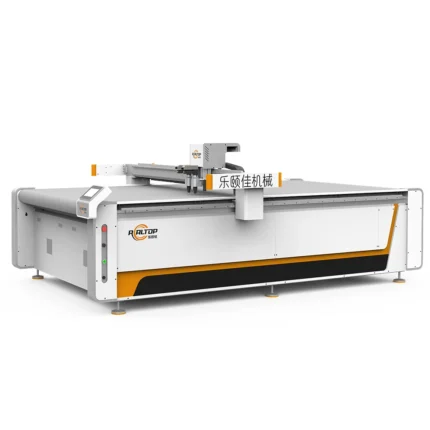
RT-D2516/RT-S2516 Packaging CNC Cutting Machine, 1600×2500mm Working Area, ≤100mm Cutting Thickness, 9kw — designed for carton sample making and corrugated board processing with oscillating knife technology.
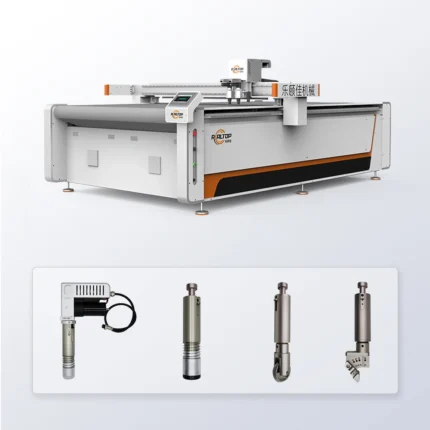
- Swiss imported knife head delivers full-cut, half-cut and creasing without burnt edges or fume extraction needs
- Aluminum honeycomb vacuum platform with Taiwan Delta servos ensures ≤0.1mm repeatability on nested layouts
Sample cutting on your specific board grade is available before order commitment, with voltage and software confirmed to your production workflow.
Cutting Method Matched to Material — Realtop designs both knife and laser systems in-house, so a CO2 laser cutting and engraving machine manufacturer can also recommend oscillating knife technology when cardboard or sticker stock demands burn-free edges and zero fume extraction.
Technical Specifications
| Parameter | Value |
|---|---|
| Product Type | CNC Oscillating Knife Cutting Machine for Packaging and Carton Sample Making |
| Model | RT-D2516 / RT-S2516 |
| Working Area | 1600 × 2500 mm |
| Machine Dimensions | 3450 × 2300 × 1250 mm |
| Rated Power | 9 kW |
| Vacuum Pump | 7.5 kW |
| Table Type | Aluminum alloy honeycomb flatbed with vacuum adsorption |
| Tool Head | Swiss imported oscillating knife — full cut, half cut, cursor location |
| Translational Velocity | 800–1200 mm/s |
| Cutting Speed | 200–800 mm/s (varies with material and thickness) |
| Cutting Thickness | ≤ 100 mm (varies by material density and flute type) |
| Repeated Accuracy | ≤ 0.1 mm |
| Drive System | Taiwan Delta digital servo motors, Taiwan Hiwin linear guides, synchronous belt, ball screw |
| Instruction Format | HP-GL compatible |
| Voltage | 380 V ± 10 % |
| Safety | Infrared sensors, emergency stop devices |
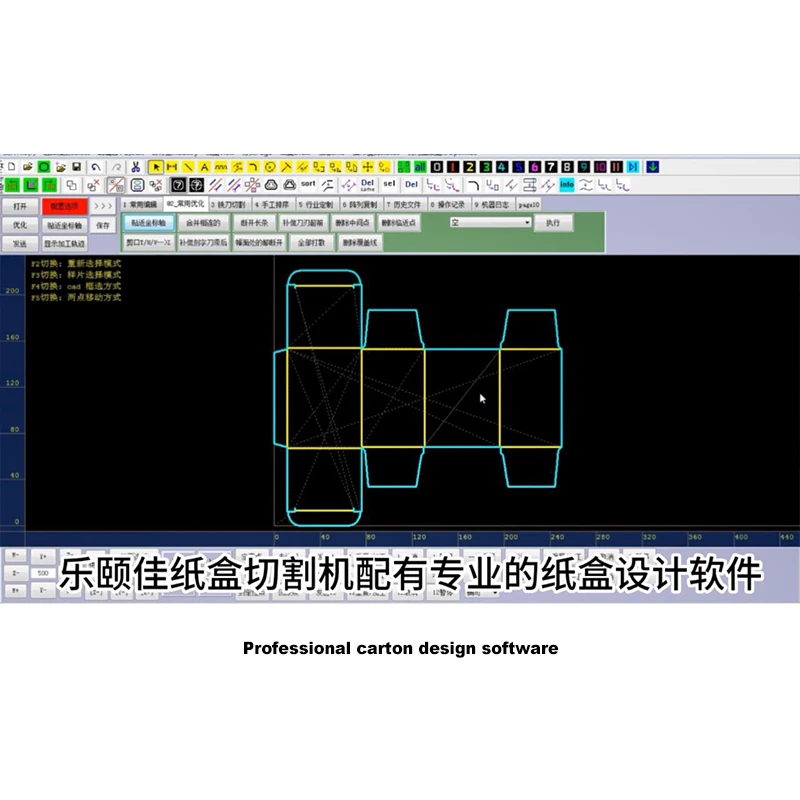
| Software | Professional carton nesting software included; supports multiple file format imports |
| Feeding | Auto feeding with Germany-imported conveyor belt and wear-resistant anti-pull felt |
| Compliance | CE certified (2026) |
Application Suitability
| Application | Material or Output |
|---|---|
| Packaging carton sample making | Corrugated board, grey board, card stock up to high-flute grades |
| Cardboard box short-run production | Single and double-wall corrugated, kraft liner |
| Sticker and label contour cutting | Self-adhesive vinyl, paper labels, sticker sheets |
| Billboard and signage cutting | Foam board, PVC sheet, lightweight composite panels |
| High-end gift box prototyping | Laminated grey board, specialty paper stocks |
| Express and snack packaging runs | Thin corrugated, micro-flute board |
What "≤ 100 mm Cutting Depth" Actually Means for Your Board Grade
Cutting thickness claims collapse the moment you switch from standard A-flute to high-density grey board without adjusting tool pressure and blade frequency.
I remember a packaging plant in Jiangsu that assumed any oscillating knife table rated at a certain thickness could handle their daily mix. They ran standard corrugated fine, then loaded 2 mm grey board for premium gift boxes and got crushed edges on every crease line. The entire sample batch was scrapped. The CO2 laser cutting and engraving machine manufacturer you work with should already understand that thickness ratings shift with material density, flute profile, and moisture content — not just a single headline number. [NEED_CITE: cutting force requirements across corrugated board flute profiles]
Laser Fumes Versus Knife Edges on Paper Stock
When packaging producers first evaluate a CO2 laser cutting and engraving machine manufacturer for cardboard work, the edge quality question surfaces immediately. A CO2 beam seals synthetic fabrics and acrylic cleanly, but paper-based substrates char along the kerf, producing visible brown lines and smoke that requires extraction ductwork. Oscillating knife technology avoids thermal damage entirely, leaving a mechanical cut that preserves the natural fibre appearance buyers expect on retail packaging.
Honeycomb Vacuum Platform and Small-Part Stability
The aluminum alloy honeycomb flatbed on the RT-D2516 and RT-S2516 distributes vacuum suction across the full 1600 × 2500 mm surface. For nested sticker layouts and small carton inserts, zoned adsorption prevents individual pieces from lifting mid-cut — a frequent failure point on flat tables that rely on single-zone suction. The 7.5 kW vacuum pump maintains hold-down force even when cutting porous corrugated stock that bleeds air through its flutes. [NEED_CITE: vacuum hold-down requirements for porous corrugated materials]
Servo Drive, Linear Guides, and the 0.1 mm Repeatability Claim
Taiwan Delta servo motors paired with Hiwin linear guides deliver the positioning accuracy behind the ≤ 0.1 mm repeatability specification. In carton sample making, that tolerance matters most during half-cut creasing: if the blade depth drifts by even a fraction of a millimetre between passes, the fold line either tears or fails to bend cleanly. The synchronous belt and ball screw transmission keep that precision stable across the full 800–1200 mm/s traverse range, so throughput does not come at the expense of crease quality.
Oscillating Frequency, Blade Geometry, and Board Density
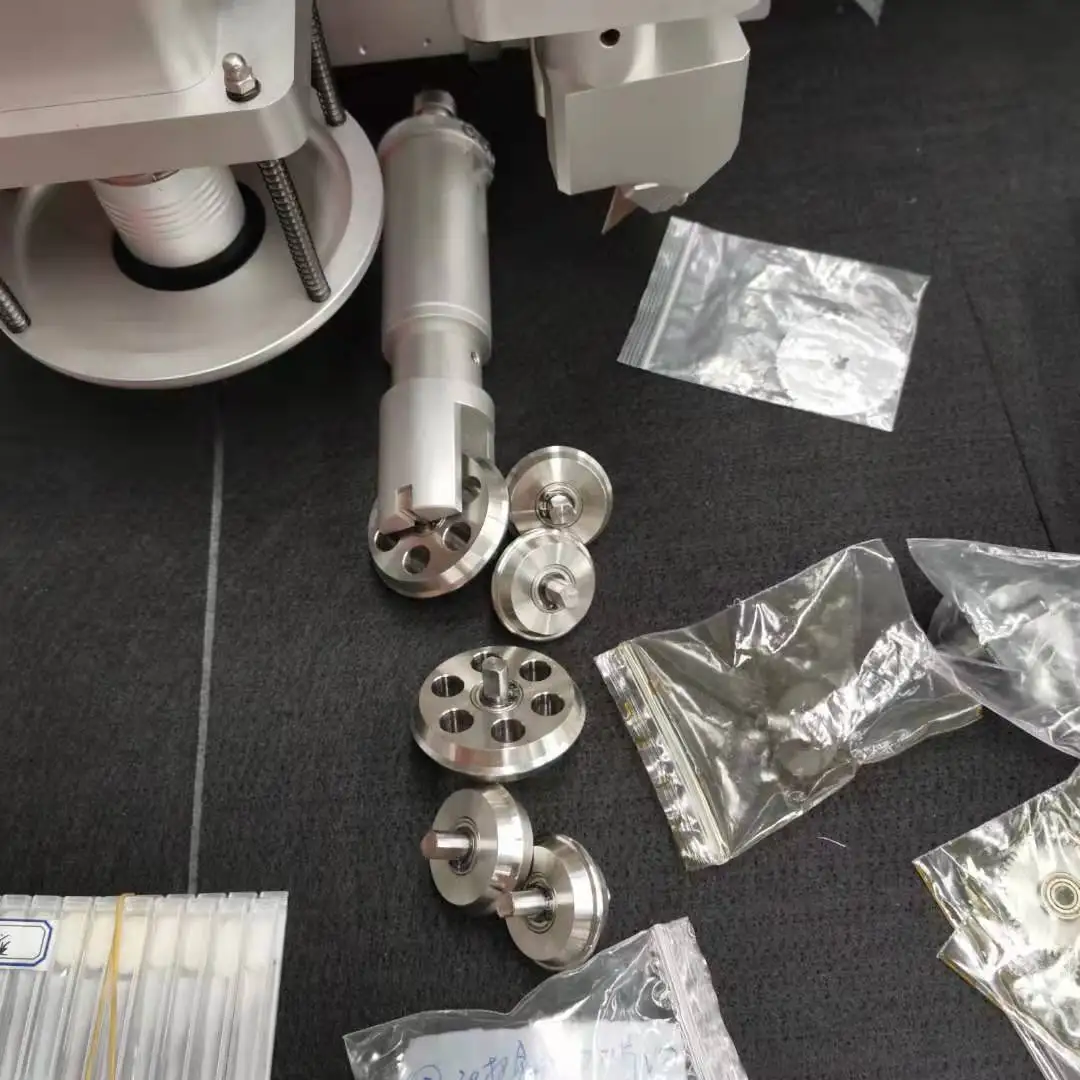
The Swiss imported knife head supports full cutting, half cutting, and cursor location in a single multifunctional mount. High-frequency oscillation slices through dense grey board without crushing the fibres, while drag-knife mode suits thinner sticker films. The HP-GL compatible instruction system and included carton nesting software accept standard packaging design files, reducing the gap between your CAD workflow and the machine table. Selecting the wrong blade angle for your specific board grade is one of the most common causes of ragged edges — and it is entirely preventable with a material test before the order is locked in.
The Cost of Skipping a Material Test Run
One carton producer ordered a machine specified purely on working area dimensions. Their standard samples came back perfect, but the actual production stock — a high-grammage recycled grey board with heavy clay coating — caused the blade to drag and tear instead of slice. Ragged edges meant the boxes could not pass their client’s quality audit, and weeks of output went to waste. Every pain point traces back to configuration decisions made without the buyer’s own material on the table. [NEED_CITE: material testing best practices for CNC knife cutting procurement]
Why Sourcing Through Realtop Works for Packaging Lines
In-house design and production cover both knife and laser cutting technologies under one roof, so buyers evaluating a CO2 laser cutting and engraving machine manufacturer can still get an honest recommendation toward oscillating knife when the material demands it. Tool head and table configurations are specified per material type and daily volume rather than sold from a fixed catalog page. CCD camera positioning is available for printed contour work on sticker and label stock. Software compatibility — file formats, nesting logic, control language — is confirmed before the order is placed, not discovered at commissioning. Sample cutting on the buyer’s own board grade is standard procedure, not an optional extra.
Documentation & Verification
- Machine specification sheet listing confirmed tool head, table, and drive components
- Electrical schematic with 380 V ± 10 % voltage and plug configuration for your market
- Sample cutting report run on your own cardboard or sticker material
- CE declaration with applicable machinery directive coverage
- Factory test record documenting repeatability and cutting speed on your board grade
- Software licence and file format compatibility note for your packaging CAD workflow
Installation, Commissioning & Support
- Floor space planning based on the 3450 × 2300 mm machine footprint plus material staging area
- Dedicated 380 V ± 10 % circuit sized for the combined 9 kW machine and 7.5 kW vacuum pump load
- Delivery in assembled or partially disassembled state depending on site access constraints
- First-run parameter tuning for oscillation frequency and blade depth on your specific board stock
- Operator training covering nesting software, file import workflow, and half-cut crease calibration
- Spare blade inventory and maintenance schedule aligned with your daily cutting volume
Before You Request a Quote
To match the right tool head and vacuum zoning to your line, share your primary board type and flute profile, maximum sheet dimensions, and daily cut volume. Confirm your facility voltage, frequency, and preferred control language. If your existing packaging CAD software exports in a specific format, send a sample file so we can verify nesting and import compatibility before any commitment is made.
Frequently Asked Questions
Q: How does oscillating knife cutting compare to CO2 laser for cardboard edge quality?
A: A CO2 beam chars paper-based substrates, leaving brown kerf lines and requiring fume extraction ductwork. An oscillating knife slices mechanically, preserving the natural fibre edge that retail packaging buyers expect. For corrugated board and grey board, knife cutting also delivers higher throughput since there is no thermal penetration limit to manage.
Q: What board grades can this machine handle, and what affects actual cutting speed?
A: The RT-D2516 and RT-S2516 cut up to 100 mm depending on material density and flute structure. Actual cutting speed between 200 and 800 mm/s shifts with board hardness, coating weight, and moisture content. We run your specific stock on the table before finalising the configuration to confirm real-world performance.
Q: Is the vacuum table sufficient for small nested sticker and label parts?
A: The aluminum honeycomb flatbed with a 7.5 kW pump distributes suction across the full working area. Zoned adsorption isolates vacuum regions so small cut pieces remain held even when surrounding material is removed. This prevents the lift-and-tear failures common on single-zone tables.
Q: What software formats are supported, and does nesting integrate with packaging workflows?
A: The included carton nesting software accepts multiple file format imports and is HP-GL compatible. We confirm format compatibility with your existing CAD or packaging design software before order placement, and control language is set to your operator preference prior to shipment.
Q: What voltage and control language is confirmed before shipment?
A: The standard configuration is 380 V ± 10 %, but voltage and plug type are verified against your facility supply before production. Control interface language is customised to your operator team. Both are documented in the electrical schematic and specification sheet sent for your sign-off.


Related products
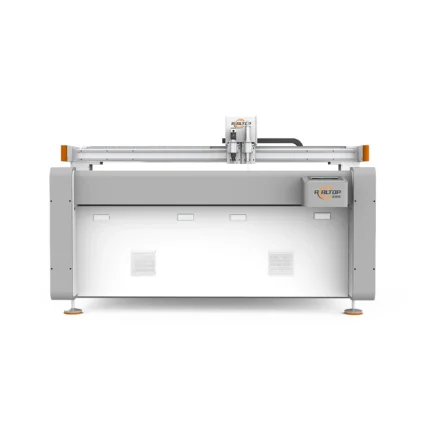
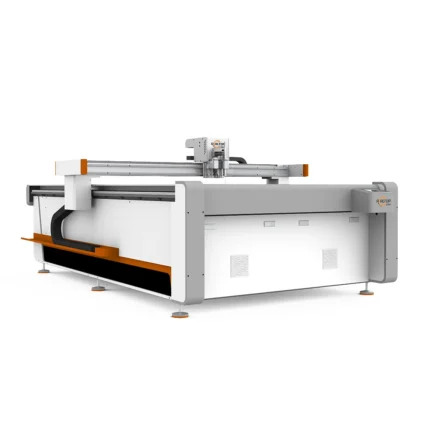
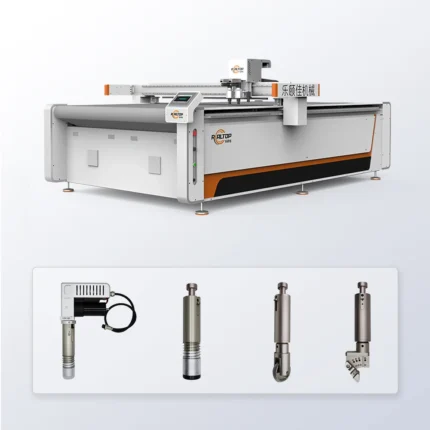
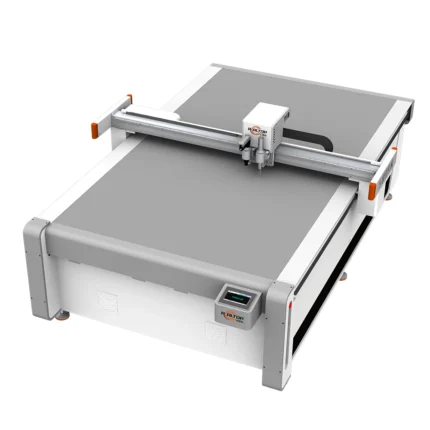
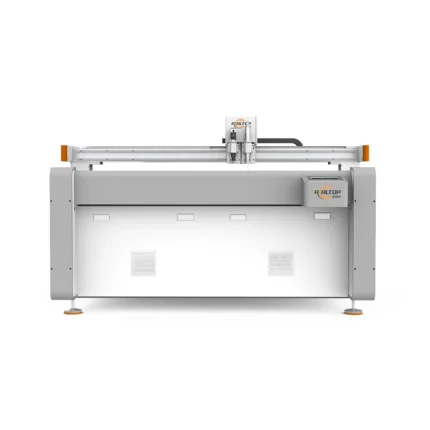
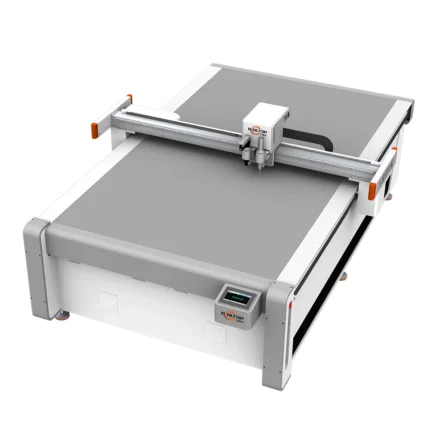
Automatic CNC Cutter Plotter 2026 Flat Bed Cardboard Cutter
Product Introduction
Automatic CNC Cutter Plotter 2026 is a flat bed cardboard cutting machine designed for precise and efficient cutting tasks. Ideal for various cardboard processing needs, it combines advanced CNC technology to deliver accurate results, suitable for manufacturing and packaging applications.Product Parameters
| Type | Automatic CNC Cutter Plotter |
| Model | 2026 |
| Design | Flat Bed |
| Application | Cardboard Cutting |
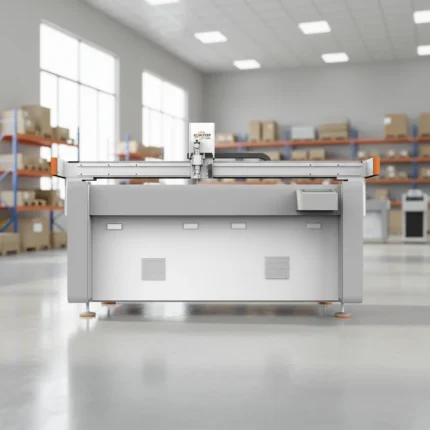

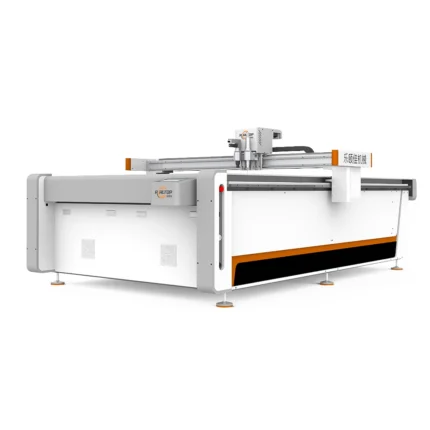
REALTOP 2026 Digital Industrial Cardboard Box Cutter
Product Introduction
REALTOP Digital Industrial Cardboard Box Cutter Machine 2026 is a professional industrial-grade cutting equipment designed for efficient cardboard box processing, ideal for manufacturing and packaging applications.
Product Parameters
| Model | 2026 |
| Type | Digital Industrial Cardboard Box Cutter |
| Application | Cardboard Box Processing |
| Feature | Industrial-grade, Efficient Cutting |

商品评价
There are no reviews yet.