





Carton Box Making Machine Corrugated Cutter | Manufacturer
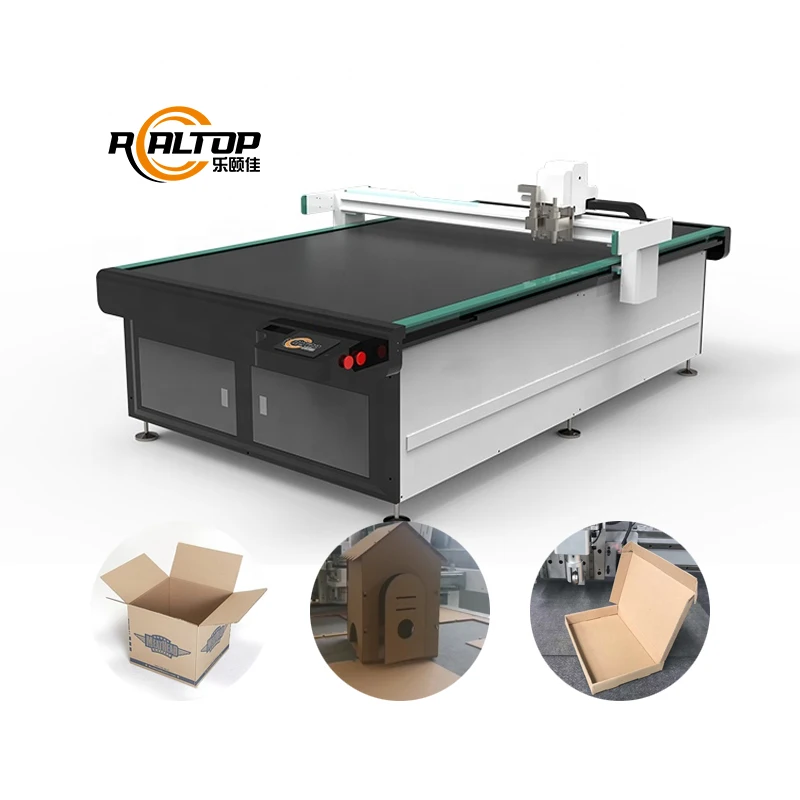
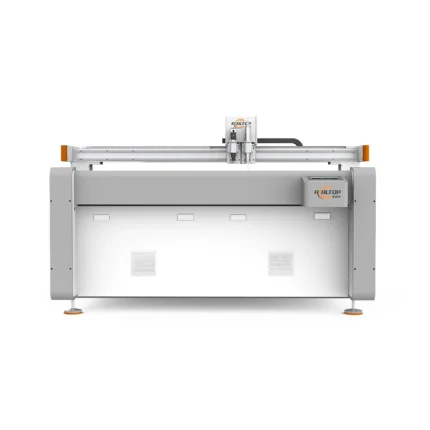
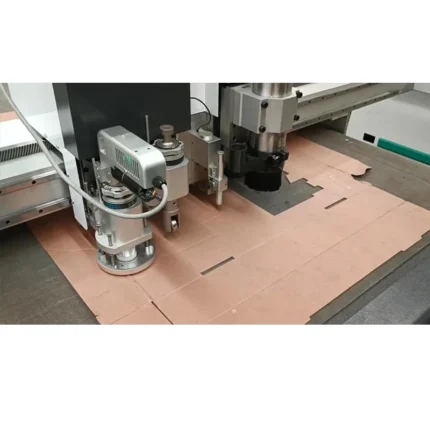
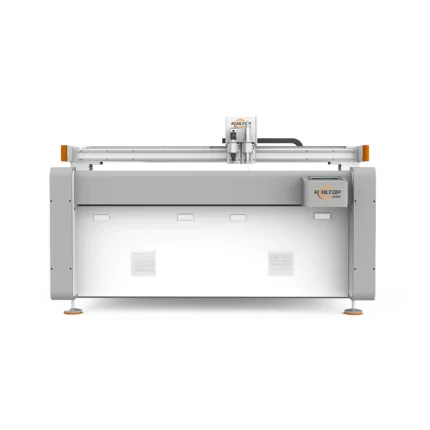
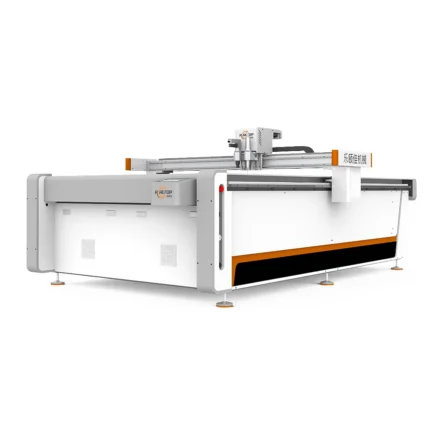
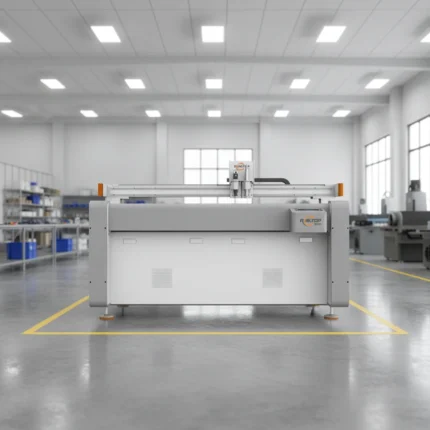
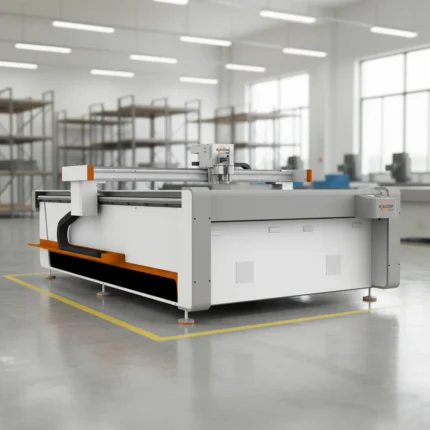
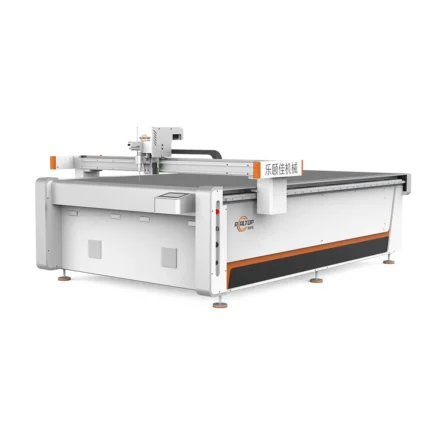
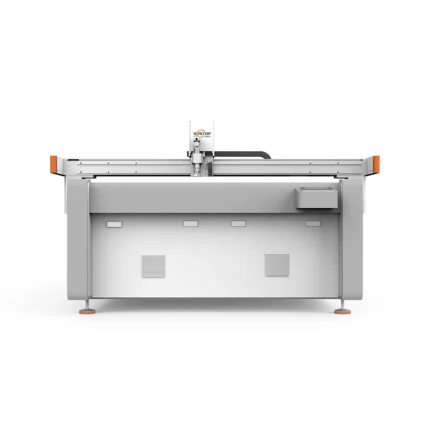
RT-D2516/RT-S2516 CNC Oscillating Knife Cutting Machine for Packaging, 1600×2500 mm, 9 kW — equipped with Taiwan Delta servo motors and Hiwin linear guides for precise carton and corrugated board processing.
- Unlike CO2 laser cutting, this oscillating knife system delivers clean, burn-free edges on cardboard and sticker materials without fume extraction requirements, making it ideal for packaging sample making where edge quality and workshop air quality matter.
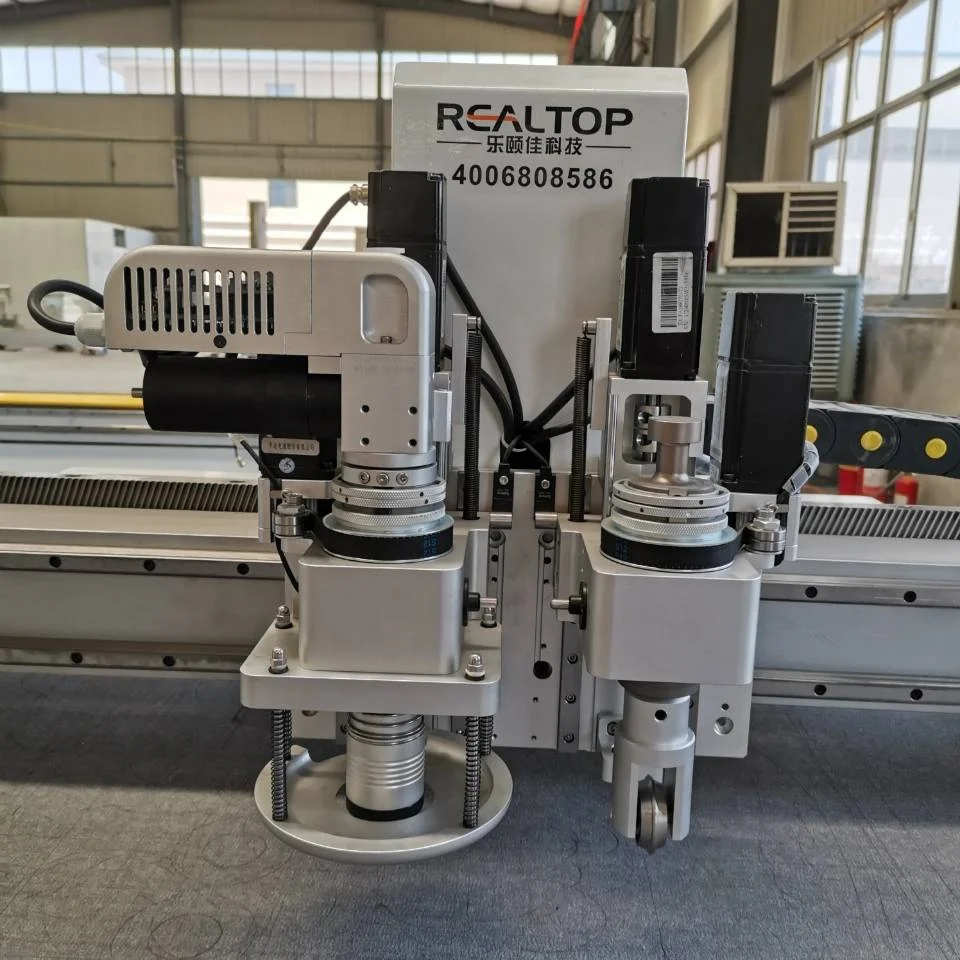
- Multifunctional tool head performs full cutting, half cutting, and creasing in a single setup, handling materials up to 100 mm thick with ≤0.1 mm repeated accuracy on an aluminum honeycomb vacuum table.
- Sample cutting on your own corrugated or card stock material is provided before commitment, with tool head configuration matched to your specific board weight and software file format confirmed prior to order.
Cold-Cut Process for Packaging — A vibrating knife replaces the laser beam on corrugated board, eliminating charred edges and exhaust extraction while preserving the fiber structure essential for box compression strength.
Technical Specifications
| Parameter | Value |
|---|---|
| Product Type | CNC Oscillating Knife Cutting Machine for Packaging |
| Model | RT-D2516 / RT-S2516 |
| Working Area | 1600 × 2500 mm |
| Overall Dimensions | 3450 × 2300 × 1250 mm |
| Rated Power | 9 kW |
| Vacuum Pump Power | 7.5 kW |
| Voltage | 380V ±10% |
| Transmission System | Digital servo motor, linear guide, synchronous belt, ball screw |
| Servo Motor | Taiwan Delta servo motors and drivers |
| Linear Guide | Taiwan Hiwin rail |
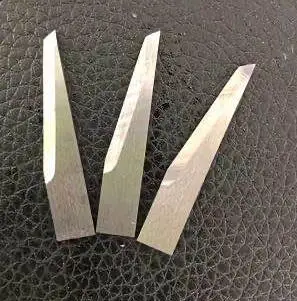
| Tool Head | Multifunctional head with Swiss imported knife |
| Supported Operations | Vibration full cutting, vibration half cutting, cursor location, creasing and indentation |
| Translational Velocity | 800–1200 mm/s |
| Cutting Speed | 200–800 mm/s (varies with material) |
| Cutting Thickness | ≤100 mm (varies with material) |
| Repeated Accuracy | ≤0.1 mm |
| Work Table | Aluminum alloy honeycomb vacuum adsorption platform |
| Table Surface | Wear-resistant anti-pull felt (composite fiber) |
| Feeding System | Auto feeding with Germany imported conveyor belt |
| Safety Device | Infrared sensors and emergency stop |
| Control Format | HP-GL compatible |
| Software | Professional carton nesting software included |
| Language Options | English, Russian, Italian, Chinese; special languages customizable |
Application Suitability
| Application | Material or Output |
|---|---|
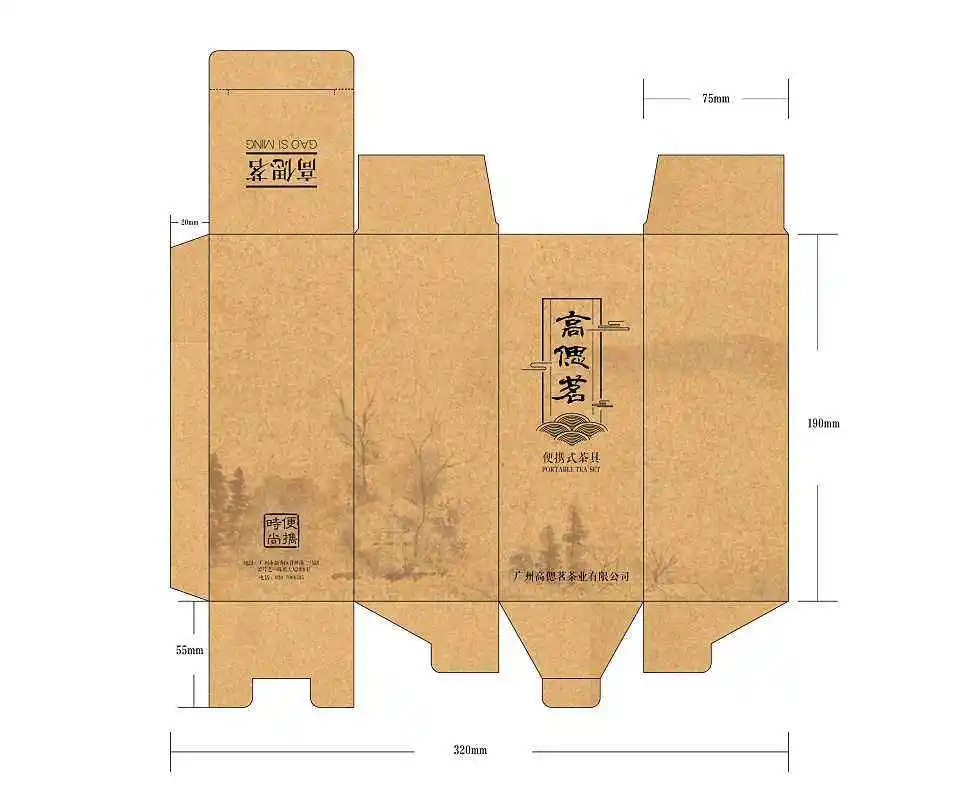
| Carton box sample making | Corrugated board, single-face and double-face flute profiles |
| Short-run packaging production | E-flute, B-flute, and BC-flute corrugated sheets |
| Gift box and premium packaging | Greyboard, chipboard, and coated art paper |
| Sticker and label contour cutting | Self-adhesive vinyl, sticker sheets on release liner |
| Hang tag and business card production | Cardstock and laminated paper stocks |
| Flexible material converting | PVC, silicone rubber, composite sponge leather |
Why Corrugated Fibers Burn Before the Cut Is Finished
When buyers search for a laser cutting and engraving machine manufacturer to solve their packaging sample problem, the assumption is that a CO2 beam handles every non-metal equally. On corrugated board, thermal cutting destroys the very flute structure that gives the box its stacking strength.
I watched a 150-watt CO2 tube try to kiss-cut a B-flute shipping carton sample. The beam sealed the outer kraft liner, but the inner medium charred and collapsed along the cut path. The box failed its compression test because the crush zone extended two millimeters inward from every score line. That is a laser physics problem, not a parameter tuning problem — cellulose ignites before it vaporizes cleanly at the flute tips [NEED_CITE: thermal degradation temperature of corrugated medium fibers].
Edge Integrity Without Thermal Damage
A laser cutting and engraving machine manufacturer typically frames CO2 processing around edge sealing on acrylic or engraving resolution on anodized aluminum. Those are genuine laser strengths. But packaging substrates — corrugated, chipboard, art paper — do not need sealed edges. They need intact fibers. The oscillating knife on the RT-D2516 / RT-S2516 shears through flute walls without melting the starch adhesive between plies, so the compression rating of the finished carton remains unaffected by the cutting process itself.
Smoke Extraction Is a Cost You Can Eliminate
Running a CO2 laser on corrugated board at production speed generates visible smoke and particulate. Facilities need extraction ductwork, filtration, and in many jurisdictions, air quality permits [NEED_CITE: industrial air quality compliance for thermal processing of cellulosic materials]. The knife head produces zero smoke, zero fumes, and zero volatile emissions. For a packaging studio inside a commercial building or a shared workshop, this removes a regulatory and infrastructure burden that laser processing would impose.
How Drive Components Translate to Crease Accuracy
Taiwan Servo and Rail Package
The Delta servo motors paired with Hiwin linear guides keep the creasing wheel tracking within ≤0.1 mm repeatability across the full 1600 × 2500 mm travel. On a complex carton blank with six score lines converging at a single glue flap, even a small positional drift produces a misaligned fold that rejects the sample. Servo response at the rail level determines whether your crease hits the same coordinate on the fiftieth sheet as it did on the first.
Honeycomb Table and Small-Part Hold-Down
The aluminum honeycomb vacuum platform distributes suction across the full bed area. When cutting sticker contours or small hang tags, the adhesive backing can lift the part as the knife exits the cut path. Zoned vacuum — if specified at order — keeps small nested pieces pinned through the final pass [NEED_CITE: vacuum zoning requirements for die-less digital cutting of adhesive materials].
Knife Versus Laser Speed Reality
The listed translational velocity of 800–1200 mm/s and cutting speed of 200–800 mm/s reflect mechanical travel, not necessarily throughput compared to a laser head. On intricate carton blanks with many direction changes, acceleration and deceleration dominate cycle time. Request a timed sample cut on your own flute profile and nesting layout to see real cycle figures before committing to a volume claim.
The Cost of Wrong Tooling on Your Material
A buyer once specified a drag knife for 3 mm greyboard because the working area and price looked right. The drag knife dragged, literally — it tore the top ply and left a feathered edge that ruined the print registration on the finished luxury box. The correct head for that stock is the oscillating knife at the frequency and amplitude matched to board density. Without a material test report before shipment, you discover this mismatch on your factory floor, not ours [NEED_CITE: oscillating versus drag knife selection for paperboard density ranges].
Why Procurement Flows Through Jinan
Our in-house design team covers both knife and laser cutting technologies, so we recommend the process that fits your material rather than forcing one method. The RT-D2516 / RT-S2516 configuration is specified per your board flute, thickness, and daily sample volume. We confirm software file-format compatibility before order, so your existing packaging CAD exports load without manual redrawing. Voltage, control language, and plug type are locked to your facility spec before the machine enters assembly. Every order ships only after a sample cut report on your actual corrugated or chipboard stock verifies edge quality, crease depth, and cutting speed.
Documentation & Verification
- Machine specification sheet listing confirmed knife head and table configuration
- Electrical schematic with your 380V ±10% voltage and frequency noted
- Sample cutting report run on your corrugated board before dispatch
- Software licence and file format compatibility confirmation document
- Spare parts list covering knives, felt strips, and vacuum pump consumables
Installation, Commissioning & Support
- Floor space must accommodate 3450 × 2300 mm footprint plus material staging
- Dedicated 380V circuit rated for 9 kW machine plus 7.5 kW vacuum pump
- Machine ships fully assembled; rigging requires overhead clearance above 1250 mm height
- First-run parameter tuning for your specific flute profile and crease depth
- Operator training on nesting software, tool change, and felt replacement cycle
- Wearing parts inventory: oscillating knife blades, anti-pull felt strips, vacuum seals
Before You Request a Quote
Send us the exact corrugated flute type and board thickness you cut most often, your typical carton blank dimensions, and your daily sample volume target. Tell us your local voltage and frequency so we confirm electrical compatibility. If you use specific packaging design software, share a sample export file so we verify nesting import before the machine is built.
Frequently Asked Questions
Q: How does knife cutting compare to CO2 laser on corrugated board edge quality?
A: A CO2 laser thermally cuts corrugated fibers, which can char the flute tips and weaken the crush zone near every cut line. The oscillating knife shears fibers mechanically, leaving the flute structure intact and producing no smoke or odor. Edge appearance on kraft liner is clean on both methods, but the structural difference matters for compression-rated shipping cartons.
Q: Should I choose knife or laser for my packaging material?
A: If your primary material is corrugated board, chipboard, or sticker stock, the knife process avoids thermal damage and extraction requirements. If you also process acrylic displays or engrave anodized nameplates, a CO2 laser handles those tasks. Some packaging operations run both — knife for carton blanks, laser for signage and decorative inserts.
Q: Will my packaging design software export files this machine can read?
A: The control system accepts HP-GL compatible formats and the included nesting software imports multiple common vector file types. Before order confirmation, we test your actual exported files through the software workflow to verify that cut lines, crease lines, and contour paths transfer correctly without manual redrawing.
Q: How do you confirm voltage compatibility before shipment?
A: Our standard configuration is 380V ±10%. We require your facility voltage and frequency at the inquiry stage. If your site runs a different supply, we configure the transformer and motor wiring to match and document the final electrical specification on the schematic before the machine leaves the factory.
Q: How is sample cutting arranged before I commit?
A: You send a representative sheet of your actual corrugated or chipboard stock to our Jinan workshop. We run the cut on the configured machine head, record speed, edge quality, and crease accuracy, then ship the finished samples and a written test report back to you for evaluation before you approve the order.


Related products
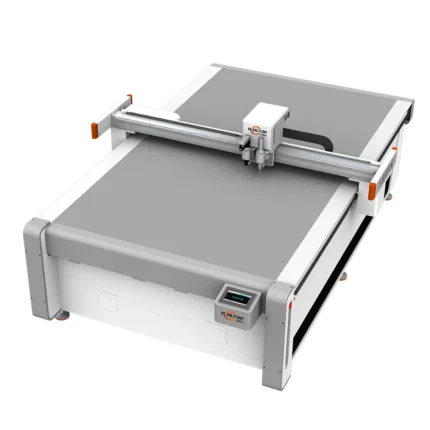
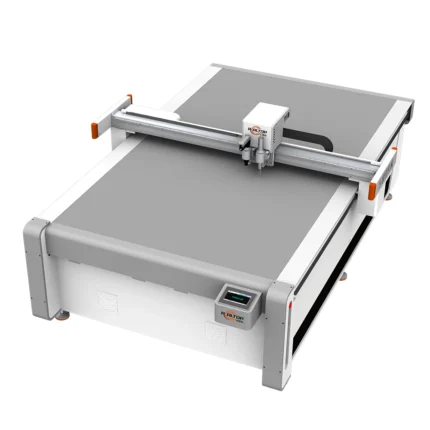
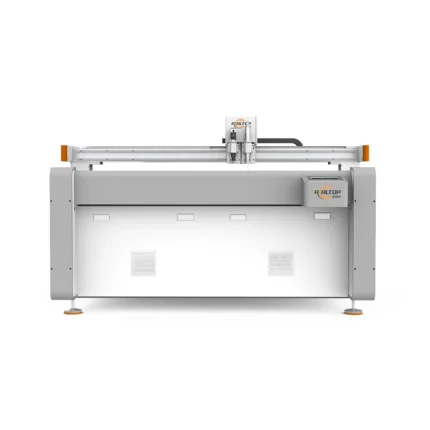
Automatic CNC Cutter Plotter 2026 Flat Bed Cardboard Cutter
Product Introduction
Automatic CNC Cutter Plotter 2026 is a flat bed cardboard cutting machine designed for precise and efficient cutting tasks. Ideal for various cardboard processing needs, it combines advanced CNC technology to deliver accurate results, suitable for manufacturing and packaging applications.Product Parameters
| Type | Automatic CNC Cutter Plotter |
| Model | 2026 |
| Design | Flat Bed |
| Application | Cardboard Cutting |
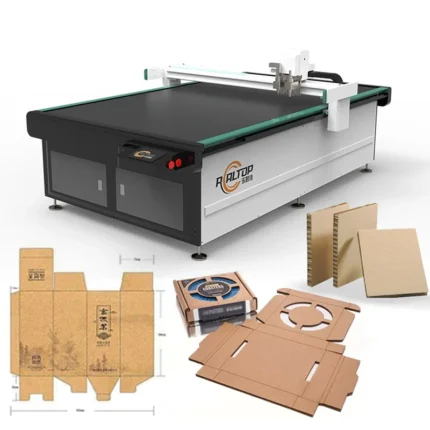
Automation CNC Pizza Box Machine 2026 Rotary Die Cutting
Product Parameters
| Type | Automation CNC Pizza Box Machine |
| Model Year | 2026 |
| Cutting Technology | Rotary Die Cutting |
| Operation | Automated CNC Control |
Introduction
This 2026 Automation CNC Pizza Box Machine features advanced rotary die cutting technology, ensuring precise and efficient pizza box production. With automated CNC control, it offers high productivity and accuracy for professional manufacturing needs.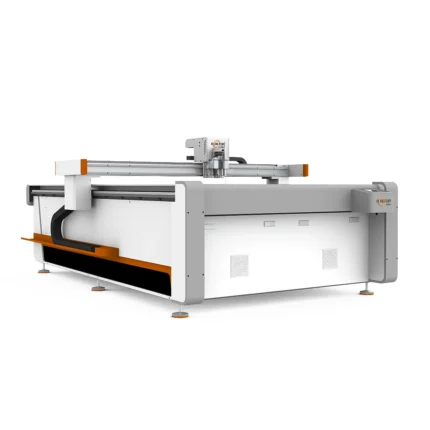
CNC Flatbed Cutter 2026 Digital Corrugated Box Making Machine
Product Introduction
High-precision CNC flatbed cutter designed for efficient cardboard box production. Ideal for 2026 digital corrugated box manufacturing, offering precise cutting and reliable performance for professional packaging solutions.
Key Specifications
| Type | CNC Flatbed Cutter |
| Application | Cardboard Box Production |
| Technology | 2026 Digital System |
| Material | Corrugated Board |

CNC Flatbed Oscillating Knife Cutting Machine 2026
Product Introduction
High-performance CNC Flatbed Oscillating Knife Cutting Machine 2026, ideal for precision cutting of various materials with advanced oscillating knife technology, ensuring efficient and accurate operations for industrial manufacturing needs.Specifications
| Model | 2026 |
| Type | CNC Flatbed Oscillating Knife Cutting Machine |


Digital CNC Cardboard Cutting Machine 2026
Product Introduction
High-precision Digital CNC Cardboard Cutting Machine 2026, ideal for efficient cardboard processing with advanced CNC technology, ensuring precise and fast cutting performance for various packaging and craft applications.
Key Specifications
| Model | 2026 |
| Type | Digital CNC Cutting Machine |
| Material | Cardboard |
| Feature | High Precision, Efficient Cutting |
Realtop 2026 Digital Box Cutter High-Speed Corrugated Board
Product Introduction
Realtop Digital Box Cutting Machine 2026 is a high-speed solution for corrugated board cutting, designed for efficient and precise box production in manufacturing settings.Key Specifications
| Model | 2026 |
| Type | Digital Box Cutting Machine |
| Application | Corrugated Board |
| Feature | High-Speed Cutting |
商品评价
There are no reviews yet.