








CNC 2026 Plotter Carton Box Cutting Machine – Custom Build
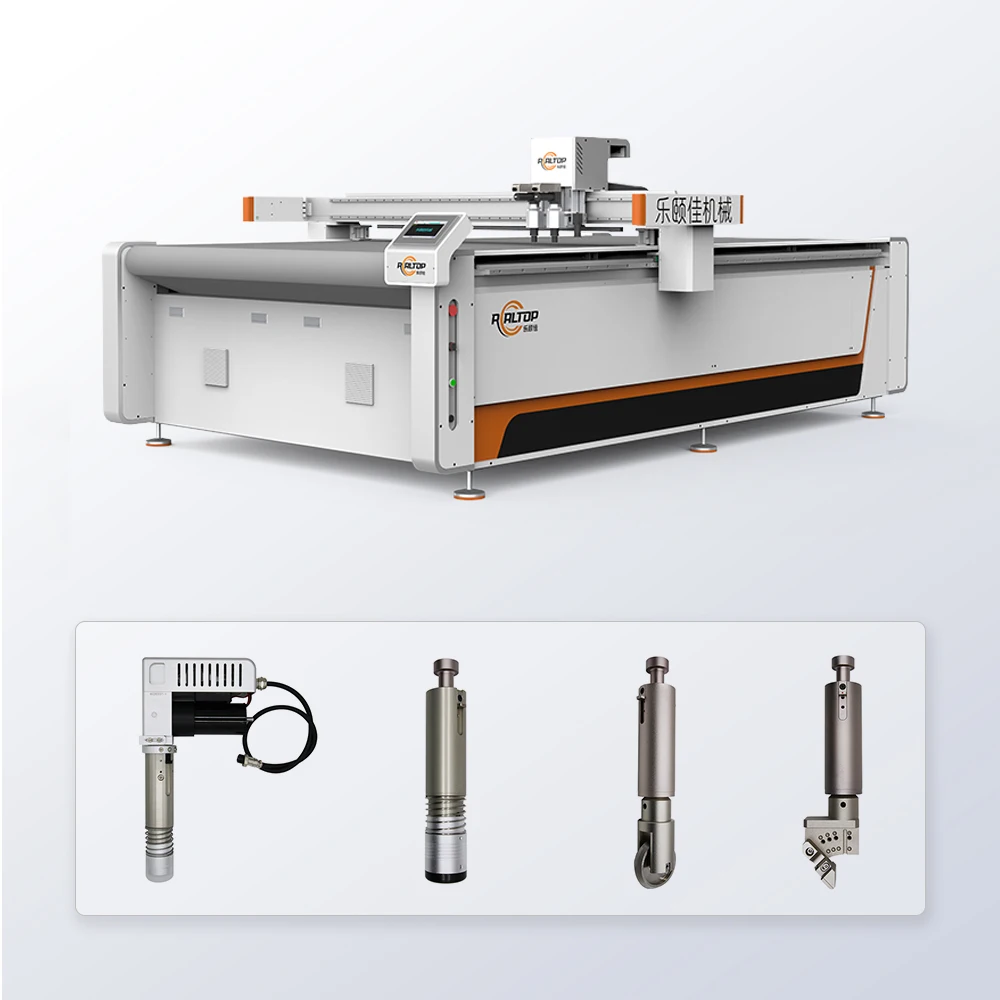
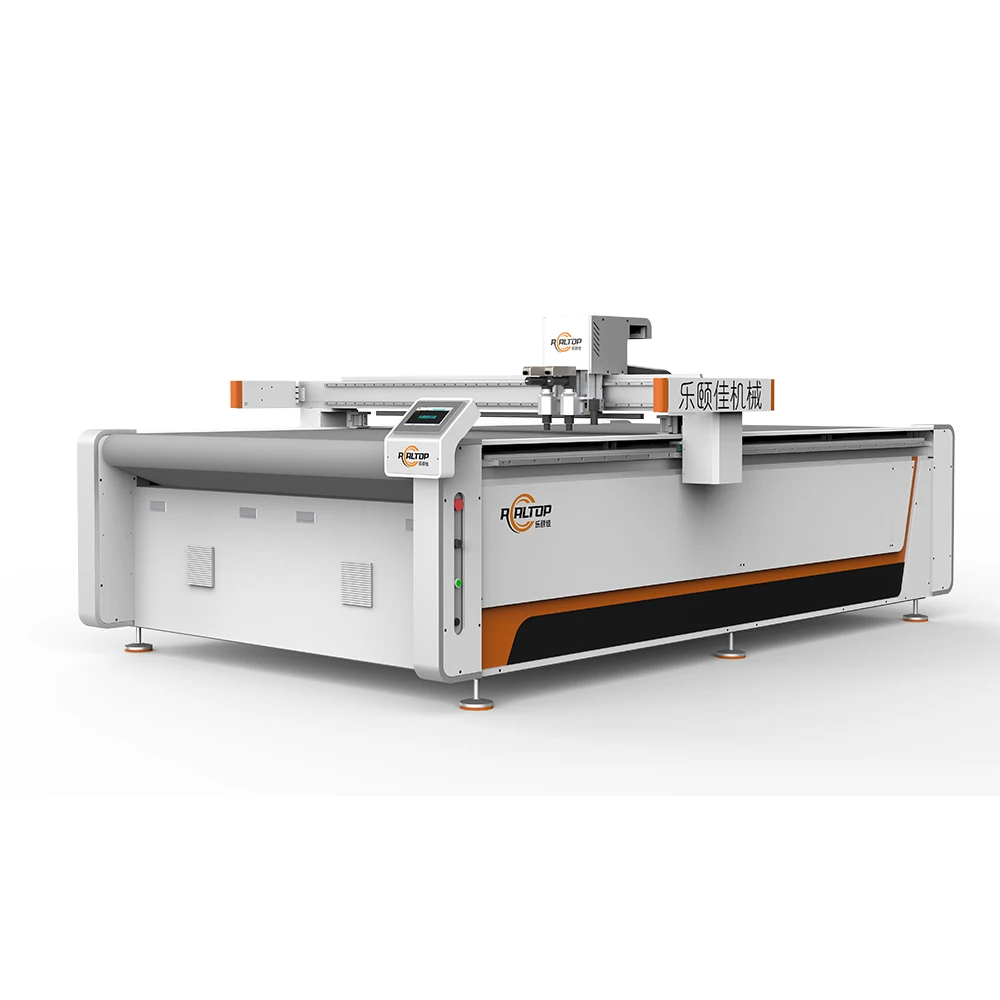
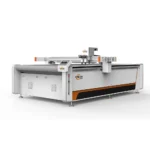
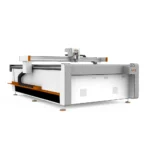
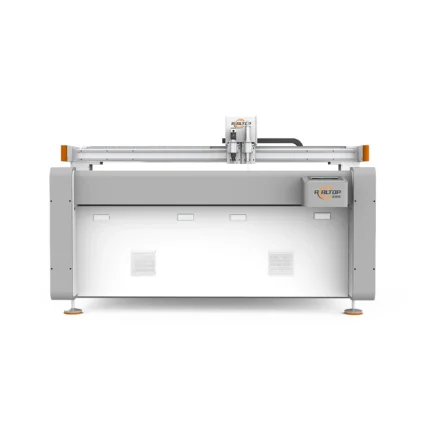
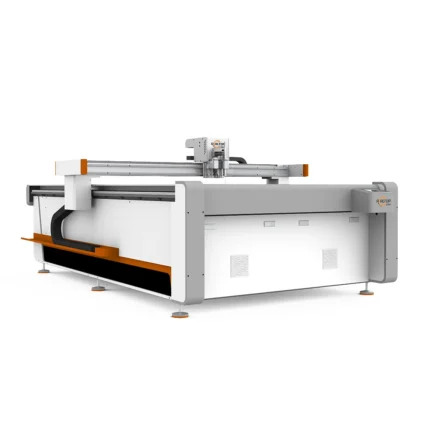
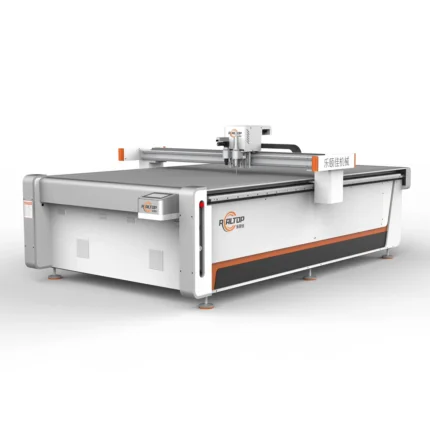
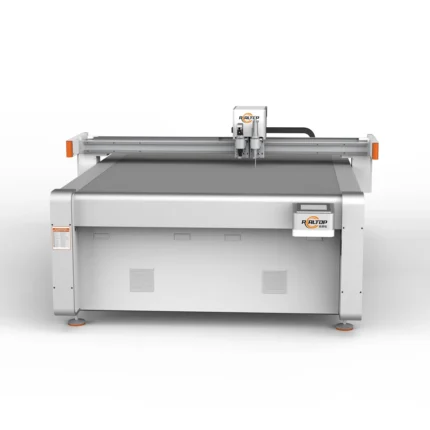
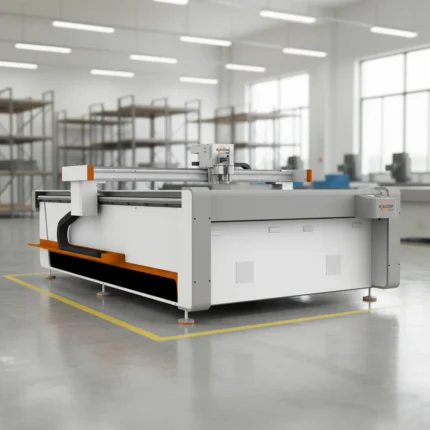
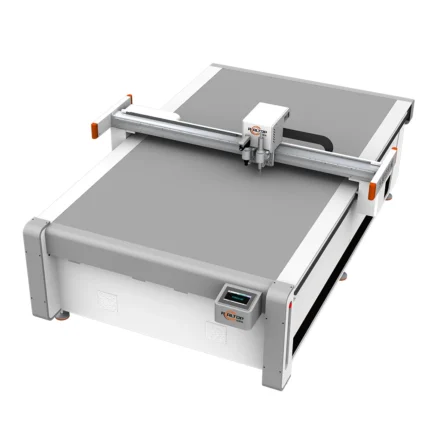
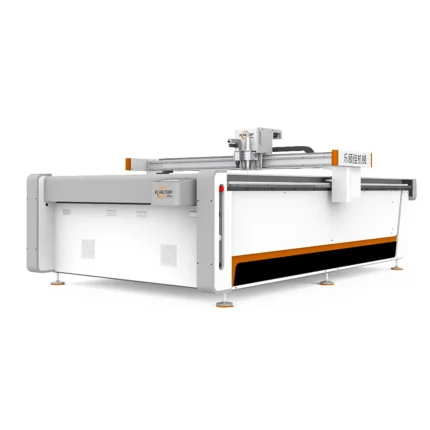
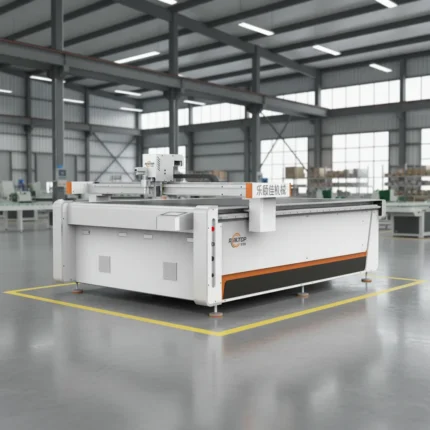
1625 CNC Oscillating Knife Cutting Table for Packaging, 1600×2500 mm Working Area, ≤40 mm Cutting Thickness — equipped with seven interchangeable tool heads including oscillating knife, driven rotary knife, creasing wheel, and V-groove knife for precise edge finishing on corrugated board, foam inserts, and composite packaging materials.
- Aluminum bellows vacuum table ensures consistent hold-down across the full work surface, with dedicated packaging box structure design software supporting PLT, DXF, AI, and PDF file formats
- PLC control panel offers customizable display languages and multiple servo drive options, validated through factory testing before shipment
Sample cutting on your specific board flute or foam type is available before commitment, with a full report on edge quality, cycle time, and recommended tool head configuration.
Customizable Electrical Standards — We verify voltage, frequency, and plug specifications for each destination market before production begins, eliminating the transformer delays that plague poorly coordinated shipments.
Technical Specifications
| Parameter | Value |
|---|---|
| Model | 1625 |
| Product Type | CNC Oscillating Knife Cutting Table for Packaging |
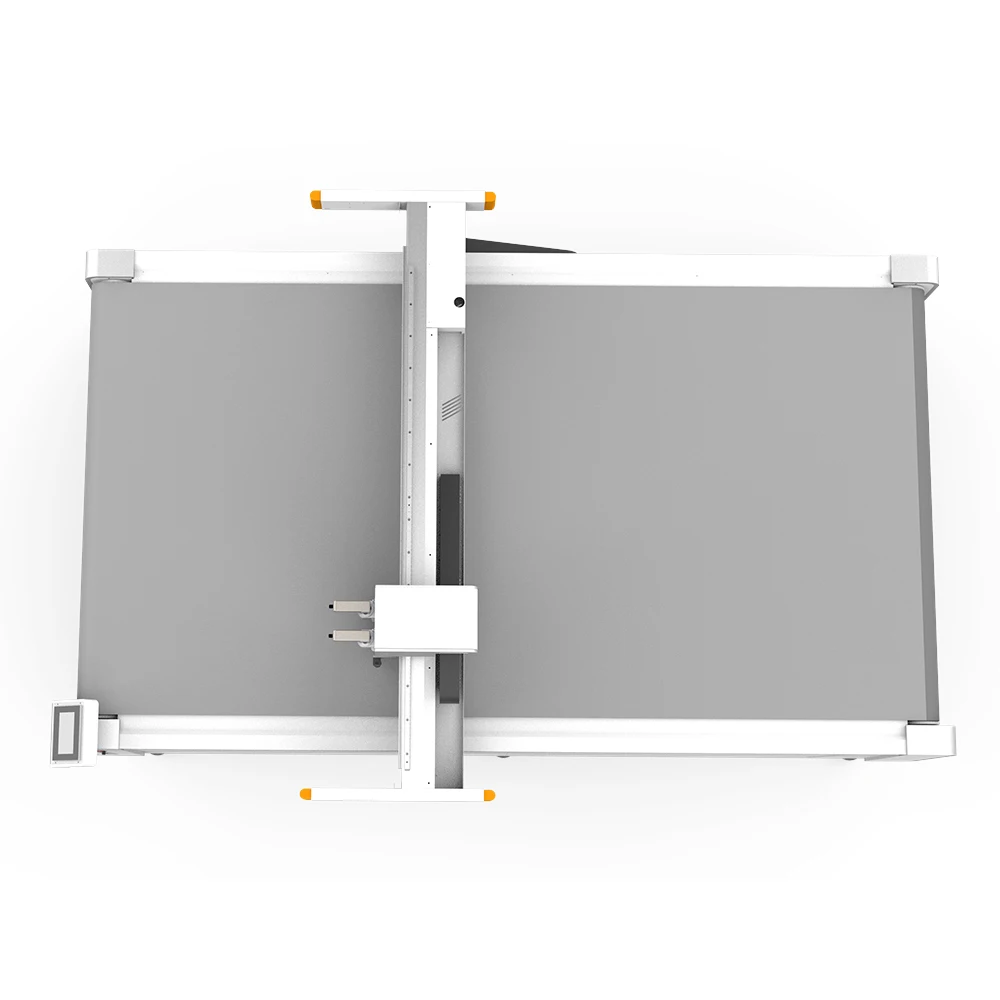
| Working Area | 1600×2500 mm |
| Machine Dimensions (L×W×H) | 3300×2100×1350 mm |
| Tool Heads Available | Oscillating knife, Driven rotary knife, Creasing wheel, Kiss cutting tool, Pneumatic knife, Milling tool, V-groove knife |
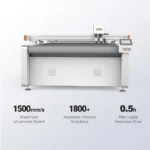
| Cutting Speed Range | 0–1500 mm/s |
| Cutting Thickness Capacity | ≤ 40 mm (basis to be confirmed per material type and density) |
| Cutting Accuracy | ±0.1 mm |
| Vacuum Pump Power | 9 kW |
| Voltage Options | 110V / 220V / 380V (frequency to be confirmed) |
| Vacuum Table Type | Aluminum bellows vacuum table |
| Control System | PLC control panel with optional display languages |
| Servo Drive Options | Panasonic, Delta, Dorna (source value — verify against manufacturer catalog) |
| Safety Features | Infrared sensor device, emergency stop device |
| Compatible File Formats | PLT, DXF, AI, PDF |
| Dedicated Software | Packaging box structure design software |
| Interface Languages | English, Russian, Italian, Chinese (special languages customizable) |
| Certification | CE |
Application Suitability
| Application | Material or Output |
|---|---|
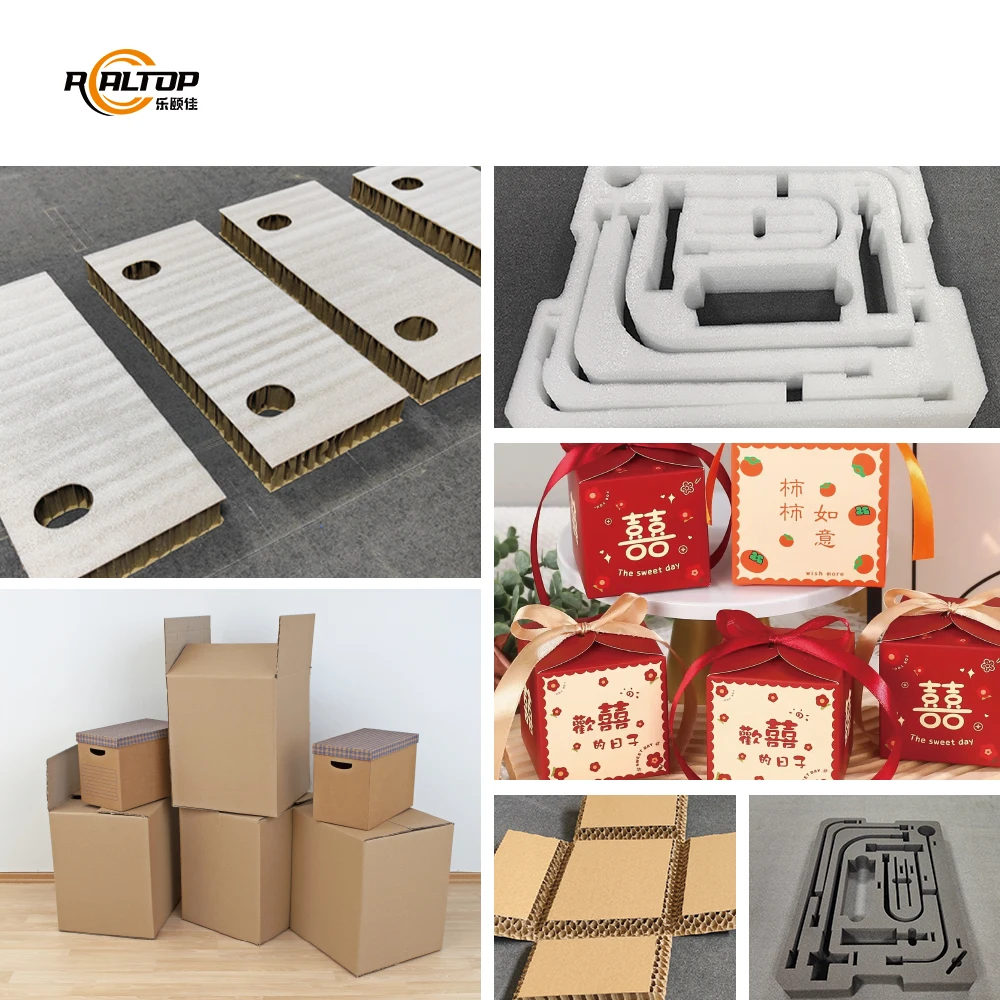
| Corrugated Box Prototyping | E-flute, B-flute, and BC-flute corrugated cardboard |
| Greyboard and Cardstock Processing | Greyboard, art paper, specialty paper |
| Protective Packaging Fabrication | EVA foam, EPE foam, PU foam inserts |
| Custom Sample Making | Small-batch and customized packaging production without die-cut molds |
| Non-Metal Gasket and Mat Cutting | Rubber mats, velvet/fleece fabric, non-woven fabric |
| Thin Plastic and Composite Cutting | PVC, PET sheets, composite and adhesive-backed materials |
| Leather and Synthetic Processing | Leather, synthetic leather for packaging accents |
What "Cutting Thickness ≤ 40 mm" Actually Means for Your Material
The rated thickness is not a universal guarantee — it shifts with material density, flute structure, and tool head selection.
When I first started reviewing cutting specifications from the quality control bench here in Jinan, I noticed buyers frequently assumed the maximum thickness applied equally to dense greyboard and soft EVA foam. In production, a 40 mm EVA foam block cuts cleanly under oscillating knife pressure, while a 40 mm stack of BC-flute corrugated board compresses and tears if the wrong tool engages it. A laser cutting and engraving machine manufacturer producing both knife and laser systems understands this distinction because the cutting method must match the material, not the other way around. Selecting the correct flute-specific blade and vacuum hold-down pressure prevents ragged edges and crushed flutes that reject an entire sample batch [NEED_CITE: corrugated flute compression standards in digital cutting].
Tool Head Matching Across Packaging Materials
The 1625 platform supports seven interchangeable tool heads, each engineered for a distinct cut profile. The oscillating knife handles standard corrugated board and foam at production speed, while the driven rotary knife suits fabric and non-woven material where drag would distort the sheet. Creasing wheels score fold lines without penetrating the board, and the V-groove knife removes material to form rigid box corners. As a laser cutting and engraving machine manufacturer, REALTOP configures the tool head list per buyer material specification before the order is confirmed, so the machine arrives with the correct combination already installed and tested.
Vacuum Hold-Down and Material Stability
The aluminum bellows vacuum table provides a flat sealing surface across the full 1600×2500 mm work area, which matters when cutting small carton components or narrow foam inserts. A 9 kW vacuum pump generates the suction necessary to prevent material lift during high-speed traverses. Without adequate hold-down, thin cardstock shifts under the oscillating knife, producing dimensional errors that accumulate across a nesting layout. The table zoning must be confirmed during the sample cutting stage to ensure small parts remain seated throughout the cut cycle [NEED_CITE: vacuum table zoning requirements for small-part digital cutting].
Interpreting the Core Specifications for Production
Cutting speed is rated at 0–1500 mm/s, but actual throughput depends on path complexity, material resistance, and the number of tool changes per sheet. The ±0.1 mm accuracy figure applies to the motion system under controlled conditions; thermal expansion in a non-climate-controlled workshop will shift this value over a long production day. The PLC control panel accepts multiple display languages and integrates with packaging box structure design software that imports PLT, DXF, AI, and PDF files — buyers should verify their existing nesting workflow outputs one of these formats before ordering. Servo drive selection from Panasonic, Delta, or Dorna options influences maintenance parts availability in different export markets, a factor worth discussing during the specification confirmation stage.
The Cost of Skipping the Sample Cutting Report
I once traced a shipment rejection back to a buyer who approved the machine on working area alone, without requesting a cut sample on their specific 3 mm BC-flute board. The machine arrived, the oscillating knife crushed the flute at the cut entry point, and the edge quality failed their client’s visual standard. A sample cutting report on the buyer’s own material — documenting thickness, edge quality, and cycle time — costs nothing at the inquiry stage and prevents weeks of reconfiguration after delivery [NEED_CITE: digital cutting sample verification best practices].
Why Buyers Source This Equipment From REALTOP
The design team engineers both knife cutting tables and laser systems in-house, which means a packaging producer can evaluate whether oscillating knife or CO2 laser is the correct method for their specific material before committing to one platform. Tool head and table configuration is specified per buyer material and production volume rather than offered as a fixed package. The PLC control language, voltage, and plug type are confirmed before production begins — a step I now personally verify twice after watching a 415V shipment sit idle for twenty days awaiting a transformer. Software file format compatibility is documented before order, and every unit undergoes a factory test run on representative material before the packing photographs are taken.
Documentation & Verification
- Factory test record on buyer-supplied corrugated board thickness and flute type before dispatch
- Electrical schematic confirming voltage, frequency, and plug type for destination market
- Tool head and vacuum table configuration list matched to buyer material specification
- Software licence and file format compatibility note for packaging box structure design software
- Operation and maintenance manual in selected control language
- Sample cutting report on buyer material documenting edge quality and dimensional accuracy
Installation, Commissioning & Support
- Floor space allocation based on 3300×2100 mm machine footprint plus operator clearance on all sides
- Dedicated electrical circuit sized for the confirmed voltage option and 9 kW vacuum pump load
- Machine arrives on pallet with removable gantry; reassembly and leveling require precision instruments
- First-run parameter tuning for buyer’s specific flute board, foam, or cardstock material type
- Operator training on tool head changeover, vacuum zoning adjustment, and software nesting workflow
- Spare parts list covering oscillating knife blades, creasing wheels, and vacuum table seals
Requesting an Accurate Configuration Quote
To move from general inquiry to a firm quotation, share the material type, thickness, and sheet dimensions you will cut most frequently, along with your daily volume target. Specify the local voltage, frequency, and plug standard so the electrical system is built correctly from the start. If your design team already uses specific nesting or box structure software, send a sample file so we can confirm format compatibility before the order is placed.
Frequently Asked Questions
Q: How is the cutting thickness verified for my specific material?
A: We run a sample cut on your exact material — whether BC-flute corrugated board, EVA foam, or greyboard — and document the edge quality, dimensional accuracy, and cycle time in a written report. This sample cutting report is provided before you commit to the order, ensuring the ≤40 mm rating applies to your actual production material and density.
Q: Which tool head is recommended for my board flute or foam type?
A: Tool head selection depends on material structure. E-flute and B-flute board typically use the oscillating knife, while the creasing wheel scores fold lines and the V-groove knife handles rigid box corners. We specify the complete tool head list based on your material samples during the quotation stage and test each configuration before shipment.
Q: Does the packaging design software integrate with my existing workflow?
A: The dedicated packaging box structure design software imports PLT, DXF, AI, and PDF formats. Before your order is confirmed, we verify that your current nesting and design files export in one of these formats and document the compatibility in the software licence note included with your machine documentation.
Q: Can voltage and control language be customized for my market?
A: Yes. Voltage is configurable across 110V, 220V, and 380V options, and the PLC control panel display language is selectable from English, Russian, Italian, Chinese, or a customized option. We confirm frequency, plug type, and language during the specification stage to prevent the transformer delays that occur when these details are overlooked before shipment.
Q: What does the factory test include before my machine ships?
A: Each 1625 unit runs on representative material matching your specification. The factory test record documents vacuum hold-down performance, tool head cutting quality, motion accuracy, and PLC function. Packing photographs are taken after the test is signed off, giving you visual confirmation of the machine condition before it leaves the Jinan facility.


Related products
Automatic Digital Cardstock Cutter 2026 CNC Cutter
Product Introduction
Automatic Digital Cardstock Cutter 2026 is a CNC cutting machine ideal for white cardboard and kraft paper. It offers precise and efficient cutting performance, suitable for various paper processing needs in manufacturing and craft applications.Key Specifications
| Type | CNC Digital Cutting Machine |
| Material Compatibility | White Cardboard, Kraft Paper |
| Operation | Automatic |
| Application | Paper Cutting & Processing |

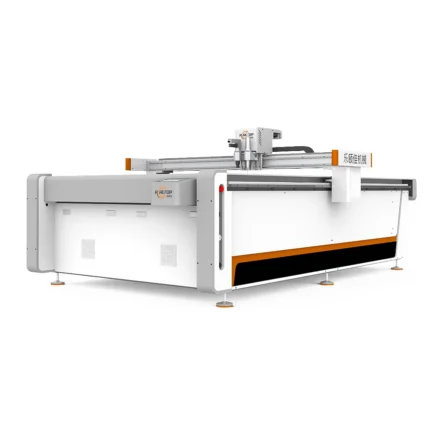
CNC Flatbed Oscillating Knife Cutting Machine 2026
Product Introduction
High-performance CNC Flatbed Oscillating Knife Cutting Machine 2026, ideal for precision cutting of various materials with advanced oscillating knife technology, ensuring efficient and accurate operations for industrial manufacturing needs.Specifications
| Model | 2026 |
| Type | CNC Flatbed Oscillating Knife Cutting Machine |
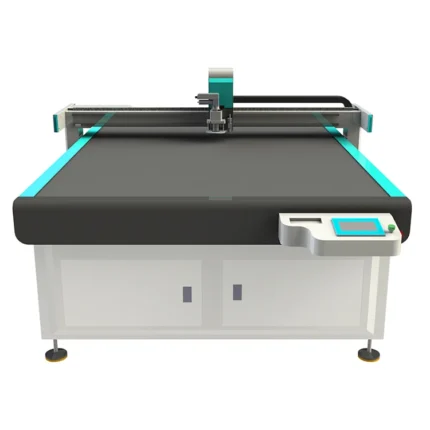
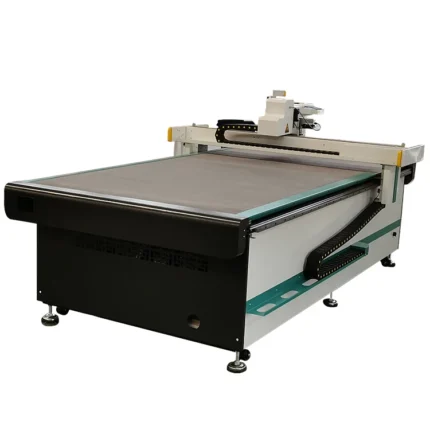
CNC Oscillating Knife Cutting Machine 2026 for Corrugated Cardboard & Honeycomb
Product Introduction
2026 CNC Oscillating Knife Cutting Machine, ideal for corrugated cardboard and honeycomb materials, offering precise and efficient cutting solutions for your production needs.Specifications
| Model | 2026 |
| Type | CNC Oscillating Knife Cutting Machine |
| Applicable Materials | Corrugated Cardboard, Honeycomb |
| Cutting Method | Oscillating Knife |

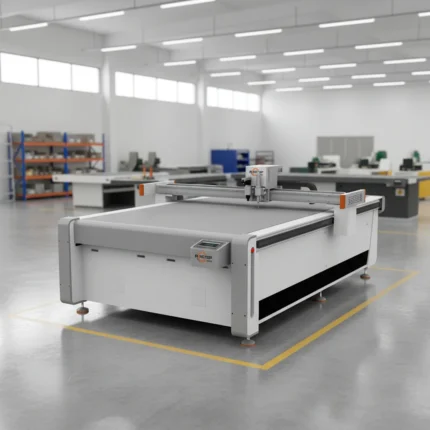
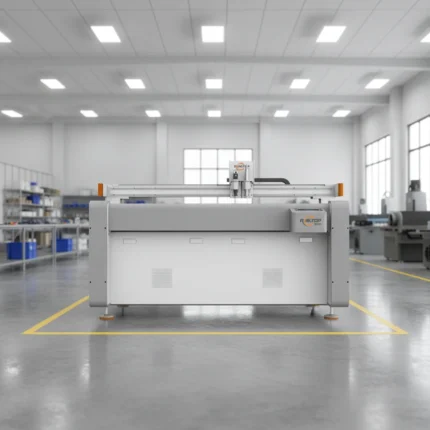
CNC Vibrating Knife Cutter 2026 Custom Cartons Packaging
Product Introduction
CNC Vibrating Knife Cutter 2026 is ideal for custom cartons & packaging, offering precise cutting solutions for various materials. Engineered by a leading Chinese welding & cutting equipment manufacturer, it ensures efficiency and accuracy for packaging production needs.Key Specifications
| Model | 2026 |
| Type | CNC Vibrating Knife Cutter |
| Application | Custom Cartons & Packaging |
| Manufacturer | Chinese Leading Factory |
商品评价
There are no reviews yet.