

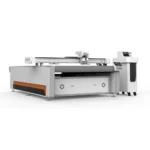
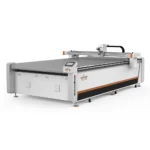
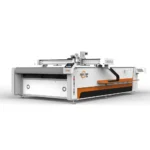

CNC Carbon Fiber Prepreg Cutting Machine 1625 | Factory Supply
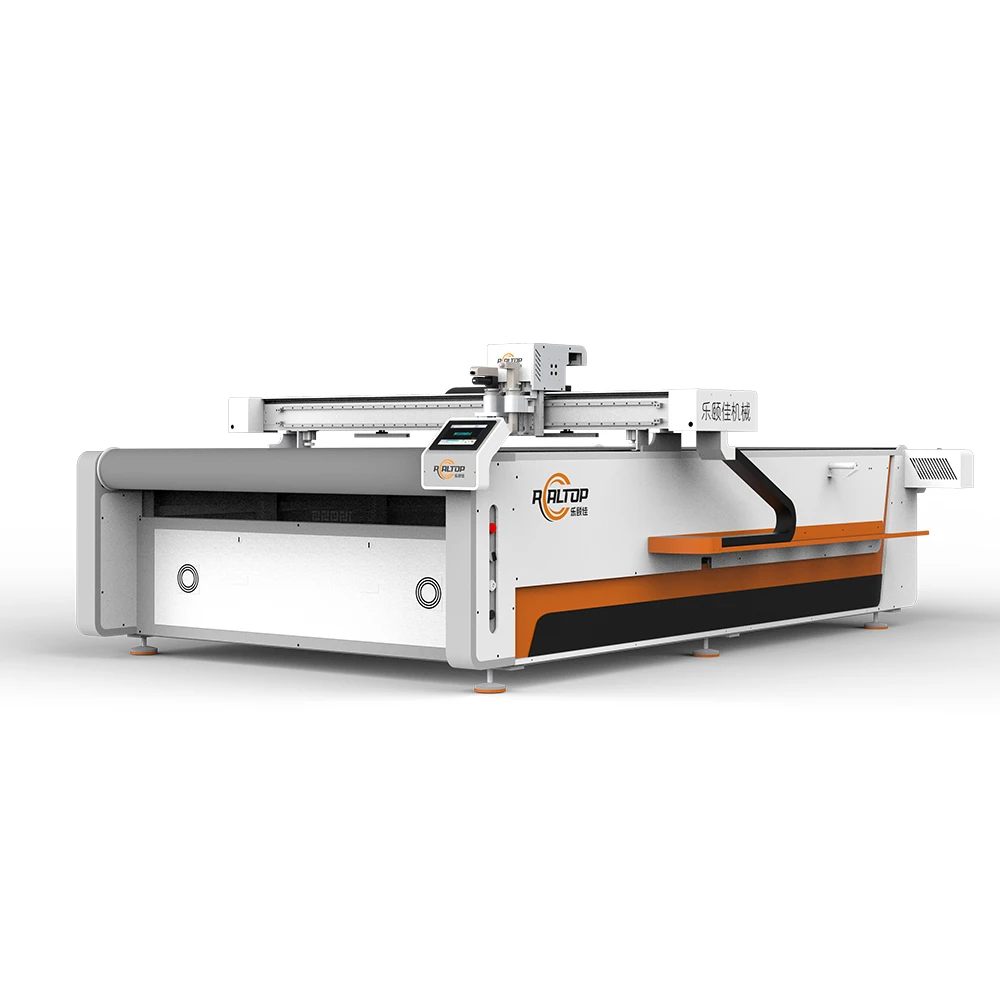
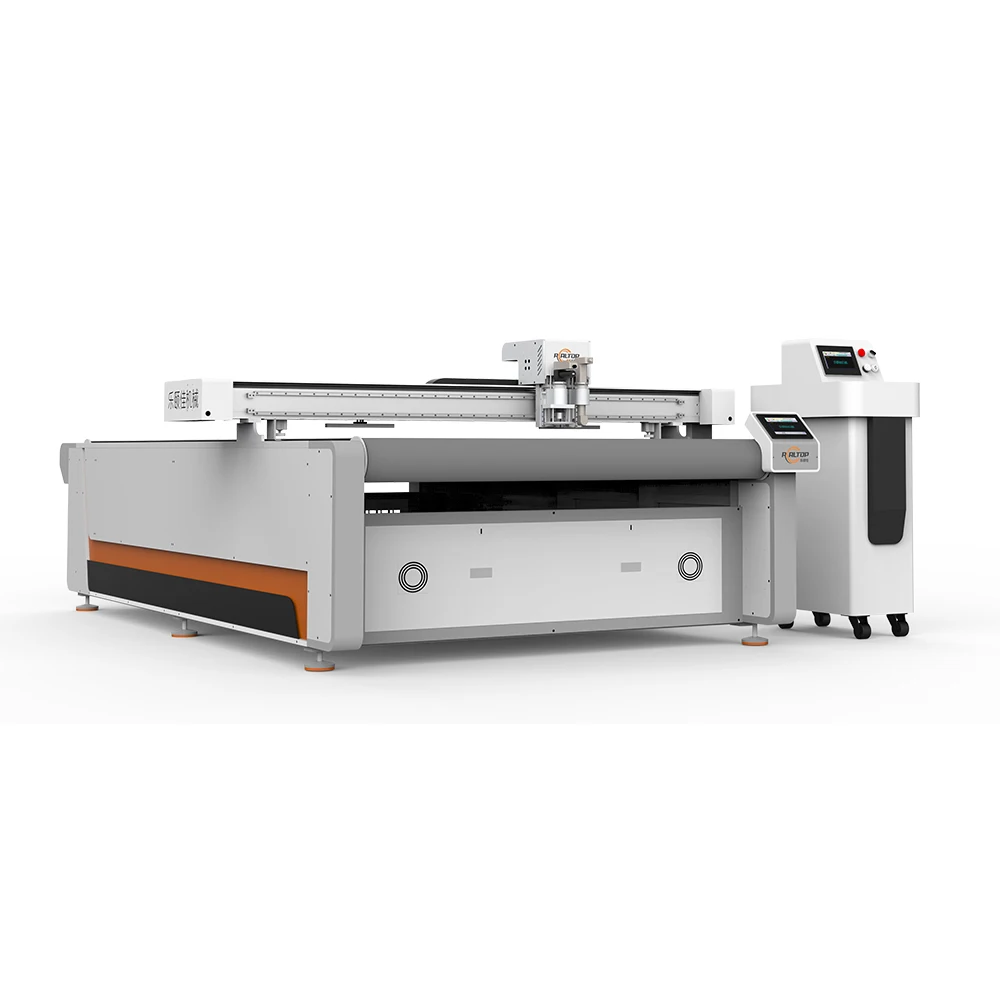
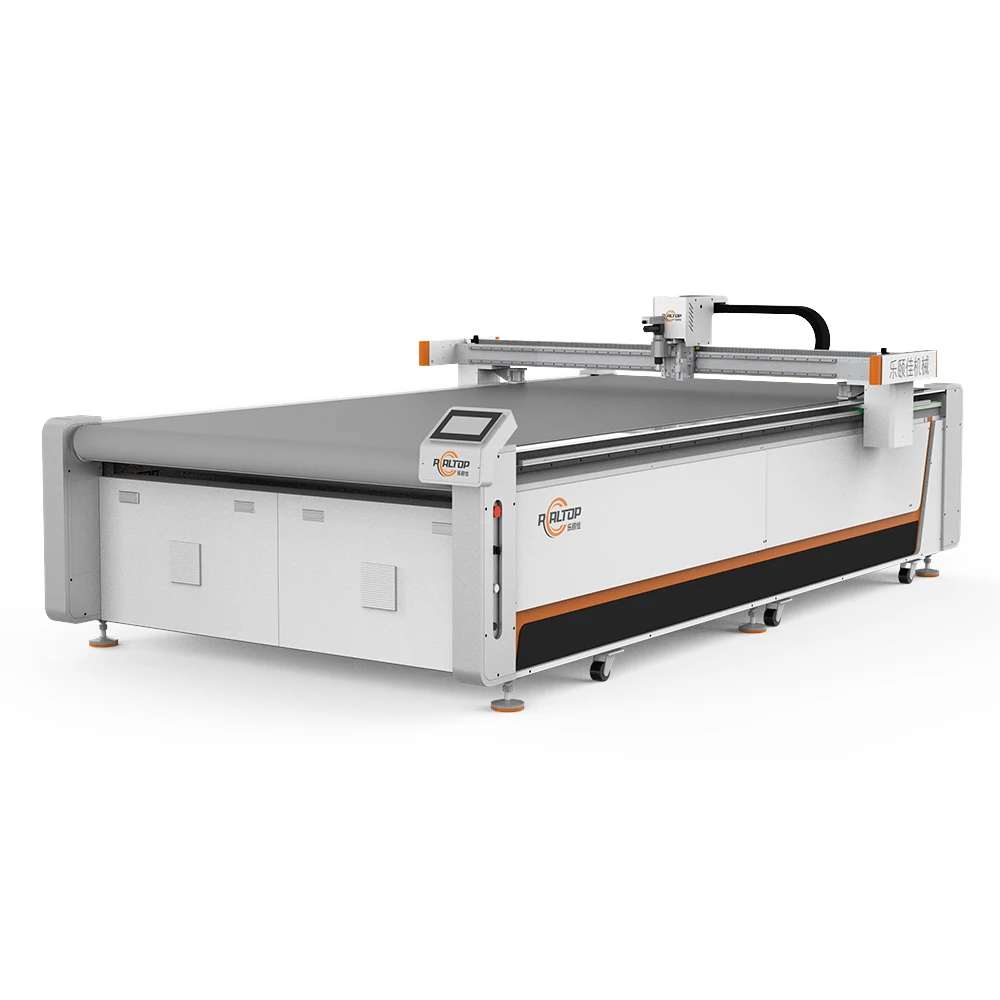
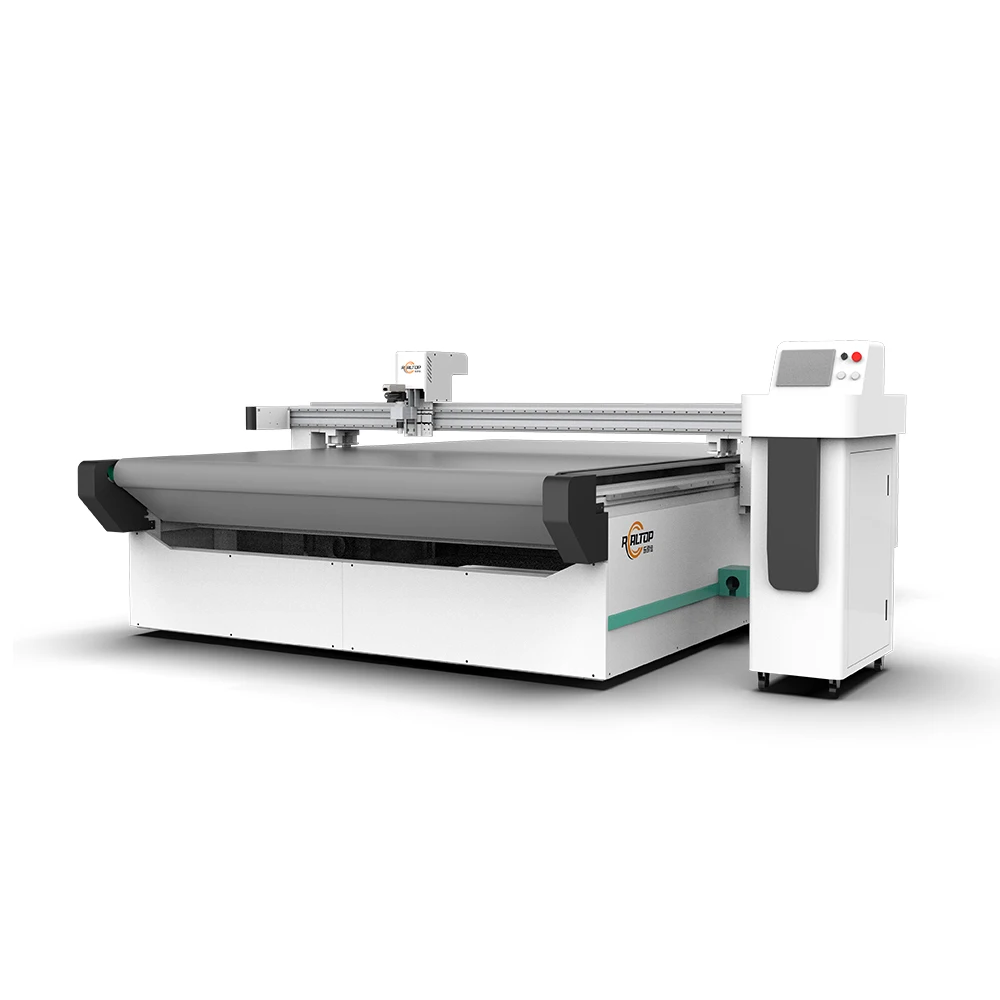
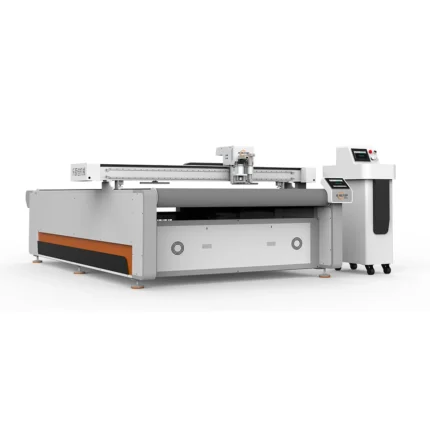
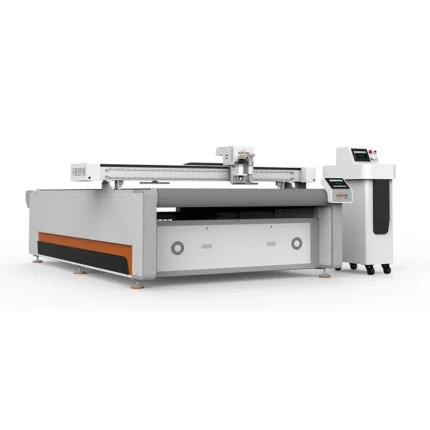
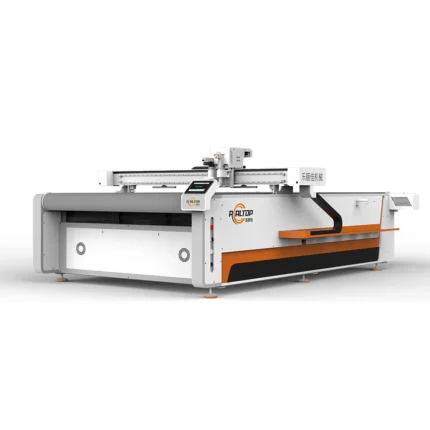
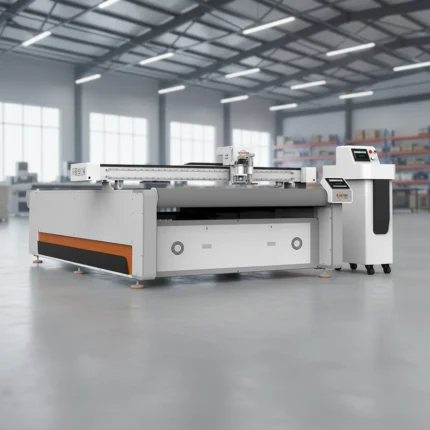
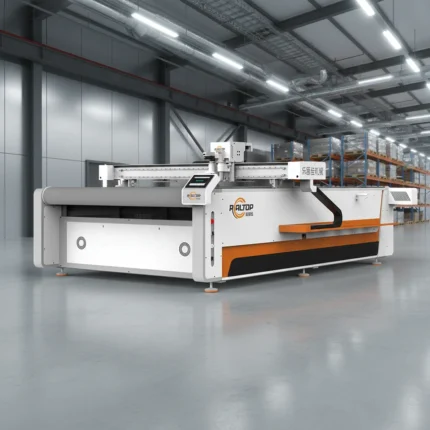
1625 CNC Oscillating Knife Cutting Machine, 1600×2500mm, ±0.1mm Accuracy, 9kW Vacuum — configured for cold cutting of carbon fiber prepreg, technical textiles and composites without thermal deformation or delamination common in laser processes.
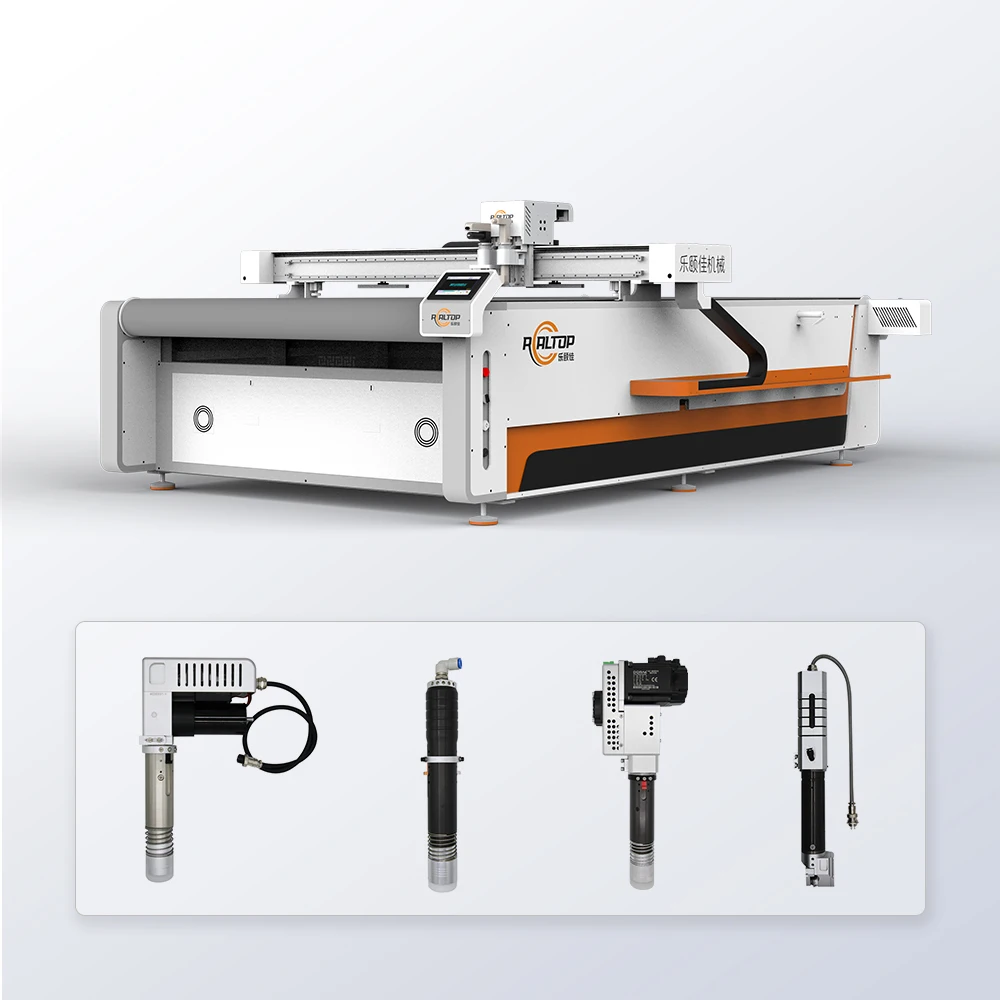
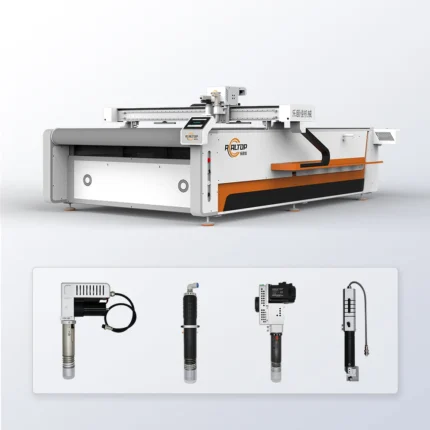
- Multi-tool head selection including oscillating knife, driven rotary knife, creasing wheel and pneumatic knife matched to material type and thickness
- Aluminum bellows vacuum table with PLC control and CCD contour recognition for precision cutting at speeds up to 2000mm/s
- Supports PLT, DXF, AI, PDF file formats with dedicated packaging design software included
Sample cutting on your specific material available before order commitment, with full documentation package including electrical schematics, tool configuration list and software compatibility verification for your production workflow.
Precision Cold Cutting for Composites — An in-house designed oscillating knife platform eliminates thermal degradation on prepreg and technical textiles, configured per material rather than forced into a single process.
Technical Specifications
| Parameter | Value |
|---|---|
| Model | 1625 |
| Product Type | CNC Oscillating Knife Cutting Machine |
| Working Area | 1600×2500 mm |
| Tool Head Options | Oscillating knife, Driven rotary knife, Creasing wheel, Kiss cutting tool, Pneumatic knife, Milling tool, V-groove knife |
| Cutting Speed | 0–2000 mm/s |
| Cutting Thickness | ≤30 mm (basis not stated in source) |
| Positioning Accuracy | ±0.1 mm |
| Vacuum Pump | 9 kW |
| Vacuum Table | Aluminum bellows vacuum table (zoning configuration to be confirmed) |
| Voltage | 110V, 220V, 380V (frequency not stated in source) |
| Servo Motors | Panasonic, Delta, Dorna options |
| Control System | PLC control panel with intuitive interface |
| File Formats Supported | PLT, DXF, AI, PDF |
| Software Language Options | English, Russian, Italian, Chinese (customizable) |
| Safety Devices | Infrared sensor, emergency stop |
| Machine Size | 3300×2100×1350 mm |
| Certification | CE |
Application Suitability
| Application | Material or Output |
|---|---|
| Composite layup and prepreg processing | Carbon fiber prepreg, aramid fabric, specialty laminates |
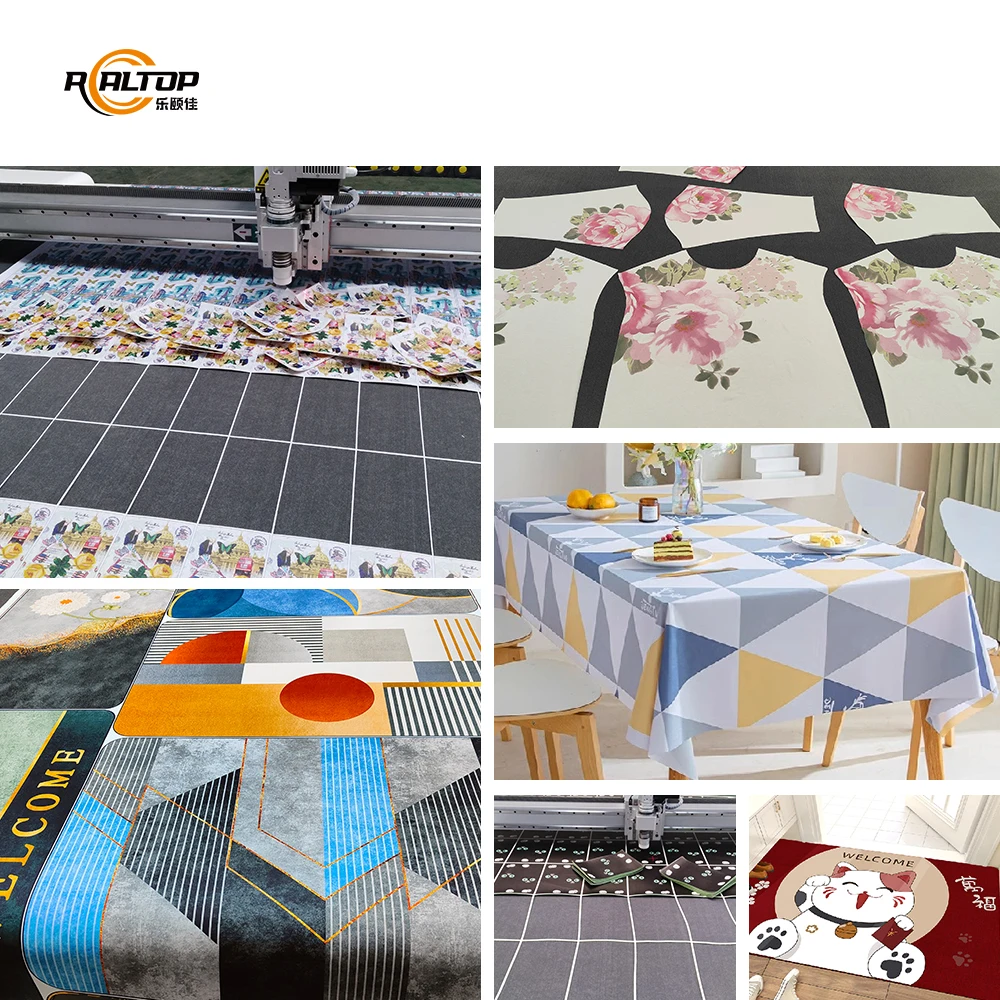
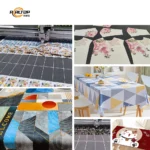
| Apparel and technical textile cutting | Suits, knitwear, lace, multi-layer complex fabrics |
| Automotive interior trimming | Seat fabrics, carpets, PVC floor mats |
| Home textile production | Sofa fabrics, curtains, rugs, multi-layer upholstery |
| Carton and packaging sample making | Corrugated board, cardstock, folding carton prototypes |
Why Knife Cutting Beats Laser on Carbon Fiber Prepreg
Cold knife cutting preserves resin chemistry and fiber alignment where thermal processes destroy both.
When a CNC laser cutting and engraving machine manufacturer quotes a CO2 system for composite cutting, the beam melts resin at the kerf, leaving a heat-affected zone that compromises the structural bond between fiber and matrix. On prepreg, this means delamination starts at the cut edge before the part even enters the autoclave. An oscillating knife severs fibers cleanly with zero thermal input, which is why aerospace and motorsport fabricators increasingly specify cold cutting over laser for any resin-impregnated material [NEED_CITE: thermal degradation thresholds of epoxy prepreg systems].
Matching Tool Head to Material Behavior
The 1625 platform offers seven distinct tool heads because no single blade geometry cuts carbon fiber prepreg the same way it cuts sofa velvet. An oscillating knife handles stiff prepreg plies at high speed, while a driven rotary knife suits continuous rolls of knit fabric without fraying the edge. Selecting the wrong tool head is the most common reason buyers report ragged edges or crushed foam — the machine is capable, but the configuration was never matched to the actual material stack.
Vacuum Holding and Small-Part Stability
The 9 kW vacuum pump paired with an aluminum bellows table generates the suction needed to hold flexible prepreg flat during cutting. However, vacuum zoning matters as much as total pump power. When cutting small gasket or pattern pieces, insufficient zone segmentation allows air to bleed under the material, causing lift and dimensional drift. Zone configuration must be confirmed against your smallest part footprint before the table is built.
Decoding the Specification Sheet
Positioning accuracy of ±0.1 mm means the carriage returns to the same coordinate within a tenth of a millimeter on every pass — critical when cutting multi-ply layups where a drift of half a millimeter accumulates across a full nesting sheet. The 1600×2500 mm working area accommodates standard prepreg roll widths while leaving room for nesting optimization software to arrange patterns for maximum yield. File format compatibility with PLT, DXF, AI, and PDF means your existing design workflow imports directly without conversion errors that shift contour lines. Voltage options across 110V, 220V, and 380V allow the electrical cabinet to be wired at the factory for your destination market, avoiding costly rewiring after arrival [NEED_CITE: voltage and frequency standards by export market].
The Hidden Cost of Skipping a Material Trial
I once configured an oscillating knife cutter for a client running carbon fiber prepreg based on standard epoxy test samples. The parameters looked clean on our bench. But their production material was a high-temperature cure prepreg with completely different resin tack — the blade loaded with resin buildup within minutes, leaving torn edges across an entire roll. Two days of production lost before I flew on-site and spent three days adjusting knife pressure and cutting speed to match their actual stock. Since then, every prepreg order gets a trial cut on the buyer’s own roll before the machine leaves the factory. Skipping this step is the fastest way to turn a capital investment into a downtime event [NEED_CITE: resin viscosity variation across prepreg cure chemistries].
Why Source This CNC Laser Cutting and Engraving Machine Manufacturer for Knife Cutting
REALTOP designs and builds both knife and laser platforms in-house, which means the cutting method is selected based on your material science rather than limited to whichever technology a single-process supplier offers. Tool head and table configurations are specified per material type and production volume, not pulled from a standard catalog page. CCD camera positioning is available for printed contour work on textiles where registration marks must be tracked at production speed. Software compatibility — including nesting modules and file format import — is verified against your existing workflow before the order is finalized. Sample cutting on your own material roll or sheet is standard procedure, producing a documented report on edge quality, cycle time, and cutting depth before you commit.
Documentation & Verification
- Machine specification sheet listing confirmed tool head and table configuration
- Electrical schematic with voltage and frequency matched to destination market
- Sample cutting report on buyer’s own prepreg or fabric stock
- Factory test record documenting positioning accuracy and cutting cycle
- Software licence with file format compatibility note for PLT, DXF, AI, PDF
- Spare parts list identifying consumable blades and vacuum table seals
Installation, Commissioning & Support
- Floor space allocation for 3300×2100 mm footprint plus material staging area
- Dedicated electrical circuit matching confirmed 110V, 220V, or 380V supply
- Table leveling and vacuum seal check across the 1600×2500 mm aluminum surface
- PLC control panel configured to operator’s selected language at first power-on
- Knife pressure and oscillation frequency tuned to your material during commissioning
- Consumable blade stock and vacuum seal spares identified in the parts manual
What to Include in Your Inquiry
Send the specific material type, resin system if prepreg, ply thickness, and roll or sheet dimensions so the correct tool head and vacuum zone layout can be specified. Confirm your facility voltage, frequency, and preferred control language to avoid post-shipment electrical modifications. If you are running multi-layer stacks, provide the total layup height and whether interleaving paper or film is present between plies.
Frequently Asked Questions
Q: Knife cutting versus laser — which process suits carbon fiber prepreg?
A: Knife cutting is the standard for prepreg because it produces zero heat at the kerf, preserving resin chemistry and preventing delamination at the cut edge. Laser cutting melts the resin matrix, creating a heat-affected zone that weakens the fiber-to-resin bond. For dry carbon fiber or aramid where edge sealing is not a concern, laser may be considered, but prepreg almost always requires cold cutting.
Q: How is the correct tool head selected for my material?
A: Tool head selection depends on material stiffness, thickness, and whether the stock arrives in rolls or sheets. Oscillating knives suit rigid prepreg plies, driven rotary knives handle continuous knit rolls, and pneumatic knives cut thick foam stacks. A sample cutting test on your actual material confirms the choice before the machine ships.
Q: What voltage and language configurations are available?
A: The control cabinet can be wired at the factory for 110V, 220V, or 380V supply. The PLC interface supports English, Russian, Italian, and Chinese as standard, with other languages configurable. Voltage and frequency must match your facility supply to avoid rewiring after delivery.
Q: Can I send my own prepreg roll for a trial cut?
A: Yes, sending your actual production material is standard procedure. The trial documents edge quality, cutting depth, cycle time, and any resin buildup on the blade. This report is reviewed with you before the order is finalized, ensuring the configuration matches your specific resin system and ply weight.
Q: Does the software handle nesting optimization for irregular patterns?
A: The system imports PLT, DXF, AI, and PDF files and includes a dedicated packaging structure design module. Nesting optimization arranges cut patterns to maximize material yield from each roll or sheet. Confirm your existing file workflow during the inquiry stage so compatibility is verified before shipment.


Related products
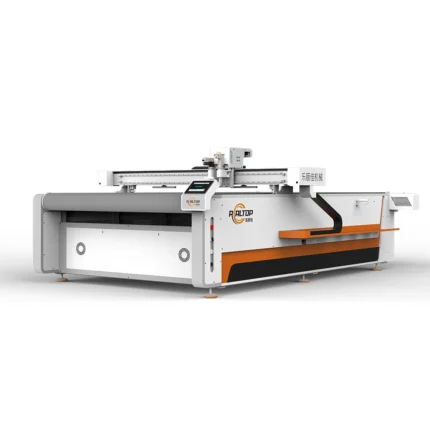
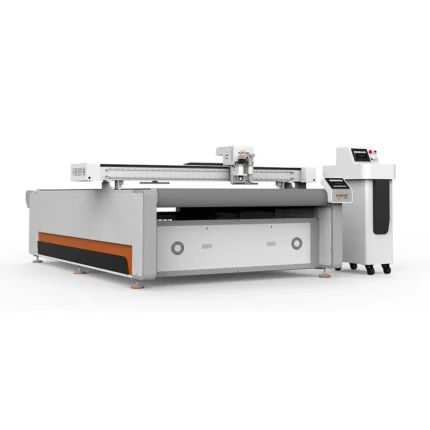
2026 Auto CNC Cloth Cutting Machine High-Precision Fabric Leather Plotter
Product Introduction
2026 Auto CNC Cloth Cutting Machine, a high-precision fabric & leather plotter designed for efficient cutting. Ideal for textile and leather industries with advanced CNC technology.
Key Specifications
| Model | Auto CNC Cloth Cutting Machine 2026 |
| Application | Fabric & Leather |
| Precision | High-Precision Cutting |
| Type | CNC Plotter |
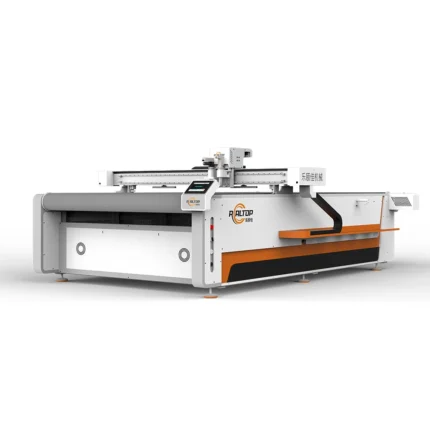
2026 Automatic PVC Tarpaulin Cutter Machine
Product Introduction
High-performance Automatic PVC Tarpaulin Cutter Machine 2026, ideal for precise and efficient cutting of PVC tarpaulin materials, designed for industrial manufacturing needs with reliable operation and user-friendly control.Product Parameters
| Model | 2026 |
| Type | Automatic PVC Tarpaulin Cutter |
| Application | PVC Tarpaulin Cutting |
| Feature | Precise & Efficient Cutting |
2026 CNC Knife Cutting Machine for Fabric Leather PVC Hot Sale
Product Introduction
2026 Hot Sale CNC Knife Cutting Machine for Fabric, Leather, PVC. Ideal for precise cutting of various materials with advanced CNC technology, perfect for manufacturing needs.
Product Parameters
| Application | Fabric, Leather, PVC |
| Type | CNC Knife Cutting Machine |
| Feature | Precision Cutting |
| Year | 2026 Model |
2026 Inflatable Surf SUP Board Cutting Machine
Product Introduction
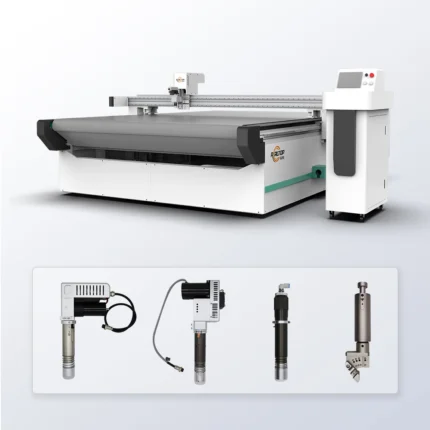
Ideal for inflatable surf SUP board production, this 2026 cutting machine ensures precise and efficient cutting, tailored for manufacturers seeking reliable performance in water sports equipment manufacturing.
Specifications
| Application | Inflatable Surf SUP Board |
| Type | Cutting Machine |
| Model Year | 2026 |
Automatic Fabric Cutting Machine 1200mm Delta Servo 2026
Product Parameters
| Cutting Width | 1200mm |
| Servo System | Delta Servo |
| Model Year | 2026 |
Introduction
High-performance Automatic Fabric Cutting Machine with 1200mm cutting width, equipped with Delta Servo for precision. Ideal for efficient fabric processing in textile industry, ensuring accurate and fast cutting operations.
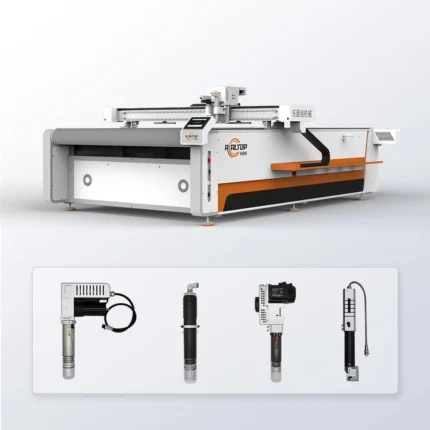
CNC Vibration Knife System 2026 for Polyester Nylon Non-Woven Prepreg
Product Introduction
CNC Vibration Knife System 2026 is ideal for cutting polyester, nylon, non-woven fabrics, and prepreg materials with precision and efficiency, suitable for industrial manufacturing needs.Product Parameters
| Model | 2026 |
| Cutting Technology | CNC Vibration Knife |
| Materials | Polyester, Nylon, Non-Woven, Prepreg |

Electric Fabric Rotary Cutter 2026 12V Auto-Cut Industrial
Product Introduction
Industrial-grade Electric Fabric Rotary Cutter designed for precise cutting of scan-printed cloth. Features 12V auto-cut functionality for efficient, automated operation, ideal for professional textile processing.Product Parameters
| Power Supply | 12V |
| Function | Auto-Cut |
| Application | Scan-Printed Cloth |
| Type | Industrial Electric Rotary Cutter |
商品评价
There are no reviews yet.