

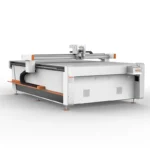

CNC Cardboard Box Cutter for Packaging – Manufacturer
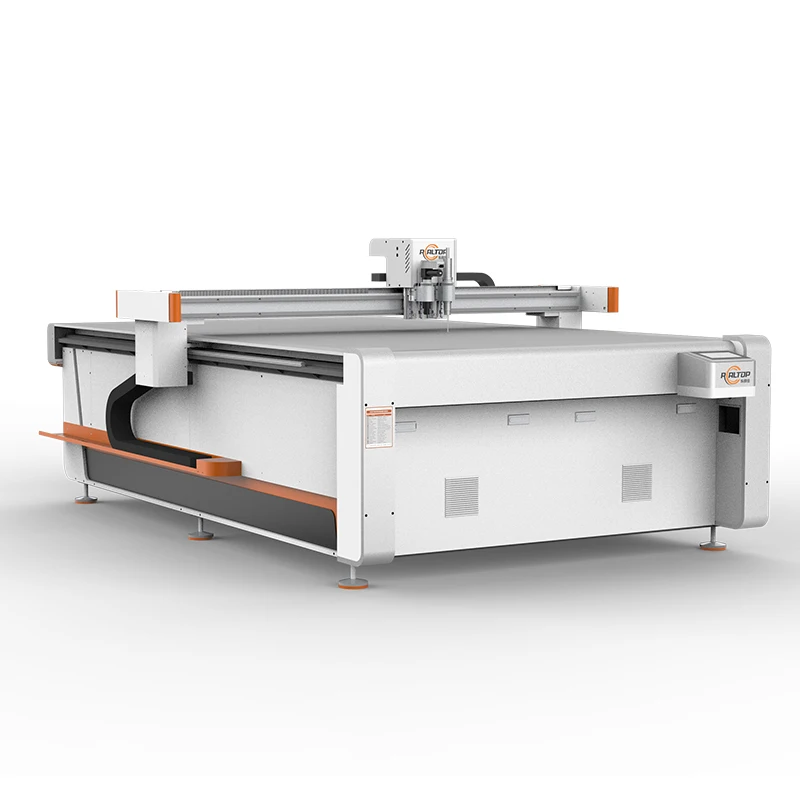
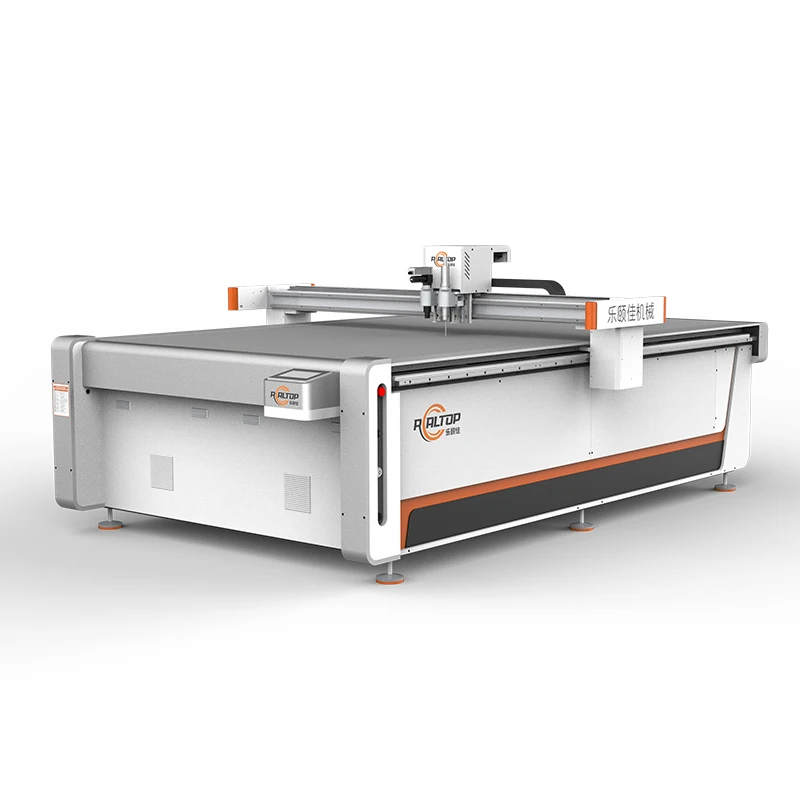
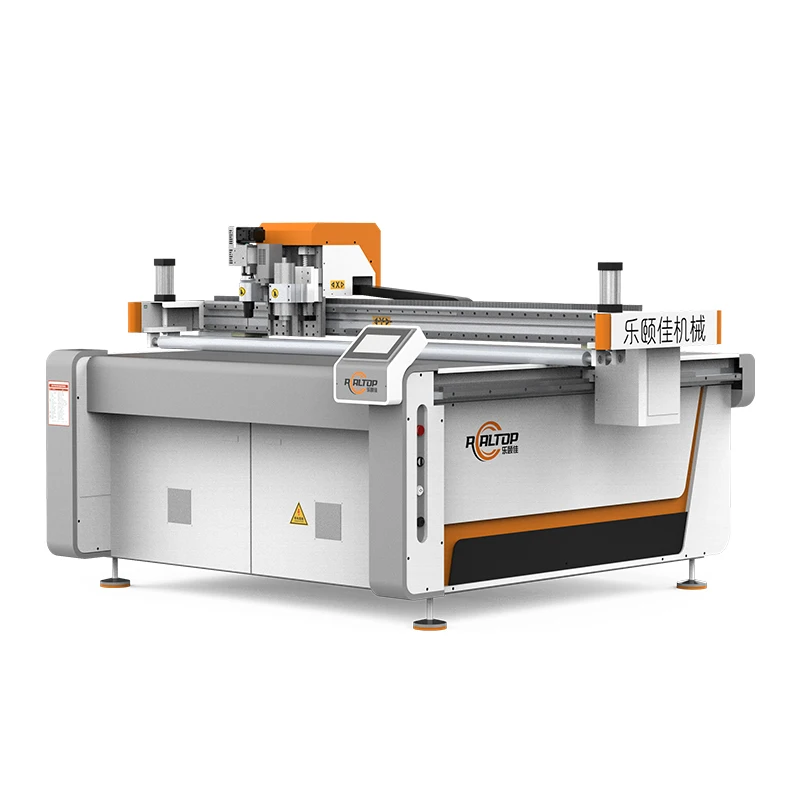
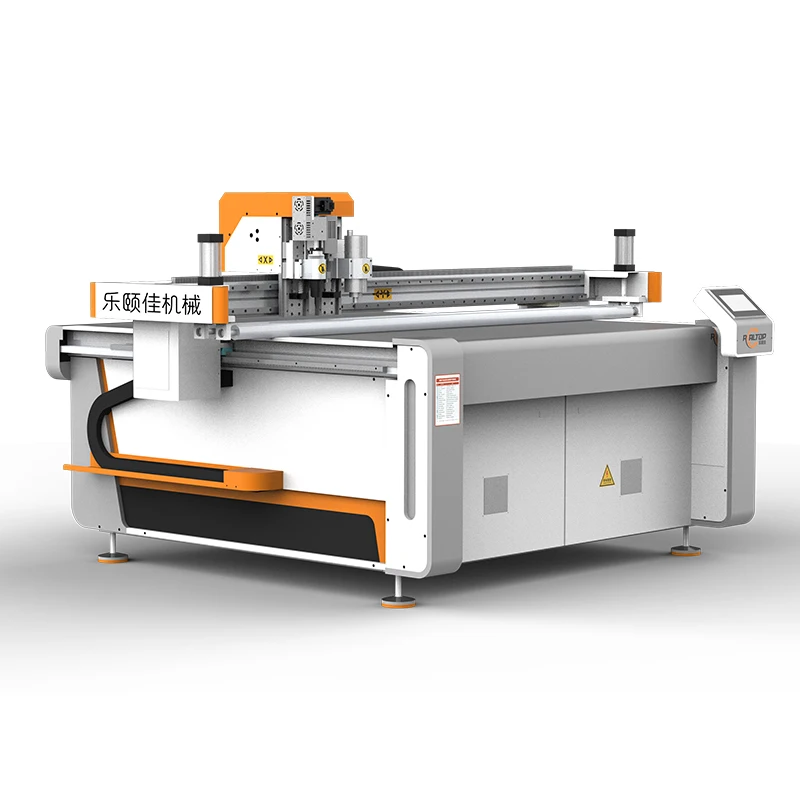
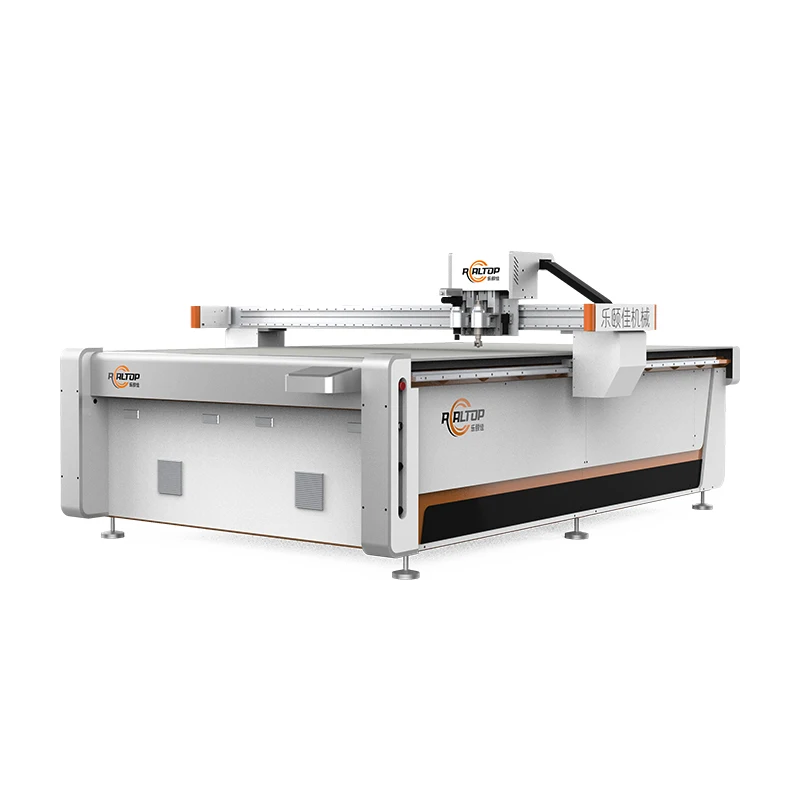
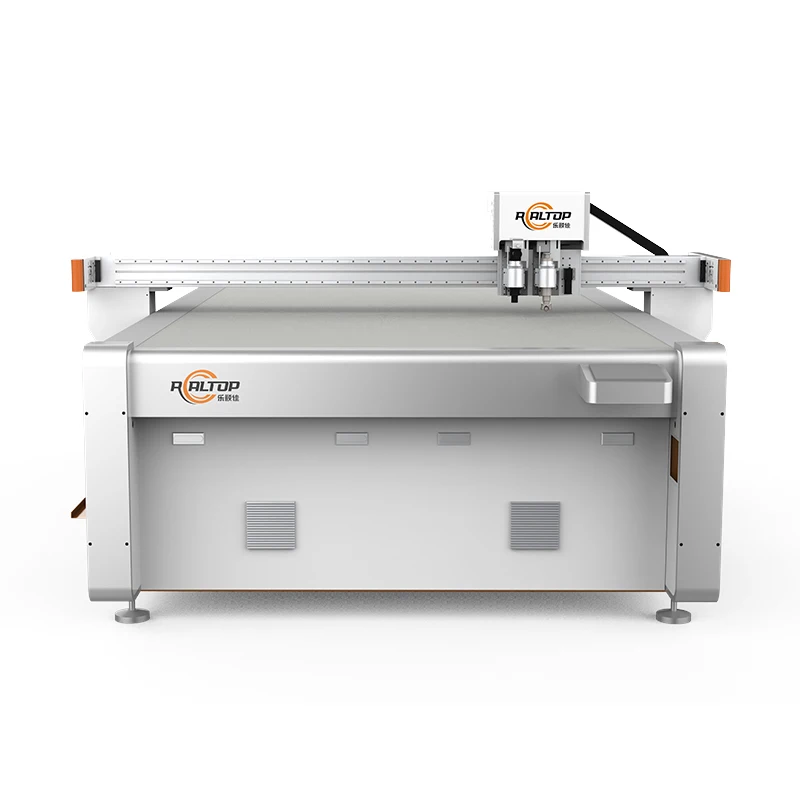
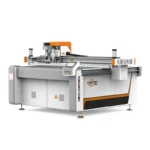
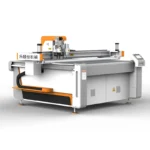
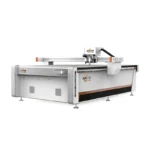
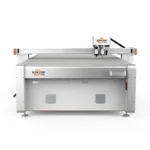
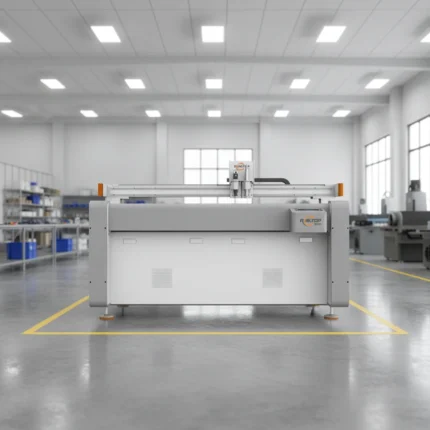
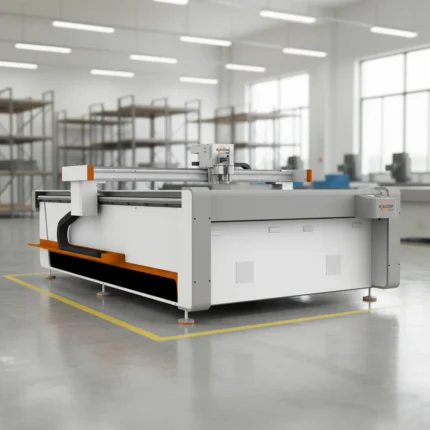
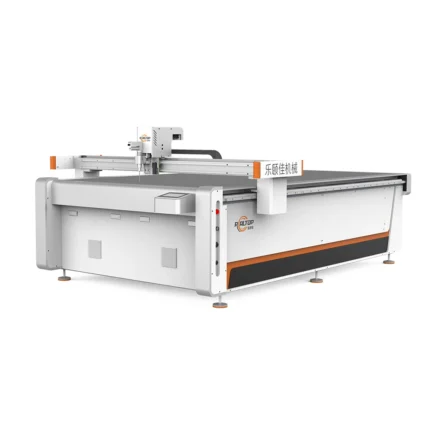
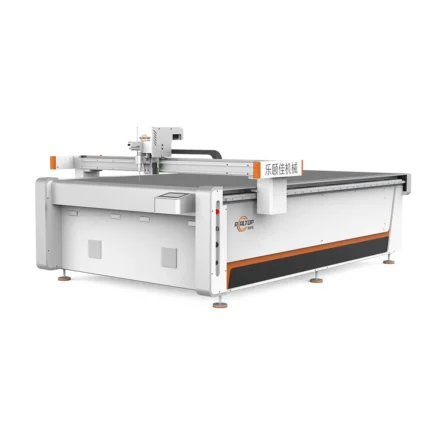
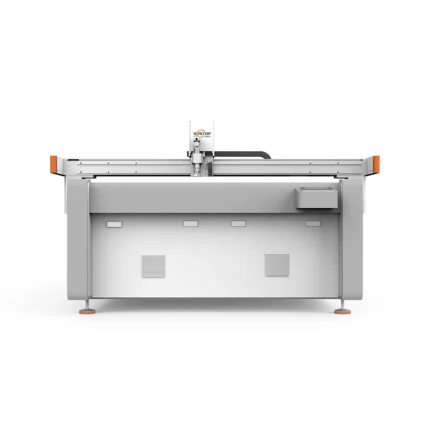
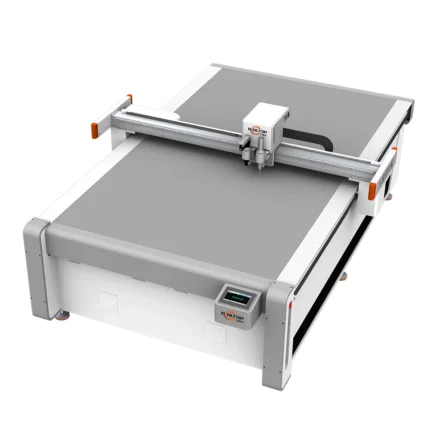
RT-D2516/RT-S2516 CNC Oscillating Knife Cutting Machine, 1600×2500mm Working Area, Multi-Tool Head — engineered for packaging and flexible material processing. Laser cutting parameters distinguish continuous power from peak ratings, ensuring accurate cutting depth on acrylic, wood, textile and sheet metal. Swiss imported knife system delivers clean edges on corrugated cardboard, PVC and composite boards without crushing.
Sample cutting on your own material provided before order commitment, with tool head and vacuum table zoning confirmed to match your production requirements.
Voltage, plug and control language confirmed before shipment — our 380V±10% RT-D2516/RT-S2516 platform ships with multi-language touch screen control and regional electrical configuration verified against your facility single line diagram.
Technical Specifications
| Parameter | Value |
|---|---|
| Model | RT-D2516/RT-S2516 |
| Product Type | CNC Oscillating Knife Cutting Machine |
| Working Area | 1600×2500 mm |
| Machine Size | 3450×2300×1250 mm |
| Rated Power | 9 kW |
| Translational Velocity | 800–2000 mm/s |
| Cutting Speed | 200–800 mm/s (depends on material type and thickness) |
| Repeated Accuracy | ≤0.1 mm |
| Voltage | 380V±10% |
| Vacuum Pump | 7.5 kW |
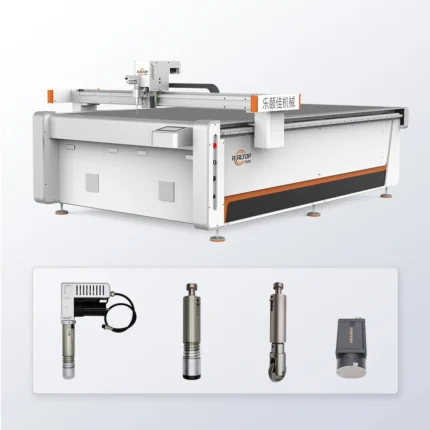
| Multifunctional Head | Swiss imported knife (vibration full cutting, half cutting, cursor location) |
| Tool Head Options | Oscillating knife, pneumatic knife, high-power vibrating knife, circular knife, V cutting knife, drag knife, creasing wheel, dotted line knife, punching, brush |
| Visual Positioning | Small CCD camera mark point, panoramic camera recognition, projection positioning |
| Vacuum Table | Magnesium-aluminum alloy with fluorocarbon PVDF powder spraying, anodic oxidation |
| Transmission System | Digital servo motor (Delta), linear guide (Taiwan Hiwin), synchronous belt, ball screw |
| Instruction System | HP-GL compatible format |
| Software Compatibility | Auto typesetting; supports PLT, DXF, AI |
| Safety Device | Infrared sensors |
Application Suitability
| Application | Material or Output |
|---|---|
| Packaging and carton sample making | Corrugated cardboard, honeycomb board, plastic box stock |
| Signage and display production | PVC board, vinyl, foam board, printed contour sheet |
| Automotive interior and gasket | Leather, sponge composite leather, rubber, carbon fiber |
| Garment and footwear cutting | Clothing flexible material, leather, textile |
| Composite material fabrication | Soft glass, silicon rubber, carbon fiber sheet |
Why the Tool Head Decision Determines Whether the Machine Cuts or Crushes
Wrong tool head chosen for the material produces ragged edges on cardboard or crushed foam on composites.
I spent years watching packaging sample shops run corrugated board on oscillating knives that were set for thin vinyl. The knife vibrates at a frequency suited to one material class, then tears through another. Buyers often specify a CNC oscillating knife cutting machine manufacturer by working area alone and discover at commissioning that the creasing wheel cannot score five-layer board, or the drag knife drags rather than slices [NEED_CITE: tool head material compatibility guidelines for CNC knife systems]. The configuration must match the thickest, hardest material you plan to run, not the average.
Tool Head Selection by Material and Edge Requirement
A packaging operation running E-flute single-wall board needs a different oscillation frequency and blade geometry than one cutting seven-layer corrugated or PVC foam. The RT-D2516/RT-S2516 platform supports oscillating knife, pneumatic knife, V cutting knife, drag knife, creasing wheel, and punching tool heads on the same gantry. Each head is selected against your material stack before the order is finalized, so the machine arrives configured for your actual production job rather than a generic default. This CNC oscillating knife cutting machine manufacturer approach means the same frame handles carton sample making, signage contour cutting, and gasket fabrication by swapping heads.
CCD Camera Positioning for Printed Contour Work
When packaging jobs move from blank sample cutting to short-run printed box production, the cutting path must track printed registration marks at production speed. The RT-D2516/RT-S2516 offers small CCD camera mark point positioning and panoramic camera recognition positioning, allowing the system to locate printed contours on corrugated or flexible sheet. Without verified camera capability matched to your print registration method, contour recognition fails mid-run and produces scrap [NEED_CITE: CCD positioning accuracy requirements for printed packaging substrates]. The camera specification is confirmed during sample cutting on your printed material before shipment.
Magnesium-Aluminum Vacuum Table and Zoning for Small Parts
The 7.5 kW vacuum pump pulls through a magnesium-aluminum alloy table surface treated with fluorocarbon PVDF powder spraying and anodic oxidation. Small carton parts and narrow gasket strips tend to lift during cutting if vacuum zoning is inadequate. The table is zoned so the operator activates only the section under the workpiece, concentrating hold-down force. This matters when nesting software places small parts in the corner of a 1600×2500 mm sheet — without zoning, those parts shift and the CNC oscillating knife cutting machine manufacturer specification for ≤0.1 mm repeated accuracy becomes irrelevant because the material moved.
What the Specification Sheet Actually Means for Daily Production
The 9 kW rated power covers the servo drive, vacuum pump, and knife oscillation simultaneously — undersizing power supply on-site causes servo faults during acceleration. Delta servo motors paired with Taiwan Hiwin linear guides deliver the ≤0.1 mm repeated accuracy that nested carton layouts depend on; a worn guide rail introduces cumulative positional drift across a 2500 mm stroke. The 800–2000 mm/s translational velocity governs how fast the head repositions between cuts, while actual cutting speed of 200–800 mm/s depends on material resistance — thick corrugated board slows the head substantially compared to thin PVC film. Software accepting PLT, DXF, and AI formats means your existing design workflow imports directly without file conversion losses. The 380V±10% voltage must match your facility transformer; running a 50 Hz machine on 60 Hz supply without reconfiguration burns out the vacuum pump motor [NEED_CITE: voltage and frequency mismatch impact on industrial vacuum pumps].
The Cost of Skipping Sample Cutting on Your Own Material
Buyers who approve a machine based on a supplier’s demo material — typically clean, uniform PVC or thin card — face problems when their real production stock arrives. Honeycomb board with recycled core compresses differently than virgin material. Leather with adhesive backing grips the blade differently than naked leather. Without cutting a sample on the buyer’s actual material at full production speed, the tool head selection, vacuum hold-down, and feed rate remain guesses. Shops that skip this step report ragged edges, incomplete cuts through multi-layer stock, and nesting yield losses that take months to diagnose [NEED_CITE: material variability effects on CNC knife cutting quality].
Why Source This CNC Oscillating Knife Cutting Machine Manufacturer Configuration Here
In-house design and production covers both knife cutting technologies, so the cutting method is matched to the material rather than forcing one method onto every job. Tool head and table configuration are specified per your material type, thickness, and daily volume before the order is placed. CCD camera positioning for printed contour work is verified on your printed stock during pre-shipment testing. Software compatibility — PLT, DXF, AI format import and nesting workflow — is confirmed before production begins. Voltage, plug type, and control panel language are customized to your facility and operator requirements, eliminating commissioning delays caused by electrical mismatch or unreadable interface menus.
Documentation & Verification
- Machine specification sheet listing confirmed tool head and vacuum table zoning layout
- Electrical schematic and voltage confirmation matched to your facility supply
- Tool head and table configuration list per your material type and thickness
- Sample cutting report on your own material including edge quality and cycle time
- Factory test record documenting positional accuracy across full working area
- Software licence and file format compatibility note for PLT, DXF, AI workflows
Installation, Commissioning & Support
- 3450×2300 mm machine footprint requires level concrete floor with dedicated 9 kW circuit
- 380V±10% supply verified at panel before energizing Delta servo motors and vacuum pump
- Machine ships partially assembled; gantry and vacuum table leveled on-site
- First-run parameter setting calibrated to your material thickness and cutting speed
- Touch screen control panel configured in operator language before training session
- Spare parts list covers Swiss imported knife blades, oscillation bearings, and vacuum seals
What to Include in Your Inquiry
Send the thickest and hardest material you plan to cut, along with typical sheet size and daily volume. Confirm your facility voltage and frequency, control panel language preference, and whether your design workflow uses PLT, DXF, or AI file formats. If you run printed contour work, provide a printed sample so camera positioning can be verified before shipment.
Frequently Asked Questions
Q: How do I match the tool head to my corrugated board thickness?
A: E-flute single-wall board cuts cleanly with a standard oscillating knife at mid-range frequency, while five-layer BE composite board requires a high-power vibrating knife and reduced cutting speed. Creasing wheels must match flute profile depth. We run your thickest board sample to confirm head selection and blade geometry before the order is finalized.
Q: Can the CCD camera track printed marks on corrugated packaging at production speed?
A: Small CCD camera mark point positioning and panoramic camera recognition are both available. Tracking reliability depends on print contrast and mark size relative to camera field of view. We test with your actual printed sheet at full cutting speed during pre-shipment verification to confirm the camera holds registration across the entire 1600×2500 mm working area.
Q: Will small nested carton parts stay fixed during cutting?
A: The 7.5 kW vacuum pump pulls through zoned channels in the magnesium-aluminum alloy table. The operator activates only the zone under the workpiece, concentrating hold-down force on small parts. Nesting software placement and zone activation must be coordinated — we verify this on your typical nested layout during sample cutting.
Q: Does the software accept my existing design files?
A: The system supports PLT, DXF, and AI formats with auto typesetting. File compatibility is confirmed before order by importing your production files and running a test cut. If your workflow uses a different format, conversion requirements are identified at the quotation stage rather than discovered during commissioning.
Q: What voltage and language options are available for my market?
A: The standard configuration is 380V±10% with the touch screen control panel supporting multiple languages. Voltage and plug type are confirmed against your facility electrical specification before shipment. Running a 50 Hz rated machine on 60 Hz supply without transformer adjustment damages the vacuum pump motor, so frequency matching is verified during the inquiry stage.


Related products
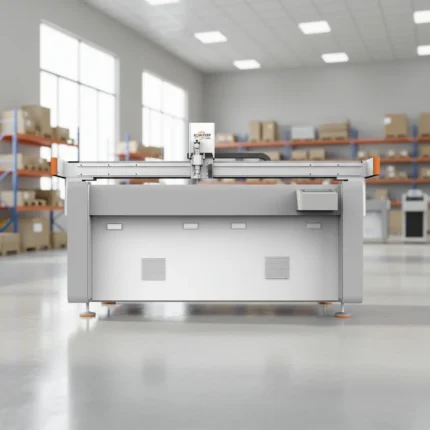
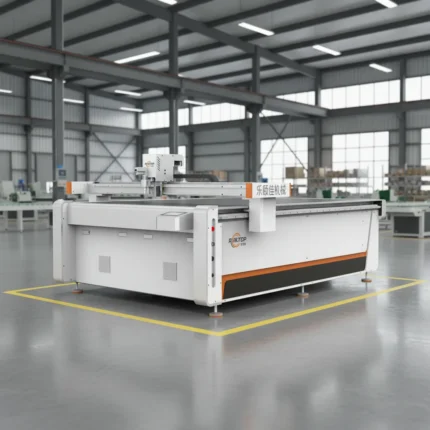
Automatic Die-less Cardboard Vibrating Knife Cutter 2026
Product Introduction
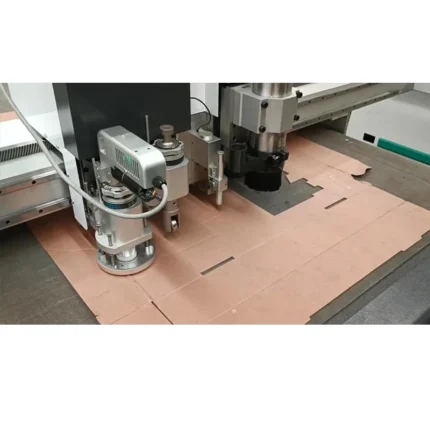
Automatic Die-less Cardboard Vibrating Knife Cutter 2026, a precision cutting solution for cardboard materials, featuring advanced die-less technology for efficient and flexible cutting operations. Ideal for various cardboard processing needs in manufacturing and packaging industries.Key Specifications
| Model | 2026 |
| Type | Automatic Die-less Cutter |
| Cutting Tool | Vibrating Knife |
| Material | Cardboard |
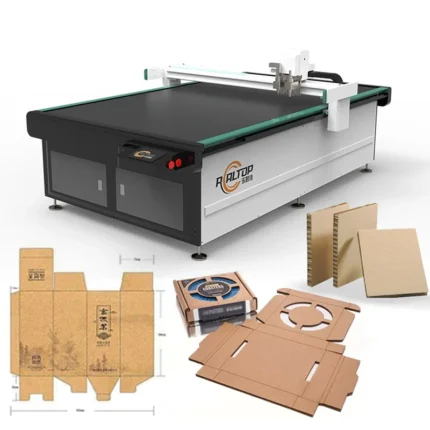
Automation CNC Pizza Box Machine 2026 Rotary Die Cutting
Product Parameters
| Type | Automation CNC Pizza Box Machine |
| Model Year | 2026 |
| Cutting Technology | Rotary Die Cutting |
| Operation | Automated CNC Control |
Introduction
This 2026 Automation CNC Pizza Box Machine features advanced rotary die cutting technology, ensuring precise and efficient pizza box production. With automated CNC control, it offers high productivity and accuracy for professional manufacturing needs.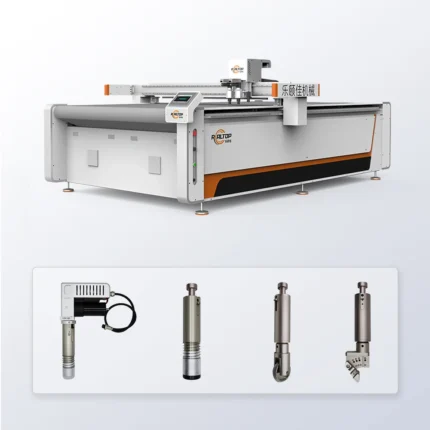

Realtop 2026 Digital Box Cutter High-Speed Corrugated Board
Product Introduction
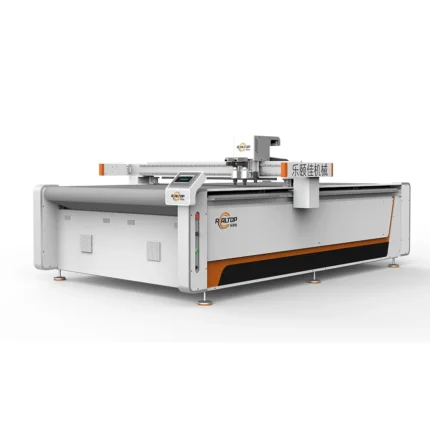
Realtop Digital Box Cutting Machine 2026 is a high-speed solution for corrugated board cutting, designed for efficient and precise box production in manufacturing settings.Key Specifications
| Model | 2026 |
| Type | Digital Box Cutting Machine |
| Application | Corrugated Board |
| Feature | High-Speed Cutting |

REALTOP 2026 Digital Industrial Cardboard Box Cutter
Product Introduction
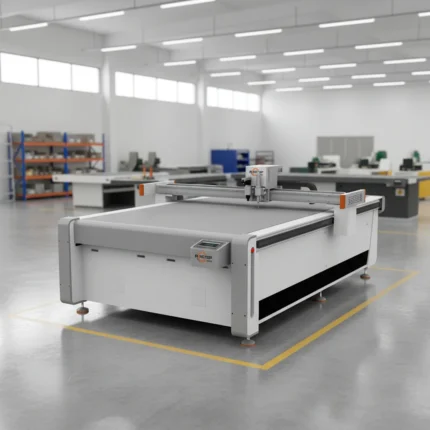
REALTOP Digital Industrial Cardboard Box Cutter Machine 2026 is a professional industrial-grade cutting equipment designed for efficient cardboard box processing, ideal for manufacturing and packaging applications.
Product Parameters
| Model | 2026 |
| Type | Digital Industrial Cardboard Box Cutter |
| Application | Cardboard Box Processing |
| Feature | Industrial-grade, Efficient Cutting |
商品评价
There are no reviews yet.