


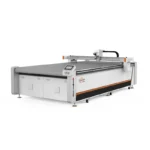
CNC Cloth Fabric Cutting Machine – Manufacturer
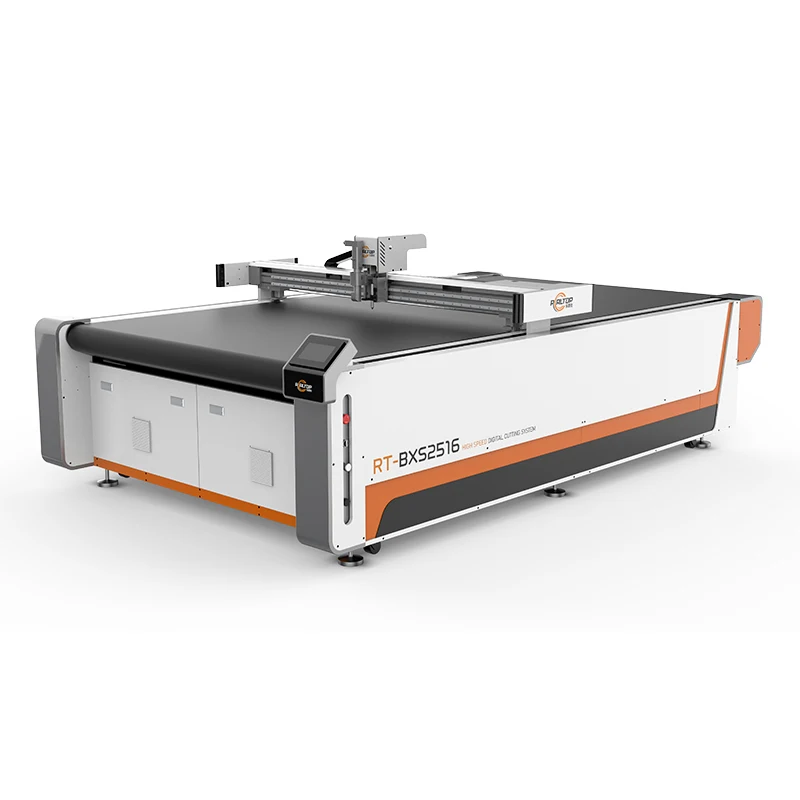
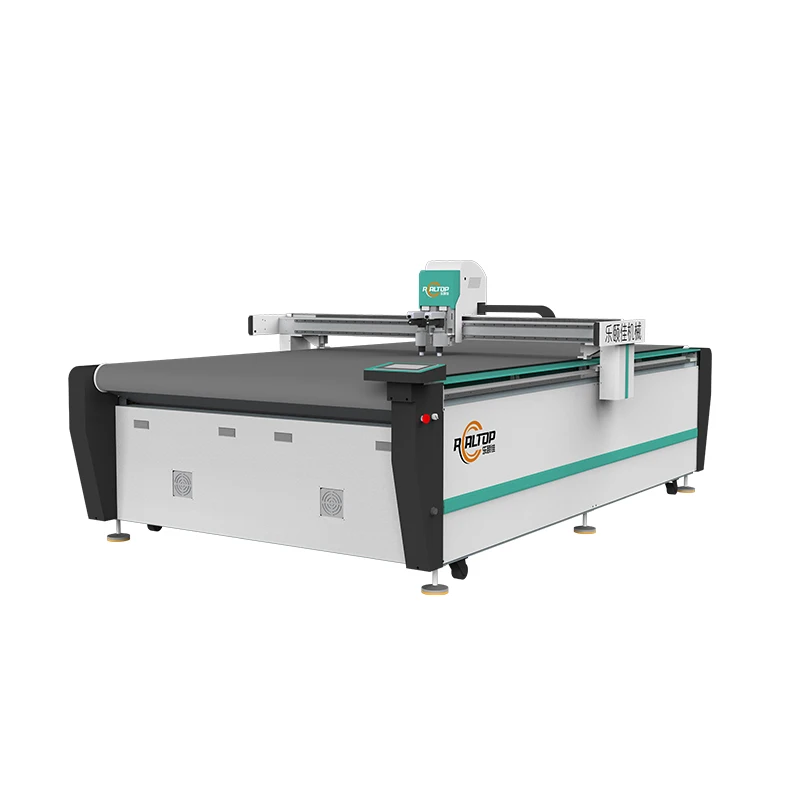
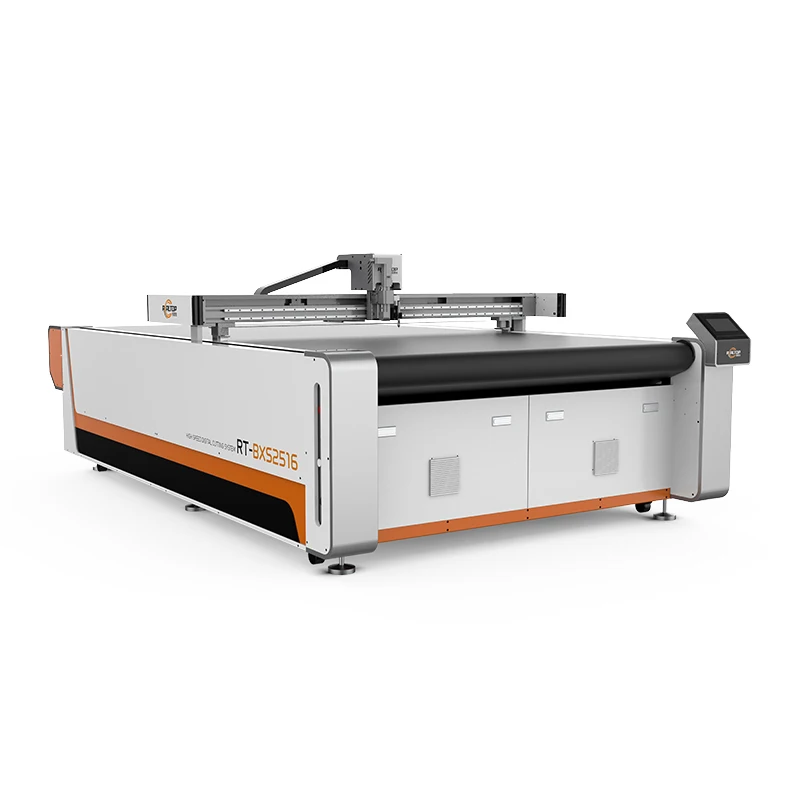
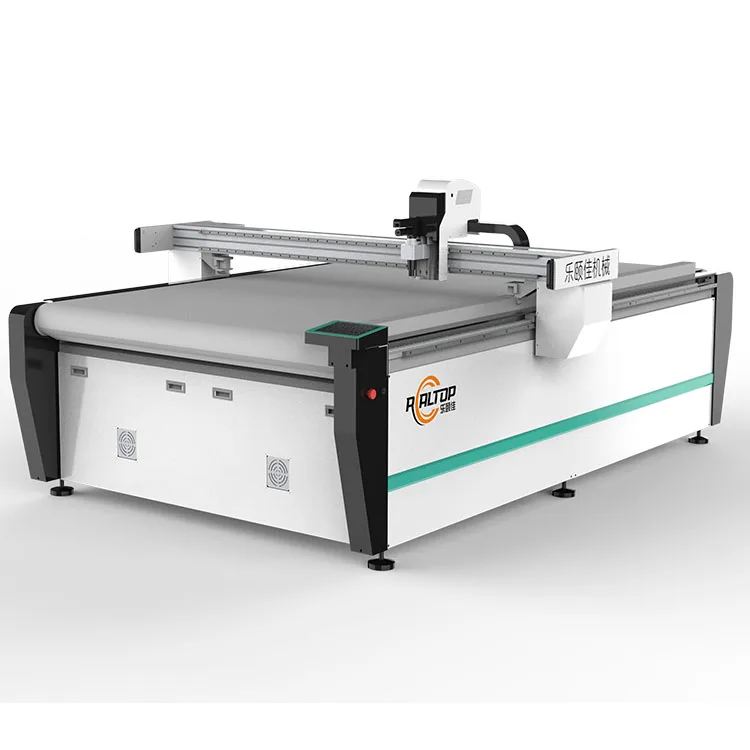
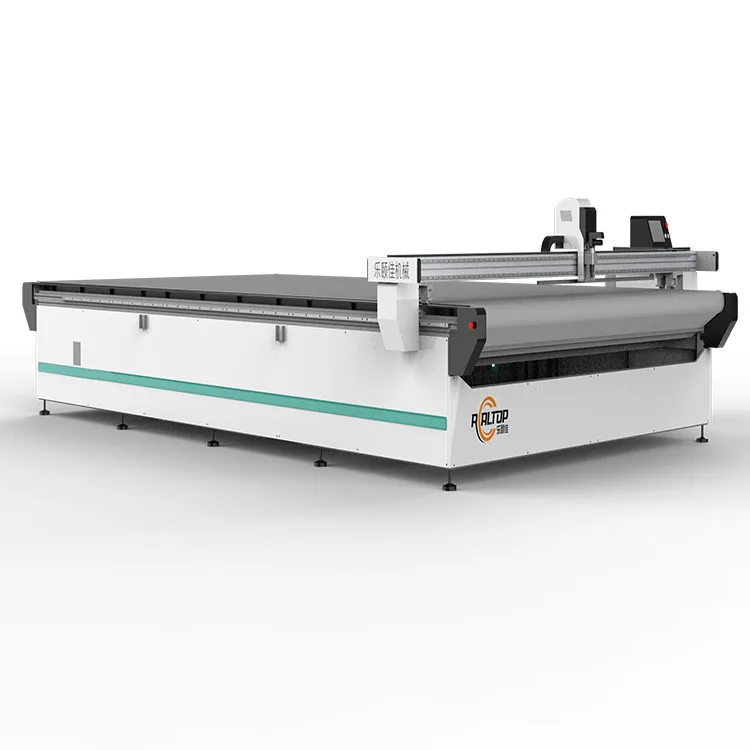
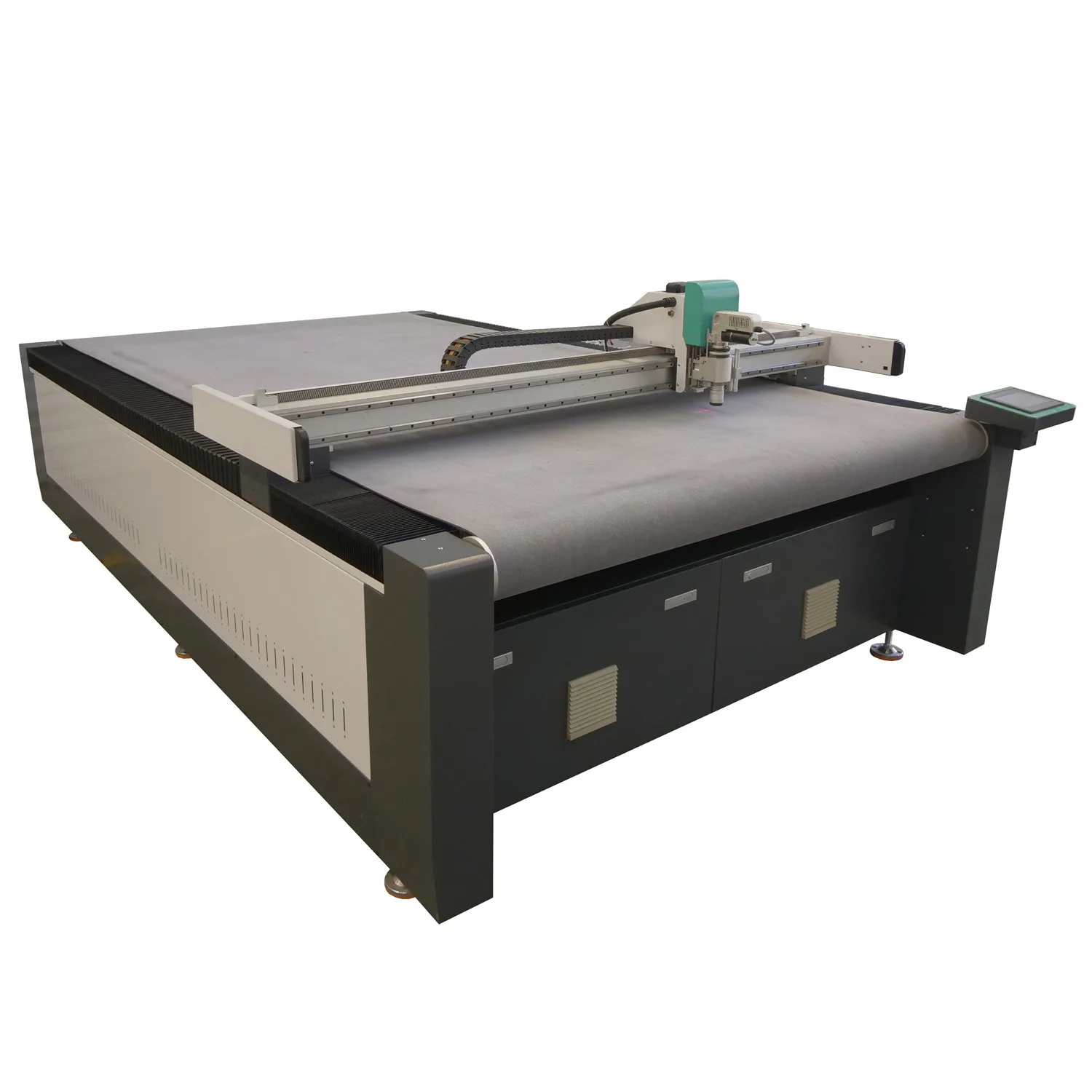
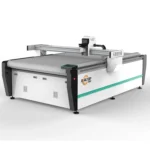
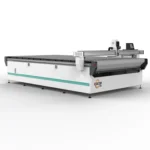
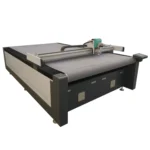
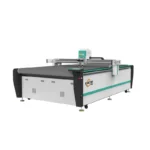
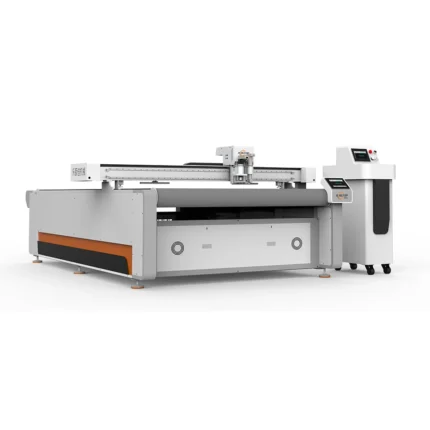
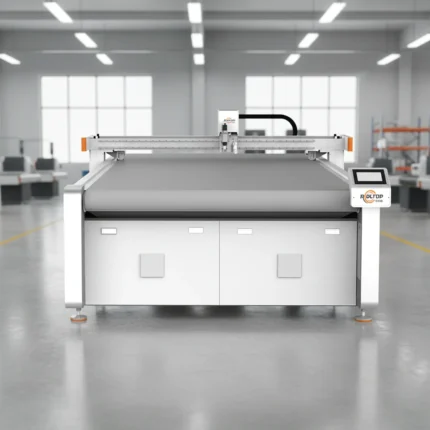
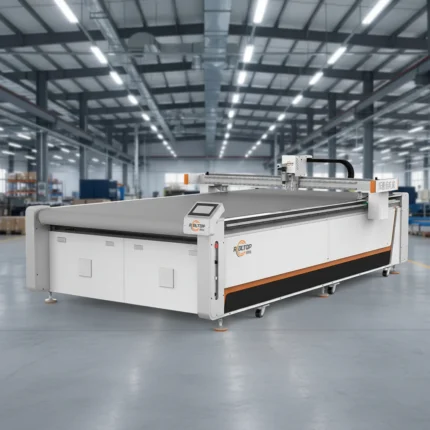
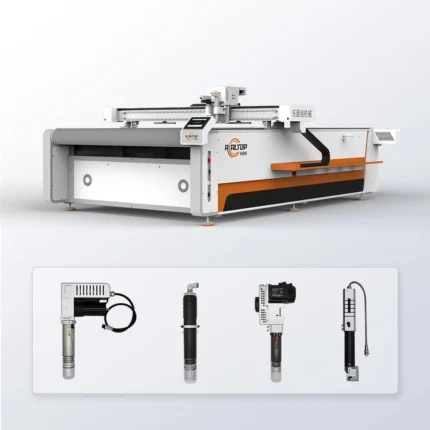
RT-D2516/RT-S2516 CNC Oscillating Knife Cutting Machine, 1600×2500mm working area, multi-tool head — configured for fabric, leather and composite material processing with Swiss imported vibrating knife, drag knife, creasing wheel and punching tools in a single setup. Magnesium-aluminum alloy vacuum table with PVDF coating delivers uniform suction across zones, while CCD camera positioning tracks printed contour marks at production speed for accurate nesting. IP67-rated Delta or Panasonic servo motors maintain ≤0.1mm repeated accuracy during continuous operation.
- Sample cutting report provided on buyer’s own material with documented edge quality before commitment, tool head and table configuration matched to material type and thickness, voltage, plug type and control language confirmed prior to shipment.
- Software compatibility verified against existing DXF, AI and PLT nesting workflows with HP-GL instruction system, multi-language touch screen control supporting English, Russian, Italian and Chinese, optional special languages available.
- In-house design and production covering both knife and laser cutting technologies ensures the cutting method matches the material rather than forcing one approach.
Precision-Configured Cutting — RT-D2516/RT-S2516 units leave our Jinan factory with tool heads, vacuum zoning and voltage matched to the buyer’s exact fabric, leather or composite stock, not just the working area.
Technical Specifications
| Parameter | Value |
|---|---|
| Model | RT-D2516 / RT-S2516 |
| Product Type | CNC Oscillating Knife Cutting Machine |
| Working Area | 1600 × 2500 mm |
| Machine Size | 3450 × 2300 × 1250 mm |
| Rated Power | 9 kW |
| Voltage | 380V ±10% (frequency and plug type confirmed before shipment) |
| Transmission System | Digital servo motor (Delta or Panasonic option), linear guide, synchronous belt, Taiwan Hiwin ball screw |
| Servo Motor Rating | IP67 waterproof |
| Cutting Speed | 200–800 mm/s (according to different cutting materials) |
| Translational Velocity | 800–2000 mm/s |
| Cutting Thickness | ≤100 mm (basis not stated in source — varies with material) |
| Repeated Accuracy | ≤0.1 mm |
| Tool Head Options | Swiss imported knife (vibration full / half / cursor), oscillating knife, pneumatic knife, high-power vibrating knife, circular knife, V cutting knife, drag knife, creasing wheel, dotted line knife, punching, brush |
| Visual Positioning Options | Small CCD camera mark point, panoramic camera recognition, projection positioning |
| Working Table | Magnesium-aluminum alloy vacuum adsorption (flat or auto feeding); PVDF powder sprayed, anodic oxidation, hard oxidation |
| Vacuum Pump | 7.5 kW, integrated aviation aluminum shell with built-in silencer sponge |
| Safety Devices | Infrared induction blocking, anti-collision beam sensors, emergency stop |
| Instruction System | HP-GL compatible format |
| Supported File Formats | PLT, DXF, AI |
| Control Panel | Touch screen, multiple language supported (English, Russian, Italian, Chinese; special languages customizable) |
| Assembly State | Fully assembled (split box platform supported for transport) |
| Key Features | Multi-tool head interchangeable system, CCD contour positioning, vacuum table zoning, IP67 servo protection |
Application Suitability
| Application | Material or Output |
|---|---|
| Garment and footwear cutting | Single-layer or multi-layer fabric, leather, shoe material, luggage material, non-woven fabric |
| Automotive interior and gasket production | Composite materials, sponge, PU, EVA, XPE, carpet, floor mats |
| Packaging and carton sample making | Corrugated cardboard, cardboard, plastic box, sticker, film |
| Soft furnishings and upholstery | Sofa fabric, fur, carpet, textile, clothing cloth |
| Industrial sealing and insulation | Rubber, gasket material, fiberglass, PTFE, ETFE, carbon fiber |
| Sports and outdoor goods | PVC, PP, PE, silicon, foam board |
Why "Max Cutting Thickness" Can Mislead Fabric Buyers
The stated ≤100 mm capacity depends entirely on material density, fiber structure and the tool head selected — not just blade stroke.
When a buyer quotes a machine by working area and thickness number alone, the real test comes on the first production day. A 30 mm sponge block cuts cleanly with a high-power oscillating knife, but that same head crushing through four layers of bonded PU foam will leave ragged edges and delaminated plies [NEED_CITE: oscillating knife behavior on multi-layer bonded foam composites]. I saw this firsthand with a Middle East textile plant: sample cuts on standard cotton looked perfect, but their production fabric was a high-elasticity spandex blend that melted and gummed the blade within the first hour. Parameters had to be rebuilt from scratch. That is why every order here starts with the buyer’s actual cloth sent to the factory for cutting before any specification is locked in.
Matching Tool Head to Fiber and Foam Structure
An oscillating knife handles woven fabric and single-layer leather with clean, burr-free edges, while a pneumatic knife delivers the downward force needed for dense gasket rubber and multi-layer composites. The Swiss imported vibrating knife supports full cut, half cut and cursor location in a single pass, which matters when a garment pattern requires both through-cuts and kiss-cuts on the same sheet. Drag knives score sticker film and thin PVC without piercing the backing liner, and the creasing wheel produces fold lines on corrugated samples without tearing the flute structure. Selecting the right head before shipment eliminates weeks of trial-and-error on the buyer’s floor.
CCD Contour Recognition at Production Speed
Printed fabric and sublimated sportswear panels require the cutting path to follow registration marks that shift with every sheet. The small CCD camera locates individual mark points for die-cut sticker and label work, while the panoramic camera scans the full 1600 × 2500 mm bed to recognize distorted or rotated print contours across an entire lay [NEED_CITE: panoramic CCD accuracy on stretched textile with print distortion]. If the buyer’s print workflow uses specific mark formats — corner brackets, circular dots or crosshair targets — the camera firmware must be configured and tested on their actual printed sheet before the machine ships.
Reading the Specs That Matter on the Shop Floor
The 9 kW rated power covers the 7.5 kW vacuum pump plus servo and spindle draw; buyers planning their electrical panel need to account for inrush current and confirm 380V ±10% at 50 Hz or 60 Hz matches their local grid. Taiwan Hiwin linear guides and IP67-rated Delta or Panasonic servo motors maintain the ≤0.1 mm repeated accuracy even when fabric dust and fiber debris accumulate on the rails over months of operation. The magnesium-aluminum vacuum table with PVDF coating and hard oxidation resists corrosion from adhesive residue left by sticker and PVC cutting, and the built-in silencer sponge in the pump housing keeps noise levels manageable in enclosed garment workshops. File compatibility through PLT, DXF, AI and HP-GL formats means the buyer’s existing nesting software can export directly without a secondary conversion step that introduces contour errors.
The Hidden Cost of a Misconfigured Vacuum Zone
A vacuum table that pulls uniformly across the full bed works for large garment panels, but small gasket pieces and narrow leather strips lift off the surface when the blade exits the cut — ruining both the part and the surrounding material [NEED_CITE: vacuum hold-down failure on small CNC-cut parts]. Zoning the table into independently controlled sections lets the operator activate only the area under the workpiece, concentrating suction where it matters. When this zoning is not specified before shipment, the buyer discovers the problem only after installing the machine and running their first short-run job.
Why Fabric and Composite Buyers Source Here
In-house design and production cover both knife and laser cutting technologies, so a buyer cutting bonded foam with a fabric top layer can receive a single machine configured with the correct head for each ply rather than forcing one method across incompatible materials. Tool head and table configurations are specified per material type, thickness and daily volume, not left as a generic package. CCD camera positioning is tested against the buyer’s actual printed marks, and software compatibility is confirmed against their existing DXF or AI nesting workflow before the order is finalized. Voltage, plug type and control panel language are locked in during the quotation stage, not discovered at uncrating. Every unit ships with sample cutting documentation run on the buyer’s own cloth, so edge quality and cutting speed are verified before the crate leaves Jinan.
Documentation & Verification
- Machine specification sheet listing confirmed tool heads, vacuum zones and servo brand
- Electrical schematic with voltage, frequency and plug type matched to buyer’s facility
- Sample cutting report on buyer’s own fabric or composite with edge quality photos
- Tool head and table configuration list specifying heads by material type and thickness
- Software licence and file format compatibility note for PLT, DXF, AI and HP-GL workflows
- Factory test record showing repeated accuracy and cutting speed on confirmed materials
Installation, Commissioning & Support
- Confirm floor load capacity for the 3450 × 2300 × 1250 mm footprint and split box transport option
- Provide dedicated 380V ±10% circuit rated for the 9 kW total draw plus inrush margin
- Receive fully assembled unit or split box platform depending on container and doorway clearance
- First-run commissioning includes vacuum zone balancing and servo gain tuning on buyer’s material
- Touch screen control configured in buyer’s selected language with file import verified on-site
- Spare parts list covers Swiss knife blades, vacuum pump silencer sponge and drive belt sets
Before You Request a Quote
Send your actual fabric swatch or composite sample with material composition, layer count and target daily output so we can run cutting trials and confirm tool head selection. Specify your facility voltage and frequency, preferred control language and any existing nesting software or file format your design team uses. If your production includes printed contour work, provide a sample printed sheet showing mark type, size and placement so the CCD system can be calibrated before shipment.
Frequently Asked Questions
Q: How do you verify cutting thickness for my specific material?
A: We cut your actual fabric, leather or composite sample in our factory and document edge quality, cutting speed and number of passes. The ≤100 mm figure in the spec sheet varies with material density, so the confirmed capacity is recorded in the sample cutting report that ships with your machine.
Q: Which tool head is right for my mix of fabric and foam?
A: Oscillating knives handle woven fabric and single-layer leather cleanly, while pneumatic or high-power vibrating knives deliver the force needed for dense sponge and bonded foam. We specify and mount the correct heads based on your material list before dispatch, and the tool heads remain interchangeable for future product changes.
Q: Can the CCD system track my printed marks at full production speed?
A: Yes, provided your mark format — corner brackets, circular dots or crosshairs — is compatible with the camera firmware. We test the small CCD or panoramic camera on your actual printed sheet at production cutting speed and record tracking accuracy in the factory test documentation before shipment.
Q: Will the vacuum table hold small gasket pieces without lifting?
A: The magnesium-aluminum table supports independent zone control, so suction concentrates under the active cutting area. We configure the zone layout based on your smallest part size and confirm hold-down performance during the sample cutting trial on your gasket material.
Q: Does my existing DXF nesting workflow import without rework?
A: The control system supports PLT, DXF, AI and HP-GL formats. Before the order is finalized, we verify your specific nesting software export against the machine controller and document file compatibility, including any scaling or layer mapping adjustments needed, in the software licence note.


Related products
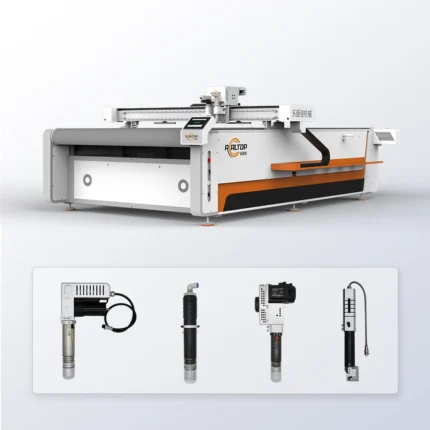
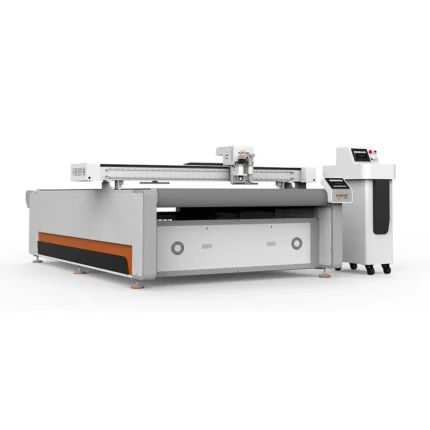
2026 Auto CNC Cloth Cutting Machine High-Precision Fabric Leather Plotter
Product Introduction
2026 Auto CNC Cloth Cutting Machine, a high-precision fabric & leather plotter designed for efficient cutting. Ideal for textile and leather industries with advanced CNC technology.
Key Specifications
| Model | Auto CNC Cloth Cutting Machine 2026 |
| Application | Fabric & Leather |
| Precision | High-Precision Cutting |
| Type | CNC Plotter |
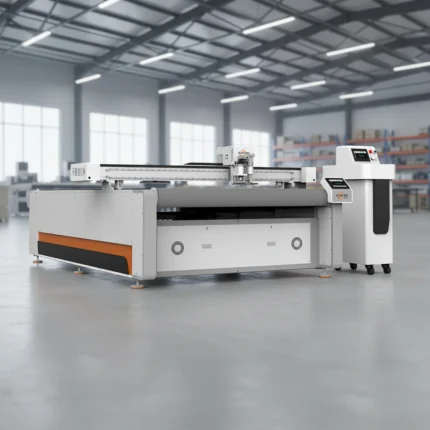
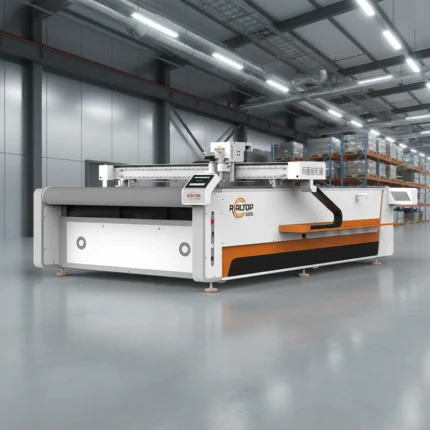
2026 CNC Knife Cutting Machine for Fabric Leather PVC Hot Sale
Product Introduction
2026 Hot Sale CNC Knife Cutting Machine for Fabric, Leather, PVC. Ideal for precise cutting of various materials with advanced CNC technology, perfect for manufacturing needs.
Product Parameters
| Application | Fabric, Leather, PVC |
| Type | CNC Knife Cutting Machine |
| Feature | Precision Cutting |
| Year | 2026 Model |
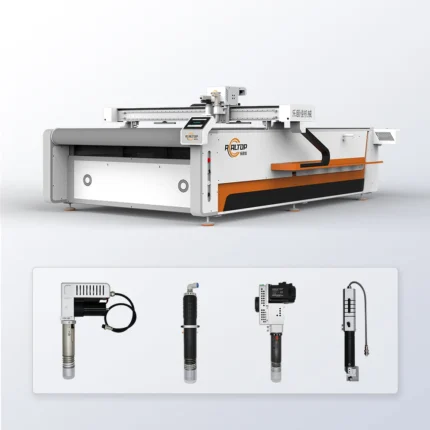
Automatic Multi-Layer Vibrating Knife Cutter 2026
Product Introduction
Automatic Multi-Layer Vibrating Knife Cutter 2026, ideal for precise cutting of various materials with multi-layer processing capability, enhancing production efficiency.
Key Specifications
| Type | Automatic Vibrating Knife Cutter |
| Layer Capacity | Multi-Layer |
| Model | 2026 |
| Function | Precision Cutting |
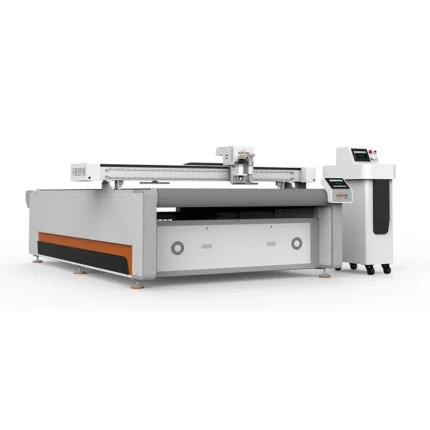
CNC Vibration Knife System 2026 for Polyester Nylon Non-Woven Prepreg
Product Introduction
CNC Vibration Knife System 2026 is ideal for cutting polyester, nylon, non-woven fabrics, and prepreg materials with precision and efficiency, suitable for industrial manufacturing needs.Product Parameters
| Model | 2026 |
| Cutting Technology | CNC Vibration Knife |
| Materials | Polyester, Nylon, Non-Woven, Prepreg |
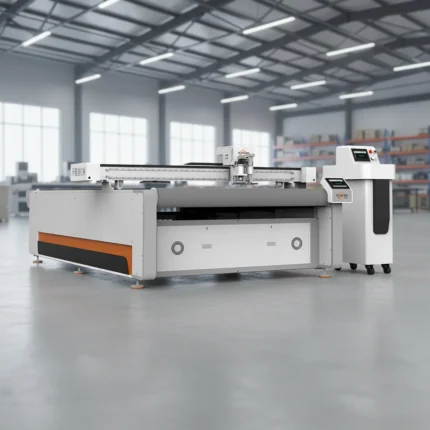
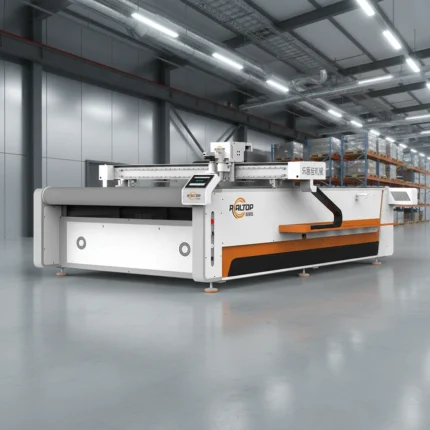
Jinan Realtop CNC Fabric Slitting Cutter 2026: Advanced Flexible Material Cutter
Product Introduction
Jinan Realtop CNC Fabric Slitting Cutter 2026 is a high-performance cutting equipment designed for precise fabric processing, ideal for industrial manufacturing needs with reliable CNC technology.Specifications
| Model | 2026 |
| Type | CNC Fabric Slitting Cutter |
| Manufacturer | Jinan Realtop |
| Application | Fabric Processing |
| Control System | CNC |
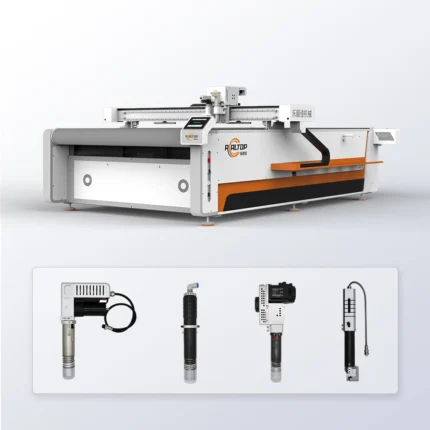

Jinan Realtop PVC Cutting Machine 2026 CE Certified
Product Introduction
Jinan Realtop PVC Cutting Machine 2026 is a CE-certified cutting solution, ideal for precise PVC material processing. Designed for efficiency and reliability in industrial applications.Product Parameters
| Model | 2026 |
| Certification | CE Certified |
| Application | PVC Cutting |
| Manufacturer | Jinan Realtop |
商品评价
There are no reviews yet.