

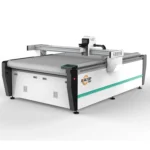
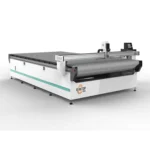
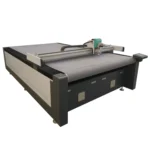
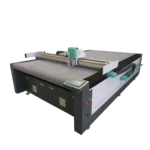
CNC Flatbed Faux Fur Cutter 2026 Digital Knife – Laser Process Alternative
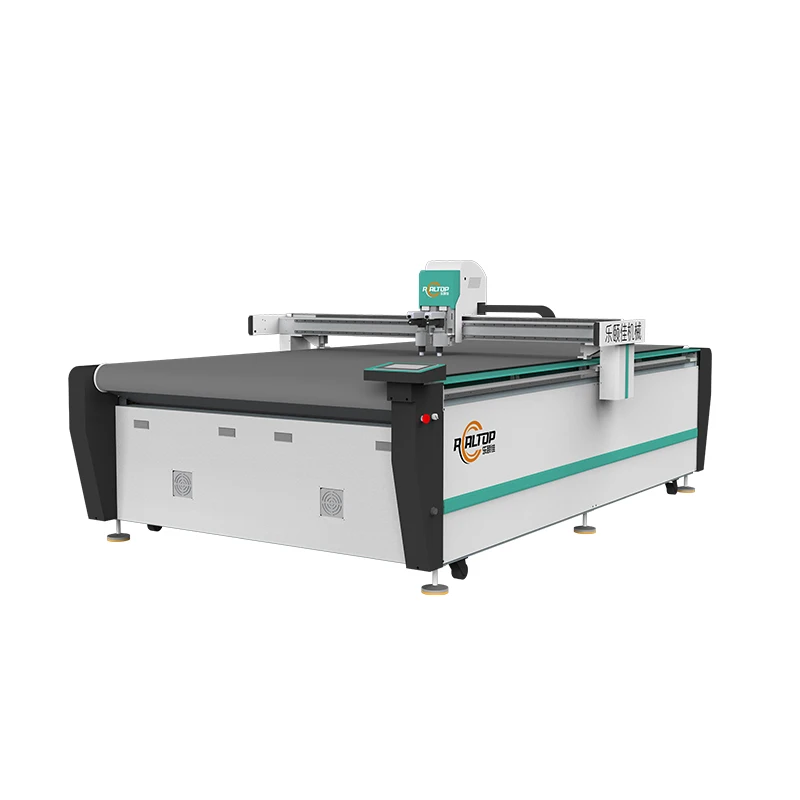
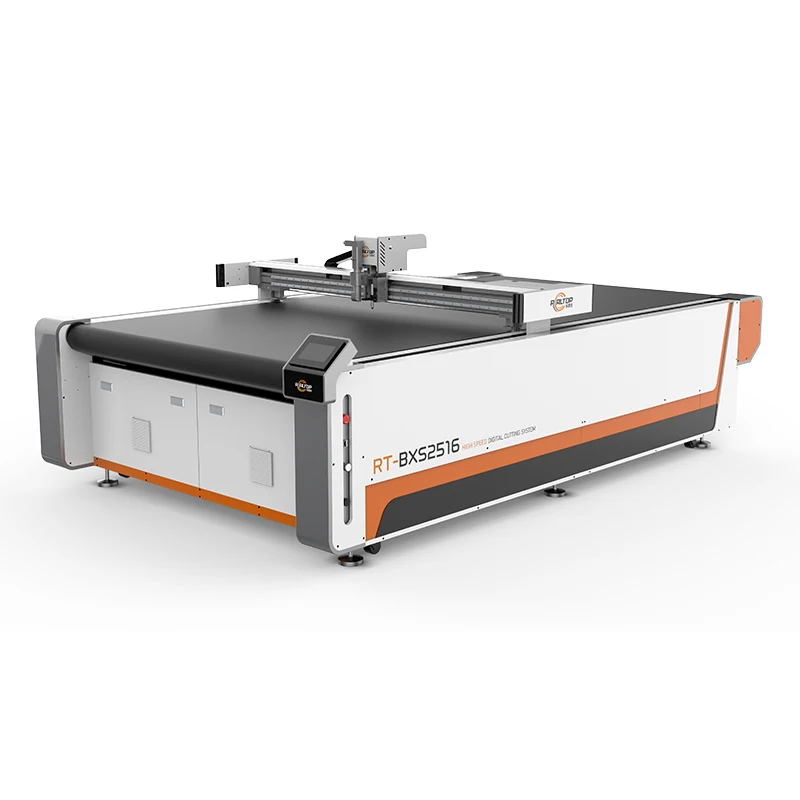
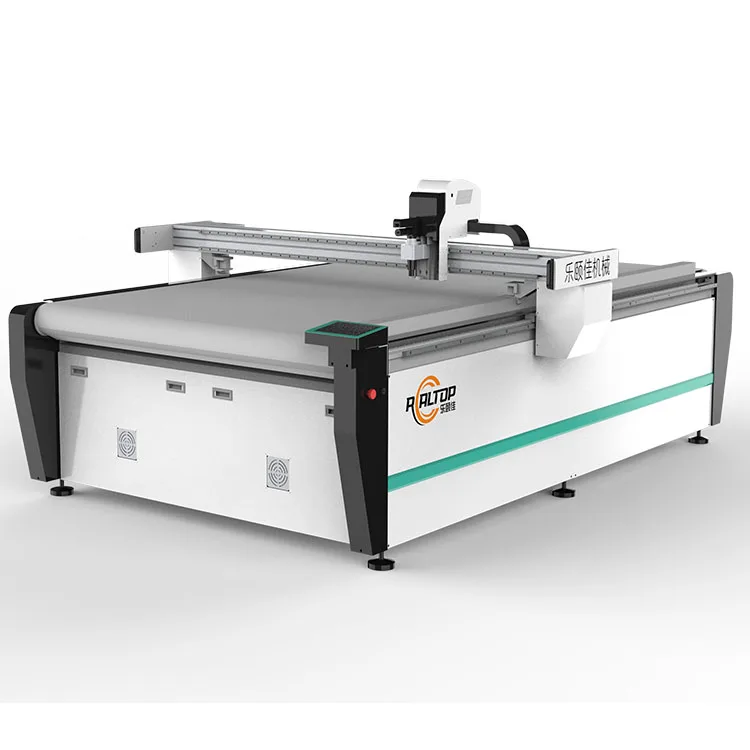
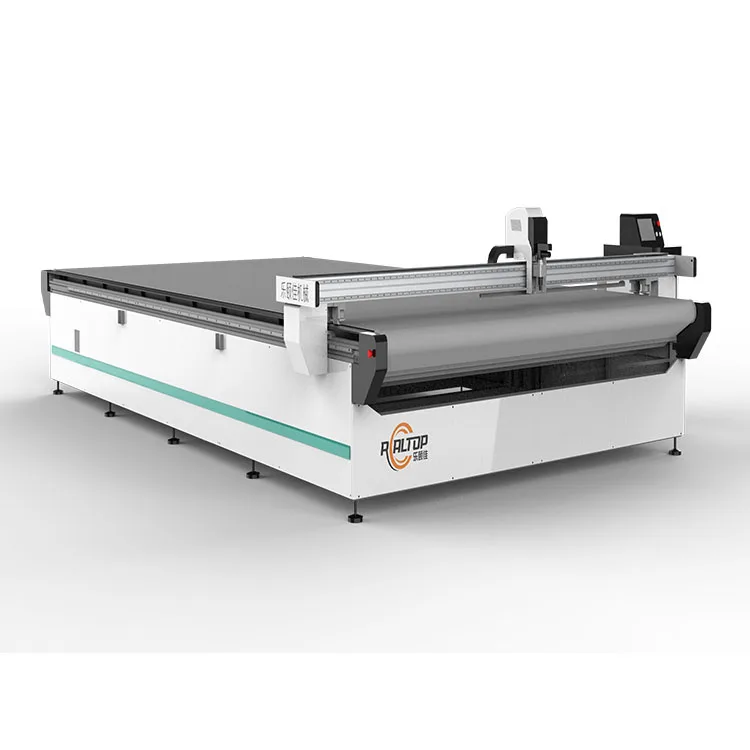
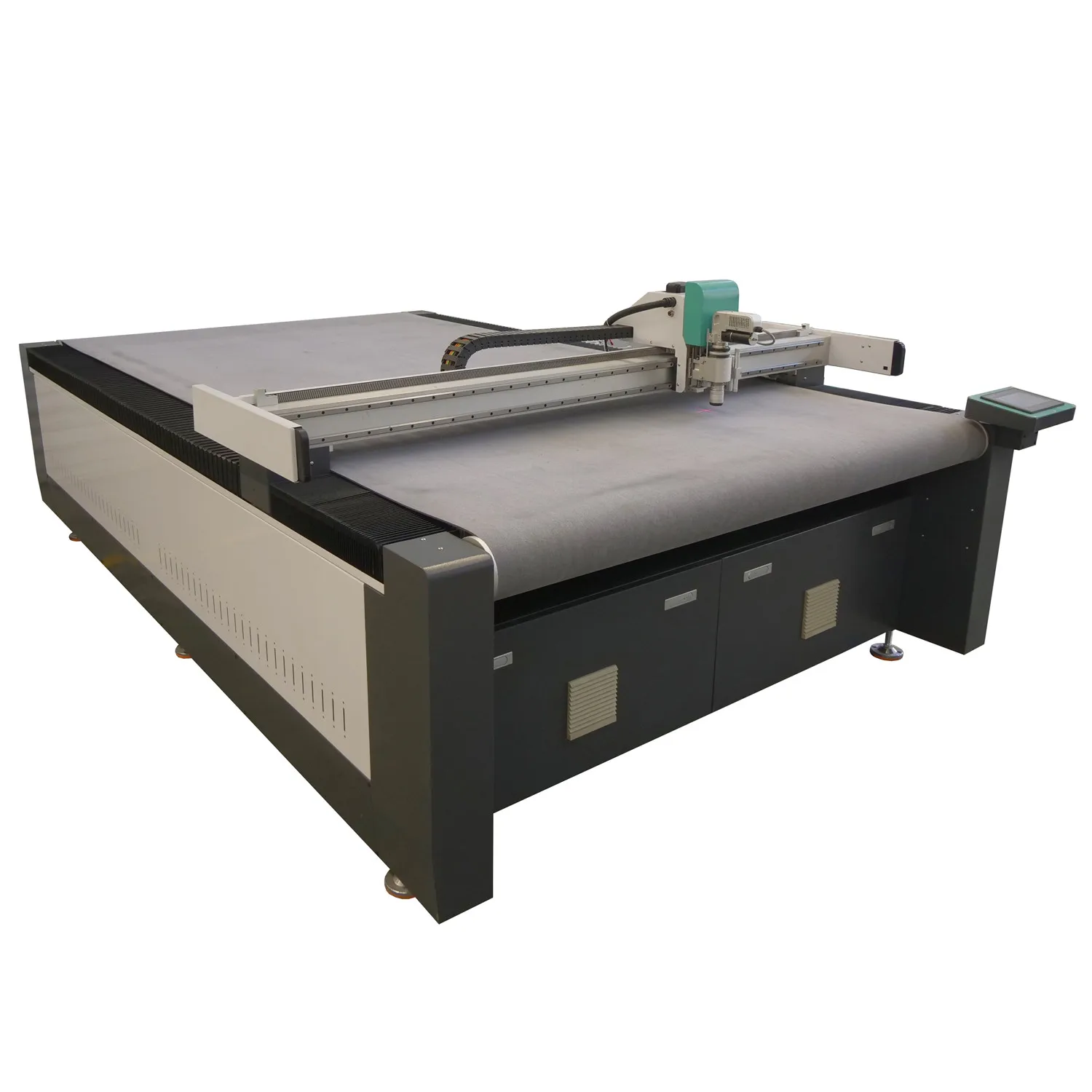
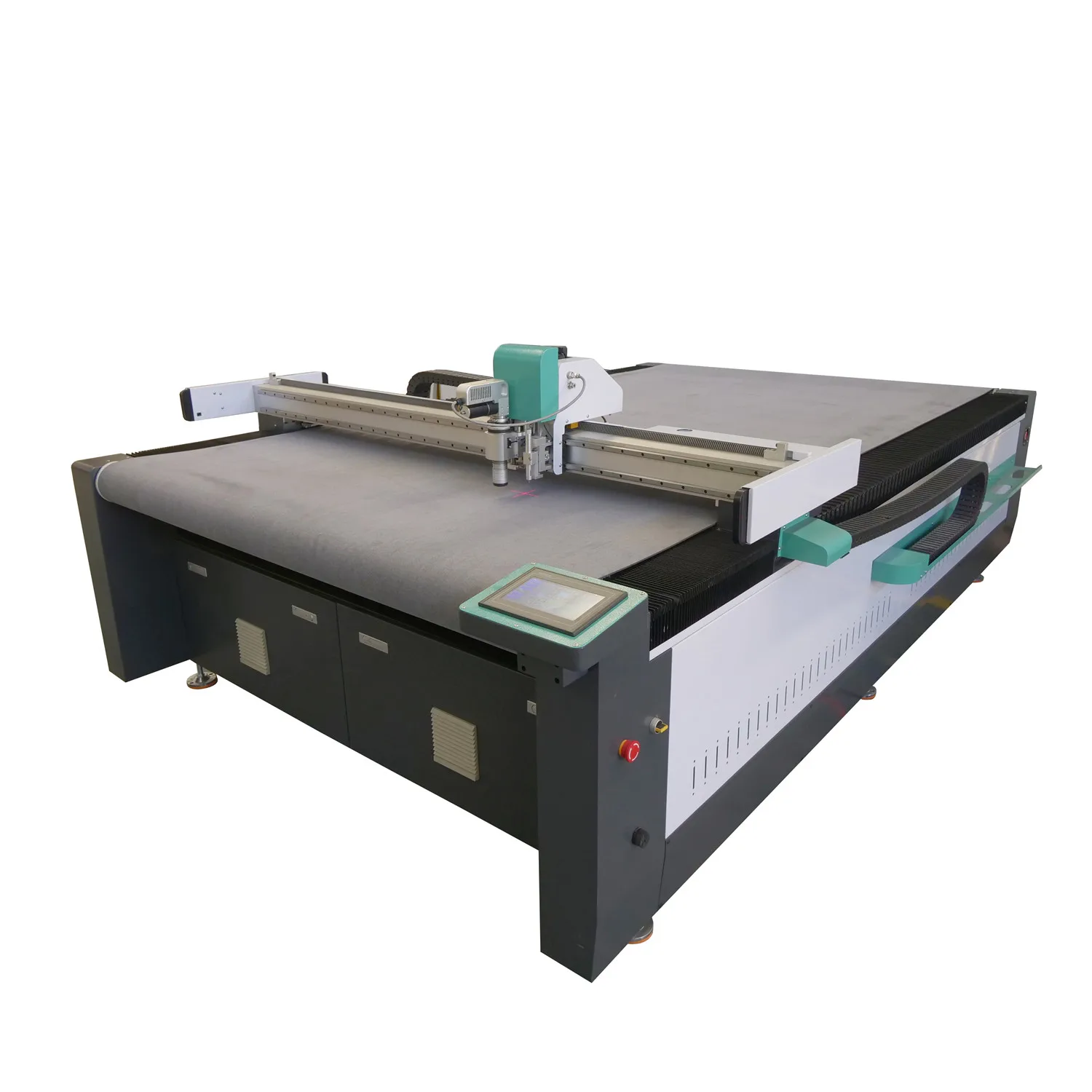
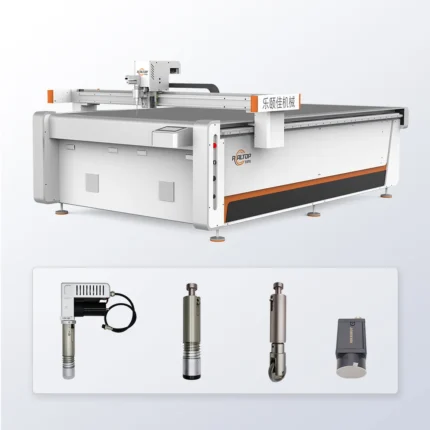
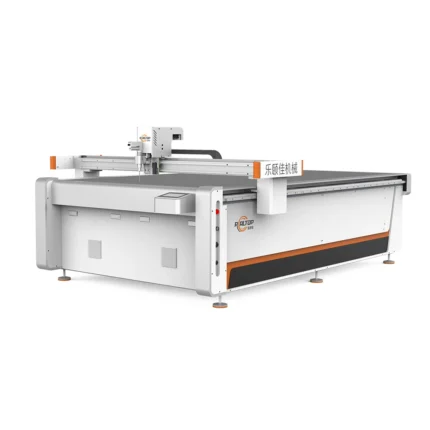
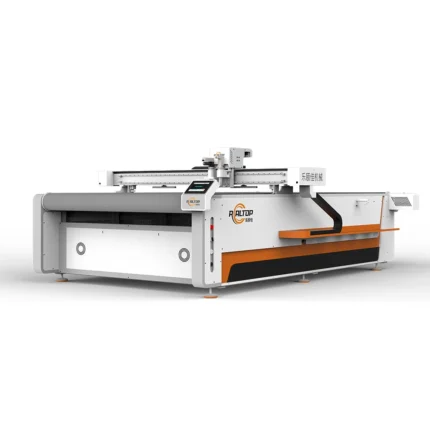
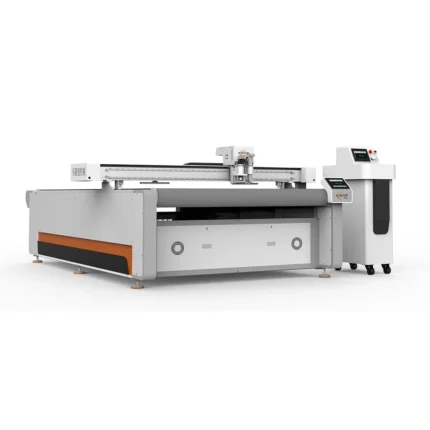
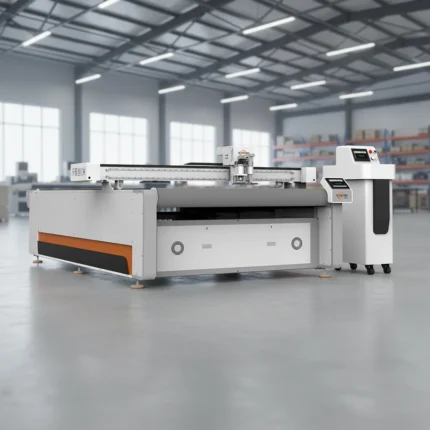
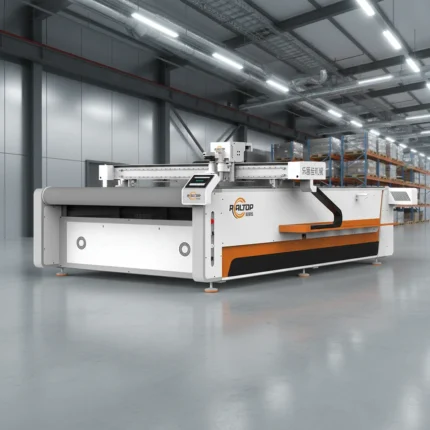
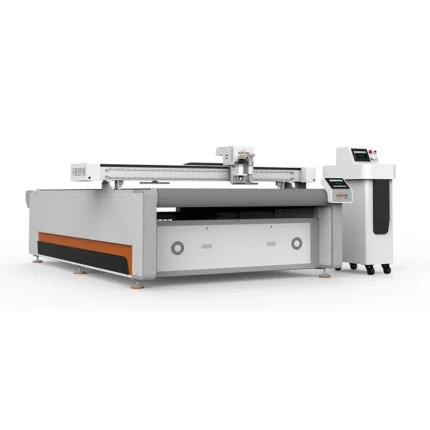
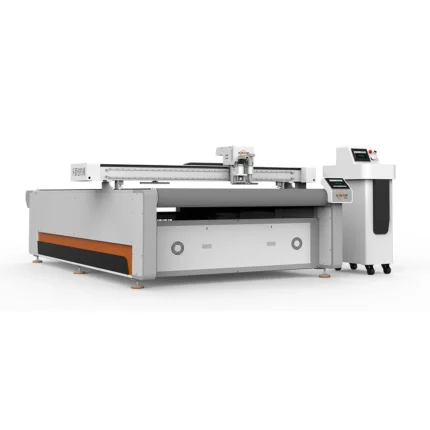
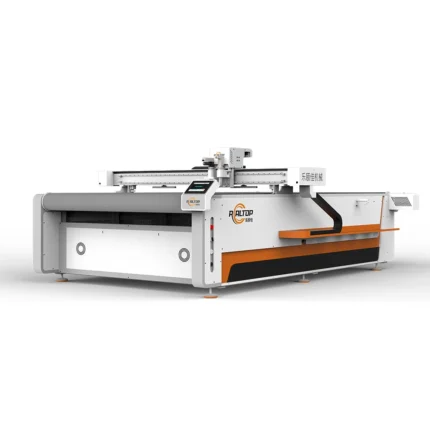
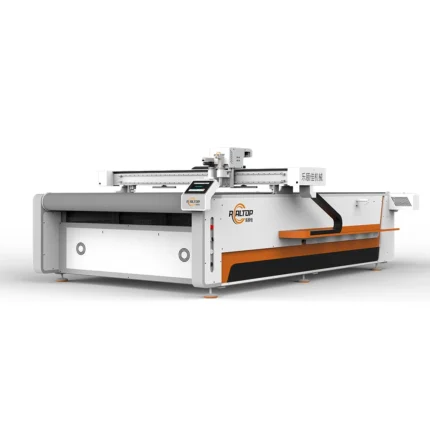
RT-D2516/RT-S2516 CNC Flatbed Digital Knife Cutting Machine, 1600×2500mm, 9kW — designed for faux fur, plush and synthetic textiles where laser edge-sealing causes melt, discoloration or hardened fringe.
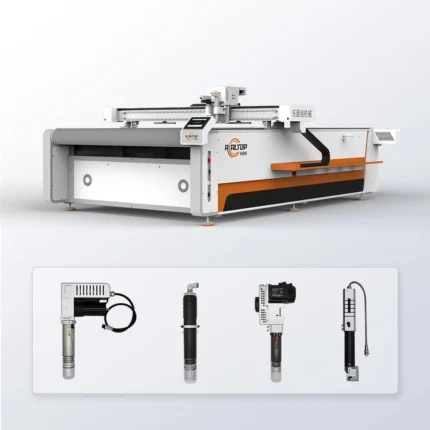
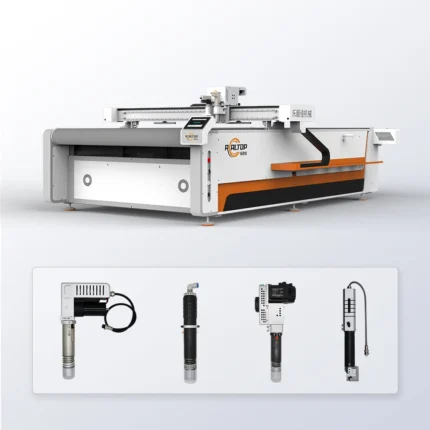
- Oscillating, pneumatic and drag knife options matched to pile height and ply count
- Zoned vacuum table with CCD contour recognition for printed fabric alignment
- Physical blade process eliminates thermal damage on PU, EVA and composite interlayers
Sample cutting on your own material is provided before order commitment to verify edge quality and throughput.
Cutting method matched to material — In-house design covering both knife and laser technologies allows the RT-D2516 / RT-S2516 to be configured per textile behavior rather than forcing a thermal process onto heat-sensitive fibers.
Technical Specifications
| Parameter | Value |
|---|---|
| Model | RT-D2516 / RT-S2516 |
| Product Type | CNC Flatbed Digital Knife Cutting Machine |
| Working Area | 1600 × 2500 mm |
| Machine Dimensions (L × W × H) | 3450 × 2300 × 1250 mm |
| Rated Power | 9 kW |
| Voltage | 380V ±10% (frequency to be confirmed with buyer market) |
| Transmission System | Digital servo motor, linear guide, synchronous belt, ball screw |
| Servo Motor Options | Delta or Panasonic (IP67 rated) |
| Control System | CNC with touch screen panel, HP-GL compatible |
| Interface Language Options | English, Russian, Italian, Chinese (customizable) |
| Table Configuration | Flat working table or auto feeding table |
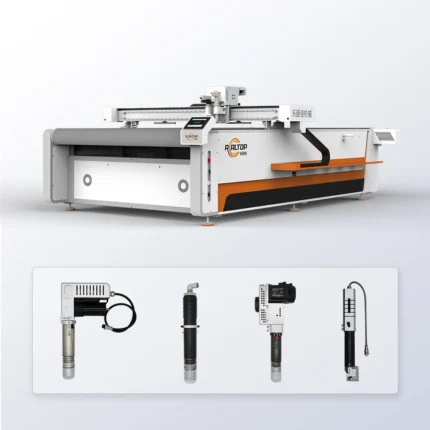
| Multifunctional Tool Head | Swiss imported knife — vibration full cutting, vibration half cutting, cursor location |
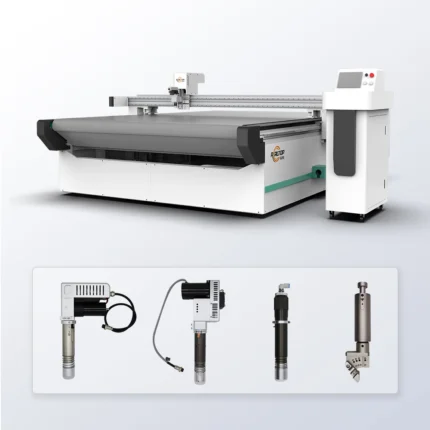
| Tool Head Options | Oscillating knife, pneumatic knife, high-power vibrating knife, circular knife, V-cutting knife, drag knife, creasing wheel, dotted line knife, punching, brush |
| Visual Positioning Options | Small CCD camera mark point positioning, panoramic camera recognition, projection positioning |
| Translational Velocity | 800–2000 mm/s |
| Cutting Speed | 200–800 mm/s (basis not stated in source — confirm fabric type, ply count and thickness) |
| Repeated Accuracy | ≤ 0.1 mm |
| Vacuum Pump | 7.5 kW, aviation aluminum housing, built-in silencer sponge |
| Vacuum Table Surface | Magnesium-aluminum alloy, PVDF powder spraying, anodic oxidation |
| Vacuum Zoning | Integrated box adsorption platform; split box supported |
| Safety Devices | Infrared sensor stop, beam anti-collision, emergency stop with in-situ resume |
| Software Compatibility | Auto nesting; PLT, DXF, AI file formats |
| Assembly State | Fully assembled prior to shipment |
| Standards | CE declaration where applicable |
Application Suitability
| Application | Material or Output |
|---|---|
| Faux fur and long-pile textile cutting | Faux fur, plush, high-density pile fabric requiring clean physical cut without sealed edges |
| Garment and upholstery multi-ply cutting | Clothing cloth, sofa fabric, shoe material, luggage material stacked for batch production |
| Composite textile processing | PU, EVA, XPE laminates where thermal cutting would melt interlayers |
| Carpet and floor mat production | Carpet, sponge, non-woven fabric in large-format nesting layouts |
| Automotive interior trimming | Automotive textile, soft glass, silicon, composite panels for interior components |
| Packaging and gasket sampling | Cardboard, corrugated cardboard, plastic box, rubber, gasket material |
Why Laser Edge-Sealing Becomes a Defect on Pile Textiles
A CNC oscillating knife cutting machine for textile and fabric is the correct process choice whenever a sealed or discolored edge is unacceptable on the finished part.
Laser cutting synthetic pile — faux fur, long-hair plush, looped fleece — melts the fiber tip at the cut line. The result is a hardened bead along every contour, visible discoloration on light-colored fur, and a hand-feel that reads as cheap against a natural hide benchmark. Buyers who specify a CO2 laser table for these materials often discover the problem only after running the first production batch, when the sealed edge rejects at the sewing station or fails the buyer’s tactile inspection. [NEED_CITE: thermal effect of CO2 laser on synthetic pile fibers]
Switching to a blade-based CNC oscillating knife cutting machine for textile and fabric eliminates the thermal zone entirely. The physical cut leaves the fiber cross-section open and natural, preserving the loft and drape that define the material’s value. The trade-off is that the blade process cannot seal woven edges the way a laser does — but for faux fur and pile, edge-sealing was never the goal.
The Thermal Boundary: Where Laser Stops and Blade Takes Over
CO2 laser cutting excels on synthetics that benefit from a sealed edge — polyester sportswear panels, technical filtration media, acrylic signage. The focused beam melts and fuses the fiber at the cut line, preventing fraying without secondary operations. That same melt zone, however, becomes a cosmetic and tactile failure on any fabric where the pile structure is the product itself.
When the brief calls for a soft, natural fringe on faux fur garments, plush toy panels, or automotive seat covers with exposed pile, the CNC oscillating knife cutting machine for textile and fabric is the process boundary. The blade passes through the stack with zero thermal input, leaving fibers unaltered in color, flexibility, and loft. This is the comparison that must happen before the machine type is selected, not after the first sample fails inspection.
Throughput Reality on Multi-Ply Textile Stacks
On comparable fabric stacks, blade cutting moves through the ply count without the deceleration that laser power limits impose at depth. [NEED_CITE: comparative cutting speed between blade and laser on multi-ply textile] A 7.5 kW vacuum pump paired with a magnesium-aluminum alloy table holds the bottom ply flat, preventing shift that would otherwise force a re-cut. The zoned vacuum platform — available as integrated box or split box — lets the operator open suction only under the active cutting zone, concentrating hold-down force where the knife is engaged.
The multifunctional tool head accepts Swiss imported knives configured for vibration full-cut, half-cut, and cursor location, with options ranging from oscillating and pneumatic knives to circular and V-cutting blades. Material dictates the choice: a high-power vibrating knife for dense faux fur backing, a circular knife for long continuous runs on non-woven, a drag knife for thin gasket sampling on the same table.
Reading the Specs That Matter on the Shop Floor
The 1600 × 2500 mm working area accommodates full-width fabric rolls laid flat or multi-ply lays typical in garment and upholstery shops. Servo drive selection between Delta and Panasonic — both IP67 rated — addresses the dust and fiber debris environment inherent to textile cutting, where standard servos accumulate conductive contamination. [NEED_CITE: IP67 servo motor requirements in textile cutting environments]
Repeated accuracy of ≤ 0.1 mm across the full travel range depends on the linear guide and ball screw combination specified in the transmission system. For printed contour work, the CCD mark point positioning or panoramic camera recognition option tracks registration marks and adjusts the cut path in real time — essential for patterned faux fur where the print must align with the garment piece outline. Translational velocity of 800–2000 mm/s governs non-cutting moves; actual cutting speed of 200–800 mm/s must be confirmed against the buyer’s specific material thickness and ply count before being treated as a throughput commitment.
The Cost of Skipping the Sample Cut
A buyer who orders on working area and voltage alone, without running their actual faux fur or pile textile across the blade, risks discovering at commissioning that the knife pressure is insufficient to penetrate the backing cloth. This is not a parameter that can be fixed remotely — it requires physical presence, tool head adjustment, and potentially a blade or motor swap that turns a routine installation into a multi-day intervention. [NEED_CITE: importance of sample cutting verification before machine shipment for textile buyers]
Vacuum zoning is the second common miss. Small garment pattern pieces on a full-size table will lift and shift during cutting if the vacuum zone is not reduced to match the part footprint, producing ragged edges that fail quality control. The split box configuration addresses this directly, but only if it is specified at order stage.
Why Buyers Source This Configuration Here
In-house design and production covering both knife and laser technologies means the cutting method is selected based on material behavior, not on which machine happens to be in inventory. A buyer processing faux fur alongside acrylic signage can source both platforms from one engineering team that understands where each process fails.
Tool head and table configuration are specified per material and production volume — the oscillating knife selected for pile fabric, the vacuum zoning matched to part size, the auto-feeding table chosen for continuous roll throughput. CCD camera positioning is confirmed against the buyer’s printed registration marks at production speed, not demonstrated on a standard test chart. Software compatibility with PLT, DXF, and AI file formats is verified before the order is finalized, ensuring the buyer’s existing nesting workflow transfers without conversion loss. Voltage, control language, and plug type are locked to the destination market before shipment, eliminating on-site electrical surprises.
Documentation & Verification
- Machine specification sheet listing configured tool head, vacuum zoning layout, and confirmed voltage
- Electrical schematic with voltage and frequency matched to buyer’s local supply standard
- Sample cutting report on buyer-supplied faux fur or textile prior to order commitment
- Software license with PLT, DXF, and AI file format compatibility confirmed in writing
- Factory test record showing repeated accuracy measurement across full 1600 × 2500 mm travel
- Packing photographs documenting assembly state and protection before container loading
Installation, Commissioning & Support
- Floor space planning based on 3450 × 2300 × 1250 mm machine footprint plus material handling clearance
- Dedicated 380V circuit with confirmed frequency and plug type for the 9 kW rated power draw
- Machine arrives fully assembled; positioning and leveling on prepared substrate at site
- First-run parameter setting for buyer’s specific fabric thickness, ply count, and knife pressure
- Operator training on CNC touch screen panel, tool head changeover, and HP-GL file import
- Spare knife blades, vacuum pump silencer sponge, and wear parts list provided at delivery
What to Include in Your Inquiry
Provide the specific textile type — faux fur pile height, backing cloth density, composite layer structure — along with maximum sheet size and daily cutting volume. State your local voltage, frequency, and plug standard, plus the preferred control interface language. If your workflow relies on printed registration marks, send a sample print file so CCD contour tracking can be verified before configuration is finalized.
Frequently Asked Questions
Q: When should I choose knife cutting over CO2 laser for faux fur and pile textiles?
A: Knife cutting is correct whenever a sealed, hardened, or discolored edge is a defect rather than a feature. Faux fur, plush, and long-pile synthetics lose their natural hand-feel when laser-melted at the cut line. The CNC oscillating knife cutting machine for textile and fabric leaves fibers unaltered, preserving loft and drape. If the finished part shows the cut edge to the end user, blade is almost always the right process.
Q: How do I verify cutting speed claims before committing to an order?
A: Request a sample cutting report run on your own material at your production ply count and thickness. Published speed ranges of 200–800 mm/s depend entirely on fabric density, backing type, and stack height. A figure without a stated material basis is not a throughput commitment — insist on written results from your specific textile before treating any speed value as confirmed.
Q: What voltage and frequency customization is available for my market?
A: The system is configured for 380V ±10%, but frequency and plug type must be confirmed against your local supply standard before production. Specify these at inquiry stage along with control panel language preference. Voltage mismatch discovered at commissioning causes servo drive failure and is not resolved by a simple transformer swap.
Q: Does CCD contour recognition keep up at production speed on printed textiles?
A: Small CCD mark point positioning and panoramic camera recognition are available options, but tracking performance depends on mark contrast, print registration accuracy, and the translational velocity setting. Request verification on your own printed material at intended production speed rather than relying on a standard demonstration chart. Confirm file format compatibility with your existing nesting software simultaneously.
Q: Can I run a sample on my own faux fur before placing the order?
A: Yes — sample cutting on the buyer’s own material is a standard step before order commitment. Send a representative piece of your faux fur or pile textile along with the target cut pattern. The sample report documents knife type, pressure setting, vacuum zone configuration, and edge quality, giving you a verified baseline before the machine enters production.


Related products
2026 Auto Fabric Cutter Round Knife High Efficiency
Product Introduction
High Efficiency 2026 Auto Fabric Cutter with Round Knife is a professional cutting equipment designed for fabric processing. It features advanced automation and high cutting efficiency, suitable for various fabric materials in industrial production.Product Parameters
| Model | 2026 |
| Type | Auto Fabric Cutter |
| Blade Type | Round Knife |
| Feature | High Efficiency |
2026 Automatic PVC Tarpaulin Cutter Machine
Product Introduction
High-performance Automatic PVC Tarpaulin Cutter Machine 2026, ideal for precise and efficient cutting of PVC tarpaulin materials, designed for industrial manufacturing needs with reliable operation and user-friendly control.Product Parameters
| Model | 2026 |
| Type | Automatic PVC Tarpaulin Cutter |
| Application | PVC Tarpaulin Cutting |
| Feature | Precise & Efficient Cutting |
2026 Flatbed Oscillating Knife Cutter 1600x3500mm Auto-Feeding Textile
Product Overview
Flatbed Oscillating Knife Cutting Machine 2026 is a high-precision textile fabric cutter with auto-feeding function, ideal for efficient and accurate cutting tasks in textile manufacturing. It combines advanced oscillating knife technology with a large working area to meet industrial production needs.Key Specifications
| Model | 2026 |
| Working Area | 1600x3500mm |
| Feeding System | Auto-Feeding |
| Cutting Type | Oscillating Knife |
| Application | Textile Fabric |
CNC Vibration Knife System 2026 for Polyester Nylon Non-Woven Prepreg
Product Introduction
CNC Vibration Knife System 2026 is ideal for cutting polyester, nylon, non-woven fabrics, and prepreg materials with precision and efficiency, suitable for industrial manufacturing needs.Product Parameters
| Model | 2026 |
| Cutting Technology | CNC Vibration Knife |
| Materials | Polyester, Nylon, Non-Woven, Prepreg |
High Speed Fabric Cutting Machine 2026 Round Oscillating Knife
Product Overview
High Speed Fabric Cutting Machine 2026 with round and oscillating knife for efficient fabric cutting. Ideal for textile manufacturing and related industries.Key Specifications
| Cutting Type | Round & Oscillating Knife |
| Model Year | 2026 |
| Application | Fabric Cutting |
| Feature | High Speed Performance |
Jinan Realtop CNC Oscillating Knife Cutter 2026
Product Introduction
Jinan Realtop CNC Oscillating Knife Cutter 2026, a precision cutting solution from China's leading welding & cutting equipment manufacturer, ideal for efficient material processing with advanced CNC technology.
Key Specifications
| Model | 2026 |
| Type | CNC Oscillating Knife Cutter |
| Manufacturer | Jinan Realtop |
商品评价
There are no reviews yet.