

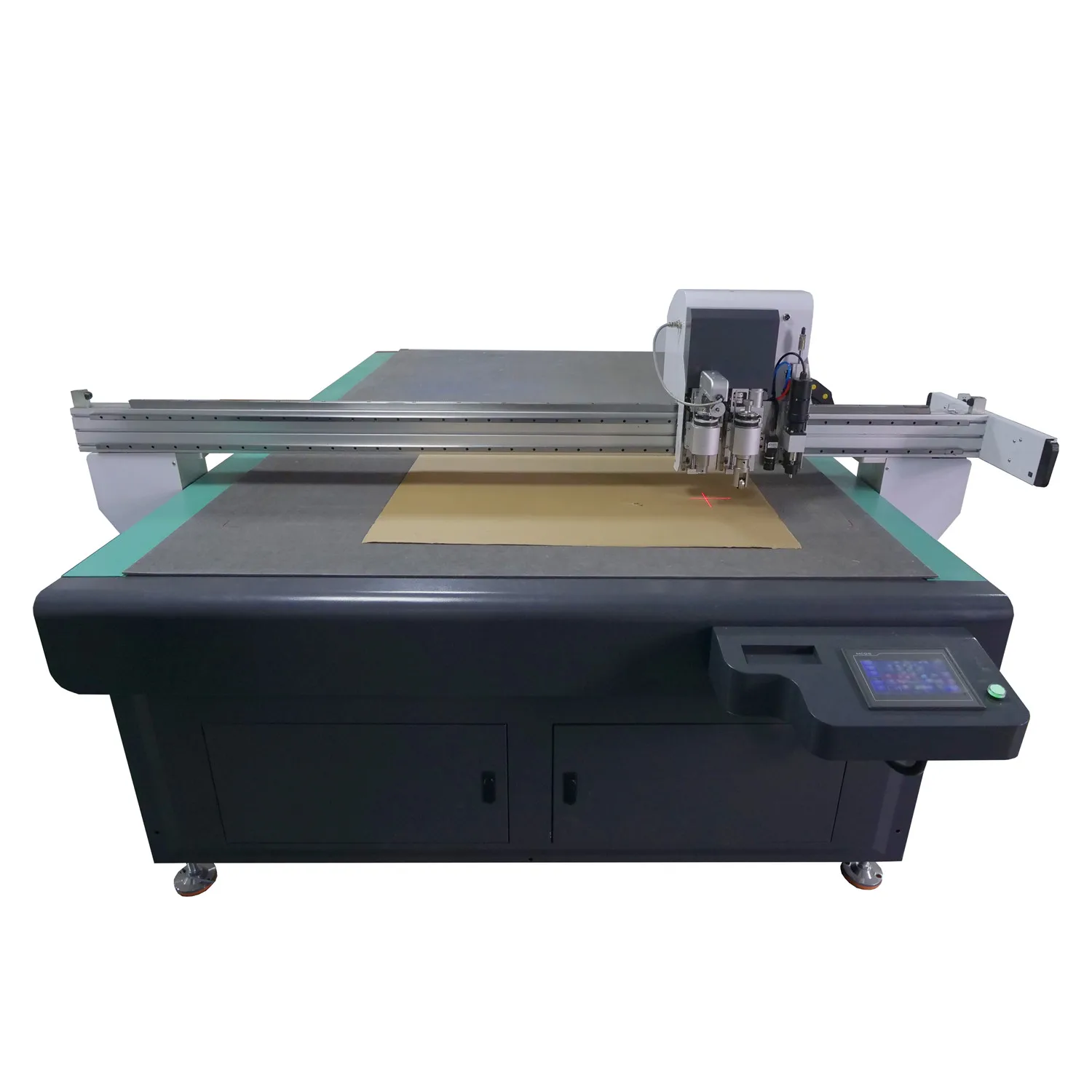
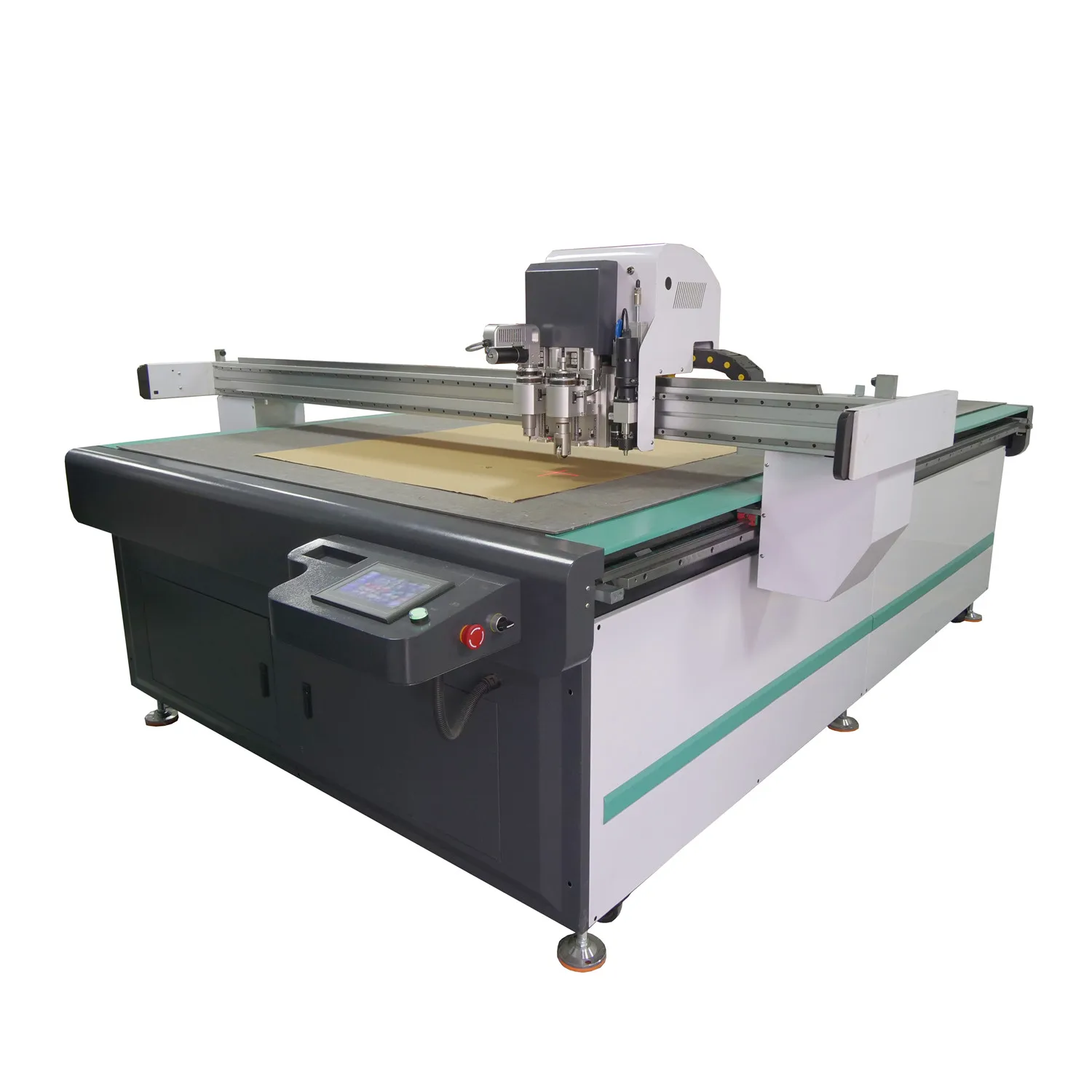
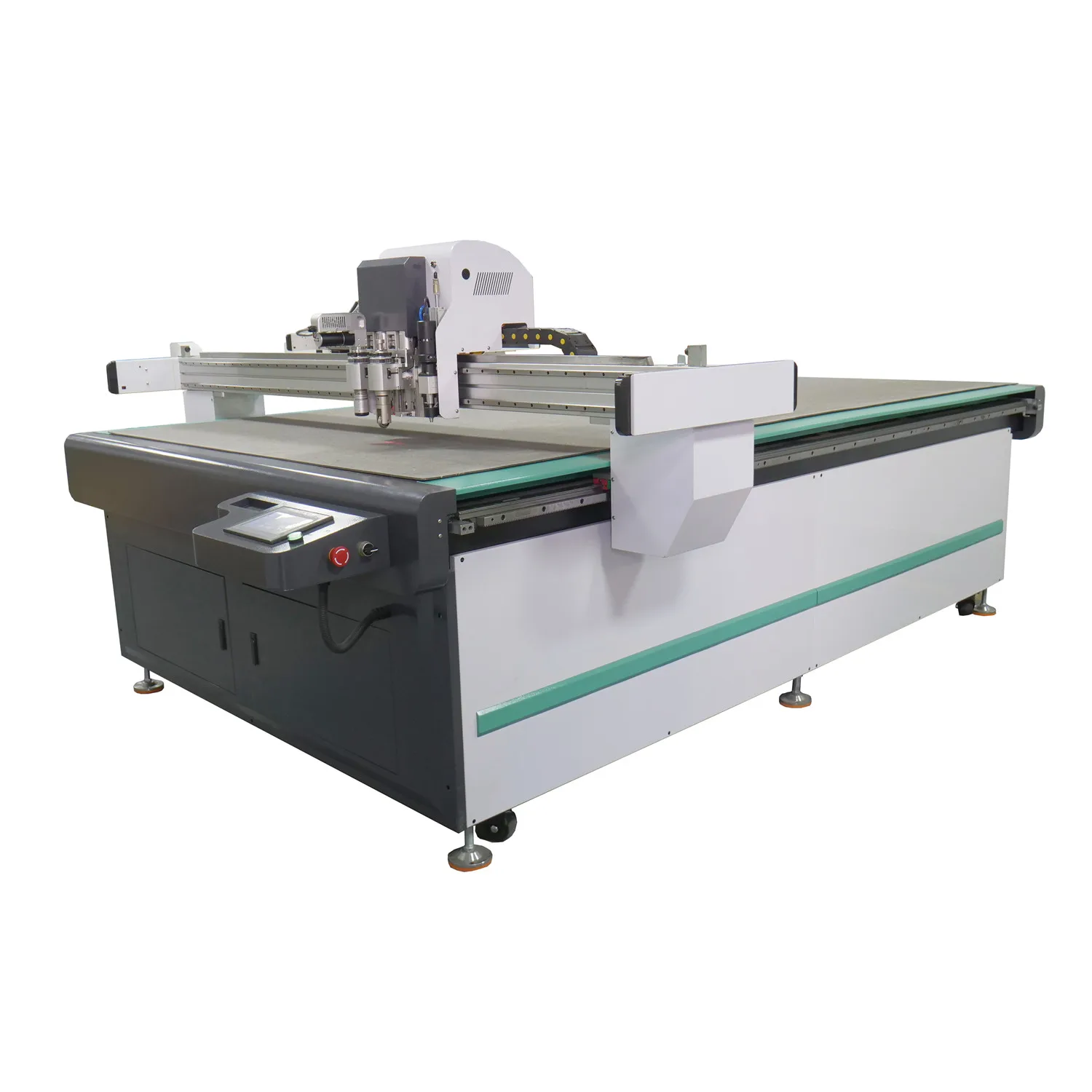
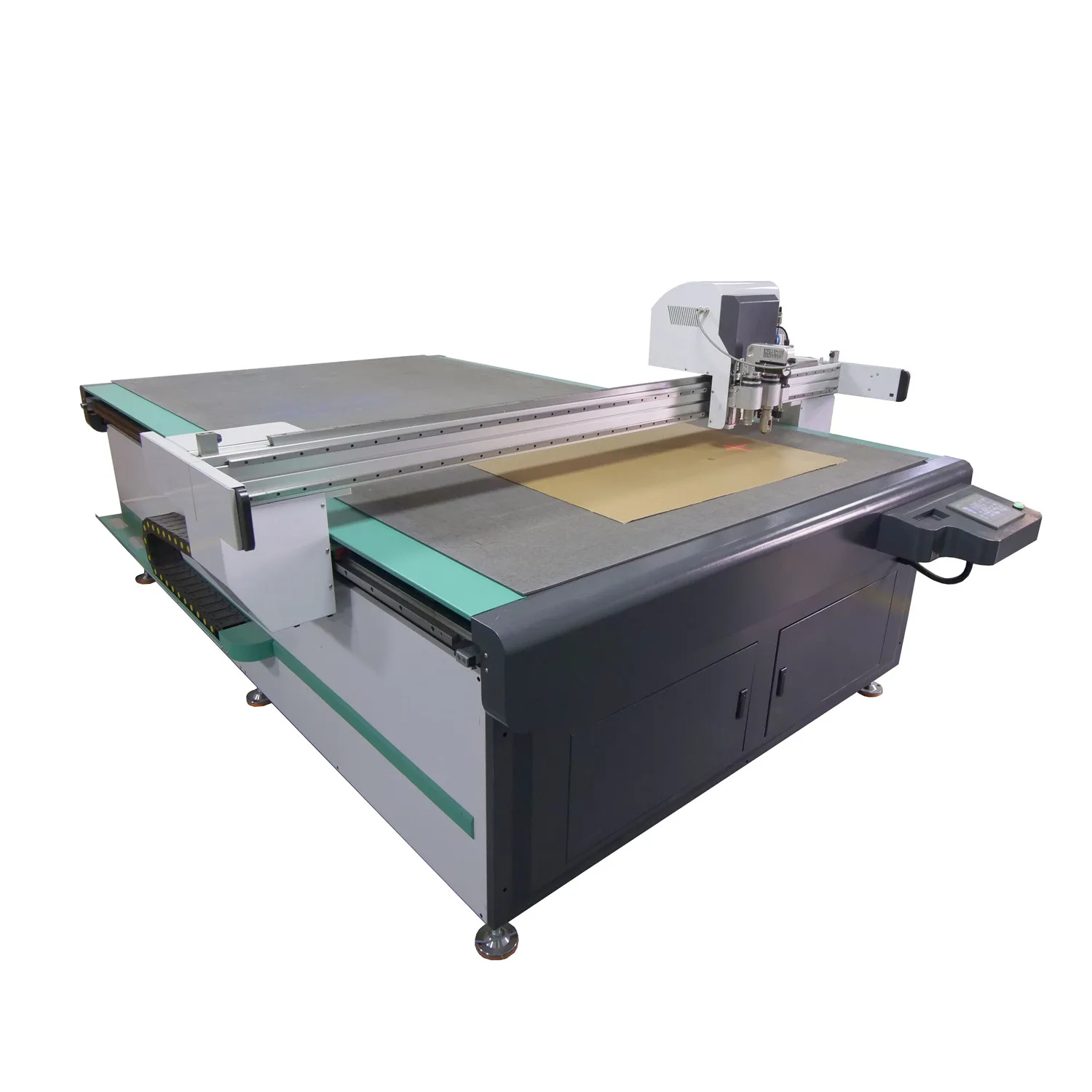

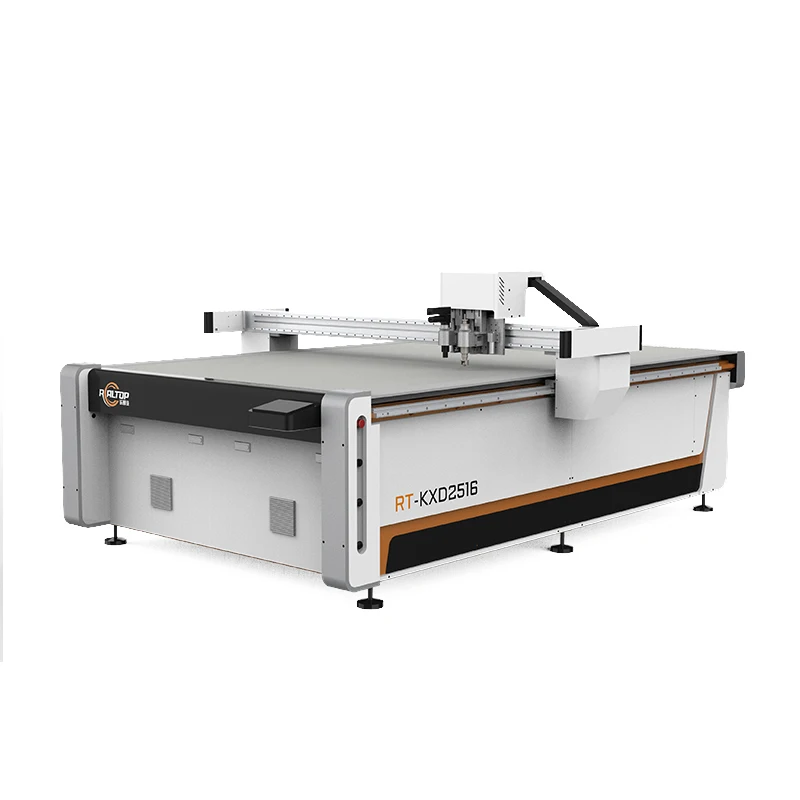





CNC Flatbed Oscillating Knife Cutting Machine for Packaging – OEM Available
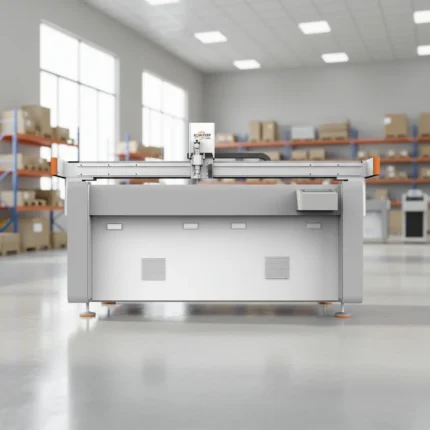
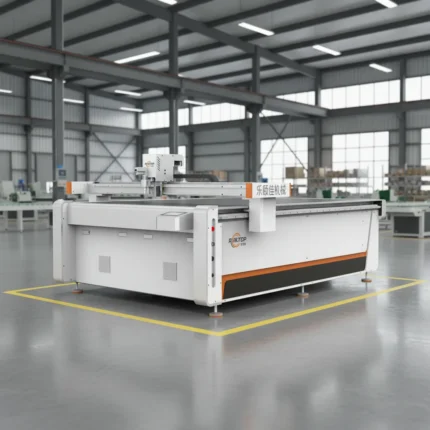
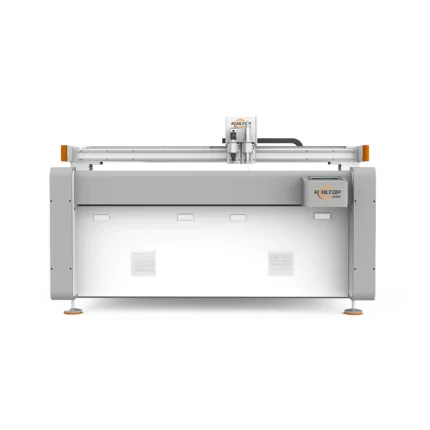
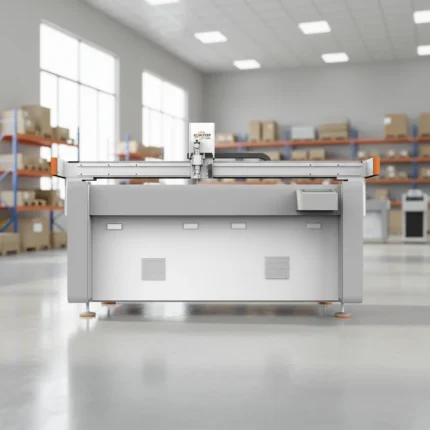
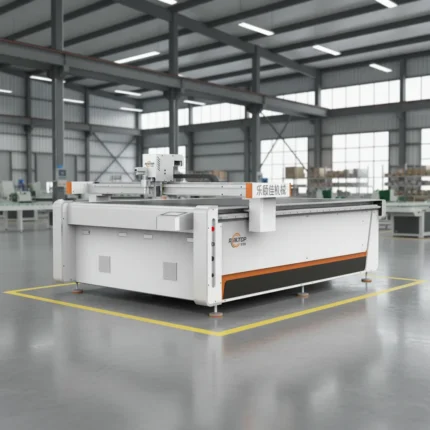
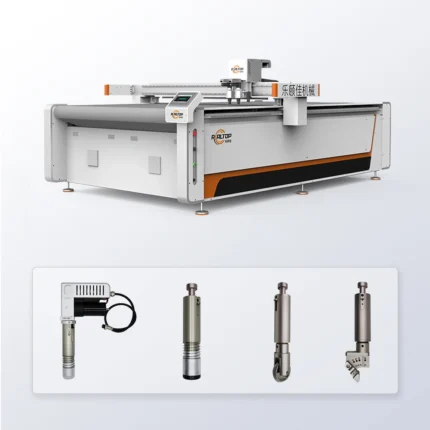
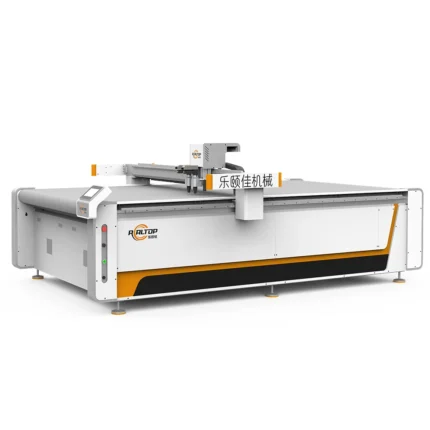
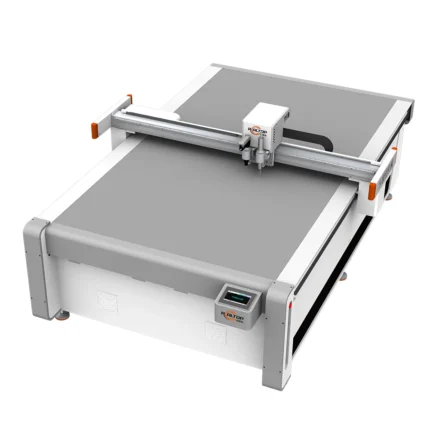
RT-D2516/RT-S2516 CNC Flatbed Oscillating Knife Cutting Machine, 1600×2500mm Working Area, ≤100mm Cutting Thickness — engineered for packaging sample making and short-run carton production.
- Swiss imported oscillating knife with full-cut and half-cut modes handles creasing and cutting in a single setup
- Aluminum honeycomb vacuum table with zoned adsorption prevents small-part lift during high-speed cutting
- Taiwan Hiwin linear guides and Delta servo motors deliver ≤0.1mm repeatability across the full bed
Laser cutting and engraving processes require precise power and focal matching to material — this system’s knife-based approach complements laser workflows by handling board and corrugated stocks that thermal methods cannot process cleanly. Sample cutting on your own packaging material is available before order commitment to verify edge quality and crease depth.
Swiss Knife Precision — The RT-D2516/RT-S2516 uses a Swiss-imported oscillating knife head with full-cut and half-cut modes, letting packaging producers run crease and cut passes in a single setup without swapping tooling mid-job.
Technical Specifications
| Parameter | Value |
|---|---|
| Product Type | CNC Flatbed Oscillating Knife Cutting Machine |
| Model | RT-D2516/RT-S2516 |
| Working Area | 1600 × 2500 mm |
| Machine Size | 3450 × 2300 × 1250 mm |
| Rated Power | 9 kW |
| Vacuum Pump | 7.5 kW |
| Table Type | Aluminum alloy honeycomb flat working table with zoned vacuum adsorption |
| Tool Head | Swiss imported oscillating knife (vibration full cutting, vibration half cutting, cursor location) |
| Transmission System | Taiwan Hiwin linear guide, Delta digital servo motor, synchronous belt, ball screw |
| Translational Velocity | 800–2000 mm/s |
| Cutting Speed | 200–800 mm/s (basis not stated in source — confirm material / thickness) |
| Cutting Thickness | ≤100 mm (varies with material density and tooling) |
| Repeated Accuracy | ≤0.1 mm |
| Conveyor Belt | Germany imported |
| Safety Device | Infrared sensors, emergency stop |
| Instruction System | HP-GL compatible format |
| Voltage | 380V ± 10% (customizable) |
| Software | Professional carton nesting software, multi-format import, language customization |
| Standards | CE |
Application Suitability
| Application | Material or Output |
|---|---|
| Packaging carton sample making | Corrugated board, greyboard, folding carton stock across varying flute profiles and thicknesses |
| Sticker and label production | Self-adhesive vinyl, coated paper, synthetic label stock |
| Paper box and gift box prototyping | Rigid board, art paper, laminated card stock |
| Snack food packaging die-free cutting | Food-grade coated board, grease-resistant liner materials |
| Billboard and signage blanking | Foam board, corrugated plastic, lightweight display board |
| Tag and business card cutting | Card stock, coated paper, thin plastic sheets |
| Flexible non-metal cutting | Leather, PVC, soft glass, silicon, rubber, sponge composite materials |
Why the Voltage Question Should Come Before the Price on a CNC Flatbed Oscillating Knife Cutting Machine
Confirming local voltage, frequency, and plug type before the machine enters production prevents weeks of idle time on the factory floor.
A packaging buyer once ordered a flatbed cutter for a South Asian facility and only discussed the working area and software. The machine arrived wired for a 380V three-phase supply, but the workshop ran on a different industrial standard. The unit sat unpowered for three weeks while an electrician rewired the panel and sourced a matching breaker. That delay cost more in missed sample deadlines than any specification negotiation would have. [NEED_CITE: voltage and frequency standards by export market]
When sourcing a CNC Flatbed Oscillating Knife Cutting Machine for packaging work, electrical compatibility is not a footnote — it is a contract-line item. The RT-D2516/RT-S2516 ships at 380V ± 10% as standard, but voltage, plug configuration, and control panel language are all confirmed and locked in writing before production starts. This step holds even when lead time is tight.
Knife Head Selection Matched to Board Grade
Packaging cutting demands shift between thin art paper for gift boxes and thick double-wall corrugated for shipping prototypes. The Swiss-imported oscillating knife on this machine handles both by switching between full-cut and half-cut vibration modes within the same program. A drag knife or fixed blade would force the operator to stop, swap tools, and recalibrate — losing registration accuracy on nested layouts.
The oscillating action slices through fibrous corrugated flutes without crushing the edge, which matters when a sample needs to fold cleanly along a crease line. Producers who cut across a mixed material set benefit from having the creasing wheel and oscillating knife available in the same tool head carriage, reducing setup time between jobs.
Vacuum Zoning That Holds Small Blanks in Place
A common failure on flatbed cutters is small parts lifting off the table once the knife passes through, because the vacuum zone is larger than the part and air leaks around the edges. The RT-D2516/RT-S2516 addresses this with a zoned honeycomb vacuum table linked to the 7.5 kW pump. Adsorption follows the cutting area rather than flooding the entire bed, keeping even small tag and business card blanks flat against the surface. [NEED_CITE: vacuum table zoning requirements for small-part CNC cutting]
For packaging sample makers who nest multiple carton blanks of different sizes on one sheet, consistent hold-down across the entire working area prevents the last-cut pieces from shifting and ruining the tolerance stack.
Reading the Specs That Actually Affect Output
The 1600 × 2500 mm working area determines the maximum sheet size you can lay flat without repositioning — critical for packaging producers running full-size corrugated sheets or large-format display board. The translational velocity of 800–2000 mm/s governs how fast the head moves between cuts, while the cutting speed of 200–800 mm/s applies only when the knife is engaged in material. These two figures should never be conflated; actual throughput depends on nesting density, material thickness, and the ratio of cut path to travel path.
Taiwan Hiwin linear guides paired with Delta servo motors deliver the ≤0.1 mm repeatability needed when a carton blank requires multiple passes — perforation, crease, and full cut — all registering to the same outline. The HP-GL compatible instruction system and included carton nesting software accept standard file formats from packaging CAD workflows, so operators do not have to redraw geometry in a proprietary environment. The Germany-imported conveyor belt supports automated feed for high-volume runs where sheets are loaded in sequence.
The Hidden Cost of Wrong Tool Head and Table Configuration
Specifying a flatbed cutter on working area alone, without matching the tool head to the material, leads to ragged edges on corrugated board or crushed flutes that compromise fold integrity. A creasing wheel set at the wrong depth leaves a score line that cracks on the outside of the fold. These defects show up only after the sample is assembled, wasting material and client review cycles. [NEED_CITE: edge quality and crease depth requirements in packaging sample making]
When the vacuum table zoning is insufficient for the smallest blank on the nest, that part lifts during the final cut and shifts by a fraction of a millimeter — enough to throw off a glue tab or tuck flap. The result is a sample that looks right on screen but fails physical assembly. These are not machine faults; they are configuration mismatches that a proper specification step would have prevented.
Why Source This Machine Through This Channel
In-house design covers both knife cutting and laser cutting technologies, so the cutting method is matched to the packaging material rather than forced into whichever technology a single-technology supplier happens to offer. Corrugated board and rigid box stock are cut with the oscillating knife; if a buyer also processes acrylic templates or wooden dies, the same factory can supply a CO2 laser unit matched to those non-metal tasks.
Tool head and table configuration are specified per material and production volume before the order is placed. CCD camera positioning is available for printed contour work on pre-printed packaging stock. Software compatibility is confirmed against the buyer’s existing CAD file format and nesting workflow. Voltage, language, and specification details are locked in writing. Sample cutting on the buyer’s own board material is offered before commitment, so edge quality and crease depth are verified on the actual stock that will run in production.
Documentation & Verification
- Machine specification sheet listing tool head, vacuum pump rating, and working area for the RT-D2516/RT-S2516
- Electrical schematic and voltage confirmation document matching your facility’s local supply standard
- Tool head and table configuration list matched to your board grade and flute profile
- Sample cutting report on your own packaging material confirming edge and crease quality
- Software licence and file format compatibility note for your existing CAD workflow
- Factory test record with dimensional checks before dispatch
Installation, Commissioning & Support
- Floor space of at least 3450 × 2300 mm plus clearance for sheet loading on the 1600 × 2500 mm table
- Dedicated 380V ± 10% three-phase circuit rated for the 9 kW machine load plus the 7.5 kW vacuum pump
- Machine arrives as a single-frame unit; the conveyor belt and vacuum table are pre-aligned at factory
- First-run commissioning includes vacuum zone mapping and knife depth calibration on your board stock
- Operator training covers carton nesting software import, tool change, and crease depth adjustment
- Spare parts list includes oscillating knife blades, conveyor belt segments, and vacuum seals
What to Share When Requesting a Quotation
Send the specific board grades and flute profiles you cut most often, along with thickness ranges and typical sheet dimensions. Include your local industrial voltage and frequency, plus the control panel language your operators need. If you run a particular CAD or nesting software, share a sample file so format compatibility can be confirmed before the machine is built.
Frequently Asked Questions
Q: How is cutting thickness verified for my specific corrugated board grade?
A: A sample cutting test runs on your actual board material before the order is finalized. The test covers full cut, half cut, and crease passes, and the results are documented in a sample cutting report. This confirms edge quality, crease depth, and whether the standard oscillating knife handles your flute profile without crushing.
Q: Which tool head configuration suits a mix of corrugated, card stock, and sticker materials?
A: The Swiss-imported oscillating knife handles corrugated and thick board. A drag knife or creasing wheel may be added to the tool carriage for card stock scoring and sticker kiss-cutting. The configuration is specified based on your material list before production, so all required heads are mounted and tested at the factory.
Q: Can the vacuum table hold my smallest carton blank without lifting?
A: The honeycomb vacuum table uses zoned adsorption linked to the 7.5 kW pump. The active vacuum area follows the cutting path rather than covering the entire bed, which concentrates hold-down force on the blanks being cut. This prevents small parts from lifting even when surrounded by cleared waste material.
Q: What file formats does the nesting software accept from my existing packaging CAD system?
A: The included professional carton nesting software supports multiple format imports and is HP-GL compatible. Before the order is confirmed, a file format compatibility check runs against your existing CAD output to ensure geometry, crease lines, and cut paths transfer without manual redrawing.
Q: Is voltage and control language confirmed before shipment for my country?
A: Yes. Voltage, plug type, and control panel language are written into the contract as confirmed specifications. The standard configuration is 380V ± 10%, but this is adjusted to match your facility’s supply. The electrical schematic is reviewed with you before production begins.


Related products
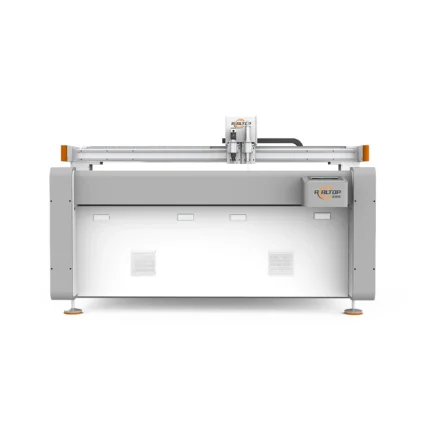
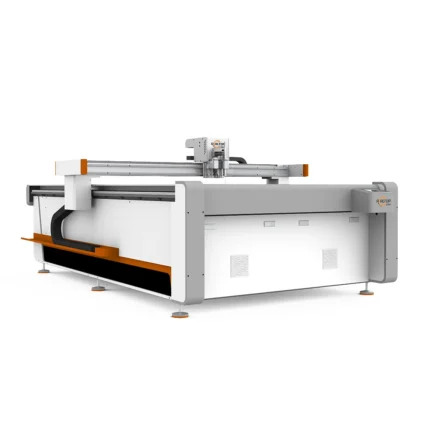
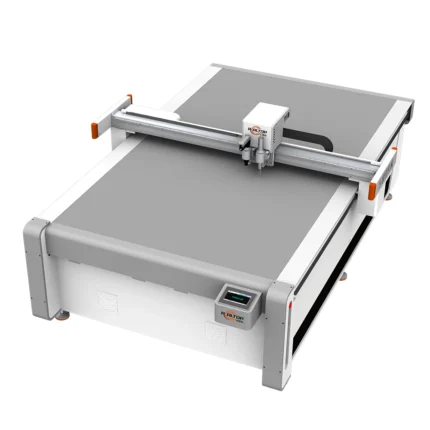
Automatic CNC Cutter Plotter 2026 Flat Bed Cardboard Cutter
Product Introduction
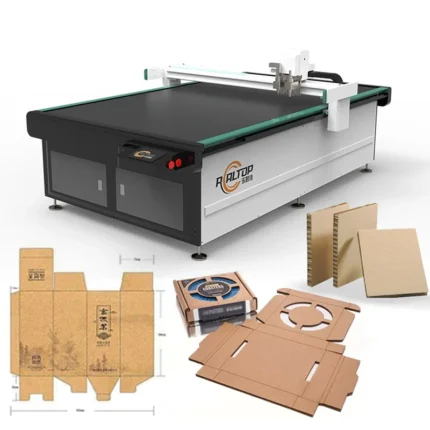
Automatic CNC Cutter Plotter 2026 is a flat bed cardboard cutting machine designed for precise and efficient cutting tasks. Ideal for various cardboard processing needs, it combines advanced CNC technology to deliver accurate results, suitable for manufacturing and packaging applications.Product Parameters
| Type | Automatic CNC Cutter Plotter |
| Model | 2026 |
| Design | Flat Bed |
| Application | Cardboard Cutting |
Automatic Die-less Cardboard Vibrating Knife Cutter 2026
Product Introduction
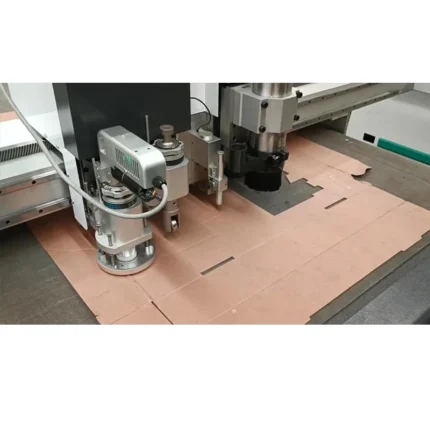
Automatic Die-less Cardboard Vibrating Knife Cutter 2026, a precision cutting solution for cardboard materials, featuring advanced die-less technology for efficient and flexible cutting operations. Ideal for various cardboard processing needs in manufacturing and packaging industries.Key Specifications
| Model | 2026 |
| Type | Automatic Die-less Cutter |
| Cutting Tool | Vibrating Knife |
| Material | Cardboard |
Automation CNC Pizza Box Machine 2026 Rotary Die Cutting
Product Parameters
| Type | Automation CNC Pizza Box Machine |
| Model Year | 2026 |
| Cutting Technology | Rotary Die Cutting |
| Operation | Automated CNC Control |
Introduction
This 2026 Automation CNC Pizza Box Machine features advanced rotary die cutting technology, ensuring precise and efficient pizza box production. With automated CNC control, it offers high productivity and accuracy for professional manufacturing needs.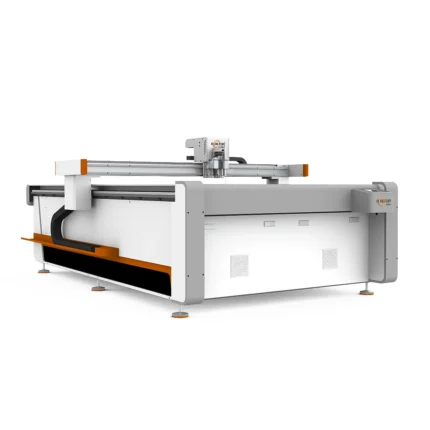
CNC Flatbed Cutter 2026 Digital Corrugated Box Making Machine
Product Introduction
High-precision CNC flatbed cutter designed for efficient cardboard box production. Ideal for 2026 digital corrugated box manufacturing, offering precise cutting and reliable performance for professional packaging solutions.
Key Specifications
| Type | CNC Flatbed Cutter |
| Application | Cardboard Box Production |
| Technology | 2026 Digital System |
| Material | Corrugated Board |

商品评价
There are no reviews yet.