

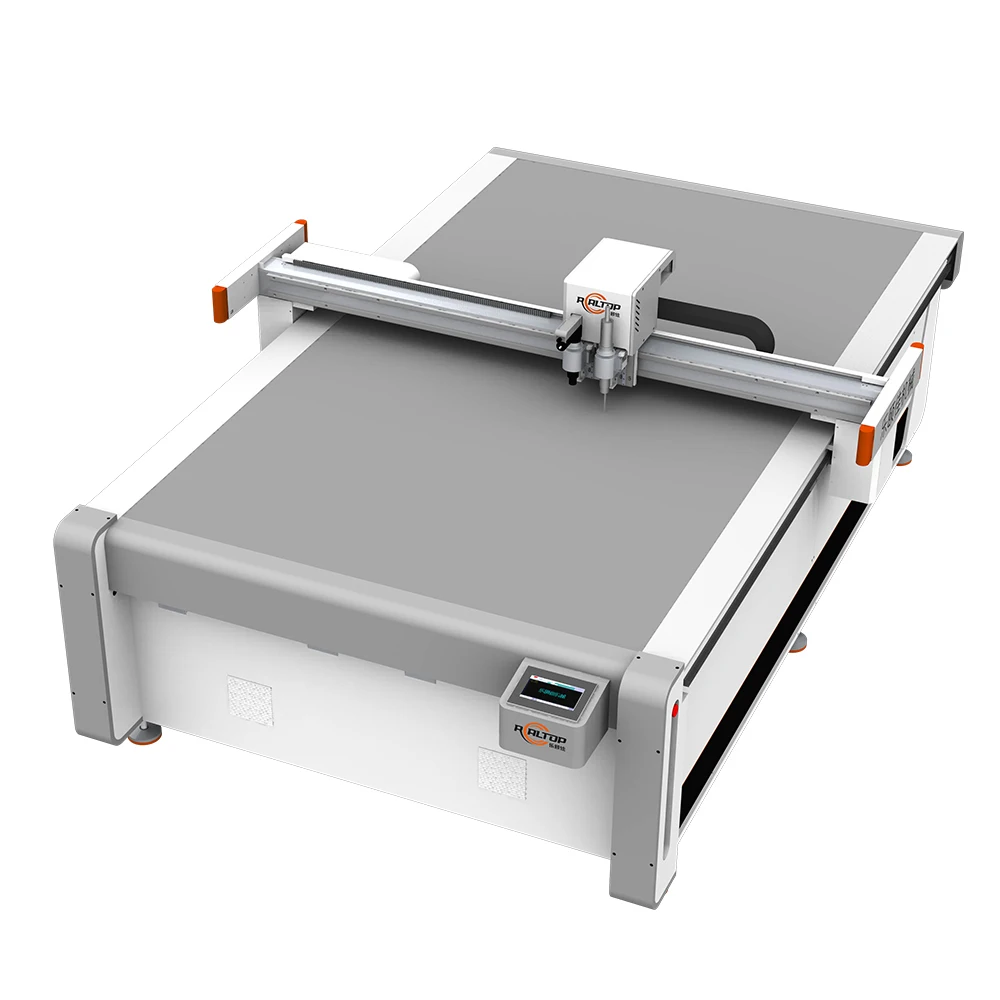
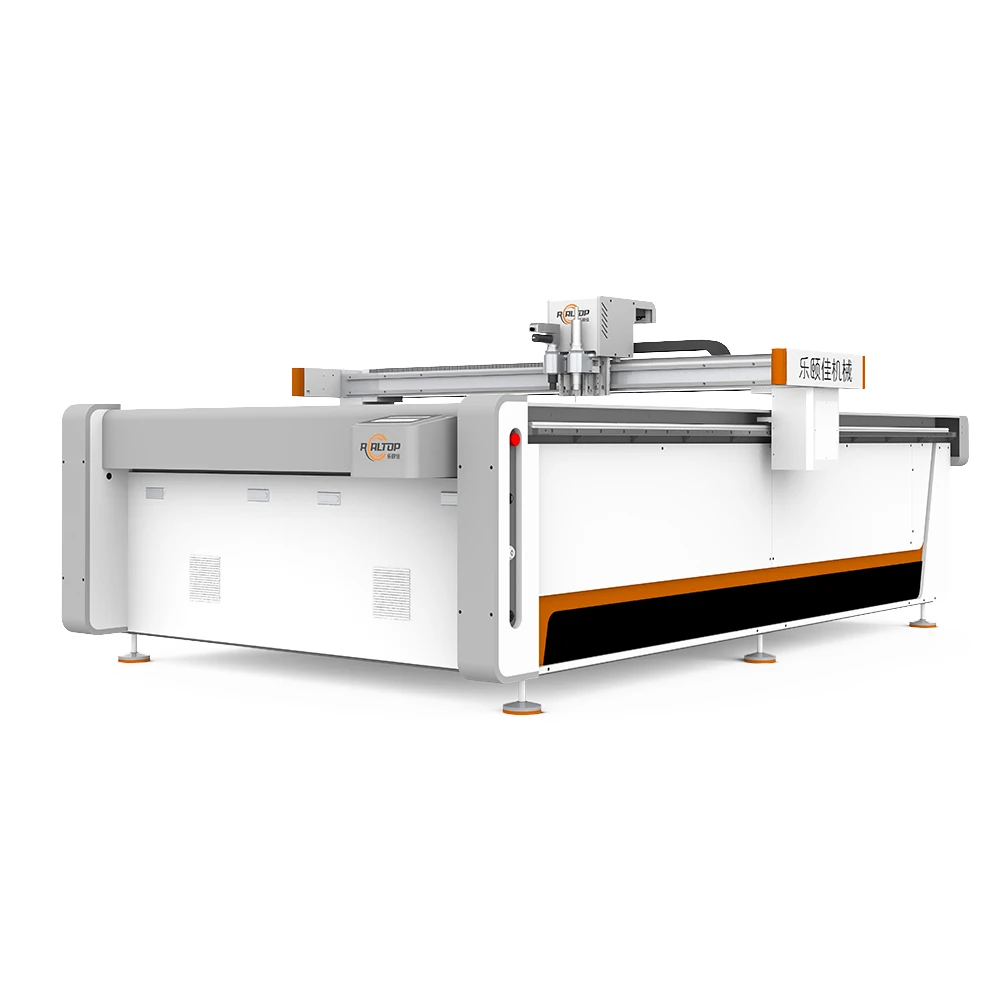
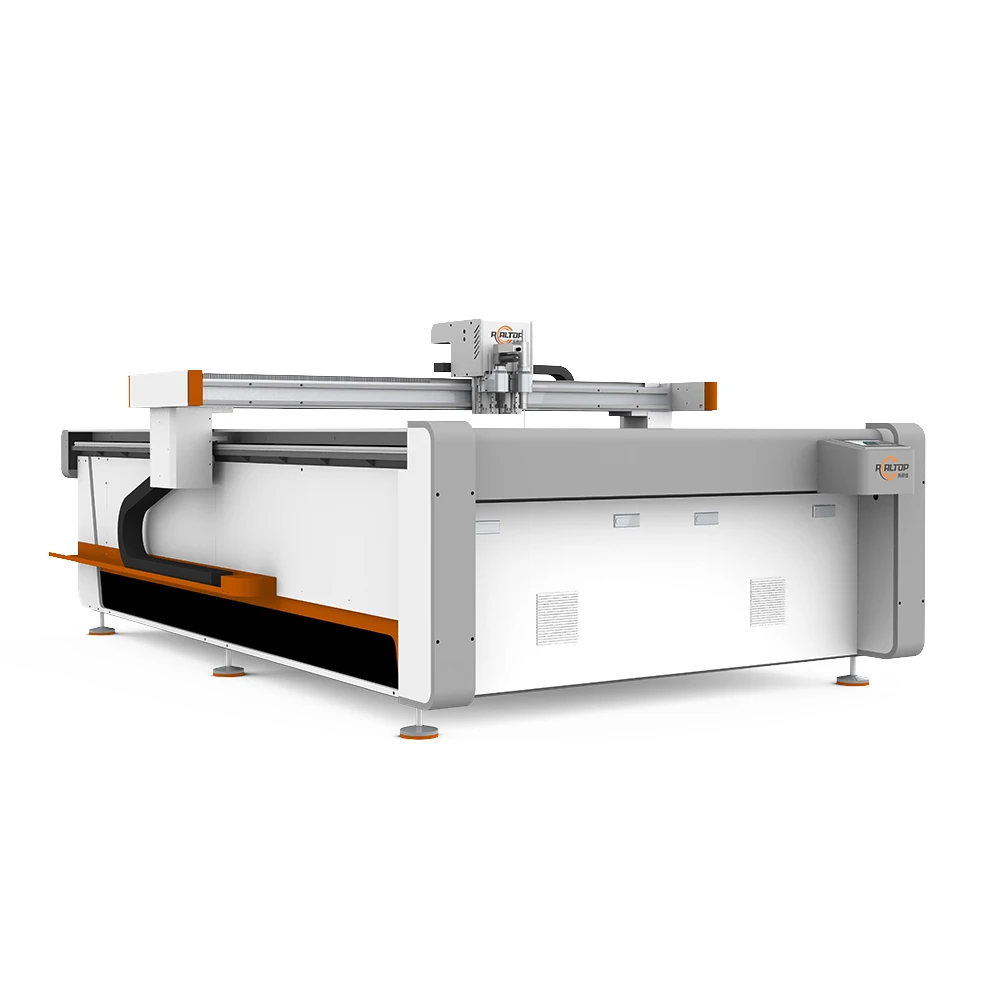
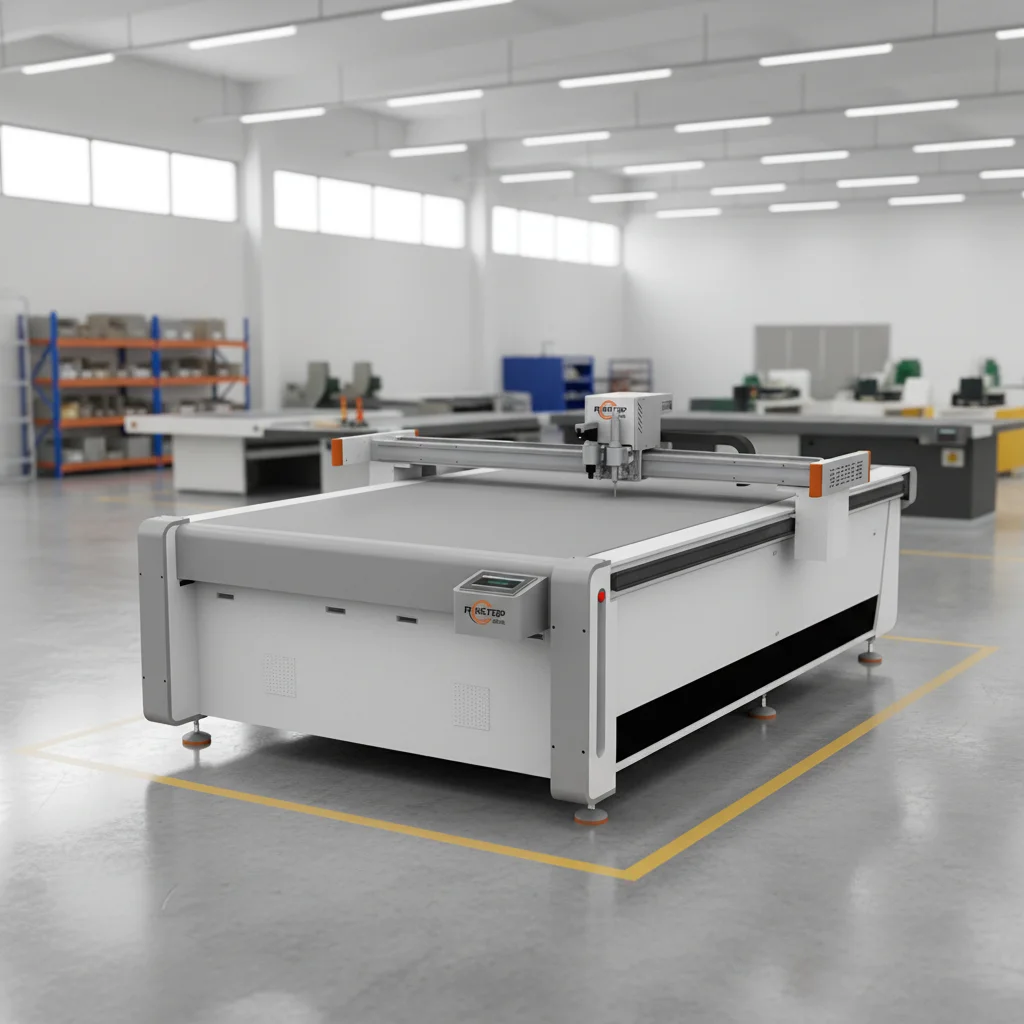
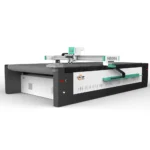
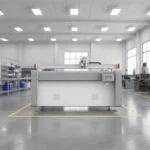
CNC Flatbed Oscillating Knife Cutting Machine for Packaging – OEM Available
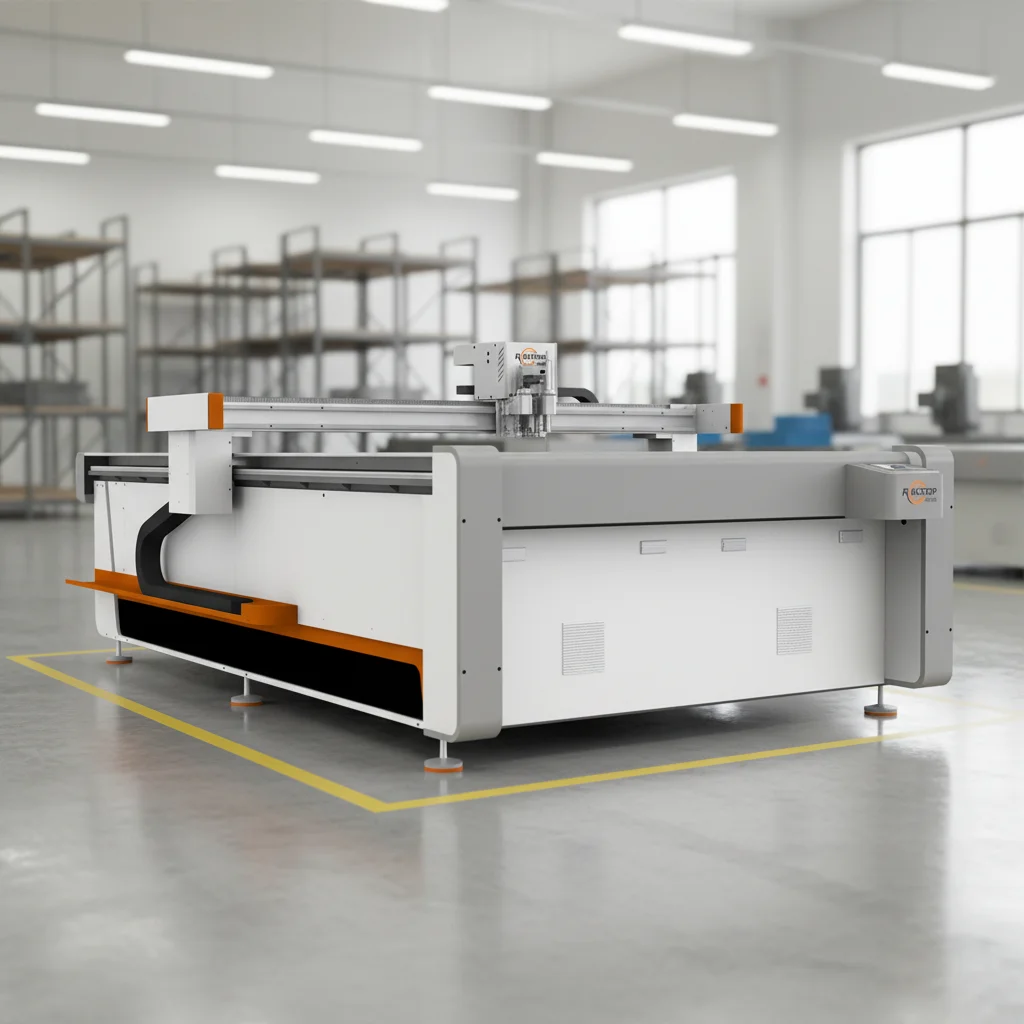
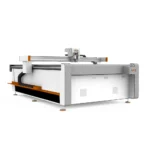
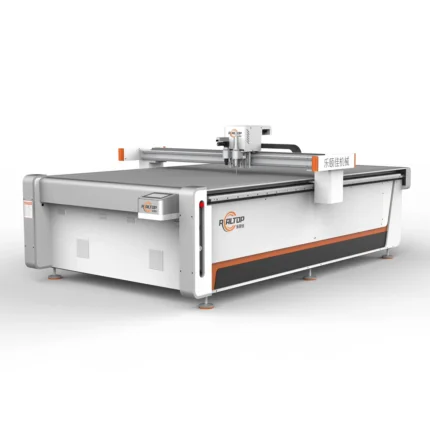
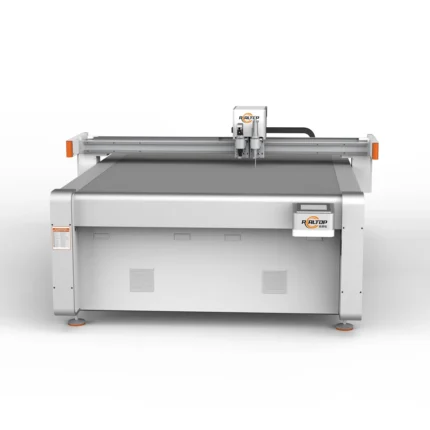
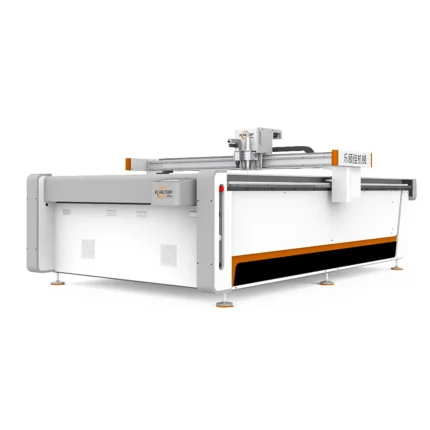
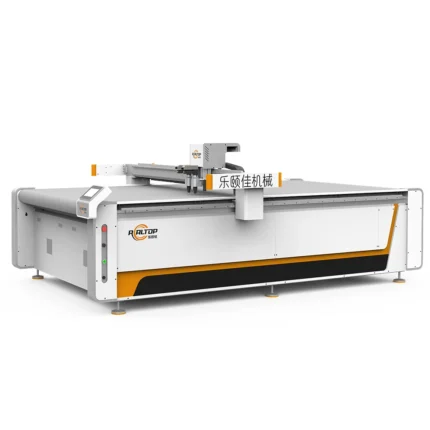
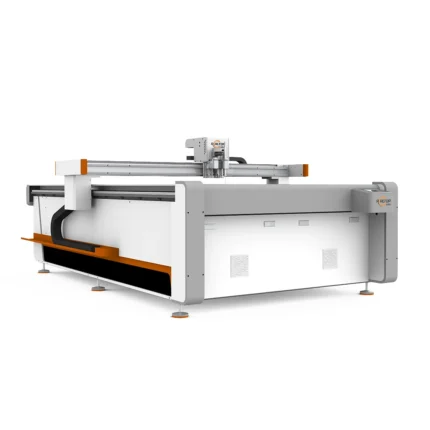
1625 CNC Flatbed Oscillating Knife Cutting Machine, 1600×2500mm working area, ≤40mm cutting thickness, ±0.1mm accuracy — configured for packaging sample making and short-run production.
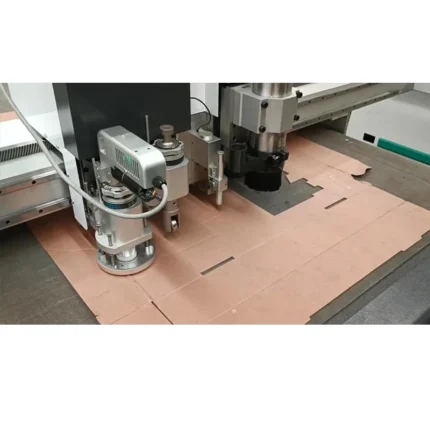
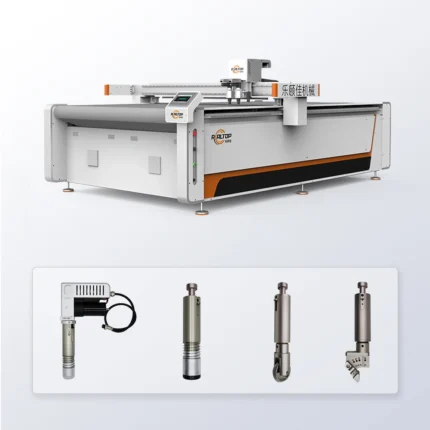
- Tool heads selected per material: oscillating knife, creasing wheel, driven rotary knife and CCD camera for printed contour work
- Aluminum bellows vacuum table with 9KW pump for full-surface hold-down across corrugated cardboard, foam, PVC and composites
- PLC control with dedicated packaging structure software; 110V/220V/380V and multi-language interface confirmed before shipment
Sample cutting on your own material with a full cutting report before commitment, ensuring edge quality and crease depth match your production requirements.
In-house knife cutting design — tool heads and vacuum zones specified per buyer’s packaging material and daily sample volume, validated on actual stock before order confirmation.
Technical Specifications
| Parameter | Value |
|---|---|
| Model | 1625 |
| Product Type | CNC Flatbed Oscillating Knife Cutting Machine |
| Working Area | 1600×2500 mm |
| Cutting Speed | 0-1500 mm/s |
| Cutting Thickness | ≤ 40 mm |
| Cutting Accuracy | ±0.1 mm |
| Tool Head Options | Oscillating knife, Driven rotary knife, Creasing wheel, Kiss cutting tool, Pneumatic knife, Milling tool, V-groove knife |
| Positioning System | CCD camera contour recognition |
| Vacuum Table | Aluminum bellows vacuum table |
| Vacuum Pump | 9 kW |
| Machine Frame | Heavy-duty frame with precision-ground surface |
| Control System | PLC control panel |
| Servo Motor Options | Panasonic, Delta, Dorna (availability confirmed per configuration) |
| Voltage | 110V, 220V, 380V |
| Safety Device | Infrared sensor and emergency stop |
| Software & File Formats | PLT, DXF, AI, PDF; dedicated packaging box structure design software |
| Overall Dimensions | 3300×2100×1350 mm |
Application Suitability
| Application | Material or Output |
|---|---|
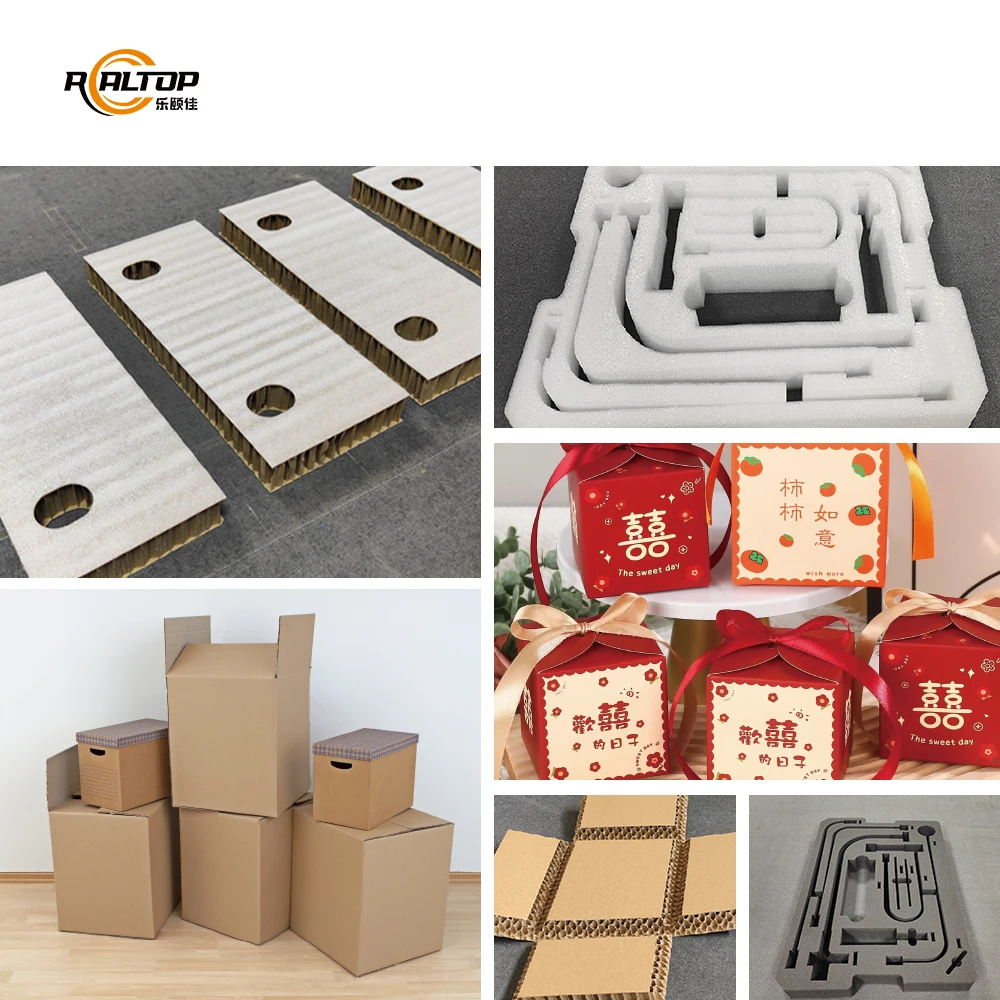
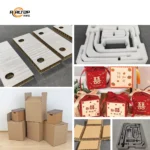
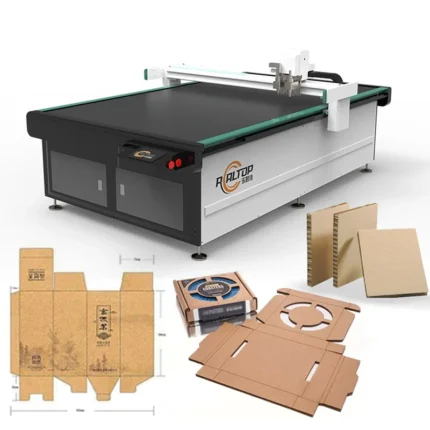
| Carton and corrugated sample making | E-flute, B-flute, BC-flute corrugated board, greyboard, cardstock |
| Protective packaging inserts | EVA foam, EPE foam, PU foam, Coroplast |
| Short-run packaging production | Art paper, specialty paper, adhesive-backed composite materials |
| Industrial gaskets and pads | Rubber mats, PTFE, non-woven fabric |
| Display and point-of-sale | PVC, PET thin sheets, velvet and fleece fabric, synthetic leather |
Why Material Samples Must Precede the Purchase Order
A CNC oscillating knife cutting machine for packaging that cannot cut through the buyer’s actual board stock is a production liability, not an asset.
Early in my assembly career, I watched a packaging shop receive a machine configured for single-face E-flute, only to find their daily runs involved double-wall BC-flute and 3 mm greyboard. The oscillating knife stalled mid-sheet, the creasing wheel left shallow impressions, and the vacuum hold-down lifted thin art paper inserts off the table. Reconfiguring the tool head, upgrading the pneumatic knife stroke and adjusting vacuum zoning took weeks during their peak season [NEED_CITE: material thickness impact on tool head selection]. That incident shaped how we now insist on cutting the buyer’s own material before any order is confirmed.
Laser Process Perspective — Where Cutting Methods Diverge
On rttcuter.com, the focus is laser cutting and engraving processes. A CNC oscillating knife cutting machine for packaging operates in a different domain — mechanical blade contact rather than thermal ablation. For packaging materials containing PVC or adhesive laminates, knife cutting avoids the toxic fume and melted-edge issues that CO2 lasers produce on chlorine-based substrates. Buyers evaluating both methods should note that laser sealing works well on synthetic textiles, while corrugated fibre and foam insert production belongs to the knife table [NEED_CITE: PVC and chlorine-based material cutting restrictions].
Matching the Process to the Packaging Substrate
The decision between knife and laser extends beyond material compatibility into edge character and downstream finishing. Corrugated samples require clean crease lines alongside full-depth cuts in a single pass — a task the creasing wheel and oscillating knife handle without the thermal discolouration a laser beam would leave on kraft liners. Buyers running short-run luxury packaging on art paper or velvet-lined inserts find that knife cutting preserves the surface finish, whereas laser engraving suits wood, acrylic and anodised board applications covered elsewhere on this site [NEED_CITE: surface finish requirements for luxury packaging substrates].
How the 1625 Configuration Serves Packaging Workflows
The 1600×2500 mm working area accommodates standard full-size corrugated sheets without repositioning, which matters when registration between cut and crease lines determines whether a carton sample folds square. The ±0.1 mm cutting accuracy holds tolerance across repeated sample runs, so a box design approved on Monday still closes correctly on Friday. Tool head selection — oscillating knife for through-cuts, creasing wheel for fold lines, V-groove knife for rigid board bevels — is configured per the buyer’s material stack, not left as a generic package. The dedicated packaging box structure design software imports DXF and AI files directly from common box-design CAD, eliminating the file-conversion errors that plague generic nesting software. The 9 kW vacuum pump paired with the aluminum bellows table maintains hold-down on small carton blanks that would otherwise lift under the knife head at 1500 mm/s traverse speeds.
The Cost of Skipping the Material Test
Accepting a machine on working-area dimensions alone invites problems that surface only after installation. If the vacuum zoning does not match the buyer’s smallest part size, corrugated blanks lift during high-speed traversal, producing ragged edges and broken knife tips. If the oscillating knife stroke is set for thin card when the actual stock is 40 mm foam, the blade deflects, accuracy degrades and replacement intervals shorten noticeably [NEED_CITE: vacuum table zoning and small-part hold-down principles]. Voltage mismatches discovered post-shipment mean transformer retrofits and control-panel rewiring — delays no packaging shop can absorb during a product launch cycle.
Why Buyers Source This Equipment Here
The 1625 is built in-house, meaning the design team that selects the servo motor specification is the same team that validates cutting performance on buyer-supplied materials before dispatch. Tool head and table configurations are written into the order specification, not left to distributor guesswork. CCD camera positioning is tested against the buyer’s actual printed registration marks at production speed. Software compatibility is confirmed against the buyer’s existing DXF, AI, PLT or PDF workflow before the machine enters build. Voltage, plug type and control-language options — English, Russian, Italian, Chinese or custom — are locked in at order, not discovered at uncrating. Sample cutting reports on the buyer’s material ship with the documentation, giving the production team a verified starting-point parameter set on day one.
Documentation & Verification
- Electrical schematic with confirmed voltage and plug type for your facility
- Tool head and vacuum table configuration list matched to your material stack
- Sample cutting report on your corrugated, foam or composite stock
- Software licence with confirmed DXF, AI, PLT and PDF file-format compatibility
- Factory test record on your specified cutting thickness range
- CE declaration scope covering this machine model and configuration
Installation, Commissioning & Support
- Heavy-duty frame requires level concrete floor supporting the 3300×2100×1350 mm footprint
- Dedicated circuit for 110V, 220V or 380V supply with confirmed frequency before connection
- 9 kW vacuum pump requires independent ducting to the workshop exterior or filtration unit
- PLC control panel language set to operator preference during commissioning on site
- Servo motor tuning and CCD camera calibration performed against buyer material samples
- Oscillating knife and creasing wheel consumable spares list provided at handover
Preparing Your Enquiry
Share the specific corrugated flute profile, greyboard grammage or foam density you run most often, along with the maximum sheet size and daily sample volume your shop targets. Confirm your facility voltage and frequency, the control language your operators need, and whether your current box-design software exports DXF, AI or another format. If you can ship a roll or sheet of your actual material to our facility, we will run the sample cut and return a detailed report before you commit to the order.
Frequently Asked Questions
Q: How do you decide which tool heads my packaging materials require?
A: We review your material type, thickness and ply construction — E-flute corrugated needs a different oscillating knife stroke than 40 mm EVA foam. The creasing wheel, V-groove knife, kiss cutting tool and pneumatic knife are all available, and we configure only those your actual production requires, avoiding unnecessary tooling that adds complexity without adding value.
Q: Can I send my packaging material for sample cutting before ordering?
A: Yes. We cut your corrugated board, foam, PVC or composite stock on the 1600×2500 mm table at production speeds, documenting edge quality, crease depth and cycle time. You receive a sample cutting report with the recommended tool head, knife stroke and vacuum pressure settings as your baseline reference.
Q: What electrical and language options are confirmed before shipment?
A: Voltage (110V, 220V or 380V), plug type, frequency and control panel language are all written into the order specification. English, Russian, Italian and Chinese are standard, with other languages configurable. The electrical schematic ships with the machine so your local electrician can verify the dedicated circuit before uncrating.
Q: Is the packaging software compatible with my existing design files?
A: The dedicated packaging box structure design software imports PLT, DXF, AI and PDF formats directly. We confirm compatibility with your current nesting workflow before order, so you are not forced to re-purchase design tools or rebuild your box template library from scratch after installation.


Related products
Automatic Digital Cardstock Cutter 2026 CNC Cutter
Product Introduction
Automatic Digital Cardstock Cutter 2026 is a CNC cutting machine ideal for white cardboard and kraft paper. It offers precise and efficient cutting performance, suitable for various paper processing needs in manufacturing and craft applications.Key Specifications
| Type | CNC Digital Cutting Machine |
| Material Compatibility | White Cardboard, Kraft Paper |
| Operation | Automatic |
| Application | Paper Cutting & Processing |
Automation CNC Pizza Box Machine 2026 Rotary Die Cutting
Product Parameters
| Type | Automation CNC Pizza Box Machine |
| Model Year | 2026 |
| Cutting Technology | Rotary Die Cutting |
| Operation | Automated CNC Control |
Introduction
This 2026 Automation CNC Pizza Box Machine features advanced rotary die cutting technology, ensuring precise and efficient pizza box production. With automated CNC control, it offers high productivity and accuracy for professional manufacturing needs.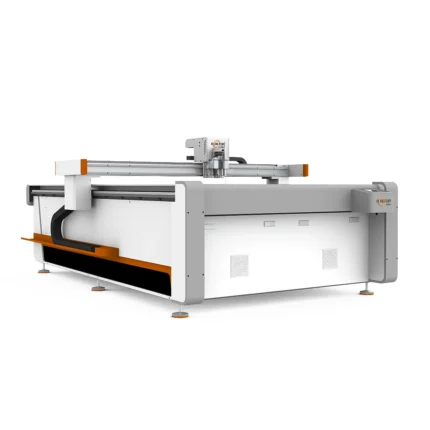
CNC Flatbed Cutter 2026 Digital Corrugated Box Making Machine
Product Introduction
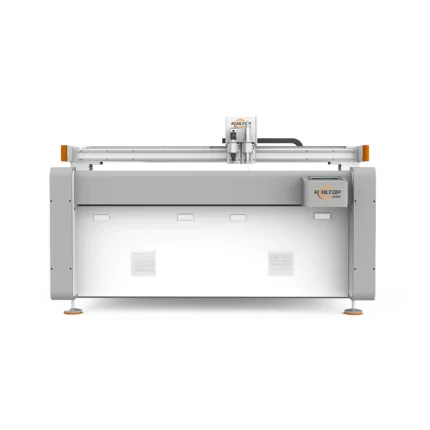
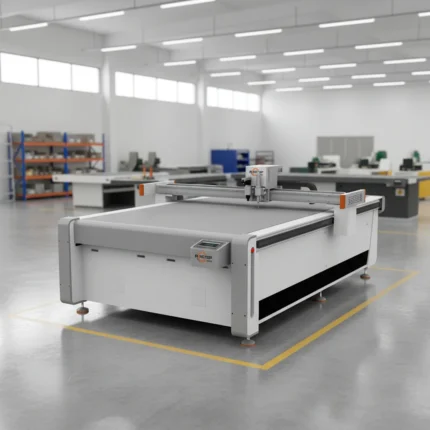
High-precision CNC flatbed cutter designed for efficient cardboard box production. Ideal for 2026 digital corrugated box manufacturing, offering precise cutting and reliable performance for professional packaging solutions.
Key Specifications
| Type | CNC Flatbed Cutter |
| Application | Cardboard Box Production |
| Technology | 2026 Digital System |
| Material | Corrugated Board |

CNC Vibrating Knife Cutter 2026 Custom Cartons Packaging
Product Introduction
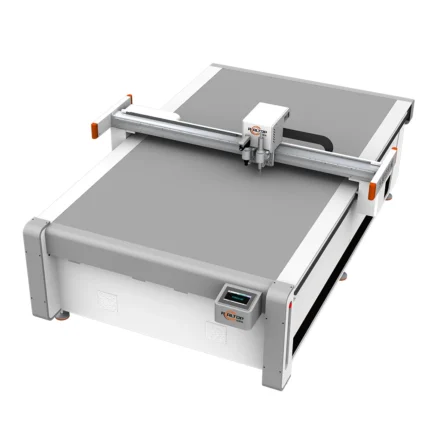
CNC Vibrating Knife Cutter 2026 is ideal for custom cartons & packaging, offering precise cutting solutions for various materials. Engineered by a leading Chinese welding & cutting equipment manufacturer, it ensures efficiency and accuracy for packaging production needs.Key Specifications
| Model | 2026 |
| Type | CNC Vibrating Knife Cutter |
| Application | Custom Cartons & Packaging |
| Manufacturer | Chinese Leading Factory |

Realtop CNC Carton Box Cutter 2026 CCD Camera Honeycomb Cutting
Product Introduction
Realtop CNC Carton Box Cutter 2026 is a professional cutting solution featuring CCD Camera and Honeycomb Cutting technology, ideal for precise carton box processing with efficient performance.Product Parameters
| Model | Realtop CNC Carton Box Cutter 2026 |
| Vision System | CCD Camera |
| Cutting Technology | Honeycomb Cutting |
商品评价
There are no reviews yet.