

CNC Oscillating Knife Cutter for Gasket – Factory Supply
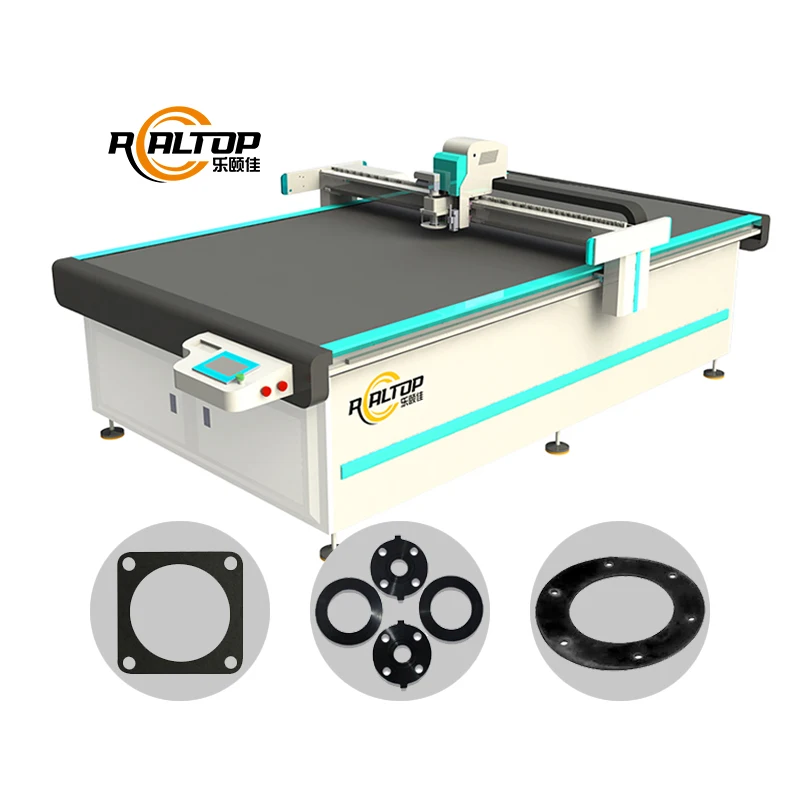
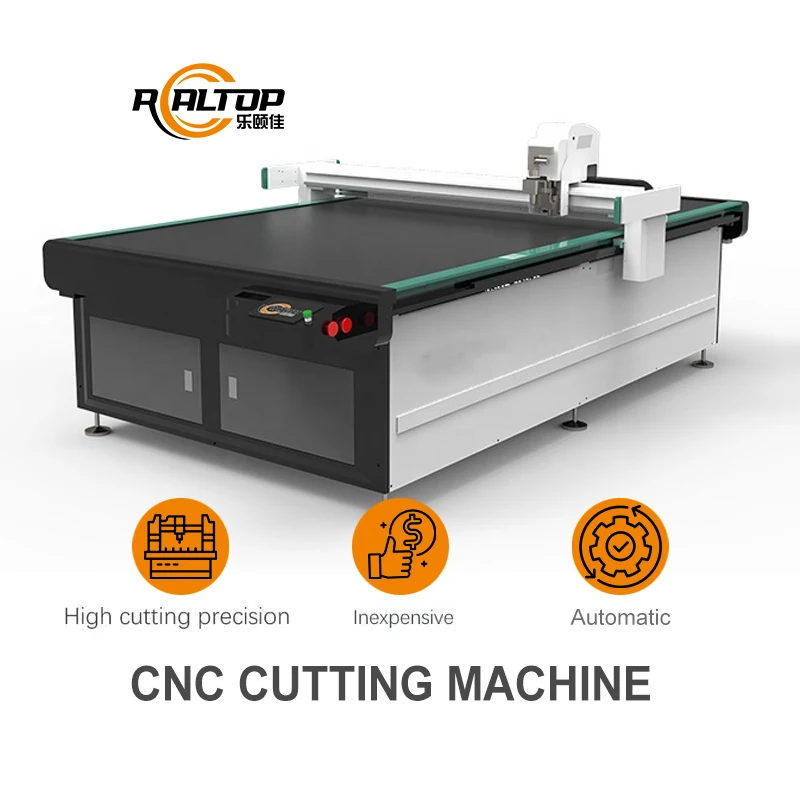
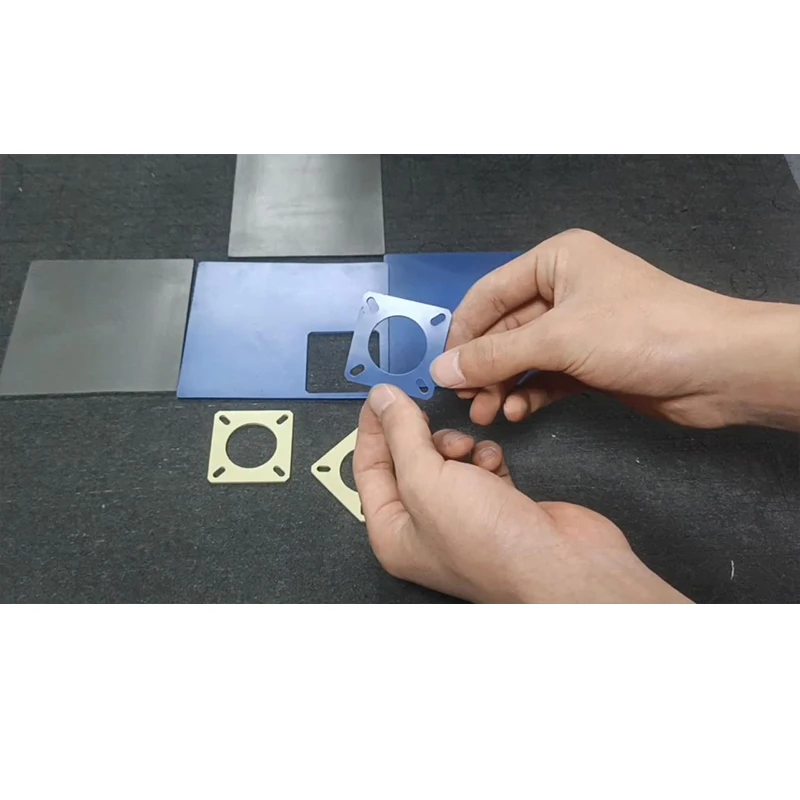
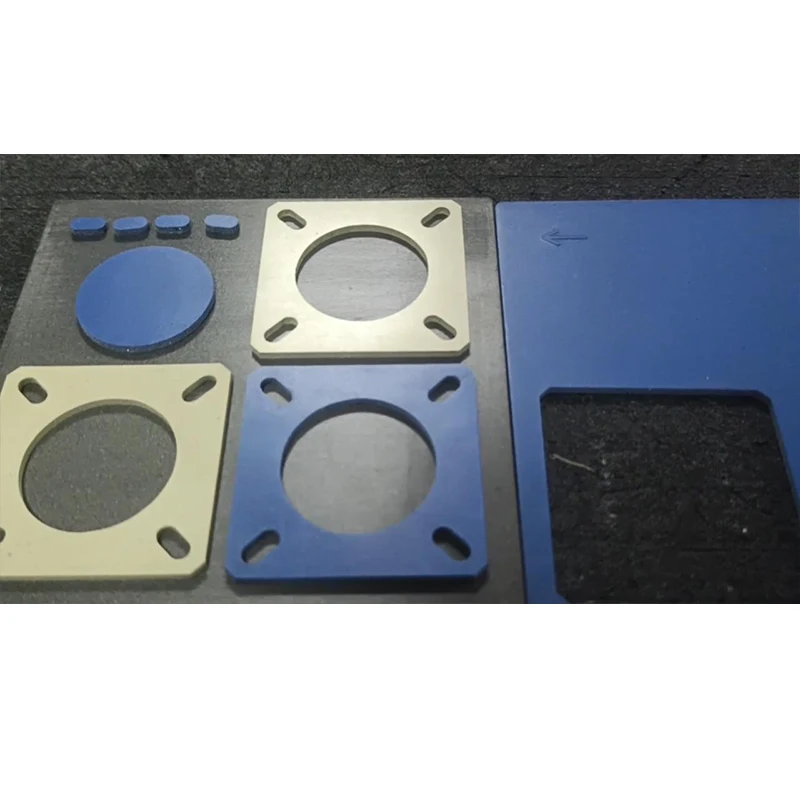
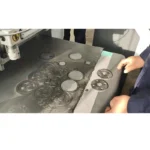
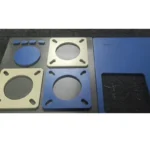
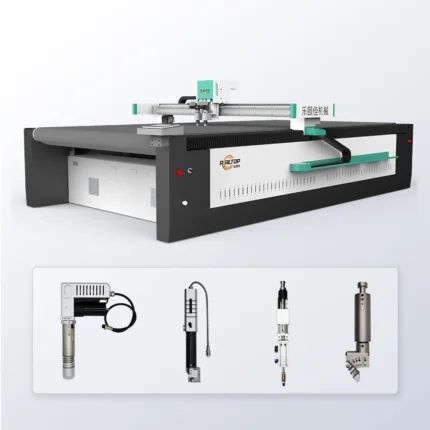
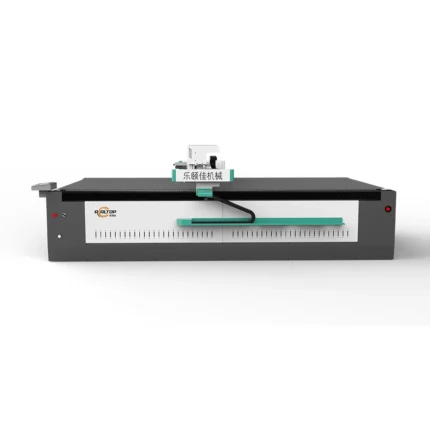
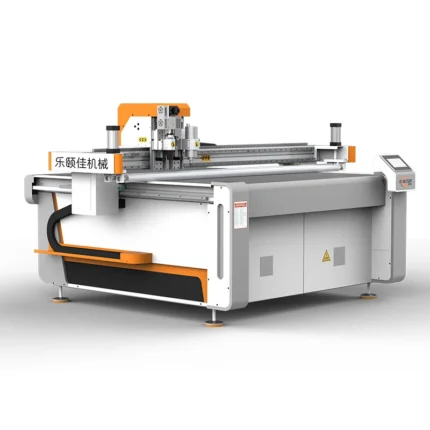
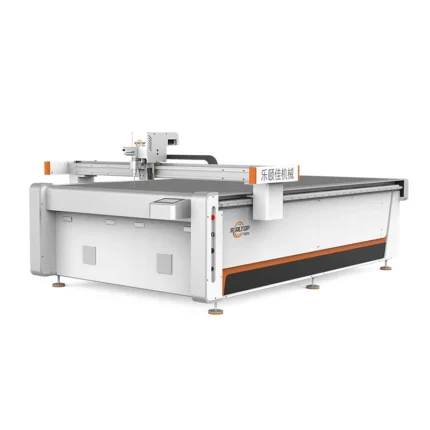
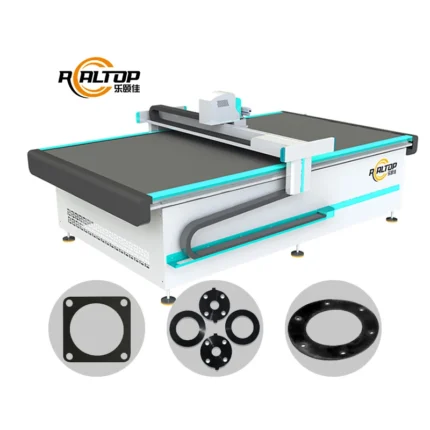
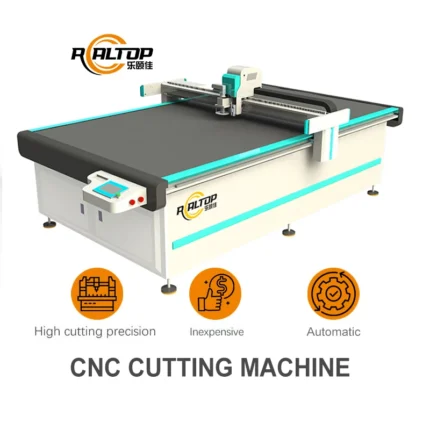
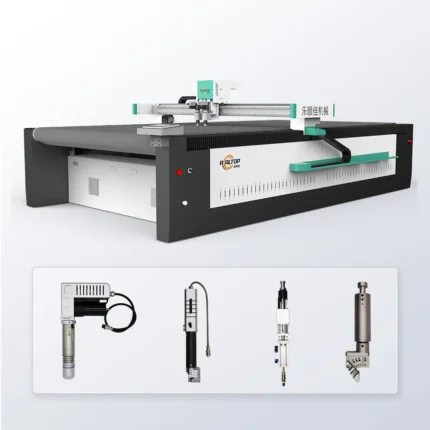
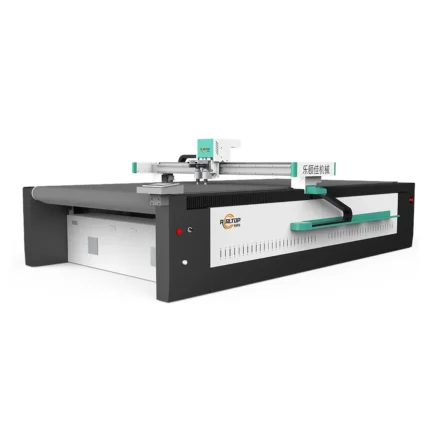
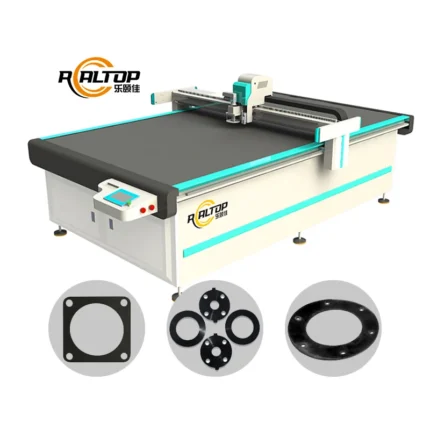
RT-D2516/RT-S2516 CNC Oscillating Knife Cutting Machine, 1600×2500mm Working Area, 9kW Rated Power — configured for gasket, rubber, PTFE and composite fiber sheet processing with oscillating knife head selection matched to material density and thickness.
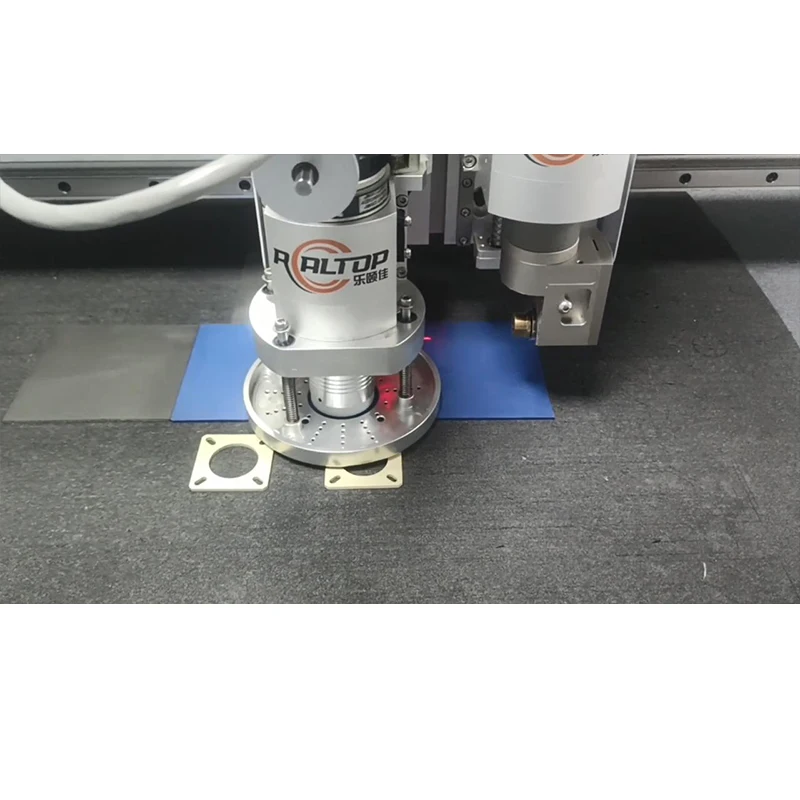
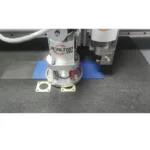
- Swiss imported oscillating knife supports full cutting, half cutting and cursor location for clean edge finish on sealing materials
- Magnesium-aluminum vacuum table with zoned adsorption holds small gasket parts flat during high-speed cutting at 800–1200mm/s
- CCD camera mark point positioning and panoramic recognition for printed contour tracking
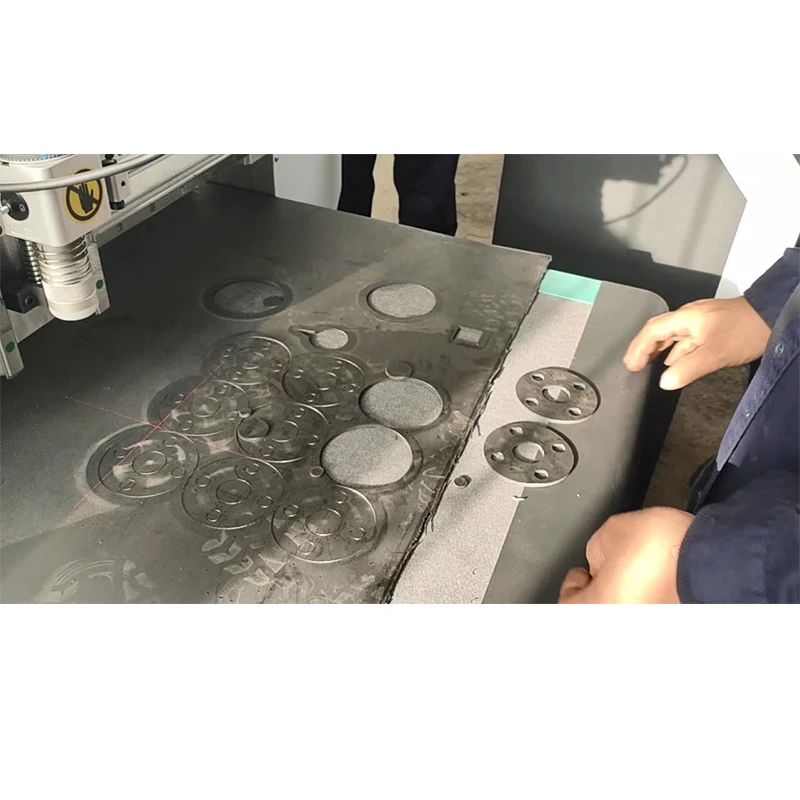
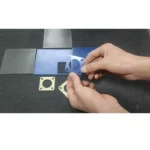
Sample cutting on your own gasket material at production speed, with tool head configuration and vacuum zone layout confirmed before order.
In-house tool head configuration — every oscillating knife and vacuum zone is matched to the buyer’s gasket compound on the RT-D2516/RT-S2516 before the order is confirmed, not swapped after delivery.
Technical Specifications
| Parameter | Value |
|---|---|
| Product Type | CNC Oscillating Knife Cutting Machine |
| Model | RT-D2516/RT-S2516 |
| Working Area | 1600 × 2500 mm |
| Machine Size | 3450 × 2300 × 1250 mm |
| Rated Power | 9 kW |
| Vacuum Pump | 7.5 kW |
| Translational Velocity | 800–1200 mm/s |
| Cutting Thickness | 20–80 mm (basis not stated in source — confirm block format / material / thickness) |
| Repeated Accuracy | ≤0.1 mm |
| Voltage | 380V ±10% |
| Transmission System | Digital servo motor, linear guide, synchronous belt, ball screw |
| Tool Head Options | Oscillating knife, pneumatic knife, high-power vibrating knife, circular knife, V-cutting knife, drag knife, creasing wheel, dotted line knife, punching, brush |
| Visual Positioning | Small CCD camera mark point positioning, panoramic camera recognition, projection positioning |
| Instruction Format | HP-GL compatible |
| Safety Device | Infrared sensors with anti-collision beam |
| Work Table | Flat vacuum table with auto feeding option |
Application Suitability
| Application | Material or Output |
|---|---|
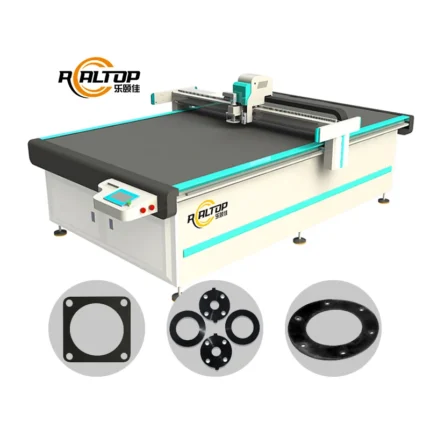
| Sealing gasket production | PTFE, ETFE, rubber, compressed fiber sheets |
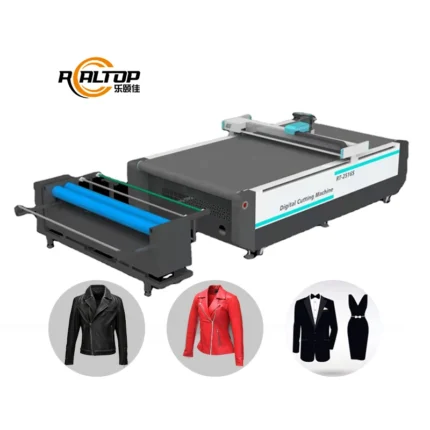
| Automotive interior trim | Leather, sponge composite leather, EVA, XPE foam |
| Industrial fabrications | PVC, silicone, PU, non-woven fabric, composite panels |
| Soft signage and graphics | Film, sticker, corrugated cardboard, foam board |
What a "20 mm Cutting Depth" Figure Actually Means on Gasket Stock
Tool head selection, not just stroke length, decides whether a gasket edge is clean or crushed.
Buyers often see a thickness number in a brochure and assume it applies across every material they run. In gasket workshops cutting PTFE or wire-reinforced fiber composites, the real limitation is how the oscillating knife handles material density rather than a simple depth gauge. I once watched a line go down because the knife head was spec’d for soft rubber but the job called for layered composite with a metal mesh core — the blade chipped mid-run and the machine sat idle while a replacement carriage was shipped. When sourcing a CNC oscillating knife cutting machine factory or OEM partner, the conversation has to start with the exact material stack-up and required edge finish, not just the maximum Z-axis travel. [NEED_CITE: typical gasket material density ranges and tooling compatibility charts]
Matching the Knife to the Gasket Compound
The RT-D2516/RT-S2516 carries a Swiss-imported oscillating knife with full cutting, half cutting and cursor location modes. For non-metallic gasket sheets like PTFE and rubber, the high-frequency vibration shears cleanly through the thickness without dragging the material, which matters when tolerances on bolt-hole patterns are tight. When the compound shifts to something fibrous or reinforced, a pneumatic knife or high-power vibrating knife from the available tool head range takes over, delivering the downforce needed to push through dense layers without fraying the edge.
CCD Positioning for Printed Gasket Layouts
Many gasket producers print cutting lines or registration marks directly onto sheet stock to maximize nesting yield. The panoramic camera recognition and small CCD mark point positioning on this CNC oscillating knife cutting machine factory platform track those marks across the 1600 × 2500 mm bed. If a mark is smudged or the print contrast is low, the system flags the error rather than cutting blindly — a detail that prevents scraming an entire sheet of expensive composite. [NEED_CITE: CCD contour recognition accuracy standards in digital flatbed cutting]
How Specs Translate to Gasket Floor Work
The 800–1200 mm/s translational velocity governs how fast the carriage moves between cut points, but actual cutting speed depends on material resistance and the selected tool head. The ≤0.1 mm repeated accuracy ensures that identical gasket profiles cut hours apart will overlay perfectly, which is essential when a customer assembles flanges and expects every bolt hole to align. The 7.5 kW vacuum pump, paired with the flat vacuum table, has to generate enough hold-down force to keep thin PTFE film from lifting under the knife — small gasket parts are the biggest risk here, so vacuum zoning confirmation before order is non-negotiable. The 9 kW rated power covers the full servo, vacuum and control load without requiring a separate circuit for auxiliary equipment.
The Hidden Cost of Skipping the Sample Cut
When a buyer approves a configuration from a data sheet alone, the gap between expected and actual edge quality only shows up on the production floor. Ragged edges on compressed fiber gaskets mean re-cutting and wasted material. Insufficient vacuum zoning on small sealing pads causes parts to shift mid-cut, producing scrap that the nesting software never planned for. These failures do not appear as machine faults — they appear as material waste and missed delivery dates, and they trace back to a configuration that was never validated against the buyer’s real stock. [NEED_CITE: industrial cutting waste rates from incorrect tooling specification]
Why Gasket Producers Source This Platform Here
In-house design covers both knife cutting and the motion platform, so the tool head is engineered as part of the machine rather than bolted on as an afterthought. Every RT-D2516/RT-S2516 ships with a sample cutting report on the buyer’s own gasket material, confirming edge quality and achievable thickness before the crate is sealed. Electrical schematics and voltage are locked to the destination market — 380V ±10% standard, with confirmation of plug type and control language before production starts. The configuration list sent with the quotation specifies exactly which oscillating knife, vacuum zone layout and CCD model is assigned to that serial number. [NEED_CITE: OEM documentation standards for CNC cutting equipment exports]
Documentation & Verification
- Machine specification sheet listing confirmed tool head and vacuum zone layout for your gasket stock
- Electrical schematic with voltage and plug type matched to your facility grid
- Sample cutting report on your own PTFE, rubber or composite material at production speed
- Software licence and file format compatibility note confirming HP-GL import to your nesting workflow
- Factory test record showing repeated accuracy and edge quality before dispatch
- Spare parts list with blade consumption rate and in-stock availability for your tool head
Installation, Commissioning & Support
- Foundation must support the 3450 × 2300 × 1250 mm footprint plus auto feeding conveyor clearance
- Dedicated 380V ±10% circuit rated for the 9 kW total load plus vacuum pump startup surge
- Machine ships as a single skid; vacuum table and gantry are aligned at factory and re-verified on site
- First-run calibration includes vacuum zoning test on your smallest gasket profile and CCD mark registration
- Operator training covers tool head changeover between oscillating knife and drag knife for mixed-material shops
- Preventive maintenance schedule covers Hiwin rail lubrication and synchronous belt tension checks at defined intervals
What to Prepare Before Requesting a Quote
Send the exact gasket compound, sheet thickness and the largest single-piece profile you intend to cut. Confirm your local voltage and frequency, the control panel language your operators need, and whether your existing nesting software outputs HP-GL. If you run mixed materials — rubber one week, PTFE the next — list every compound so the tool head and vacuum table are configured for the full range, not just the first sample.
Frequently Asked Questions
Q: How do I know which tool head to pick for my gasket material?
A: The selection depends on compound density and reinforcement. Pure PTFE and soft rubber suit the standard Swiss oscillating knife, while fiber-reinforced composites with wire mesh require the high-power vibrating knife or pneumatic knife. We run a sample cut on your exact material before the configuration is locked, so edge quality is confirmed before you commit.
Q: Can I send my own material for a sample cut before ordering?
A: Yes. Ship your gasket stock — including any reinforced or layered variants — and we produce a sample cutting report documenting edge quality, achievable thickness and cutting speed. This report becomes part of the order documentation so the machine you receive is validated against your real production material, not a generic test sheet.
Q: What voltage options are available for export markets?
A: The standard configuration is 380V ±10%, but the electrical system can be set up for other industrial grids. Voltage, plug type and control language must all be confirmed before production begins, and the electrical schematic you receive with the machine reflects the exact configuration built for your facility.
Q: How often do oscillating knife blades need replacing?
A: Blade life depends on the material being cut and the daily running hours. Abrasive compounds like compressed fiber consume blades faster than soft rubber. The spare parts list provided with the machine includes the recommended blade type and initial stock quantity, and replacement blades are kept in inventory for ongoing supply.


Related products
2026 CNC Gasket Cutter Pneumatic Knife Asbestos Rubber
Product Introduction
CNC Gasket Cutter Machine 2026 with pneumatic knife, ideal for cutting asbestos, non-asbestos, cork, PTFE, and rubber materials. Precision-engineered for efficient gasket production.
Key Specifications
| Cutting Material | Asbestos, Non-Asbestos, Cork, PTFE, Rubber |
| Knife Type | Pneumatic |
| Control System | CNC |
| Model | 2026 |
2026 Spiral Wound Gasket Cutter CE Hot Sale
Product Introduction
Hot Sale 2026 Spiral Wound Gasket Cutter with CE certification, ideal for precise gasket cutting in industrial applications. Made by a leading Chinese manufacturer of welding and cutting equipment.Product Parameters
| Model | 2026 |
| Certification | CE |
| Type | Spiral Wound Gasket Cutter |
| Application | Industrial Gasket Cutting |
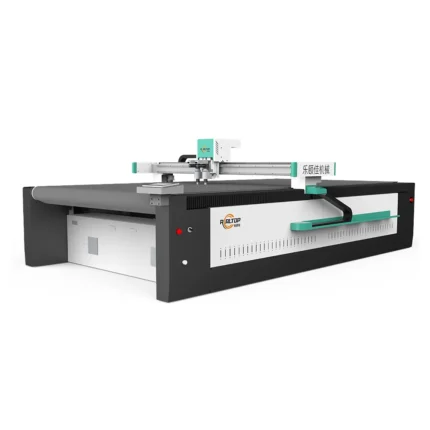
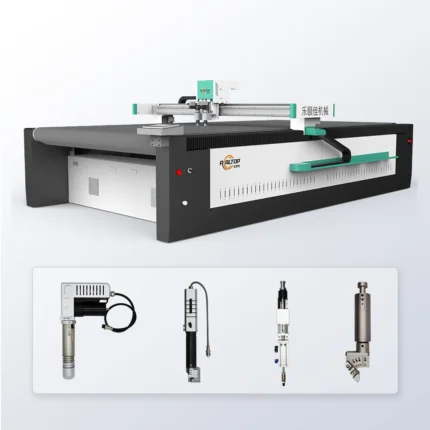
Realtop 2026 CNC Gasket Cutter 1200¡Á2400mm Auto Rubber Cutter
Product Parameters
| Model | Realtop CNC Sealing Gasket Cutter 2026 |
| Working Area | 1200¡Á2400mm |
| Type | Auto Rubber Cutting Machine |
Introduction
Realtop CNC Sealing Gasket Cutter 2026 is an advanced auto rubber cutting machine with a 1200¡Á2400mm working area, ideal for precise and efficient gasket production, manufactured by a leading Chinese welding & cutting equipment factory.
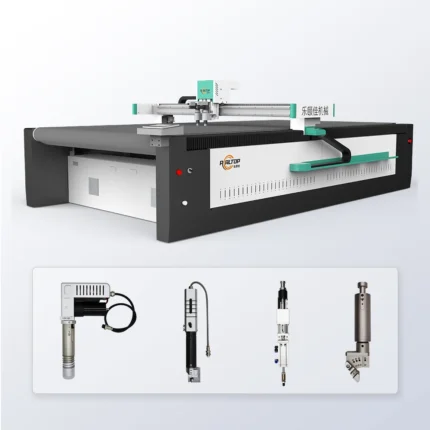
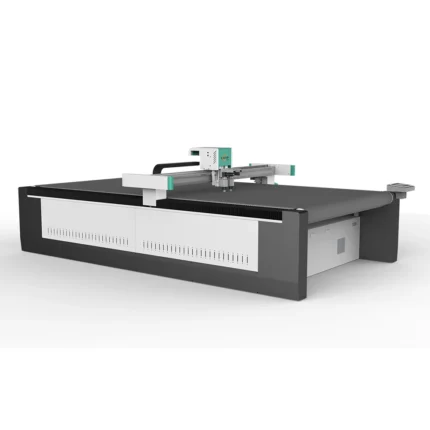
Realtop 2026 CNC Gasket Cutter High-Precision Vibrating Knife
Product Introduction
Realtop CNC Gasket Cutting Machine 2026 with high-precision vibrating knife, ideal for cutting rubber and cylinder head gaskets with accuracy and efficiency.
Key Specifications
| Model | Realtop CNC Gasket Cutting Machine 2026 |
| Cutting Tool | High-Precision Vibrating Knife |
| Applicable Materials | Rubber, Cylinder Head Gaskets |
Realtop Graphite Gasket Making Machine 2026 – Advanced Flexible Material Cutter
Product Introduction
Realtop Graphite Gasket Making Machine 2026 is a professional equipment for graphite gasket production, ideal for manufacturing high-quality gaskets with precision and efficiency, suitable for industrial sealing applications.Product Parameters
| Model | Graphite Gasket Making Machine 2026 |
| Brand | Realtop |
| Application | Graphite Gasket Production |
| Feature | Precision Manufacturing |
商品评价
There are no reviews yet.