







CNC Oscillating Knife Cutting Machine for Packaging – OEM Available
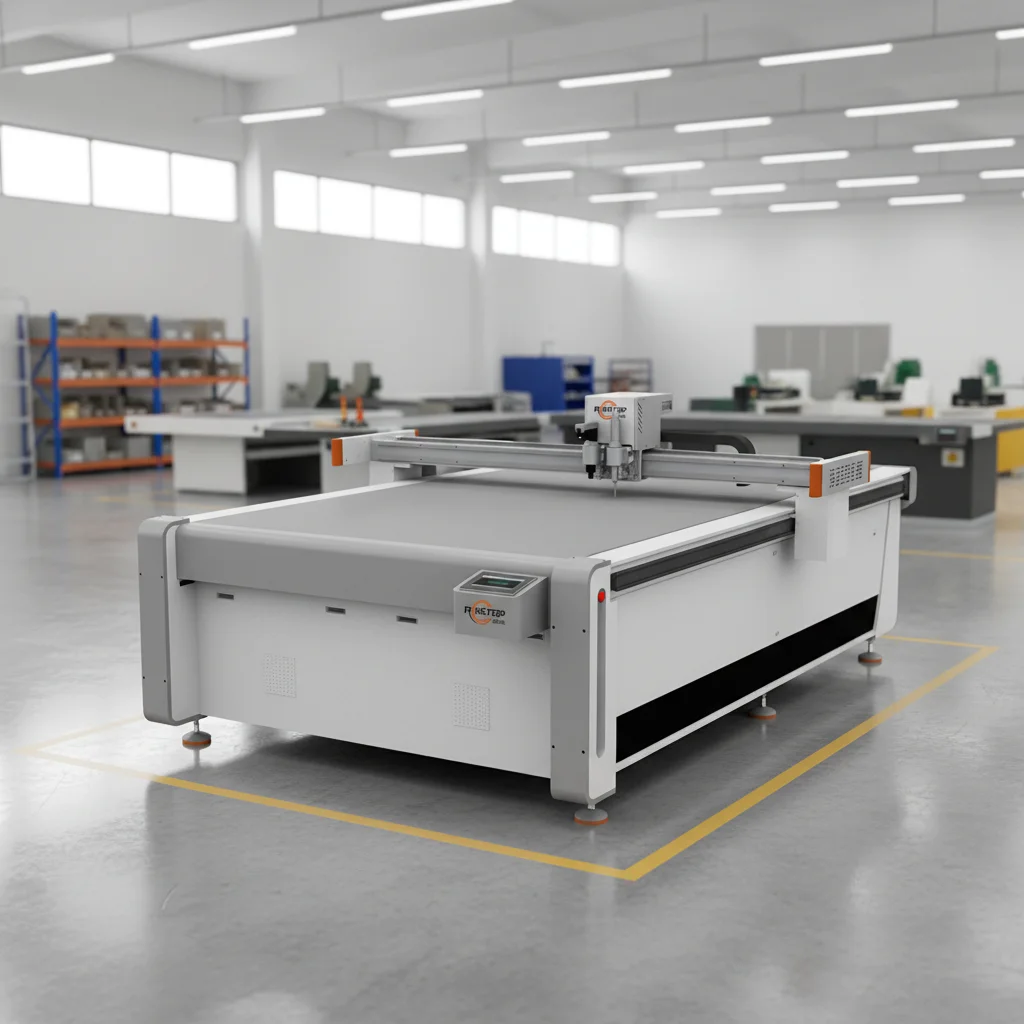
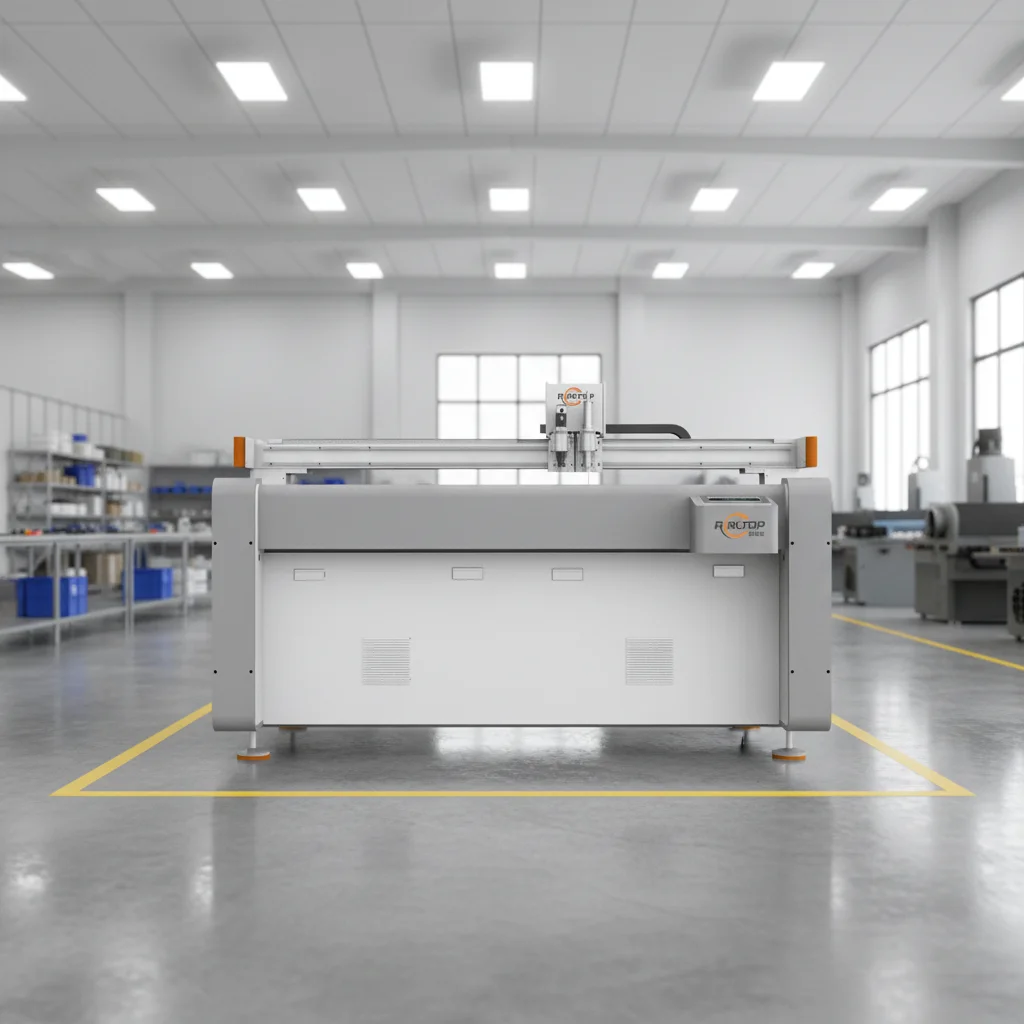
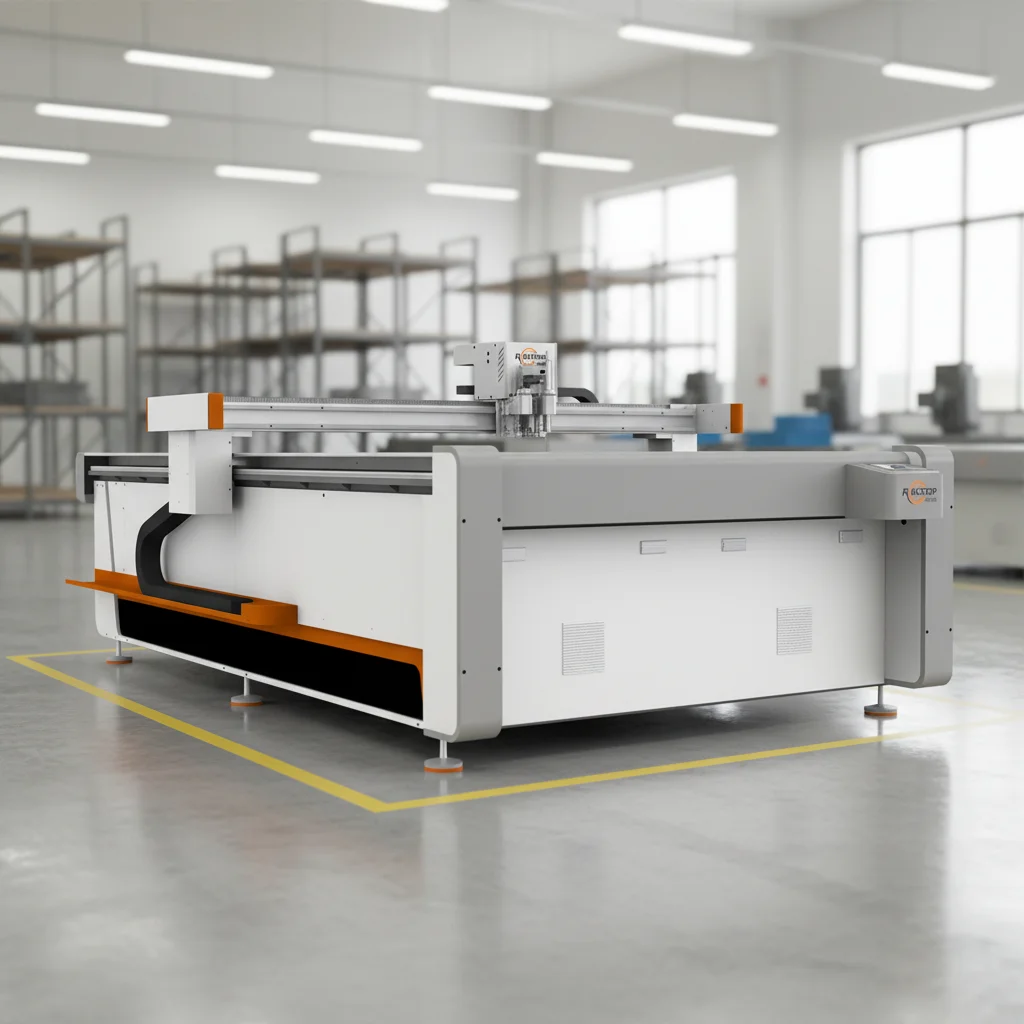
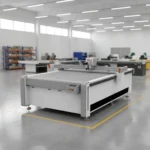
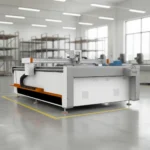
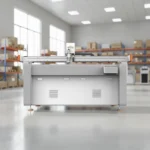
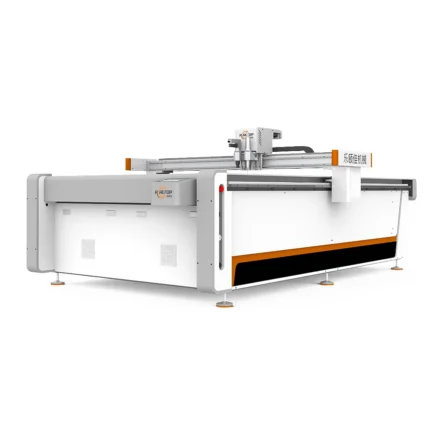
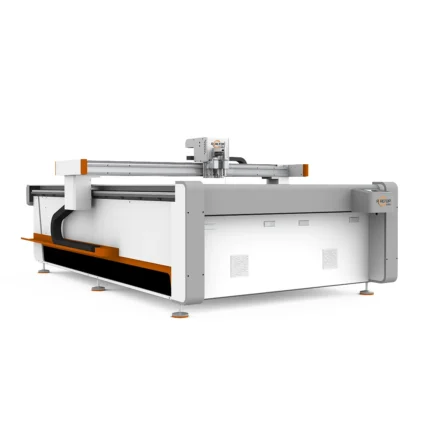
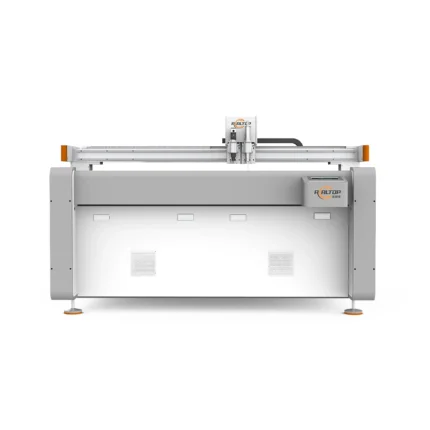
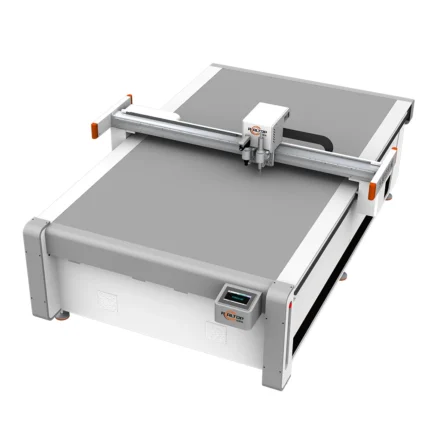
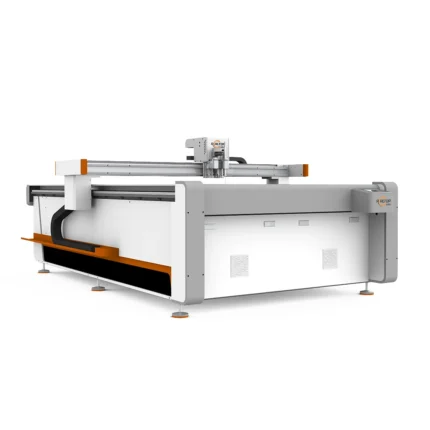
CNC Oscillating Knife Cutting Machine, 1600×2500mm, 0-1500mm/s, Multi-Tool Head — pairs oscillating knife with laser head options, letting packaging and signage producers match the cutting method to corrugated board, foam or acrylic rather than forcing one process.
- Dedicated packaging structure design software with PLT, DXF, AI, PDF import
- Aluminum bellows vacuum table holds small carton parts flat during high-speed cuts
- PLC control panel with customizable display languages and voltage options (110V/220V/380V)
Sample cutting on your own corrugated or foam stock is completed and reported before any order commitment, with voltage, plug type and software file compatibility verified prior to shipment.
Laser and Knife Integration — a single platform combining oscillating knife cold-cutting with CO2 laser engraving, letting packaging producers switch methods by material without forcing one process onto the wrong substrate.
Technical Specifications
| Parameter | Value |
|---|---|
| Product Type | CNC Oscillating Knife Cutting Machine |
| Working Area | 1600 × 2500 mm |
| Tool Options | Oscillating knife, Driven rotary knife, Creasing wheel, Kiss cutting tool, Pneumatic knife, Milling tool, V groove knife |
| Cutting Speed | 0–1500 mm/s |
| Cutting Thickness | ≤ 40 mm (basis not stated in source — confirm block format / material / thickness) |
| Cutting Accuracy | ±0.1 mm |
| Vacuum Pump | 9 kW |
| Vacuum Table | Aluminum bellows vacuum table |
| Machine Frame | Heavy-duty frame with precision-ground surface |
| Servo Motor Options | Panasonic, Delta, Dorna |
| Control System | PLC control panel with optional display languages |
| Software | Dedicated packaging box structure design software |
| Profile Format Compatibility | PLT, DXF, AI, PDF |
| Voltage Options | 110V, 220V, 380V (rated or peak not specified in source) |
| Safety Devices | Infrared sensor device, emergency stop device |
| Machine Dimensions | 3300 × 2100 × 1350 mm |
Application Suitability
| Application | Material or Output |
|---|---|
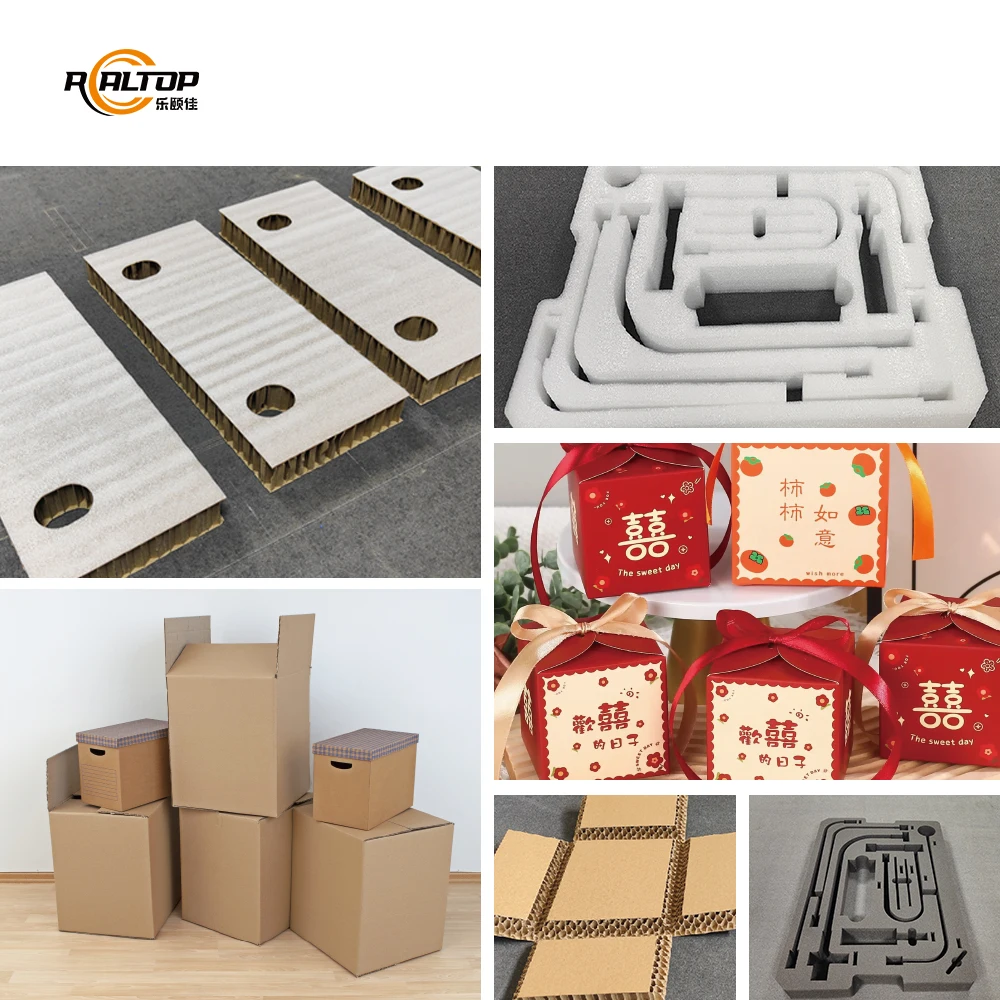
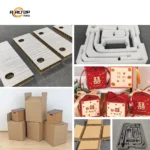
| Packaging sample making and carton prototyping | Corrugated cardboard (E-flute, B-flute, BC-flute), greyboard, cardstock |
| Short-run customized box production | Art paper, specialty paper, adhesive-backed sheets |
| Protective foam insert fabrication | EVA, EPE, PU foam with clean edge requirements |
| Signage and display component cutting | Thin PVC, PET sheets, acrylic (laser-capable) |
| Gasket and composite part cutting | Rubber mats, PTFE, composite materials |
| Leather and synthetic leather cutting | Genuine leather, PU/PVC synthetic leather for packaging trim |
Why "Peak Power" Ratings Leave Packaging Producers With Unfinished Cuts
Laser power quoted at peak rather than continuous often falls short when cutting corrugated board and dense foam packaging stock.
In Latin American packaging workshops, I have watched operators push a laser head through 5 mm EVA foam only to find the beam loses coherence halfway through the sheet, leaving a fused but uncut bottom layer. The specification plate on many machines advertises a peak wattage that holds for short bursts, not for the sustained traverse required across a 1600 × 2500 mm bed. For packaging sample makers running multi-layer corrugated or dense EPE inserts, the difference between peak and continuous rating determines whether the part drops out cleanly or requires a second pass — doubling cycle time and burning the edge [NEED_CITE: laser power continuous versus peak rating standards for industrial CO2 sources]. When a CNC oscillating knife cutting machine laser cutting and engraving system is specified, the buyer should request a continuous power figure verified on their own material stack.
Matching the Cutting Method to the Packaging Substrate
Packaging materials vary widely in density, fiber direction, and melting behavior, and no single process handles all of them well. The oscillating knife cuts through corrugated flutes and greyboard without melting or sealing the edge, preserving the natural fiber structure that structural packaging engineers rely on for fold-line integrity. When the same job requires cutting acrylic display stands or sealing the edge of synthetic foam inserts, a CO2 laser head provides the thermal finish that prevents fraying. Having both methods available on one CNC oscillating knife cutting machine laser cutting and engraving platform means the packaging producer does not need to maintain two separate machines for short-run sample work.
Extraction and Fume Management for Laser-Cut Synthetics
Laser-cutting EVA foam, PVC sheets, or PU inserts generates volatile compounds that require dedicated extraction beyond a simple dust collector. The 9 kW vacuum pump on this system handles debris removal for knife cutting, but laser work on synthetics demands a separate fume extraction path with activated carbon filtration for VOCs [NEED_CITE: industrial ventilation standards for laser-cut synthetic polymers]. In packaging workshops where the same machine switches between knife-cut corrugated board and laser-cut foam inserts in a single shift, planning the extraction routing before installation prevents cross-contamination of the vacuum system and avoids filter saturation that reduces holding force on the aluminum bellows table.
Reading the Specification Sheet Against Real Production Needs
The 1600 × 2500 mm working area accommodates standard corrugated sheets used in packaging sample making, while the aluminum bellows vacuum table provides the flatness and seal needed to hold small carton blanks without mechanical clamps. The PLC control panel accepts PLT, DXF, AI, and PDF file formats, which covers the output from most packaging structure design software packages — but file import should be tested with the buyer’s actual nesting files before the order is confirmed. Servo motor selection among Panasonic, Delta, and Dorna options affects long-term parts availability in different export markets, and this choice should be made based on which brand has local service support in the buyer’s region. The ±0.1 mm cutting accuracy applies across the full bed, meaning fold lines on carton prototypes align with cut edges within a tolerance that structural packaging standards accept.
The Hidden Cost of Specifying Tools After the Order Is Placed
Choosing the wrong tool head for a packaging material produces ragged corrugated edges or crushed foam cores that fail drop-test requirements. I once visited a converter in Colombia where an oscillating knife had been swapped for a drag knife on dense BC-flute board, tearing the liner rather than shearing it cleanly. The machine sat idle for days while the correct tool shipped from overseas [NEED_CITE: tooling selection impact on corrugated edge quality in digital cutting]. Buyers who confirm material type, thickness, and edge-quality requirements during the inquiry stage — and receive a sample cutting report on their own stock — avoid this downtime entirely.
Why Procurement Through This Channel Works for Packaging Buyers
In-house design and production covering both knife and laser technologies means the cutting method is matched to the packaging material rather than forced. Tool head and table configurations are specified per material and production volume, so a carton sample maker running mostly E-flute gets a different setup than a foam insert fabricator. CCD camera positioning is available for printed contour work on pre-printed packaging faces. Software compatibility is confirmed before order, with file format and nesting workflow tested against the buyer’s design files. Voltage, plug type, and control panel language are customized to the destination market. Sample cutting on the buyer’s own corrugated or foam material is completed before commitment, providing a physical proof rather than a datasheet promise.
Documentation & Verification
- Machine specification sheet covering all tool heads and servo options selected for your order
- Electrical schematic with voltage and frequency confirmed for your facility before production
- Sample cutting report on your own corrugated or foam packaging material before dispatch
- Software licence and file format compatibility note for your packaging design workflow
- Operation and maintenance manual in your specified control language
- Factory test record documenting cutting accuracy and vacuum holding performance on your material
Installation, Commissioning & Support
- 3300 × 2100 mm footprint requires a level concrete floor with clearance for full bed travel
- Dedicated electrical circuit matching confirmed voltage (110V, 220V, or 380V) and local frequency
- Heavy-duty frame arrives assembled; vacuum table and tool heads require on-site alignment
- First-run parameter setting for your specific corrugated flute type and foam density
- Operator training on tool head changeover and PLC panel language settings
- Spare oscillating knife blades, creasing wheels, and vacuum table seals included at dispatch
Preparing Your Inquiry for a Packaging Cutting Solution
To match the right tool configuration and laser power rating to your production, share the specific packaging materials you cut — including corrugated flute type, foam density, and sheet thickness. Provide your local voltage and frequency standards along with the preferred control panel language. If you run an existing packaging design software, send a sample nesting file so format compatibility can be verified before quotation.
Frequently Asked Questions
Q: How is laser power rated — continuous or peak — and what real cutting depth does it deliver on corrugated and foam?
A: Laser sources are often quoted at peak output, which the tube can sustain only briefly. For packaging materials like corrugated board and EVA foam, continuous power rating determines actual cutting depth across a full traverse. Request a sample cutting report on your material to confirm the depth achieved at production speed, not at a short-burst test setting.
Q: What extraction and fume management is required when laser-cutting packaging synthetics like PVC and EVA foam?
A: Laser-cutting synthetics generates fumes that the standard 9 kW vacuum pump and dust collection are not designed to handle. A dedicated extraction system with appropriate filtration is required, routed separately from the knife-cutting debris path. Confirm local ventilation regulations for your workshop before installation.
Q: How do I choose between knife cutting and laser cutting for my packaging material and edge quality?
A: Knife cutting preserves fiber structure on corrugated board and avoids melting on heat-sensitive foams, making it suitable for structural packaging. Laser cutting seals edges on synthetics, preventing fraying on fabric wraps or foam inserts. The choice depends on your material and the edge finish your packaging specification requires.
Q: Which voltage and frequency configurations are available, and is the plug type confirmed before shipment?
A: The system supports 110V, 220V, and 380V configurations. Voltage, frequency, and plug type should be confirmed against your facility’s electrical standards during the inquiry stage. The electrical schematic is provided with your order documentation so your electrician can verify compatibility before the machine arrives.
Q: Can my existing packaging design files in AI, DXF, or PDF be imported directly into the machine software?
A: The dedicated packaging box structure design software accepts PLT, DXF, AI, and PDF formats. However, layer structure and line-type conventions vary between design packages. Send a sample file during the inquiry stage so import compatibility and nesting behavior can be verified before production begins.


Related products
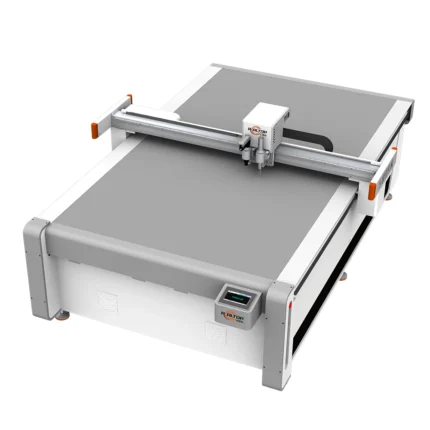
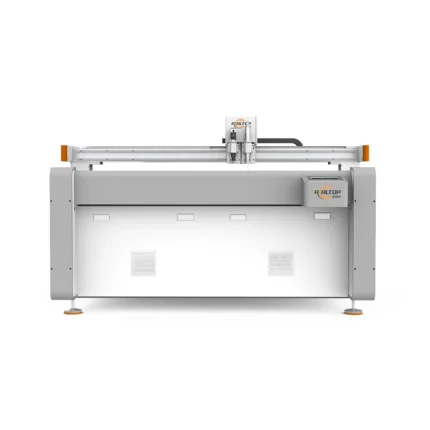
Automatic CNC Cutter Plotter 2026 Flat Bed Cardboard Cutter
Product Introduction
Automatic CNC Cutter Plotter 2026 is a flat bed cardboard cutting machine designed for precise and efficient cutting tasks. Ideal for various cardboard processing needs, it combines advanced CNC technology to deliver accurate results, suitable for manufacturing and packaging applications.Product Parameters
| Type | Automatic CNC Cutter Plotter |
| Model | 2026 |
| Design | Flat Bed |
| Application | Cardboard Cutting |
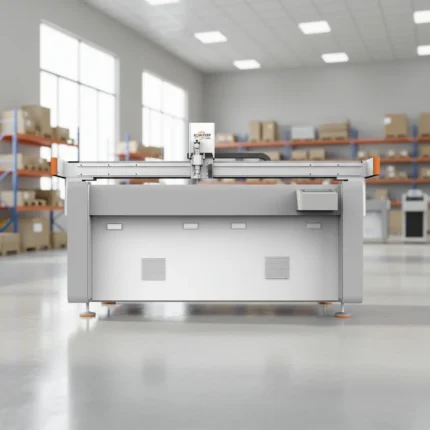
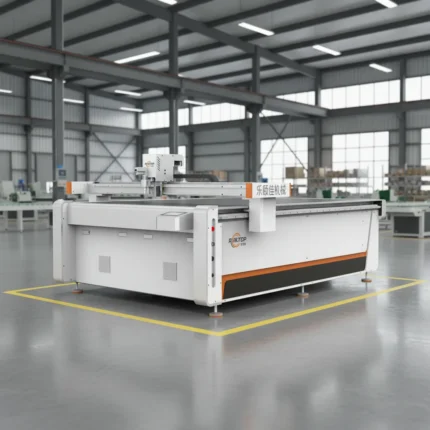
Automatic Die-less Cardboard Vibrating Knife Cutter 2026
Product Introduction
Automatic Die-less Cardboard Vibrating Knife Cutter 2026, a precision cutting solution for cardboard materials, featuring advanced die-less technology for efficient and flexible cutting operations. Ideal for various cardboard processing needs in manufacturing and packaging industries.Key Specifications
| Model | 2026 |
| Type | Automatic Die-less Cutter |
| Cutting Tool | Vibrating Knife |
| Material | Cardboard |

CNC Flatbed Oscillating Knife Cutting Machine 2026
Product Introduction
High-performance CNC Flatbed Oscillating Knife Cutting Machine 2026, ideal for precision cutting of various materials with advanced oscillating knife technology, ensuring efficient and accurate operations for industrial manufacturing needs.Specifications
| Model | 2026 |
| Type | CNC Flatbed Oscillating Knife Cutting Machine |
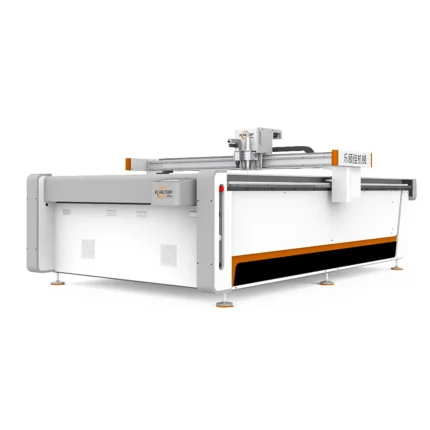
CNC Vibrating Knife Cutter 2026 Custom Cartons Packaging
Product Introduction
CNC Vibrating Knife Cutter 2026 is ideal for custom cartons & packaging, offering precise cutting solutions for various materials. Engineered by a leading Chinese welding & cutting equipment manufacturer, it ensures efficiency and accuracy for packaging production needs.Key Specifications
| Model | 2026 |
| Type | CNC Vibrating Knife Cutter |
| Application | Custom Cartons & Packaging |
| Manufacturer | Chinese Leading Factory |
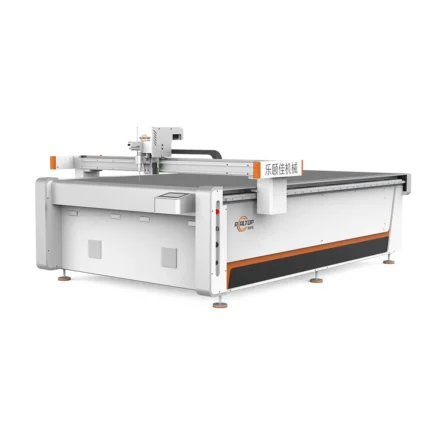
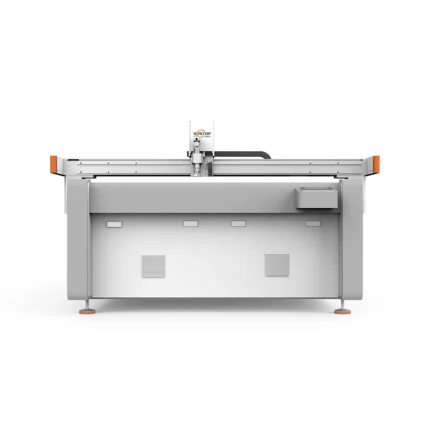
Realtop 2026 Digital Box Cutter High-Speed Corrugated Board
Product Introduction
Realtop Digital Box Cutting Machine 2026 is a high-speed solution for corrugated board cutting, designed for efficient and precise box production in manufacturing settings.Key Specifications
| Model | 2026 |
| Type | Digital Box Cutting Machine |
| Application | Corrugated Board |
| Feature | High-Speed Cutting |

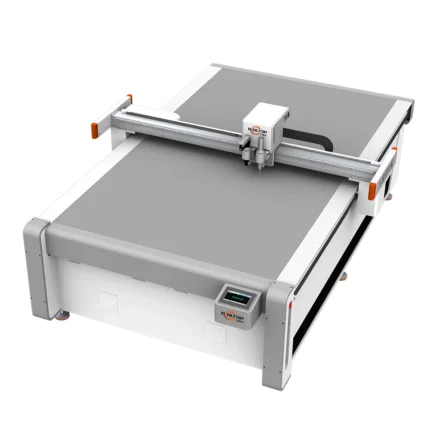
REALTOP 2026 Digital Industrial Cardboard Box Cutter
Product Introduction
REALTOP Digital Industrial Cardboard Box Cutter Machine 2026 is a professional industrial-grade cutting equipment designed for efficient cardboard box processing, ideal for manufacturing and packaging applications.
Product Parameters
| Model | 2026 |
| Type | Digital Industrial Cardboard Box Cutter |
| Application | Cardboard Box Processing |
| Feature | Industrial-grade, Efficient Cutting |

Realtop CNC Carton Box Cutter 2026 CCD Camera Honeycomb Cutting
Product Introduction
Realtop CNC Carton Box Cutter 2026 is a professional cutting solution featuring CCD Camera and Honeycomb Cutting technology, ideal for precise carton box processing with efficient performance.Product Parameters
| Model | Realtop CNC Carton Box Cutter 2026 |
| Vision System | CCD Camera |
| Cutting Technology | Honeycomb Cutting |
商品评价
There are no reviews yet.