


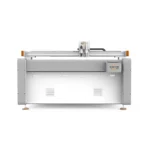
CNC Vibrating Knife Cutter for Corrugated Carton – Specifications
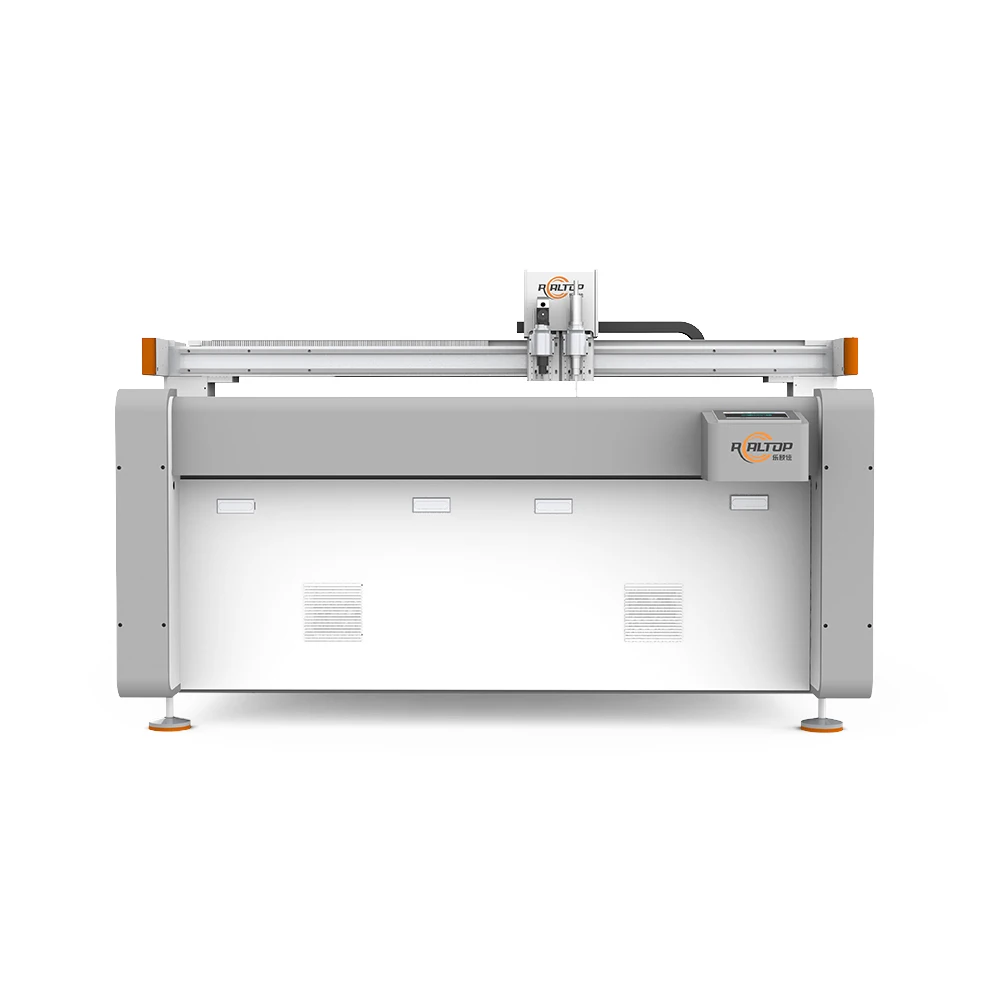
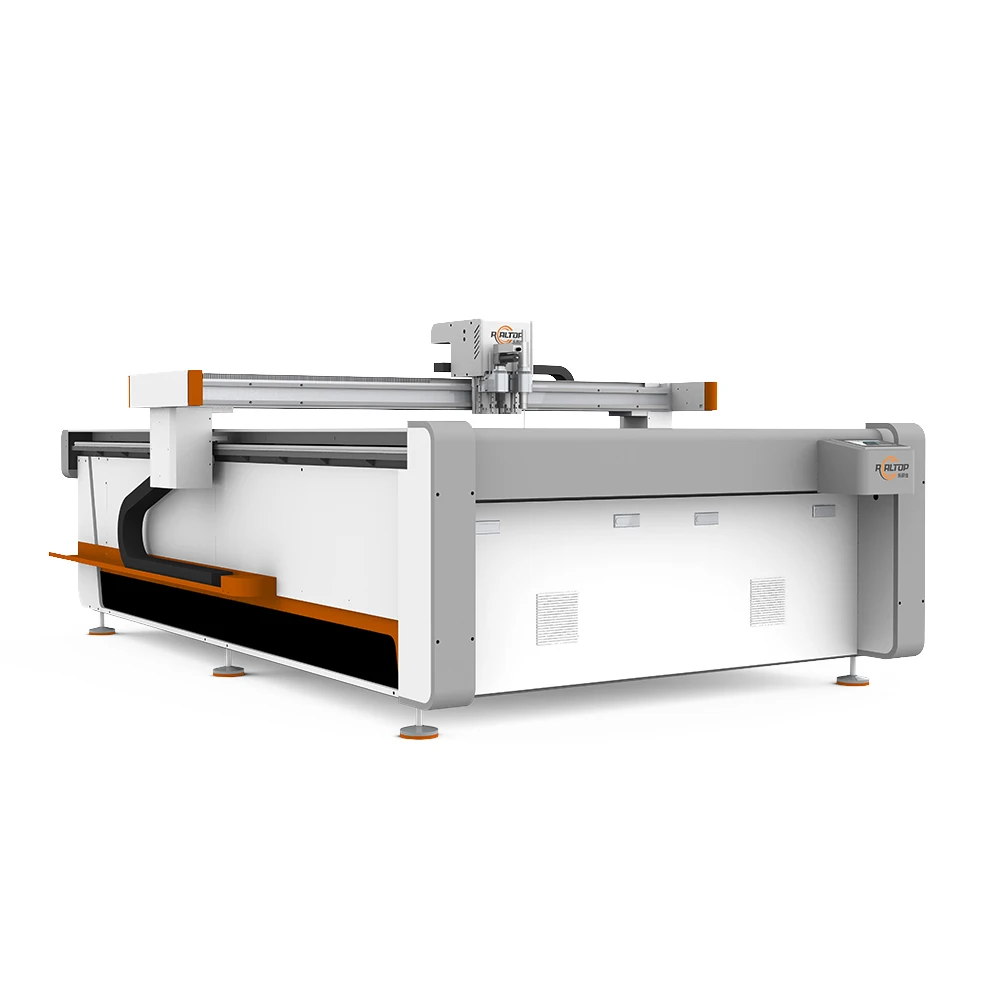
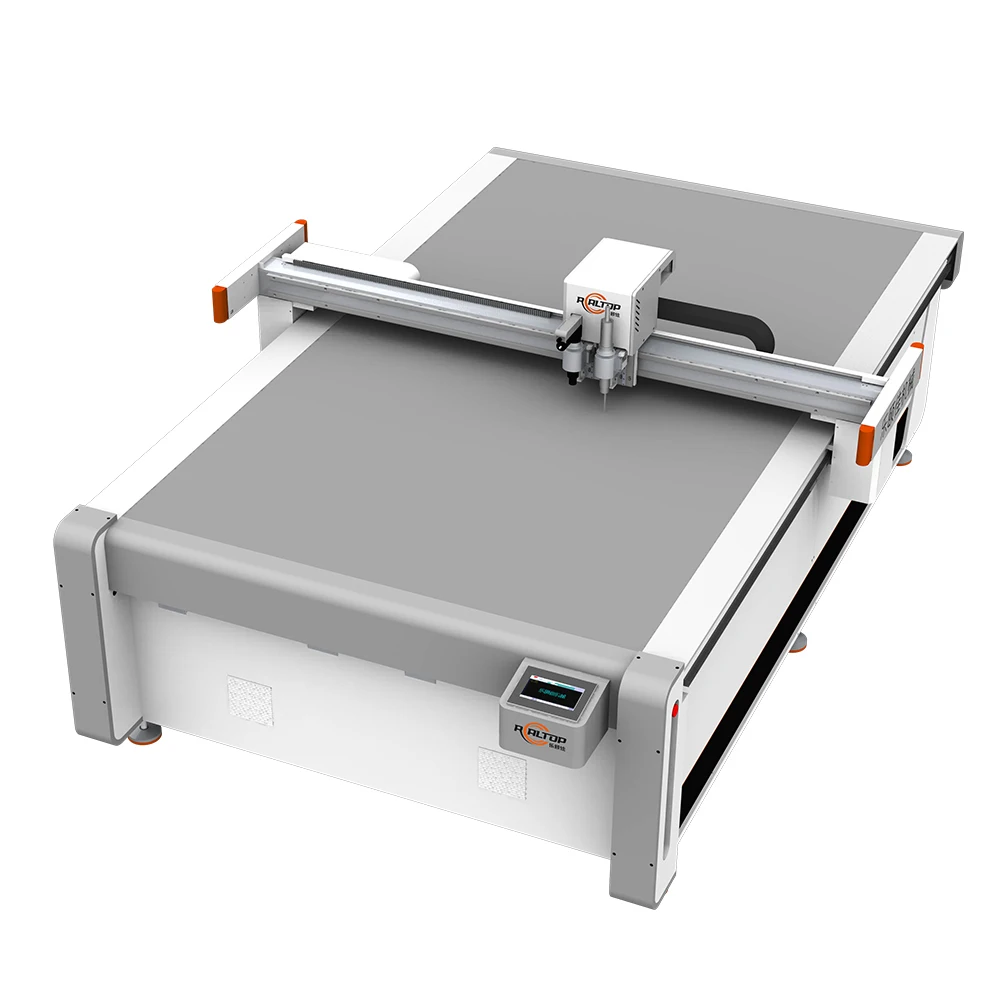
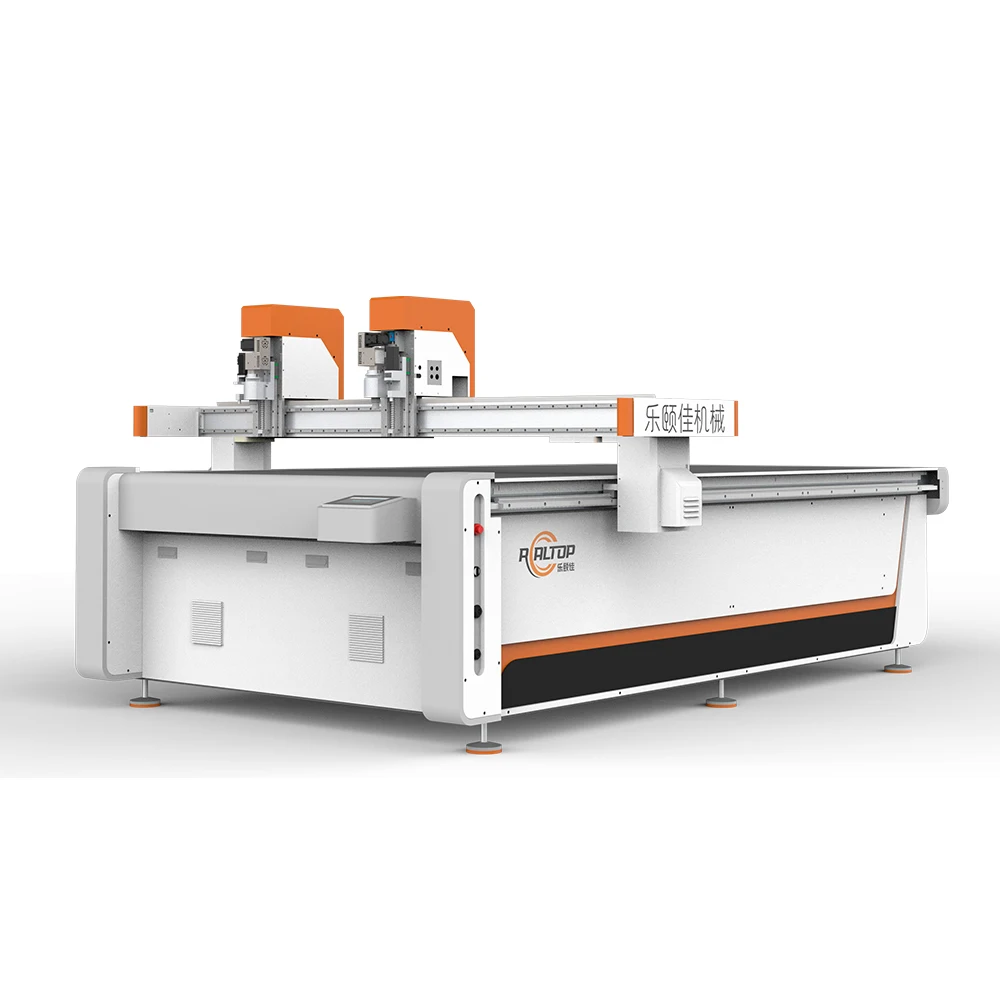
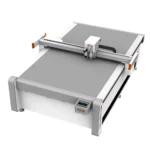
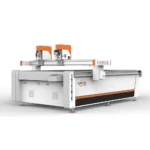
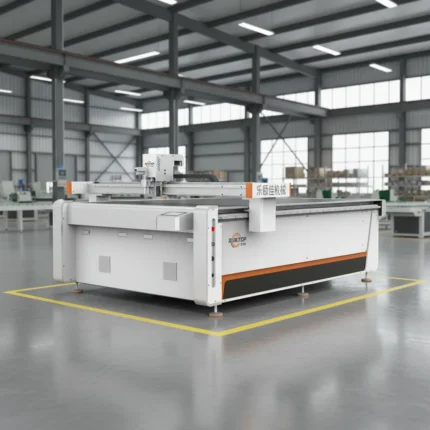
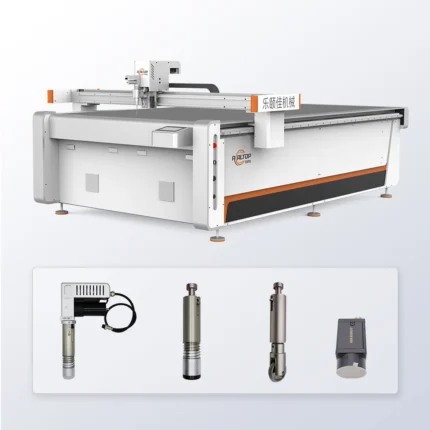
RT-D2516/RT-S2516 CNC Vibrating Knife Digital Cutting Machine, 1600×2500 mm, ≤100 mm Cutting Thickness — equipped with Swiss imported vibrating knife head, Taiwan Delta servo motor and Hiwin linear guide for ≤0.1 mm repeatability. Aluminum honeycomb vacuum table with auto-follow zoning holds corrugated sheets flat without thermal distortion, making it a reliable alternative when laser processing causes burnt edges on packaging board. Sample cutting on your own material confirms edge quality before commitment.
Precision Mechanical Cutting — When laser thermal processing risks edge charring on thick corrugated board or foam composites, the RT-D2516/RT-S2516 vibrating knife system delivers clean mechanical cuts without fume extraction requirements, positioning it as a complementary alternative within a CO2 and fiber laser cutting machine manufacturer’s broader production lineup.
Technical Specifications
| Parameter | Value |
|---|---|
| Model | RT-D2516 / RT-S2516 |
| Product Type | CNC Vibrating Knife Digital Cutting Machine |
| Working Area | 1600×2500 mm |
| Overall Dimensions (L×W×H) | 3450×2300×1250 mm |
| Rated Power | 9 kW |
| Voltage | 380V ±10% |
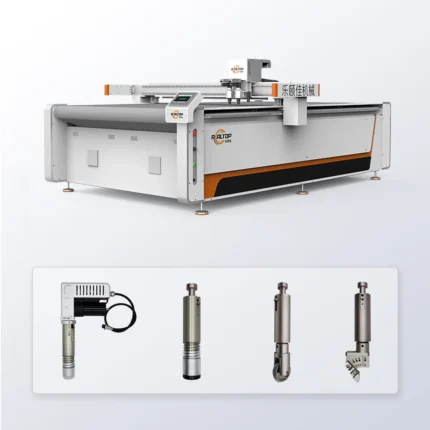
| Tool Head Type | Swiss imported vibrating knife (full cutting, half cutting, cursor location) |
| Cutting Thickness | ≤100 mm (varies by material density and composition) |
| Translational Velocity | 800–2000 mm/s |
| Cutting Speed | 200–800 mm/s (according to different cutting materials) |
| Repeatability | ≤0.1 mm |
| Transmission System | Digital servo motor, linear guide, synchronous belt, ball screw |
| Servo Motor | Taiwan Delta |
| Linear Guide | Taiwan Hiwin rail |
| Vacuum Table | Aluminum alloy honeycomb structure with vacuum adsorption, auto-follow cutting area |
| Vacuum Pump | 7.5 kW |
| Safety Device | Infrared sensors, emergency stop |
| Control System | HP-GL compatible format |
| Software | Professional carton nesting software, automatic positioning for cutting/marking/creasing |
| Language Options | English, Russian, Italian, Chinese; special languages customizable |
| Certification | CE |
| Warranty | First-year parts supplied free (buyer covers shipping) |
Application Suitability
| Application | Material or Output |
|---|---|
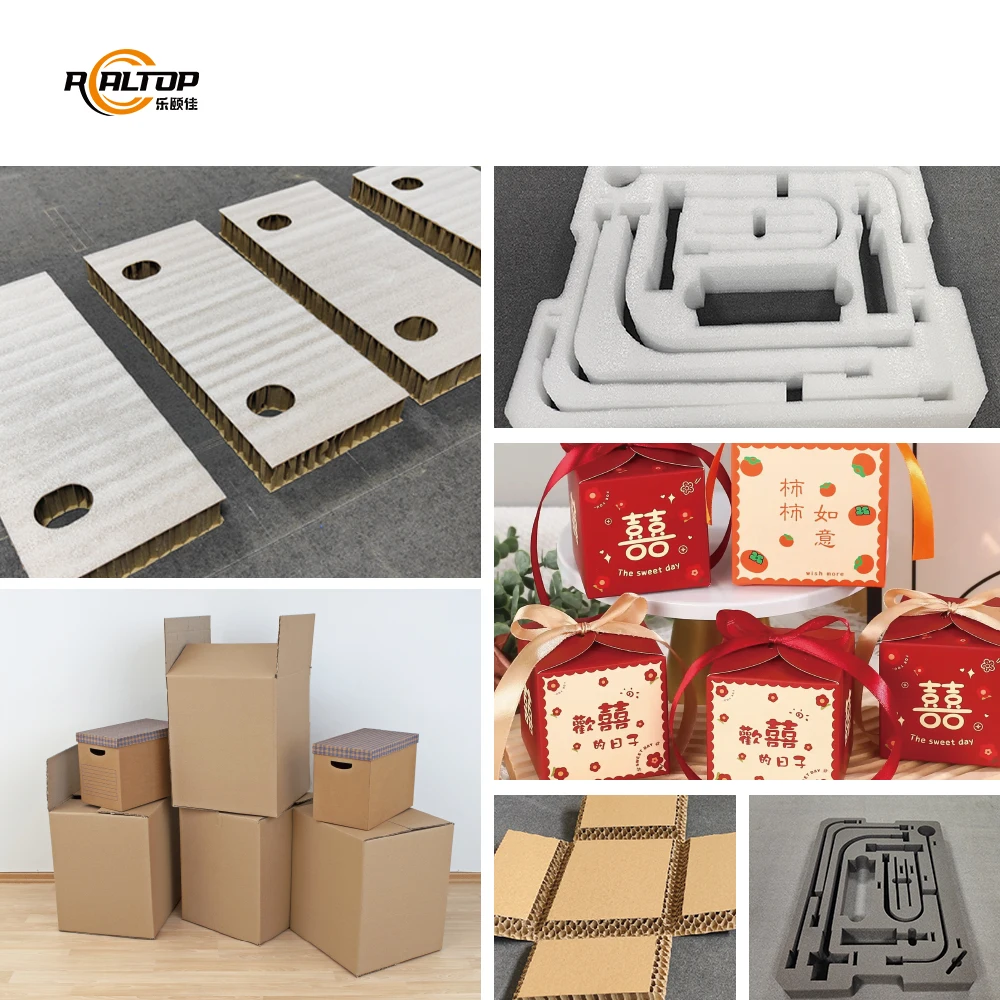
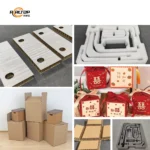
| Corrugated carton and packaging box sample making | Single, double, and triple-wall corrugated board, high grammage kraft |
| Sticker and label contour cutting | Adhesive vinyl, printed paper stocks, self-adhesive films |
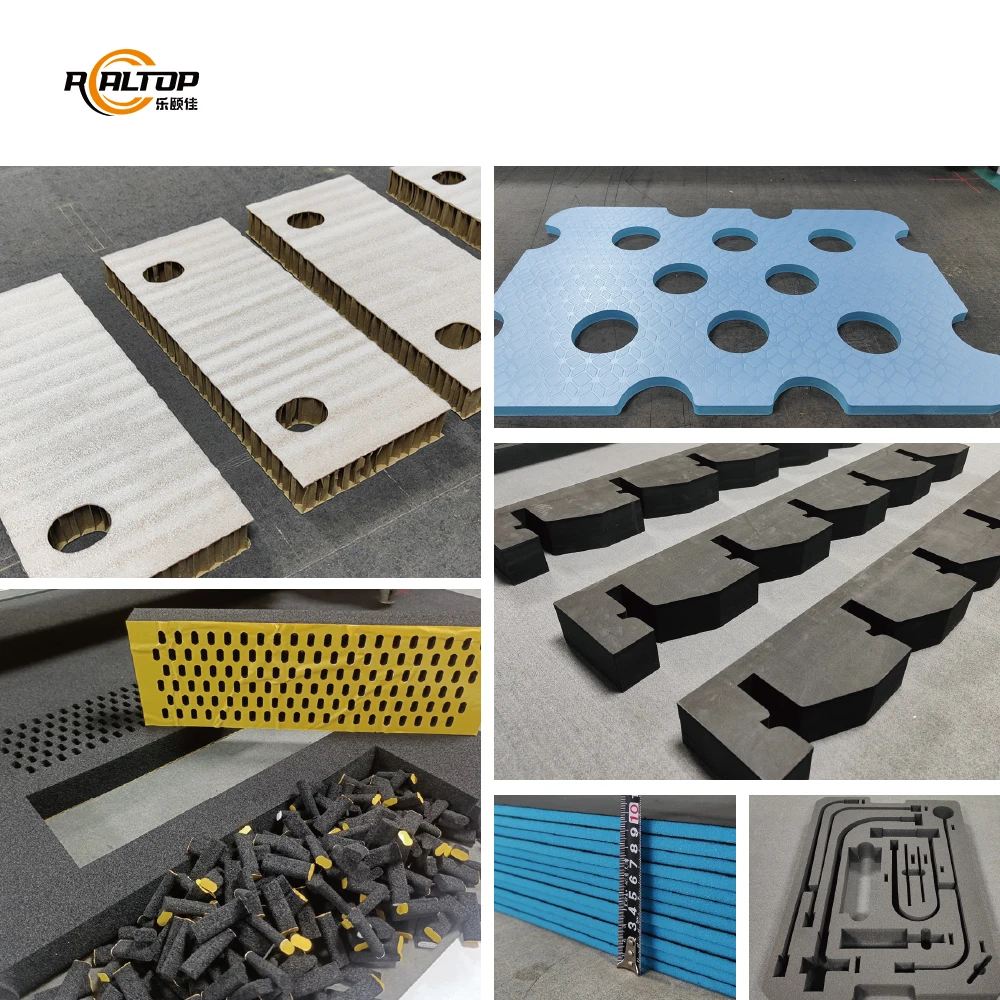
| Electrical appliance and express box packaging | Heavy-duty cardboard, honeycomb paperboard, foam inserts |
| Gift box and premium packaging | Coated art board, laminated card stock, corrugated E-flute |
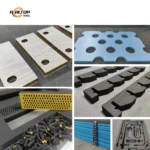
| Flexible material conversion | Leather, garment fabrics, sponge composite leather, PVC, soft glass, silicone, rubber |
| Signage and business card production | Foam board, corrugated plastic, cardstock, hang tag materials |
Why Peak Power Ratings Mislead Packaging Buyers
Mechanical knife cutting eliminates the thermal depth limitation inherent in laser processing of thick, low-density substrates.
A CO2 and fiber laser cutting machine manufacturer often quotes peak power rather than continuous output, and real cutting depth falls short on materials like double-wall corrugated or foam-core composites. Packaging producers who specify a laser system based on wattage alone frequently discover that the beam cannot maintain a clean kerf through the full material thickness at production speeds [NEED_CITE: laser power continuous versus peak rating standards]. The vibrating knife approach sidesteps this entirely by mechanically shearing through the substrate regardless of optical density or thermal absorption characteristics.
Mechanical Edge Quality Without Thermal Distortion
When a CO2 laser cuts corrugated board or foam-backed laminates, the heat-affected zone creates discolored margins and can compromise the structural integrity of fluted media. The Swiss imported vibrating knife head on the RT-D2516/RT-S2516 oscillates at high frequency to slice cleanly through fibers without burning, crushing, or sealing edges that need to remain breathable for downstream gluing operations. This matters for packaging sample makers who present unprinted prototypes to brand clients where edge appearance signals build quality.
Creasing and Scoring in a Single Setup
Laser systems cannot produce the scored fold lines that carton designs require — a CO2 beam either cuts through or does not. The vibrating knife platform accommodates creasing wheel tooling alongside the oscillating knife, allowing a packaging dieline with both cut contours and fold scores to execute in one uninterrupted pass. For short-run carton production where die tooling cost is unjustifiable, this combined capability replaces what would otherwise require two separate machines.
Reading the Spec Sheet: What Matters for Packaging Work
The 1600×2500 mm working area accommodates full-size corrugated sheets without repositioning, which directly affects throughput on carton sample jobs where a single dieline may span over a meter. The Taiwan Delta servo motor paired with Hiwin linear guides delivers ≤0.1 mm repeatability — critical when crease lines must align precisely with cut edges for the carton to fold square. The 7.5 kW vacuum pump driving the aluminum honeycomb table provides sufficient hold-down force to prevent sheet lift during high-speed knife travel, particularly on lighter grammage stocks where vacuum zoning determines whether small die-cut parts stay registered or drift [NEED_CITE: vacuum hold-down requirements for flatbed digital cutting]. The HP-GL compatible control system integrates with standard packaging CAD outputs, and the included nesting software handles file import without requiring buyers to purchase third-party licenses. Language customization across English, Russian, Italian, and Chinese — with special languages available — means the control interface matches the operator’s working language at the destination facility.
The Cost of Specifying the Wrong Cutting Method
Buyers who choose a laser system for thick corrugated or composite foam work often discover that the charred edge requires secondary cleanup, and the fume extraction infrastructure adds installation complexity that was not budgeted. When the material contains PVC layers or coated surfaces, laser cutting releases corrosive and hazardous gases that demand filtration systems beyond standard extraction [NEED_CITE: hazardous emissions from laser cutting coated packaging materials]. A vibrating knife system produces dry particulate at most, and the safety architecture — infrared sensors and emergency stop — addresses mechanical entanglement rather than optical radiation, simplifying workshop compliance in jurisdictions with strict laser safety classification requirements.
Why Source This Platform From a Laser Manufacturer
Realtop designs and produces both knife and laser cutting systems in-house, which means the recommendation to use a vibrating knife rather than a laser for your specific material comes from a builder who makes both — not a distributor steering you toward the only technology they stock. The sample cutting protocol uses your own corrugated grade or flexible material before commitment, verifying edge quality and tool head selection rather than relying on generic demonstration stock. Voltage confirmation at 380V ±10% and plug type matching happen before shipment, eliminating the scenario where a machine arrives on-site and cannot connect to the facility supply. The tool head configuration list documents exactly which knife, creasing wheel, and drag knife setup ships with your machine, matched to the material stack you intend to run.
Documentation & Verification
- Machine specification sheet detailing RT-D2516/RT-S2516 working area, rated power, and tool head configuration
- Electrical schematic confirming 380V ±10% supply requirements and circuit protection ratings
- Sample cutting report on your corrugated board or flexible material showing edge quality and dimensional accuracy
- Tool head and table configuration list matching oscillating knife and creasing wheel to your material stack
- Software license and HP-GL file format compatibility note confirming integration with your existing CAD workflow
- Factory test record documenting repeatability measurement and vacuum table performance before dispatch
Installation, Commissioning & Support
- Requires level floor pad accommodating 3450×2300×1250 mm overall dimensions with access clearance for sheet loading
- Dedicated 380V circuit rated for 9 kW machine load plus 7.5 kW vacuum pump on separate breaker
- Ships fully assembled; verify doorway and passage dimensions for RT-D2516/RT-S2516 entry to production area
- Commissioning includes vacuum zone calibration and Delta servo tuning for ≤0.1 mm repeatability verification
- Operator training covers creasing wheel pressure adjustment and carton nesting software workflow
- First-year parts warranty with engineer dispatch available for on-site support
Before You Request a Quotation
Provide the specific corrugated flute profile and grammage you run most frequently, along with typical sheet dimensions and daily sample volume. Confirm your facility voltage and frequency, preferred control language, and whether your existing design files export in HP-GL or another format that needs compatibility verification. If your work involves coated or laminated board stock, send a sample sheet so we can run cutting and creasing tests on your actual material before finalizing the tool head configuration.
Frequently Asked Questions
Q: When should a packaging producer choose a vibrating knife over a CO2 laser for carton work?
A: Vibrating knife cutting suits corrugated board, foam composites, and multi-layer materials where laser thermal processing causes edge charring, structural weakening of fluted media, or hazardous fume generation. If your carton designs require creasing and scoring alongside cutting, the knife platform handles both in one pass — something a laser beam cannot do. Choose laser when your work involves thin film engraving or acrylic edge sealing.
Q: How does cutting thickness vary across different packaging materials on this platform?
A: The stated ≤100 mm capacity applies under specific material conditions and varies with substrate density, fiber composition, and layer structure. Dense honeycomb paperboard cuts differently from single-wall corrugated or foam-core laminates at the same thickness. Request a sample cutting report on your actual material to verify achievable depth and edge quality before specifying tooling.
Q: Does the honeycomb vacuum table hold small die-cut stickers and tags without lift?
A: The aluminum honeycomb platform with auto-follow cutting area distributes vacuum across the sheet, but small-part retention depends on zone configuration and material porosity. Lightweight vinyl stickers may require adjusted vacuum zoning compared to heavier corrugated stock. Confirm your typical part size range during specification so the table setup matches your production mix.
Q: Will the nesting software integrate with our existing packaging CAD files?
A: The professional carton nesting software supports multiple file format imports and operates in HP-GL compatible mode. Before order confirmation, we verify compatibility with your specific design software output format and nesting workflow. This prevents the scenario where files arrive at the machine and cannot be processed without manual reformatting or third-party conversion tools.


Related products
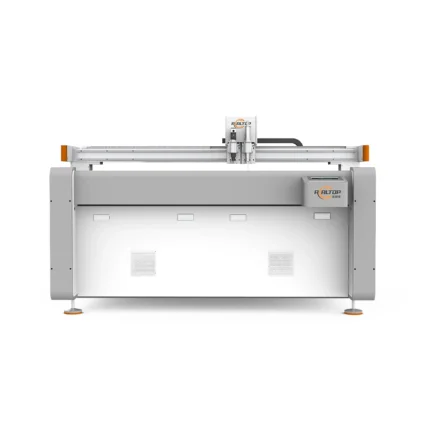
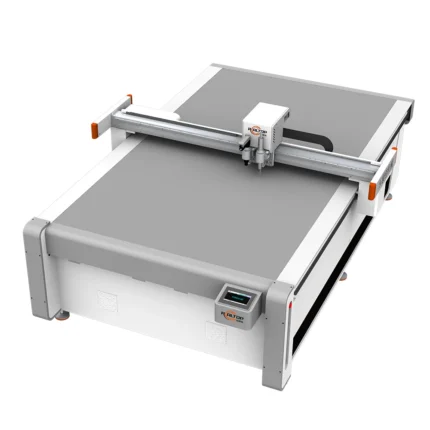
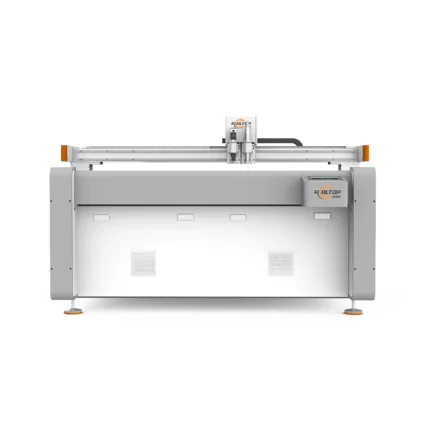
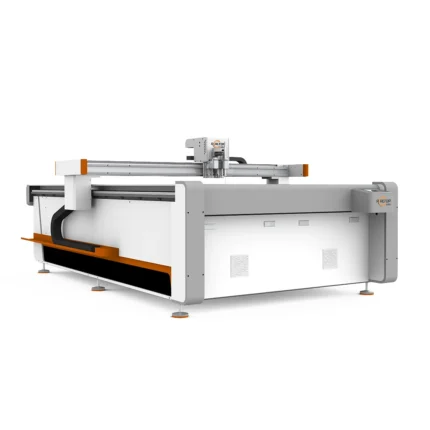
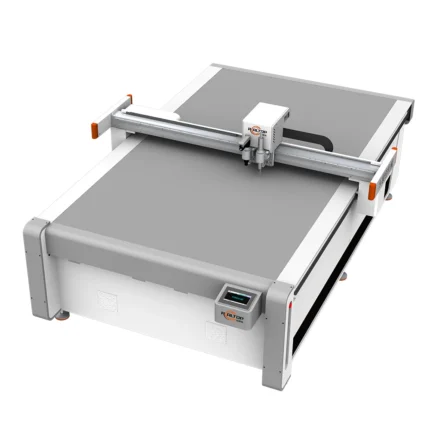
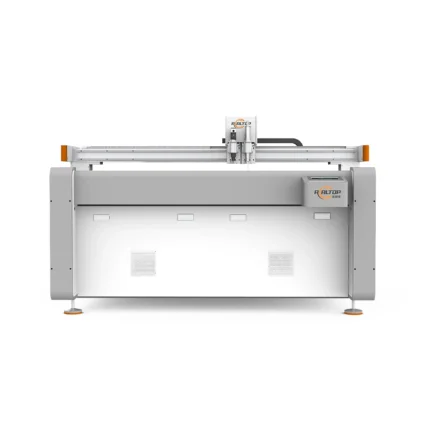
Automatic CNC Cutter Plotter 2026 Flat Bed Cardboard Cutter
Product Introduction
Automatic CNC Cutter Plotter 2026 is a flat bed cardboard cutting machine designed for precise and efficient cutting tasks. Ideal for various cardboard processing needs, it combines advanced CNC technology to deliver accurate results, suitable for manufacturing and packaging applications.Product Parameters
| Type | Automatic CNC Cutter Plotter |
| Model | 2026 |
| Design | Flat Bed |
| Application | Cardboard Cutting |
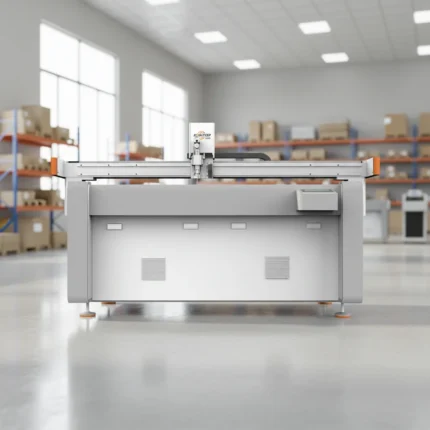
Automatic Die-less Cardboard Vibrating Knife Cutter 2026
Product Introduction
Automatic Die-less Cardboard Vibrating Knife Cutter 2026, a precision cutting solution for cardboard materials, featuring advanced die-less technology for efficient and flexible cutting operations. Ideal for various cardboard processing needs in manufacturing and packaging industries.Key Specifications
| Model | 2026 |
| Type | Automatic Die-less Cutter |
| Cutting Tool | Vibrating Knife |
| Material | Cardboard |

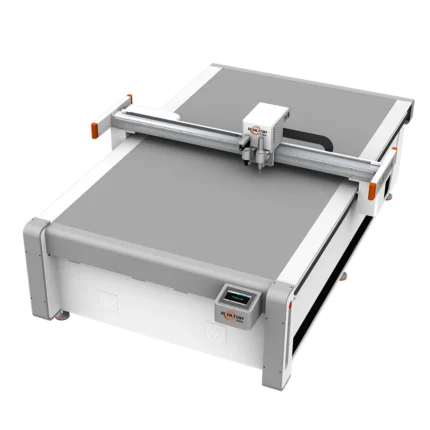
REALTOP 2026 Digital Industrial Cardboard Box Cutter
Product Introduction
REALTOP Digital Industrial Cardboard Box Cutter Machine 2026 is a professional industrial-grade cutting equipment designed for efficient cardboard box processing, ideal for manufacturing and packaging applications.
Product Parameters
| Model | 2026 |
| Type | Digital Industrial Cardboard Box Cutter |
| Application | Cardboard Box Processing |
| Feature | Industrial-grade, Efficient Cutting |

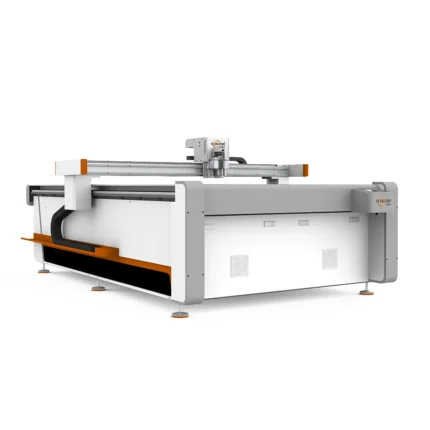
Realtop CNC Carton Box Cutter 2026 CCD Camera Honeycomb Cutting
Product Introduction
Realtop CNC Carton Box Cutter 2026 is a professional cutting solution featuring CCD Camera and Honeycomb Cutting technology, ideal for precise carton box processing with efficient performance.Product Parameters
| Model | Realtop CNC Carton Box Cutter 2026 |
| Vision System | CCD Camera |
| Cutting Technology | Honeycomb Cutting |
商品评价
There are no reviews yet.