



Factory Direct CNC Cutting Machine for Pizza Cake Box
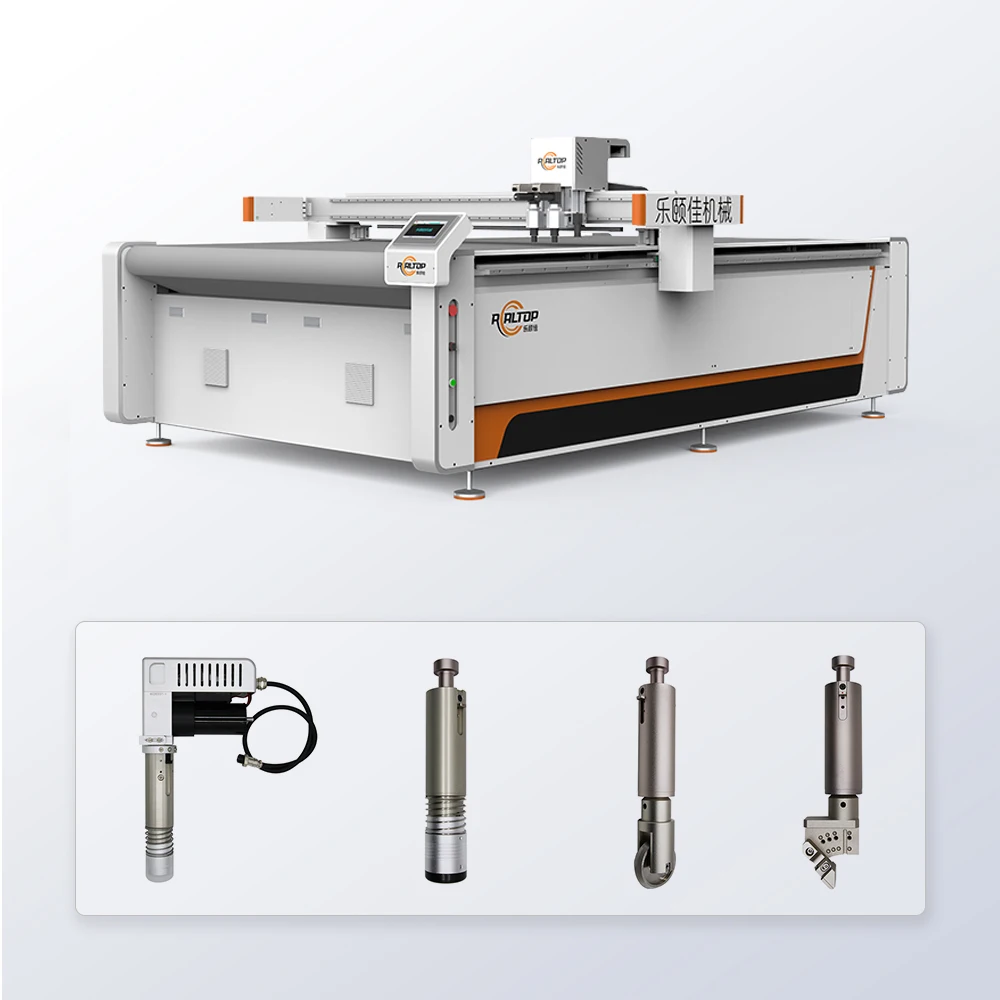
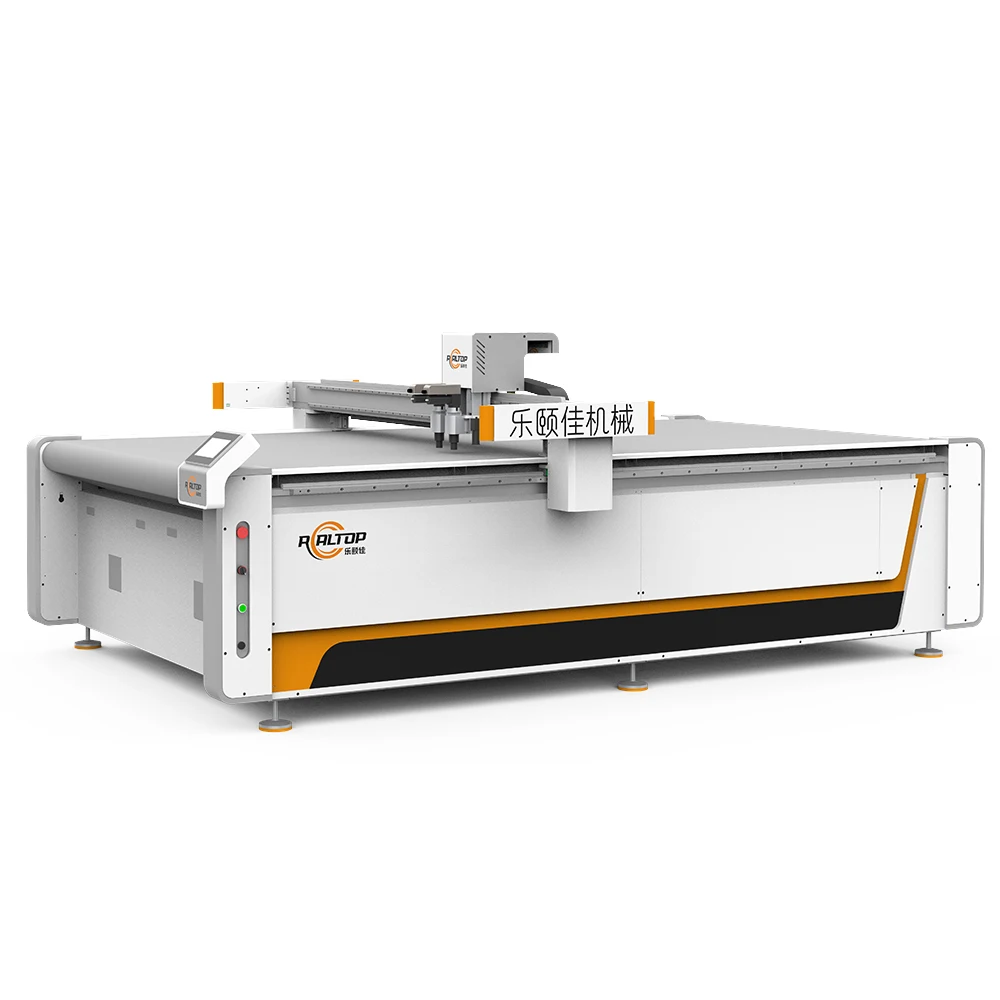
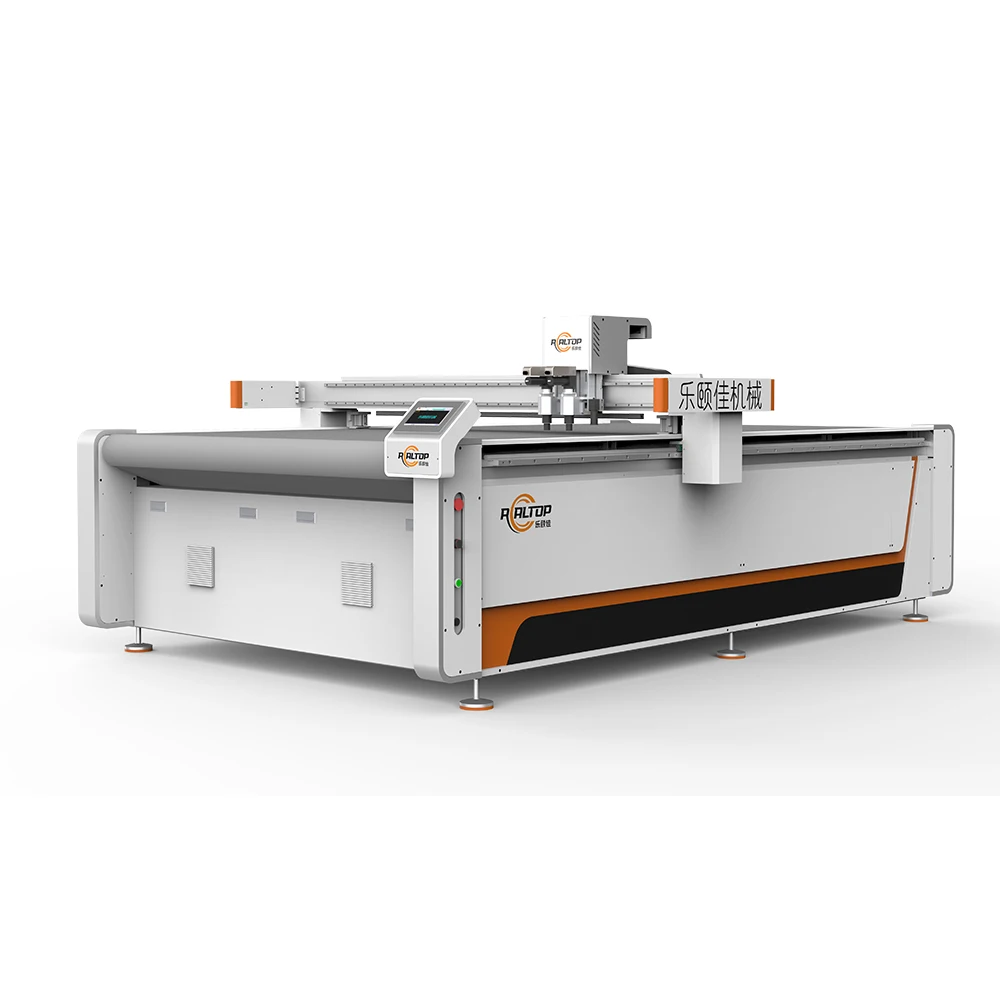
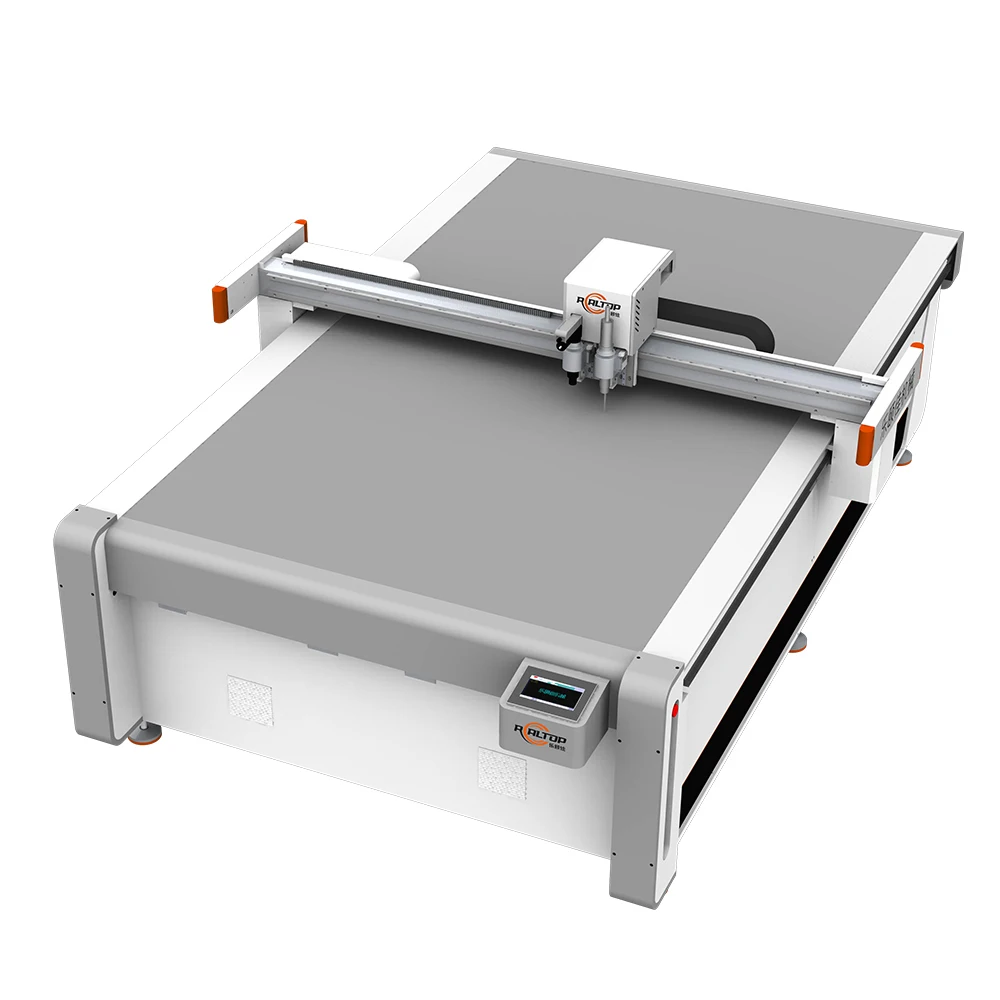
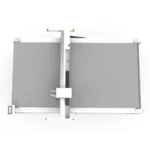
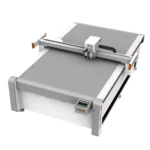
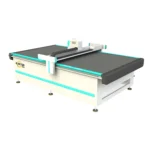
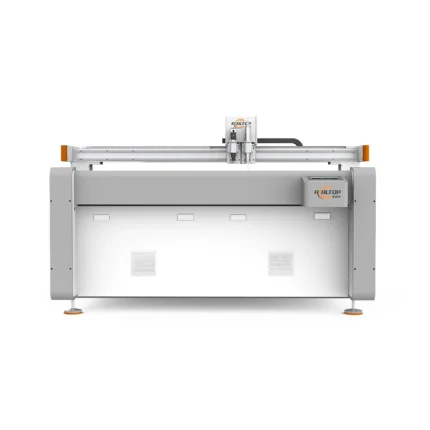
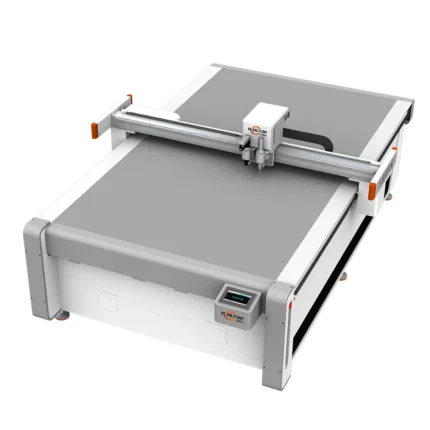
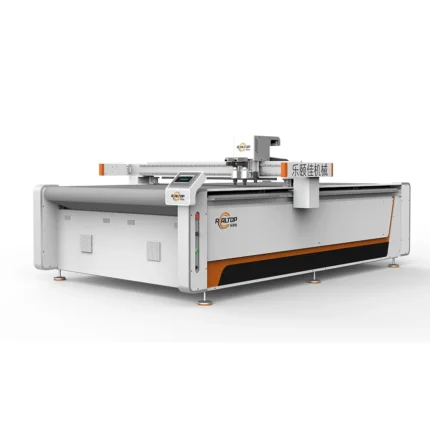
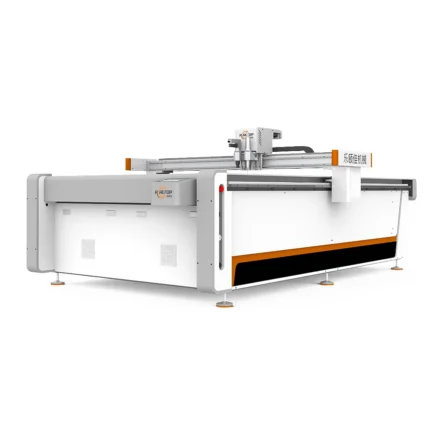
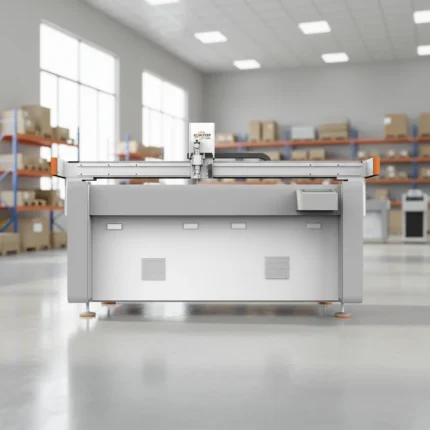
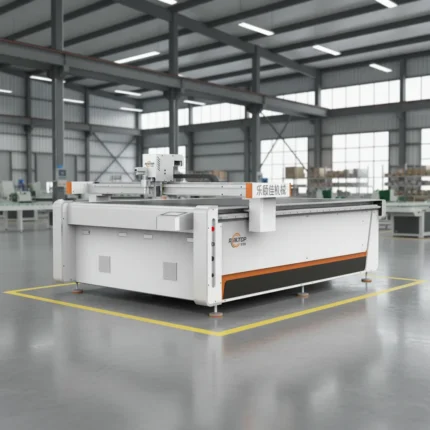
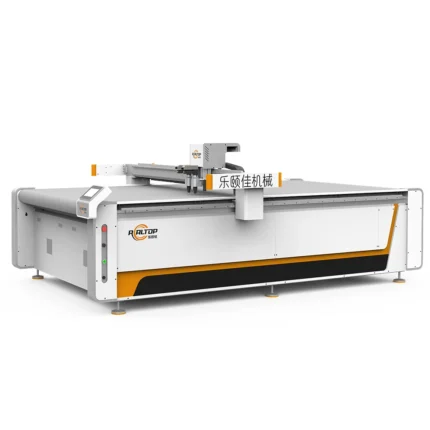
1625(std.) CNC Oscillating Knife Cutting Machine, 1600×2500mm, ≤40mm Thickness — configured for corrugated cardboard, greyboard and foam packaging with oscillating knife, creasing wheel and V groove knife tool heads matched to flute type and board weight.
- Aluminum bellows vacuum table ensures full-surface hold during precision cutting at ±0.1mm accuracy
- Dedicated packaging structure design software supports PLT, DXF, AI and PDF file import
- PLC control panel with multi-language interface for streamlined operator workflow
Sample cutting on your own corrugated material is completed before order commitment, ensuring tool head and vacuum configuration match your actual production requirements.
Integrated Tool Head Design — Every cutting configuration is matched to actual board ply count and flute profile before the machine leaves the factory, avoiding the common mismatch between quoted specs and real material behavior.
Technical Specifications
| Parameter | Value |
|---|---|
| Product Type | CNC Oscillating Knife Cutting Machine |
| Model | 1625(std.) |
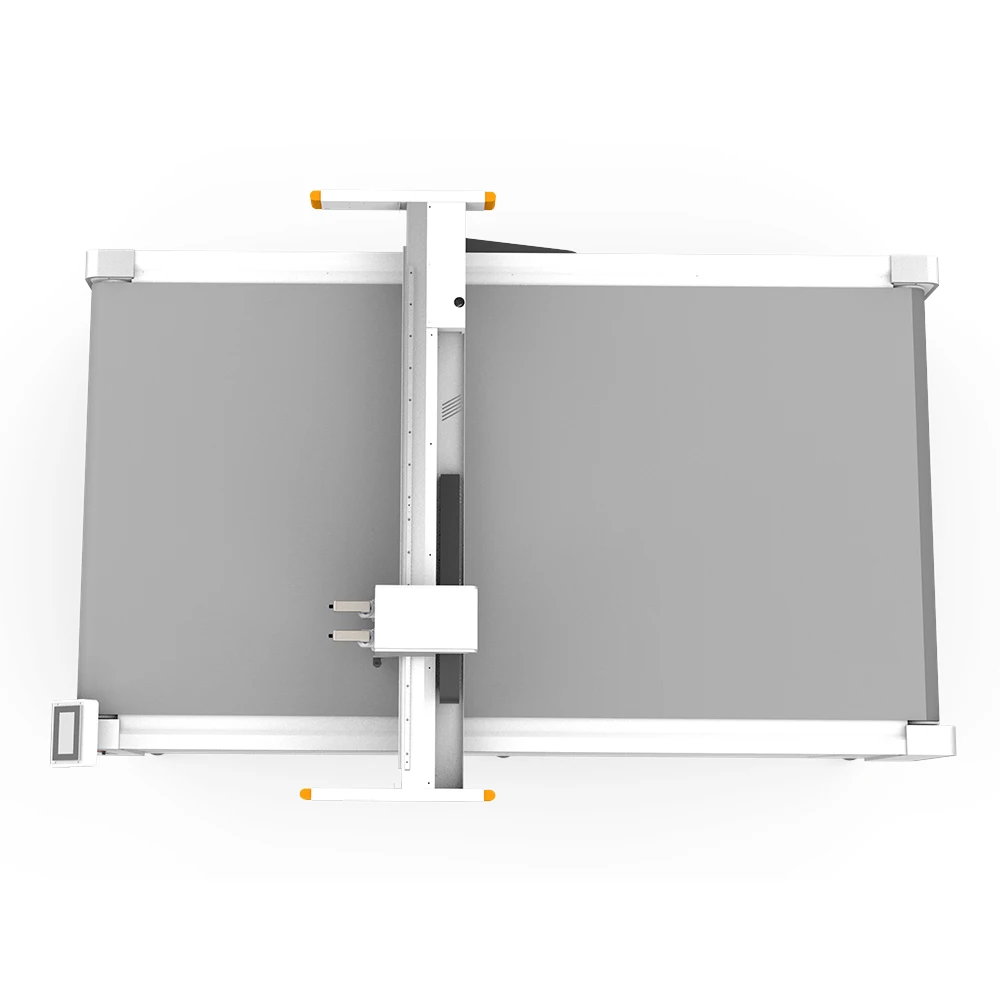
| Cutting Area | 1600 × 2500 mm |
| Cutting Thickness | ≤ 40 mm |
| Cutting Accuracy | ±0.1 mm |
| Cutting Speed | 0–1500 mm/s |
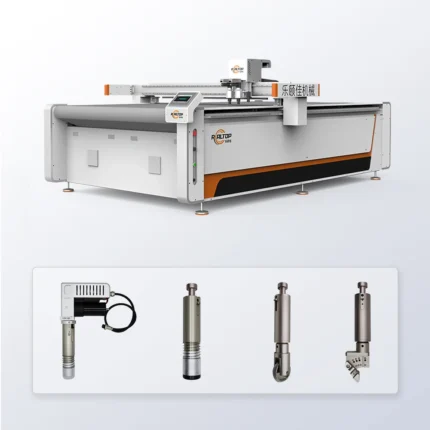
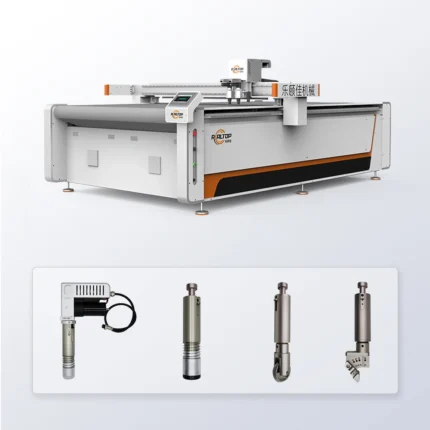
| Available Tool Heads | Oscillating knife, driven rotary knife, creasing wheel, kiss cutting tool, pneumatic knife, milling tool, V groove knife |
| Vacuum Table | Aluminum bellows vacuum table |
| Vacuum Pump | 9 kW |
| Servo Motor Options | Panasonic, Delta, Dorna |
| Control System | PLC control panel with optional display languages |
| Voltage Options | 110V / 220V / 380V (configurable) |
| Language Options | English, Russian, Italian, Chinese (special languages customizable) |
| Compatible File Formats | PLT, DXF, AI, PDF |
| Software | Dedicated packaging box structure design software |
| Safety Devices | Infrared sensor device, emergency stop |
| Machine Dimensions | 3300 × 2100 × 1350 mm |
| Standards | CE (source value — verify against manufacturer catalog) |
Application Suitability
| Application | Material or Output |
|---|---|
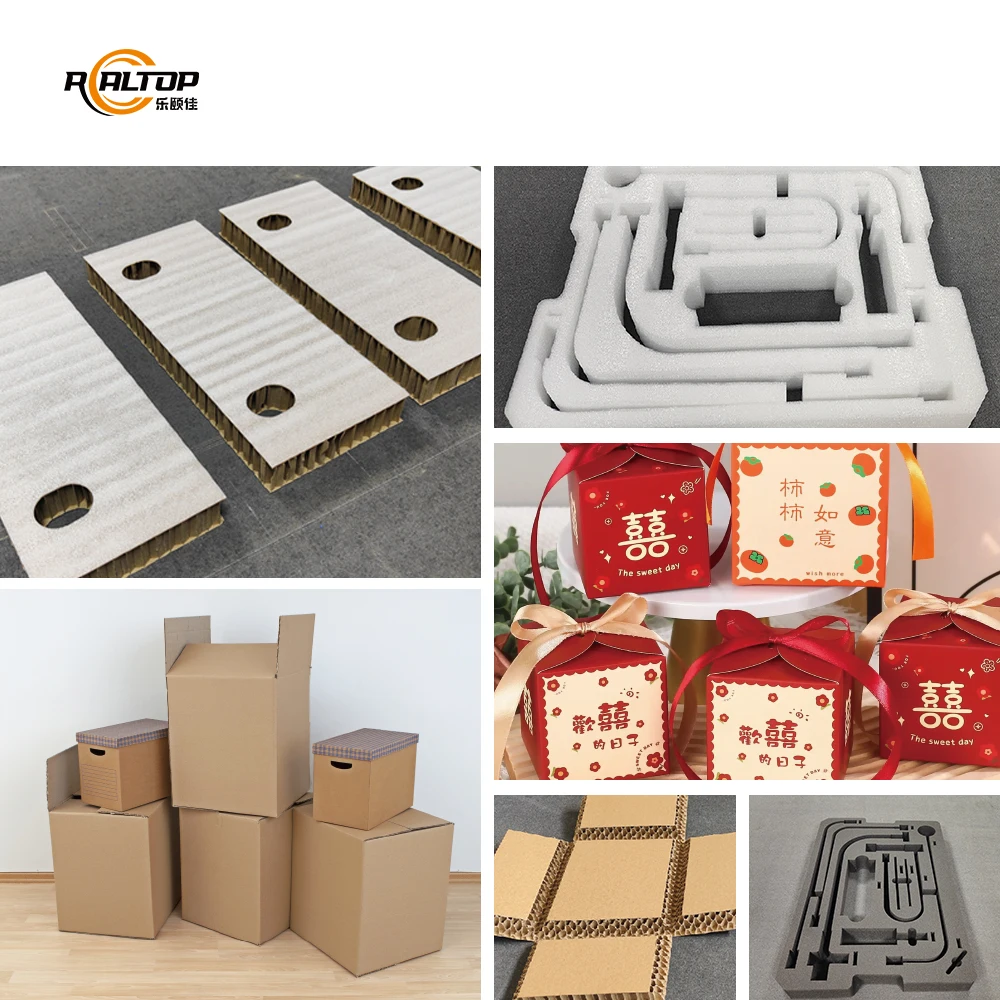
| Packaging sample making | Corrugated cardboard (E-flute, B-flute, BC-flute), greyboard, cardstock |
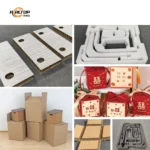
| Custom short-run cartons | Pizza boxes, cake boxes, specialty carton formats |
| Protective insert cutting | EVA, EPE, PU foam, rubber mats |
| Specialty packaging | Art paper, specialty paper, velvet/fleece fabric, non-woven fabric |
| Thin plastic packaging | PVC, PET sheets, adhesive-backed materials |
| Leather and composite | Leather, synthetic leather, composite materials |
Why Specified Working Area Alone Fails on Corrugated Board
The laser cutting and engraving machine manufacturer approach rarely applies to knife cutting — here, flute crush and edge ragging stem from tool head and vacuum mismatch, not from table size.
I remember a packaging buyer who ordered a machine based entirely on a 1600×2500 mm work envelope. When the machine arrived and started cutting E-flute corrugated, the flutes collapsed under the drag knife because the oscillating head had not been specified. The buyer lost a week of prototyping while we swapped the tool and re-tuned the Z-axis pressure. That scenario repeats across the industry far more often than it should [NEED_CITE: CNC knife cutting tool head selection by corrugated flute type].
Selecting a laser cutting and engraving machine manufacturer is a different process from sourcing a flatbed digital cutter for packaging. The cutting force, vacuum hold-down, and knife stroke frequency all change depending on whether you run single-face E-flute or double-wall BC-flute. A machine built for acrylic laser work will not translate directly to carton sample making without proper knife tooling and table zoning.
Tool Head Matching for Corrugated and Cardboard Grades
The 1625(std.) offers seven distinct tool head options, each addressing a specific failure mode in packaging cutting. The oscillating knife handles standard corrugated without crushing the flute structure, while the driven rotary knife suits continuous long cuts on thinner cardstock. The creasing wheel produces fold lines without cutting through, which is essential for carton forming.
For kiss cutting on adhesive-backed labels or window patches, the dedicated kiss cutting tool controls depth to within the liner layer. The V groove knife creates miter-fold channels on thick greyboard, replacing the two-step score-and-fold workflow that slower operations still use.
Vacuum Table Behavior on Small Packaging Components
The aluminum bellows vacuum table on this laser cutting and engraving machine manufacturer’s platform provides full-surface adsorption across the 1600×2500 mm area. This matters when cutting small carton inserts or nested gasket pieces where corner lift causes the knife to catch and tear the material edge.
A 9 kW vacuum pump generates sufficient negative pressure to hold thin art paper and specialty stocks flat during high-speed directional changes. Without adequate hold-down, the cutting accuracy of ±0.1 mm degrades quickly on lightweight substrates because the material shifts between passes [NEED_CITE: vacuum table flatness and hold-down requirements for digital cutting tables].
Reading the Specification Sheet Against Your Material
The stated cutting thickness of ≤ 40 mm covers BC-flute corrugated, dense greyboard, and EVA foam inserts, but the achievable thickness depends on the tool head selected. An oscillating knife at full stroke will cut through 40 mm foam cleanly, while the same head on 3 mm greyboard may produce edge fuzzing if the stroke frequency is set too high.
The cutting speed range of 0–1500 mm/s is adjustable through the PLC control panel. On intricate carton structures with tight radii, the servo system (Panasonic, Delta, or Dorna) decelerates automatically to maintain the ±0.1 mm tolerance. File formats including PLT, DXF, AI, and PDF feed directly into the dedicated packaging box structure design software, reducing the translation errors that occur when moving between third-party CAD and machine control.
The Cost of Wrong Tooling on Production Day
When a creasing wheel is substituted for an oscillating knife on corrugated board, the result is not a slightly worse edge — it is a structurally compromised fold that fails during box assembly. Buyers who skip the sample cutting step often discover this during their first production run, when hundreds of blanks have already been cut with the wrong profile [NEED_CITE: packaging die-cutting and digital cutting edge quality standards].
Vacuum zoning that is too coarse for small parts causes material lift at the edges, producing dimensional drift that accumulates across a nested sheet. This means the last carton on the sheet does not match the first, and the buyer blames the software when the real problem sits under the table.
Why Buyers Source This Machine Here
The design team configures the tool head and table layout per the buyer’s actual corrugated grade and daily volume, rather than shipping a default setup. Sample cutting on the buyer’s own material — at the exact flute type and board weight — happens before the order is finalized.
Voltage and plug configuration are confirmed against the buyer’s facility electrical system, with 110V, 220V, and 380V options matched to local standards. The dedicated packaging software is tested against the buyer’s existing file workflow to confirm that PLT, DXF, AI, or PDF imports produce the expected tool paths.
Both knife and laser cutting technologies are developed in-house, so a buyer who needs both carton cutting and acrylic template engraving can coordinate specifications through one engineering team rather than reconcile conflicting advice from separate vendors.
Documentation & Verification
- Factory test record on buyer’s corrugated flute type and board weight before dispatch
- Tool head and vacuum table configuration list matching quoted material range
- Electrical schematic with confirmed voltage, plug type, and phase specification
- Software license note with verified PLT, DXF, AI, PDF file format compatibility
- Sample cutting report on buyer’s own packaging material with measured accuracy data
- Operation and maintenance manual in confirmed control panel language
Installation, Commissioning & Support
- 3300 × 2100 × 1350 mm footprint requires level concrete floor with clearance for sheet loading
- Dedicated electrical circuit matching confirmed 110V, 220V, or 380V supply with correct phase
- Machine ships partially assembled; vacuum table and gantry require on-site alignment
- First-run commissioning includes tool head pressure calibration on buyer’s actual board stock
- Operator training covers PLC panel navigation, software import, and tool change procedure
- Spare parts list specifies oscillating knife blades, creasing wheels, and vacuum pump filters
Preparing Your Inquiry
To move from general interest to a firm configuration, share your primary corrugated flute types (E, B, BC), typical board thickness range, and the largest carton blank dimension you plan to cut. Include your facility voltage and frequency, preferred control language, and whether your design workflow exports PLT, DXF, AI, or PDF. If you have existing nesting software, note the file format and version so compatibility can be verified before quotation.
Frequently Asked Questions
Q: How do I choose the right tool head for my corrugated flute type?
A: E-flute and B-flute boards require an oscillating knife with a shorter stroke and higher frequency to avoid flute crush, while BC-flute needs a longer stroke at reduced frequency. The creasing wheel is added separately for fold lines. We run a sample cut on your actual board before the tool head configuration is locked in, so you can see the edge quality and fold integrity before committing.
Q: Will the machine work with my local voltage and plug standard?
A: The system supports 110V, 220V, and 380V configurations, and the correct plug type is installed before shipment based on your confirmed facility specification. An electrical schematic accompanies the machine so your local electrician can verify the dedicated circuit requirements. Voltage and frequency mismatches are among the most common causes of servo drive failure in exported equipment [NEED_CITE: voltage and frequency standards by export market].
Q: Can the software import my existing packaging design files?
A: The dedicated packaging box structure design software accepts PLT, DXF, AI, and PDF formats. Before the order is finalized, we request a sample file from your current workflow and run it through the import and nesting process to confirm that tool paths generate correctly. This step catches format translation issues that would otherwise appear on the first day of production.
Q: What happens during sample cutting before I commit to the order?
A: You send your actual corrugated material — at the exact flute type, board weight, and thickness you plan to run in production. We cut your file using the proposed tool head and vacuum configuration, then send you a sample cutting report with measured accuracy, edge quality photographs, and the confirmed parameter set. You approve or request adjustments before the machine enters production.


Related products

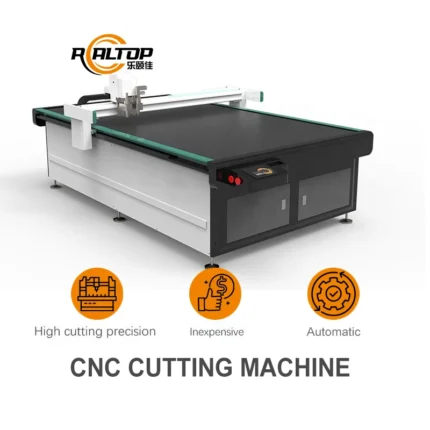
CNC Flatbed Oscillating Knife Cutting Machine 2026
Product Introduction
High-performance CNC Flatbed Oscillating Knife Cutting Machine 2026, ideal for precision cutting of various materials with advanced oscillating knife technology, ensuring efficient and accurate operations for industrial manufacturing needs.Specifications
| Model | 2026 |
| Type | CNC Flatbed Oscillating Knife Cutting Machine |


Digital CNC Cardboard Cutting Machine 2026
Product Introduction
High-precision Digital CNC Cardboard Cutting Machine 2026, ideal for efficient cardboard processing with advanced CNC technology, ensuring precise and fast cutting performance for various packaging and craft applications.
Key Specifications
| Model | 2026 |
| Type | Digital CNC Cutting Machine |
| Material | Cardboard |
| Feature | High Precision, Efficient Cutting |

Realtop 2026 CNC Oscillating V-Cut Machine
Product Introduction
Realtop CNC Oscillating V-Cut Machine 2026 is a precision equipment designed for efficient V-cutting operations, ideal for various material processing needs with advanced CNC technology.
Key Specifications
| Model | Realtop CNC Oscillating V-Cut Machine 2026 |
| Type | CNC Oscillating V-Cut Machine |
| Application | Precision V-cutting operations |
| Feature | Advanced CNC technology |

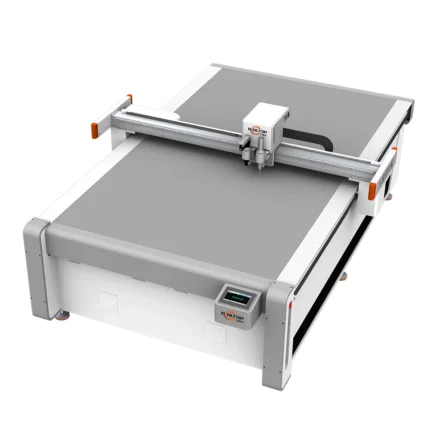
REALTOP 2026 Digital Industrial Cardboard Box Cutter
Product Introduction
REALTOP Digital Industrial Cardboard Box Cutter Machine 2026 is a professional industrial-grade cutting equipment designed for efficient cardboard box processing, ideal for manufacturing and packaging applications.
Product Parameters
| Model | 2026 |
| Type | Digital Industrial Cardboard Box Cutter |
| Application | Cardboard Box Processing |
| Feature | Industrial-grade, Efficient Cutting |
商品评价
There are no reviews yet.