

Felt Panel CNC Cutter for Composite – Industrial Application
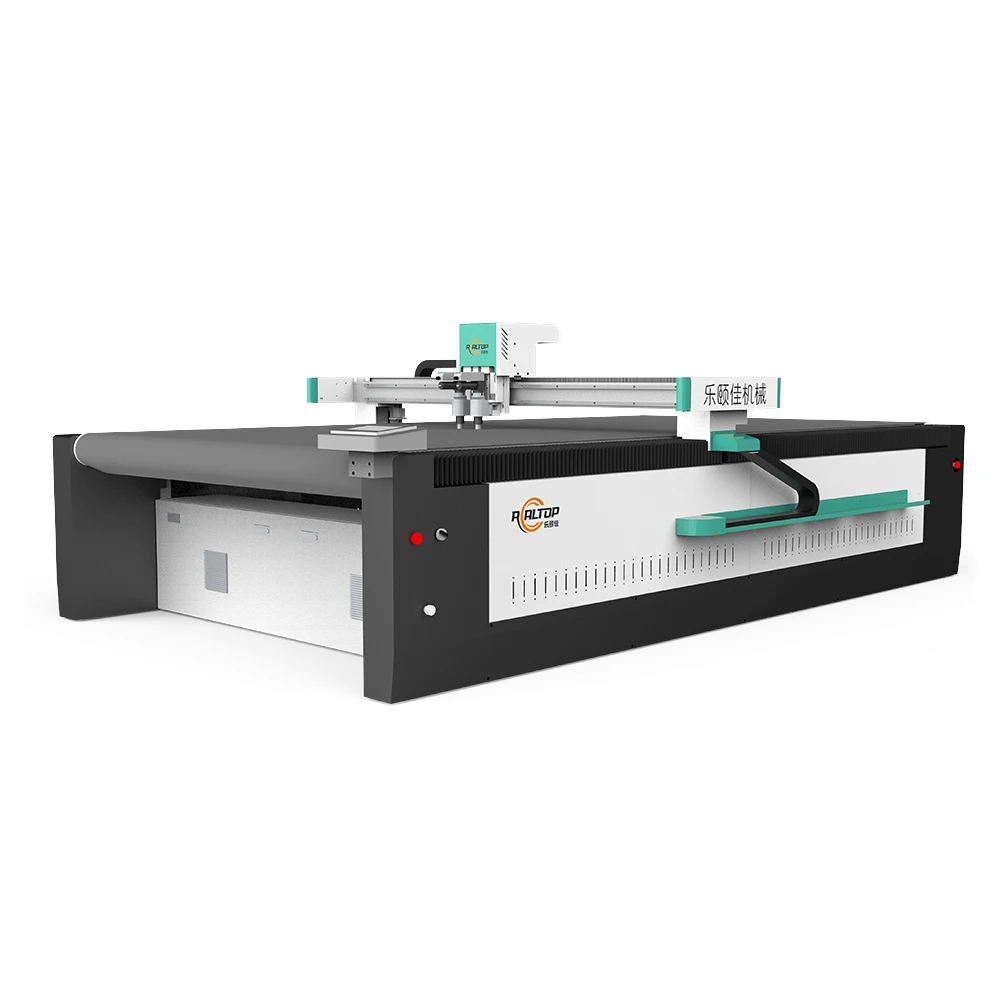
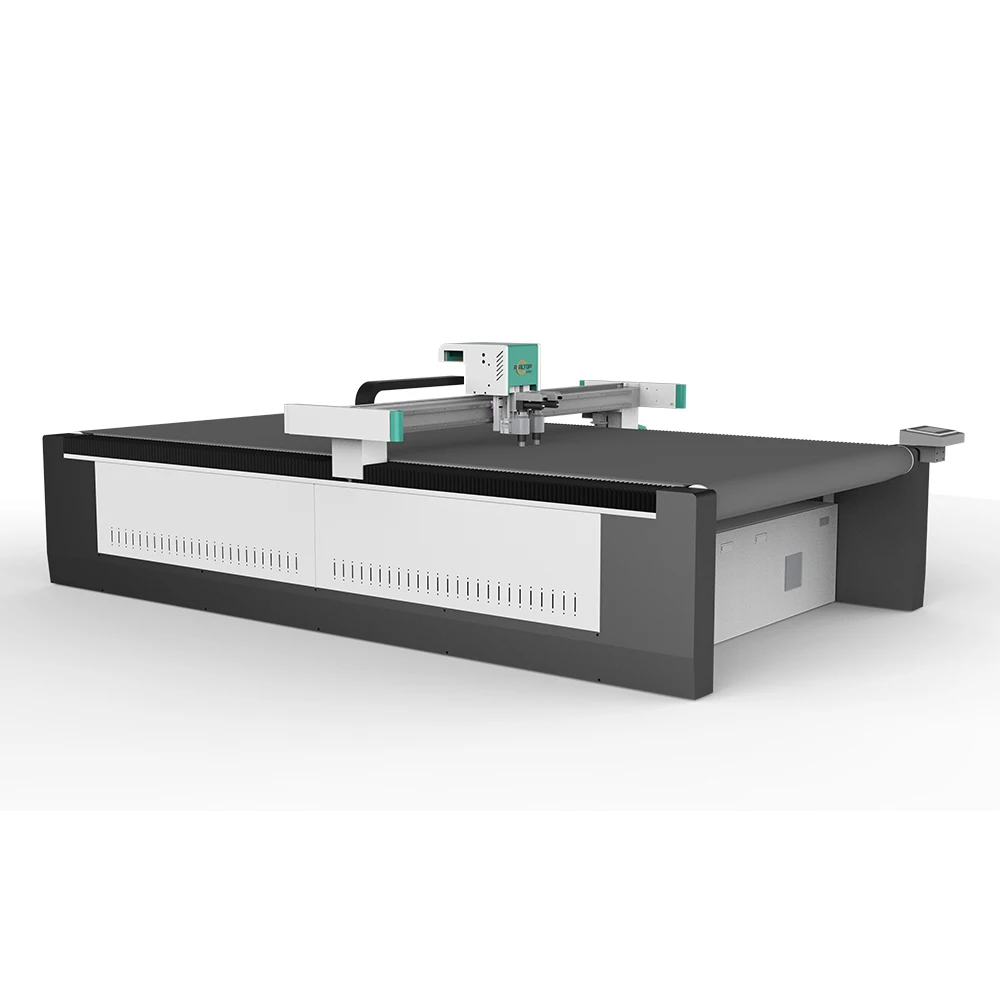
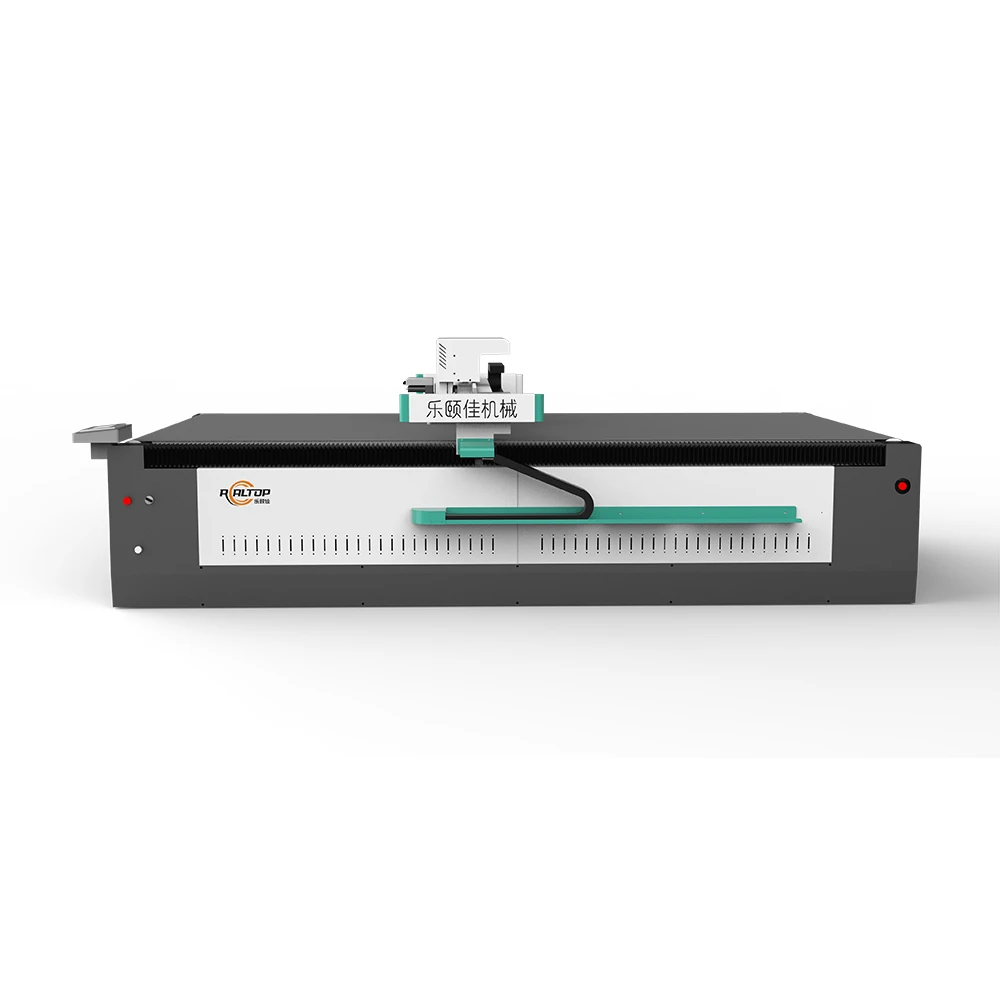
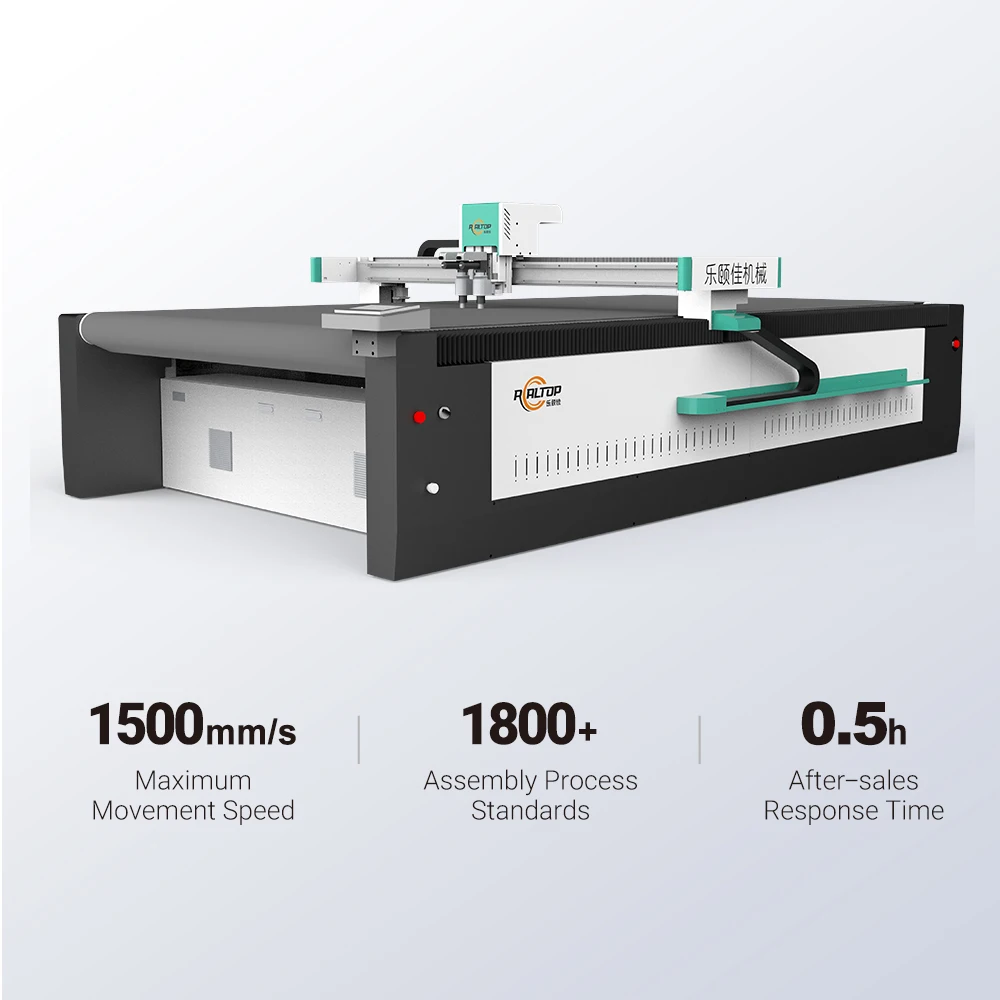
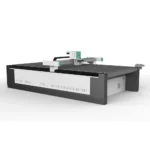
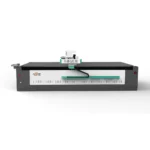
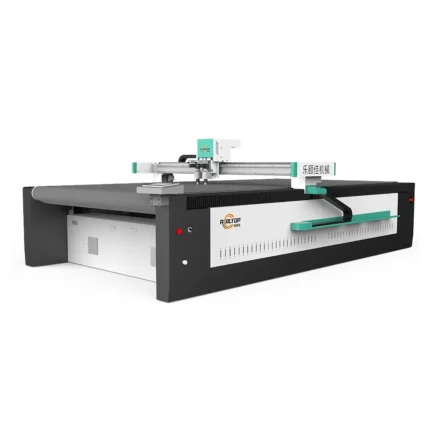
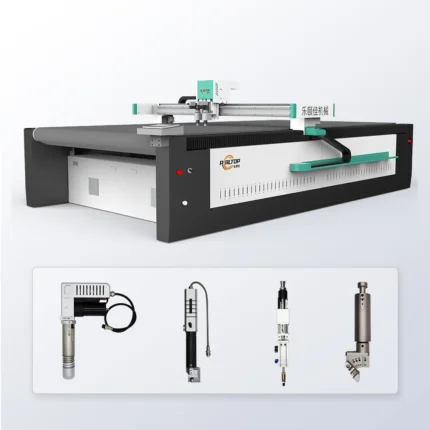
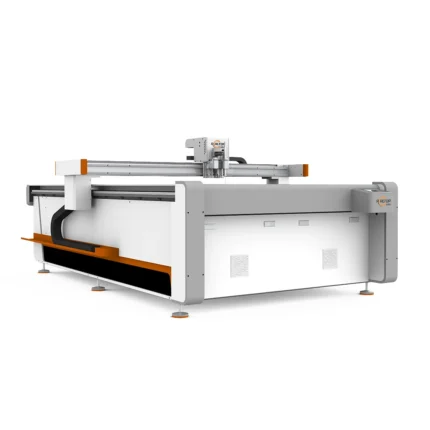
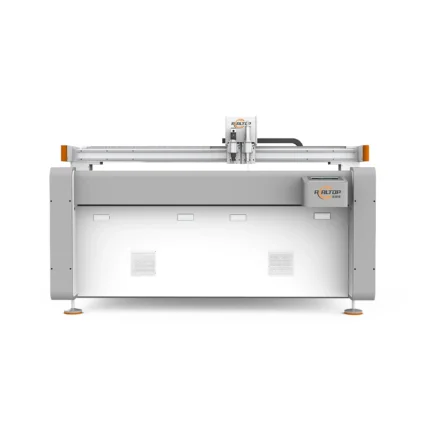
CNC Oscillating Knife Cutting Machine for Composites, 1600×2500mm working area, ≤30mm cutting thickness, ±0.1mm accuracy — configured for carbon fiber, aramid honeycomb, fiberglass cloth and PET foam core cold-cutting without thermal damage.
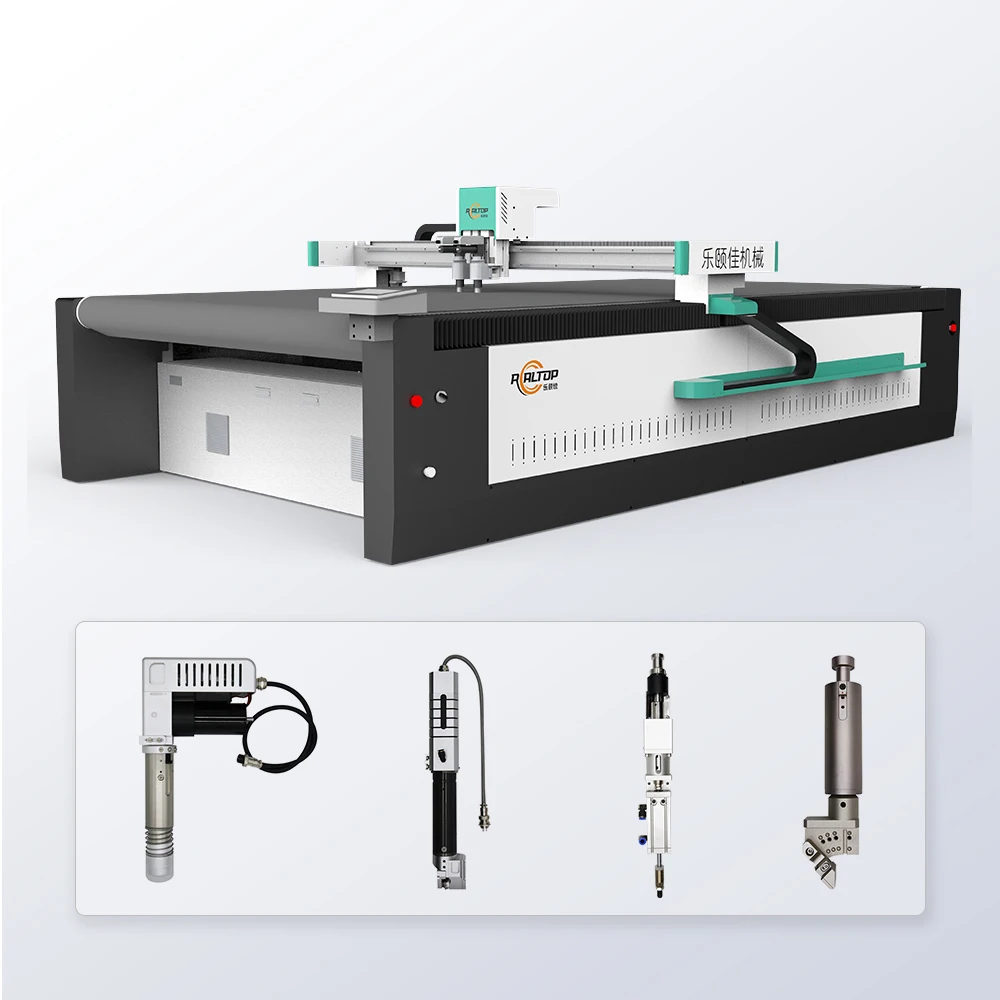
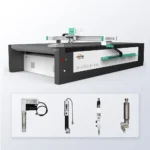
- Interchangeable tool heads (oscillating, pneumatic, milling, V-groove) matched to composite density and layup
- 9KW vacuum pump with aluminum bellows table holds flexible infusion mesh and prepreg flat during high-speed cuts
- File formats PLT, DXF, AI, PDF supported; voltage and control language confirmed before shipment
Sample cutting on your own composite material validates edge quality and delamination-free performance before order commitment.
Cold-Knife Process Integrity — oscillating knife cutting preserves fiber orientation and resin structure in composite laminates without thermal degradation or delamination.
Technical Specifications
| Parameter | Value |
|---|---|
| Product Type | CNC Oscillating Knife Cutting Machine for Composites |
| Working Area | 1600 × 2500 mm |
| Tool Head Options | Oscillating knife, driven rotary knife, creasing wheel, kiss cutting tool, pneumatic knife, milling tool, V-groove knife |
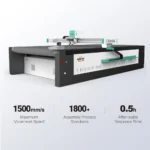
| Cutting Speed | 0–2000 mm/s |
| Cutting Thickness | ≤ 30 mm (basis not stated in source — confirm material type and density) |
| Cutting Accuracy | ±0.1 mm |
| Vacuum Pump | 9 kW |
| Vacuum Table | Aluminum bellows vacuum table |
| Servo Motor Options | Panasonic, Delta, Dorna |
| Control System | PLC control panel |
| Voltage Options | 110V, 220V, 380V (configurable per facility) |
| File Formats Supported | PLT, DXF, AI, PDF |
| Safety Devices | Infrared sensor device and emergency stop device |
| Machine Size | 3300 × 2100 × 1350 mm |
| Language Options | English, Russian, Italian, Chinese (special languages customizable) |
| Assembly State | Fully assembled |
| Certification | CE |
Application Suitability
| Application | Material or Output |
|---|---|
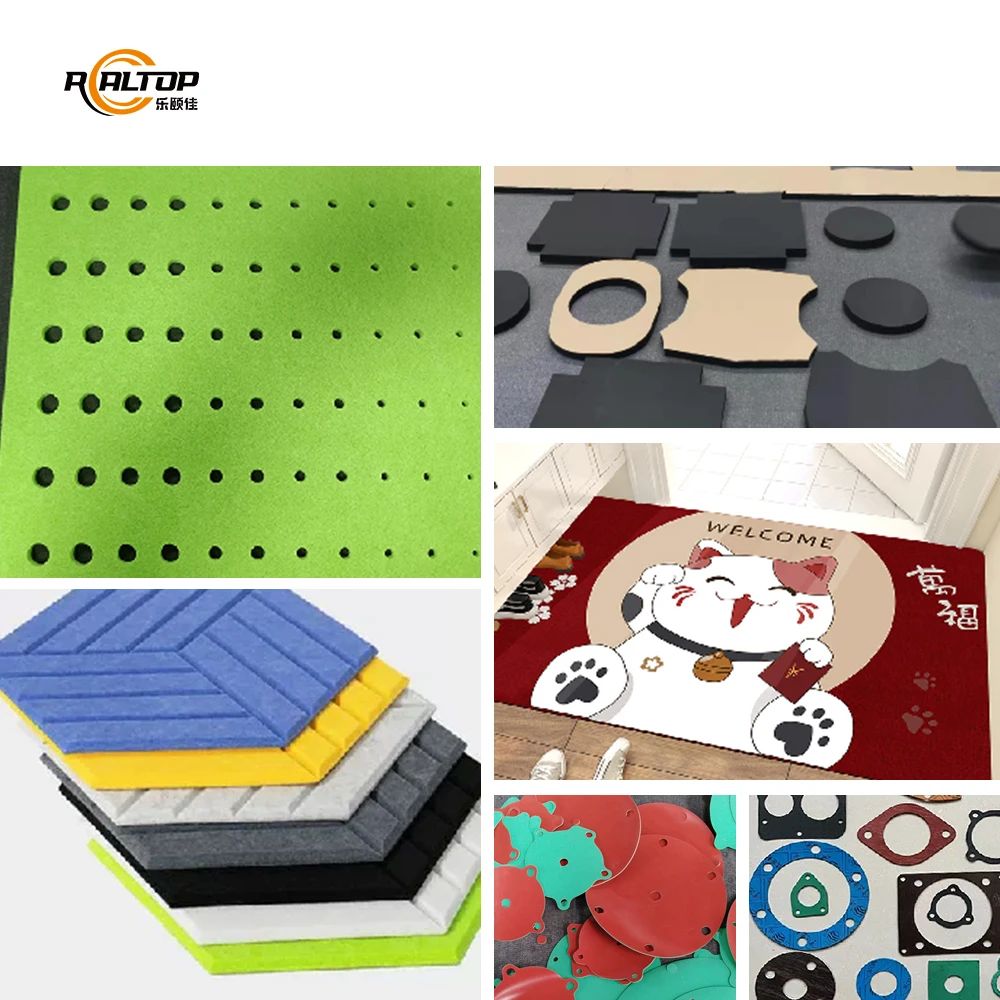
| Aerospace interior and structural panels | Carbon fiber prepreg, aramid honeycomb (Nomex), fiberglass cloth, ceramic fiber blankets, thermal and acoustic insulation foam |
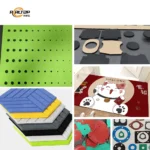
| Automotive and rail transit interiors | Acoustic felt, FRP panels, damping pads, carpets, sealing strips, battery insulation pads |
| Wind energy blade fabrication | Large-format fiberglass cloth, vacuum infusion mesh, PET and PVC foam core materials |
| High-performance sporting goods | Carbon fiber sheets and fabric, Kevlar, high-performance foam, composite fabrics for bicycle frames, helmets, and surfboards |
Why the Wrong Cutting Method Destroys Composite Edge Quality
Thermal cutting alters the resin matrix and compromises structural certification — cold knife cutting eliminates that risk entirely.
When manufacturers cut carbon fiber prepreg or aramid honeycomb with laser or hot wire, the heat-affected zone changes the resin cure state near the edge. For aerospace components that must pass ultrasonic inspection, this thermal damage means scrapped parts and failed audits [NEED_CITE: aerospace composite edge quality standards for structural certification]. A CNC oscillating knife cutting machine for composites avoids thermal stress by using high-frequency mechanical oscillation to slice through fibers cleanly. I recall a buyer from the wind energy sector who tried routing fiberglass cloth with a spindle router before switching to oscillating knife — the frayed edges delaminated during layup, causing rework that delayed blade production by weeks.
How Oscillation Frequency Meets Composite Density
The oscillating knife vibrates at high frequency while the servo-driven gantry follows the programmed path. For dense materials like G10 epoxy board or cured carbon fiber sheet, the vibration reduces friction and prevents the blade from grabbing or wandering. Softer materials like acoustic felt and insulation foam require different oscillation amplitude settings to avoid compressing the material before the cut completes. This composite material digital cutter adjusts parameters through the PLC control panel, allowing operators to store settings for each material type and recall them for repeat jobs.
Vacuum Adsorption and Material Flatness
Flexible composite materials — fiberglass cloth, infusion mesh, aramid fabric — tend to shift and wrinkle during cutting if not held perfectly flat. The aluminum bellows vacuum table on this platform provides full-surface adsorption across the 1600 × 2500 mm working area, backed by a 9 kW vacuum pump [NEED_CITE: vacuum hold-down requirements for flexible composite fabrics]. The table maintains negative pressure even on porous materials like ceramic fiber blankets, where air leakage through the fabric would defeat a weaker pump. For rigid panels like carbon fiber board, the vacuum simply confirms flatness while the oscillating knife handles the cutting force.
Matching Tool Head to Composite Type
Each composite material demands a specific cutting action. The oscillating knife handles most fabric and foam materials with clean, fray-free edges. The pneumatic knife suits thicker, denser panels where blade penetration force matters more than oscillation. The V-groove knife enables folding and forming operations on honeycomb core materials without cutting through the facing skin. The milling tool addresses rigid composites like G10 or phenolic board where a knife cannot penetrate. Selecting the correct tool head is not optional — running fiberglass cloth with a drag knife designed for vinyl produces torn edges and rejected panels.
The Cost of Skipping Material-Specific Configuration
Buyers who specify working area alone and ignore tool head selection face predictable failures. A gasket producer cutting aramid fiber composite with the wrong knife angle will see frayed edges that fail sealing tests. An automotive interior supplier cutting acoustic felt with insufficient vacuum zoning will experience material lift during cutting, producing dimensional errors that only show up during assembly [NEED_CITE: composite cutting edge quality defects in automotive interior production]. These failures are not machine defects — they are configuration errors that could have been caught with sample cutting on the actual production material before the order was placed.
Why Procurement Happens Here
In-house design covers both knife cutting and laser technologies, so the cutting method matches the composite material rather than forcing one process onto every application. Tool head and table configuration are specified per material type and production volume, not sold as a one-size-fits-all package. Software compatibility is confirmed before order — if the buyer’s nesting workflow outputs DXF or AI files, the integration is verified, not assumed. Voltage, control language, and documentation are customized to the destination facility. Every machine ships with a sample cutting report run on the buyer’s own composite material, providing documented proof of edge quality and thickness capability before commitment.
Documentation & Verification
- Machine specification sheet listing confirmed tool head and vacuum table configuration per composite type
- Electrical schematic with voltage and frequency matched to buyer’s facility before production starts
- Sample cutting report on buyer’s actual composite material documenting edge quality and thickness result
- Tool head and configuration list matching each interchangeable head to its intended material application
- Software licence and file format compatibility note confirming PLT, DXF, AI, and PDF import capability
- Operation and maintenance manual with safety device procedures for infrared sensor and emergency stop
Installation, Commissioning & Support
- Floor space of approximately 3300 × 2100 mm required with clearance for material loading on the 1600 × 2500 mm table
- Dedicated electrical circuit matching confirmed voltage (110V, 220V, or 380V) with stable supply for the 9 kW vacuum pump
- Machine ships fully assembled — no structural assembly required, only utility connections and calibration checks
- PLC control panel configured to buyer’s selected language with stored parameters for each composite material type
- Operator training covers tool head changeover procedures across all seven available head options
- Spare parts list provided covering oscillating knife blades, vacuum seals, and servo motor consumables
Before You Send the Inquiry
To configure this composite material digital cutter correctly, we need your composite material type, maximum thickness, and typical sheet dimensions. Tell us your daily cutting volume and whether your nesting software outputs PLT, DXF, AI, or PDF files. Specify your facility voltage and preferred control language so the PLC panel and electrical system are built to match from the start.
Frequently Asked Questions
Q: How do I match the oscillating knife type and cutting depth to different composite materials?
A: Each composite — carbon fiber board, aramid honeycomb, fiberglass cloth — requires a specific knife angle, oscillation amplitude, and cutting speed. The tool head and parameters are configured after sample cutting on your actual material, not selected from a generic chart. This ensures edge quality and thickness capability are verified before the machine is built.
Q: How is the ≤30mm cutting thickness capacity verified for my specific composite?
A: The thickness figure depends on material density and fiber composition, which vary widely across composites. We run sample cuts on your actual material at your required thickness to confirm clean cutting without delamination. The result is documented in a sample cutting report that accompanies the quotation.
Q: What voltage options are available and how is the electrical system confirmed?
A: The machine is configurable for 110V, 220V, or 380V systems. Before production, we provide an electrical schematic showing the exact voltage, frequency, and circuit requirements matched to your facility. The 9 kW vacuum pump and servo motors are wired to your confirmed supply specification.
Q: Can the vacuum table handle small composite gasket parts without material lift?
A: The aluminum bellows vacuum table with the 9 kW pump provides strong full-surface adsorption. For small parts, zoning configuration is discussed during the specification phase to ensure adequate hold-down force. This is verified during the sample cutting stage on your actual gasket layout.
Q: What file formats does the software accept for composite nesting workflows?
A: The system supports PLT, DXF, AI, and PDF file imports. If your existing nesting software outputs one of these formats, compatibility is confirmed before order placement. Software licence details and a file format compatibility note are included in the documentation package.


Related products
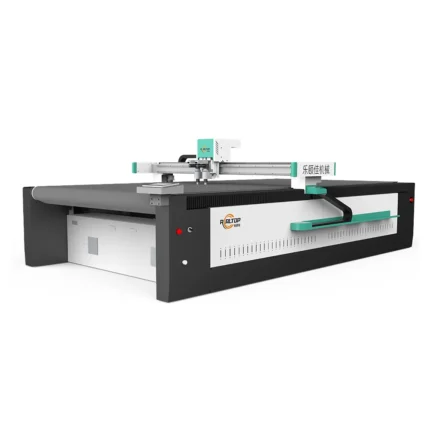
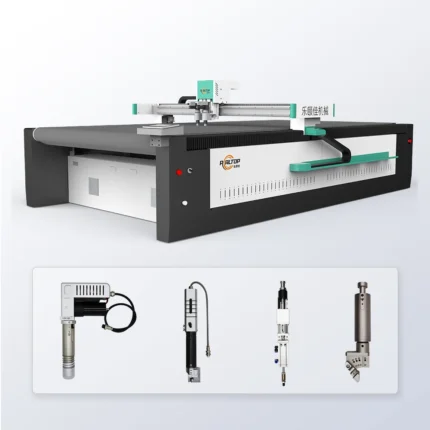
Auto CNC Oscillating Knife Cutting Machine 2026
Product Introduction
Auto CNC Oscillating Knife Cutting Machine 2026 is a high-precision cutting solution from a leading Chinese welding & cutting equipment manufacturer, ideal for efficient and accurate material processing across various industrial applications.Key Specifications
| Type | Auto CNC Oscillating Knife Cutting Machine |
| Model | 2026 |
| Manufacturer | Chinese Leading Welding & Cutting Equipment Factory |
| Core Feature | High-precision CNC Control |
| Application | Industrial Material Cutting |
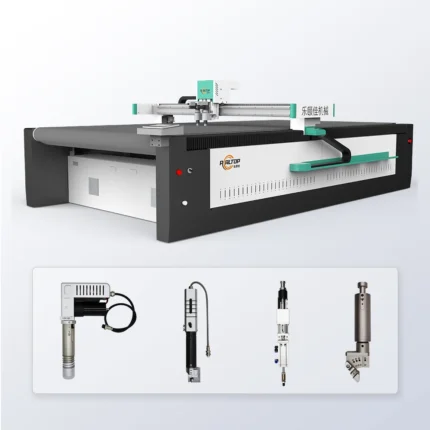

CNC Gasket Cutting Machine 2026 Digital Rubber Cutter High-Precision
Product Introduction
High-precision CNC gasket cutting machine with digital control, ideal for rubber materials. Features auto table operation for efficient, accurate cutting in industrial applications.
Key Specifications
| Type | CNC Gasket Cutting Machine |
| Function | Digital Rubber Cutter |
| Precision | High-Precision |
| Operation | Auto Table |
| Model Year | 2026 |
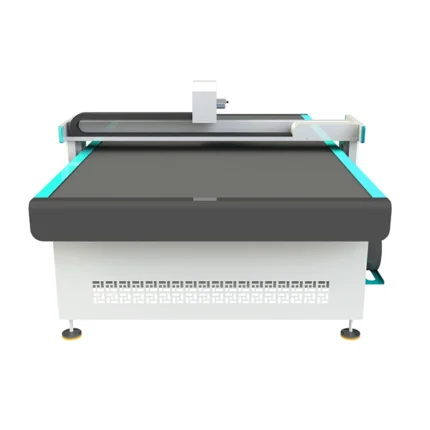
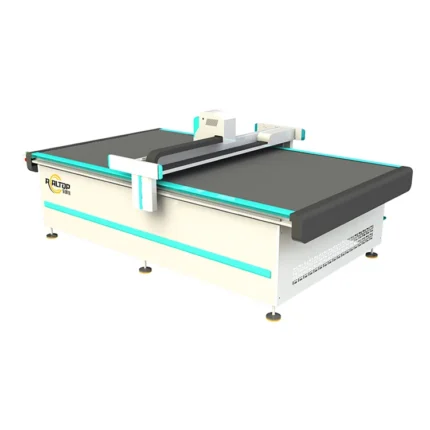
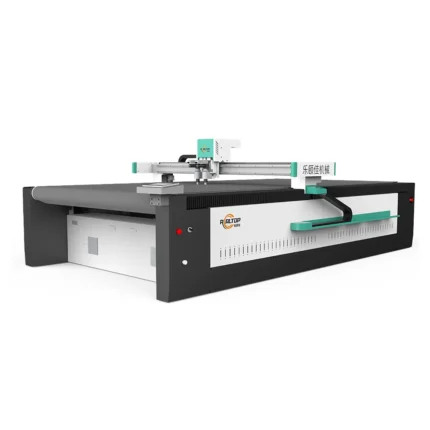
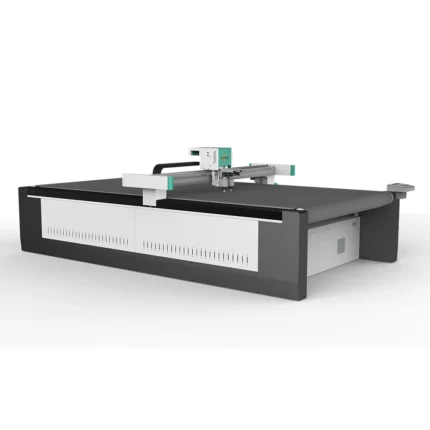
Oscillating Knife Cutter 2500x1600mm Composite Material Cutter
Product Introduction
Designed for composite materials processing, this oscillating knife cutter features a large 2500x1600mm working area, ensuring efficient handling of various composite material cutting tasks with precision and reliability.Product Parameters
| Working Area | 2500x1600mm |
| Cutting Type | Oscillating Knife |
| Application | Composite Materials |
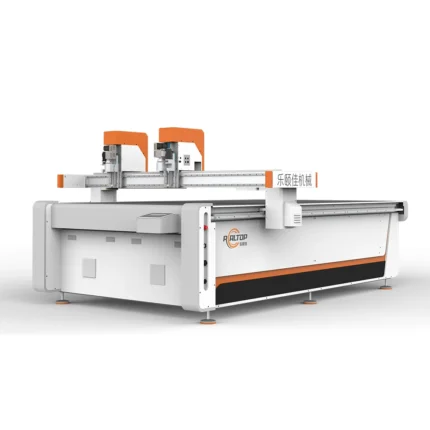
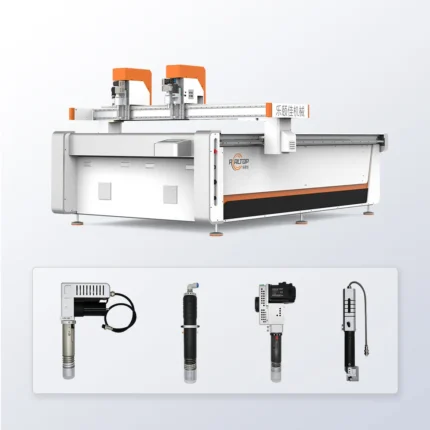
Realtop 2026 XPE Foam Cutter High-Precision Roller
Product Introduction
High-precision Realtop XPE Foam Cutting Machine 2026 with roller cutting system, ideal for efficient foam processing with accuracy. Perfect for manufacturing and industrial foam cutting applications.Key Specifications
| Model | Realtop XPE 2026 |
| Type | Roller Foam Cutter |
| Precision | High-Precision |
| Application | Foam Cutting |
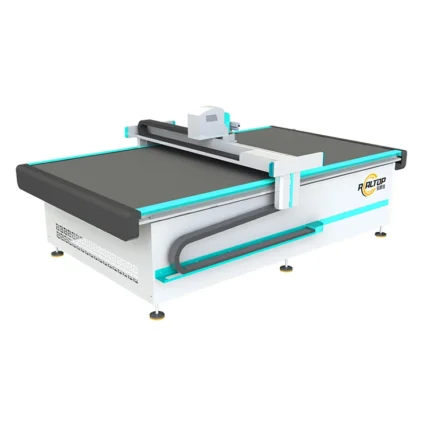

Realtop EPE Cutting Machine 2026 High-Speed Digital Auto Cut
Product Introduction
Realtop 2026 EPE Cutting Machine features high-speed digital auto-cut technology, designed for efficient and precise cutting operations. Ideal for EPE material processing with automated functionality to enhance productivity.Key Specifications
| Model | Realtop EPE Cutting Machine 2026 |
| Type | High-Speed Digital Auto Cut |
| Operation | Automated |
| Application | EPE Material Cutting |
商品评价
There are no reviews yet.