

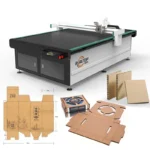

Flatbed Die Cutting Machine for Packaging – Manufacturer
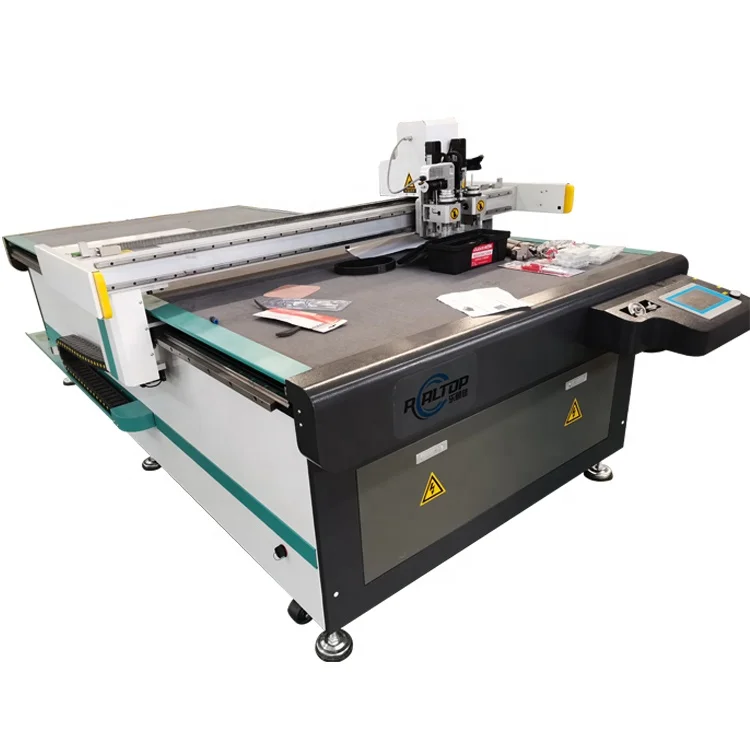
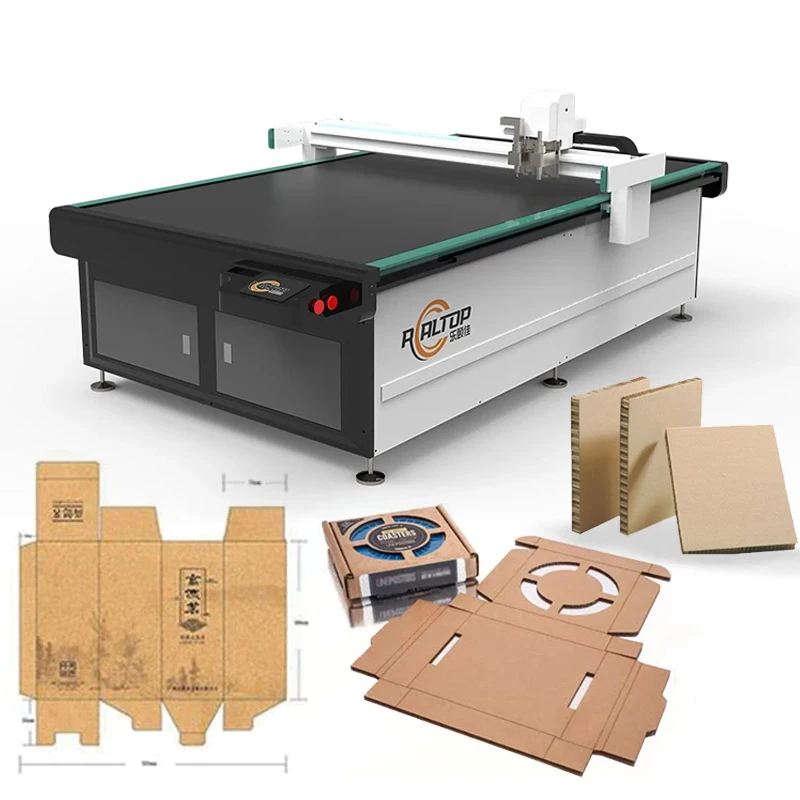
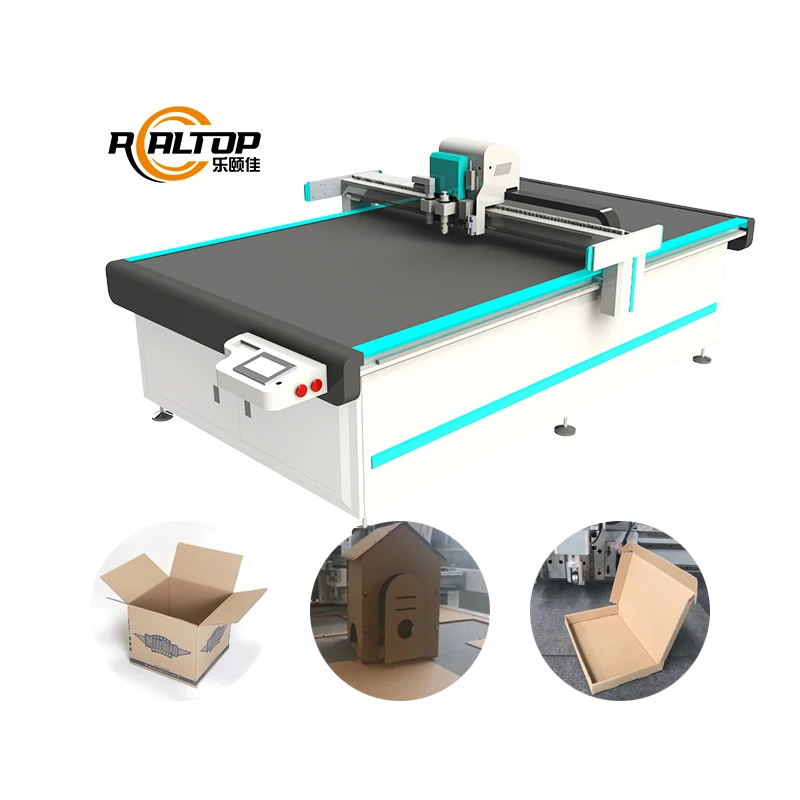
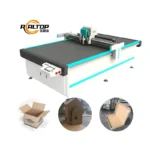
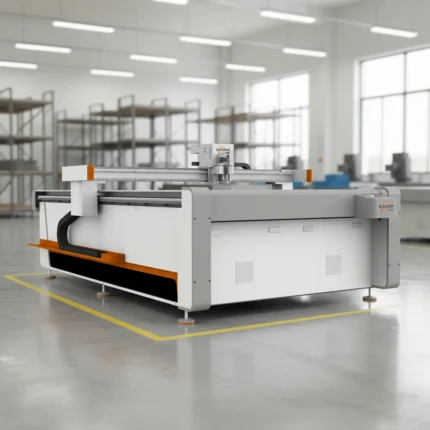
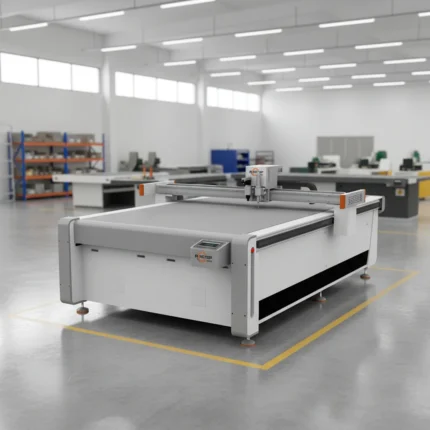
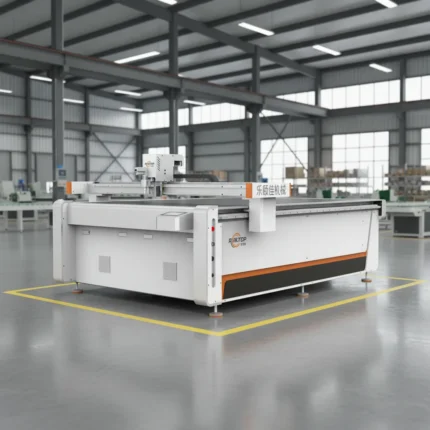
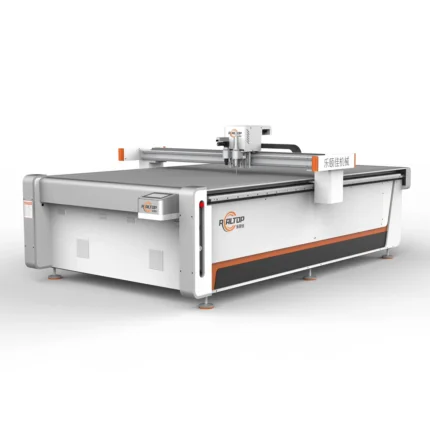
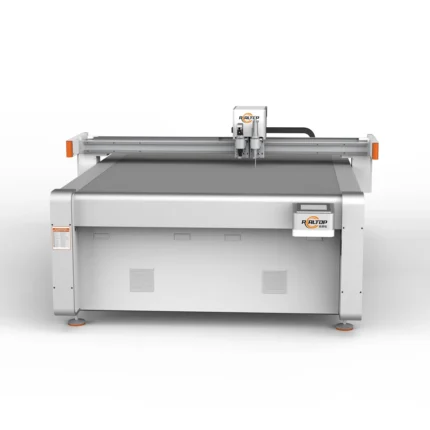
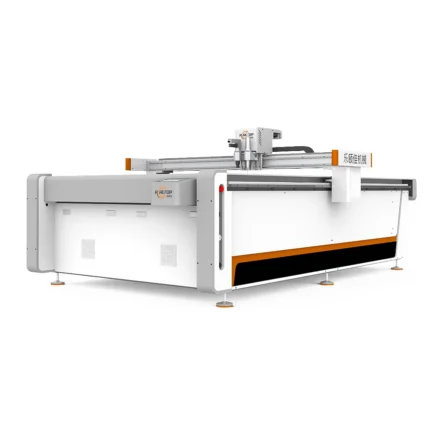
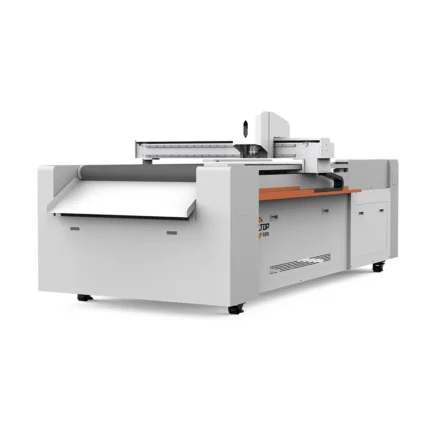
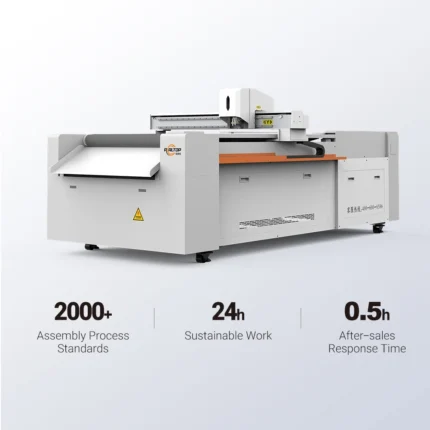
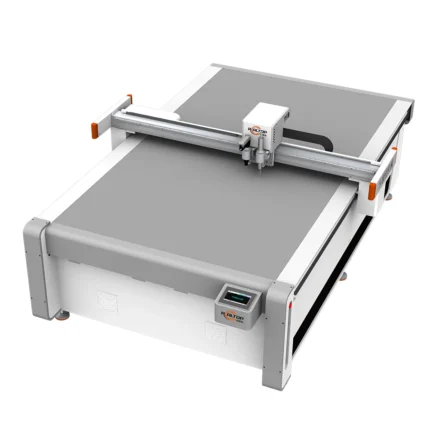
RT-D2516/RT-S2516 CNC Flatbed Digital Cutting Machine, 1600×2500 mm, 9 kW — engineered for packaging sample making and sticker contour production.
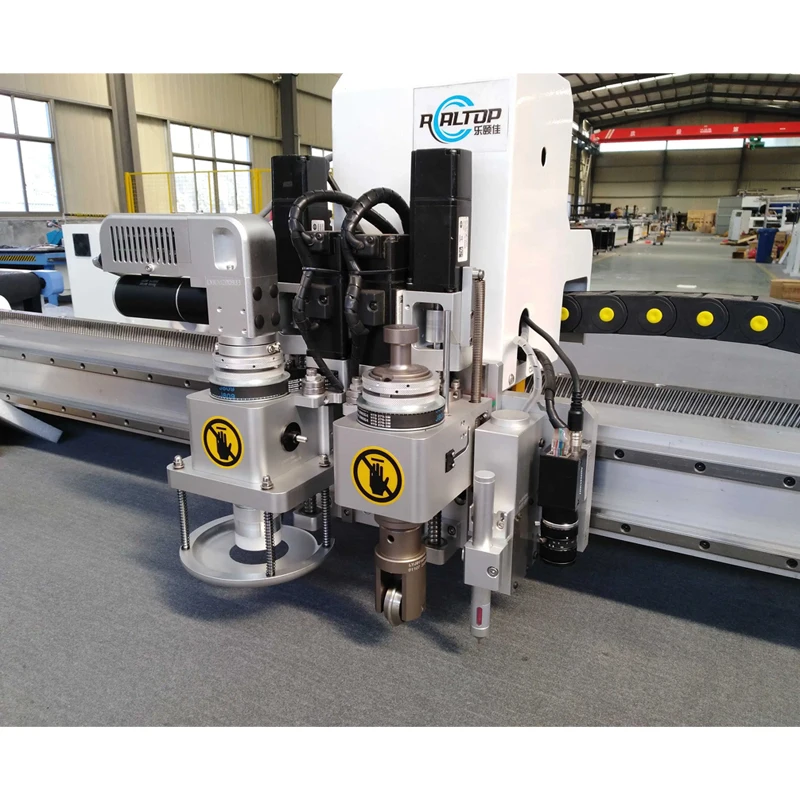
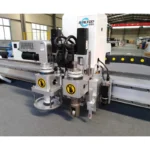
- Swiss imported oscillating knife with full-cut and half-cut tooling eliminates burnt edges and fumes common in thermal processing
- Aluminum honeycomb vacuum table with 7.5 kW pump secures thin boards and small parts during high-speed cutting
- Delta servo motors and Hiwin linear guides deliver ≤0.1 mm repeatability across the entire work area
Sample cutting on your own material confirms edge quality and cutting depth before order commitment.
Swiss Tooling Precision — Multifunctional oscillating and half-cut knife heads specified per material density rather than generic wattage claims.
Technical Specifications
| Parameter | Value |
|---|---|
| Model | RT-D2516/RT-S2516 |
| Product Type | CNC Flatbed Digital Cutting Machine |
| Working Area | 1600 × 2500 mm |
| Overall Dimensions | 3450 × 2300 × 1250 mm |
| Rated Power | 9 kW |
| Voltage | 380V ±10% (frequency to confirm for target market) |
| Table Type | Aluminum alloy honeycomb vacuum adsorption platform |
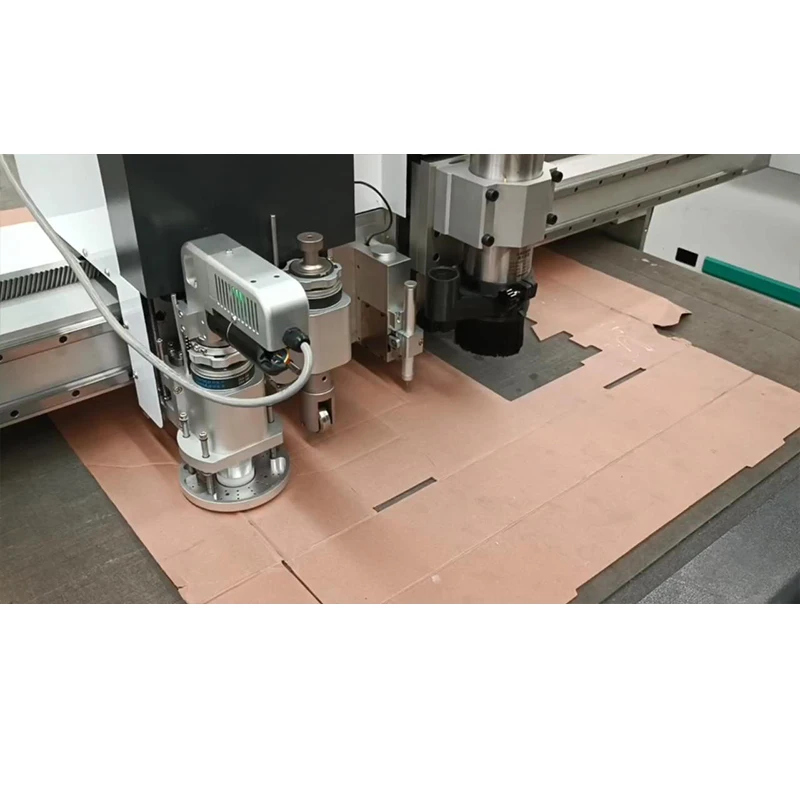
| Tool Head | Multifunctional head with Swiss imported knife (vibration full cutting, vibration half cutting, cursor location) |
| Safety Device | Infrared sensors, emergency stop |
| Translational Velocity | 800–1200 mm/s |
| Cutting Speed | 200–800 mm/s (varies with material type and thickness) |
| Cutting Thickness | ≤100 mm (depends on material density and layers) |
| Repeated Accuracy | ≤0.1 mm |
| Transmission System | Delta digital servo motor, Hiwin linear guide, synchronous belt, ball screw |
| Instruction System | HP-GL compatible format |
| Vacuum Pump | 7.5 kW |
| Frame | Welded thick square seamless steel structure with high temperature treatment |
| Optional Configuration | Germany imported conveyor belt, auto feeding system |
Application Suitability
| Application | Material or Output |
|---|---|
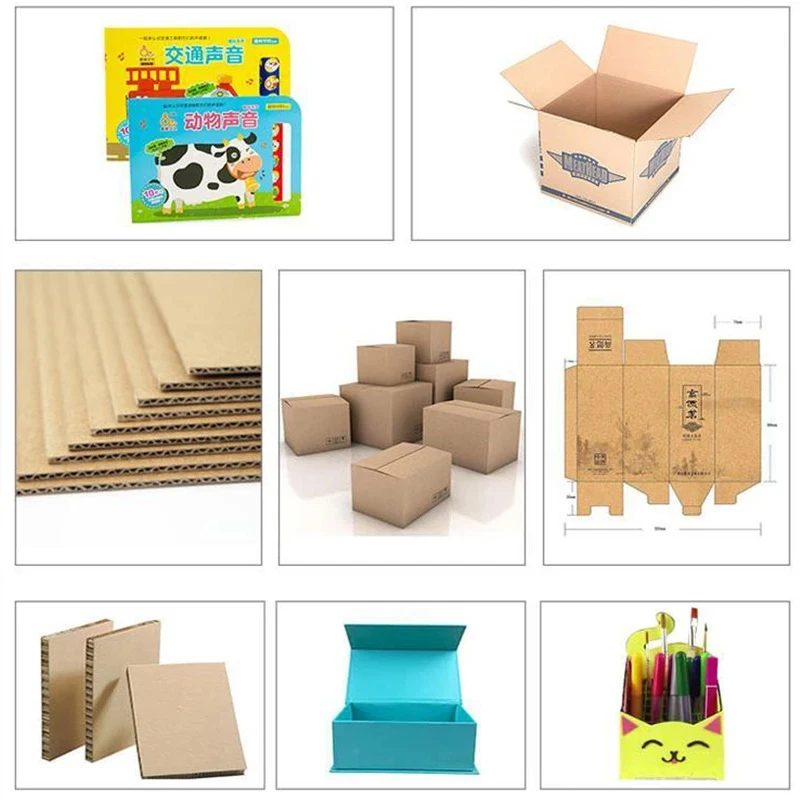
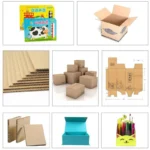
| Packaging & carton sample making | Cardboard, corrugated board, greyboard, recycled stock |
| Sticker & label contour cutting | Vinyl, adhesive film, self-adhesive paper, printed decals |
| Signage & display fabrication | Foam board, PVC sheet, soft glass, acrylic-free display stock |
| Flexible material processing | Leather, sponge composite leather, silicone, rubber gaskets |
| Textile & garment sampling | Fabric layers, technical textiles, non-woven interlining |
Why "Cutting Thickness ≤100 mm" Doesn’t Tell the Whole Story
Actual cutting depth depends entirely on the material density and the specific knife tool selected for the job.
A laser cutting and engraving machine is often quoted by peak wattage, leaving buyers to discover real cutting depth only after delivery. With this knife-based platform, the limitation is mechanical rather than thermal: a 100 mm block of low-density foam cuts cleanly with an oscillating knife, while a 15 mm sheet of dense recycled greyboard demands a completely different blade geometry and vibration frequency. I once watched a CO2 laser sample maker scorch through a customer’s dense recycled packaging stock — three days lost rewriting parameters, ruined sample boxes, and a client questioning every spec on the quote [NEED_CITE: material density impact on cutting method selection]. The RT-D2516/RT-S2516 avoids that thermal ambiguity by matching tool head type to material rather than relying on a single wattage figure.
Knife Process Over Laser: Edge Quality Without Thermal Damage
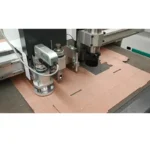
Where a CO2 laser seals edges through heat — useful for synthetics but destructive to cardboard, stickers, and multi-layer laminates — the oscillating knife on the RT-D2516/RT-S2516 produces a clean mechanical cut with zero thermal effect. Packaging sample makers need crease lines and half-cuts on corrugated stock without burn marks or toxic off-gassing. The Swiss imported multifunctional head handles full cutting, half cutting, and cursor-based location in a single pass, eliminating the need to swap tools mid-job. For producers running sticker contour work alongside carton samples, this flexibility matters more than raw speed.
Motion Accuracy and What It Means for Contour Work
A laser cutting and engraving machine typically relies on gantry mass and mirror alignment for precision. This platform takes a different approach: Delta digital servo motors paired with Hiwin linear guides deliver ≤0.1 mm repeatability across the full 1600 × 2500 mm working area. When cutting printed sticker contours or nested packaging samples, positional drift accumulates across a sheet. A deviation that seems negligible on the first cut becomes a visible misalignment by the fiftieth [NEED_CITE: cumulative positional tolerance in flatbed cutting operations]. The synchronous belt and ball screw transmission ensures that the cutting head returns to the exact starting reference after every traverse, maintaining registration throughout a long production run.
Reading the Specs That Actually Matter for Your Material
The 7.5 kW vacuum pump paired with an aluminum honeycomb table is designed to hold thin and flexible materials flat during cutting. For stickers and self-adhesive films, insufficient vacuum zoning causes material lift at the edges, producing ragged cuts or blade snags. The honeycomb structure distributes suction across the full bed rather than concentrating it in fixed zones. The 9 kW rated power covers the servo drives, vacuum system, and vibration motor simultaneously — confirm your workshop supply can sustain this load at 380V ±10%, especially in regions where frequency differs from 50 Hz. Cutting speed ranges from 200 to 800 mm/s depending on material: expect the lower end on dense corrugated board and the upper range on thin vinyl films. The HP-GL instruction system accepts standard vector formats; verify your existing nesting software exports cleanly to this format before ordering.
The Cost of Choosing the Wrong Tool Head for Your Stock
Selecting a drag knife when your material requires an oscillating blade produces crushed edges on foam and ragged cuts on corrugated board. Buyers who specify working area alone without confirming material thickness often find the machine physically fits the sheet but cannot achieve full penetration on denser stocks. I have seen production floors lose entire shifts to blade changes and parameter rewrites because the initial tool recommendation was based on a generic material list rather than the actual stock in the warehouse [NEED_CITE: tool head mismatch consequences in digital cutting]. Voltage and plug configuration left unconfirmed until shipment can delay commissioning by weeks in markets with non-standard industrial supply. Software that cannot import your existing file format forces operators to redraw every template from scratch.
Why Source This Platform Through Realtop
In-house design and production covering both knife and laser technologies means the cutting method is matched to the material rather than forced into one approach. The RT-D2516/RT-S2516 is configured per buyer — tool head type, vacuum zoning layout, and conveyor options are selected based on actual material samples, not catalog defaults. Software compatibility is confirmed before the order is placed, with HP-GL workflow and language options verified against your existing design pipeline. Voltage and control language customization is handled before shipment rather than discovered at the dock. Sample cutting on your own material is standard practice — edge quality, cutting depth, and speed are documented before commitment.
Documentation & Verification
- Machine specification sheet confirming exact tool head and vacuum table configuration for your material range
- Electrical schematic with voltage and frequency confirmation matched to your local industrial supply standard
- Sample cutting report on your actual cardboard, sticker, or flexible material documenting edge quality and speed
- Factory test record verifying repeated accuracy and cutting registration across the full 1600 × 2500 mm bed
- Software license and file format compatibility note confirming HP-GL and nesting workflow integration
- Spare parts list specifying Swiss knife blades, vacuum seals, and transmission belts with reorder codes
Installation, Commissioning & Support
- Requires a level floor with sufficient clearance for the 3450 × 2300 × 1250 mm overall footprint plus material loading space
- Dedicated 380V ±10% circuit rated for the 9 kW total load including the 7.5 kW vacuum pump
- Fully assembled flatbed configuration arrives ready for power connection and vacuum system priming
- First-run commissioning includes tool head calibration, vacuum zoning verification, and cutting parameter setup on your stock
- Operator training covers Swiss knife blade replacement, HP-GL file import, and cursor-based contour positioning workflow
- One-year warranty on parts with engineer dispatch available for on-site support at buyer travel cost
Before You Request a Quote
Send the specific material types you run — cardboard grade, sticker stock thickness, foam density, or leather composition — along with your typical sheet dimensions and daily volume. Confirm your workshop voltage and frequency, the control language your operators need, and whether your existing design software exports HP-GL or requires a different import path. If you are replacing a laser cutting and engraving machine for packaging or sticker work, describe the edge quality issues you are trying to eliminate so the tool head can be specified accordingly. Sample cutting on your actual material is available before any commitment is made.
Frequently Asked Questions
Q: Should I choose knife cutting or laser cutting for packaging and sticker materials?
A: Knife cutting produces clean mechanical edges with no thermal damage, burnt marks, or fumes — critical for cardboard, corrugated board, and printed stickers. Laser processing seals synthetic edges effectively but chars natural fibers and paper-based stock. The RT-D2516/RT-S2516 is configured specifically for materials where thermal edge damage is unacceptable.
Q: How thick can this machine actually cut on my specific material?
A: Maximum cutting thickness is ≤100 mm on low-density materials, but actual capacity depends on material density and layer count. Dense recycled greyboard cuts at a much lower thickness than soft foam. We run sample tests on your actual stock to confirm achievable depth and edge quality before order.
Q: How does the vacuum table handle small sticker and label parts?
A: The aluminum alloy honeycomb platform distributes vacuum suction across the entire 1600 × 2500 mm bed rather than concentrating it in large fixed zones. The 7.5 kW pump provides sufficient hold-down force for thin vinyl, adhesive film, and small tag formats without material lift during cutting.
Q: Will my existing design software and nesting workflow work with this machine?
A: The system accepts HP-GL compatible formats and supports multi-format import. Before ordering, we verify your specific software export path and nesting configuration to ensure direct compatibility. Language options for the control interface include English, Russian, Italian, Chinese, and custom languages.
Q: Can the electrical configuration be matched to my country’s industrial supply?
A: The base specification is 380V ±10%, but voltage, plug type, and frequency must be confirmed for your target market before production. Control software language is also customized per order. These details are documented in the electrical schematic provided before shipment.


Related products
2026 Digital Flatbed Cutting Plotter Auto Corrugated Box Die Cutter
Product Introduction
Digital Flatbed Cutting Plotter 2026, ideal for auto corrugated box die cutting, offering precision and efficiency for professional packaging production.Specifications
| Type | Digital Flatbed Cutting Plotter |
| Model | 2026 |
| Application | Auto Corrugated Box Die Cutting |
| Function | Precision Cutting & Plotting |
Automatic Die-less Cardboard Vibrating Knife Cutter 2026
Product Introduction
Automatic Die-less Cardboard Vibrating Knife Cutter 2026, a precision cutting solution for cardboard materials, featuring advanced die-less technology for efficient and flexible cutting operations. Ideal for various cardboard processing needs in manufacturing and packaging industries.Key Specifications
| Model | 2026 |
| Type | Automatic Die-less Cutter |
| Cutting Tool | Vibrating Knife |
| Material | Cardboard |
Automatic Digital Cardstock Cutter 2026 CNC Cutter
Product Introduction
Automatic Digital Cardstock Cutter 2026 is a CNC cutting machine ideal for white cardboard and kraft paper. It offers precise and efficient cutting performance, suitable for various paper processing needs in manufacturing and craft applications.Key Specifications
| Type | CNC Digital Cutting Machine |
| Material Compatibility | White Cardboard, Kraft Paper |
| Operation | Automatic |
| Application | Paper Cutting & Processing |

CNC Flatbed Oscillating Knife Cutting Machine 2026
Product Introduction
High-performance CNC Flatbed Oscillating Knife Cutting Machine 2026, ideal for precision cutting of various materials with advanced oscillating knife technology, ensuring efficient and accurate operations for industrial manufacturing needs.Specifications
| Model | 2026 |
| Type | CNC Flatbed Oscillating Knife Cutting Machine |


Digital CNC Cardboard Cutting Machine 2026
Product Introduction
High-precision Digital CNC Cardboard Cutting Machine 2026, ideal for efficient cardboard processing with advanced CNC technology, ensuring precise and fast cutting performance for various packaging and craft applications.
Key Specifications
| Model | 2026 |
| Type | Digital CNC Cutting Machine |
| Material | Cardboard |
| Feature | High Precision, Efficient Cutting |


REALTOP 2026 Digital Industrial Cardboard Box Cutter
Product Introduction
REALTOP Digital Industrial Cardboard Box Cutter Machine 2026 is a professional industrial-grade cutting equipment designed for efficient cardboard box processing, ideal for manufacturing and packaging applications.
Product Parameters
| Model | 2026 |
| Type | Digital Industrial Cardboard Box Cutter |
| Application | Cardboard Box Processing |
| Feature | Industrial-grade, Efficient Cutting |
商品评价
There are no reviews yet.