



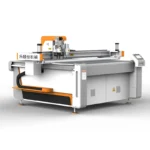
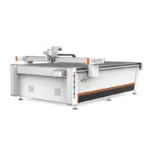
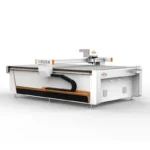
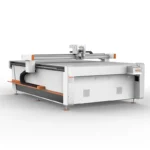
Gasket Cutting Machine – Manufacturer for Spiral Wound Non-Metal
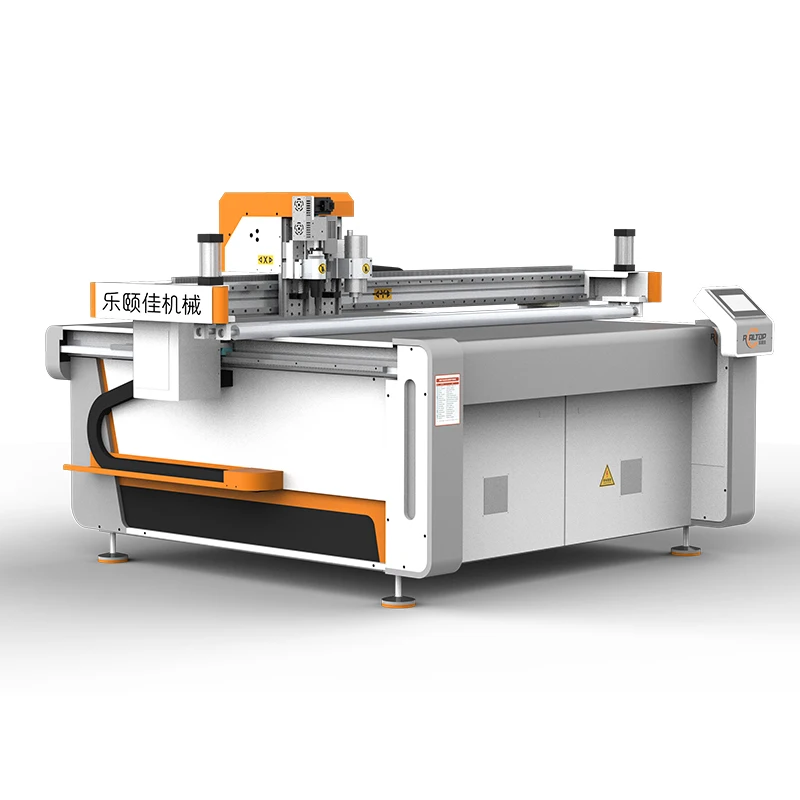
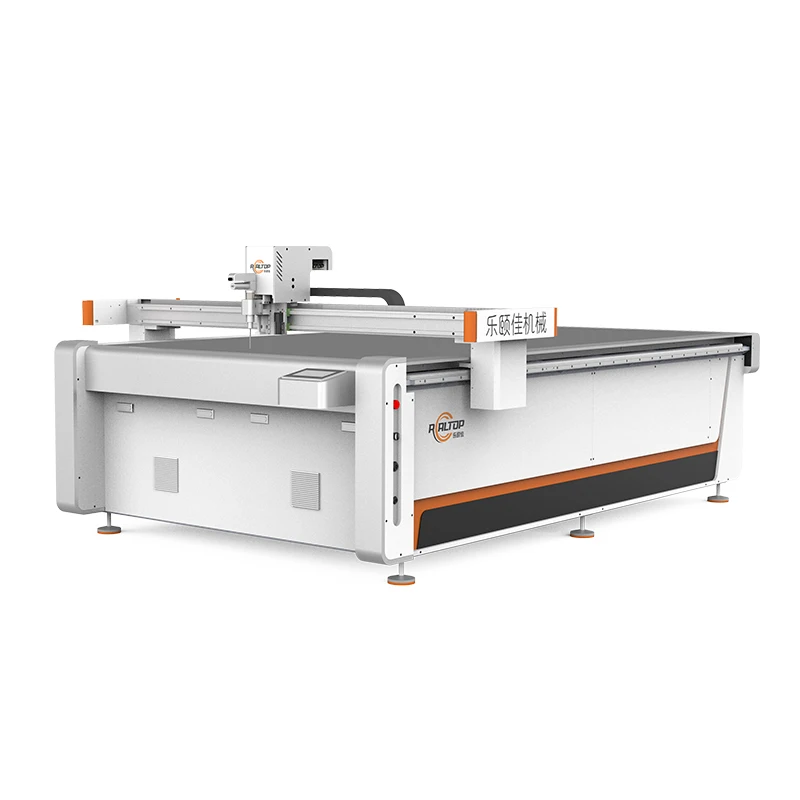
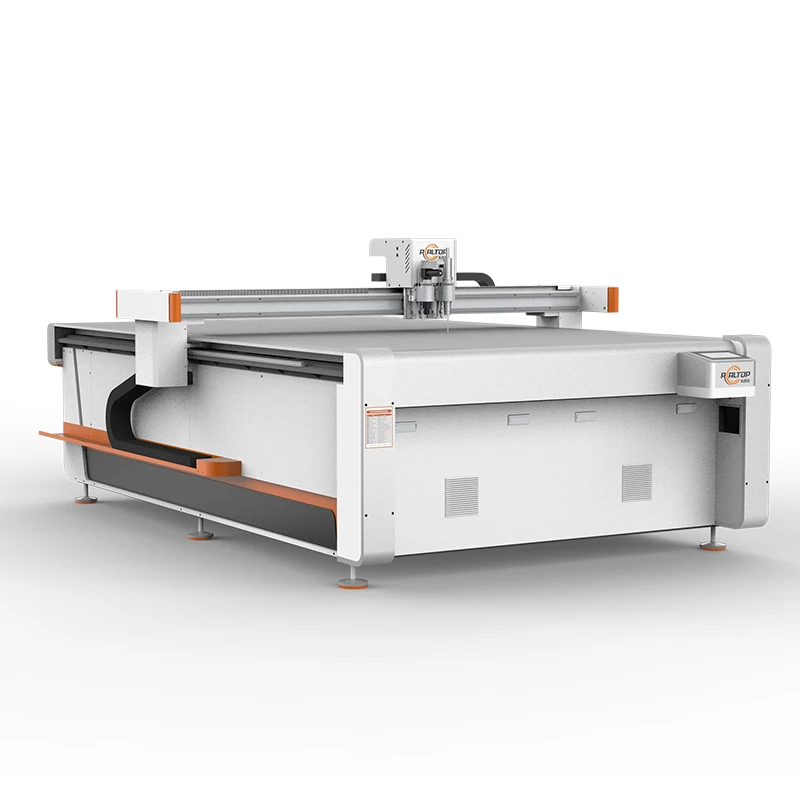
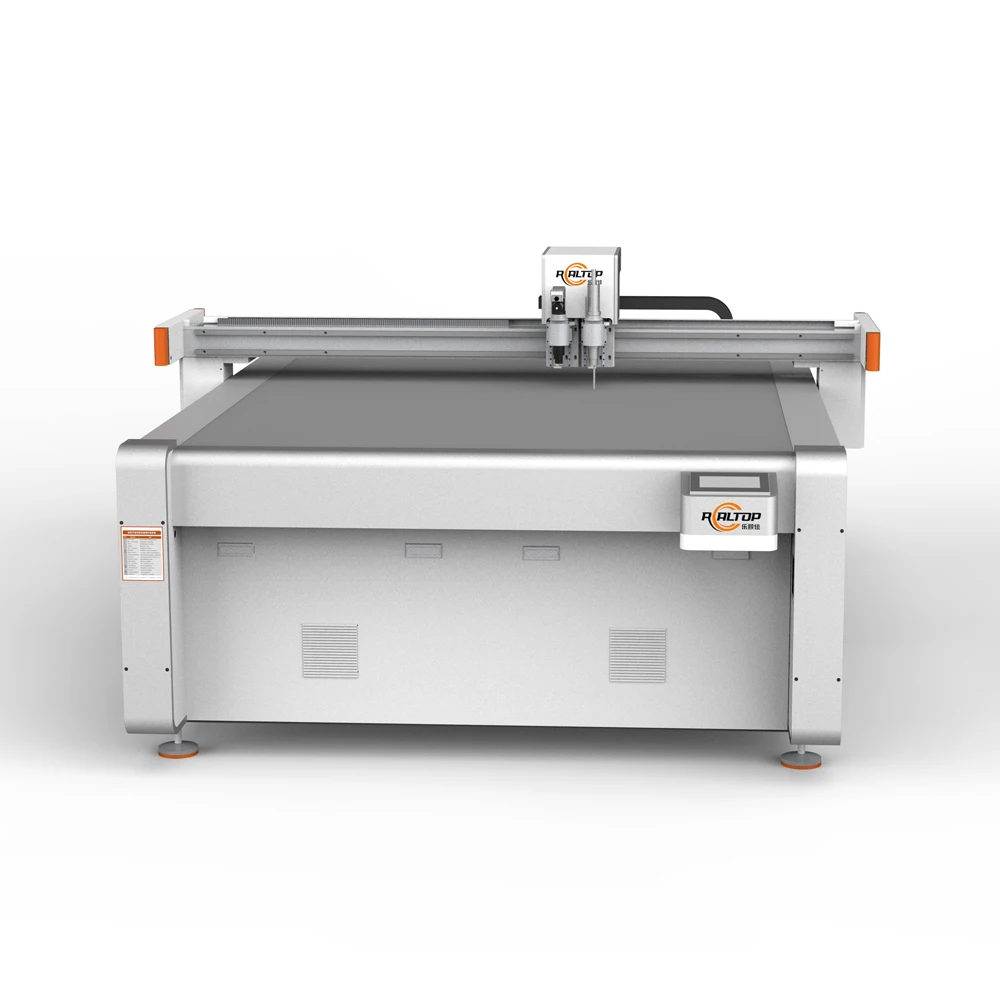
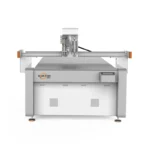
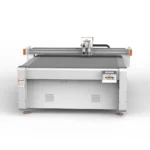
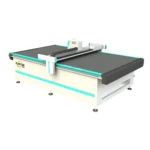
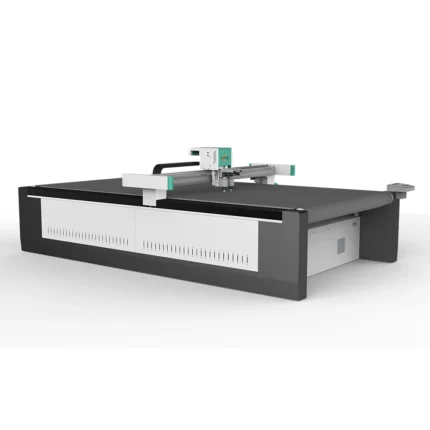
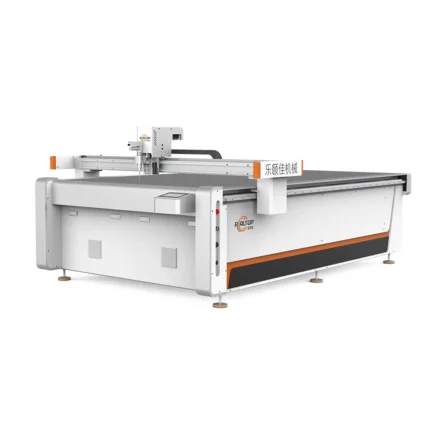
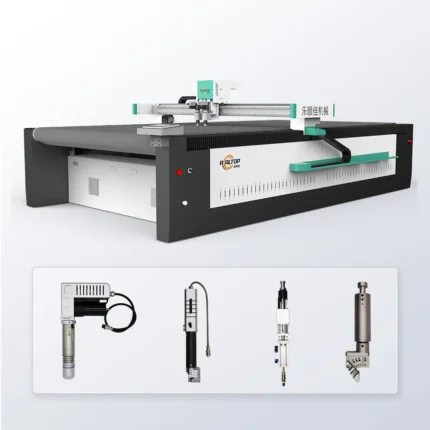
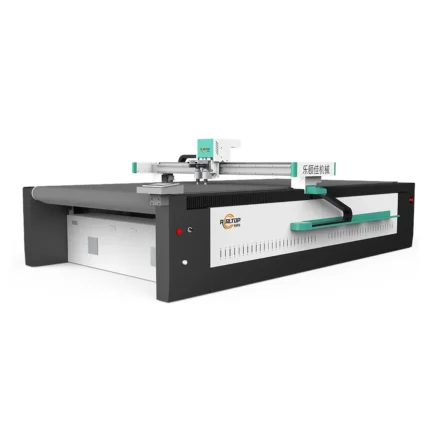
RT-D2516/RT-S2516 CNC Oscillating Knife Cutting Machine, 1600×2500mm Working Area, ≤100mm Cutting Thickness, 7.5kW Vacuum Pump — engineered for gasket, rubber and non-metal composite cutting where material behaviour determines process choice.
- Dual-process design covers oscillating knife and laser options, matching cutting method to material instead of forcing one technology
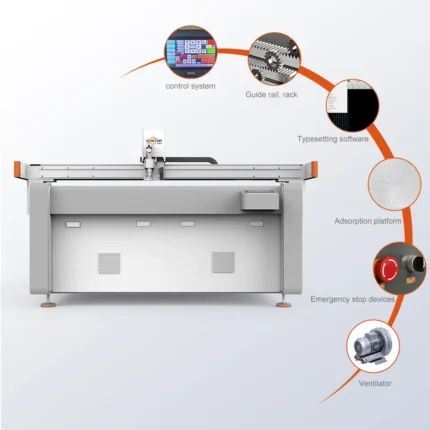
- Magnesium-aluminum alloy vacuum table with PVDF coating ensures high flatness and uniform hold-down across dense gasket sheets
- CCD, panoramic camera and projection positioning available for printed contour accuracy at production speed
Request a sample cutting report on your own gasket material at target thickness before commitment — we confirm real cutting depth, edge quality and software file compatibility before order.
Dual-process capability — Realtop engineers both oscillating knife and laser cutting platforms under one roof, so gasket fabricators select the process that matches the material rather than forcing a single machine to handle every compound.
Technical Specifications
| Parameter | Value |
|---|---|
| Model | RT-D2516/RT-S2516 |
| Product Type | CNC Oscillating Knife Cutting Machine |
| Working Area | 1600×2500mm |
| Overall Dimensions | 3450×2300×1250mm |
| Rated Power | 9kW |
| Voltage | 380V±10% |
| Vacuum Pump | 7.5kW with integrated aviation aluminum shell and built-in silencer sponge |
| Table Type | Magnesium-aluminum alloy vacuum adsorption table with fluorocarbon PVDF powder spraying, anodic oxidation and hard oxidation treatment |
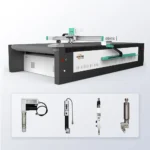
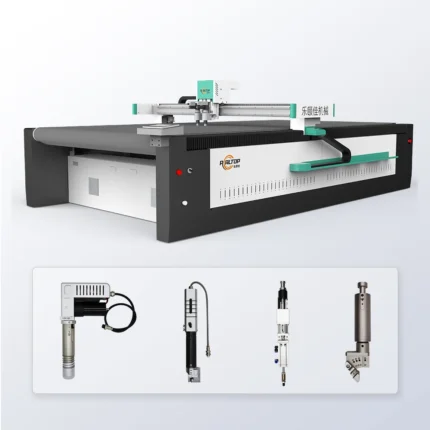
| Tool Head Options | Oscillating knife, pneumatic knife, high-power vibrating knife, circular knife, V-cutting knife, drag knife, creasing wheel, dotted line knife, punching tool, brush |
| Visual Positioning Options | Small CCD camera mark point positioning, panoramic camera recognition positioning, projection positioning |
| Translational Velocity | 800–1200mm/s |
| Cutting Speed | 200–800mm/s (basis not stated in source — confirm material type and thickness) |
| Cutting Thickness | ≤100mm (varies by material) |
| Repeated Accuracy | ≤0.1mm |
| Transmission System | Imported digital servo motor (Delta or Panasonic optional, IP67 waterproof), Taiwan Hiwin linear guide, synchronous belt, ball screw |
| Control / Instruction System | HP-GL compatible format |
| Safety Devices | Infrared induction blocking, anti-collision sensors on both sides of beam, emergency stop button with in-situ resume |
| Software Language Options | English, Russian, Italian, Chinese (special languages customizable) |
| Conveyor Belt | Germany imported |
| Other Functions | Full size cutting, kiss cutting, slot milling, punching, inkjet, drawing/marking |
| Certification | CE (declared — verify certificate availability) |
Application Suitability
| Application | Material or Output |
|---|---|
| Gasket and sealing pad production | Rubber, PTFE, compressed non-asbestos fiber, graphite composite sheet, spiral wound non-metal fillers |
| Automotive interior components | Foam board, sponge, non-woven fabric, EVA and XPE composite laminates |
| Packaging and carton sample making | Cardboard, corrugated board, folding carton stock |
| Footwear and luggage manufacturing | Shoe material, luggage fabric, leather, PU and synthetic textile |
| Advertising and signage finishing | PVC board, vinyl film, sticker, acrylic for CO₂ laser engraving |
| Composite and foam fabrication | Fiberglass, silicone, soft glass, PE, PP, ETFE |
Why the Laser Power Number on the Quote Is Not the Whole Story
Laser cutting and engraving machine for gasket and non-metal materials must be specified by continuous power and verified cutting depth, not by the peak wattage printed on the nameplate.
A common frustration among gasket shops is receiving a laser rated at a peak figure that cannot sustain enough energy to cut through dense rubber or compressed fiber at production speed. The beam stalls, the edge chars, and the operator slows the feed rate to compensate — losing throughput and introducing scorch marks that fail visual inspection. The laser cutting and engraving machine for gasket and non-metal materials conversation should always begin with a sample cut on your actual stock [NEED_CITE: real continuous versus peak laser power rating standards].
Process Selection That Starts with the Material, Not the Machine
Gasket materials behave differently under blade and beam. Compressed non-asbestos fiber and graphite laminate cut cleanly with an oscillating knife — no heat-affected zone, no edge sealing required, and no fume extraction burden. Synthetic rubbers and silicone sheets, on the other hand, benefit from the edge-sealing effect a CO₂ laser provides, preventing fraying on intricate profiles. Having both processes available in the same product family means the buyer evaluates the material first and then selects the method, rather than purchasing a single platform and hoping it covers every compound that walks through the door.
Vacuum Flatness and Suction Where It Actually Matters
The magnesium-aluminum alloy table on the RT-D2516/RT-S2516 receives fluorocarbon PVDF powder spraying followed by anodic and hard oxidation treatment. This sequence produces a surface that resists scratching from abrasive composite stocks while maintaining the flatness required for uniform vacuum hold-down. Small gasket profiles — spiral wound filler strips, narrow flange rings — tend to lift at the edges when vacuum zoning is too coarse. A well-zoned table keeps these parts pinned during high-speed oscillation, reducing scrap from parts that shift mid-cut [NEED_CITE: vacuum table zoning requirements for small non-metal parts].
Reading the Spec Sheet Like a Production Manager
The 7.5kW vacuum pump with its integrated aviation aluminum shell and built-in silencer sponge addresses two problems at once: suction capacity for thick, porous gasket stock and workshop noise that interferes with operator communication. Translational velocity of 800–1200mm/s and cutting speed of 200–800mm/s describe the machine’s motion envelope, but actual throughput depends on the material density and the number of contours per nest. The IP67-rated servo motors from Delta or Panasonic protect against dust ingress in environments where graphite or fiber dust is constant. Repeated accuracy of ≤0.1mm keeps flange gaskets within tolerance for bolt-hole patterns, where even slight drift causes assembly leaks downstream.
The Cost of Skipping the Material Conversation
Ordering by working area alone — choosing a 1600×2500mm bed because it fits the sheet size — ignores the tooling and process questions that determine daily output. I once worked with a gasket fabricator who specified a basic oscillating knife head for graphite composite board. The material’s hardness and elastic recovery wore through standard blades within weeks, and the edge quality degraded until the customer’s assembly line started rejecting seals. A high-power vibrating knife with a Swiss-imported blade would have matched that material, but the conversation about stock properties never happened before the purchase order was signed [NEED_CITE: tool head selection criteria for abrasive and elastic gasket materials].
What Manufacturing Under One Roof Means for the Buyer
Realtop designs and produces both knife and laser cutting equipment in-house, so configuration questions are answered by the same engineering team that builds the frame and integrates the motion system. Tool head selection is specified against the buyer’s material sample, not against a generic catalog page. CCD camera positioning — available as mark-point, panoramic, or projection — is validated on the buyer’s printed register marks before the machine ships. Voltage, plug type, and control language are confirmed during the specification review, not discovered at uncrating. Every unit undergoes a factory test with documentation covering electrical schematics and functional performance before packing photographs are taken.
Documentation & Verification
- Machine specification sheet listing every confirmed tool head and table option for the RT-D2516/RT-S2516
- Electrical schematic and voltage confirmation matching buyer facility supply before production starts
- Sample cutting report on the buyer’s own gasket material at target thickness and contour complexity
- Software licence certificate with file format compatibility note for existing DXF, PLT, or AI workflows
- Factory test record documenting vacuum suction, repeated accuracy, and safety device function before dispatch
Installation, Commissioning & Support
- Floor plan showing 3450×2300×1250mm footprint with clearance for material loading on the 1600×2500mm bed
- Dedicated 380V±10% circuit rated for 9kW continuous draw, with frequency confirmed to local grid
- Vacuum pump commissioning and zone balancing tested with buyer’s heaviest gasket stock on arrival
- Control language set to buyer’s preference — English, Russian, Italian, or custom — before first power-on
- Spare parts list covering oscillating knife blades, vacuum seals, and servo drive components for the first year
What We Need to Quote the Right Configuration
Send the material data sheet or a physical sample of the gasket stock you cut most often — type, thickness, and whether it is laminated. Include your typical sheet size and the daily volume of finished parts. Confirm your workshop voltage and frequency, the preferred control language, and whether your existing CAD files use DXF, PLT, or another format so software compatibility is verified before the order is placed.
Frequently Asked Questions
Q: Knife versus laser — how do I decide which process fits my gasket material?
A: Compressed fiber, graphite laminate, and non-asbestos sheet generally cut better with an oscillating or vibrating knife because there is no heat-affected zone. Synthetic rubbers, silicone, and thin PTFE often benefit from laser edge sealing, which prevents fraying on complex contours. The deciding factor is the material’s thermal response and the edge quality your customer requires.
Q: What is the actual continuous laser power and real cutting depth on dense rubber?
A: Continuous power determines sustained cutting ability, not the peak figure on the nameplate. We confirm continuous wattage and run a sample cut on your specific rubber compound at your target thickness before the order is finalized. This test reveals whether the beam can penetrate cleanly at production speed without charring.
Q: Will the control system accept my existing DXF, PLT, or AI nesting files?
A: The HP-GL compatible instruction system supports a broad range of file formats common in gasket and signage workflows. Software compatibility is verified during the specification stage — send a sample file and your nesting routine, and we confirm import and toolpath generation before production begins.
Q: How are voltage, frequency, plug type, and control language handled before shipment?
A: These are locked in during the specification review. We provide an electrical schematic showing the confirmed voltage and frequency, matching your facility supply. Control language is set to English, Russian, Italian, Chinese, or a custom option. No machine ships without written buyer approval on these parameters.
Q: What extraction and assist gas setup does laser cutting of synthetic gaskets require?
A: Synthetic rubbers and PTFE generate fumes that need dedicated extraction with filtration rated for the specific compound. Assist gas — typically compressed air or nitrogen — keeps the cut kerf clean. We specify the extraction capacity and gas type based on your material sample test, so the setup is ready when the machine arrives.


Related products
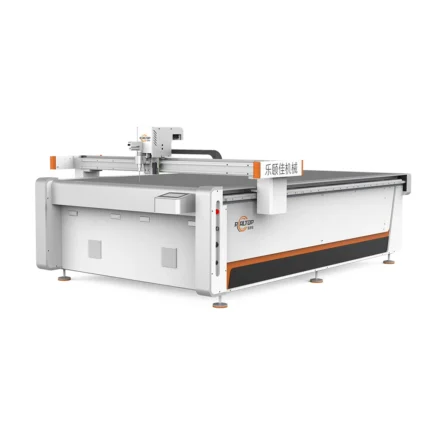
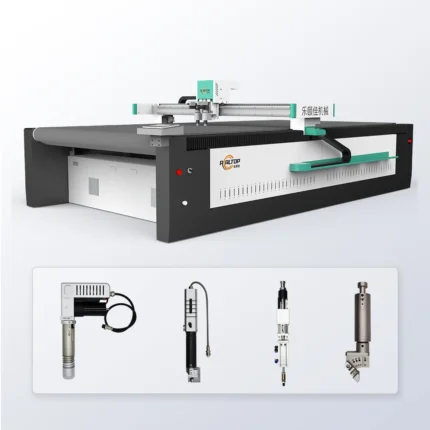
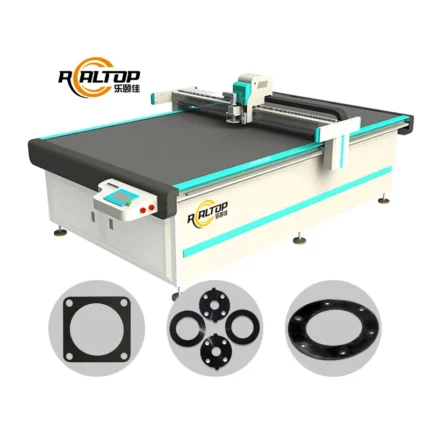
CNC Gasket Cutting Machine 2026 Auto Oscillating Silicone/Asbestos/Felt
Product Introduction
2026 CNC Gasket Cutting Machine with auto oscillating function, ideal for cutting silicone, asbestos, and felt materials. Precision-engineered for efficient gasket production in industrial settings.
Key Specifications
| Type | CNC Gasket Cutting Machine |
| Year | 2026 |
| Function | Auto Oscillating |
| Material Compatibility | Silicone/Asbestos/Felt |
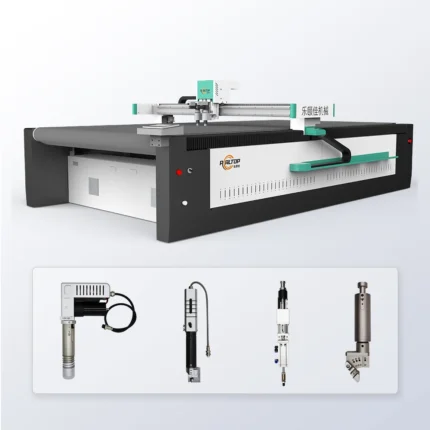
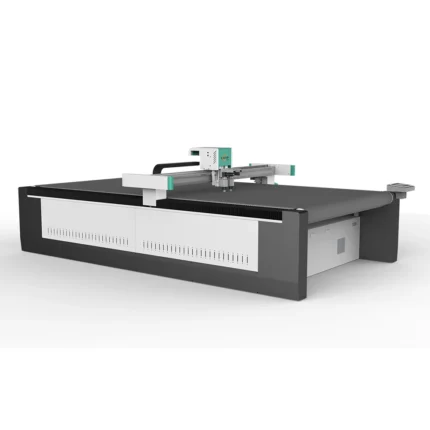
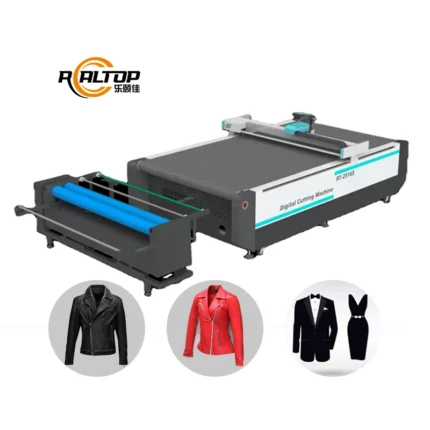
Realtop 2026 CNC Gasket Cutter High-Precision Vibrating Knife
Product Introduction
Realtop CNC Gasket Cutting Machine 2026 with high-precision vibrating knife, ideal for cutting rubber and cylinder head gaskets with accuracy and efficiency.
Key Specifications
| Model | Realtop CNC Gasket Cutting Machine 2026 |
| Cutting Tool | High-Precision Vibrating Knife |
| Applicable Materials | Rubber, Cylinder Head Gaskets |
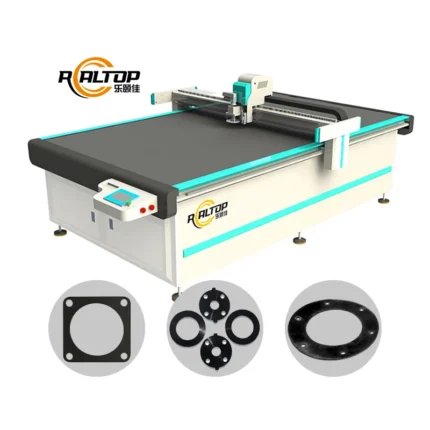
Realtop 2026 PVC Foam Board Cutting Machine
Product Introduction
A specialized cutting solution for PVC foam boards, ideal for precision cutting tasks in various manufacturing and fabrication applications. Engineered for efficiency and reliability in processing PVC foam materials.Product Parameters
| Model | Realtop PVC Foam Board Cutting Machine 2026 |
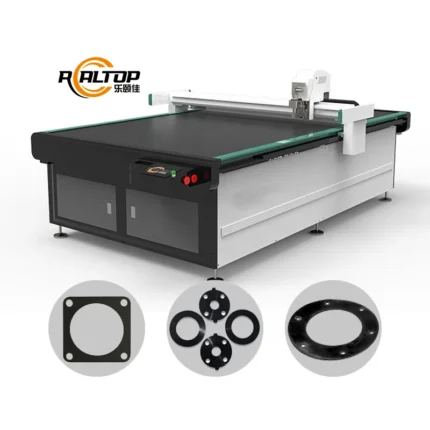
Realtop Gasket Cutter 2026 Digital Oscillating Machine
Product Introduction
Realtop Gasket Cutter 2026 is a digital oscillating machine designed for precise cutting of silicone, asbestos, and non-asbestos felt materials, ideal for industrial gasket production.Product Parameters
| Model | Realtop Gasket Cutter 2026 |
| Type | Digital Oscillating Machine |
| Material Compatibility | Silicone, Asbestos, Non-Asbestos Felt |
| Operation | Digital Control |
Realtop Graphite Gasket Making Machine 2026 – Advanced Flexible Material Cutter
Product Introduction
Realtop Graphite Gasket Making Machine 2026 is a professional equipment for graphite gasket production, ideal for manufacturing high-quality gaskets with precision and efficiency, suitable for industrial sealing applications.Product Parameters
| Model | Graphite Gasket Making Machine 2026 |
| Brand | Realtop |
| Application | Graphite Gasket Production |
| Feature | Precision Manufacturing |


商品评价
There are no reviews yet.