


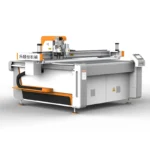


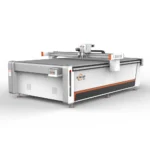

Industrial CNC Graphite Gasket Cutting Machine – Factory Direct
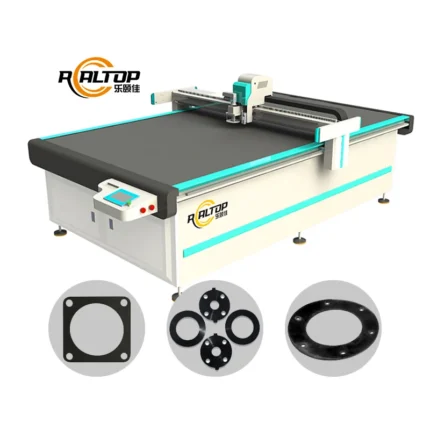
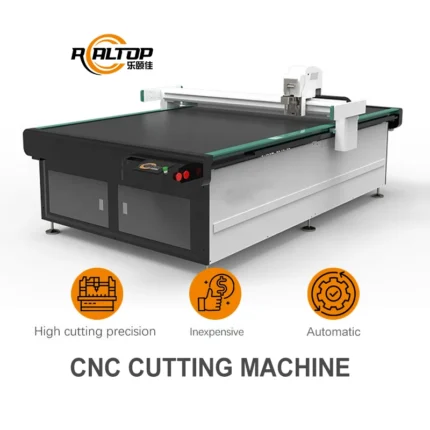
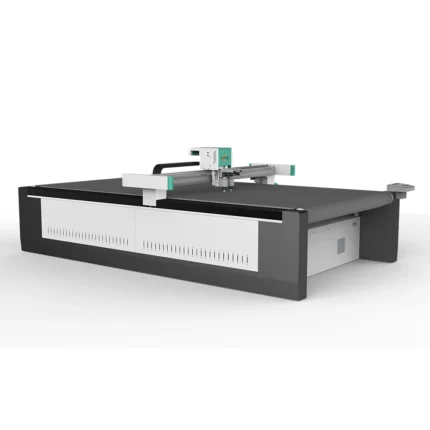
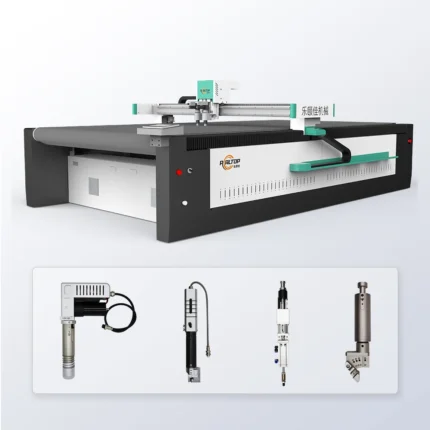
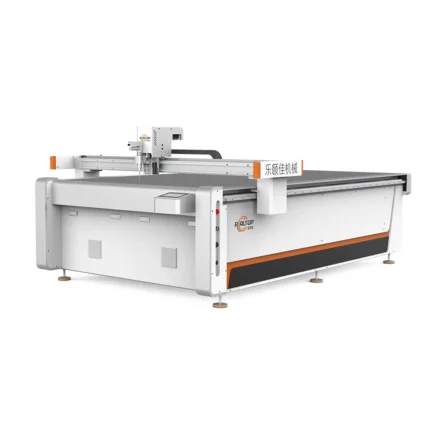
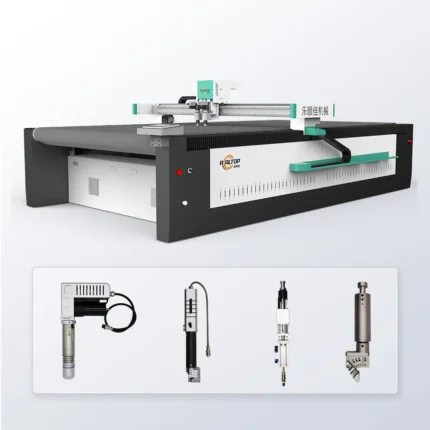
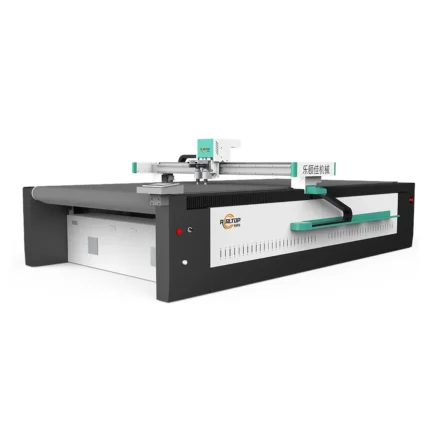
RT-D2516/RT-S2516 CNC Oscillating Knife Gasket Cutting Machine, 1600×2500mm working area, 20-80mm cutting thickness — configured with Swiss imported oscillating knife and magnesium-aluminum alloy vacuum table with PVDF coating.
- Multi-zone vacuum adsorption holds small gasket parts flat at 800-1200mm/s translational velocity, preventing material lift during contour cutting
- CCD camera mark-point positioning tracks printed registration marks on graphite, rubber and PTFE gasket sheets
- IP67-rated Delta servo system maintains ≤0.1mm repeatability across automotive cylinder head and industrial sealing pad production
Sample cutting on your own gasket material with measured edge quality report provided before order commitment, ensuring tool head and vacuum zone configuration matches your specific stock thickness and part geometry.
Tool Head Configured per Gasket Stock — our in-house design team maps oscillating knife frequency, vacuum zoning and CCD recognition to the exact graphite, rubber or composite sealing material you run.
Technical Specifications
| Parameter | Value |
|---|---|
| Model | RT-D2516/RT-S2516 |
| Product Type | CNC Oscillating Knife Gasket Cutting Machine |
| Working Area | 1600 × 2500 mm |
| Machine Size | 3450 × 2300 × 1250 mm |
| Rated Power | 9 kW |
| Table Type | Magnesium-aluminum alloy vacuum adsorption table with fluorocarbon PVDF powder spraying, anodic oxidation, hard oxidation |
| Multifunctional Head | Swiss imported knife (vibration full cutting, vibration half cutting, cursor location function) |
| Tool Head Options | Oscillating knife, pneumatic knife, high-power vibrating knife, circular knife, V cutting knife, drag knife, creasing wheel, dotted line knife, punching, brush |
| Visual Positioning | Small CCD camera mark point positioning, panoramic camera recognition positioning, projection positioning |
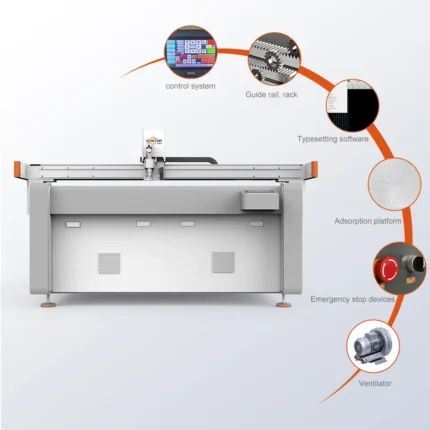
| Safety Device | Infrared sensors, anti-collision, emergency stop |
| Translational Velocity | 800–1200 mm/s |
| Cutting Thickness | 20–80 mm (basis not stated in source — confirm block format, material and thickness) |
| Repeated Accuracy | ≤0.1 mm |
| Transmission System | Digital servo motor, linear guide, synchronous belt, ball screw |
| Instruction System | HP-GL compatible format |
| Voltage | 380V ± 10% |
| Servo Motor | Delta (optional Panasonic), IP67 waterproof protection |
| Vacuum Pump | 7.5 kW, integrated aviation aluminum shell with built-in silencer sponge |
| Conveyor Belt | Germany imported |
| Guide Rail | Taiwan Hiwin rail |
| Auto Feeding | Available |
| Language Options | English, Russian, Italian, Chinese (special languages customizable) |
| Standards | CE declaration where applicable |
Application Suitability
| Application | Material or Output |
|---|---|
| Automotive cylinder head and exhaust gasket production | Graphite, reinforced graphite composite, rubber-moulded sealing sheets |
| Industrial sealing pad manufacturing | PTFE, ETFE, fiber-reinforced gasket sheet in batch nesting layouts |
| Aftermarket gasket conversion | Pre-printed gasket stock requiring CCD-trimmed contour accuracy |
| General non-metal sealing components | Cork-rubber blends, non-asbestos fiber sheets, compressed aramid fiber |
Why the Wrong Tool Head Ruins a Gasket Run
When buyers evaluate CNC gasket cutting machine specifications, the conversation usually starts with working area and ends with price — skipping the single variable that determines whether the machine actually cuts your material cleanly. The tool head must match the gasket stock composition and thickness, not the other way around.
I spent a week on-site in the Middle East re-tuning a graphite gasket line because the cutter was specified on table size alone. The original test used standard asbestos board; the customer’s daily stock was reinforced graphite composite with a steel core insert. Edge delamination showed up at production speed, and every parameter had to be rebuilt from scratch. That is the kind of delay a properly matched tool head configuration prevents [NEED_CITE: gasket material cutting parameters by stock type].
Oscillating Knife Frequency Meets Gasket Density
Graphite composite sheets behave differently from PTFE or fiber-reinforced stock under a vibrating blade. The Swiss imported knife on the RT-D2516/RT-S2516 delivers adjustable oscillation frequency, allowing the operator to dial in the stroke that shears through layered graphite without crushing the sealing surface. For softer rubber-moulded gaskets, the same head switches to a lower frequency and reduced downward pressure to prevent material compression before the cut completes. This is the core reason a how to choose oscillating knife gasket cutter guide should start with the material data sheet, not the machine brochure.
Vacuum Zoning That Holds Small Gasket Parts Flat
Multi-zone vacuum adsorption on the magnesium-aluminum table addresses a problem every gasket converter recognises: once the cutting path releases a small flange gasket from the surrounding sheet, suction must hold that part in place for the remaining cuts. The PVDF-coated surface combined with segmented vacuum zones keeps parts as small as valve cover gaskets flat at translational velocities up to 1200 mm/s. Without adequate zoning, lifted parts deflect the knife, producing dimensional drift that only shows up during assembly [NEED_CITE: vacuum table zoning standards for flatbed digital cutters].
Reading the Specs That Actually Matter
The IP67-rated Delta servo system maintains ≤0.1 mm repeatability through real-time automatic gain adjustment, which matters when a cylinder head gasket pattern contains dozens of bolt holes that must align within tolerance. Taiwan Hiwin linear guides paired with ball screws absorb the lateral forces generated when the oscillating knife encounters denser composite layers, preventing the positional lag that cheaper rail systems develop after a few thousand hours. The 7.5 kW vacuum pump with integrated silencer sponge runs quietly enough for enclosed production areas while generating sufficient negative pressure across the full 1600 × 2500 mm table. HP-GL compatible instruction format means existing nesting files from CAD systems import directly, eliminating the file conversion errors that cause scrapped material in the first production runs.
The Hidden Cost of Skipping the Sample Cut
A buyer who specifies a gasket cutting table on working area alone often discovers the problem only after the container arrives. Ragged edges on fiber-reinforced sheet mean every gasket requires secondary trimming, adding labour and scrap that no quotation accounted for. CCD contour recognition may be listed as a feature, yet fail to track printed registration marks at full translational velocity on dark graphite stock — a limitation that surfaces only when the first batch runs at speed [NEED_CITE: CCD mark recognition performance on dark substrates]. These are not warranty claims; they are configuration mismatches that delay production launches.
Why Source This Gasket Cutter Through REALTOP
In-house design covers oscillating knife cutting technology, so the tool head is specified against the buyer’s actual gasket stock rather than forced from a standard configuration. The CCD camera positioning system is tested on the buyer’s printed contour sheets before shipment, confirming mark recognition at production speed. Voltage, plug type and control language are locked in during the order stage, matching the electrical standards of the destination country [NEED_CITE: export equipment voltage and plug requirements by region]. Sample cutting on the buyer’s own gasket material produces a dimensional report and edge quality assessment before the machine enters production. The documentation package includes electrical schematics, tool head configuration lists and software compatibility notes that align with the buyer’s existing DXF and HP-GL nesting workflow.
Documentation & Verification
- Factory test record on the buyer’s specific gasket material and thickness before dispatch
- Electrical schematic confirming 380V ± 10% wiring, plug type and circuit protection for target facility
- Tool head and vacuum zone configuration list matched to the ordered gasket stock type
- Sample cutting report with measured edge quality and dimensional tolerance on buyer-supplied material
- Software licence and HP-GL file format compatibility note confirming DXF nesting import
- Operation and maintenance manual in the confirmed control language with spare parts list
Installation, Commissioning & Support
- Floor plan verification for the 3450 × 2300 × 1250 mm footprint including vacuum pump clearance
- Dedicated 380V ± 10% circuit with confirmed plug type and frequency for the 9 kW rated load
- Machine delivered on bolted pallet with table and gantry pre-aligned for on-site reassembly
- First-run parameter tuning on the buyer’s gasket stock using the sample cutting report as baseline
- Operator training on tool head changeover and CCD mark-point calibration in the confirmed language
- Spare oscillating knife blades and vacuum table seals included in the initial shipment
Sending the Right Details Upfront
To get a configuration that cuts your gasket stock cleanly from day one, share the material type, sheet thickness and daily volume you plan to run. Confirm the local voltage, frequency and plug standard, along with the control language your operators need. If you work with pre-printed gasket sheets, send a sample so the CCD recognition can be validated at production speed before the machine ships.
Frequently Asked Questions
Q: How is cutting thickness verified on my specific gasket material and what tool head is recommended?
A: We run your actual gasket stock on the RT-D2516/RT-S2516 in our Jinan factory before shipment. The sample cutting report documents edge quality, dimensional tolerance and the recommended tool head — whether oscillating knife, pneumatic knife or drag knife — matched to your material density and thickness range.
Q: Does the CCD system track printed registration marks at full translational velocity on my gasket sheet?
A: The small CCD camera and panoramic recognition options are tested on your printed gasket stock before dispatch. We verify mark-point tracking at the translational velocity you will run in production, and the sample report records the maximum speed that maintains contour accuracy.
Q: How are vacuum zones configured for small gasket parts to prevent material lift during cutting?
A: The magnesium-aluminum table uses segmented vacuum zones that can be activated individually. For small parts such as valve cover or exhaust flange gaskets, only the zone under the active cutting path runs, concentrating suction and preventing lift at high translational speed.
Q: Which software file formats and nesting workflows are natively supported for gasket production?
A: The system accepts HP-GL compatible format and imports DXF files from standard CAD nesting software. We confirm file compatibility with your existing workflow during the order stage and include a format compatibility note in the documentation package.
Q: What voltage, plug type and control language are confirmed before shipment to my facility?
A: Voltage, plug type and control language are specified in the purchase contract and confirmed on the electrical schematic before production. The RT-D2516/RT-S2516 ships at 380V ± 10% as standard, with language options including English, Russian, Italian and Chinese, plus custom languages on request.


Related products
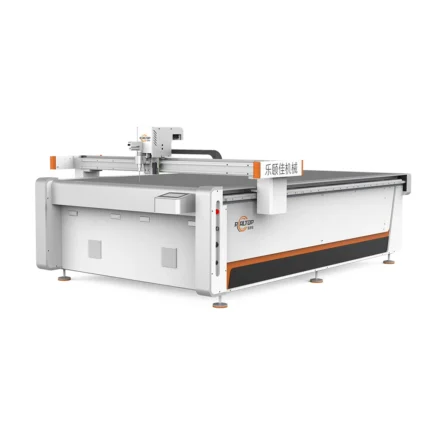
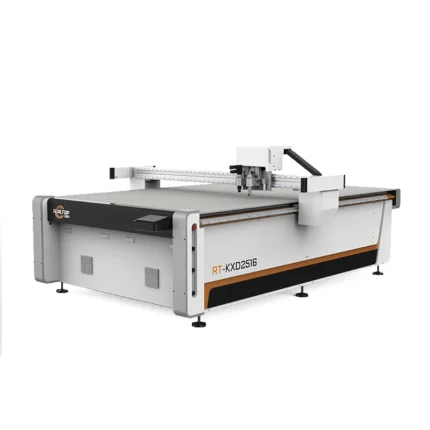
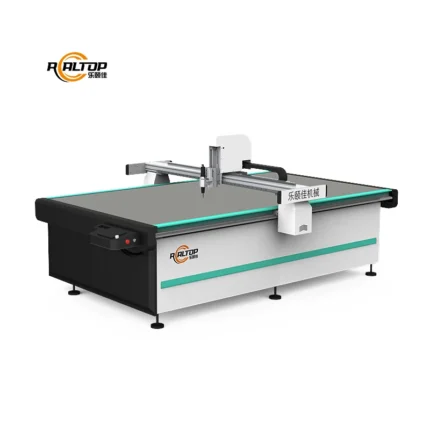
CNC Gasket Cutting Machine 2026 Auto Oscillating Silicone/Asbestos/Felt
Product Introduction
2026 CNC Gasket Cutting Machine with auto oscillating function, ideal for cutting silicone, asbestos, and felt materials. Precision-engineered for efficient gasket production in industrial settings.
Key Specifications
| Type | CNC Gasket Cutting Machine |
| Year | 2026 |
| Function | Auto Oscillating |
| Material Compatibility | Silicone/Asbestos/Felt |
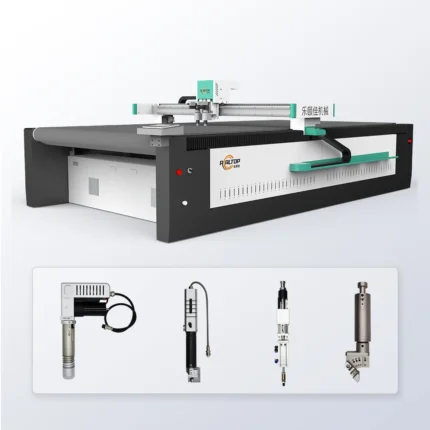
CNC Oscillating Knife Cutting Machine 2026 for Flexible Materials
Product Introduction
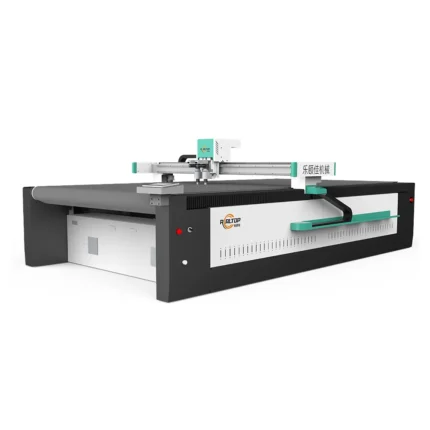
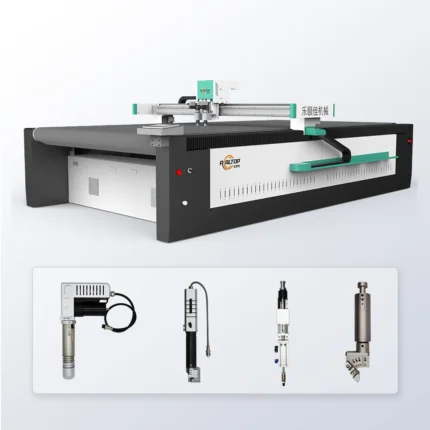
2026 CNC Oscillating Knife Cutting Machine, ideal for asbestos, cork, rubber, PTFE, felt, foam. Precision cutting solution from China's leading welding & cutting equipment manufacturer.
Product Parameters
| Model | 2026 |
| Type | CNC Oscillating Knife Cutting Machine |
| Materials | Asbestos, Cork, Rubber, PTFE, Felt, Foam |
| Manufacturer | China Leading Factory |
Realtop 2026 CNC Gasket Cutter 1200¡Á2400mm Auto Rubber Cutter
Product Parameters
| Model | Realtop CNC Sealing Gasket Cutter 2026 |
| Working Area | 1200¡Á2400mm |
| Type | Auto Rubber Cutting Machine |
Introduction
Realtop CNC Sealing Gasket Cutter 2026 is an advanced auto rubber cutting machine with a 1200¡Á2400mm working area, ideal for precise and efficient gasket production, manufactured by a leading Chinese welding & cutting equipment factory.
Realtop 2026 CNC Vibration Knife Cutter 1600x3200mm Auto Gasket Cutting
Product Introduction
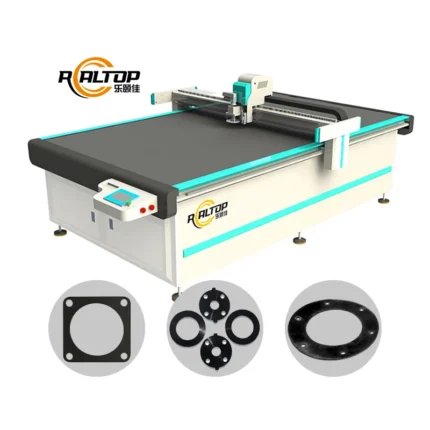
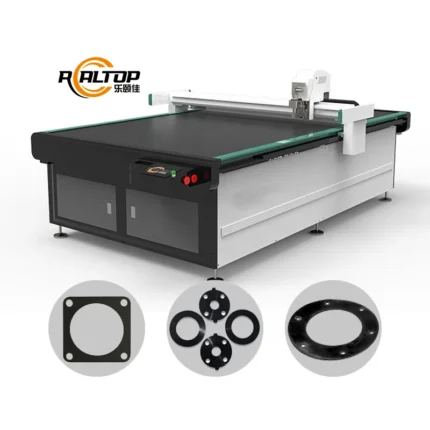
Realtop CNC Vibration Knife Cutter 2026 is an advanced cutting solution ideal for auto gasket cutting, featuring precision and efficiency for industrial applications.Key Specifications
| Model | Realtop CNC Vibration Knife Cutter 2026 |
| Working Area | 1600x3200mm |
| Cutting Type | Vibration Knife |
| Application | Auto Gasket Cutting |
Realtop 2026 PVC Foam Board Cutting Machine
Product Introduction
A specialized cutting solution for PVC foam boards, ideal for precision cutting tasks in various manufacturing and fabrication applications. Engineered for efficiency and reliability in processing PVC foam materials.Product Parameters
| Model | Realtop PVC Foam Board Cutting Machine 2026 |
Realtop Gasket Cutter 2026 Digital Oscillating Machine
Product Introduction
Realtop Gasket Cutter 2026 is a digital oscillating machine designed for precise cutting of silicone, asbestos, and non-asbestos felt materials, ideal for industrial gasket production.Product Parameters
| Model | Realtop Gasket Cutter 2026 |
| Type | Digital Oscillating Machine |
| Material Compatibility | Silicone, Asbestos, Non-Asbestos Felt |
| Operation | Digital Control |
Realtop Graphite Gasket Making Machine 2026 – Advanced Flexible Material Cutter
Product Introduction
Realtop Graphite Gasket Making Machine 2026 is a professional equipment for graphite gasket production, ideal for manufacturing high-quality gaskets with precision and efficiency, suitable for industrial sealing applications.Product Parameters
| Model | Graphite Gasket Making Machine 2026 |
| Brand | Realtop |
| Application | Graphite Gasket Production |
| Feature | Precision Manufacturing |
商品评价
There are no reviews yet.