




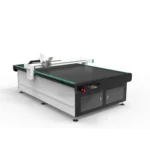
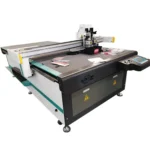


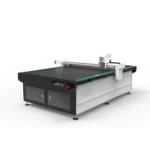
Industrial Fabric Seat Covers Cutter Machine – OEM Available
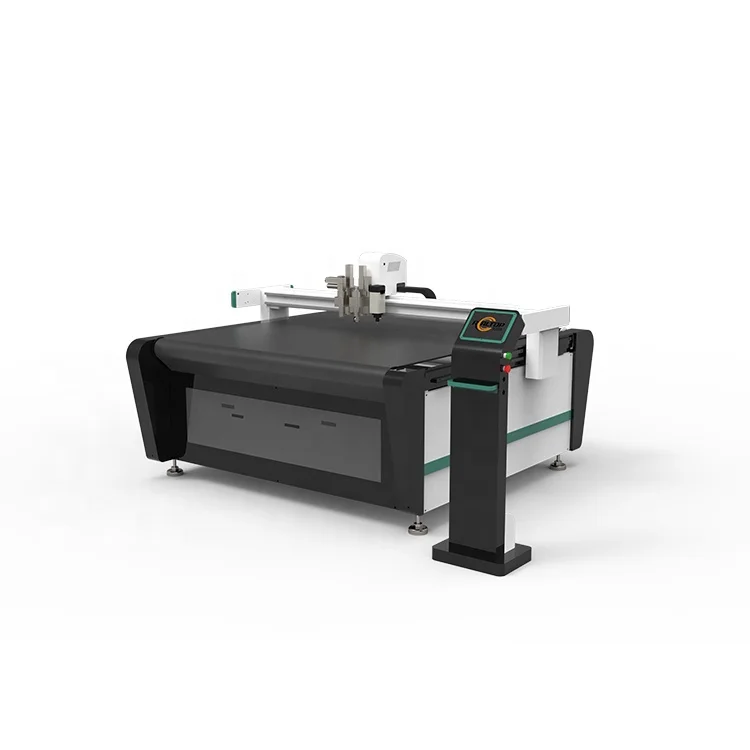
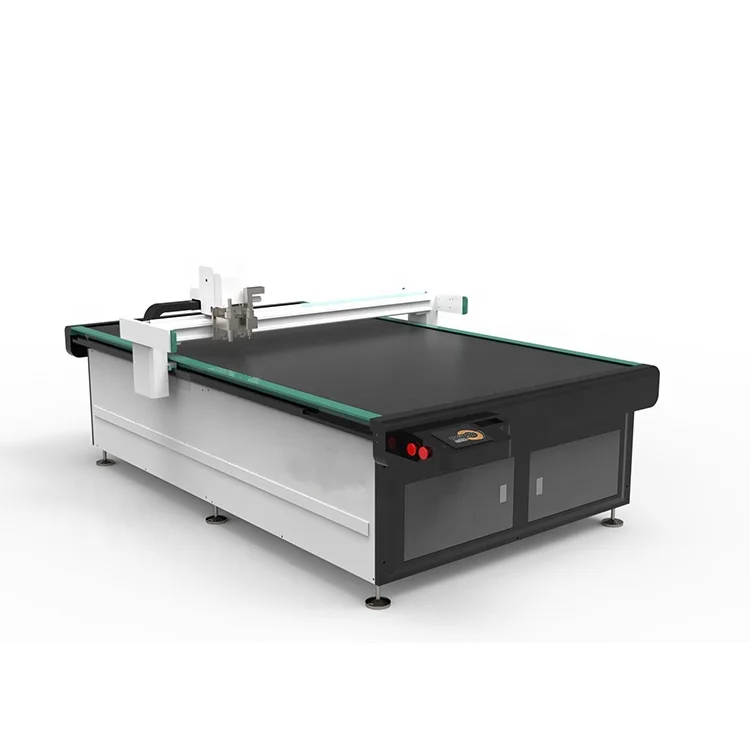
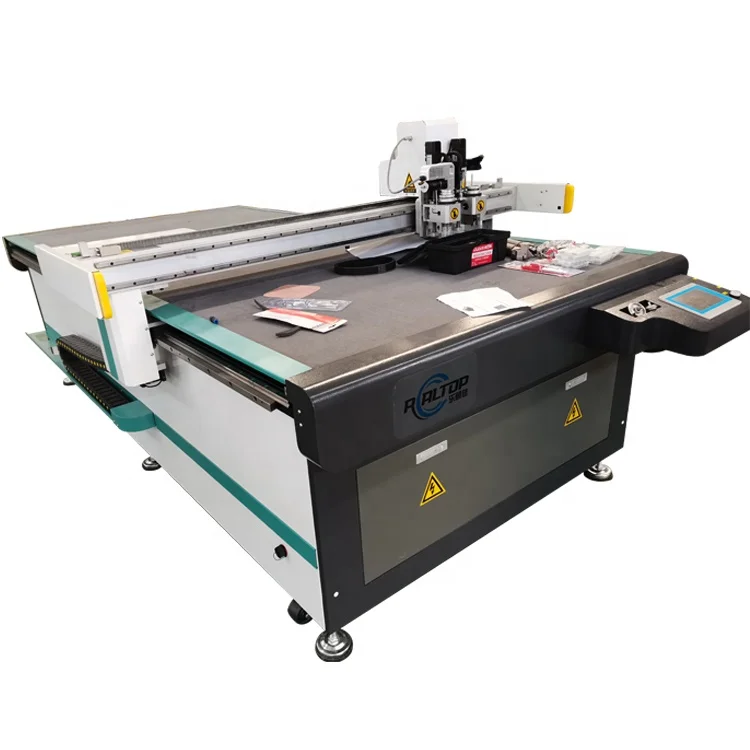
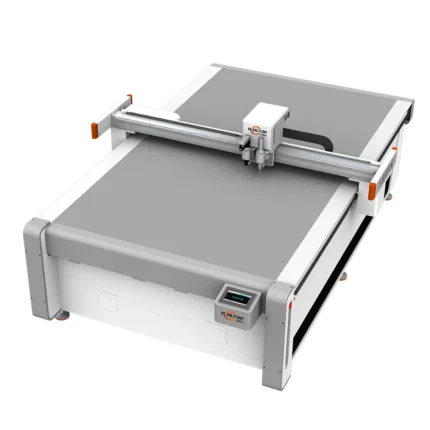
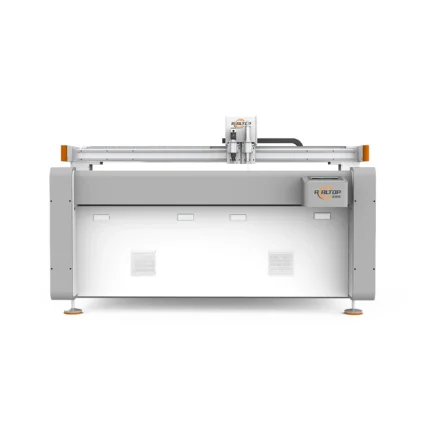
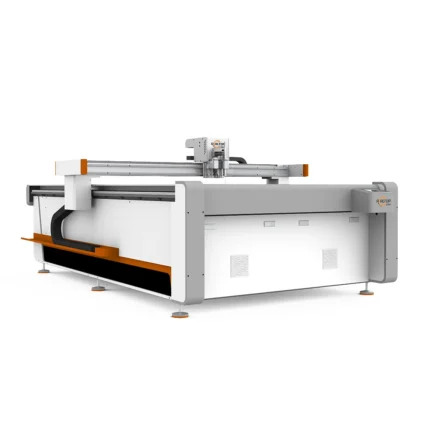
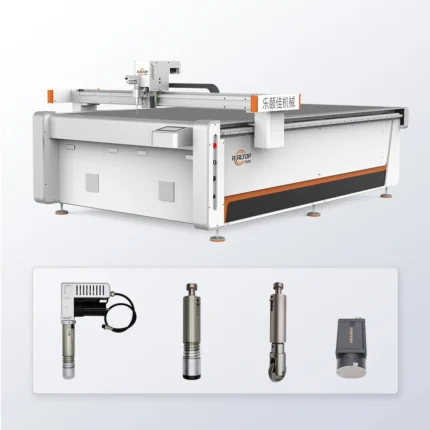
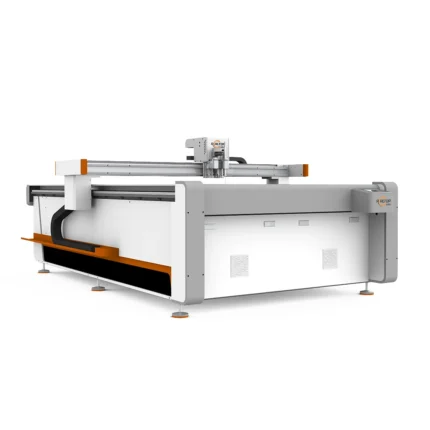
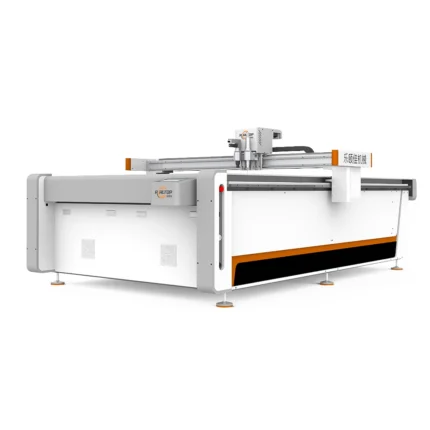
RT-D2516/RT-S2516 CNC Oscillating Knife Cutting Machine, 1600×2500mm Working Area, 9kw — configured for fabric, leather, sponge composite and PVC cutting with Swiss imported multifunctional head supporting vibration full and half cutting. Japanese Yaskawa servo motors and Taiwan Hiwin rails deliver ≤0.1mm repeated accuracy, while the 7.5kw vacuum pump and auto feeding system sustain steady production workflow. – Sample cutting on your own material before commitment, with tool head and table configuration matched to your material thickness and daily volume.
Precision-Matched Tooling Configuration — Every oscillating knife head and vacuum zone is selected after testing your specific fabric, foam, or composite material, eliminating ragged edges and crushed cores that come from generic setups.
Technical Specifications
| Parameter | Value |
|---|---|
| Model | RT-D2516 / RT-S2516 |
| Product Type | CNC Oscillating Knife Cutting Machine |
| Working Area | 1600 × 2500 mm |
| Machine Size | 3450 × 2300 × 1250 mm |
| Rated Power | 9 kW |
| Translational Velocity | 800–1200 mm/s |
| Cutting Thickness | Material-dependent (basis to be confirmed) |
| Repeated Accuracy | ≤ 0.1 mm |
| Transmission System | Digital servo motor, linear guide, synchronous belt, ball screw |
| Servo Motor | Japanese Yaskawa |
| Linear Rail | Taiwan Hiwin |
| Vacuum Pump | 7.5 kW |
| Working Table | Flat vacuum table with auto feeding |
| Conveyor Belt | Germany imported |
| Knife System | Swiss imported knife with vibration full cutting, half cutting, and cursor location |
| Safety Device | Infrared sensors |
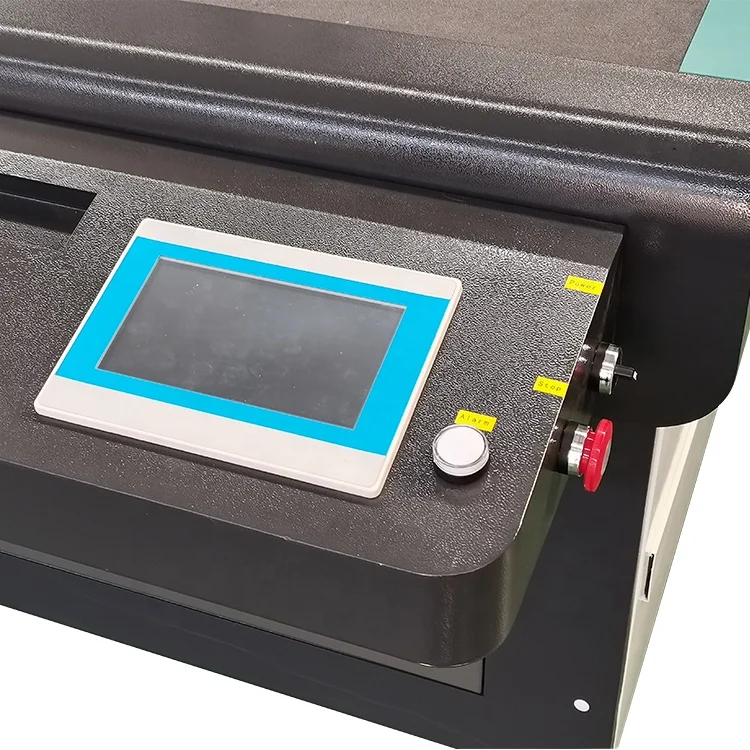
| Instruction System | HP-GL compatible format |
| Voltage | 380V ± 10% |
Application Suitability
| Application | Material or Output |
|---|---|
| Automotive interior production | Fabric seat covers, sponge composite leather, synthetic upholstery textiles |
| Packaging and carton sample making | Cardboard, grey board, rigid magnet paper boxes, stickers, gift boxes |
| Garment and footwear manufacturing | Leather, clothing flexible materials, PVC, soft glass |
| Industrial gasket and seal cutting | Silicon, rubber, composite sheets |
Why the Right Knife Frequency Matters More Than Working Area Size
Many buyers specify a CNC Oscillating Knife Cutting Machine factory OEM order based only on table dimensions, then discover the knife head cannot handle the actual material stack on the production floor. The oscillation frequency and blade geometry must match the material density and thickness, otherwise the cut edge delaminates on composites or leaves foam crushed beneath the blade path. A 1600 × 2500 mm working area is only useful when the tooling can actually penetrate and separate the material cleanly at production speed [NEED_CITE: tool head selection criteria by material density]. The machine is only as capable as the knife-and-material pairing decided before the purchase order.
Matching Vibration Parameters to Automotive Textile Layers
Automotive seat cover production involves cutting multiple layers of woven fabric backed by foam or sponge composite leather. The Swiss imported knife on this machine supports both vibration full cutting and half cutting, allowing the operator to switch between penetrating a full stack and kiss-cutting a top layer without changing tools. This matters when a single seat cover pattern requires both perimeter cuts and internal scoring for fold lines.
Vacuum Table Zoning and Small-Part Stability in Packaging Work
When cutting sticker sheets or small gift box components from thin cardboard, inadequate vacuum zoning causes parts to lift mid-cut and shift against the knife path. The 7.5 kW vacuum pump paired with the flat table is configured with zone valves so suction concentrates under the active cutting region rather than bleeding across the entire surface. Auto feeding keeps sheet stock advancing without manual repositioning between cycles [NEED_CITE: vacuum hold-down requirements for thin sheet materials].
What the Transmission Components Mean for Repeated Accuracy
The ≤ 0.1 mm repeated accuracy figure depends on the combined behavior of the Japanese Yaskawa servo motors, Taiwan Hiwin linear rails, and ball screw drive under continuous directional changes. Each reversal of the oscillating knife creates lateral load on the rail carriage. Hiwin rails resist deflection under these micro-loads, while the synchronous belt handles longer traverse movements at up to 1200 mm/s without backlash accumulation across a 2500 mm stroke.
The Cost of Skipping Material Trials Before Committing
When a machine is configured from a catalog page instead of a sample cutting report, the consequences surface weeks later on the production floor. Fabric frays along the cut edge and requires secondary trimming. Foam compresses under the knife instead of separating, producing parts that fail dimensional checks. Cardboard scores rather than cuts through because the oscillation amplitude was set for thinner stock [NEED_CITE: common causes of edge quality failure in digital knife cutting]. These problems do not appear in factory demonstrations running standard test materials.
Why Source This CNC Oscillating Knife Cutting Machine from the Factory
In-house design means the tool head configuration on your CNC Oscillating Knife Cutting Machine factory OEM order is engineered for your material, not selected from a fixed menu. The core factory produces both knife cutting and laser cutting platforms, so a buyer can compare methods against their actual material before committing to one technology. Voltage, control language, and plug type are confirmed against the destination facility’s electrical specification before assembly begins. Sample cutting on the buyer’s own material is conducted and documented before the order is finalized. Configuration options span working area, single or multi-head layout, and conveyor versus static table to match throughput requirements.
Documentation & Verification
- Machine specification sheet listing the exact knife head and vacuum zone configuration for your material type
- Electrical schematic with confirmed voltage, frequency, and plug standard for the destination country
- Sample cutting report showing edge quality and dimensional accuracy on your supplied material samples
- Factory test record documenting run cycles and repeated accuracy measurements before crating
- Operation and maintenance manual in the agreed control language with spare parts list
- HP-GL format compatibility note confirming integration with your existing nesting software
Installation, Commissioning & Support
- Floor space of approximately 3450 × 2300 mm with clearance on three sides for sheet loading and maintenance access
- Dedicated 380V ± 10% circuit rated for the 9 kW machine load plus the 7.5 kW vacuum pump on a separate breaker
- Machine arrives assembled; the conveyor belt and auto feeding unit are aligned and tensioned during commissioning
- First-run parameter setting covers oscillation frequency, vacuum zone mapping, and feed rate calibration on your material
- Operator training covers tool change procedure, half-cut depth adjustment, and HP-GL file import workflow
- Spare blades, belts, and wear parts list provided with recommended reorder intervals based on material abrasiveness
What We Need to Configure Your Machine Correctly
To recommend the right knife head and table configuration, share the material type, maximum thickness, sheet dimensions, and daily volume you intend to cut. Specify your local voltage and frequency, the control language your operators need, and whether your workflow uses conveyor-fed rolls or static sheets. If you can send material samples, we will run cutting trials and return a sample report before any order commitment.
Frequently Asked Questions
Q: How do you select the correct oscillating knife head for my material?
A: We evaluate your material’s density, thickness, and layer composition during a sample cutting trial. The Swiss imported knife supports variable oscillation frequency and amplitude, so we adjust these parameters and document the results. The configuration list in your documentation reflects the tested settings, ensuring the CNC Oscillating Knife Cutting Machine factory OEM build matches your production reality.
Q: Can the voltage and control interface be customized for my facility?
A: Yes. Before production begins, we confirm the exact voltage, frequency, plug type, and control language required at your site. The electrical schematic is updated to reflect these specifications. This verification step prevents the situation where a machine arrives with incompatible wiring or an interface your operators cannot read.
Q: Will this machine work with my existing nesting software?
A: The instruction system accepts HP-GL compatible format. Before the order, we test importing your actual nesting files and verify that tool paths, cut order, and layer assignments translate correctly. If your software outputs a different format, we identify the conversion step needed and document it in the file format compatibility note.
Q: What happens during the sample cutting process?
A: You send us representative material samples, including the thickest and most complex stock you plan to cut. We run cutting trials using the proposed knife head and vacuum configuration, then measure edge quality, dimensional accuracy, and throughput. A sample cutting report accompanies the quotation so you can evaluate the results before committing to the purchase.


Related products
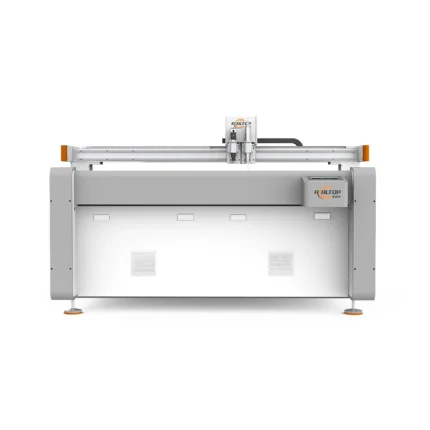
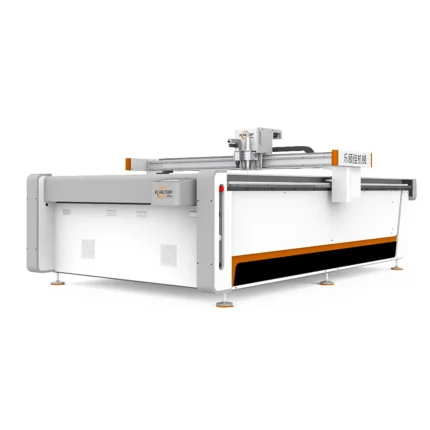
CNC Vibrating Knife Cutter 2026 Custom Cartons Packaging
Product Introduction
CNC Vibrating Knife Cutter 2026 is ideal for custom cartons & packaging, offering precise cutting solutions for various materials. Engineered by a leading Chinese welding & cutting equipment manufacturer, it ensures efficiency and accuracy for packaging production needs.Key Specifications
| Model | 2026 |
| Type | CNC Vibrating Knife Cutter |
| Application | Custom Cartons & Packaging |
| Manufacturer | Chinese Leading Factory |
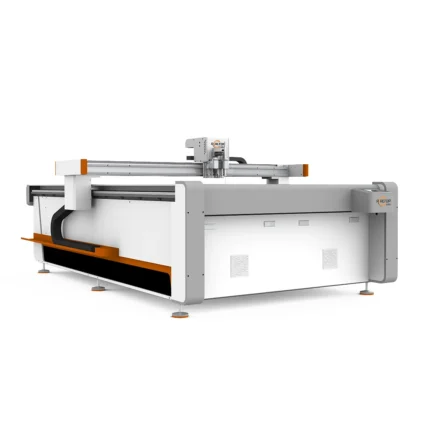
Digital Box Cutter 2026 Oscillating Knife Cardboard Cutter
Product Parameters
| Model | Digital Box Cutter 2026 |
| Cutting Type | Oscillating Knife |
| Material | Corrugated Cardboard |
Introduction
Professional oscillating knife cutting machine for corrugated cardboard. Ideal for precise, efficient cutting in packaging production. Reliable performance from China's leading welding & cutting equipment manufacturer.


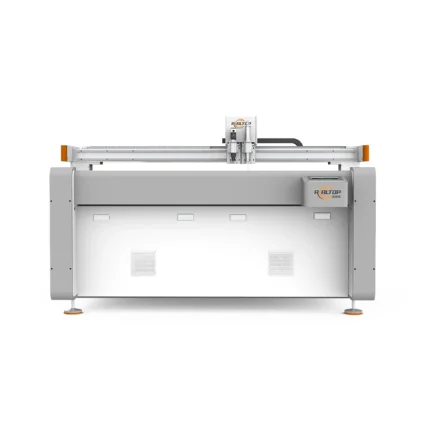
Digital CNC Cardboard Cutting Machine 2026
Product Introduction
High-precision Digital CNC Cardboard Cutting Machine 2026, ideal for efficient cardboard processing with advanced CNC technology, ensuring precise and fast cutting performance for various packaging and craft applications.
Key Specifications
| Model | 2026 |
| Type | Digital CNC Cutting Machine |
| Material | Cardboard |
| Feature | High Precision, Efficient Cutting |
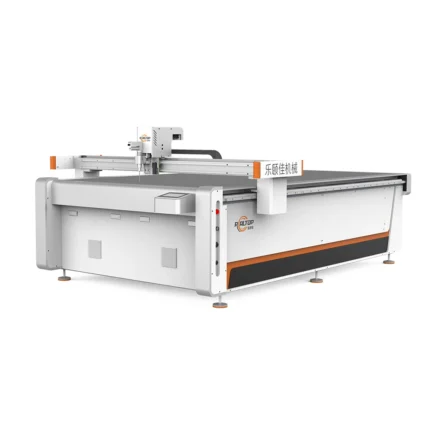

Realtop CNC Carton Box Cutter 2026 CCD Camera Honeycomb Cutting
Product Introduction
Realtop CNC Carton Box Cutter 2026 is a professional cutting solution featuring CCD Camera and Honeycomb Cutting technology, ideal for precise carton box processing with efficient performance.Product Parameters
| Model | Realtop CNC Carton Box Cutter 2026 |
| Vision System | CCD Camera |
| Cutting Technology | Honeycomb Cutting |

商品评价
There are no reviews yet.