

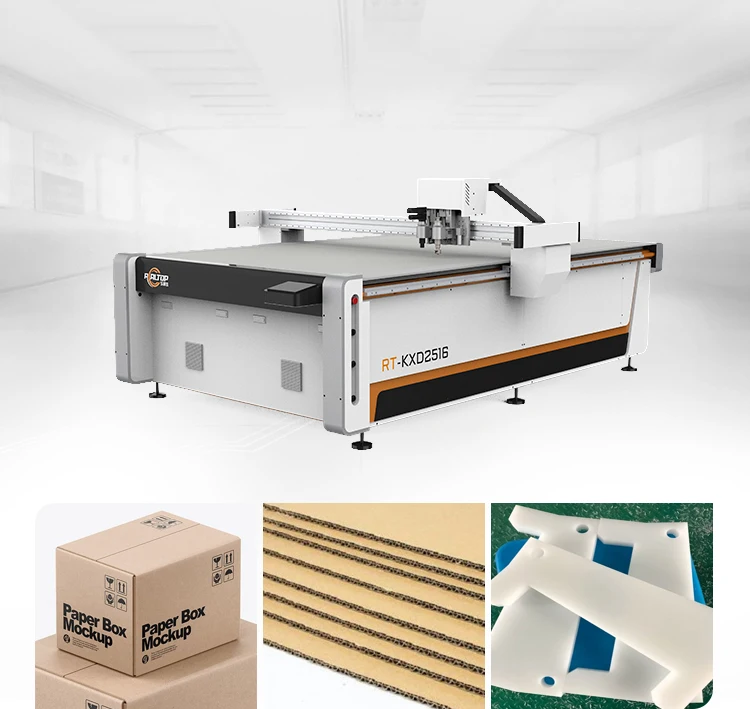
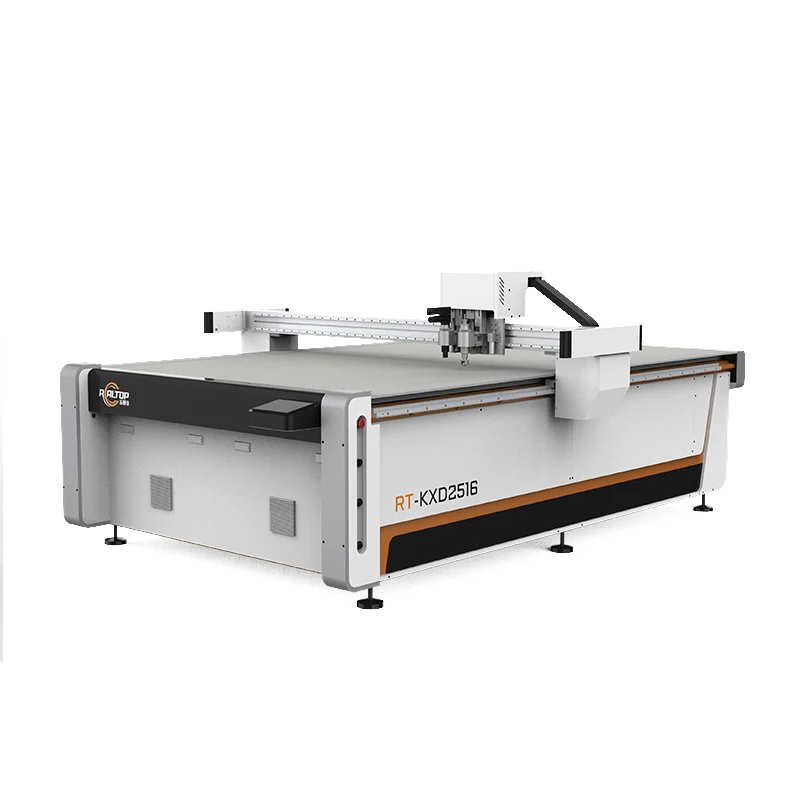
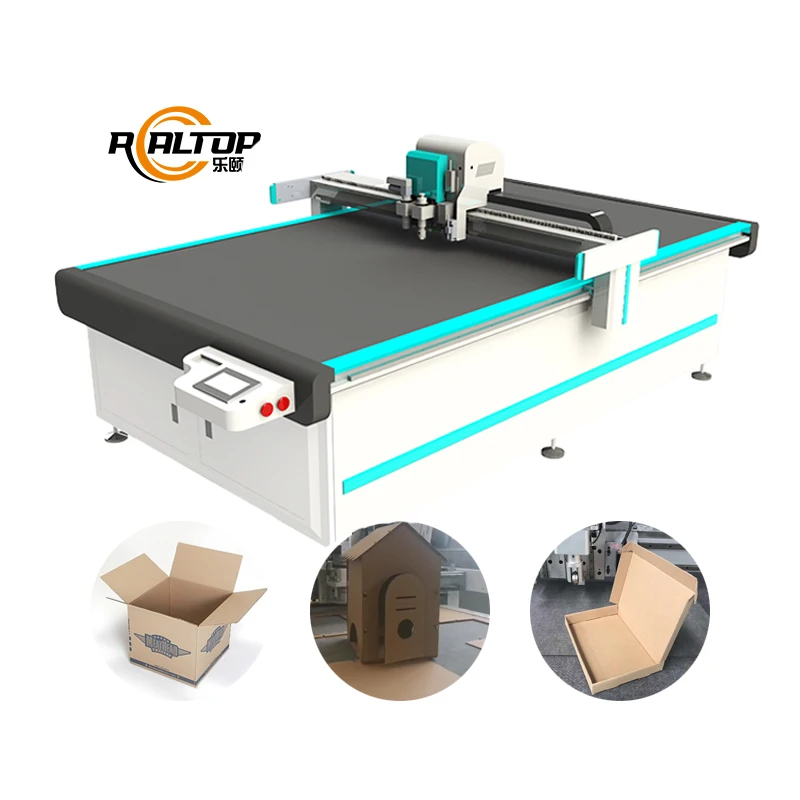
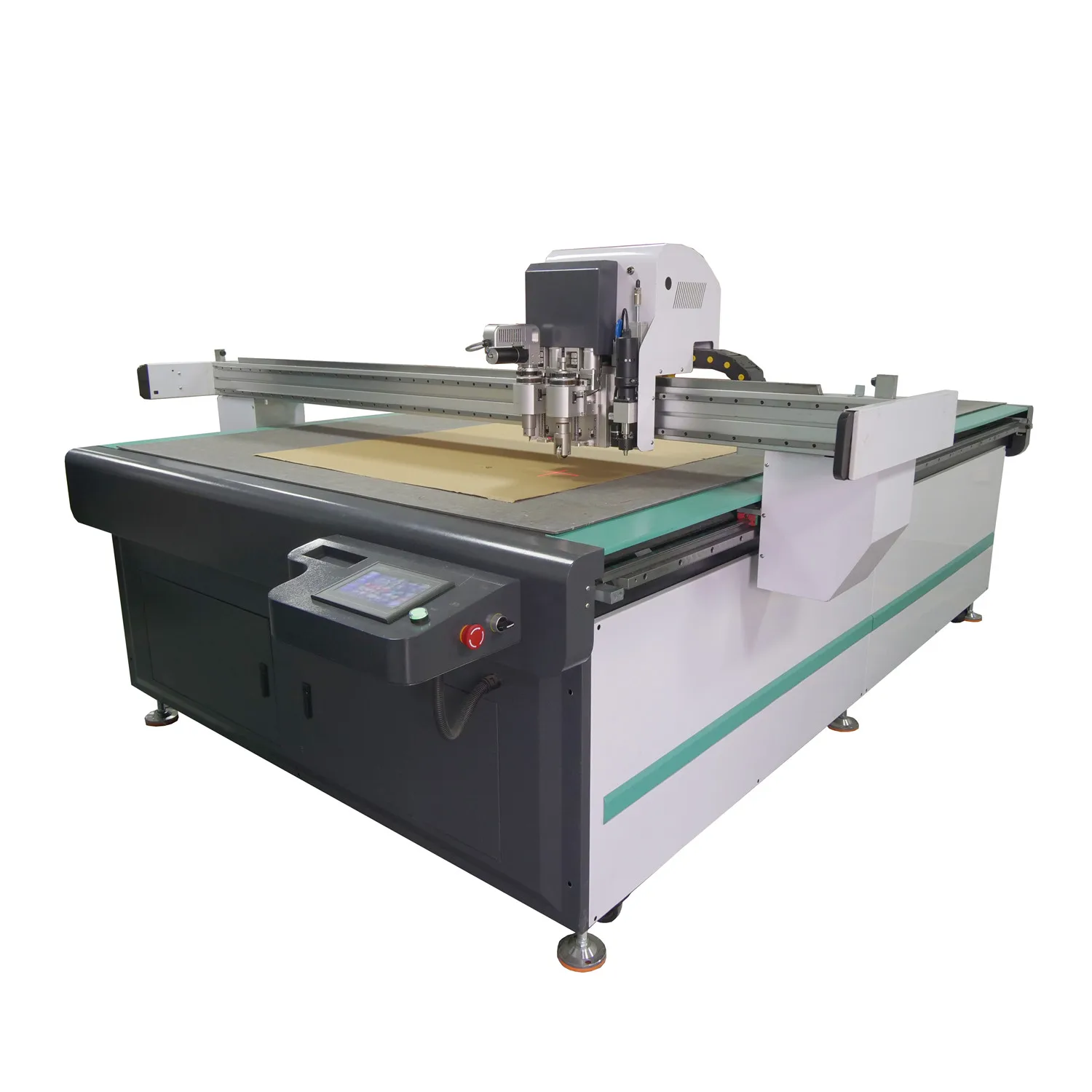
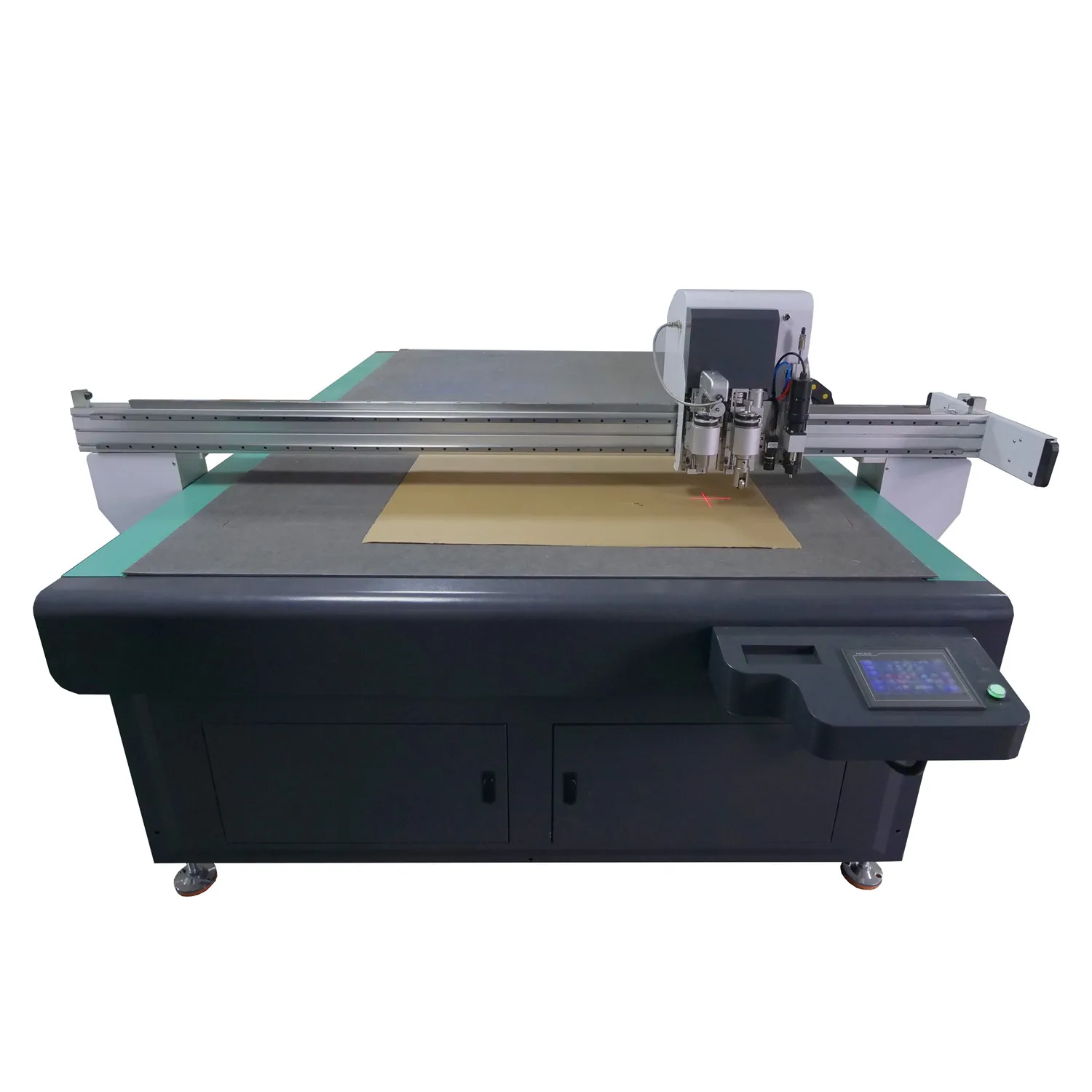
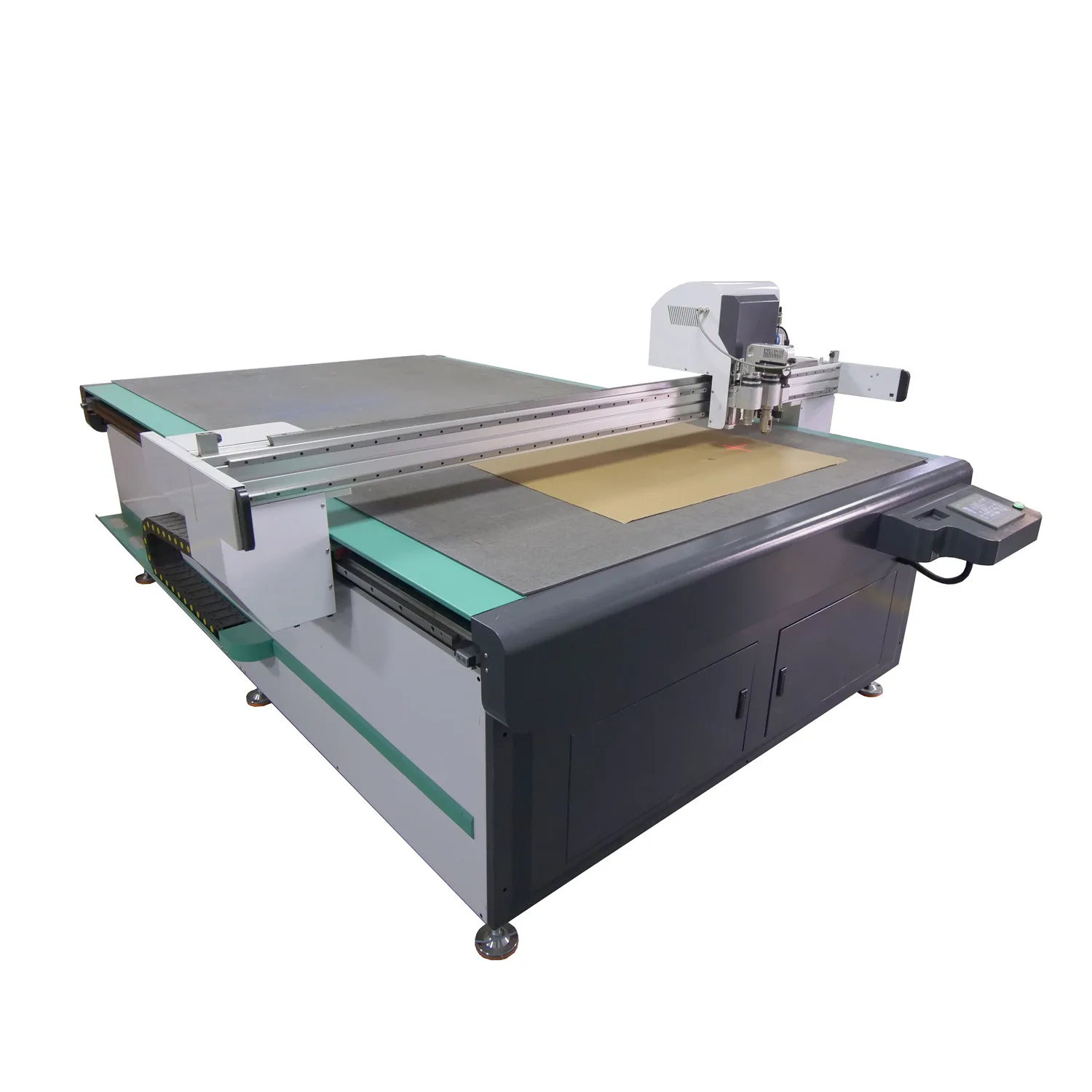
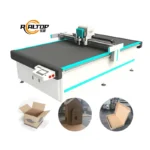
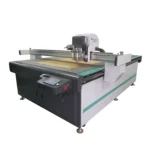
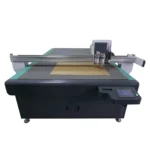
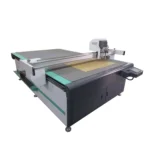
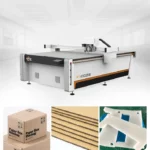
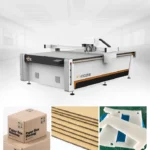
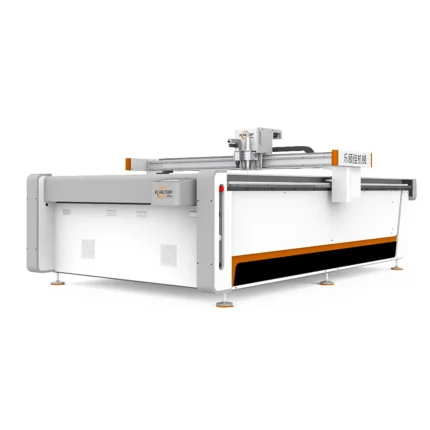
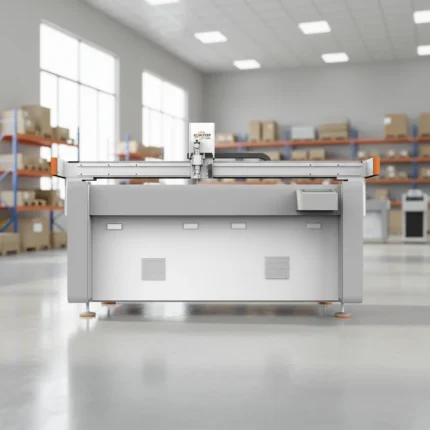
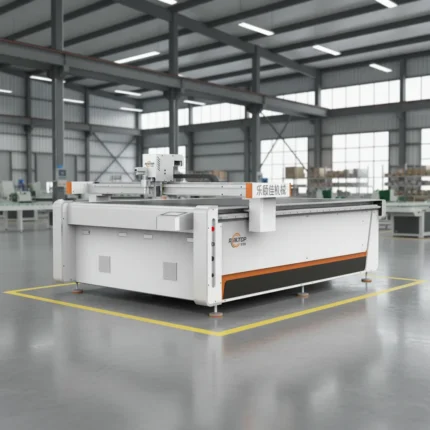
Realtop Cake Box Die Cutting Machine for Packaging – Manufacturer
- In-house design covers both knife and laser technologies for matched cutting method
- Sample cutting on your material provided before commitment
- Voltage, language and tool head specification customized per order
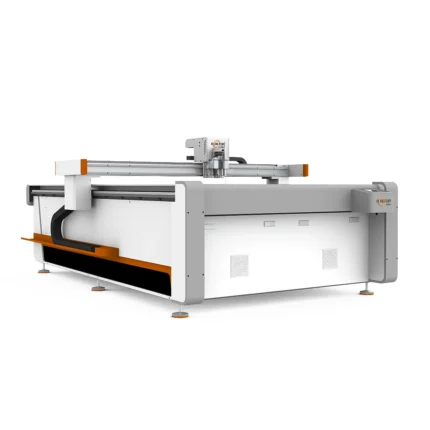
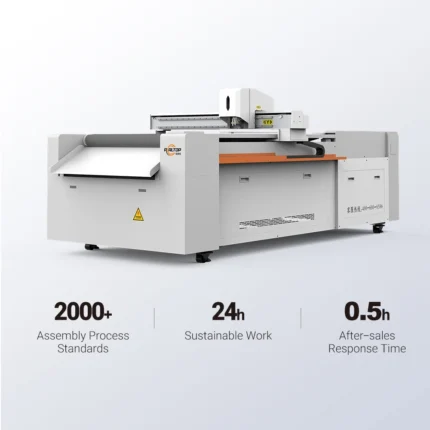
Sample Cutting Verification — we run your exact carton stock and corrugated board on the RT-D2516/RT-S2516 before confirming tool head configuration, avoiding the ragged edges that come from guessing material parameters.
Technical Specifications
| Parameter | Value |
|---|---|
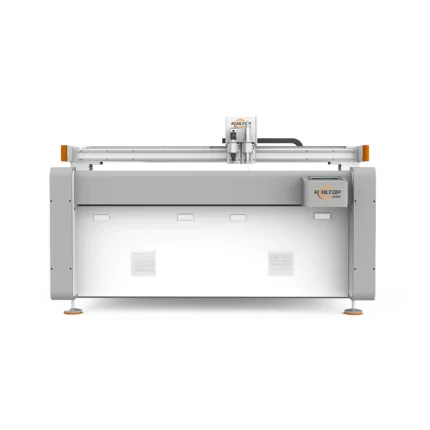
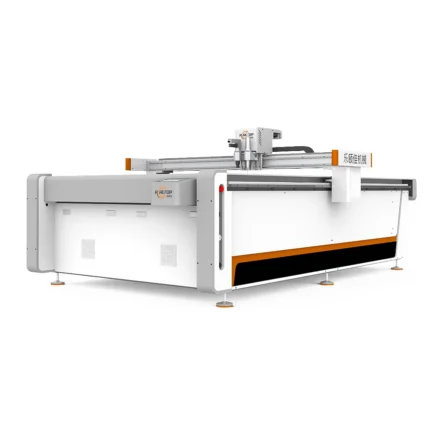
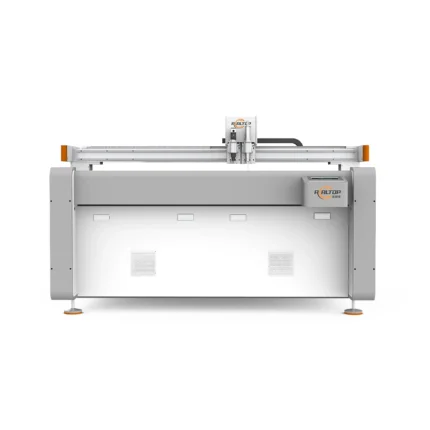
| Model | RT-D2516/RT-S2516 |
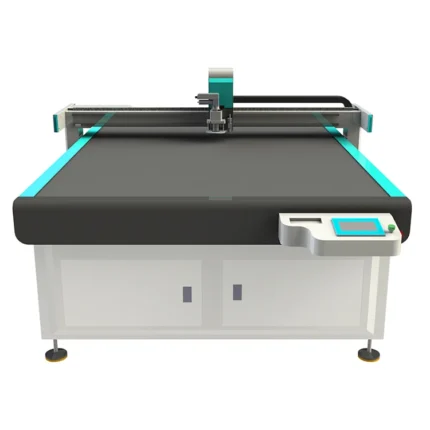
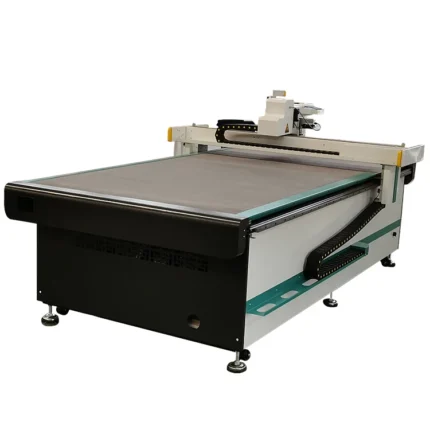
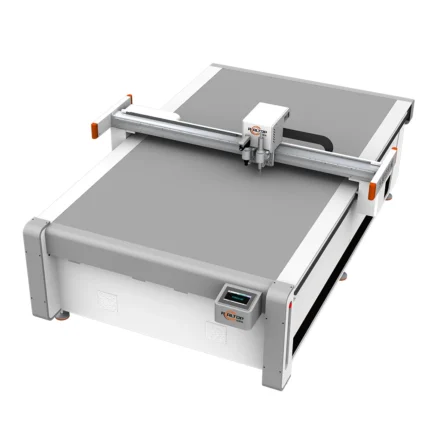
| Product Type | CNC Digital Flatbed Cutting Machine |
| Working Area | 1600 × 2500 mm |
| Machine Size | 3450 × 2300 × 1250 mm |
| Rated Power | 9 kW |
| Vacuum Pump | 7.5 kW |
| Table Type | Flat working table or auto feeding table |
| Cutting Speed | 200–800 mm/s (basis not stated in source — varies with material and thickness) |
| Translational Velocity | 800–2000 mm/s |
| Cutting Thickness | ≤100 mm (varies with material) |
| Repeated Accuracy | ≤0.1 mm |
| Transmission System | Digital servo motor, linear guide, synchronous belt, ball screw |
| Guide Rail | Taiwan Hiwin |
| Vacuum Table | Magnesium-aluminum alloy, fluorocarbon PVDF powder spraying, anodic oxidation |
| Conveyor Belt | Germany imported |
| Servo Motor Option | Delta (China) or Panasonic (Japan) |
| Visual Positioning | Small CCD camera mark point, panoramic camera recognition, projection positioning |
| Control Panel | Touch screen, multiple language supported |
| Software File Formats | PLT, DXF, AI |
| Voltage | 380V ± 10% |
| Safety Device | Infrared sensors, anti-collision, emergency stop |
| Standards | CE declaration where applicable |
Application Suitability
| Application | Material or Output |
|---|---|
| Carton and packaging sample making | Corrugated cardboard, honeycomb board, grey board |
| Folding carton prototyping | Coated card stock, laminated paperboard |
| Corrugated box short-run production | Single and double wall corrugated sheets |
| Sticker and label die cutting | Self-adhesive vinyl, sticker composite rolls |
| Plastic box fabrication | PVC, PP, PET sheet for clear packaging |
| Gasket and seal sampling | Rubber, silicone, PTFE sheet for industrial gaskets |
| Graphic display and POP cutting | Foam board, honeycomb PVC, acrylic |
When "Working Area" Is Not Enough to Specify a Cutter
The cutting method and tool head must match the material before the bed size matters.
Buyers often start by quoting a 1600 × 2500 mm table and assume the rest will follow. I learned this the hard way when I specified a drag knife for a laminated card stock run — the edge came out crushed and fuzzy, the customer rejected the batch on the spot, and it took two weeks of retooling and test cuts to recover the account. A laser cutting and engraving machine handles edge sealing on synthetics differently, and a CNC knife system behaves differently again on coated versus uncoated board. Without confirming stock weight, flute profile and lamination type first, the working area tells you nothing about whether the machine will actually produce sellable samples. [NEED_CITE: common causes of edge quality failure in digital flatbed cutting of laminated board]
Oscillating Knife Versus Drag Knife on Packaging Stocks
The RT-D2516/RT-S2516 offers oscillating knife, drag knife, creasing wheel, dotted line knife, punching and V cutting knife tool heads, so the cutting method can follow the material rather than the other way around. For single wall corrugated, the oscillating knife delivers clean through-cuts without crushing the flute structure. A drag knife suits thinner card stock and sticker composites where continuous contour tracking is the priority. Selecting between them on a packaging CNC cutting machine depends on whether the job is creasing a fold line, perforating a tear strip or cutting a full contour.
Creasing and Perforation on Corrugated Board
A laser cutting and engraving machine seals edges on synthetics but leaves corrugated fibre exposed and prone to fraying. That is where the creasing wheel and dotted line knife on this CNC digital flatbed become the production tools of choice. The creasing wheel compresses the flute without cutting through the liner, producing a fold line that holds during assembly. The dotted line knife leaves micro-perforations for tear-open features on retail packaging. Matching wheel pressure to flute type prevents liner cracking on E-flute while still achieving a sharp crease on B-flute or C-flute stock. [NEED_CITE: creasing wheel pressure settings relative to corrugated flute profiles]
Reading the Specification Sheet for Production Reality
The 200–800 mm/s cutting speed range depends entirely on material density and sheet thickness — cutting 3 mm grey board runs at the lower end, while thin sticker film allows the upper range. The 7.5 kW vacuum pump paired with the magnesium-aluminum alloy table provides the hold-down force needed for corrugated sheets that tend to lift at the edges during high-speed contour cuts. Repeated accuracy of ≤0.1 mm matters most on packaging samples where the crease lines must align with cut contours to within a fraction of a millimetre, other*n guide rails and imported ball screws maintain that tolerance across the full 1600 × 2500 mm working area. The servo motor choice — Delta or Panasonic — affects acceleration response, which shows up as corner quality on tight-radius packaging contours.
The Cost of Guessing the Tool Head Configuration
Specifying a machine on working area alone and discovering the tool head cannot handle the stock thickness is the most common reason a packaging sample maker gets returned to the supplier. Wrong tool pressure on laminated card produces delamination at the cut edge. Insufficient vacuum zoning lets small die-cut pieces shift during the final pass, ruining nesting yield. When the CCD camera contour recognition cannot track printed registration marks at production speed, every sheet in the run drifts off-position. These failures rarely show up in the brochure. [NEED_CITE: vacuum table zoning impact on small-part registration in digital cutting]
Why Source This Machine From the Factory Floor
In-house design covering both knife and laser cutting technologies means the buyer can match the cutting method to the packaging material rather than forcing one method across every stock type. Tool head and table configuration gets specified per material and production volume before the order is placed. CCD camera positioning options — mark point, panoramic and projection — are confirmed against the buyer’s actual printed sheet. Software compatibility with PLT, DXF and AI file formats is verified with sample imports before commitment. Voltage at 380V ± 10%, control language and plug type are locked in before shipment, not discovered at customs. Sample cutting on the buyer’s own corrugated or card stock runs before the machine leaves the factory. [NEED_CITE: export machinery voltage and plug standards by destination market]
Documentation & Verification
- Factory test record on your corrugated board and card stock thickness range before dispatch
- Tool head and creasing wheel configuration list matched to your material samples
- Software licence and PLT, DXF, AI file format compatibility note included
- Electrical schematic confirming 380V ± 10% wiring and servo motor specification
- CE declaration documentation where applicable to your import market
Installation, Commissioning & Support
- 3450 × 2300 × 1250 mm footprint requires level concrete floor with clearance for auto feeding table conveyor
- 9 kW rated power plus 7.5 kW vacuum pump need dedicated 380V ± 10% three-phase circuit
- Fully assembled shipment reduces on-site setup to utility connection and table levelling
- First-run parameter tuning for your specific corrugated flute and card stock weight
- Oscillating knife blade and creasing wheel replacement training included
- Spare parts list covering blades, vacuum seals and conveyor belt sections
What We Need to Quote Accurately
Send your actual packaging stock — corrugated flute type, board thickness, lamination status and maximum sheet size — along with your daily sample volume and target file format. Confirm your workshop voltage, frequency and preferred control panel language. If you run an existing nesting workflow or RIP software, share a sample file so we can verify import compatibility before the cutting method and tool head are selected.
Frequently Asked Questions
Q: Oscillating knife or drag knife — which do I need for corrugated packaging samples?
A: Oscillating knife is preferred for corrugated board because the vibrating blade slices through flute structure without crushing it. Drag knife suits thinner card stock, sticker composites and self-adhesive films where continuous contour cutting matters more than material compression. The RT-D2516/RT-S2516 supports both, so configuration depends on your primary stock type.
Q: How does CCD camera positioning help with printed packaging samples?
A: The CCD camera reads printed registration marks on your sheet and adjusts the cut path to match the actual print position, compensating for stretch or skew from the printing process. Options include small mark point positioning, panoramic recognition and projection positioning. The correct option depends on your print mark size and sheet layout.
Q: What file formats does the software accept from my design team?
A: The system imports PLT, DXF and AI files directly. If your design team works in other formats, share a sample file before ordering so we can confirm compatibility or recommend a conversion workflow. Software language on the touch screen supports English, Russian, Italian and Chinese, with special languages customizable.
Q: Can the vacuum table hold small die-cut pieces without them lifting?
A: The magnesium-aluminum alloy vacuum table with the 7.5 kW pump provides strong hold-down across the full 1600 × 2500 mm area. For very small parts nested closely together, vacuum zoning configuration should be discussed during the specification stage so suction is concentrated where the cutting head is working.
Q: What voltage and plug options are available for export?
A: The standard configuration is 380V ± 10% three-phase. Voltage and plug type must be confirmed before production to match your local supply standards. Servo motor selection between Delta and Panasonic also affects electrical specifications, so this choice should be locked in at the quotation stage.


Related products
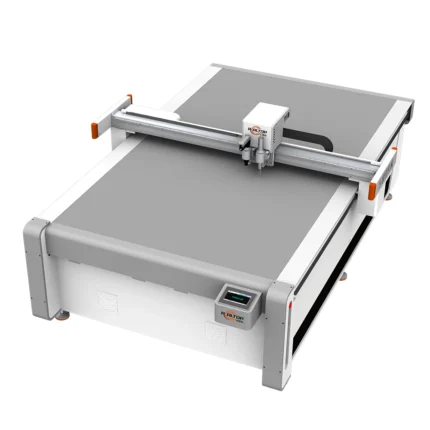
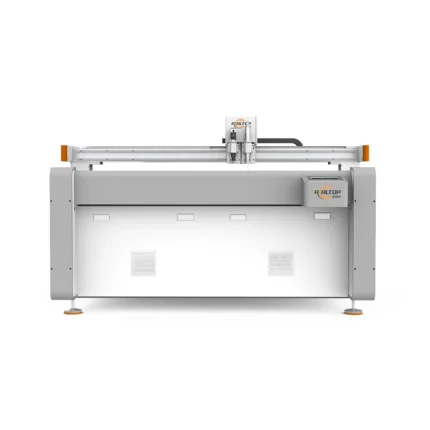
Automatic CNC Cutter Plotter 2026 Flat Bed Cardboard Cutter
Product Introduction
Automatic CNC Cutter Plotter 2026 is a flat bed cardboard cutting machine designed for precise and efficient cutting tasks. Ideal for various cardboard processing needs, it combines advanced CNC technology to deliver accurate results, suitable for manufacturing and packaging applications.Product Parameters
| Type | Automatic CNC Cutter Plotter |
| Model | 2026 |
| Design | Flat Bed |
| Application | Cardboard Cutting |
CNC Flatbed Cutter 2026 Digital Corrugated Box Making Machine
Product Introduction
High-precision CNC flatbed cutter designed for efficient cardboard box production. Ideal for 2026 digital corrugated box manufacturing, offering precise cutting and reliable performance for professional packaging solutions.
Key Specifications
| Type | CNC Flatbed Cutter |
| Application | Cardboard Box Production |
| Technology | 2026 Digital System |
| Material | Corrugated Board |

CNC Flatbed Oscillating Knife Cutting Machine 2026
Product Introduction
High-performance CNC Flatbed Oscillating Knife Cutting Machine 2026, ideal for precision cutting of various materials with advanced oscillating knife technology, ensuring efficient and accurate operations for industrial manufacturing needs.Specifications
| Model | 2026 |
| Type | CNC Flatbed Oscillating Knife Cutting Machine |
CNC Oscillating Knife Cutting Machine 2026 for Corrugated Cardboard & Honeycomb
Product Introduction
2026 CNC Oscillating Knife Cutting Machine, ideal for corrugated cardboard and honeycomb materials, offering precise and efficient cutting solutions for your production needs.Specifications
| Model | 2026 |
| Type | CNC Oscillating Knife Cutting Machine |
| Applicable Materials | Corrugated Cardboard, Honeycomb |
| Cutting Method | Oscillating Knife |
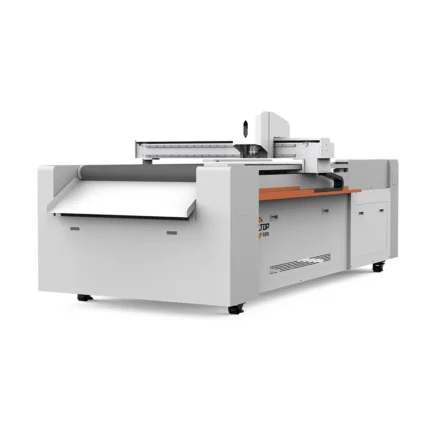
CNC Vibrating Knife Cutter 2026 Custom Cartons Packaging
Product Introduction
CNC Vibrating Knife Cutter 2026 is ideal for custom cartons & packaging, offering precise cutting solutions for various materials. Engineered by a leading Chinese welding & cutting equipment manufacturer, it ensures efficiency and accuracy for packaging production needs.Key Specifications
| Model | 2026 |
| Type | CNC Vibrating Knife Cutter |
| Application | Custom Cartons & Packaging |
| Manufacturer | Chinese Leading Factory |
商品评价
There are no reviews yet.