

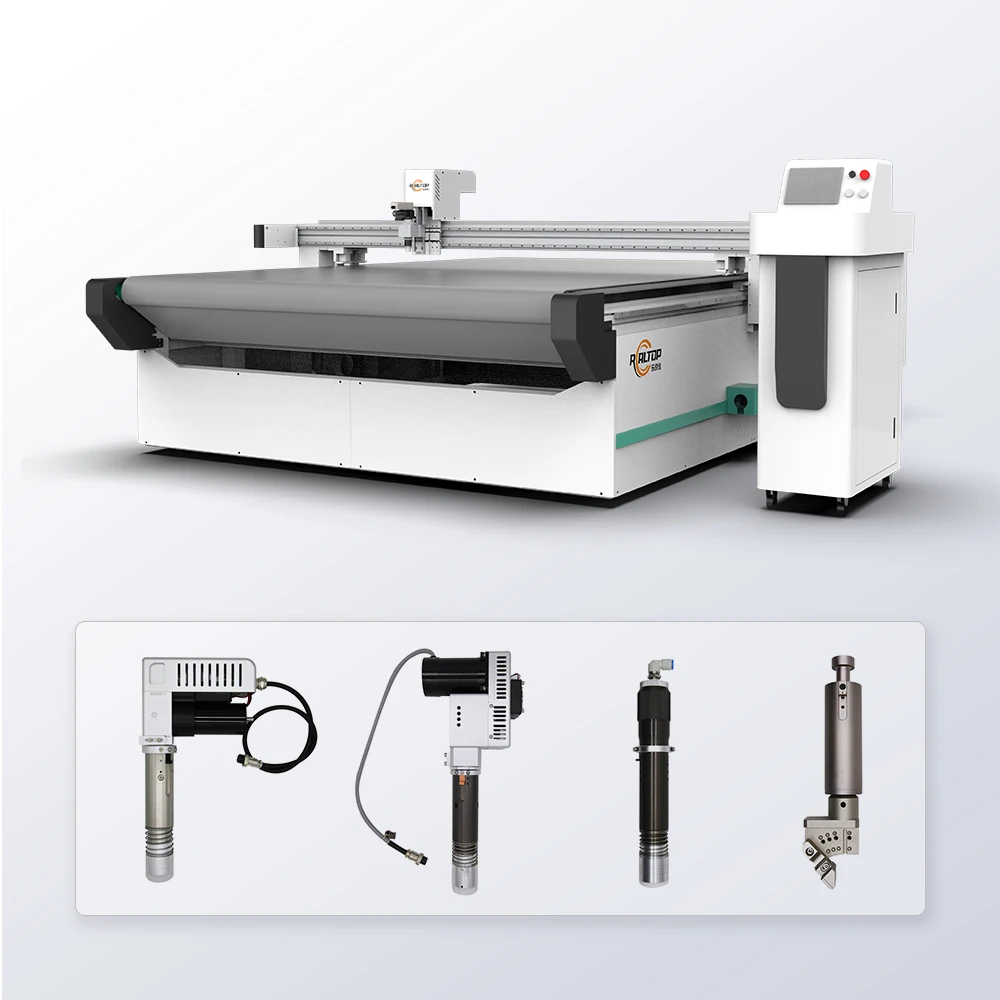
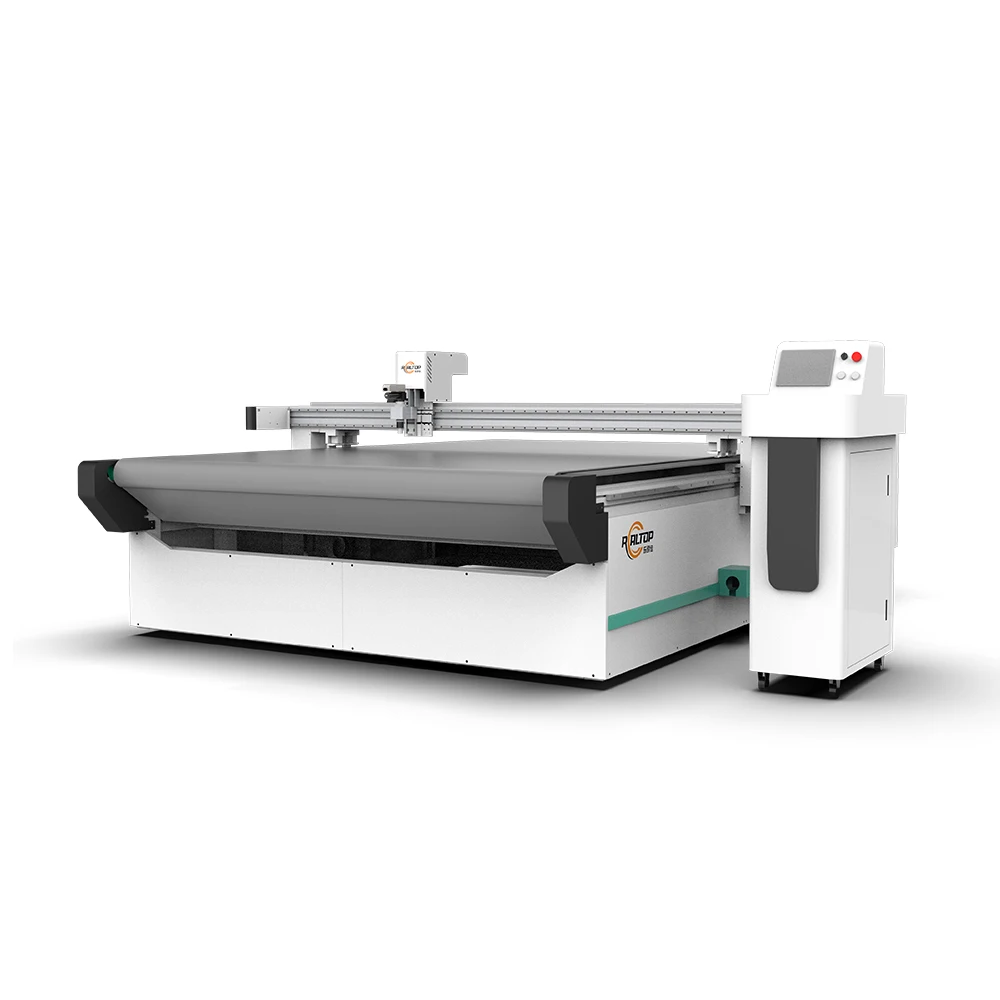
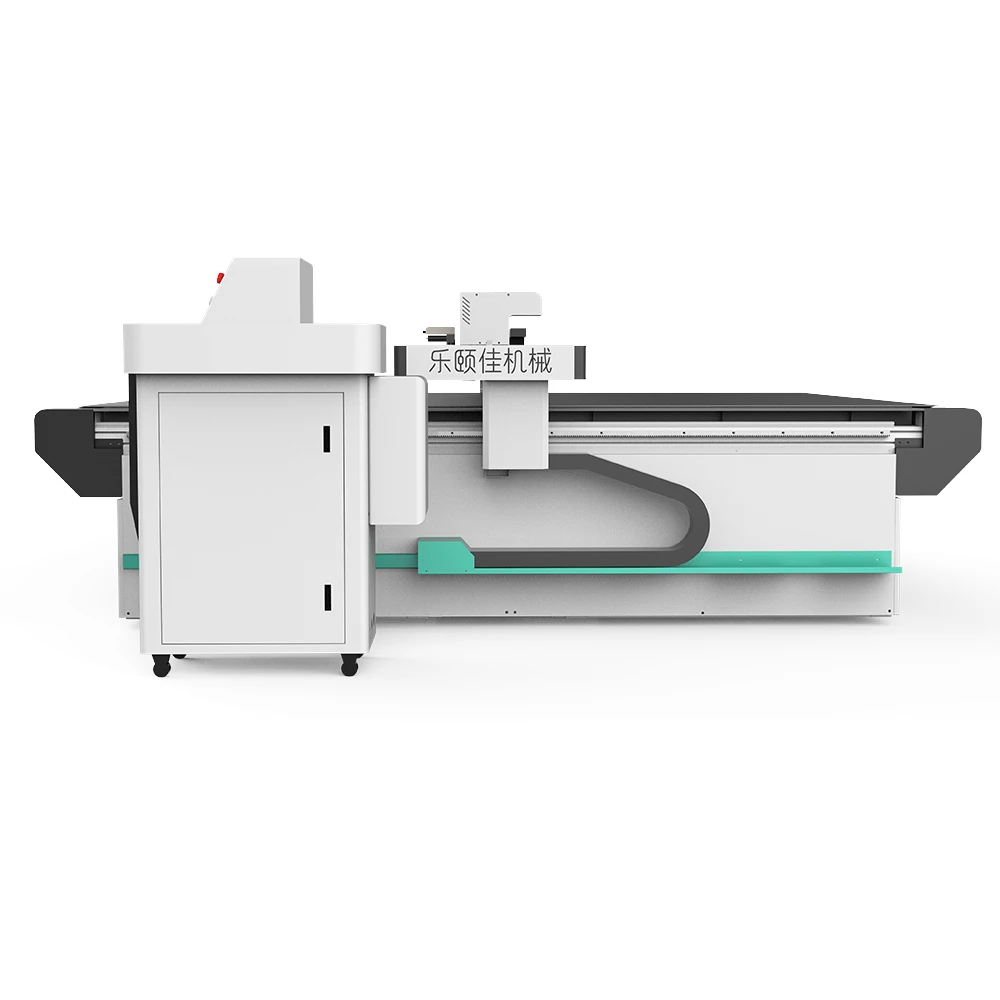
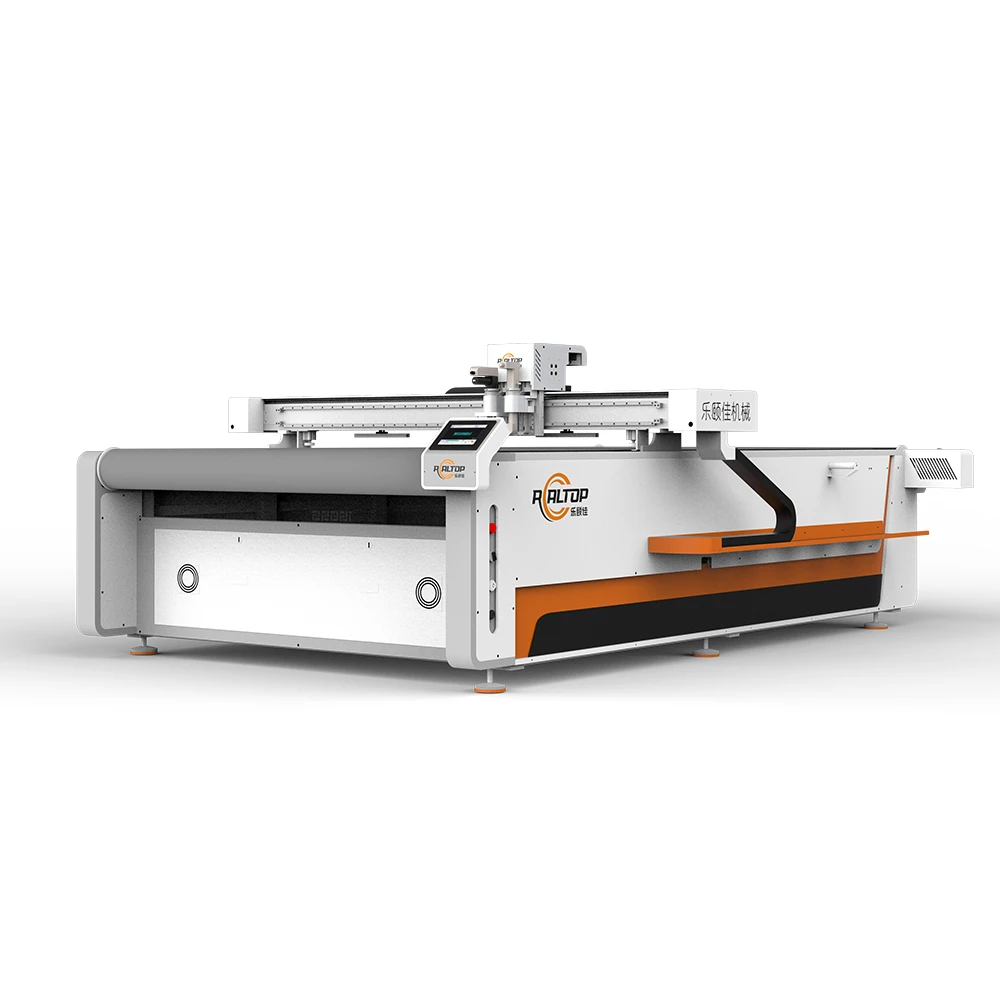
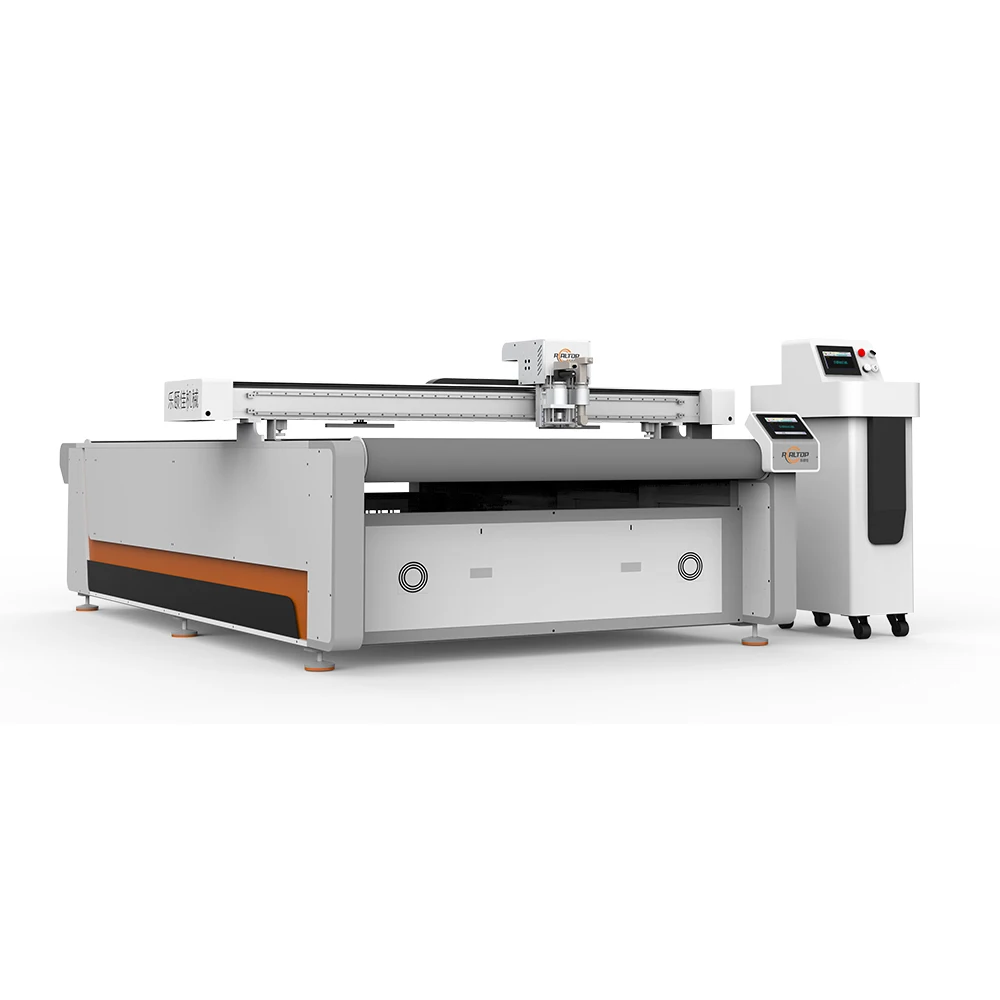

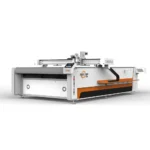
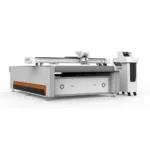
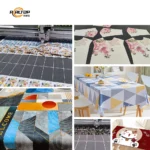
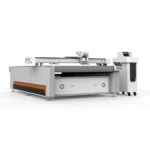
Automated Oscillating Knife Cutter for Fabric – Automatic
SKIP: no identifier
Laser process integrity — We specify CO2 and fiber sources by continuous output rather than peak rating, ensuring the Cloth CNC Cutting Machine matches real fabric processing requirements.
Technical Specifications
| Parameter | Value |
|---|---|
| Product Type | Cloth CNC Cutting Machine |
| Laser Source Type | CO2 / Fiber (configurable by material) |
| Laser Power Rating | Available across a defined range (continuous output verified) |
| Working Area | Compact to large format options |
| Focal Control | Motorized Z-axis with auto-focus |
| Assist Gas System | Compressed air / nitrogen / oxygen interfaces |
| Extraction Requirement | Fume extraction port integrated |
| Voltage Options | Configurable for target market |
| Control Language | Customizable HMI language |
| Cooling System | Industrial water chiller (closed-loop) |
Application Suitability
| Application | Material or Output |
|---|---|
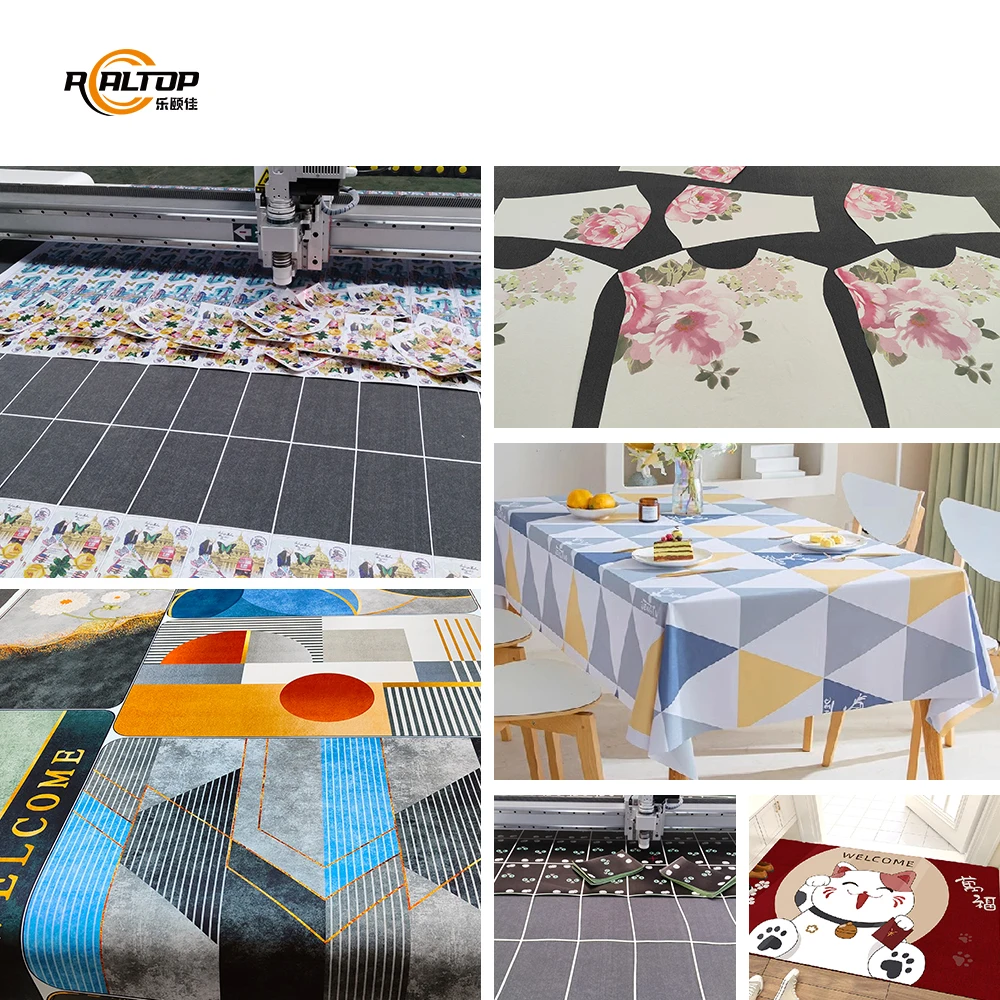
| Technical textile cutting | Polyester, nylon, aramid, and coated fabrics |
| Apparel pattern cutting | Cotton, denim, silk, and blended woven fabrics |
| Automotive interior trimming | Non-woven headliner and carpet materials |
| Upholstery production | Velour, microfiber, and synthetic leather |
| Filter media fabrication | Glass fiber cloth and PTFE-coated textiles |
Why "Peak Power" Misleads Fabric Processors
Continuous wattage determines whether a fabric edge seals or frays at production speed.
Many laser buyers receive quotes listing a peak power figure that the tube can only sustain for short bursts. When you run a full nest of apparel panels, the Cloth CNC Cutting Machine must hold steady output for hours. If the continuous rating is lower than quoted, the beam loses sealing ability on synthetics mid-job, leaving frayed edges that require secondary trimming. I once saw a textile workshop accept a delivery based on a peak number, only to discover the real continuous output fell short on multi-layer polyester stacks [NEED_CITE: laser source continuous versus peak power ratings]. The resulting edge quality forced them to slow the feed rate drastically, eroding the throughput they had planned around.
Edge Sealing on Synthetic Textiles
When a CO2 source meets polyester or nylon at the correct continuous wattage, the heat melts fiber ends just enough to fuse them together. This sealed edge prevents unraveling during downstream sewing or assembly, removing the need for overlock stitching on many panel shapes. The Cloth CNC Cutting Machine maintains this seal quality by keeping focal distance constant through motorized Z-axis tracking, even when fabric thickness varies across a layup.
Extraction Demands in Fabric Processing
Vaporized synthetic fibers produce dense fumes that settle on optics and degrade beam quality over a shift. Adequate extraction is not optional when cutting coated textiles or PVC-backed materials. The system includes a dedicated extraction port sized for the working area volume, and the chiller loop keeps the source stable during long runs [NEED_CITE: industrial fume extraction standards for textile laser cutting]. Workshops running multiple shifts should plan for filter replacement intervals based on the actual material mix they process.
Reading the Power Spec Against Your Material Stack
A 100W continuous source may seal single-layer cotton at full speed, but cutting through three layers of denim at the same pace demands higher continuous output or a slower head travel rate. The interaction between power, speed, and ply count defines real daily output. Asking for a sample cut on your exact fabric stack — at the speed you intend to run — reveals whether the quoted power holds up outside the lab.
What Beam Delivery Means for Contour Accuracy
Servo-driven gantry motion holds positional tolerance across the full bed, which matters when nesting complex garment shapes with tight inside corners. The beam path must stay perpendicular to the fabric surface; any drift produces a wider kerf on one side of the cut. For pattern work where seam allowance is only a few millimeters, this tolerance directly affects whether panels align during assembly.
Assist Gas and Kerf Width Control
On heavier woven fabrics, a low-pressure air assist clears charred particulate from the kerf, preventing re-deposition that stains light-colored textiles. Nitrogen assist produces an inert cut zone on delicate silks where oxidation would yellow the fiber. Selecting the right gas for each material batch is part of the process recipe, and the Cloth CNC Cutting Machine accommodates quick gas line swaps between jobs.
When the Wrong Power Rating Costs a Shipment
A buyer who specifies laser power on peak output alone may receive a unit that cannot maintain cutting depth through a full shift. On synthetic blends, the edge seal breaks down partway through a batch, producing panels that fail quality inspection. Reworking those panels on a mechanical cutter or sending them through secondary hemming adds labor the original quote never accounted for [NEED_CITE: textile quality inspection standards for laser-cut edges]. The delay compounds when the shipment deadline is tied to a retail season launch.
Why This Source Meets Fabric Demands
The manufacturer operates an in-house design team covering both laser and knife cutting technologies, so you can compare which process suits a specific fabric before committing. The Cloth CNC Cutting Machine is built with tool head and table configuration matched to your material and daily volume, not a generic catalog spec. CCD camera positioning is available for printed contour work where registration marks guide the cut path. Software compatibility with your existing nesting files is confirmed before the order ships. Sample cutting on your actual fabric roll is standard practice, giving you a physical report to evaluate before production begins [NEED_CITE: sample testing protocols for industrial textile cutting equipment]. Voltage, control language, and electrical schematics are locked in to match your workshop infrastructure.
Documentation & Verification
- Machine specification sheet listing continuous laser power, not peak
- Electrical schematic with voltage and frequency confirmed for your facility
- Sample cutting report produced on your supplied fabric roll
- Factory test record documenting cut quality across your material range
- Software license with file format compatibility verified pre-shipment
- Spare parts list covering optics, lenses, and consumable mirrors
Installation, Commissioning & Support
- Foundation must support full bed weight with leveled anchor points across the frame
- Dedicated electrical circuit matching confirmed voltage rating and phase configuration
- Water chiller loop filled and pressure-tested before first beam ignition
- Laser source aligned and focal point calibrated on your specific fabric thickness
- HMI language set to operator preference before training session begins
- Extraction ducting routed to exterior or filtration unit per local code
Before You Send an Inquiry
Tell us the exact fabric composition, weight per square meter, and whether you cut single or multi-ply. Share your daily panel volume and the largest sheet dimension you load. Confirm your workshop voltage and frequency, along with the preferred control language for operators. If your fabric carries a printed pattern, note whether registration marks are used so we can spec the positioning system accordingly.
Frequently Asked Questions
Q: How do I know if CO2 or fiber is the right source for my fabric?
A: CO2 sources generally suit organic and synthetic textiles, sealing edges on polyester and nylon. Fiber sources are typically reserved for metal components within textile assemblies. We run a sample on your actual fabric roll to confirm which source delivers the edge quality your downstream process requires.
Q: Can the machine handle multiple fabric plies in one cut?
A: Multi-ply cutting depends on continuous laser power relative to total stack thickness and fiber composition. We test your exact layup height during the sample phase and document the achievable speed and edge seal quality before confirming the configuration.
Q: What file formats does the nesting software accept?
A: Common vector formats including DXF, PLT, and AI are supported. We verify compatibility with your specific design software output before the order is finalized, ensuring your existing pattern library transfers without manual re-drawing.
Q: How often do optics need replacement in textile cutting?
A: Mirror and lens life depends on the material mix and extraction effectiveness. Coated synthetics produce more residue than natural fibers. The spare parts list included with the machine covers initial consumable needs, and we note replacement intervals based on your sample test results.


Related products
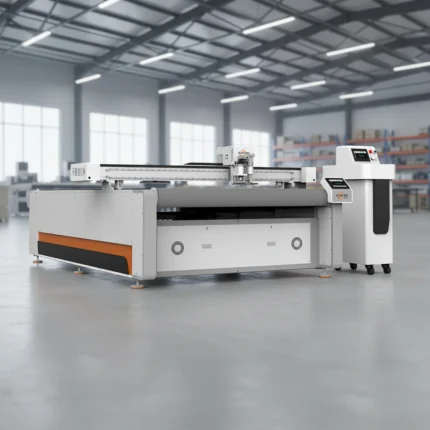
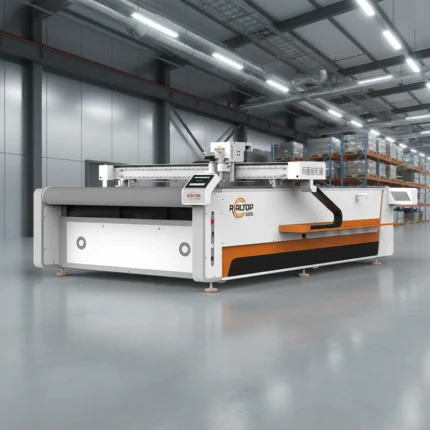
2026 CNC Knife Cutting Machine for Fabric Leather PVC Hot Sale
Product Introduction
2026 Hot Sale CNC Knife Cutting Machine for Fabric, Leather, PVC. Ideal for precise cutting of various materials with advanced CNC technology, perfect for manufacturing needs.
Product Parameters
| Application | Fabric, Leather, PVC |
| Type | CNC Knife Cutting Machine |
| Feature | Precision Cutting |
| Year | 2026 Model |
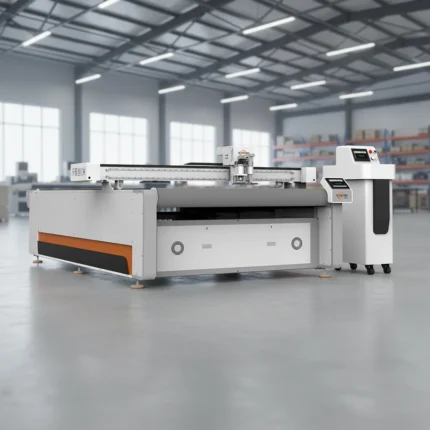
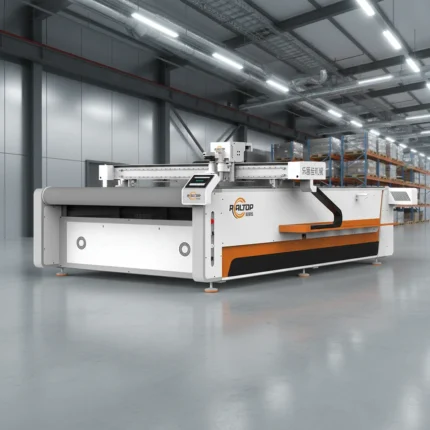
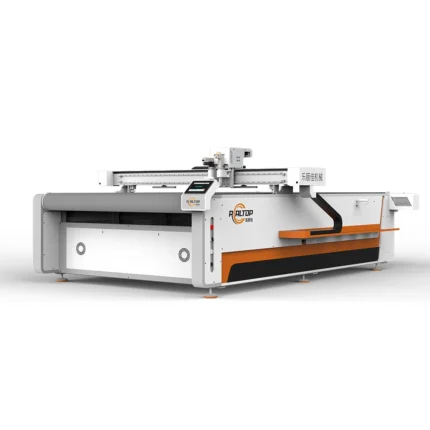
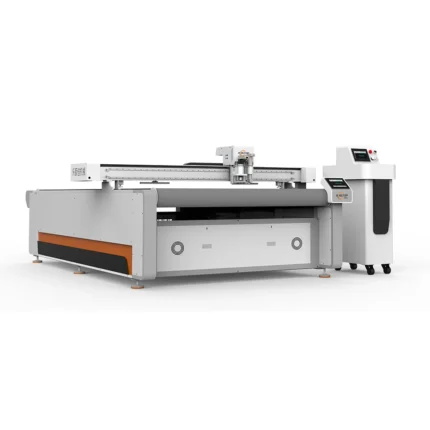
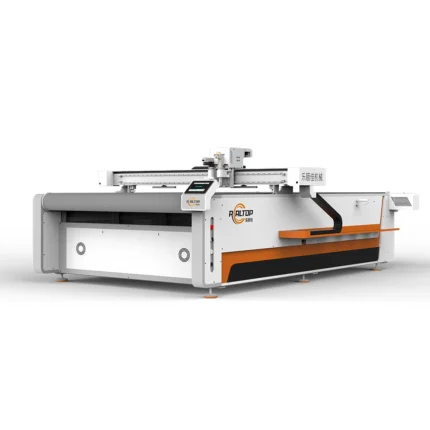
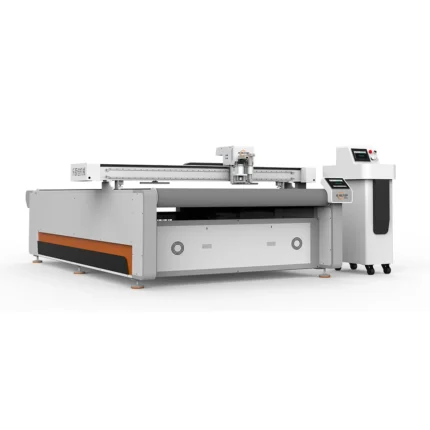
CNC Oscillating Knife Cutting Machine 2026 3000¡Á1600mm High-Speed
Product Parameters
| Model | CNC Oscillating Knife Cutting Machine 2026 |
| Working Area | 3000mm¡Á1600mm |
| Cutting Type | Oscillating Knife |
| Application | Fabric Cutting |
| Feature | High-Speed |
Introduction
High-performance CNC oscillating knife cutting machine with 3000mm¡Á1600mm working area, ideal for high-speed fabric cutting. Precision and efficiency for professional textile processing needs.
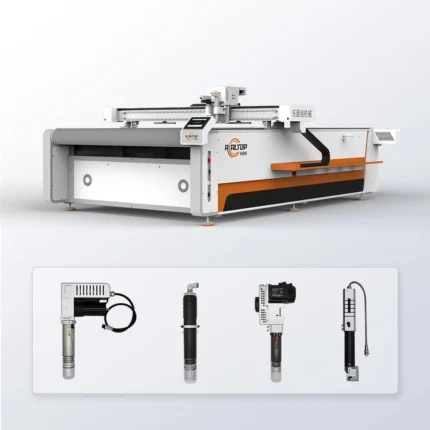
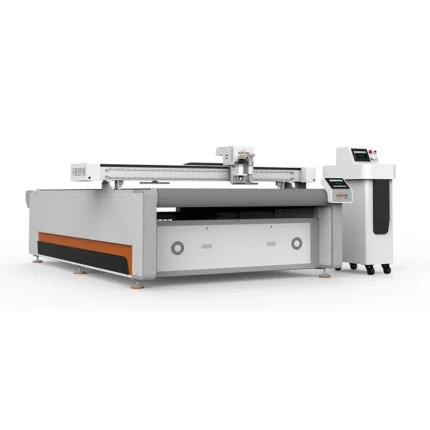
CNC Vibration Knife System 2026 for Polyester Nylon Non-Woven Prepreg
Product Introduction
CNC Vibration Knife System 2026 is ideal for cutting polyester, nylon, non-woven fabrics, and prepreg materials with precision and efficiency, suitable for industrial manufacturing needs.Product Parameters
| Model | 2026 |
| Cutting Technology | CNC Vibration Knife |
| Materials | Polyester, Nylon, Non-Woven, Prepreg |

Electric Fabric Rotary Cutter 2026 12V Auto-Cut Industrial
Product Introduction
Industrial-grade Electric Fabric Rotary Cutter designed for precise cutting of scan-printed cloth. Features 12V auto-cut functionality for efficient, automated operation, ideal for professional textile processing.Product Parameters
| Power Supply | 12V |
| Function | Auto-Cut |
| Application | Scan-Printed Cloth |
| Type | Industrial Electric Rotary Cutter |
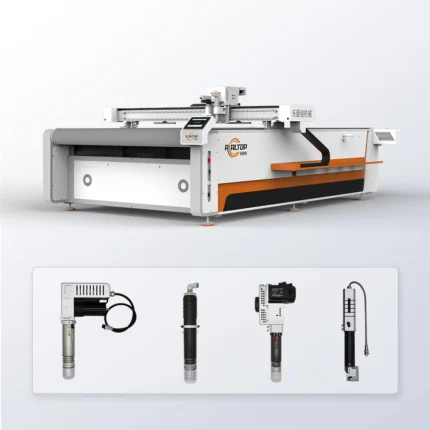
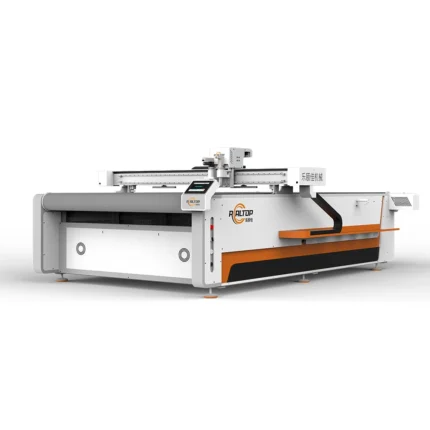
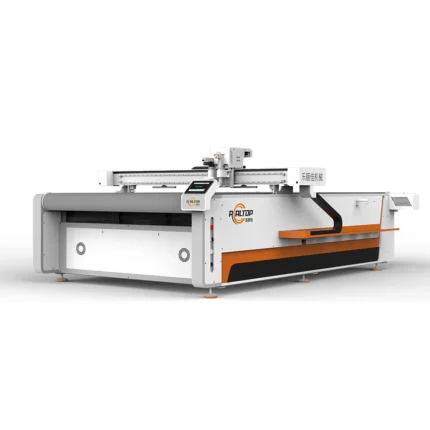
Realtop CNC Fabric Cutting Machine 2026 CE Certified
Product Introduction
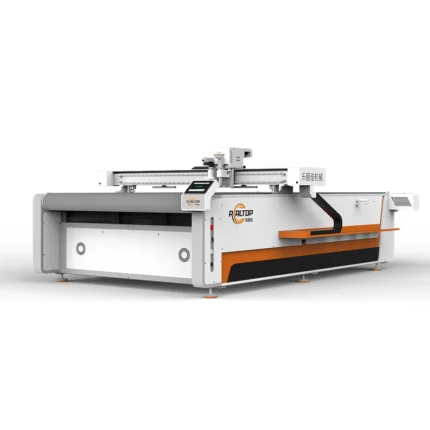
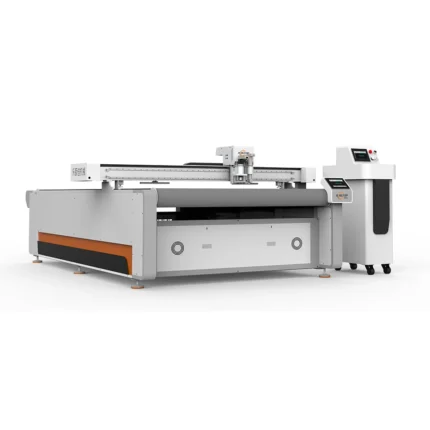
Realtop CNC Fabric Cutting Machine 2026, CE Certified, ideal for precision fabric cutting with advanced CNC technology. Engineered for efficiency and reliability in textile manufacturing processes.Key Specifications
| Model | Realtop CNC Fabric Cutting Machine 2026 |
| Certification | CE Certified |
商品评价
There are no reviews yet.