


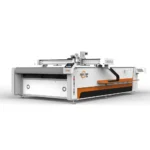
Bedding Cloth CNC Oscillating Knife Cutting Machine – Industrial Application
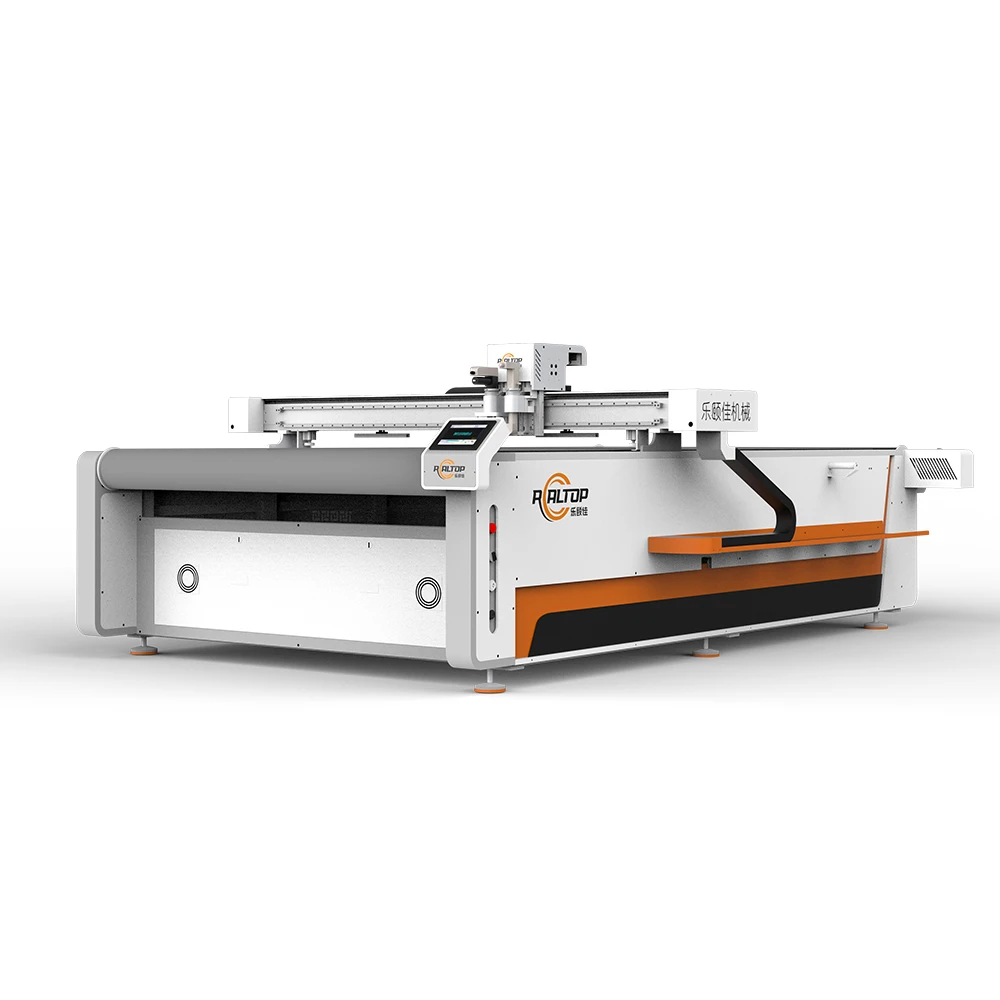
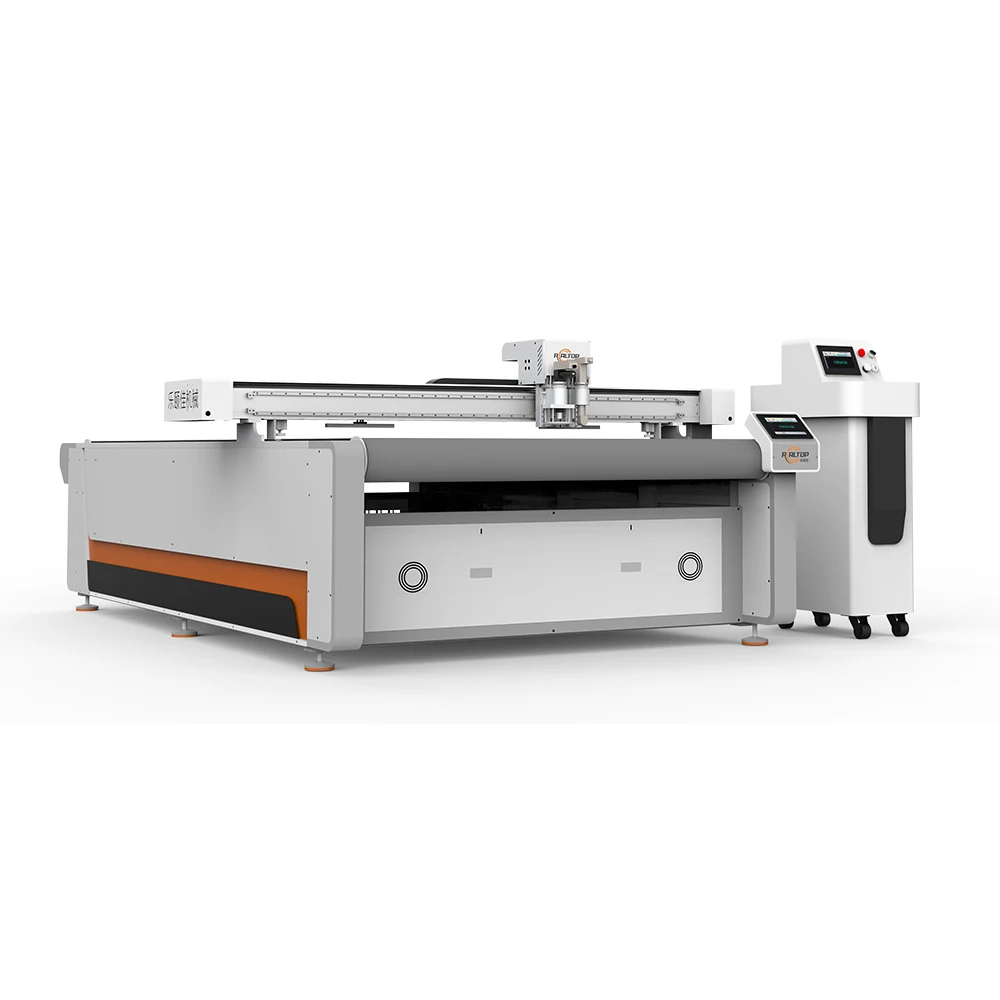
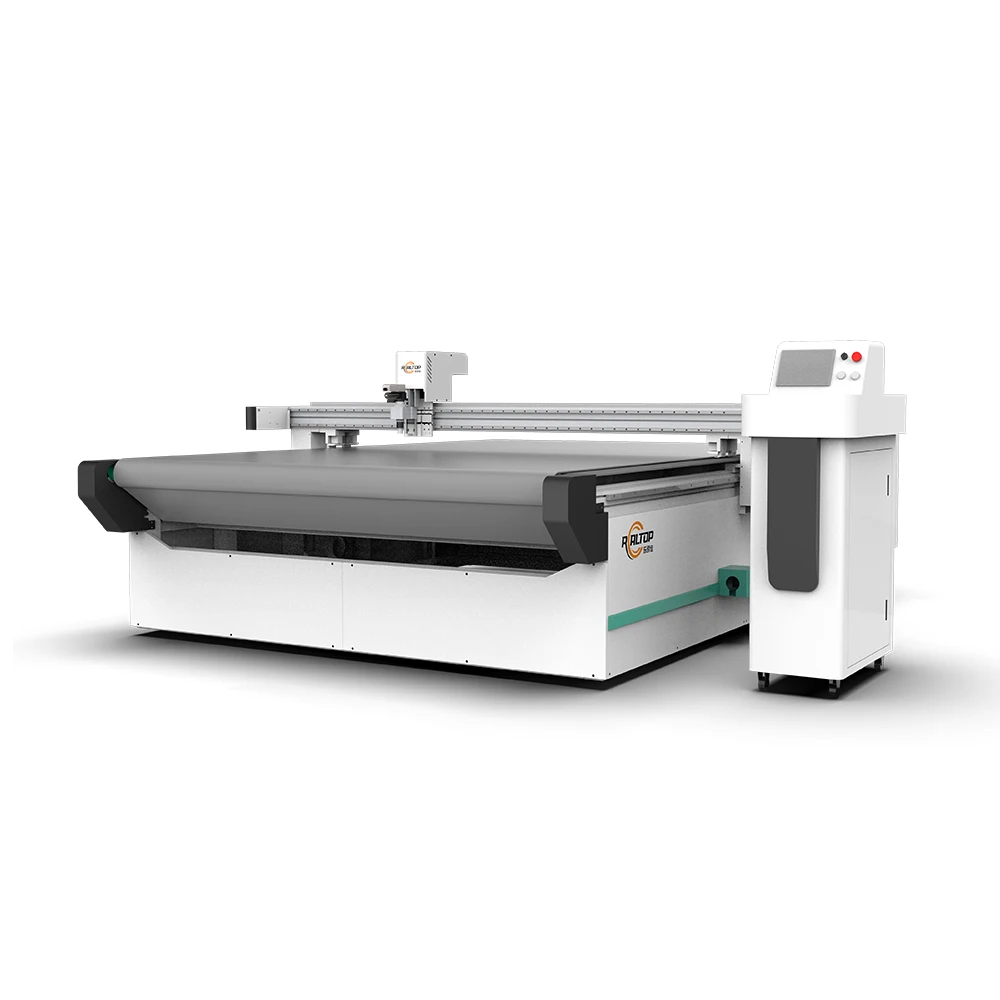
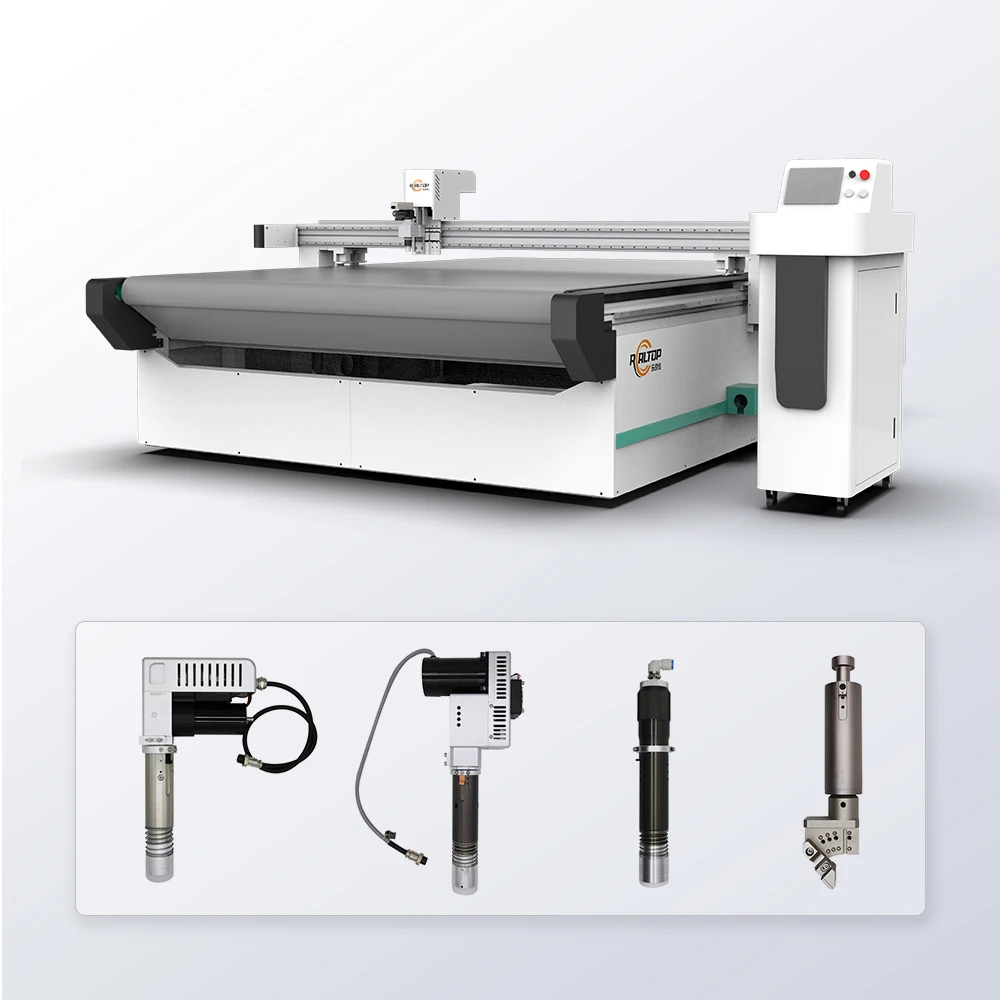
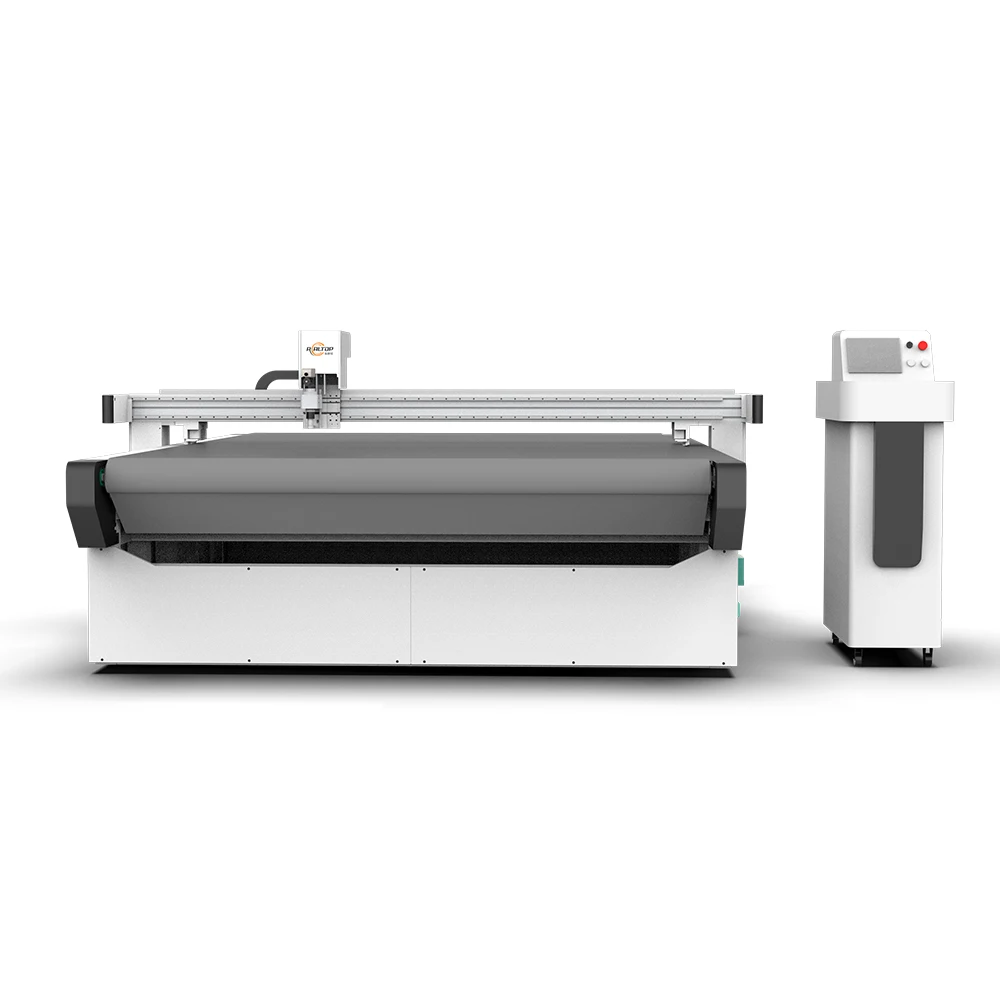
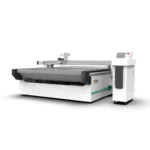
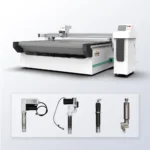
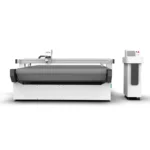
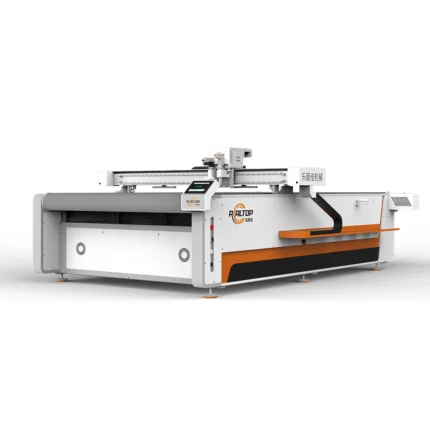
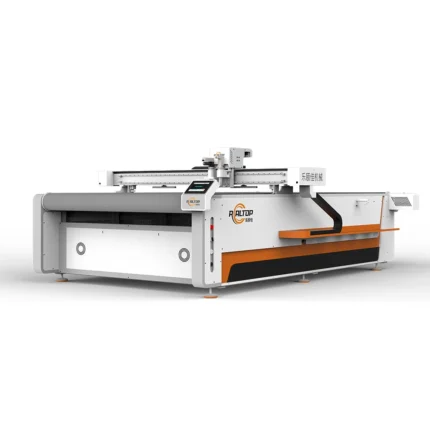
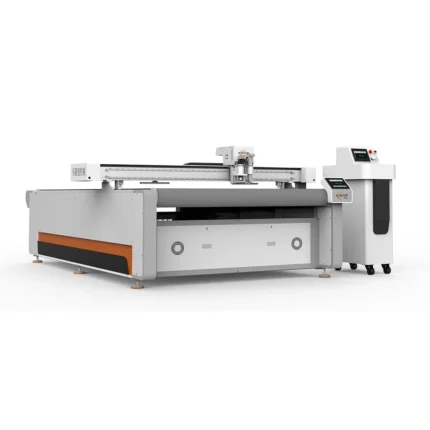
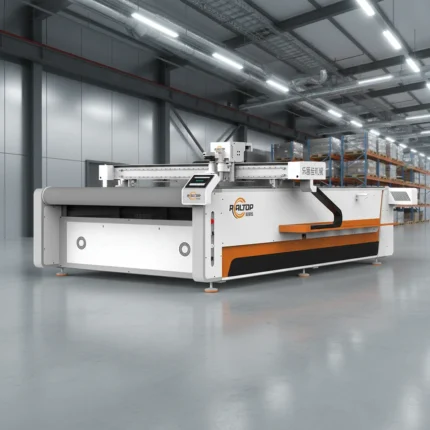
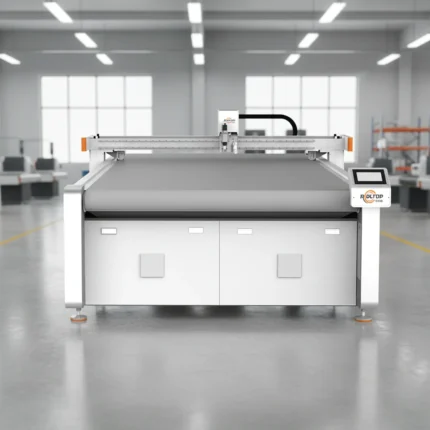
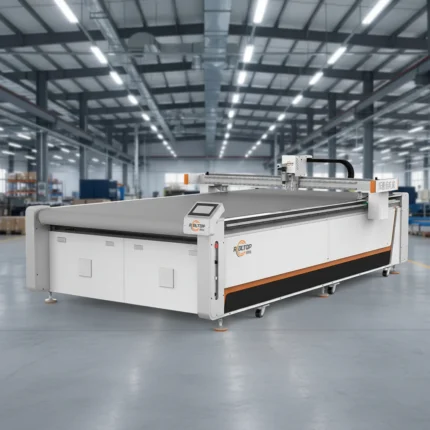
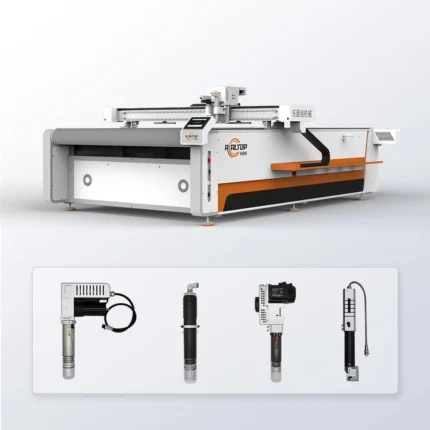
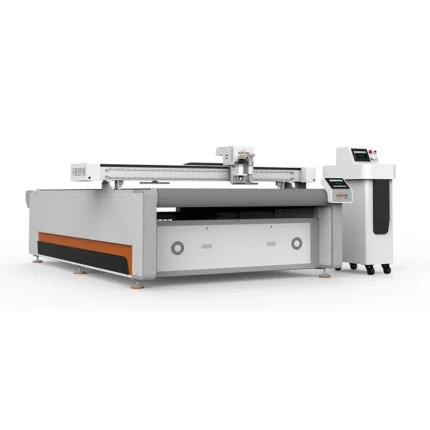
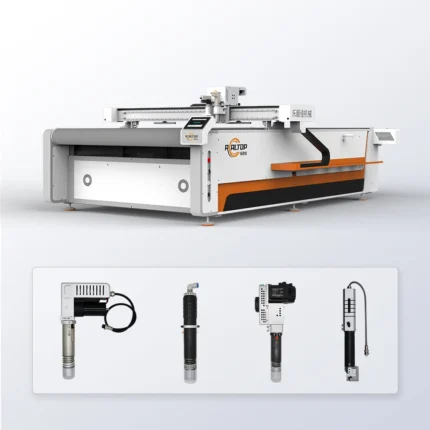
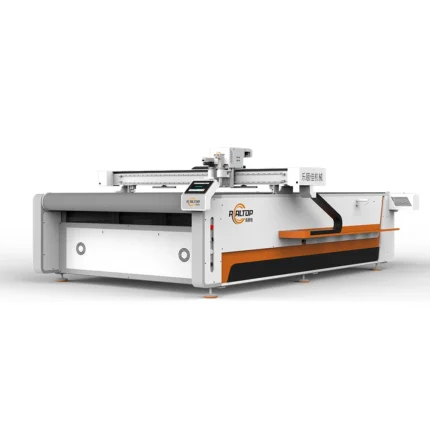
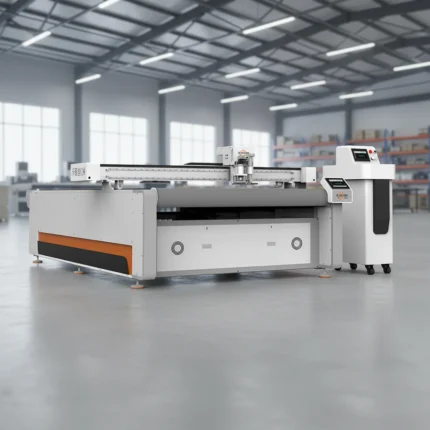
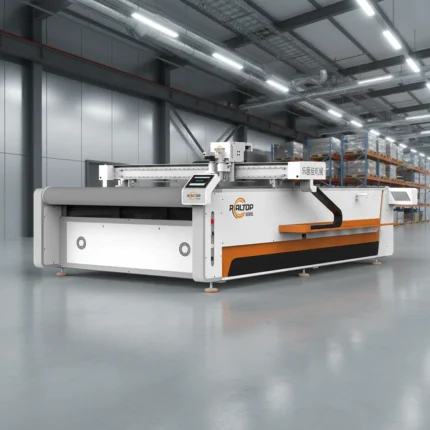
Bedding Cloth CNC Oscillating Knife Cutting Machine, 1600×2500mm Working Area, 0–2000mm/s Speed — configured with oscillating knife, driven rotary knife and creasing wheel tool heads for cold cutting of multi-layer fabric stacks up to 30mm thick. Aluminum bellows vacuum table with high flatness maintains consistent hold-down across the full bed. PLC control supports English, Russian, Italian and custom languages with DXF/AI/PDF file import. ±0.1mm cutting accuracy delivers clean edges without scorching or secondary trimming on textiles.
- Sample cutting on your own material before order commitment, with recorded speed and edge quality
- Tool head and vacuum table configuration matched to your specific fabric type and layer count
- Voltage, plug type and control language confirmed before shipment to match your factory setup
Cold Cutting Precision — In-house knife and laser engineering allows this machine to be specified with the exact tool head your material demands, eliminating the scorching and edge fusion typical when a single-method shop forces fabric through a laser.
Technical Specifications
| Parameter | Value |
|---|---|
| Product Type | CNC Oscillating Knife Cutting Machine |
| Working Area | 1600×2500 mm |
| Tool Head Options | Oscillating knife, Driven rotary knife, Creasing wheel, Kiss cutting tool, Pneumatic knife, Milling tool, V groove knife |
| Cutting Speed | 0–2000 mm/s |
| Cutting Thickness | ≤ 30 mm (basis not stated in source) |
| Cutting Accuracy | ±0.1 mm |
| Vacuum Pump | 9 kW |
| Vacuum Table | Aluminum bellows vacuum table with high flatness and sealing |
| Control System | PLC control panel with optional display languages |
| Voltage Options | 110V / 220V / 380V |
| File Formats Supported | PLT, DXF, AI, PDF |
| Safety Device | Infrared sensor device and emergency stop device |
| Servo Drive Options | Panasonic, Delta, Dorna |
| Multi-layer Capability | Up to 30–50 mm thickness (basis not stated in source) |
| Machine Size | 3300×2100×1350 mm |
Application Suitability
| Application | Material or Output |
|---|---|
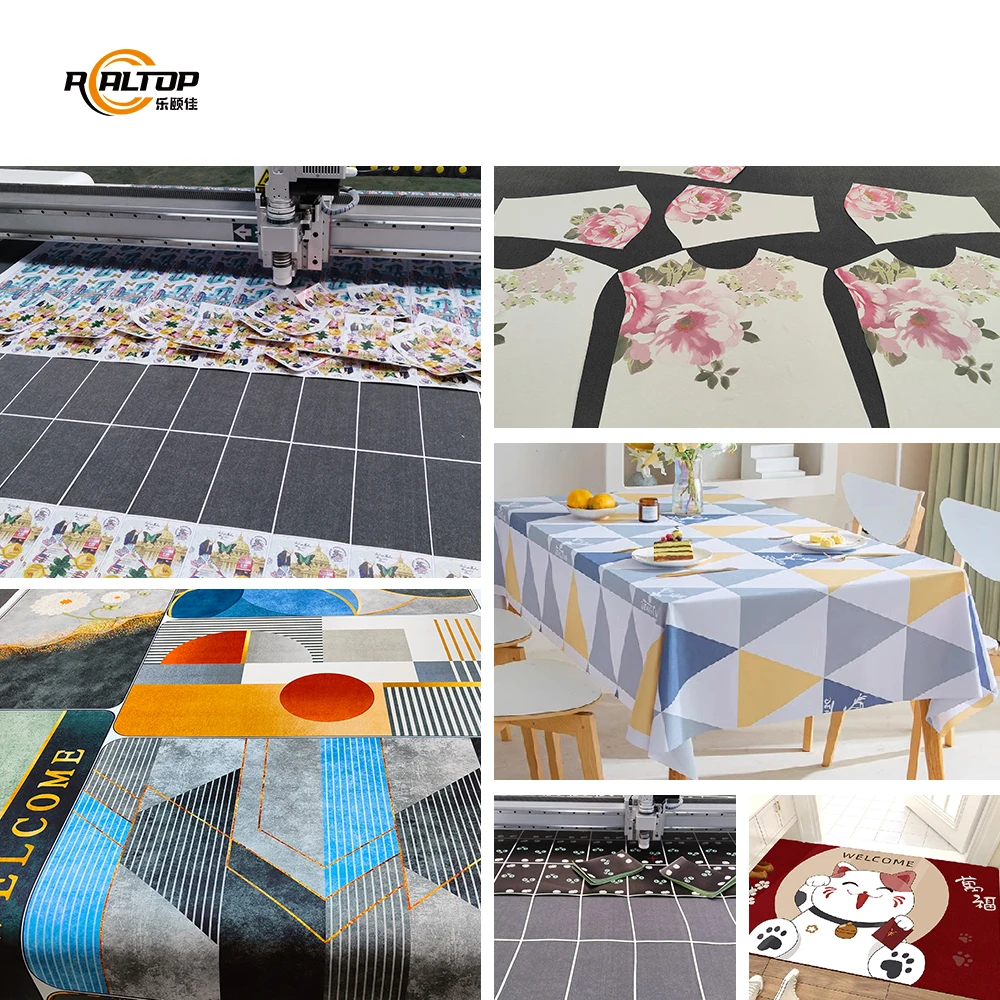
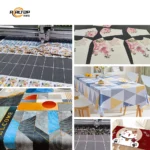
| Apparel manufacturing | Suits, knitwear, lace, complex fabrics with pattern-matching |
| Automotive interiors | Seat fabrics, carpets, PVC mats |
| Home textiles | Sofa fabrics, curtains, rugs with multi-layer cutting |
| Composite processing | Carbon fiber prepreg, aramid, specialty materials without delamination |
When "High-Speed" Cutting Ruins the Edge on Your Textile
Cold knife oscillation prevents the fused edges and thermal discoloration that laser systems produce on synthetics and coated fabrics.
I have seen fabric processors invest in high-wattage CO2 laser cutting and engraving machine manufacturer equipment, only to discover that the heat seals edges on polyester in a way that makes subsequent sewing operations difficult. When cutting multi-layer stacks of automotive seat fabric or home textile materials, the thermal transfer between layers can cause internal fusing that is invisible until the garment is opened on the production floor. A CNC oscillating knife cutting machine operates at ambient temperature, slicing through fiber without melting it, which is critical when downstream processes like stitching or lamination depend on clean, unfused edges [NEED_CITE: thermal effects on synthetic textiles during laser cutting].
Why Cold Knife Technology Replaces Laser for Fabric and Composites
When cutting woven textiles, non-woven materials, or composite prepreg, the mechanical shearing action of an oscillating knife leaves a clean edge without the heat-affected zone that a laser produces. This is particularly important for aramid and carbon fiber materials where thermal degradation compromises structural integrity. The CO2 laser cutting and engraving machine manufacturer market often pushes laser as a universal solution, but cold cutting preserves the material’s original properties and avoids the smoke extraction infrastructure that laser processing demands.
Vacuum Hold-Down and the Small-Part Problem
The aluminum bellows vacuum table is engineered for consistent negative pressure distribution across the full 1600×2500 mm working area. This matters most when cutting small pattern pieces — collar components, gussets, gasket profiles — that have insufficient surface area to resist the lateral force of the knife. The high flatness specification means the material sits without undulation, and the sealing system maintains vacuum integrity even when the cutting path opens a slot through the workpiece [NEED_CITE: vacuum table zoning principles for CNC flatbed cutting].
Reading the Specifications That Actually Matter on the Floor
The ±0.1 mm cutting accuracy is the figure that determines whether pattern-matched fabrics align at the seam during assembly. The 9 kW vacuum pump must be sized to the table area and the permeability of the material being cut; highly porous non-wovens require more airflow to achieve the same hold-down force as coated textiles. The PLC control panel with multi-language support and DXF/AI/PDF/PLT file import means the machine integrates into an existing digital workflow without requiring proprietary CAM software. Servo drive options from Panasonic, Delta, or Dorna allow buyers to match local service availability and parts supply rather than being locked into a single source.
The Hidden Cost of Wrong Tool Head Selection
Selecting an oscillating knife for a material that requires a driven rotary knife results in ragged edges and incomplete cuts through woven composites. Choosing a standard blade for kiss-cutting adhesive-backed vinyl destroys the backing liner and renders the part unusable. When the tool head is wrong, the machine still runs, still cycles, still produces output — but the scrap rate climbs and the floor supervisor spends time troubleshooting instead of producing [NEED_CITE: tool head selection criteria for oscillating knife cutting].
Why This Machine Is Configured Before It Ships
The in-house design team covers both knife and laser cutting platforms, so the cutting method is matched to the material rather than forced into whichever technology the factory happens to produce. Tool head and table configuration are specified per material type and production volume, documented in a configuration list before the order is confirmed. Sample cutting runs on the buyer’s actual roll material before commitment, providing a physical record of edge quality, layer count, and achievable speed. Voltage, plug type, and control language are confirmed in writing before production begins. The software licence and file format compatibility are verified against the buyer’s existing nesting workflow.
Documentation & Verification
- Machine specification sheet with confirmed voltage, plug type, and language before production
- Tool head and table configuration list matched to your material and thickness
- Sample cutting report on your own fabric with recorded speed and edge quality
- Software licence and file format compatibility note for your nesting workflow
- Factory test record documenting vacuum pressure and cutting accuracy at shipment
Installation, Commissioning & Support
- Foundation requirements assessed against the 3300×2100×1350 mm machine footprint and dynamic loads
- Dedicated electrical circuit sized for 9 kW vacuum pump plus servo and control load at confirmed voltage
- Assembly of vacuum table segments and calibration of flatness on-site after delivery
- First-run parameter tuning with your material: knife oscillation frequency, vacuum zoning, and feed speed
- Operator training on tool head changeover between oscillating, rotary, and creasing configurations
- Spare parts list covering blades, knife holders, vacuum seals, and bellows replacement intervals
What to Send With Your Inquiry
Provide the specific fabric type, weight per square meter, and whether you cut single-layer or multi-layer stacks. Confirm the maximum sheet or roll width you load, the daily volume in linear meters or pieces, and the local voltage and frequency at your facility. Specify which file format your nesting software exports and whether you require CCD contour recognition for printed patterns.
Frequently Asked Questions
Q: How do I know if oscillating knife is better than laser for my textile?
A: If your material is synthetic, coated, or a composite that degrades under heat, cold knife cutting avoids fused edges and thermal discoloration. Laser is suited for edge-sealing applications on certain synthetics where a finished border is desired. We run sample cuts on your actual material to compare edge quality before you commit.
Q: What file formats does the control system accept directly?
A: The PLC control system imports PLT, DXF, AI, and PDF files. If your existing nesting or CAD software exports in one of these formats, the path generation is direct. We verify file compatibility during the sample cutting phase to confirm your workflow transfers without additional conversion steps.
Q: Can the vacuum table hold small pattern pieces without lifting?
A: The aluminum bellows table is divided into zones that can be activated independently based on where material is present. Small parts like collar pieces or gussets maintain hold-down because the vacuum is concentrated under the workpiece rather than bleeding across the entire bed surface.
Q: What voltage and language options are confirmed before shipment?
A: Voltage is configurable for 110V, 220V, or 380V systems, and the control panel supports English, Russian, Italian, Chinese, or custom language configurations. These are confirmed in writing with your order documentation before production begins, so the machine arrives ready for your facility’s electrical supply and operator language.
Q: How is cutting speed validated for multi-layer fabric stacks?
A: Sample cutting is performed on your material in the layer count and thickness you specify. The resulting report records the cutting speed achieved, edge quality across all layers, and whether the knife tool head selected is appropriate for the stack density, giving you a production baseline before the machine ships.


Related products
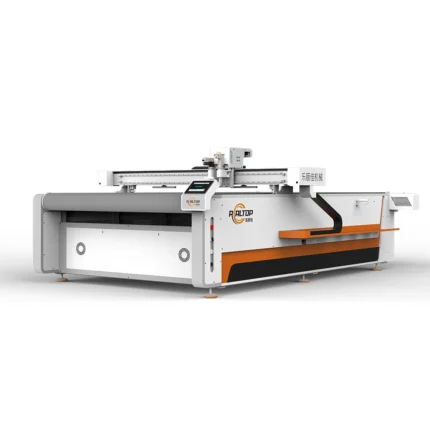
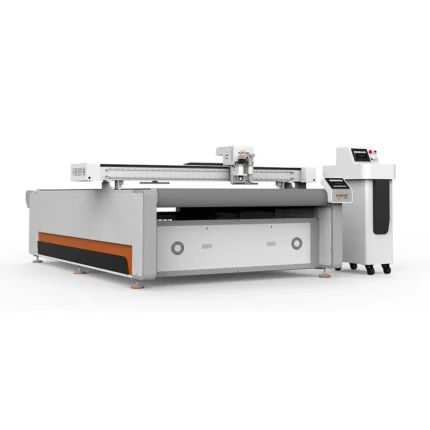
2026 Auto CNC Cloth Cutting Machine High-Precision Fabric Leather Plotter
Product Introduction
2026 Auto CNC Cloth Cutting Machine, a high-precision fabric & leather plotter designed for efficient cutting. Ideal for textile and leather industries with advanced CNC technology.
Key Specifications
| Model | Auto CNC Cloth Cutting Machine 2026 |
| Application | Fabric & Leather |
| Precision | High-Precision Cutting |
| Type | CNC Plotter |
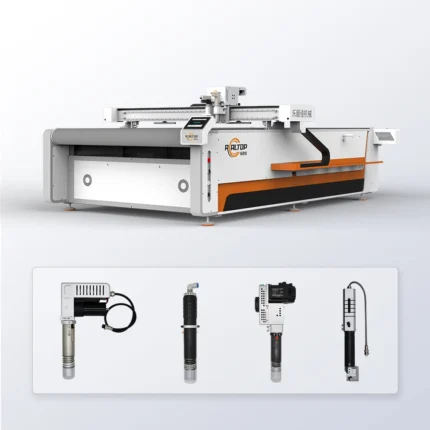
2026 Automatic PVC Tarpaulin Cutter Machine
Product Introduction
High-performance Automatic PVC Tarpaulin Cutter Machine 2026, ideal for precise and efficient cutting of PVC tarpaulin materials, designed for industrial manufacturing needs with reliable operation and user-friendly control.Product Parameters
| Model | 2026 |
| Type | Automatic PVC Tarpaulin Cutter |
| Application | PVC Tarpaulin Cutting |
| Feature | Precise & Efficient Cutting |
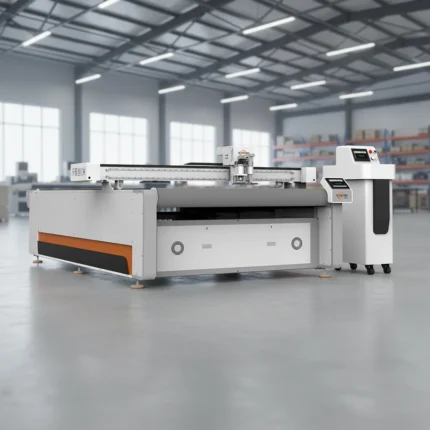
Automatic Multi-Layer Vibrating Knife Cutter 2026
Product Introduction
Automatic Multi-Layer Vibrating Knife Cutter 2026, ideal for precise cutting of various materials with multi-layer processing capability, enhancing production efficiency.
Key Specifications
| Type | Automatic Vibrating Knife Cutter |
| Layer Capacity | Multi-Layer |
| Model | 2026 |
| Function | Precision Cutting |
CNC Vibration Knife System 2026 for Polyester Nylon Non-Woven Prepreg
Product Introduction
CNC Vibration Knife System 2026 is ideal for cutting polyester, nylon, non-woven fabrics, and prepreg materials with precision and efficiency, suitable for industrial manufacturing needs.Product Parameters
| Model | 2026 |
| Cutting Technology | CNC Vibration Knife |
| Materials | Polyester, Nylon, Non-Woven, Prepreg |
High Speed Fabric Cutting Machine 2026 Round Oscillating Knife
Product Overview
High Speed Fabric Cutting Machine 2026 with round and oscillating knife for efficient fabric cutting. Ideal for textile manufacturing and related industries.Key Specifications
| Cutting Type | Round & Oscillating Knife |
| Model Year | 2026 |
| Application | Fabric Cutting |
| Feature | High Speed Performance |
商品评价
There are no reviews yet.