

Blog
UV Laser Marker Bonded Warehouse Austria: OEM Supplier

UV Laser Marker Bonded Warehouse Austria: OEM Supplier
Most importers assume a bonded warehouse bypasses compliance checks; in reality, it intensifies document verification for non-EU origin OEM goods.
Using Austrian bonded warehouses for re-exporting Chinese OEM UV laser markers requires strict alignment between physical labeling and CE technical files to prevent customs detention. The primary risk is not the tax status of the goods, but the discrepancy between the manufacturer name on the Declaration of Conformity and the private label on the machine chassis.
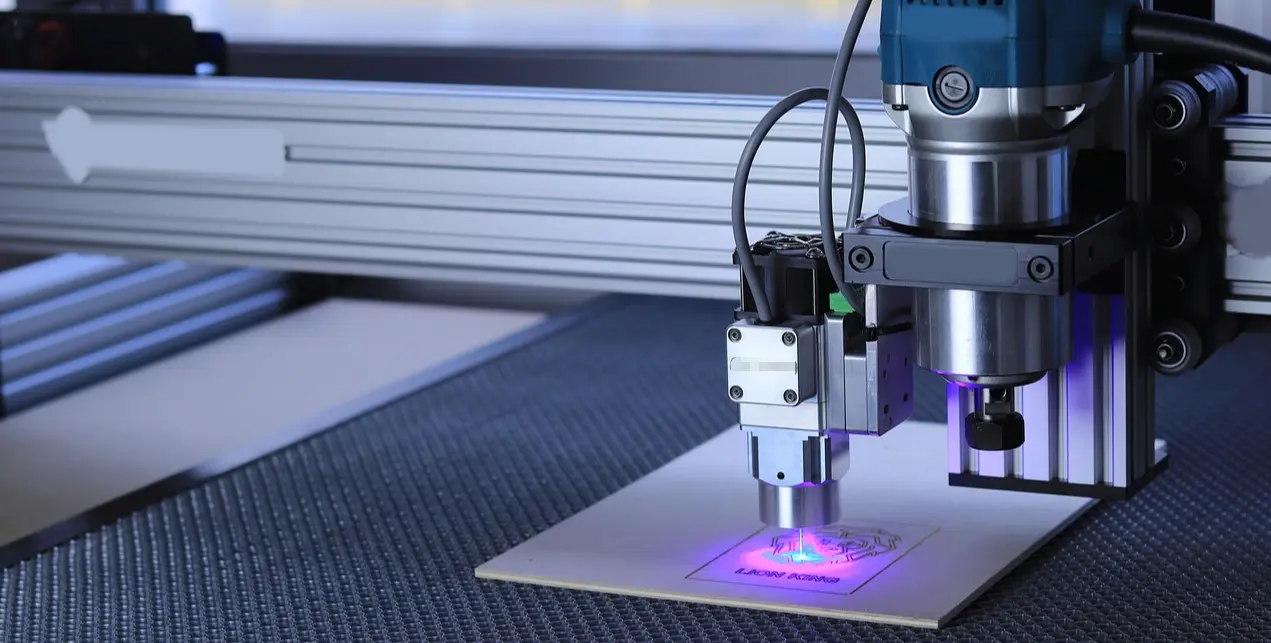
I still remember the silence on the phone line from Riyadh. A packaging firm I had been advising for years was waiting for a shipment of ultraviolet laser marking systems intended for their new production line in Jeddah. The goods had arrived in Vienna, sitting in a bonded zone, supposedly safe from immediate duty payments and ready for quick transshipment. Instead, they were stuck. The Austrian customs authorities had flagged the shipment because the CE certificate listed a Jinan-based manufacturer, while the machines bore a different brand name requested by the buyer. There was no visible link between the two entities in the documentation provided. For three weeks, the equipment sat idle, accruing storage fees and delaying the client’s project launch. That incident shifted my focus entirely. Moving from the buyer side to supporting manufacturers, I realized that logistics efficiency means nothing if the regulatory foundation is cracked. [NEED_CITE: EU Customs Code regulations on intellectual property and conformity assessment]
The strategic value of using Central Europe as a hub for Middle East and North African distribution is undeniable. Austria offers a stable logistical gateway with robust infrastructure. However, when you introduce the complexity of Original Equipment Manufacturer arrangements, the standard clearance procedures become a minefield. This guide breaks down how to navigate these waters without letting your inventory gather dust in a Vienna warehouse.
Why Choose an Austrian Bonded Warehouse for Laser Imports?
Austrian bonded warehouses offer tax deferral benefits and strategic positioning for Middle East re-export, but they do not exempt non-EU origin OEM goods from rigorous document verification.
The appeal of a bonded warehouse is financial and logistical. You defer import duties and VAT until the goods leave the European Union for their final destination. For a distributor in Dubai or Doha, this allows for consolidated shipments and better cash flow management. However, many buyers operate under the misconception that "bonded" means "unchecked." This is a dangerous assumption. [NEED_CITE: Austrian Customs Authority guidelines on bonded warehouse procedures]
In practice, customs officers in bonded zones are often more meticulous because the goods are entering a controlled area without immediate duty payment. They need to ensure that what enters can legally leave and that all intellectual property and safety standards are met before the goods are released into the free circulation of the EU or re-exported. For a Bonded Warehouse Austria UV Laser Marker shipment, this means every piece of paper must match every screw on the machine.
I have seen distributors attempt to use these hubs to simply "park" goods while they finalize local certifications in their home countries. This strategy fails when the initial entry documentation is incomplete. The warehouse operator is liable for the goods under customs supervision, so they will not accept cargo that lacks clear provenance and compliance evidence. The key is to treat the bonded warehouse entry as a full import declaration, even if no duty is paid immediately.
What Are the Critical CE Compliance Risks for OEM Units?
Mismatched branding on technical files is the primary cause of detention for OEM laser equipment in European transit hubs.
The most common pitfall involves the CE mark. Many suppliers believe that providing a generic CE certificate from the factory is sufficient. This is incorrect. When a machine is sold under a private label, the Declaration of Conformity must reflect that reality. If the certificate lists "Realtop Machinery" as the manufacturer, but the machine plate says "Desert Tech Solutions," customs will view this as a discrepancy. [NEED_CITE: ISO 9001 quality standards regarding traceability and labeling]
Consider the case of a Dubai printing house that imported several units of UV laser markers. They had arranged for the machines to be branded with their own logo. However, they failed to provide a Declaration of Conformity that explicitly covered the "private label" arrangement. The technical file still referenced the original Chinese manufacturer exclusively. When the goods reached the bonded zone, the authorities could not verify who was responsible for the compliance of the branded unit. The result was a refusal of entry and a costly return shipment.
For a Bonded Warehouse Austria UV Laser Marker transaction, the technical file must include:
- The exact brand name and model number as it appears on the machine.
- The name and address of the entity taking responsibility for the CE mark (often the importer or the OEM partner).
- A clear statement linking the original manufacturer to the private label brand, if applicable.
Without this alignment, the CE mark is considered invalid. It is not enough to have a valid certificate for the base model; the specific configuration and branding must be documented. This level of detail is often overlooked in standard OEM agreements, leading to significant delays.
How to Prepare Documentation for Smooth Clearance?
Ensure the Declaration of Conformity matches the private label exactly, and pre-verify the HS code and OEM agreement before shipment arrival.
Preparation is the only way to avoid the bottlenecks described above. The process begins long before the container leaves the port in Qingdao or Shanghai. You must establish a clear chain of documentation that connects the physical product to its legal compliance status.
First, verify the HS code. UV laser markers typically fall under heading 8456.11 or similar categories depending on the specific technology and application. Misclassification can lead to additional inspections. [NEED_CITE: Harmonized System nomenclature for laser processing machines]
Second, prepare the OEM authorization documents. If you are distributing under your own brand, you need a letter of authorization from the manufacturer stating that they produce the goods for you and that the technical files support your branding. This document should be included in the commercial invoice package.
Third, conduct a pre-audit of the CE file. Check that the manufacturer’s name on the certificate matches the name on the commercial invoice, or that there is a clear explanatory note linking them. In one successful case, a Qatar distributor avoided weeks of delay by submitting a pre-verified OEM agreement and HS code classification to the bonded warehouse operator before the ship arrived. This proactive approach allowed for clearance within three to five days, compared to the typical three-week delay seen in disputed cases.
When working with a reliable partner like Realtop Machinery, these documentation packages are prepared with global distribution in mind. The experience of handling numerous international shipments means that the technical files are structured to withstand scrutiny in hubs like Vienna. This attention to detail ensures that the Bonded Warehouse Austria UV Laser Marker shipment moves through the system without unnecessary friction.
What Happens If Goods Are Detained in the Bonded Zone?
Detention leads to escalating storage costs, potential return shipments, and damaged client relationships, making preventive compliance far cheaper than corrective action.
If your goods are detained, the clock starts ticking. Bonded warehouses charge daily storage fees, which can accumulate rapidly. More importantly, the uncertainty damages your reputation with end-users. A Saudi packaging firm once faced a situation where goods were held for over twenty days due to a mismatched manufacturer name on the CE certificate versus the commercial invoice. By the time the issue was resolved, the client had lost confidence in the supply chain reliability.
Corrective actions in a bonded zone are complex. You may need to submit amended documents, which requires coordination between the supplier in China, the freight forwarder, and the customs broker in Austria. In some cases, physical inspection of the goods is required to verify labels, adding further delay. If the compliance issue cannot be resolved, the goods may need to be re-exported to a non-EU country or returned to China, incurring double shipping costs.
The financial impact is not just in fees. It is in the opportunity cost of delayed projects and the administrative burden of resolving the dispute. For a Bonded Warehouse Austria UV Laser Marker importer, the cost of getting the documentation right upfront is negligible compared to the potential losses from detention.
Conclusion
Compliance is not a bureaucratic hurdle; it is the foundation of reliable international trade.
Importing OEM UV laser markers through Austrian bonded warehouses offers significant logistical advantages, but only if the regulatory framework is respected. The key to success lies in the meticulous alignment of physical labeling with CE technical files. By treating documentation with the same seriousness as the hardware itself, distributors can ensure smooth transit and maintain the trust of their clients in the Middle East and beyond.

