

Blog
What should be the company annual maintenance budget for fabric cutting equipment?

What should be the company annual maintenance budget for fabric cutting equipment?
For new equipment buyers, the biggest surprise isn't the machine purchase price—it's discovering your actual maintenance budget should be three times what you initially planned. Most first-time buyers assume maintenance means occasional repairs, missing the consumables, preventive service, and workload factors that drive 60-80% of real annual costs.
Your annual fabric cutting equipment maintenance budget should equal: (consumable unit costs × your replacement frequency based on actual production hours) + scheduled preventive service + 15-20% emergency repair buffer. Budget calculations based on equipment price percentages ignore production intensity, creating dangerous financial gaps between planned and actual spending.
I work with manufacturing managers after they've purchased their first CNC fabric cutter. The conversations often start the same way: "We budgeted for repairs, but our finance team is questioning these monthly expenses." Understanding real maintenance costs before purchase prevents these uncomfortable discussions.
Why does maintenance cost vary so much between similar machines?
New buyers expect similar machines to have similar maintenance costs. Finance teams approve budgets based on equipment price percentages. Then production starts, and actual spending doesn't match projections.
Maintenance cost variance comes from three structural factors: your production intensity, your specific equipment model's consumable design, and your maintenance approach (reactive repairs vs. preventive scheduling). Two identical machines running different shift patterns can have 200-300% different annual consumable costs.
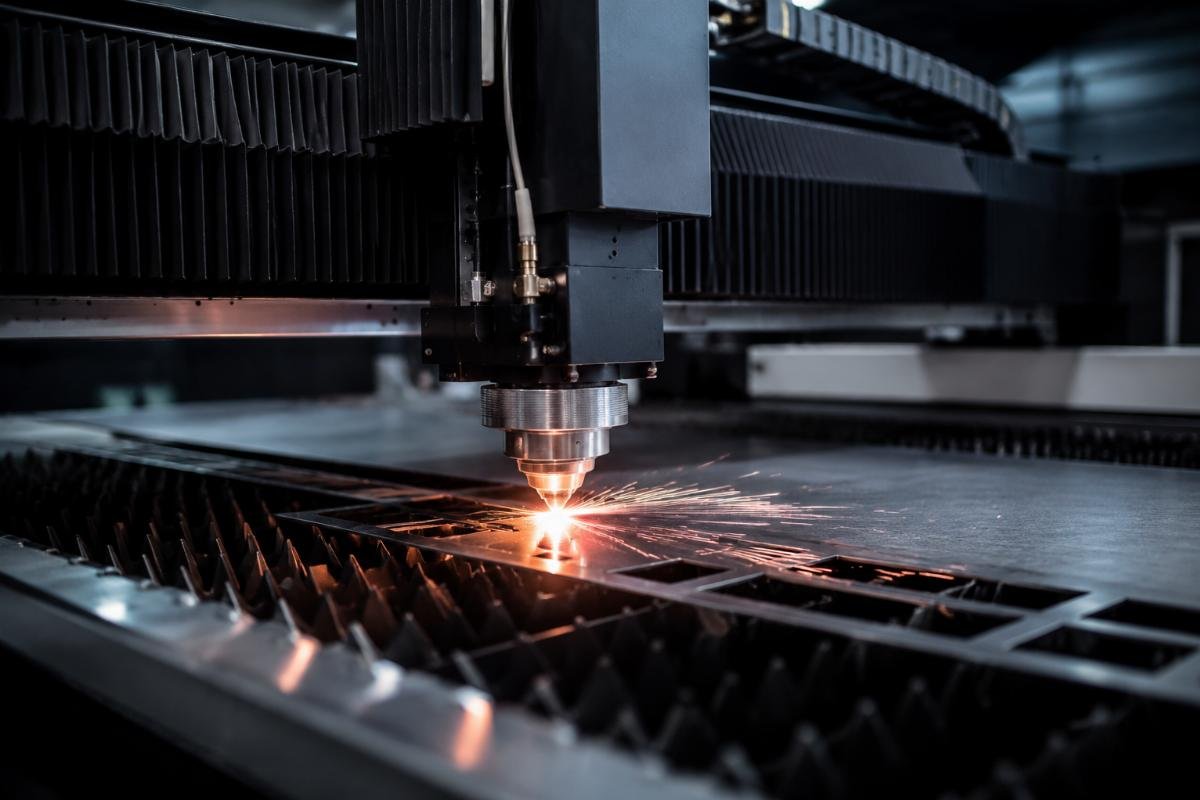
Production intensity drives consumable replacement frequency. A machine running single eight-hour shifts replaces blades every three months. The same machine running continuous production replaces blades monthly. Your maintenance budget must reflect your actual production schedule, not industry averages.
Equipment model differences create cost structure variations even within the same manufacturer's product line. I see this in customer data constantly. A servo motor-driven cutting head costs more upfront but uses fewer belts annually. A mechanical belt system costs less initially but requires belt replacement every four months under heavy use. Different cutting head designs use different blade types with different replacement costs.
Your maintenance approach determines whether you're paying for scheduled consumable replacement or emergency production stops. Preventive maintenance costs more in parts annually but eliminates premium rush shipping fees and production downtime costs. Reactive maintenance appears cheaper in maintenance line items until you account for lost production revenue.
What are the actual cost components in annual maintenance budgets?
Most first-time buyers think maintenance means repair fees. Here's what maintenance actually includes:
| Cost Component | Typical Annual Frequency | Cost Driver |
|---|---|---|
| Cutting blades | 4-12 replacements | Material type, production hours |
| Drive belts | 2-4 replacements | Belt design, motor type |
| Lubrication supplies | Monthly | Machine design, environmental conditions |
| Software updates | 1-2 per year | Manufacturer support model |
| Preventive service | Quarterly | Service contract terms |
| Calibration | 2-4 times yearly | Cutting precision requirements |
| Emergency repairs | Variable | Equipment age, maintenance history |
Cutting blades represent 30-40% of consumable costs for most customers. Blade replacement frequency depends on material hardness and production volume. Customers cutting canvas eight hours daily replace blades every six weeks. Customers cutting synthetic leather in continuous shifts replace blades every three weeks. Blade unit costs range from $50-200 depending on blade type and cutting head design.
Drive belts and motor components constitute another 20-30% of annual consumable spending. Belt configuration varies significantly between equipment models. Some machines use single drive belts requiring replacement twice yearly. Others use multi-belt systems needing quarterly replacement. Motor bearing wear depends on machine design and environmental dust control.
Lubrication and routine maintenance supplies add 10-15% annually. This includes lubricants, cleaning supplies, and minor replacement parts like springs and fasteners. Environmental factors matter here—dusty production environments require more frequent cleaning and lubrication cycles.
Software updates and technical service create ongoing costs many buyers don't anticipate. Some manufacturers include updates in purchase price. Others charge annual software support fees ranging from $500-2000. Remote diagnostic support may require separate service contracts.
Preventive service scheduling typically costs 15-25% of annual maintenance budgets. This includes technician visits for calibration, alignment checks, and scheduled part replacement before failure. Customers who skip preventive service to save money typically spend more on emergency repairs within 18 months.
Emergency repair budgets should represent 15-20% of total maintenance allocation. Even well-maintained equipment experiences unexpected component failures. Having budget allocated prevents production delays while waiting for finance approval on urgent repairs.
How do I calculate maintenance budget for my specific production needs?
Industry percentage formulas don't work because they ignore your production variables. Budget calculations must start with your actual production schedule and work backward through component wear rates.
Calculate your maintenance budget using this formula: [(blade cost × annual replacement frequency) + (belt cost × replacement frequency) + (lubrication supplies × 12 months) + (preventive service visits × 4 quarters) + (software support annual fee)] + 20% emergency buffer. Replace generic frequencies with your actual production hour estimates.
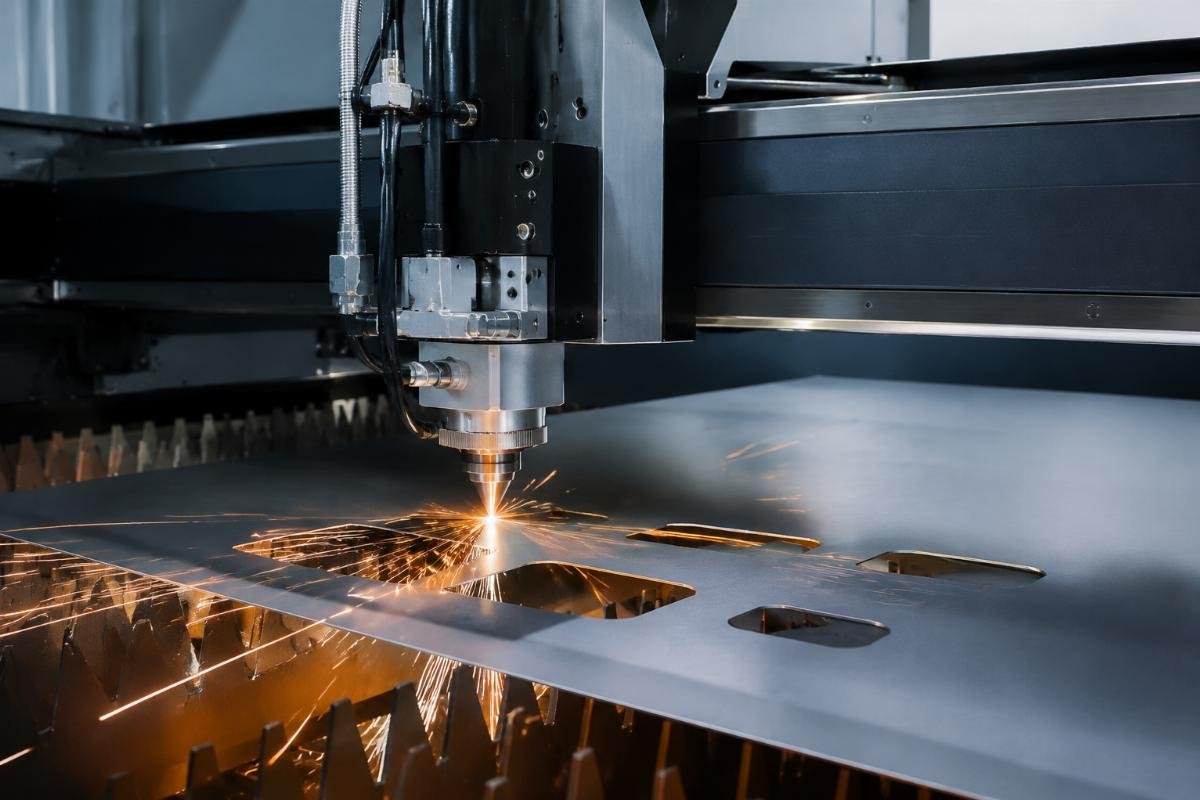
Start with your production intensity. Count planned production hours weekly, then multiply by 50 weeks (accounting for holidays and maintenance windows). This gives annual production hours. Single shift operations run approximately 2000 hours annually. Two-shift operations run 4000 hours. Continuous operations approach 6000-7000 hours.
Match production hours to consumable replacement rates. Equipment manufacturers provide recommended replacement intervals based on operating hours, not calendar time. A blade rated for 500 operating hours lasts six months in single-shift production but only ten weeks in continuous operation. This creates the 200-300% cost variance between operations.
Get specific equipment consumable costs from your equipment supplier. Request blade unit costs, belt replacement costs, and recommended lubrication supplies for your production environment. Don't accept "typical maintenance is 5% of equipment cost" answers. You need actual part costs and replacement frequencies for your specific model.
Calculate preventive service costs based on manufacturer recommendations. Most equipment requires quarterly calibration and inspection visits. Some customers handle basic preventive maintenance in-house after training. Others prefer manufacturer service contracts covering all preventive work. Service visit costs range from $500-1500 depending on travel distance and service scope.
Add software and technical support annual fees. If your equipment includes proprietary software, confirm whether updates are included or require separate annual licensing. Remote diagnostic support may cost $800-2000 annually but reduces emergency service call expenses.
Apply the 20% emergency repair buffer to your total calculated costs. This buffer covers unexpected component failures without requiring emergency budget approvals that delay repairs and extend production downtime. Customers who skip this buffer end up submitting urgent budget requests that create finance team friction.
What mistakes do buyers make when estimating maintenance budgets?
I see the same budget estimation errors across different customers. Understanding these mistakes helps you avoid them.
Using equipment purchase price percentages ignores production intensity. A $50,000 machine running single shifts might cost $4,000 annually to maintain. The same machine running continuous production costs $12,000 annually. Both use "8% of purchase price" formulas, but one significantly underbudgets.
Conflating "repair costs" with "total maintenance" misses 60-80% of actual spending. Repair costs only cover broken components. Total maintenance includes consumables, preventive service, software support, and calibration—all required for normal operation, not just failure responses.
Assuming all equipment models have similar maintenance costs creates budget gaps. Two cutting machines with the same cutting area and similar purchase prices can have 40-60% different annual consumable costs based on cutting head design, blade type, and belt configuration. Budget by specific model, not by equipment category.
Planning maintenance as annual lump sum instead of monthly allocation creates cash flow problems. Maintenance expenses occur monthly (consumables) and quarterly (preventive service). Budgeting $12,000 annually without monthly allocation means scrambling for approval every time you need routine blade replacement.
Skipping preventive maintenance to reduce costs backfires within 12-18 months. Preventive service costs more in scheduled parts replacement but prevents expensive component failures and production downtime. The "savings" from skipping quarterly calibration disappears when you're paying premium freight charges for rush replacement parts.
What about different fabric cutting equipment models?
Equipment model differences significantly impact maintenance budget calculations. Understanding these differences prevents budget surprises after purchase.
Maintenance costs vary 40-60% between equipment models even from the same manufacturer because of cutting head design, drive system configuration, and automation level. Budget calculations must use your specific model's consumable specifications and replacement intervals, not product line averages.
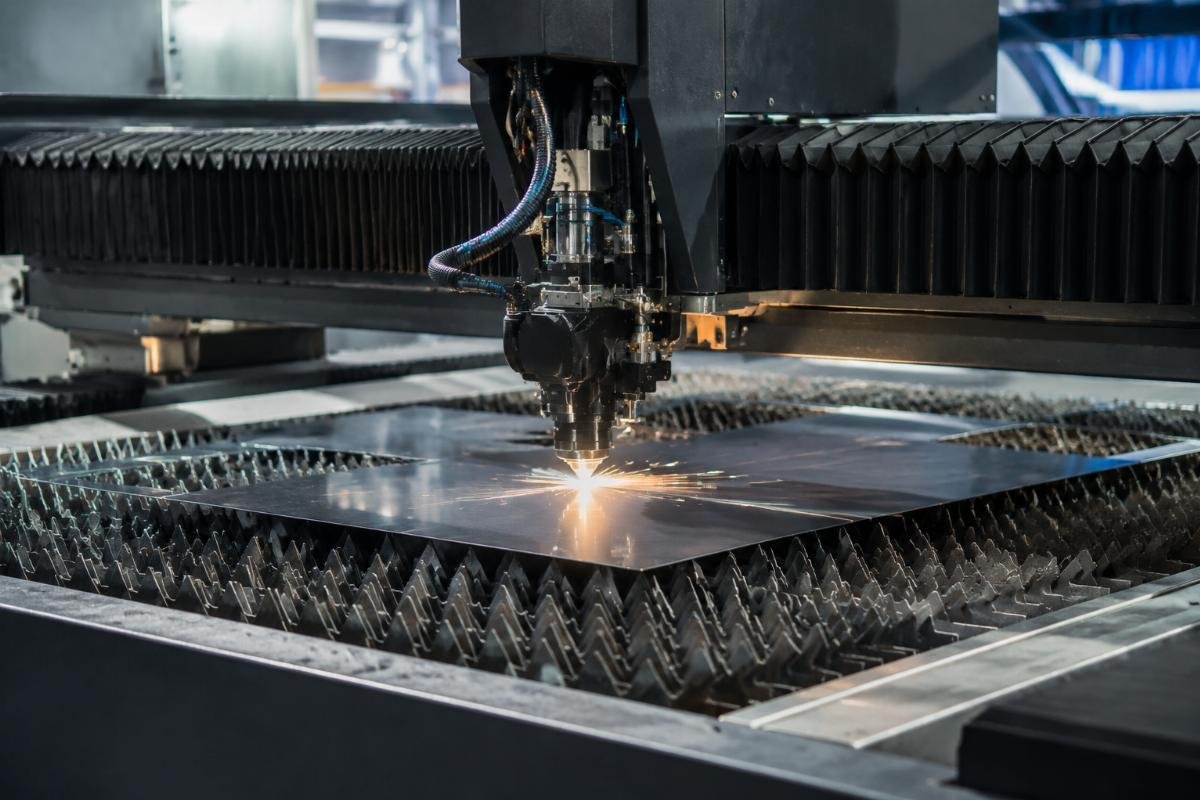
Cutting head design determines blade replacement costs and frequency. Rotary blade systems use different blades than reciprocating knife systems. Some cutting heads use proprietary blades costing $150-200 per replacement. Others use standard blades costing $50-75. Blade wear rates differ between cutting head types based on cutting mechanism and material contact patterns.
Drive system configuration affects belt and motor maintenance costs. Servo motor systems cost more initially but require less frequent belt replacement and consume fewer motor components annually. Mechanical belt-drive systems cost less upfront but need belt replacement every 1000-1500 operating hours. Motor bearing replacement frequency varies between system types.
Automation level changes maintenance complexity and cost structure. Fully automated loading systems require additional pneumatic components, sensors, and control systems needing periodic maintenance. Manual loading systems eliminate these maintenance requirements but increase labor costs. Your maintenance budget must match your equipment's actual automation configuration.
Machine size and cutting area affect some consumable costs. Larger cutting areas use longer belts requiring more frequent replacement. Gantry systems spanning wider cutting beds experience more mechanical stress. However, size impact on maintenance costs is smaller than production intensity impact—a small machine running continuously costs more to maintain than a large machine running single shifts.
Equipment age matters but not how buyers expect. Newer equipment doesn't necessarily cost less to maintain. Initial break-in periods often require more frequent calibration and adjustment. Established equipment with predictable wear patterns can have more stable maintenance costs. However, equipment beyond manufacturer support windows faces higher emergency repair costs when components fail.
How do production shifts change maintenance budget requirements?
Production intensity is the largest maintenance cost variable most buyers underestimate. Shift patterns determine consumable replacement frequency and drive actual annual spending.
Single-shift operations (8 hours daily, 5 days weekly) generate approximately 2000 annual production hours. At this intensity, customers typically replace blades quarterly, belts semi-annually, and schedule preventive maintenance every 500 operating hours. Annual maintenance costs for single-shift operation generally range from $3,500-6,000 depending on equipment model.
Two-shift operations (16 hours daily) double production hours to approximately 4000 annually. Consumable replacement frequency doubles—blades need monthly replacement, belts wear out quarterly. Preventive service requirements increase to bimonthly intervals. Annual maintenance costs rise to $8,000-13,000 for the same equipment model.
Continuous operations (20-22 hours daily accounting for shift changes) approach 6000-7000 annual production hours. Blade replacement becomes every 3-4 weeks. Belt systems require quarterly replacement. Some components like bearings and motors experience accelerated wear under continuous operation. Annual maintenance costs range from $12,000-18,000 for equipment models running continuous shifts.
Weekend production patterns add complexity to maintenance scheduling. Operations running six or seven days weekly compress maintenance windows. Preventive service must occur during limited downtime, sometimes requiring premium service rates for weekend technician visits. Emergency repairs during weekend production may incur additional charges.
Seasonal production variations create budget planning challenges. Customers with peak production seasons followed by slow periods can schedule major maintenance during downtime, reducing service premium costs. However, seasonal intensity still drives total annual consumable consumption based on total operating hours, not calendar months.
What should I include in the maintenance contract versus handling in-house?
Deciding between manufacturer service contracts and in-house maintenance affects budget allocation and cost structure. This decision should match your technical capabilities and production requirements.
Manufacturer service contracts cost 20-30% more annually than in-house maintenance but include parts, labor, and guaranteed response times. In-house maintenance requires trained staff, diagnostic tools, and parts inventory but provides faster response for routine issues. Most customers use hybrid approaches—manufacturer contracts for complex service, in-house teams for consumable replacement.
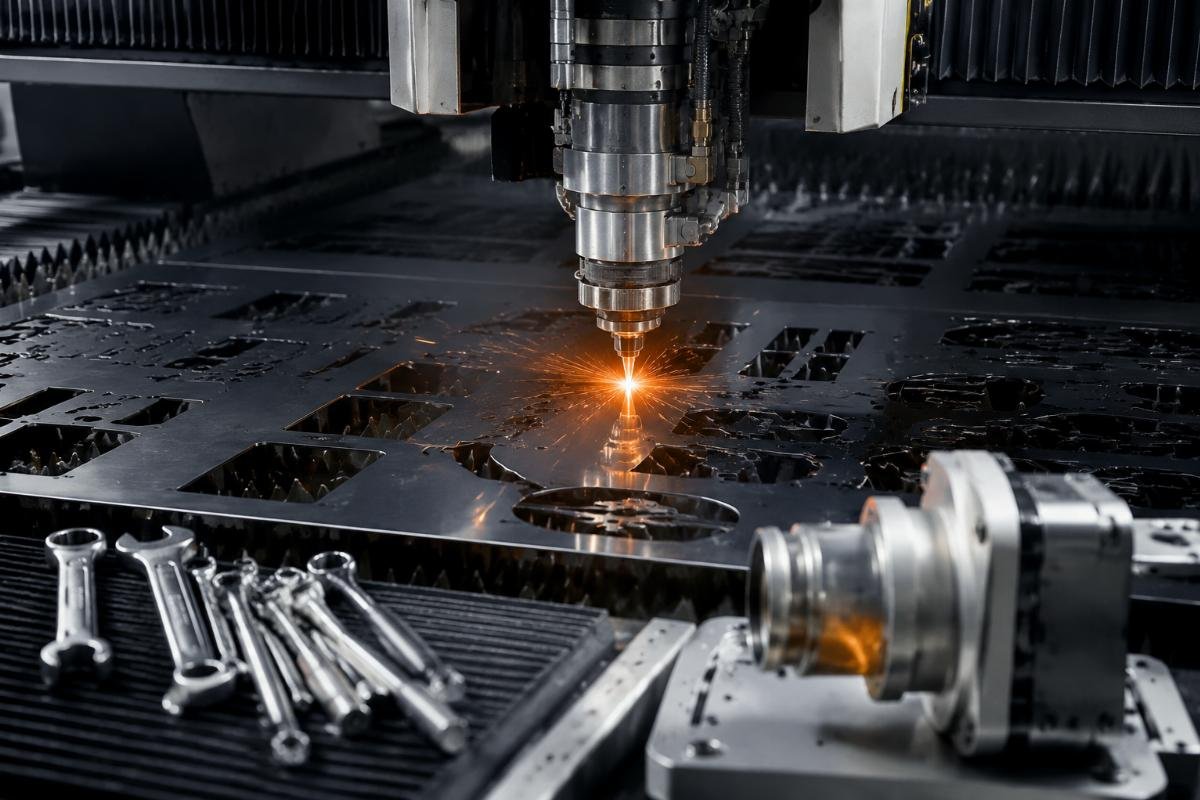
Comprehensive service contracts cover all maintenance activities including consumables, preventive service, emergency repairs, and software updates. Annual contract costs typically equal 8-12% of equipment purchase price. Contracts eliminate variable maintenance costs and provide predictable annual budgeting. However, contracts may include service for maintenance tasks your team can handle in-house, reducing cost efficiency.
Preventive maintenance contracts cover scheduled calibration, alignment, and inspection visits without including consumable replacement or emergency repairs. These contracts cost 4-6% of equipment purchase price annually. Customers handle routine consumable replacement in-house but receive manufacturer expertise for precision calibration requiring specialized tools.
Emergency repair coverage provides guaranteed response times and parts availability without covering routine maintenance. This approach works for customers with technical staff capable of preventive maintenance and consumable replacement. Emergency coverage typically costs 2-3% annually plus per-incident service fees. Total annual costs depend on actual emergency frequency.
In-house maintenance requires initial training investment and ongoing parts inventory. Manufacturer training for customer maintenance staff costs $2,000-4,000 initially. Maintaining consumable parts inventory requires $3,000-5,000 in stock. Diagnostic software licenses may cost $500-1,000 annually. However, in-house capabilities provide immediate response for routine maintenance without waiting for service appointments.
Hybrid maintenance approaches balance cost efficiency with technical expertise access. Many customers handle blade replacement, routine lubrication, and basic cleaning in-house while contracting manufacturer service for quarterly calibration and annual precision alignment. This approach reduces service contract costs 30-40% while maintaining equipment performance.
Consider your team's technical capabilities honestly. Equipment maintenance requires mechanical aptitude, precision measurement skills, and diagnostic problem-solving abilities. Customers without qualified maintenance staff waste money attempting in-house maintenance that requires manufacturer correction afterward. Service contract costs become more attractive when accounting for failed in-house repair attempts.
How do I present maintenance budget to finance team?
Finance teams approve maintenance budgets more readily when requests include specific cost breakdowns, production necessity justification, and comparison to alternatives. Presenting maintenance as "8% of equipment cost" invites rejection or reduction.
Present maintenance as operational requirement calculation, not equipment cost percentage. Show your production hours, consumable replacement frequencies at those hours, and unit costs for each component. Finance teams understand operations-driven costs better than equipment maintenance percentages.
Break down maintenance into cost categories matching finance team budget tracking: consumables, preventive service, technical support, emergency repair buffer. This breakdown enables finance tracking and variance analysis throughout the year. Lump sum "maintenance" budget requests get questioned more than detailed category allocations.
Compare total annual maintenance cost to production value generated. Calculate monthly production volume, multiply by revenue per unit, and show maintenance cost as percentage of production value (typically 1-3%). This framing demonstrates maintenance as production enablement investment, not equipment overhead.
Include cost of inadequate maintenance in your presentation. Production downtime from component failure costs 10-20x more than preventive maintenance preventing that failure. Emergency freight charges for rush parts cost 3-5x more than stocked consumables. Finance teams respond to risk-adjusted cost comparisons.
Provide contingency plan for approved budget reduction. If finance cuts your maintenance allocation, explain which preventive services you'll defer and what production risks this creates. Make finance team actively choose between maintenance funding and production risk, rather than passively reducing your budget.
Request monthly budget allocation rather than annual approval. Monthly allocations prevent you from requesting approval for routine consumable purchases. Finance teams prefer predictable monthly expenses over irregular large maintenance charges requiring explanation.
Conclusion
Your fabric cutting equipment maintenance budget should calculate consumable replacement costs at your production intensity, add preventive service scheduling, include technical support fees, and allocate emergency repair buffer—not apply generic equipment cost percentages. Understanding these cost drivers before purchase prevents budget surprises during production.