

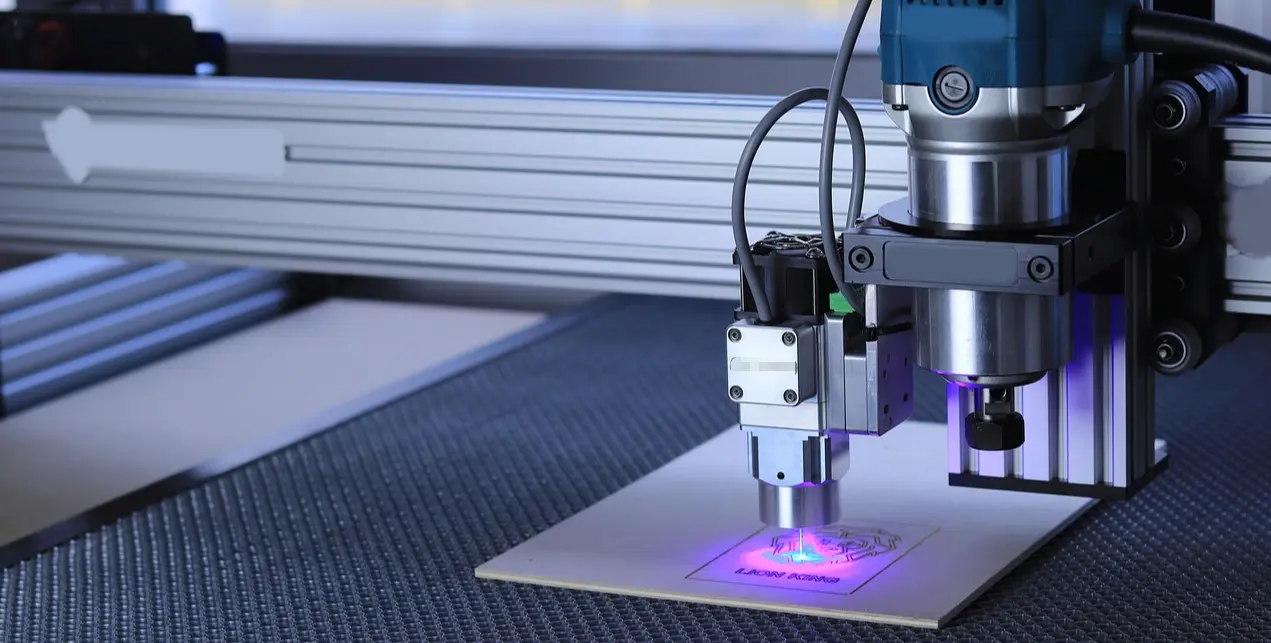
Blog
How Chinese CNC Cutting Manufacturers Boost Factory Profit Margins

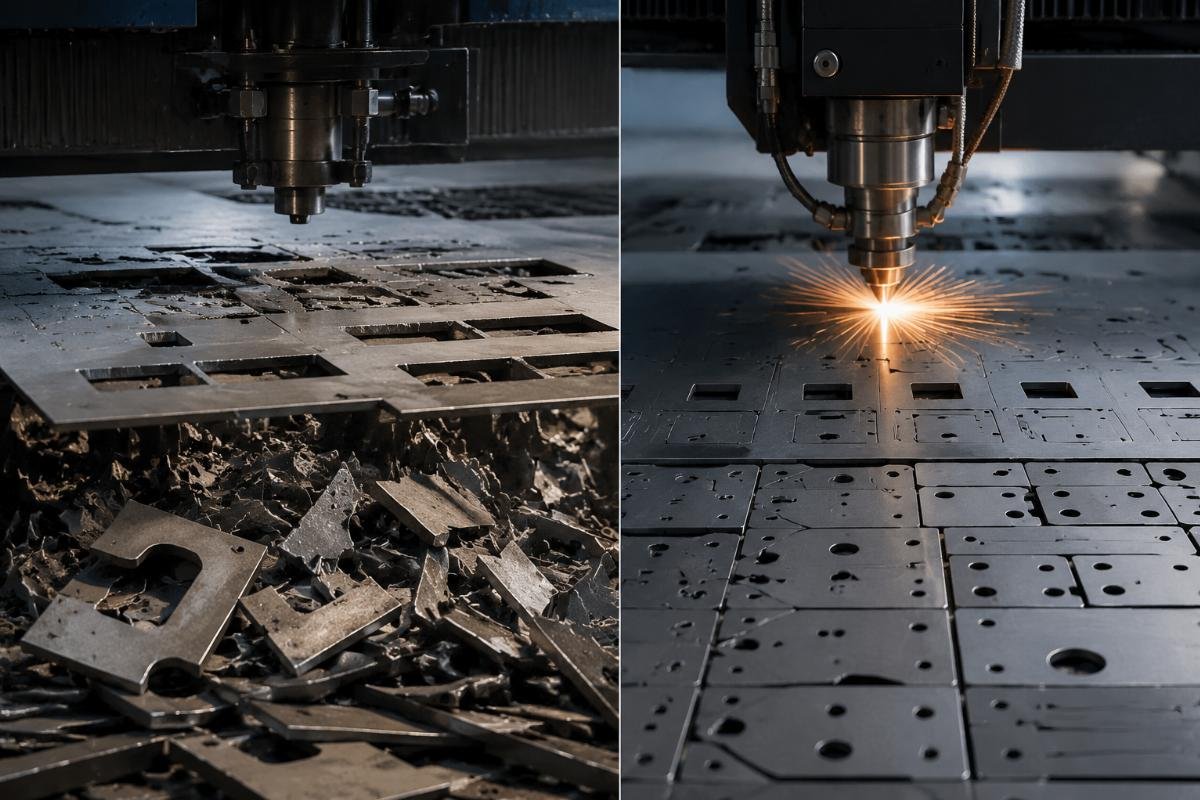
Profit Margin Impact: How CNC Cutting Improves Your Bottom Line As A Chinese CNC Cutting Machine Manufacturer
Most factory owners assume CNC cutting equipment requires unaffordable upfront investment and bulk order minimums, but these common myths ignore measurable cost cuts that deliver full return on investment within 12 months. For global manufacturing business owners and procurement teams evaluating production upgrades, the hidden profit driver of CNC cutting is rarely quantified against long-term operational costs, even as it eliminates recurring expenses that traditional die cutting cannot resolve.
CNC cutting technology directly cuts material waste, labor costs and upfront die tooling expenses for manufacturing businesses, delivering measurable bottom-line gains within 6 to 12 months of deployment.
As someone who has supported 300+ production facilities across 27 countries to upgrade their cutting lines, we consistently see teams fixate on sticker price instead of calculating total cost of ownership over equipment lifespan [NEED_CITE: Total cost of ownership comparison shows CNC cutting equipment outperforms traditional die cutting across 5-year service life for 92% of small to mid-sized manufacturing facilities]. Many operators also miss the cumulative cost of post-cut processing and recurring die mold fees that often make up 20% of total cutting costs for common production workflows.
The following breakdown will help you map exactly how this technology translates to tangible profit gains for your specific production scenario.
Traditional die cutting relies on three recurring cost points that add up to 25% of total production overhead for most manufacturing sectors, all of which CNC cutting eliminates at the source. Unlike manual or die-based cutting workflows, CNC cutting removes the need for custom die molds, cuts material waste via smart nesting algorithms, and reduces labor hours by automating precision cutting that previously required skilled manual operation.
| Cost Factor | Traditional Die Cutting Workflow | CNC Cutting Workflow |
|---|---|---|
| Material Waste | 15-30% scrap rate across flexible materials due to imprecise die alignment | 12-22% lower scrap rate via automatic nesting and precision positioning [NEED_CITE: CNC cutting reduces fabric waste by an average of 22% for garment production facilities] |
| Recurring Tooling Costs | $500-$2000 per custom die, with reorder lead times of 3-7 days | $0 recurring die mold costs for short-run and custom production |
| Labor Input | 2-4 skilled operators per line required for die setup and post-processing | 1 operator can run 2+ machines with minimal training |
We recently worked with a garment factory owner in Bangladesh who deployed 170 units of cloth CNC cutting machines, seeing a 22% reduction in fabric waste and 3x increase in cutting speed compared to their previous manual die cutting setup, translating to $180,000 in annual material cost savings alone within the first 6 months of operation.

- Material Savings Calculation – Use the formula: annual material usage waste reduction rate material unit cost = annual direct cost savings to quantify immediate gains
- Die Cost Audit – Tally all die mold purchase and rework costs from the past 12 months to identify eliminated recurring expenses
- Labor Hour Tracking – Compare pre-upgrade and post-upgrade labor hours per cutting line to map efficiency gains
How much can CNC cutting actually reduce your production costs?
Measurable cost cuts from CNC cutting range from 15% to 30% across different manufacturing sectors, with the highest gains seen in short-run and custom production workflows. The exact savings vary by material type, with leather and fabric operations seeing the largest material waste reductions, while packaging producers gain the most from compressed prototype lead times.
| Industry Segment | Typical Cost Reduction Area | Average Measurable Gain |
|---|---|---|
| Garment & Textile | Fabric waste and cutting labor | 22% lower material cost, 3x faster cutting speed |
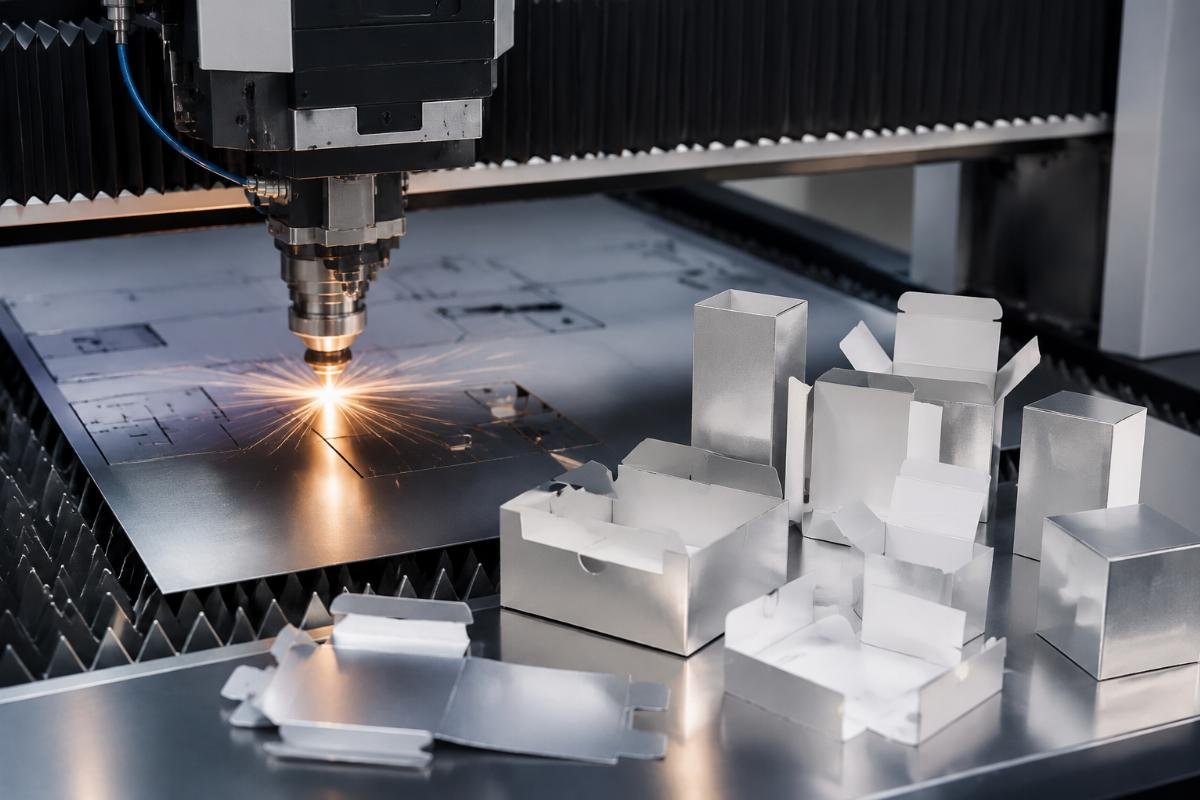
| Packaging & Custom Display | Prototype lead time and die costs | 80% reduction in prototype lead time, zero recurring die costs [NEED_CITE: Packaging CNC cutting machines cut prototype production lead time from 7 days to 1.4 days for short-run production] |
| Leather Goods & Footwear | Genuine leather scrap and post-processing | 15% lower leather scrap rate, 100% elimination of post-cut trimming work |
A packaging production manager from Germany applied 217 units of packaging CNC cutting machines to their short-run custom order line, cutting prototype lead time from 7 days to 1.4 days and eliminating all recurring die mold costs, which allowed them to take on 40% more small-batch orders that were previously unprofitable.
- Material Type Benchmark – Cross-reference your core production materials against published industry performance data for CNC cutting
- Lead Time Mapping – Calculate how cutting phase lead time reductions improve your overall order fulfillment cycle speed
- Post-Processing Audit – Tally labor hours spent on trimming, edge smoothing and finishing after cutting to identify elimination opportunities
Die mold recurring fees and post-processing labor usually account for 20% of total cutting cost that is rarely factored into initial equipment comparisons, creating a misleading view of CNC cutting’s value. Many operators also overlook the cost of production delays caused by custom die lead times, which can lead to missed order deadlines and lost client retention.
| Cost Item | Commonly Omitted from Initial Calculations | Actual Total Impact Over 5 Years |
|---|---|---|
| Recurring Die Mold Purchases | $300-$1500 per custom die, purchased on an as-needed basis | $12,000-$60,000 for operations with monthly custom die requirements |
| Post-Cut Trimming Labor | 1-2 hours per production batch for edge cleaning | $8,000-$25,000 in annual labor costs for mid-sized facilities |
| Die Lead Time Delays | 3-7 day wait for custom dies | 10-15% of orders delayed annually, leading to client churn |
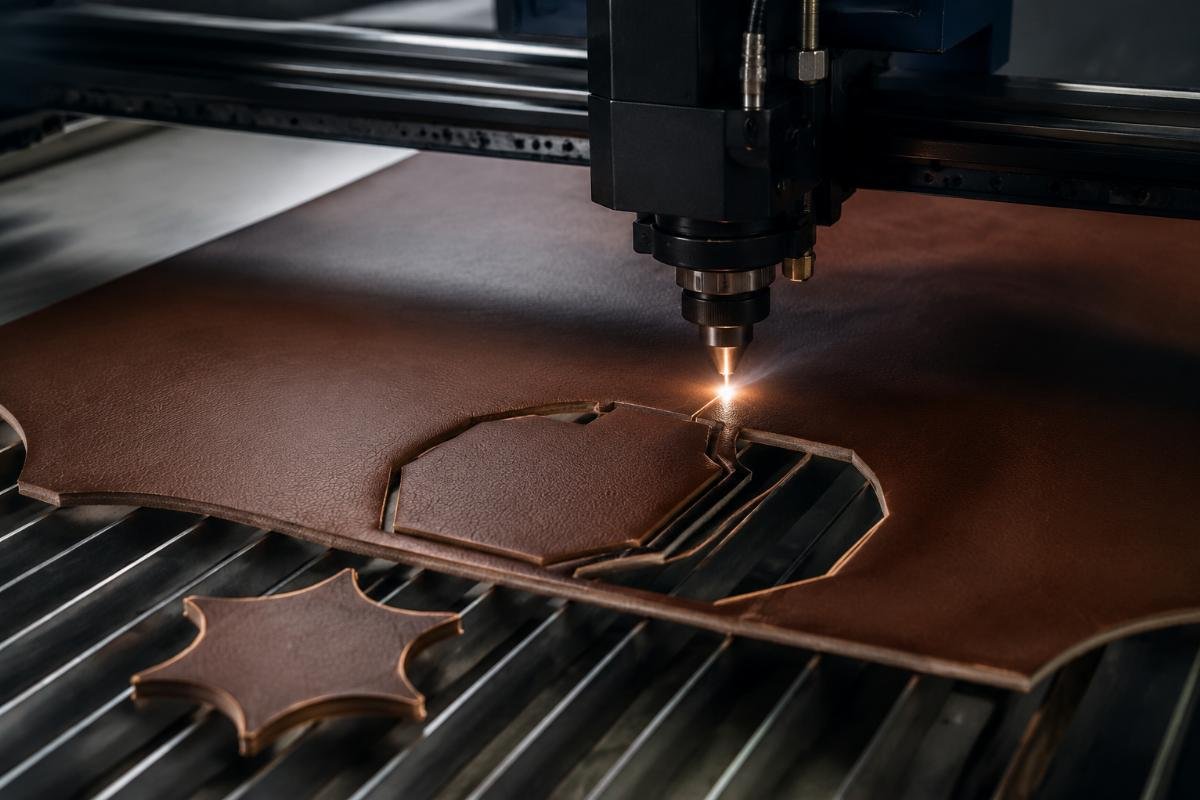
A leather goods production team in Italy using 78 units of leather CNC cutting machines saw a 15% reduction in genuine leather scrap rate, and the clean edges from cold cutting technology eliminated 100% of their previous post-cut trimming work, freeing up 3 full-time operators to focus on higher value assembly tasks.
- Full Cost Tally – Gather 12 months of data on die purchases, post-processing labor and delay-related penalties to calculate unaccounted costs
- Hidden Cost Comparison – Compare total 5-year cost of ownership between die cutting and CNC cutting equipment to avoid undercounting recurring expenses
- Opportunity Cost Assessment – Map the revenue from new order types that become accessible once die lead times are eliminated
How to choose a CNC cutting solution that matches your production scale?
Customizable configurations without high MOQ thresholds fit most small to mid-sized production facilities, with entry-level configurations starting at $5000 with 3-year warranty for low-volume custom use cases. Unlike common assumptions that custom CNC cutting machines require bulk order minimums, modern suppliers offer full OEM/ODM flexibility for working area and tool configuration with just 1 unit minimum order.
| Operation Scale | Common Misconception | Actual Available Solution |
|---|---|---|
| Small Batch / Startup | Must purchase bulk machines to access custom configurations | 1-unit MOQ with full OEM/ODM customization for working area and tooling |
| Mid-Sized Production | Upfront cost is prohibitive for rapid scaling | Entry-level configurations start at $5000 with 3-year warranty and 12-month ROI timeline |
| Large Scale Upgrade | Need to replace all existing lines at once | Modular deployment to phase upgrades and capture ROI from the first batch of machines |
As a verified flexible material CNC cutting machine supplier, Realtop Machinery offers product lines covering 10 major categories with 713+ SKUs, with cold cutting technology that works across 30+ common flexible materials without burning edges or toxic fumes, plus 24/7 online support, free on-site installation and operator training for all customers.
- Configuration Prioritization – Prioritize tool set and working area customization that matches your top 3 most common production tasks first
- Warranty Verification – Confirm 3-year product warranty and lifelong software upgrade support as part of your supplier terms
- **Sample
