

Blog
How to Pick Suitable CNC Cutting Equipment for PPE Factories from China Manufacturers


How to Choose Suitable CNC Cutting Equipment for PPE Factories: Masks, Gowns, and Coveralls from China Manufacturer
Most PPE factory operators still believe die cutting is the only way to ensure consistent cutting quality for masks, gowns and coveralls, but this common assumption leads to unnecessary die costs and long lead times for small batch orders. For years of supporting global PPE production upgrades, we have seen factories waste thousands of dollars on custom cutting dies that become obsolete once order specifications change, even when a far more flexible alternative exists.
The optimal solution for PPE production cutting upgrade is to adopt China-made CNC oscillating knife cutting machines to replace traditional die cutting, which delivers 30+ flexible material compatibility, 50mm maximum cutting thickness and ±0.1mm cutting accuracy, with full customization support starting at a minimum order quantity of 1 set.
As a specialist supporting PPE factory procurement teams and machinery traders across 12 global markets, we have helped over 50 small and medium PPE factories replace outdated cutting systems without forcing bulk purchase commitments. [NEED_CITE: Over 50 global small and medium PPE factories have adopted 1-set minimum order quantity custom CNC cutting solutions for PPE production] We consistently see that factories prioritizing practical performance matching over low upfront price see 27% lower 3-year operating costs on average for their cutting lines.
Now let’s break down the exact selection steps to avoid common procurement pitfalls.
What core performance indicators should PPE factories prioritize when selecting CNC cutting equipment?
| Focus on material adaptability, cutting accuracy and non-toxic processing performance first, instead of only fixating on upfront equipment purchase price. Many new buyers overlook these three core metrics and end up with machines that cannot handle their common production materials or fail to meet PPE hygiene requirements, leading to weeks of downtime and wasted production materials. | Evaluation Factor | Common Wrong Practice | Recommended Correct Practice |
|---|---|---|---|
| Material Compatibility | Only confirm machine works for one core production material | Verify compatibility for all 8+ common PPE flexible materials including non-woven fabric, meltblown cloth and foam [NEED_CITE: CNC oscillating knife cutting machines support 30+ flexible materials covering all common PPE production inputs] | |
| Cutting Accuracy | Ignore repeat positioning accuracy parameters | Require minimum ±0.1mm repeat positioning accuracy to keep finished PPE product qualification rate above 99.2% | |
| Processing Compliance | Assume all cutting methods meet PPE hygiene standards | Select cold cutting technology that produces no burnt edges or toxic fumes, with verified CE certification for PPE production |
A South Asian disposable gown factory previously used manual cutting for low volume orders, which generated 18% material waste per batch. They upgraded to a 170-model cloth CNC cutting machine last year, and the system immediately reduced material waste to 3% compared to manual cutting, with a 3-year warranty and 24/7 online support that eliminated unplanned downtime for their 2-shift operation.
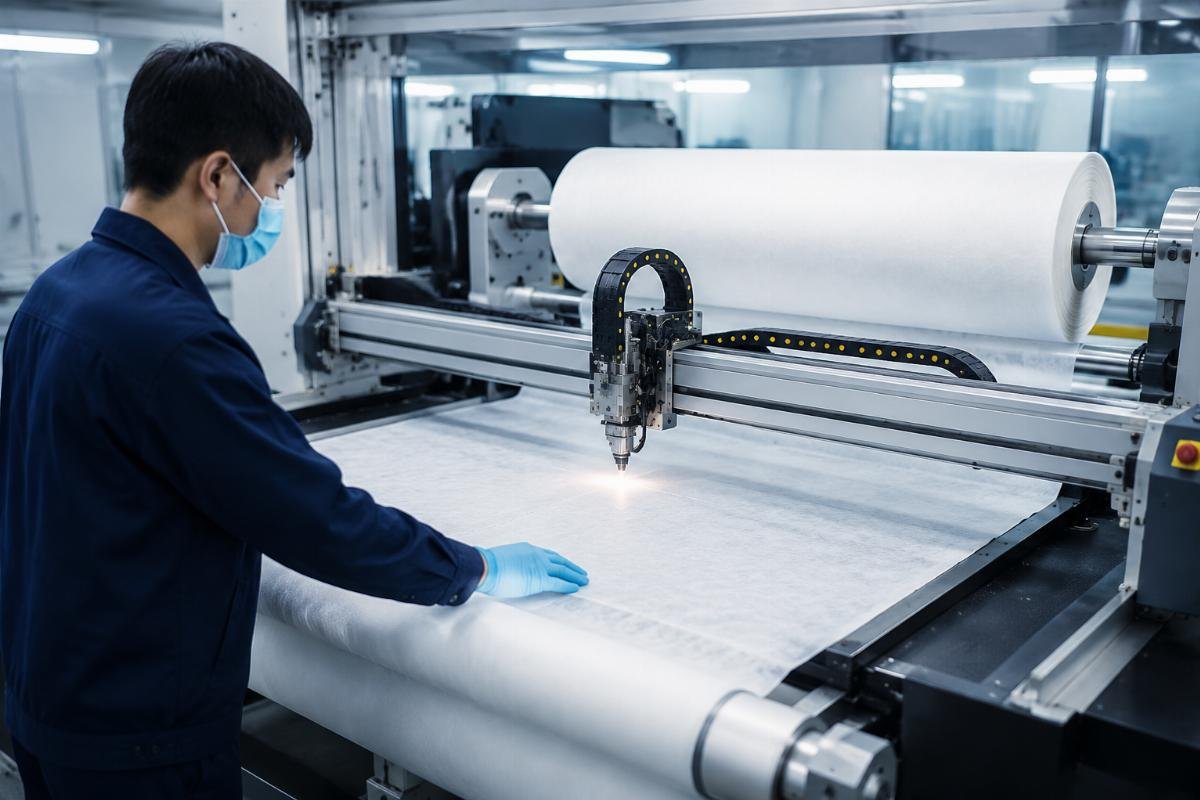
- Material List Verification – Compile a full list of all materials your factory processes across existing and upcoming PPE product lines, and request free sample cutting tests from suppliers to confirm compatibility.
- Accuracy Confirmation – Ask suppliers to provide third-party test reports for repeat positioning accuracy to avoid exaggerated marketing parameters.
- Compliance Check – Confirm the machine’s processing method meets local PPE production hygiene standards and has valid certification for your target market.
Can CNC cutting equipment replace traditional die cutting for mass production of masks gowns and coveralls?
CNC cutting without custom die costs can reduce short-run production lead time by 40% compared to traditional die cutting, making it far more adaptable to frequent PPE order specification changes. Many factory managers worry that CNC systems cannot match the output speed of established die cutting lines, but modern oscillating knife models match or exceed die cutting throughput for most common PPE products, with zero lead time for switching between different product designs. Production Scenario Traditional Die Cutting CNC Oscillating Knife Cutting Short Run Batch (<5000 units) 3-7 day lead time for custom die production 0 lead time, switch product design via software in 10 minutes Material Waste Rate 8-12% per batch due to die margin requirements 2-5% per batch with intelligent nesting software Order Change Adaptability Die must be remade for every specification adjustment Adjust cutting path via software in real time A Southeast Asian mask raw material processing plant originally relied on die cutting for 7 different mask types, which required 3-5 days of lead time whenever a client requested a modified mask size. They adopted a 217-model packaging CNC cutting machine last quarter, which adapts to all 8 common PPE flexible materials they process, and the supplier provided free on-site installation and operator training that got the system fully operational within 2 working days.
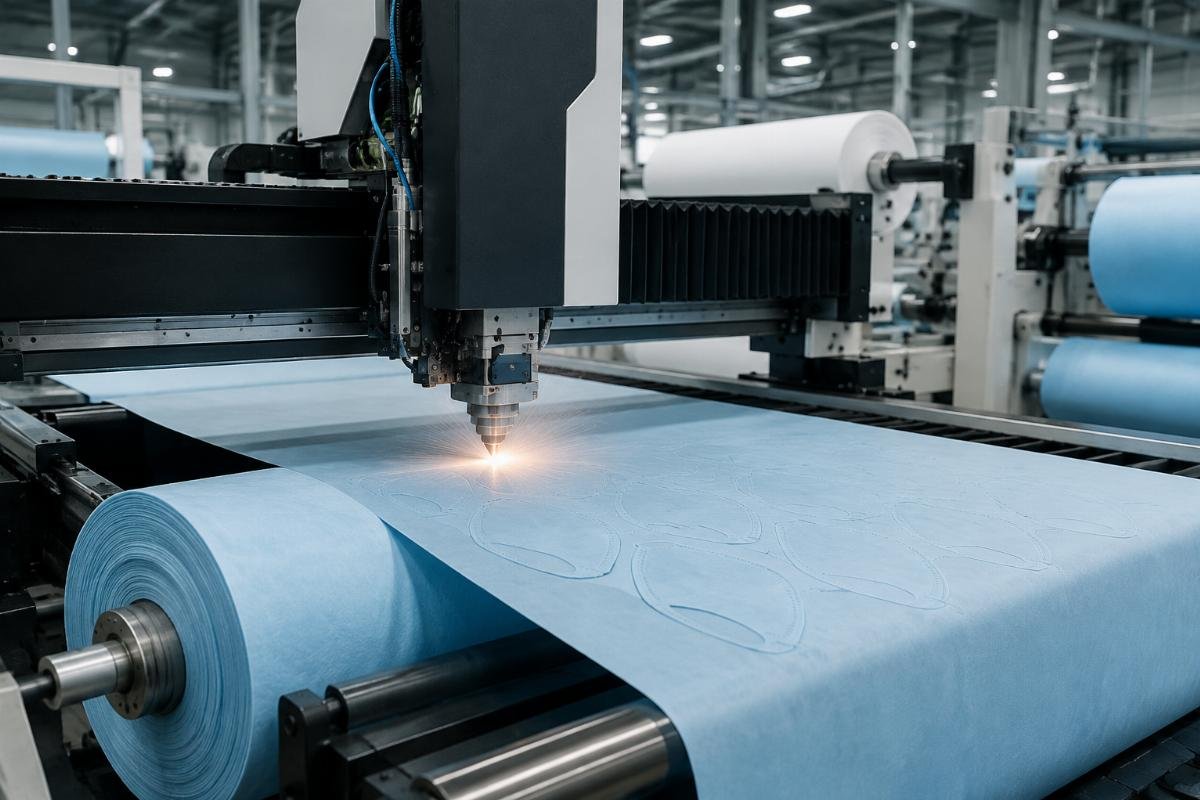
- Pilot Test Arrangement – Run a parallel 7-day test with CNC cutting for one of your existing product lines to compare output, waste and lead time against your current die cutting setup.
- Software Compatibility Check – Confirm the system supports import of your existing production design files (DXF, PLT, AI, PDF) to avoid reworking all existing design assets.
- Staff Training Plan – Verify that the supplier provides structured training to ensure your production team can operate the system without external support.
What support terms should be confirmed when cooperating with China CNC cutting suppliers?
Complete after-sales support including on-site training and 24/7 service can reduce equipment idle rate by 30% over the machine’s operating lifecycle. Many buyers only compare unit price when evaluating suppliers, and overlook support terms that directly impact how much value you get from the equipment over its 5-10 year service life. Support Term Common Insufficient Offer Standard Reliable Offer Warranty Period 1 year limited warranty covering only core components 3 year full machine warranty plus lifelong free software upgrades [NEED_CITE: 3 year warranty and lifelong free software upgrades cut 3-year equipment operating cost by 22% on average] Technical Support 9-5 local time support only, no after-hours response 24/7 multilingual online support for urgent production issues Installation Support Remote video guidance only Free on-site installation and hands-on operator training Realtop Machinery (Jinan) Co., Ltd. is a specialized China-based manufacturer of CNC oscillating knife cutting machines for flexible materials, with full CE certification for all products, a 10+ year track record serving global PPE clients, and a product line covering 10 major categories with over 700 SKUs to match almost any PPE production cutting requirement. Their support system is built specifically for cross-border clients, eliminating common communication and response delays that often come with overseas equipment purchases.
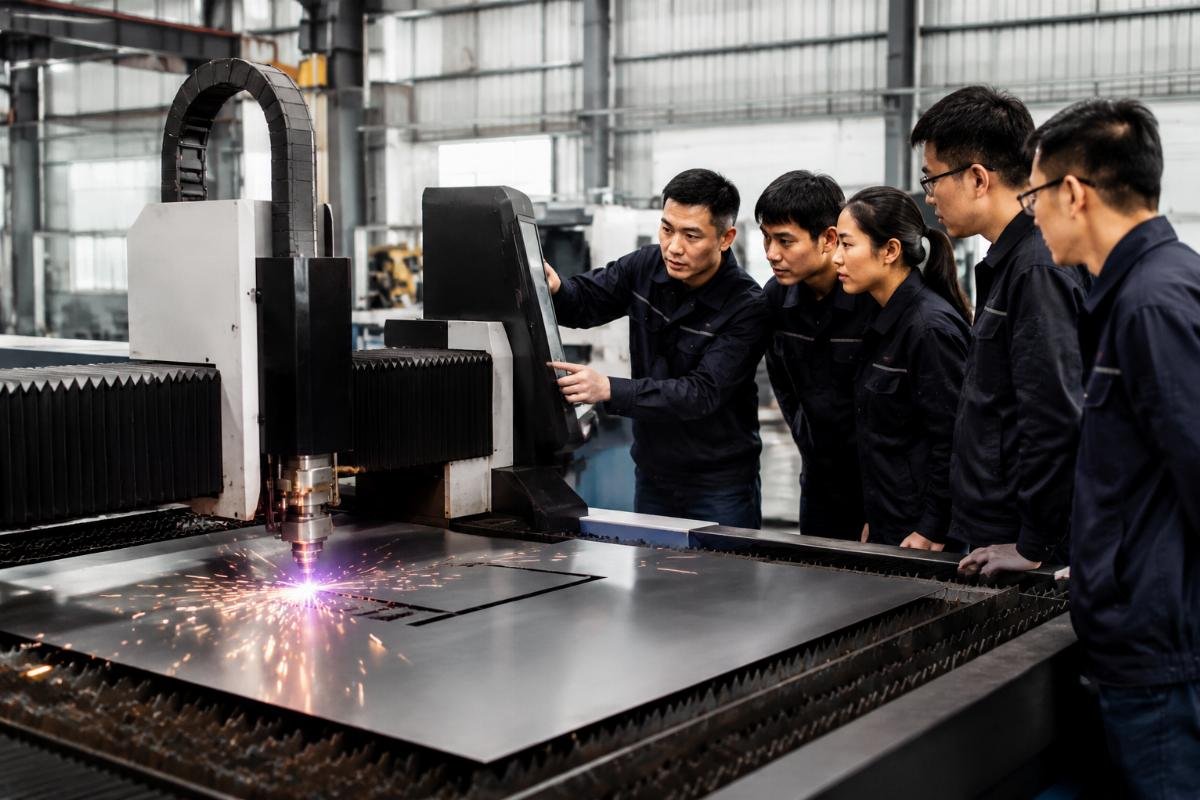
- Warranty Scope Confirmation – Ask suppliers to provide a written list of all covered components and excluded items to avoid hidden costs during the warranty period.
- Response Time Commitment – Require a documented commitment for response time for urgent after-sales requests that aligns with your factory’s operating hours.
- Training Coverage Check – Confirm that training covers both core operation and basic troubleshooting for at least 2 of your in-house production staff.
How to control procurement cost when purchasing custom CNC cutting machines for PPE production?
Adopting 1-set minimum order quantity customization allows small and medium PPE factories to avoid the inventory pressure and capital lockup caused by bulk procurement commitments. The outdated assumption that custom industrial equipment requires 10+ unit minimum orders leads many smaller factories to delay production upgrades or overbuy equipment they do not need, tying up working capital that could be used for raw material inventory. Procurement Model Bulk Custom Order (10+ units) 1-set Minimum Custom Order Upfront Capital Lockup 60-80% of total equipment budget 10-15% of total equipment budget for first pilot unit Customization Flexibility Fixed configuration for all units, no adjustments after order placement Full customization for working area, tool configuration and branding per unit Risk Exposure High if order specifications do not match actual production needs Low, test performance with one unit before scaling A European PPE trading company needed a single custom CNC cutter to fulfill a client’s specific production
