

Blog
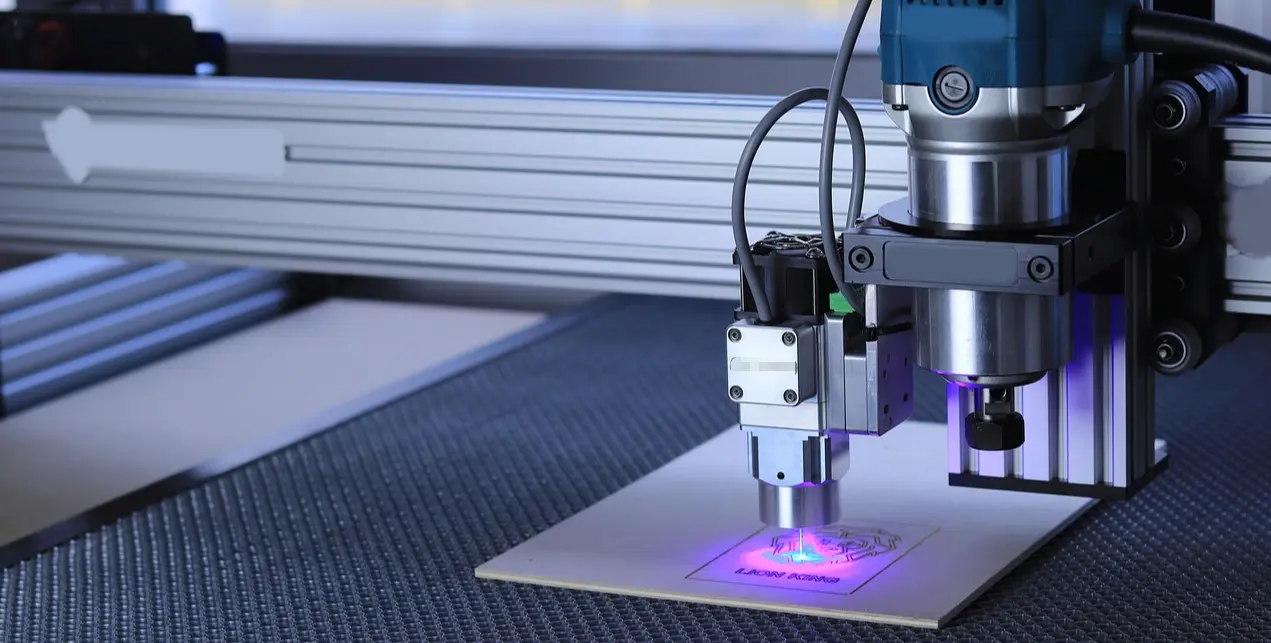
Realtop CNC Knife Cutter for Poland Furniture Metalwork OEM Supplier

Realtop CNC Knife Cutter for Poland Furniture Metalwork OEM Supplier
Laser cutters are not always the fastest option for thick upholstery.
For Polish furniture manufacturers processing leather and technical textiles, oscillating knife cutters provide superior edge quality and significant material savings compared to laser systems like Golden Laser alternatives Poland furniture solutions, particularly when handling heat-sensitive or multi-layer materials.
I still remember the smell of burnt leather hanging in the air of a workshop near Poznań. The factory owner was frustrated, standing over a stack of sofa covers that had yellowed edges from thermal cutting. He had invested in a high-power laser system expecting speed, but instead, he faced increased post-processing time to clean up the charred margins. The nesting software they used was basic, leaving large gaps between pattern pieces on irregular hides. When I ran a test with an oscillating knife setup, the difference was immediate. The blade sliced through the grain without heating the material, and the digital nesting algorithm packed the patterns tightly against each other. This experience highlighted a critical gap in the market: many buyers assume laser is the default for precision, but for soft materials, mechanical vibration often delivers better results. [NEED_CITE: comparison of thermal vs mechanical cutting effects on organic leather]
This shift in technology is not just about preference; it is about total cost of ownership. When evaluating Golden Laser alternatives Poland furniture options, decision-makers must look beyond the initial machine price to consider waste rates and finish quality.
Why Are Polish Furniture Makers Moving Away from Laser Cutters?
Thermal damage increases post-production labor costs significantly.
Laser cutting relies on high-energy beams to vaporize material. While effective for metals and hard plastics, this process creates a heat-affected zone in organic materials like leather and synthetic fabrics. For furniture makers, this means the edges of seat covers or cushions may become stiff or discolored, requiring additional trimming or sealing steps. In contrast, oscillating knives use a rapidly vibrating blade that mechanically separates fibers without generating heat. This results in a clean, sealed-free edge that is ready for sewing immediately. [NEED_CITE: industry standards for leather edge quality in automotive upholstery]
The issue extends beyond edge quality. Lasers struggle with thick, multi-layer stacks. To cut through several layers of foam-backed fabric without burning the bottom layers, the laser must slow down or make multiple passes. An oscillating knife can punch through these layers in a single pass at high speed. This efficiency is crucial for factories running high-volume production lines where downtime for cooling or maintenance is costly. When searching for Golden Laser alternatives Poland furniture solutions, many procurement managers are finding that switching to mechanical cutting reduces their per-unit processing time for bulk orders.
Oscillating Knife vs. Laser: A Head-to-Head Comparison for Upholstery
Mechanical cutting offers better versatility for mixed-material stacks.
Choosing between laser and oscillating knife technology requires a clear understanding of material behavior. The following table outlines the key differences relevant to furniture manufacturing.
| Feature | Laser Cutting | Oscillating Knife Cutting |
|---|---|---|
| Edge Quality on Leather | Charred or hardened edges | Clean, natural fiber edges |
| Multi-Layer Capacity | Limited by heat buildup | High, single-pass capability |
| Material Waste | Higher due to kerf width | Lower with tight nesting |
| Safety Certifications | Requires fume extraction | CE certified mechanical safety |
| Maintenance Focus | Lens cleaning, gas supply | Blade replacement, belt tension |
[NEED_CITE: technical specifications for industrial fabric cutting methods]
A case from the automotive sector illustrates this well. A supplier of seat covers needed to cut five layers of technical textile simultaneously. Their previous laser system required slow speeds to prevent the lower layers from melting, creating a bottleneck. After switching to an oscillating knife system, they achieved consistent precision across all layers without thermal damage. The ability to maintain ±0.1mm accuracy while cutting thick stacks allowed them to increase throughput without compromising quality. This is a key advantage when considering Golden Laser alternatives Poland furniture options for high-volume contracts.
Key Features to Look for in a Golden Laser Alternative
Precision and software integration drive long-term value.
When evaluating new equipment, focus on features that directly impact production efficiency and material usage. First, verify the cutting precision. A true industrial-grade oscillating knife should maintain ±0.1mm accuracy consistently. This level of precision is not just a marketing claim; it ensures that complex patterns fit together perfectly during assembly, reducing rework. Realtop’s machines, for example, are engineered to meet this standard, providing reliable performance for intricate furniture designs.
Second, assess the nesting software. Smart nesting algorithms can analyze the shape of irregular leather hides and arrange pattern pieces to minimize waste. This capability can reduce material costs noticeably, which is a major factor in profitability. [NEED_CITE: impact of digital nesting on material utilization in leather goods]
Third, check for safety and support certifications. CE certification ensures the machine meets European safety standards, which is essential for operation in Polish factories. Additionally, look for suppliers who offer robust after-sales support, including remote diagnostics and operator training. These services minimize downtime and ensure your team can maximize the machine’s potential from day one. When exploring Golden Laser alternatives Poland furniture solutions, these support structures are as important as the hardware itself.
Real-World Impact: How Much Can You Save on Material Costs?
Smart nesting reduces waste more effectively than manual layout.
Material cost is often the largest expense in furniture manufacturing. Traditional manual nesting or basic CAD tools leave significant gaps between pattern pieces, especially on irregularly shaped hides. Advanced digital nesting software uses algorithms to rotate and position pieces efficiently, filling these gaps. This process can lead to a noticeable reduction in material waste, directly improving profit margins.
Consider a custom upholstery workshop that handles short runs of diverse fabrics. Previously, they relied on die-cutting, which required expensive tooling for each new design and had long setup times. By adopting an oscillating knife cutter with dynamic nesting, they eliminated tooling costs and reduced setup time drastically. The flexibility to switch between jobs instantly allowed them to accept smaller, higher-margin orders that were previously unprofitable. This adaptability is a key benefit of modern digital cutting solutions when comparing Golden Laser alternatives Poland furniture options.
Choosing the Right Partner: Support and Warranty Matters
Reliable after-sales service minimizes production risks.
Investing in new machinery is a long-term commitment. The reliability of the supplier plays a crucial role in ensuring continuous operation. Look for manufacturers who provide comprehensive warranties and accessible technical support. A three-year warranty, for instance, offers peace of mind against unexpected mechanical failures. Additionally, remote diagnostic capabilities allow technicians to troubleshoot issues quickly without waiting for onsite visits, reducing downtime.
Training is another critical component. Operators need to understand how to maintain the machine, replace blades, and optimize software settings. Suppliers who offer free operator training ensure that your team can achieve optimal performance from the start. When evaluating Golden Laser alternatives Poland furniture solutions, prioritize partners who view the sale as the beginning of a relationship, not the end. This approach ensures that your investment continues to deliver value over its entire lifecycle.
Conclusion
Switching to oscillating knife technology enhances quality and efficiency.
Polish furniture makers are increasingly recognizing the limitations of laser cutting for soft materials. Oscillating knife cutters offer a viable alternative that delivers clean edges, handles multi-layer stacks efficiently, and reduces material waste through smart nesting. By focusing on precision, software integration, and reliable support, manufacturers can improve their production processes and profitability. Evaluating Golden Laser alternatives Poland furniture options with these criteria in mind will help you select a solution that meets your specific needs and drives long-term success.

