

Blog
Realtop CNC Knife Cutter vs Yueming Laser: Factory Direct Price

Realtop CNC Knife Cutter vs Yueming Laser: Factory Direct Price
The lower upfront quote for a laser system often masks significantly higher operational costs for corrugated packaging.
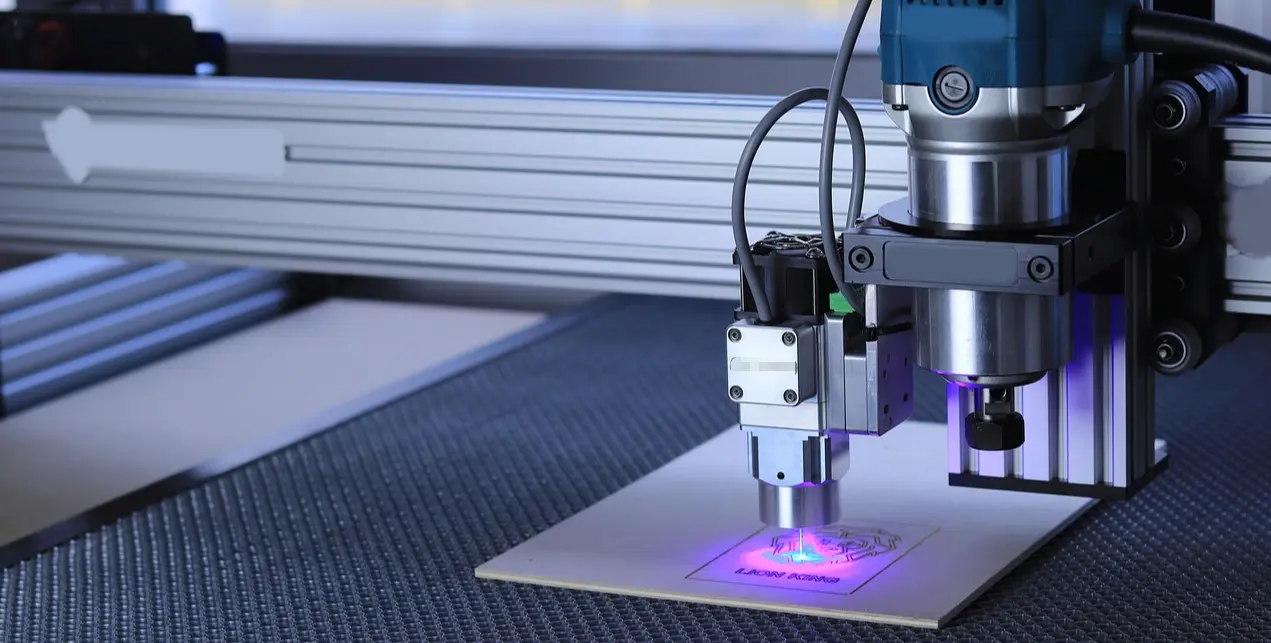
For procurement managers evaluating a Chinese CO2 Laser Engraver Manufacturer vs Yueming Laser, the initial hardware price is a misleading metric. While laser cutters may appear cheaper in factory-direct quotes, oscillating knife technology delivers a lower total cost of ownership for cardboard and foam applications. This advantage stems from zero material burn, elimination of post-processing labor, and superior precision that reduces waste. The true cost comparison must account for energy consumption, consumable replacement, and material yield rather than just the machine sticker price.
Having transitioned from quality control on the production floor in Jinan to managing client implementations in Southeast Asia, I have witnessed the financial impact of this choice firsthand. In Ho Chi Minh City, a packaging facility opted for a low-cost laser solution based on initial quotes. Within months, the charring on corrugated edges led to rejection rates that exceeded the savings from the lower purchase price. The buyer returned to seek a vibration knife solution, highlighting the gap between acquisition cost and operational reality. [NEED_CITE: total cost of ownership analysis for digital cutting systems]
Why Do Factory-Direct Laser Quotes Look Cheaper?
The primary reason laser quotes appear more attractive is the simplification of the mechanical structure. A CO2 laser system relies on optical components and gas tubes, which are less mechanically complex than the high-speed servo-driven oscillating heads found in knife cutters. Manufacturers can produce these units at a lower marginal cost, passing some savings to the buyer. However, this initial saving is offset by the ongoing expenses required to maintain cutting quality.
| Cost Factor | CO2 Laser System | Oscillating Knife Cutter |
|---|---|---|
| Initial Hardware Cost | Lower | Moderate |
| Energy Consumption | High | Moderate |
| Consumables | Lenses, Mirrors, Gas Tubes | Blades, Strips |
| Material Waste | High (Burnt Edges) | Low (Clean Cuts) |
| Post-Processing Labor | Required (De-burring) | None |
The hidden costs emerge during daily operation. Laser systems require significant electricity to power the tube and cooling systems. Additionally, the optical lenses and mirrors degrade over time, requiring regular cleaning and eventual replacement to maintain focus. [NEED_CITE: maintenance requirements for CO2 laser optics] In contrast, knife cutters use mechanical blades that are inexpensive and easy to replace. The energy draw is primarily for the servo motors and vacuum table, which is substantially lower than that of a laser tube.
A common misconception is that laser speed compensates for these costs. While lasers can move quickly, the need to mask materials to prevent burning or to slow down for thick boards negates this advantage. For a Chinese CO2 Laser Engraver Manufacturer vs Yueming Laser comparison, the speed metric is often quoted under ideal conditions that do not reflect real-world packaging workflows. The knife cutter eliminates the masking step entirely, allowing for immediate cutting of raw corrugated board.
Cutting Quality: Burnt Edges vs Clean Cuts
Material integrity is critical in premium packaging. Laser cutting works by vaporizing material, which inevitably leaves a burnt, discolored edge on organic substrates like cardboard, paper, and foam. This charring is not just an aesthetic issue; it weakens the structural integrity of the corrugated flute and can cause adhesion problems for printed graphics. [NEED_CITE: effects of thermal cutting on cellulose-based materials]
Oscillating knives, however, slice through the material mechanically. The result is a clean, white edge that preserves the original color and strength of the board. This distinction is vital for brands that require high-quality presentation boxes or retail packaging. The absence of heat means there is no risk of melting synthetic layers in composite materials, a frequent issue with laser systems.
In a sample studio in Bangkok, the team struggled with multi-layer cardboard projects. The laser required extensive masking tape to protect the surface from smoke residue, adding minutes to each job setup. Switching to a knife cutter removed this bottleneck. The machine could cut complex shapes directly from the raw sheet without any protective measures. This change reduced the turnaround time for prototypes significantly, allowing the studio to handle more urgent client requests.
Precision is another area where knife cutters excel for thick materials. Laser beams can drift or widen when cutting through dense corrugated board, leading to tolerances that vary across the sheet. Oscillating knives maintain a consistent cut path, achieving tight tolerances that ensure parts fit together correctly in assembly. [NEED_CITE: precision standards for digital die-less cutting]
Operational Costs: Energy, Maintenance, and Waste
The total cost of ownership is heavily influenced by material waste. Laser cutting often requires a wider kerf width to ensure complete penetration, and the burnt edges may need to be trimmed if they are unsightly. This results in material loss. Furthermore, the heat-affected zone can make nearby areas brittle, leading to breakage during folding or gluing.
Knife cutters utilize smart nesting software that optimizes the layout of parts on the sheet. By eliminating the need for a heat-affected margin, more parts can be fitted onto a single sheet. This efficiency can reduce material usage noticeably. [NEED_CITE: material optimization techniques in digital cutting] For a high-volume packaging manufacturer, even a small percentage reduction in waste translates to substantial annual savings.
Maintenance schedules also differ markedly. Laser systems require regular alignment of mirrors and cleaning of lenses to prevent power loss. If a lens cracks or a tube fails, production halts until the part is replaced. These components are expensive and sensitive to handling. Knife cutters have fewer sensitive optical parts. The primary maintenance involves checking blade sharpness and replacing strips on the cutting table. These tasks are quick and can often be performed by operators without specialized technical training.
An exporter in Indonesia faced issues with assembly fit due to laser drift. The slight variations in cut dimensions caused gaps in the final box structure, leading to customer complaints. After switching to a knife-based system, the consistency of the cuts improved, reducing the rejection rate for assembled samples. The reliability of the mechanical cut provided peace of mind for high-precision orders.
Which Machine Fits Your Production Line?
Choosing between laser and knife technology depends on the primary materials processed. Lasers are indispensable for cutting acrylic, wood, metal, and certain plastics where melting or vaporization is acceptable or desired. They offer versatility for sign shops and industrial manufacturers working with hard materials. However, for soft, flexible, and organic materials, they are often suboptimal.
Oscillating knife cutters are the superior choice for cardboard, corrugated board, foam, fabric, leather, and rubber. They handle these materials without distortion, burning, or toxic fumes. For packaging manufacturers, apparel factories, and automotive interior suppliers, the knife cutter is the dedicated tool for high-quality, efficient production. [NEED_CITE: material compatibility guide for digital cutters]
When evaluating a Chinese CO2 Laser Engraver Manufacturer vs Yueming Laser, it is essential to align the machine type with the core business output. If the majority of work involves paper-based packaging, the laser’s advantages are irrelevant, and its disadvantages become costly liabilities. The knife cutter offers a tailored solution that maximizes yield and quality for these specific substrates.
Realtop’s CNC oscillating knife cutters are designed specifically for these non-metallic applications. With CE certification and a robust warranty, they provide the reliability needed for continuous production. The machines support various tools, including drag knives, oscillating knives, and creasing wheels, allowing for complete box production in a single pass. This integration of cutting and creasing further streamlines the workflow, reducing the need for multiple machines.
Conclusion
Initial price tags do not reflect the true cost of packaging production.
While laser systems may offer a lower entry point, oscillating knife technology provides superior value for cardboard and foam applications through reduced waste, lower maintenance, and higher quality cuts. Procurement decisions should prioritize total cost of ownership and material suitability over upfront hardware costs. Selecting the right technology ensures long-term efficiency and profitability.

