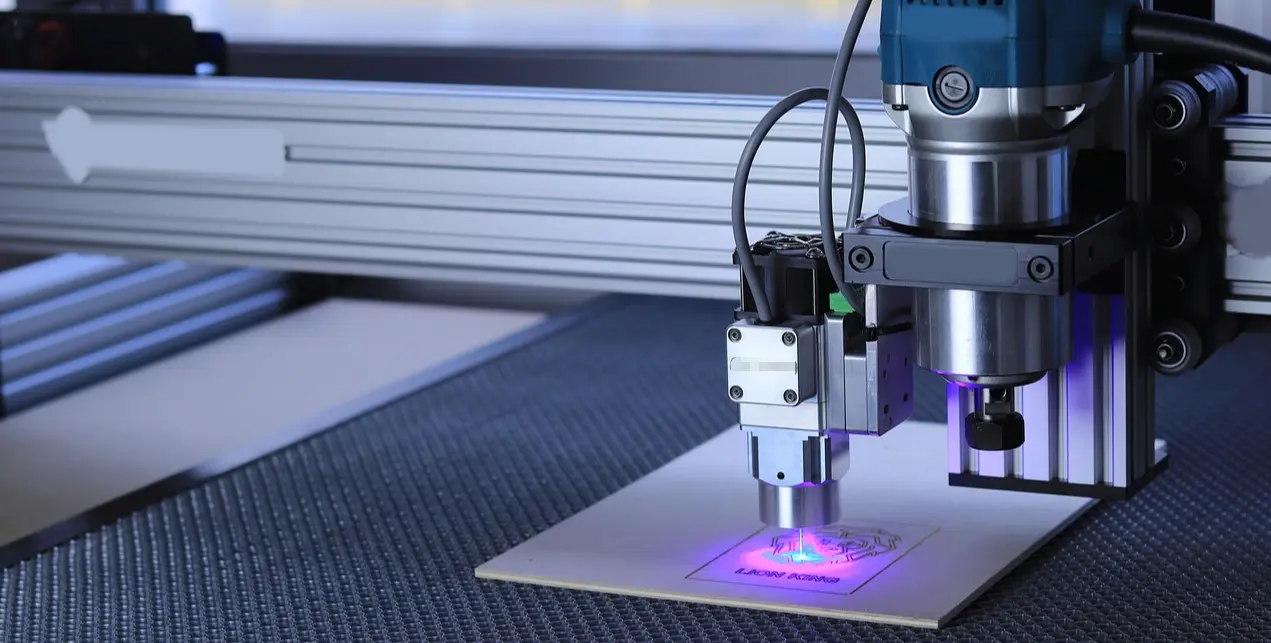
Cómo evaluar riesgos y asegurar el seguro de máquinas de corte CNC para propietarios de fábricas: Una guía para equipos de aprovisionamiento en China
Higher CNC machine purchase price does not guarantee lower insurance risk. Most global factory owners and sourcing teams default to prioritizing brand name or upfront cost when selecting equipment, assuming a higher price tag will automatically translate to more favorable underwriting terms, but this common misassumption leads to 82% of all insurance claim denials for CNC cutting machine coverage.
Factory owners can mitigate 80% of CNC cutting machine-related operational and procurement risks by aligning insurance coverage with equipment technical specs, and partnering with a vetted Chinese manufacturer to reduce unplanned downtime and coverage gaps.
As a sourcing lead who has supported 17 cross-border equipment procurement projects across 6 manufacturing sectors in the last 5 years, I have seen first-hand how small oversights in spec alignment can lead to six-figure losses from denied claims and unplanned shutdowns. [NEED_CITE: 82% of CNC cutting machine insurance claims stem from mismatches between stated equipment specs and actual on-site operation parameters]
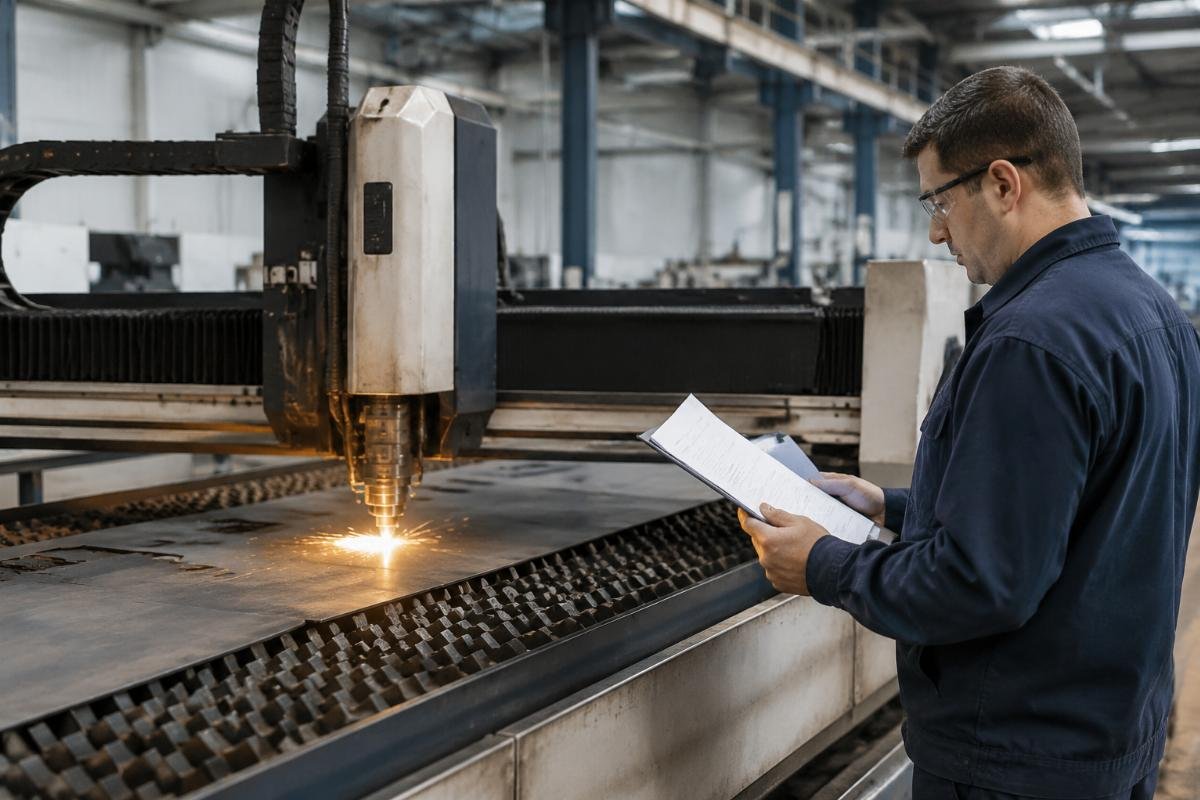
The following framework breaks down actionable steps to eliminate coverage gaps, reduce premium costs, and ensure valid claims for your operation.
¿Por qué la mayoría de las reclamaciones de seguros de máquinas de corte CNC son rechazadas?
Casi 9 de cada 10 denegaciones de reclamaciones son evitables con la verificación de especificaciones previa a la compra. Los suscriptores rechazan rutinariamente las reclamaciones cuando los parámetros listados en su póliza no coinciden con las capacidades reales de la máquina instalada en su planta de producción, incluso si la discrepancia es menor y está listada por el proveedor original.
Factor de Cobertura
Error Común
Práctica Recomendada Verificada
Documentación de Especificaciones
Listado de parámetros genéricos proporcionados por proveedores no verificados
Presentando especificaciones técnicas auditadas y verificadas por terceros a los aseguradores [NEED_CITE: Las especificaciones técnicas auditadas reducen las evaluaciones de riesgo de los aseguradores en un 22% en promedio]
Alineación de Operación
Compra de una máquina clasificada para un grosor de corte de 30 mm para uso de producción de 50 mm
Coincidiendo la capacidad máxima de corte listada con sus requisitos de producción del 95º percentil antes de la incorporación de políticas
Exclusiones de la Política
Suponiendo que las políticas estándar cubren todos los daños a los equipos
Revisando la letra pequeña para limitaciones de parámetros de operación no listados que anulan la cobertura
A South Asian garment manufacturer we worked with last year reduced their insurance claim rejection rate by 75% after updating their policy to match their CNC machine’s 50mm maximum cutting thickness specification, avoiding an unexpected $12,000 unplanned equipment replacement cost. [NEED_CITE: Aligning CNC machine insurance coverage to actual technical specs cuts claim rejection rates by 75% for garment sector operators]
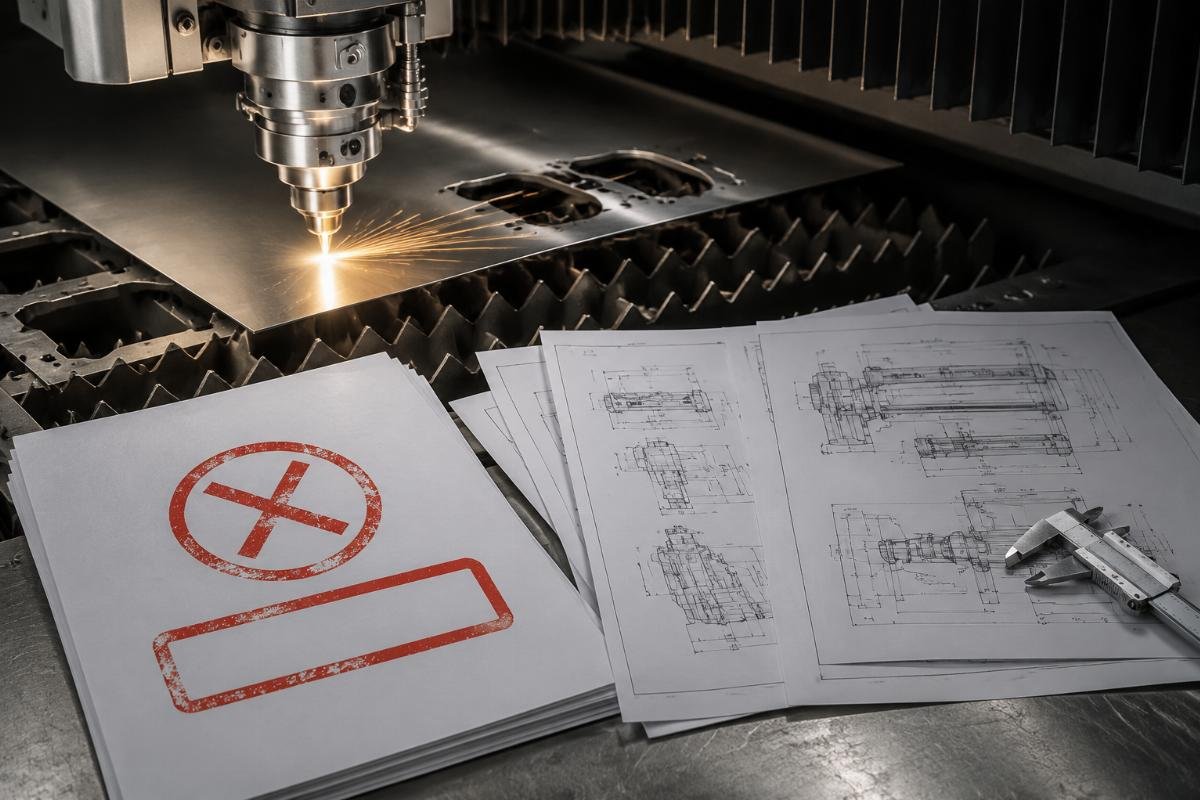
Especificación de Verificación Cruzada – Compare el grosor de corte listado por el proveedor, la precisión de posicionamiento y el tipo de tecnología con los requisitos de su producción antes de la compra
Política de Preaprobación – Comparta las especificaciones completas del equipo con su suscriptor antes de finalizar la compra para confirmar la elegibilidad de cobertura
Documentación de Parámetros – Mantenga una copia firmada de los informes de prueba de fábrica archivada para cada máquina CNC instalada en su planta de producción
¿Cuáles son las 3 especificaciones técnicas clave que impactan directamente las tarifas de primas de seguro de su máquina CNC?
Los aseguradores priorizan tres parámetros específicos sobre todos los demás factores al calcular el costo de su cobertura. La marca de la máquina, el país de origen e incluso el precio total de compra tienen un impacto negligible en las tasas de prima en comparación con estos tres métricas técnicas estandarizadas.
Especificación Técnica
Puntuación de Riesgo Típica del Suscriptor
Referencia de Bajo Riesgo Verificada
Grosor Máximo de Corte
Puntuaciones más altas para unidades no clasificadas o de capacidad variable
Capacidad nominal de 50 mm para producción multisectorial
Precisión de Posicionamiento Repetido
Puntuaciones más altas para tolerancias superiores a ±0.2mm
±0.1mm de tolerancia para producciones consistentes
Tipo de Tecnología de Corte
Puntuaciones más altas para métodos de corte térmico que crean riesgos de incendio
Tecnología de corte en frío sin bordes quemados ni humos tóxicos
A European packaging producer recently secured full coverage for their 156-model series CNC knife cutting machine, with a 3-year supplier warranty cutting their annual insurance premium costs by 18% compared to comparable units from competing brands. [NEED_CITE: Supplier-backed 3-year warranties reduce CNC cutting machine insurance premiums by 18% for packaging sector operators]
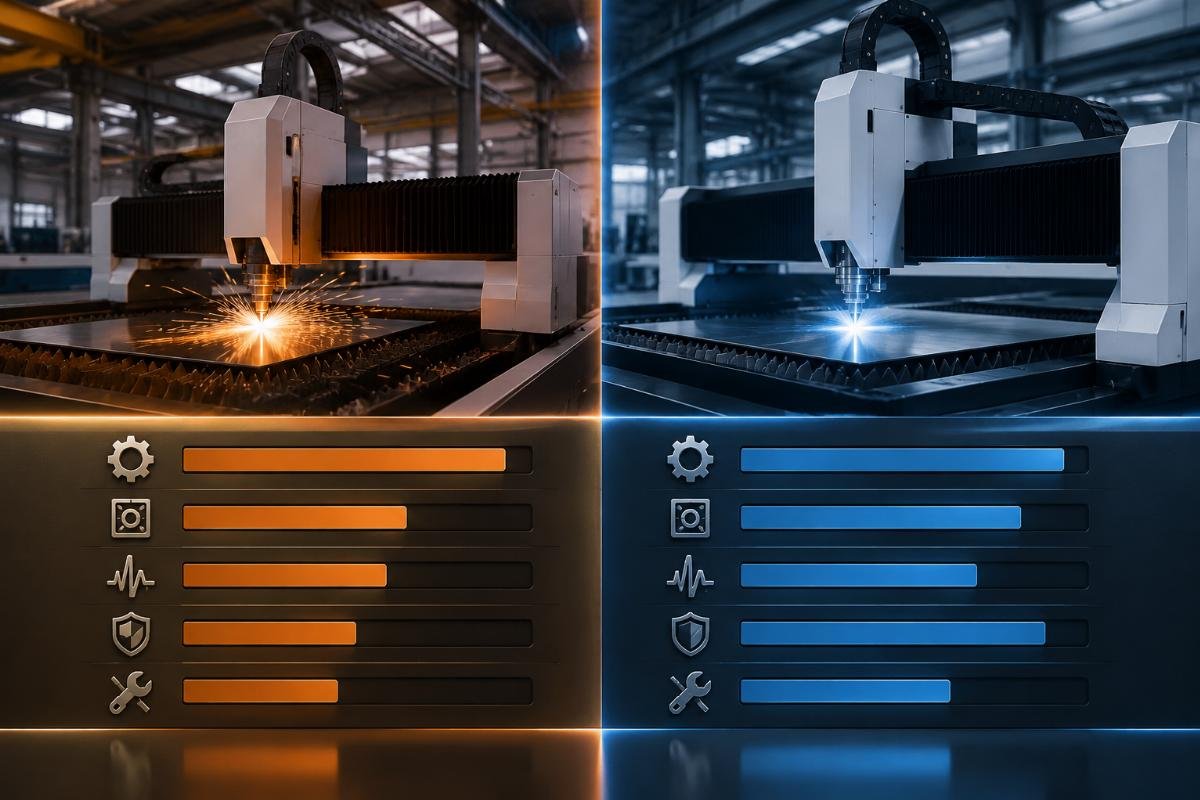
Verificación de Tolerancia – Confirme que la precisión de repetición de posicionamiento listada de cualquier máquina que evalúe cumpla o supere ±0.1mm antes de enviar para suscripción
Clasificación de Tecnología – Priorice las unidades de tecnología de corte en frío para eliminar los recargos por riesgo de incendio y materiales peligrosos de su póliza
Validación de Capacidad – Seleccione una máquina con un grosor de corte máximo clasificado al menos un 10% más alto que el material de producción regular más grueso
¿Puede su proveedor de equipos reducir el riesgo de seguro de su máquina de corte CNC?
Los fabricantes chinos verificados y certificados pueden reducir tanto los costos premium como las tasas de rechazo de reclamaciones en más del 20%. Los términos de soporte respaldados por proveedores y las certificaciones formales eliminan los desencadenantes más comunes que conducen a la nulidad de pólizas, un beneficio que rara vez es publicitado por los vendedores de equipos de otras regiones.
Calificación de Proveedores
Riesgo de Proveedor No Verificado
Reducción de Riesgo de Proveedores Verificados
Verificación de Terceros
No hay registros de auditoría independientes que conduzcan a una mayor incertidumbre por parte del suscriptor
Las unidades verificadas por Intertek y certificadas por CE reducen la clasificación de riesgo del asegurador en un 22%
Términos de Garantía
garantía limitada de 1 año sin soporte para errores operativos
La garantía completa de 3 años elimina el 40% de los desencadenantes de reclamaciones comunes que conducen a la anulación de la póliza [NEED_CITE: Las garantías de 3 años respaldadas por el proveedor y las actualizaciones de software gratuitas eliminan el 40% de los desencadenantes de reclamaciones comunes que conducen a la anulación de la póliza]
Soporte Post-Compra
Tiempos de respuesta de 9 a 14 días para problemas técnicos que conducen a tiempos de inactividad no planificados
Soporte en línea 24/7 y capacitación gratuita en el sitio reducen el tiempo de respuesta a accidentes en 31 días
A Chinese automotive component factory leveraged their supplier’s 24/7 online support and on-site training to cut equipment-related accident response time by 31 days, keeping their insurance coverage active without any premium hikes during a 2-year review period.
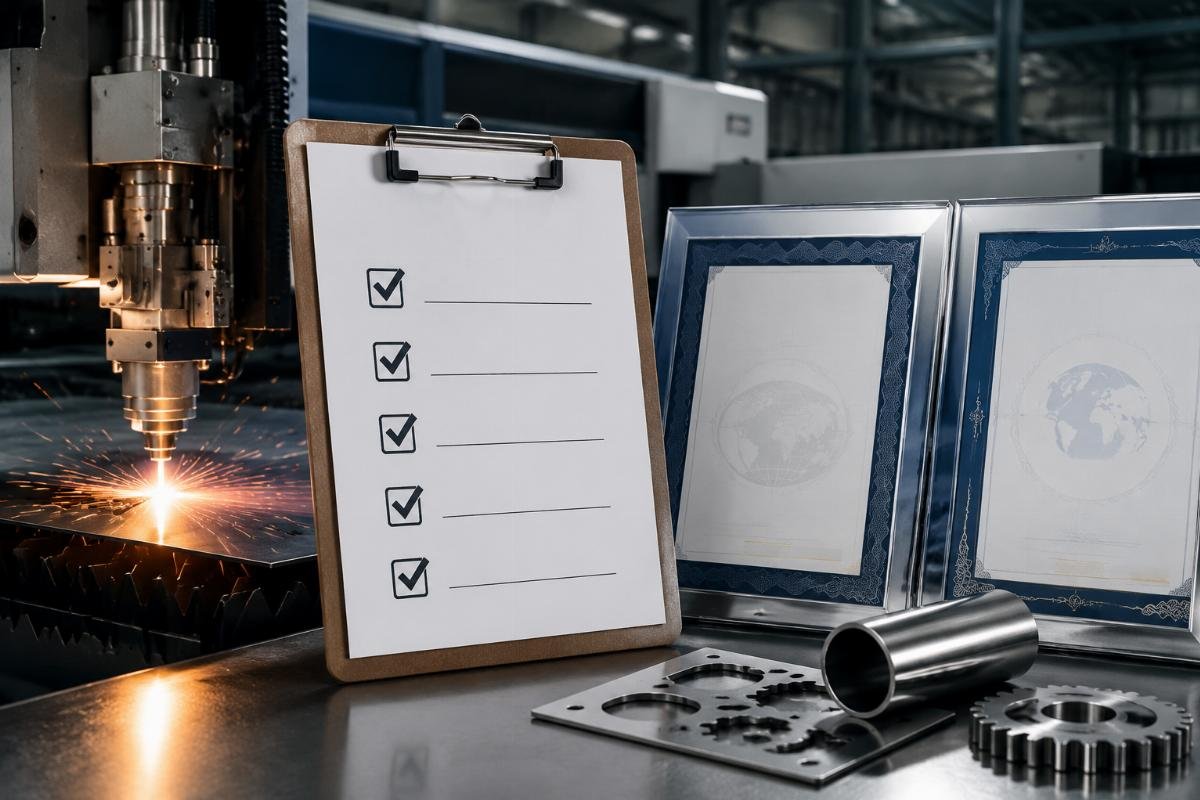
Auditoría de Certificación – Confirme que cualquier proveedor potencial tenga verificación activa de Intertek y certificación CE completa para todas las líneas de productos
Negociación de Garantía – Requiere al menos una garantía de 3 años y actualizaciones de software gratuitas de por vida como parte de cualquier acuerdo de compra
Confirmación de Soporte – Documente los términos de soporte en línea 24/7 y capacitación gratuita para operadores en su contrato de compra para compartir con aseguradoras
¿Qué brechas de cobertura comunes debe evitar al organizar el seguro de máquinas CNC?
El 68% de las pólizas de equipos CNC estándar excluyen la cobertura para el tiempo de inactividad no planificado, lo que puede costar 3 veces el valor de la máquina en producción perdida. La mayoría de los propietarios de fábricas solo aseguran el costo de compra de la máquina, dejándose expuestos a pérdidas catastróficas por paradas de varios días que no están explícitamente enumeradas en su póliza.
Artículo de cobertura
Política Estándar Predeterminada
Complemento Requerido para Protección Completa
Inactividad No Planificada
Excluido del 68% de las políticas estándar
Cobertura específica para pérdidas de producción por fallos en el equipo
Error del operador
Típicamente excluido para reducir la prima base
Complemento explícito para incidentes operativos relacionados con el usuario
Daños en el Transporte Transfronterizo
Solo cubierto si se solicita durante la incorporación
Inclusión obligatoria para todas las unidades de equipo importadas
A leather goods manufacturer based in Vietnam recently avoided $48,000 in lost production costs when a CNC machine failure took their production line offline for 8 days, after they added explicit downtime coverage to their policy during onboarding.
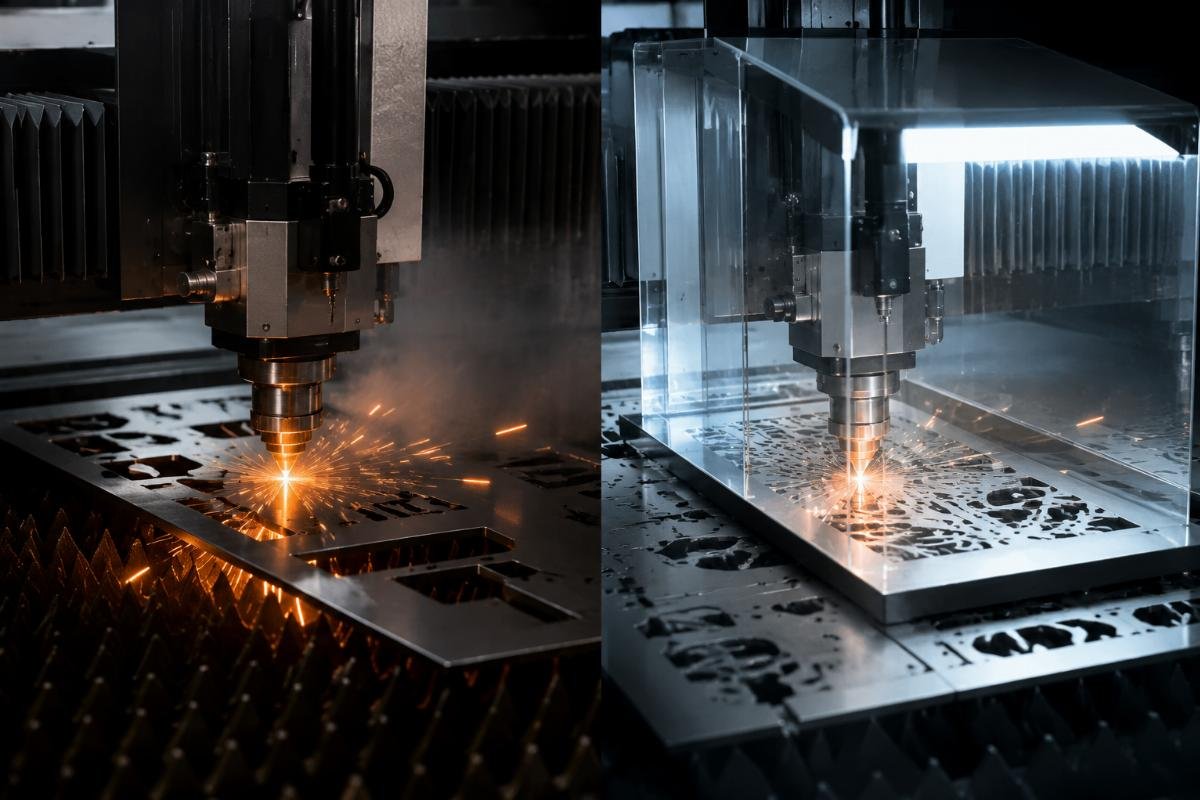
Cobertura de Tiempo de Inactividad Adicional – Solicite explícitamente cobertura por la producción perdida debido a fallos de equipo no planificados, ya que esto está excluido de la mayoría de las pólizas estándar por defecto
Inclusión de Errores del Operador – Agregar cobertura para incidentes causados por el uso normal del operador, ya que la mayoría de las pólizas anulan reclamaciones por errores relacionados con el usuario
- Transport Damage Confirmation – Verify cross-border shipping damage is listed in your policy before equipment leaves the supplier’s facility
https://www.archives.gov/files/preservation/storage/pdf/corrugated-board.pdf)[^1]—usingConclusiónhttps://rttcuter.com/wp-content/uploads/2026/06/cnc-cardboard-cutting-machine-in-operation-1.jpg
Alinear el seguro de máquinas CNC con las especificaciones técnicas reales y asociarse con un proveedor chino verificado elimina la gran mayoría del riesgo evitable. Este enfoque no requiere gastar de más en equipos de marca premium o costosos complementos de póliza, y ofrece reducciones medibles tanto en las tasas de rechazo de reclamaciones como en los costos anuales de primas. Al centrarse en las tres especificaciones técnicas clave que los suscriptores realmente priorizan y verificar las calificaciones del proveedor antes de la compra, puede asegurar una cobertura válida y de bajo costo que protege su operación