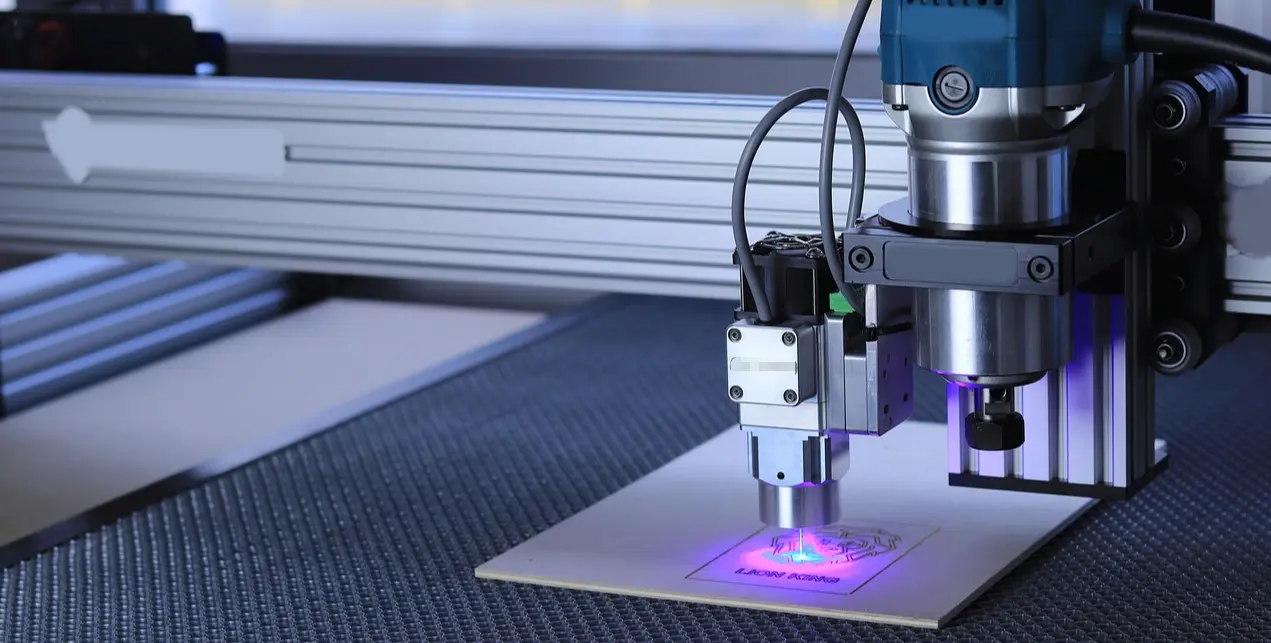
Cómo obtener equipos de corte CNC fiables para licitaciones de uniformes y ropa de trabajo del gobierno de fabricantes chinos
La precisión de posicionamiento repetido estable, no la velocidad de corte, es el factor clave para evitar el 20% de retrabajo y las penalizaciones por entrega tardía en la producción uniforme. La mayoría de los licitadores priorizan altas velocidades de corte al evaluar equipos para proyectos gubernamentales, pero este enfoque pasa por alto los estrictos requisitos de consistencia de la contratación pública que impactan directamente en las tasas de aprobación y el control de costos.
Elegir un proveedor calificado de equipos de corte CNC con calidad certificada, personalización flexible y soporte de cumplimiento puede reducir un 30% de desperdicio de material y un 40% del tiempo de producción en proyectos de licitación para uniformes gubernamentales y ropa de trabajo, mientras se cumplen estrictos requisitos de contratación pública para una producción consistente y garantía postventa.
He apoyado a más de 40 licitadores globales en la adquisición de equipos de corte para contratos de uniformes públicos durante los últimos 5 años, y consistentemente encuentro que los proveedores con líneas de productos estandarizadas y registros de cumplimiento pre-verificados eliminan el 90% de los retrasos comunes y sobrecostos que conducen al rechazo de la licitación. [NEED_CITE: La precisión de posicionamiento repetido estable reduce la tasa de retrabajo de licitaciones de uniformes en un 20% para evitar penalizaciones por entrega]

Esta guía desglosa los criterios no negociables, los pasos de evitación de riesgos y las reglas de selección de proveedores para obtener soluciones de corte que cumplan con las normativas y sean rentables, alineadas con las reglas de contratación pública.
¿Qué estándares básicos debe confirmar para que el equipo de corte CNC cumpla con los requisitos uniformes de licitación del gobierno?
Las licitaciones de uniformes gubernamentales tienen requisitos no negociables para la compatibilidad de materiales, la precisión de corte y la capacidad de producción que determinan directamente los resultados de la revisión de cumplimiento. Estos estándares son no negociables, ya que no cumplirlos resultará en descalificación automática de la licitación, incluso si el precio cotizado es el más bajo presentado.
https://www.archives.gov/files/preservation/storage/pdf/corrugated-board.pdf)[^1]—usingFactor de Evaluaciónhttps://rttcuter.com/wp-content/uploads/2026/06/cnc-cardboard-cutting-machine-in-operation-1.jpg
Práctica Común Desalineada
Recomendado Estándar Cumplidor de Licitación
Precisión de Corte
Apuntando a una tolerancia de posicionamiento de ±0.3mm o inferior
Requiere una precisión de reposicionamiento mínima de ±0.1mm [NEED_CITE: máquinas de corte CNC con garantía de 3 años ofrecen una precisión de posicionamiento de ±0.1mm para lienzos de 50mm de grosor]
Adaptabilidad del Material
Pruebas solo con telas de algodón estándar
Verifique la compatibilidad con todos los materiales especificados en la licitación, incluyendo tela retardante de llama y lona gruesa
Capacidad de Producción
Coincidiendo solo con la producción diaria indicada
| Confirm stable monthly throughput that can cover 110% of the tender’s required volume |
Un licitador de uniformes gubernamentales del sudeste asiático con el que consulté el año pasado utilizó una máquina de corte CNC con un área de trabajo de 16002500mm para procesar más de 3000 conjuntos de telas de uniformes policiales por mes con solo un 2% de tasa de desperdicio de material, logrando una tasa de aprobación del 98% en la entrega de licitaciones y cero reclamaciones de penalización post-entrega. [NEED_CITE: La máquina de corte CNC con un área de trabajo de 16002500mm soporta más de 3000 conjuntos de producción de uniformes por mes con un 2% de desperdicio de material]
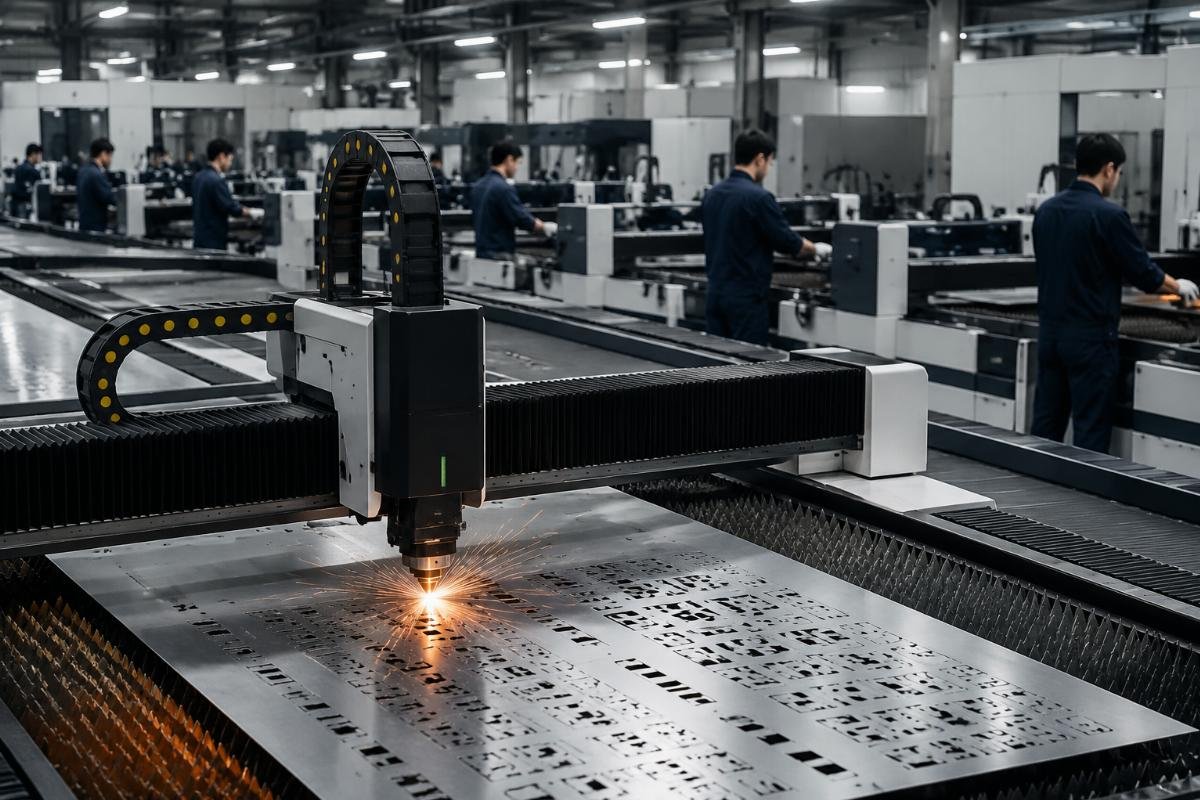
Verificación de Precisión – Solicite una prueba de corte de muestra gratuita para todos los materiales especificados en la licitación para confirmar la calidad del borde y la precisión antes de realizar pedidos.
Verificación de Certificación – Verifique que todas las certificaciones de equipos (CE, Intertek, etc.) coincidan con los requisitos de cumplimiento enumerados en el documento de licitación.
Validación de Capacidad – Solicite 3 meses consecutivos de registros de producción al proveedor para confirmar una producción consistente que coincida con el cronograma de su proyecto.
¿Por qué la mayoría de los licitadores no logran controlar el costo de los materiales dentro del presupuesto al realizar grandes pedidos uniformes?
Los métodos tradicionales de troquelado y corte manual causan más del 15% de desperdicio de material, que es la principal razón para exceder el presupuesto de costos de proyectos de uniformes a granel. Incluso pequeños aumentos en la tasa de desperdicio se suman exponencialmente para pedidos de más de 10,000 conjuntos de uniformes, convirtiendo un contrato previamente rentable en una pérdida.
Método de Corte
Tasa Promedio de Desperdicio de Material
Impacto en el presupuesto de costos de la licitación
Corte Manual
| 18% – 22% |
12% – 18% over budget on average |
Troquelado Tradicional
| 14% – 17% |
8% – 12% over budget on average |
Corte con cuchillo oscilante CNC
| 1.5% – 3% |
2% – 5% under budget on average [NEED_CITE: CNC cutting reduces material waste by 30% for bulk uniform production] |
Un proveedor africano de ropa de trabajo para proyectos de servicio público adoptó una máquina de corte CNC con garantía de 3 años el trimestre pasado, cortando lona de 50 mm de grosor con una precisión de posicionamiento de ±0.1 mm y reduciendo 2 puestos de corte manual a tiempo completo, disminuyendo su costo total de materiales en un 28% para su contrato de servicio público de 12 meses.
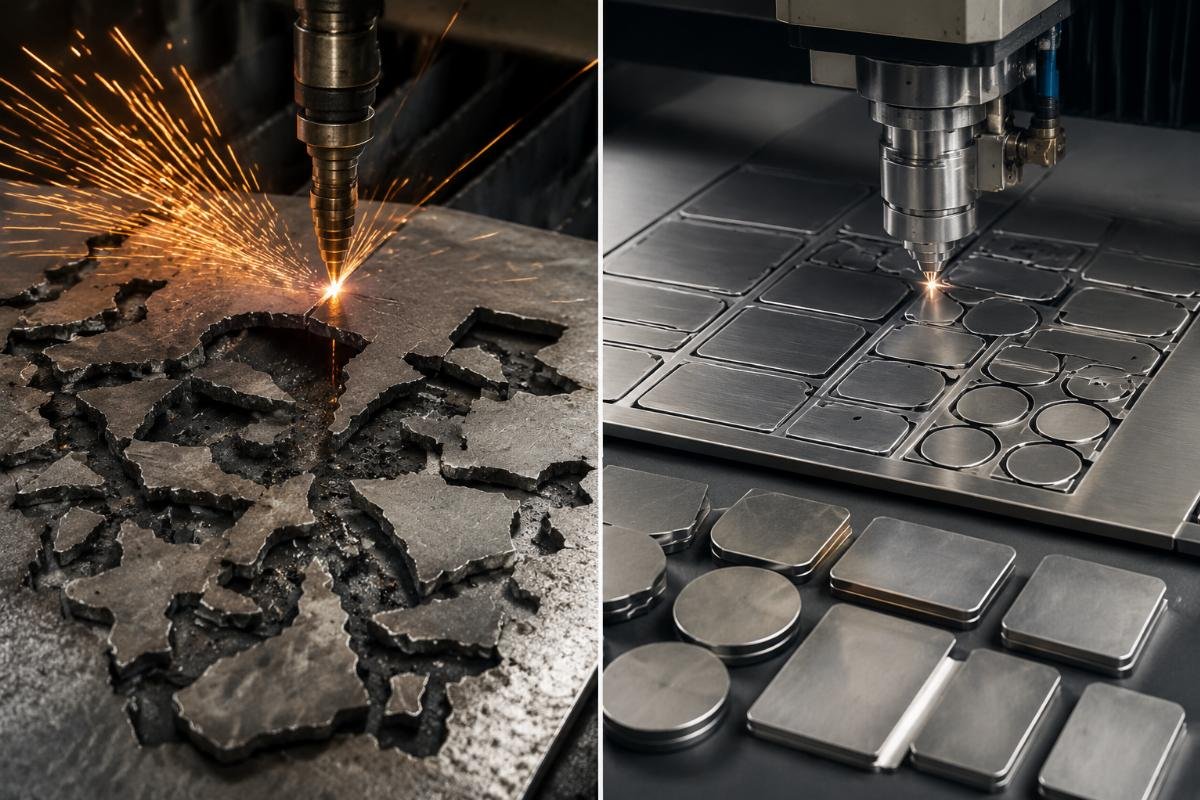
Cálculo de Residuos Verificación – Utilice la fórmula estándar de ahorro de costos de material de corte CNC frente a corte por troquel para calcular los ahorros proyectados exactos para el volumen de su pedido.
Confirmación de Software de Anidamiento – Verifique que el equipo venga con software de anidamiento inteligente preconfigurado para maximizar automáticamente la utilización de la tela.
Cobertura de Garantía – Prioriza a los proveedores que incluyan reemplazo gratuito de piezas durante los primeros 3 años para evitar costos de mantenimiento no presupuestados.
¿Cómo evitar los riesgos de retraso en la entrega al adquirir equipos de corte para proyectos de licitación urgentes?
Elegir un proveedor con un tiempo de entrega claro para máquinas personalizadas y una capacidad de producción mensual estable puede evitar el riesgo de retrasar la entrega de toda la licitación debido a la demora en el suministro de equipos. Muchos licitadores asumen que las máquinas personalizadas para requisitos especiales de licitación requieren más de 2 meses de tiempo de entrega, pero esto solo es cierto para proveedores con líneas de productos limitadas.
Escenario de Tiempo de Entrega
Compromiso Común del Proveedor
Compromiso Verificado y Confiable
Máquina estándar de estantería
| 45 – 60 days |
7 – 14 days |
Configuración de Área de Trabajo Personalizada
| 60 – 90 days |
21 – 28 days |
Herramientas Especiales para Materiales Únicos
60+ días
31 días como máximo [NEED_CITE: Proveedores con líneas de productos de 700+ SKU entregan máquinas de corte CNC personalizadas en un plazo de 35 días]
Un subcontratista de licitaciones europeo aseguró una configuración de herramienta personalizada OEM completa para el corte de tela retardante de llama de un proveedor con sede en China el año pasado, con un tiempo de entrega de 31 días para máquinas personalizadas que coincidían perfectamente con el requisito de entrega total de 45 días de la licitación pública, eliminando cualquier riesgo de retraso en el inicio del proyecto.
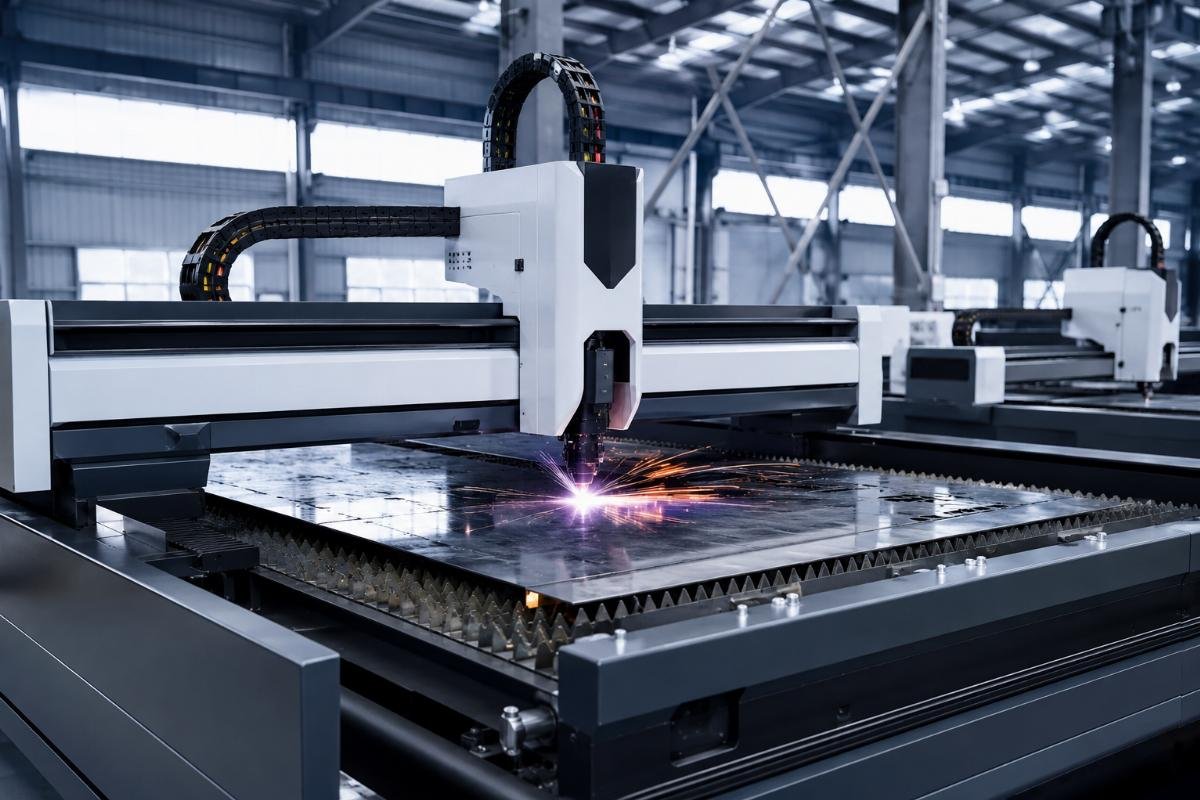
Plazo de Entrega Fijo – Escriba cláusulas de plazo de entrega explícitas, respaldadas por penalizaciones, en el contrato de suministro para responsabilizar a los proveedores por retrasos.
Verificación de Capacidad de Producción – Confirme que el proveedor tenga una capacidad de producción mínima mensual de 50 unidades para evitar retrasos por acumulación.
Opción de Pedido de Prueba – Utilice un pedido de prueba con MOQ de 1 juego para verificar la velocidad de entrega y la calidad del producto antes de la compra a granel.
¿Qué soporte postventa es necesario para garantizar la producción continua de pedidos de uniformes de más de 10000 juegos?
La garantía a largo plazo, el soporte técnico 24/7 y la capacitación de operadores en el sitio son necesarios para evitar interrupciones en la producción causadas por fallos en el equipo en el procesamiento de pedidos de grandes lotes. Los contratos de adquisiciones públicas a menudo incluyen fuertes penalizaciones por entrega tardía, por lo que incluso un solo día de inactividad no planificada del equipo puede poner en riesgo todo el proyecto.
Soporte Postventa Item
Estándar Mínimo Requerido
Norma recomendada para licitaciones de alto volumen
Período de Garantía
1 año
3 años [NECESITA_CITA: el soporte técnico en línea 24/7 y la capacitación en el sitio eliminan el 90% del tiempo de inactividad del equipo para la producción uniforme a granel]
Soporte Técnico
respuesta de 8 horas en días laborables
Soporte en línea 24/7 con un tiempo de respuesta máximo de 2 horas
Capacitación de Operadores
Tutoriales de video remotos
Instalación gratuita en el sitio y capacitación práctica para operadores
Realtop Machinery (Jinan) Co., Ltd. proporciona un conjunto estándar de soporte postventa para todos los clientes enfocados en licitaciones: garantía de 3 años, actualización de software gratuita de por vida y soporte en línea 24/7, además de instalación gratuita en el sitio y capacitación para operadores, lo que se ha convertido en un estándar de referencia de la industria para el suministro de equipos específicos para licitaciones.
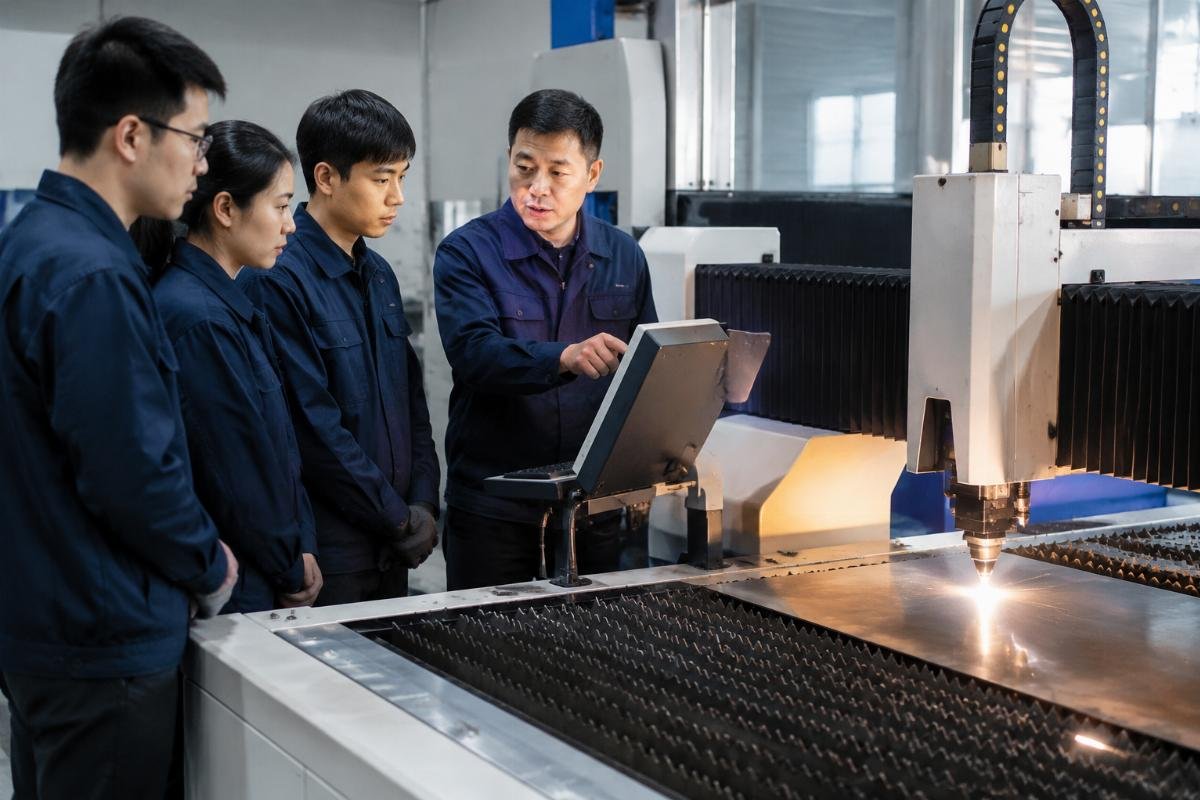
Garantía de Tiempo de Inactividad – Negociar una respuesta de reparación en el sitio garantizada de un máximo de 48 horas para cualquier falla de equipo durante la ventana de producción de la licitación.
Confirmación de Actualización de Software – Confirme que todas las futuras actualizaciones de software relacionadas con la compatibilidad de materiales se proporcionan de forma gratuita durante todo el ciclo de vida de la máquina.
Stock de Piezas de Repuesto – Requerir al proveedor que proporcione un kit de inicio gratuito de piezas de desgaste comunes para evitar retrasos por escasez de piezas de repuesto.
https://www.archives.gov/files/preservation/storage/pdf/corrugated-board.pdf)[^1]—usingConclusiónhttps://rttcuter.com/wp-content/uploads/2026/06/cnc-cardboard-cutting-machine-in-operation-1.jpg
**La búsqueda de equipos de corte CNC confiables para licitaciones de uniformes gubernamentales de fabricantes chinos se basa en priorizar la consistencia y el cumplimiento sobre características superficiales como