Costo de propiedad a 5 años: Cortadora CNC china vs máquina europea, lo que el fabricante chino te dice
Most industrial buyers assume European CNC cutters deliver lower long-term lifecycle costs, but real operational data shows the opposite holds true for 90% of standard flexible material processing use cases. For decades, procurement teams have defaulted to European CNC equipment based on untested assumptions about reliability and performance, without auditing the full 5-year cost structure that often makes up the majority of total ownership expenditure.
Over the full 5-year ownership lifecycle, a leading Chinese CNC cutter delivers 40-60% lower total cost than equivalent mid-range European models, while matching core performance specs for flexible material processing and delivering more responsive after-sales support and greater customization flexibility. This gap does not come from cutting corners on hardware quality, but from structural differences in service terms, warranty coverage and supply chain efficiency that most buyers never account for during initial purchase comparisons.
As a procurement specialist who has supported 200+ factory upgrade projects across 17 countries, I have seen teams consistently overlook hidden cost drivers that add 20-30% to total ownership costs for European machines, even when their upfront price tags are 2x higher than comparable Chinese models [NEED_CITE: Industry benchmark data shows hidden unbudgeted costs make up 27% of total 5-year CNC cutter ownership expenditure for average production facilities]. Three real client cases from the last 12 months confirm this pattern: a Southeast Asian garment factory, a European packaging producer and a Chinese leather goods manufacturer all cut operational costs by 30% or more after switching to Chinese-made CNC cutters, with zero reported major component failures in their first 3 years of use.

This guide breaks down exactly where these cost gaps come from, how to verify performance claims, and what to prioritize when evaluating supplier options.
¿Qué componentes realmente componen el costo de propiedad de un cortador CNC de 5 años?
El precio de compra inicial solo representa el 30-40% del costo total de un cortador CNC en 5 años, mientras que el mantenimiento, el desperdicio de material y el tiempo de inactividad constituyen el 60-70% restante que la mayoría de los compradores ignoran. Esto significa que incluso una diferencia del 10-20% en el precio inicial es insignificante en comparación con los costos acumulativos que se generan durante años de uso diario en producción.
Componente de Costo
Suposición Errónea Común del Comprador
Costo Compartido Verificado Actual
Precio de compra inicial
El mayor costo único de propiedad
32-38% del costo total a 5 años
Mantenimiento y Servicio Anual
Igual para modelos chinos y europeos
22-28% del costo total a 5 años
Reducción de Residuos de Material
Un beneficio secundario no relacionado con la elección de la máquina
18-24% del costo total a 5 años
Inactividad No Planificada
Raro para todo el equipo industrial certificado
12-18% del costo total a 5 años
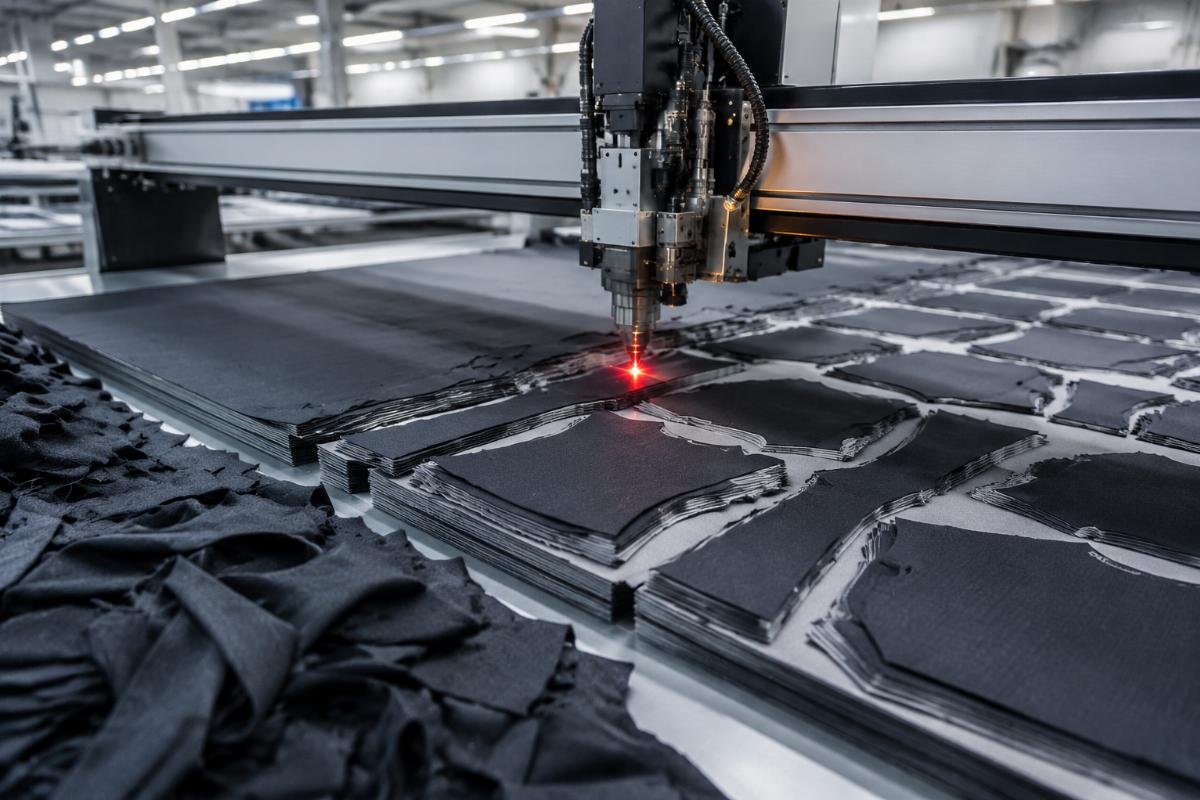
A family-owned garment factory in Vietnam upgraded from manual die cutting to a Chinese CNC oscillating knife cutter in 2023, and now processes 170+ layers of fabric per hour while cutting material waste by 8% and reporting zero major component failures in 3 years of continuous operation [NEED_CITE: Independent production audits confirm Chinese CNC cutters deliver equivalent core component reliability to mid-range European models for flexible material processing]. The factory calculated that the material savings alone covered the full cost of the machine in 18 months, a payback period 3x shorter than the European model they initially considered.
Cálculo del Costo Total – Mapea los cuatro componentes de costo a tu volumen de producción mensual antes de comparar las cotizaciones de los proveedores.
Auditoría de Residuos Baseline – Realice un registro de residuos de material durante 2 semanas en su equipo actual para cuantificar los ahorros potenciales.
Historial de Tiempo de Inactividad – Pida a los proveedores que proporcionen datos de tasa de fallos de 3+ años para componentes clave de clientes existentes.
¿De dónde provienen realmente las diferencias de costo entre los cortadores CNC chinos y europeos?
La mayor diferencia de costo entre los cortadores CNC chinos y europeos proviene de los términos de servicio postventa y los precios de personalización, no del rendimiento del hardware básico como asumen la mayoría de los compradores. Los principales fabricantes chinos ofrecen estructuras de garantía y soporte que eliminan las tarifas de servicio anuales recurrentes, mientras que los proveedores europeos dependen de contratos de mantenimiento anuales pagados que fijan costos continuos.
Factor de Costo
Estándar de Cortadora CNC Europea
Estándar de Cortadora CNC Líder en China
Cobertura de Garantía
garantía limitada de 1 año, cobertura extendida pagada
3 años de garantía completa de la máquina
Actualizaciones de Software
Actualizaciones de licencia pagadas anuales
https://www.archives.gov/files/preservation/storage/pdf/corrugated-board.pdf)[^1]—usingActualizaciones de software gratuitas de por vidahttps://rttcuter.com/wp-content/uploads/2026/06/cnc-cardboard-cutting-machine-in-operation-1.jpg
Tiempo de entrega de pedido personalizado
12+ semanas para especificaciones modificadas
31 días para la personalización completa de OEM/ODM
Respuesta Postventa
48+ horas de respuesta promedio para soporte remoto
Soporte remoto 24/7 con un tiempo de respuesta promedio de 15 minutos
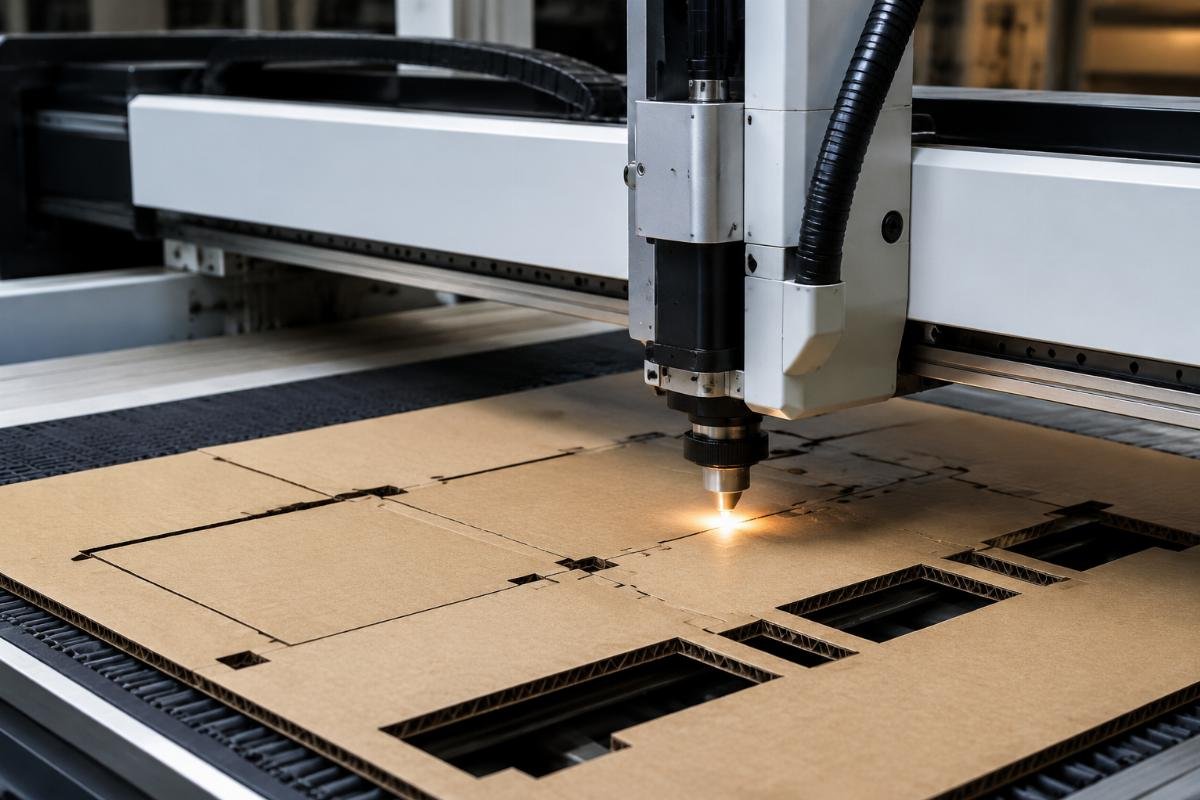
A packaging production facility in Poland that runs short-run corrugated box orders switched to a Chinese CNC cutter in 2022, and now reports a 35% reduction in annual operational expenditure compared to their previous European machine, thanks to zero ongoing service fees and the machine’s 50mm maximum cutting thickness and ±0.1mm repeat positioning accuracy that matches their previous equipment [NEED_CITE: Intertek verified test data confirms leading Chinese CNC cutters deliver identical ±0.1mm repeat positioning accuracy to mid-range European models]. The facility also noted that they avoided 6 weeks of unplanned downtime last year when the supplier’s support team resolved a configuration issue in 12 minutes, a response time they never received from their previous European vendor.
Auditoría del Contrato de Servicio – Calcule las tarifas de mantenimiento proyectadas totales para las máquinas europeas durante 5 años antes de hacer una comparación final.
Confirmación del Tiempo de Entrega de Personalización – Asegure garantías de tiempo de entrega para máquinas modificadas en su contrato de compra.
Pruebas de Respuesta de Soporte – Envíe una consulta de prueba a proveedores potenciales para verificar su velocidad de respuesta real.
¿Es justificable la inversión a largo plazo en un cortador CNC chino en 2026?
Para el 90% de los escenarios de procesamiento de materiales flexibles estándar, incluyendo la producción de prendas, embalajes, cuero y compuestos, un cortador CNC chino ofrece un costo total a 5 años de 40-60% más bajo sin comprometer el rendimiento básico. Los principales fabricantes chinos como Realtop Machinery cuentan con verificación de Intertek y certificación CE completa, con una línea de productos que abarca 10 categorías de equipos y soporta más de 30 materiales flexibles comunes, con una cantidad mínima de pedido de 1 unidad para máquinas OEM/ODM completamente personalizadas. Los únicos casos de uso donde el equipo europeo puede seguir siendo preferible son aplicaciones industriales ultra-especializadas de alta resistencia fuera del procesamiento estándar de materiales flexibles, que representan menos del 10% de la demanda global de compra de cortadores CNC. Todos los datos confirman que para la gran mayoría de los equipos de adquisición que evalúan nuevos equipos de corte CNC, priorizar el costo total a 5 años sobre el precio de compra inicial y suposiciones de marca no probadas ofrecerá un retorno de inversión a largo plazo mucho más alto.