

Blog
How distributors pitch fabric cutting solutions to garment factories?

How distributors pitch fabric cutting solutions to garment factories?
When I watch new distributors pitch CNC cutting machines to garment factories, they almost always start with the wrong data. They lead with cutting speed, work area dimensions, and price comparisons. The client nods politely, asks for a quote, and then disappears. I learned the hard way that garment factories do not buy fabric cutting solutions the way they buy sewing machines. They are trying to solve one specific bottleneck, and if your pitch does not address that exact problem, you lose the sale before it starts.
Pitching fabric cutting solutions to garment factories requires reversing the conversation. Instead of presenting equipment specifications first, effective distributors diagnose the client's actual workflow by asking what order types dominate their production, what fabrics cause the most cutting delays, and where manual processes create the biggest waste. This diagnostic approach matches equipment capabilities to the factory's real operational risks, not generic automation promises.
I work with small and mid-size garment factories across multiple regions, and the pattern repeats constantly. Clients approach cutting equipment with two dangerous assumptions that destroy their purchasing decisions before we even discuss specifications. If you want to help these factories instead of confusing them, you need to understand why these assumptions exist and how to redirect the conversation.
Why do garment factories assume all CNC cutters handle all fabrics?
Most garment factory owners see CNC fabric cutting machines as interchangeable tools, like upgrading from one sewing machine brand to another. They assume if a machine can cut cotton, it automatically handles polyester, silk, denim, and technical fabrics without adjustment. This belief creates the most expensive purchasing mistakes I see every month.
Garment factories assume all CNC cutters handle all fabrics because they treat cutting equipment like generic machinery, not realizing that blade types, vacuum pressure, and feed mechanisms must match specific fabric behaviors. A machine optimized for stable woven cotton cannot reliably process slippery satin or thick upholstery fabrics without different tooling configurations.
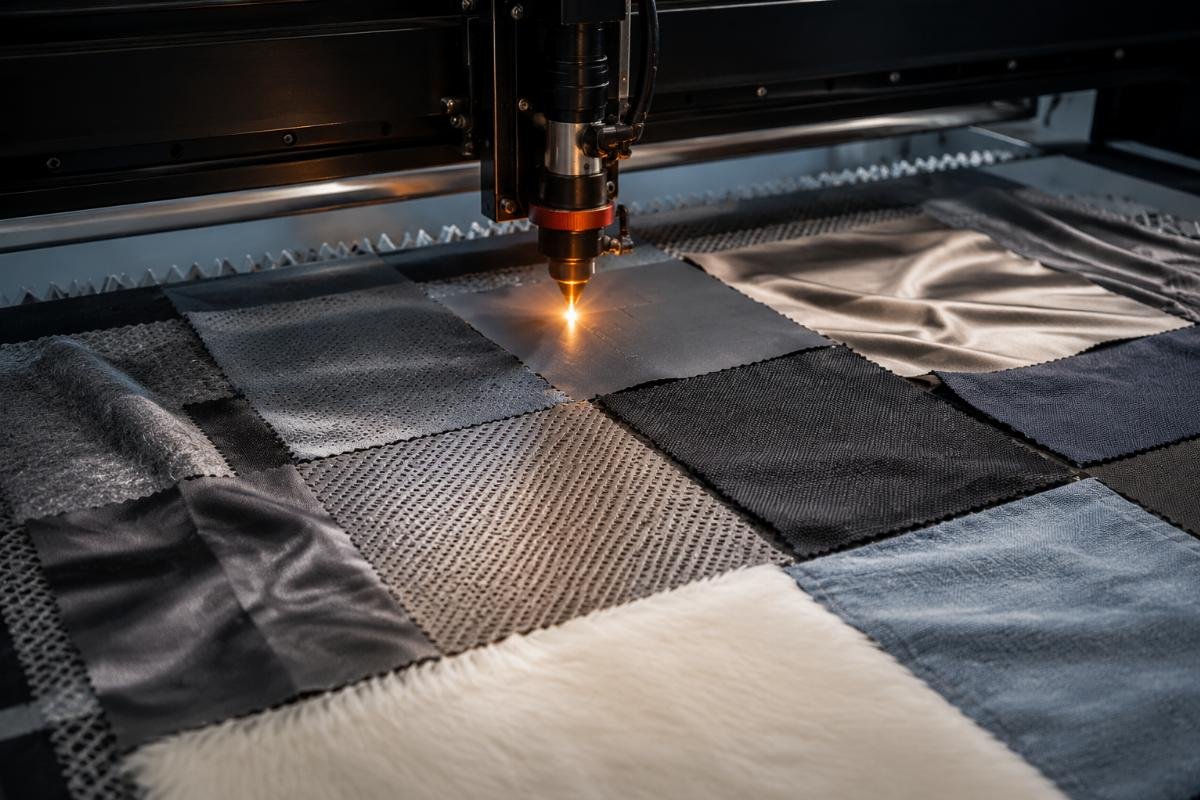
When a client contacts me asking "which machine cuts fastest," I know they are thinking about the wrong variable. Last month, a factory manager wanted our highest-speed model because he processed 500 small orders monthly. He cut jersey knits, organza, and stretch denim. I asked him to send fabric samples. The jersey required a drag knife with specific pressure control. The organza needed compressed air assist to prevent fraying. The stretch denim demanded a oscillating blade with tension compensation. He needed three different tooling setups, not one fast machine.
Fabric behavior during cutting separates successful equipment matches from expensive failures. Consider these real compatibility factors:
| Fabric Type | Critical Cutting Requirement | Common Equipment Mismatch |
|---|---|---|
| Jersey knits | Consistent downward pressure without stretching | High-speed machines that pull fabric during rapid direction changes |
| Slippery synthetic silks | Enhanced vacuum zones and blade angle control | Standard vacuum tables that let fabric shift mid-cut |
| Thick denim or canvas | High blade force and heat dissipation | Light-duty cutters marketed as "multi-material" |
| Delicate lace or mesh | Minimal contact pressure and edge protection | Aggressive blade depth settings that damage pattern edges |
Three months ago, a client bought a competitor's "universal fabric cutter" without consulting us. He returned after two weeks because it could not handle his primary order type, which was polyester lining fabric. The machine cut cotton samples perfectly during the demo, but polyester melted under the friction heat generated by the standard blade. He needed a different blade material and cooling system. The equipment itself was not defective. The match was wrong from the start.
When I pitch to garment factories now, I do not discuss cutting speed until I understand their fabric mix. I ask clients to rank their top three fabric types by order volume, then I demonstrate how each fabric type changes the equipment configuration. This prevents the "universal machine" assumption before it derails the entire decision process.
What questions reveal a factory's real cutting bottleneck?
Most distributors ask garment factories "what is your budget" or "how many layers do you cut daily." These questions collect data but do not reveal the actual problem the factory needs to solve. I wasted six months chasing clients who requested quotes but never purchased until I changed my diagnostic sequence entirely.
Three questions reveal a factory's real cutting bottleneck: What order types dominate your workflow? What fabrics do you cut most frequently? Where does your current cutting process waste the most time? These questions force clients to describe their actual operational pain instead of repeating generic automation goals.
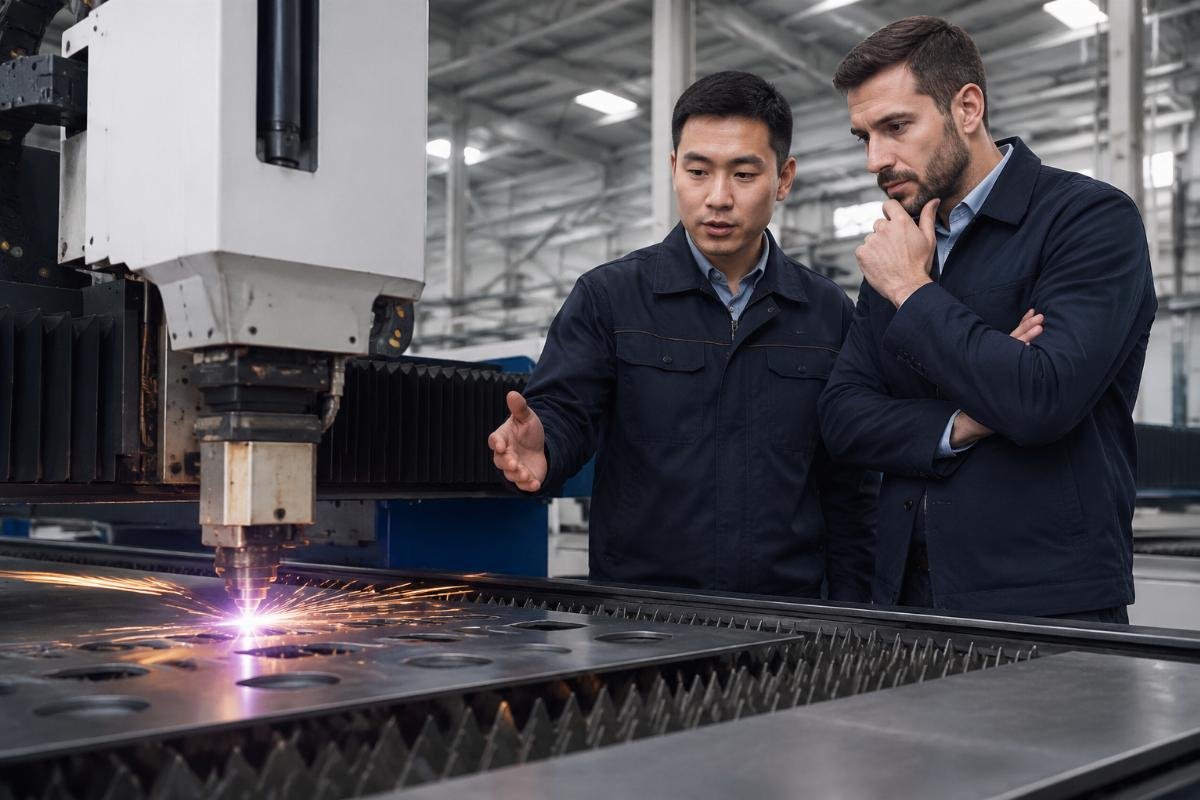
The first question about order types separates two completely different equipment needs. Factories running large bulk orders need maximum cutting area and multi-layer capability. Factories handling small-batch custom work need rapid changeover and pattern flexibility. A machine optimized for one workflow actively hinders the other.
Last week, a potential client told me he wanted to "automate cutting to save labor costs." That statement means nothing until I understand his order structure. I asked how many different patterns he cut monthly. He said over 200 unique designs, mostly runs of 20-50 pieces. His bottleneck was not cutting speed but pattern loading time and material waste from manual marker-making. He needed CAD integration and nesting software more than he needed a larger cutting table.
The second question about fabric frequency catches the mismatch between demo performance and daily reality. Clients see equipment demonstrations cutting sample materials that look similar to their production fabrics, but small differences in fiber content or weave structure change everything.
Here is how I structure the fabric frequency question to extract useful diagnostic data:
| Question Component | What It Reveals | Equipment Implication |
|---|---|---|
| "What fabric do you cut most days per week?" | Primary material that must work flawlessly | This fabric dictates baseline machine configuration |
| "What fabric causes the most quality rejects?" | Problem material that needs special handling | May require additional tooling or secondary equipment |
| "What new fabric types are clients requesting?" | Future compatibility requirements | Determines upgrade path and modular capability |
The third question about time waste uncovers whether the factory's problem is cutting speed, material handling, pattern changes, or quality inconsistency. A factory that spends two hours daily moving fabric to cutting tables does not need a faster blade. They need workflow reorganization and possibly a smaller, strategically located machine.
Two months ago, a factory manager insisted he needed our largest format cutter because "bigger is better." I visited his facility and watched his team cut small pattern pieces on 8-foot manual tables. They spent more time walking between the spreading area and cutting tables than actually cutting. I recommended two smaller machines positioned near his spreading stations instead of one large central unit. He cut his cycle time by 40 percent without increasing cutting speed at all.
When I complete this three-question diagnostic, I can predict which equipment configuration will actually solve the client's problem versus which machine will create new problems. Most purchasing mistakes happen because distributors skip this diagnostic phase and jump directly to configuration recommendations.
How do small factories and mid-size factories evaluate cutting equipment differently?
Small garment factories and mid-size factories approach cutting equipment decisions from completely different risk perspectives. I learned this after losing three consecutive pitches to small factories by using the same presentation I successfully used with larger clients. The decision frameworks do not overlap, and your pitch must address the specific anxiety driving each segment.
Small factories operating with manual cutting worry about payback period and whether automation eliminates their flexibility advantage. Mid-size factories with traditional equipment worry whether automated cutting can handle their fabric variety and small-batch runs without slowing throughput. Each segment evaluates risk differently and needs distinct reassurance strategies.
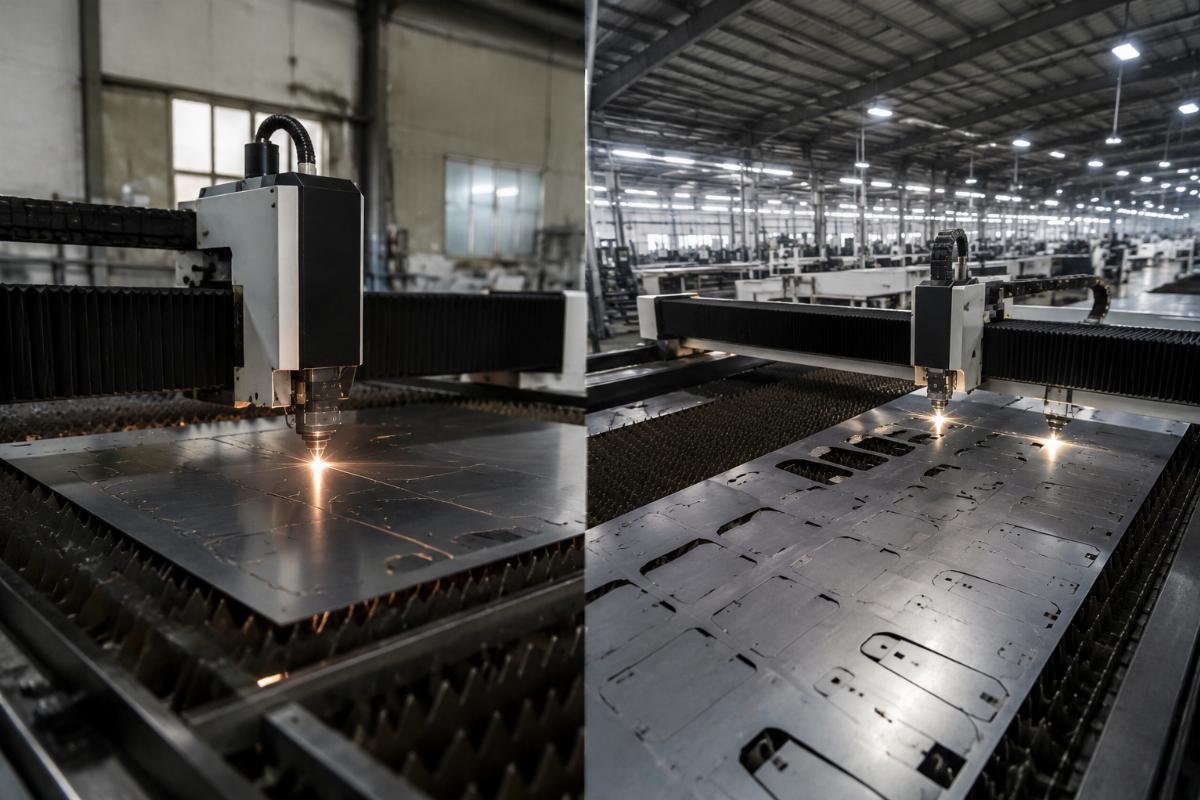
Small factories, typically running 5-15 workers with manual rotary cutters or straight knives, see CNC cutting equipment as a binary decision. Either the machine pays for itself within 18 months or it represents an existential financial risk. These owners do not ask about cutting speed or technical specifications first. They ask how many operators the machine replaces and how quickly they recover the investment.
When I pitch to small factories, I reverse-calculate labor savings against their actual wage rates and order volumes. Last month, a small factory owner told me he cut 40 orders monthly with two full-time cutters earning $450 each per month. His average order was 35 pieces across 4-6 pattern pieces. I showed him that our entry-level machine, operated by one person, could process his monthly volume in 12 working days while maintaining better accuracy. His payback period was 16 months at current order levels. He purchased immediately because the calculation addressed his primary fear: wasting capital on equipment that does not reduce labor costs fast enough.
But small factories have a second concern that many distributors ignore: flexibility loss. Manual cutting lets them accept rush orders, modify patterns on the spot, and handle extremely small runs without setup time. They worry that automation locks them into rigid processes that eliminate their competitive advantage against larger factories.
I address this by demonstrating pattern loading time and changeover speed during site visits. I show them that switching between different designs takes 2-3 minutes with our CAD interface, not the 30-minute setup they imagine. This reassurance about maintained flexibility closes more deals than speed specifications ever do.
Mid-size factories, typically running 30-100 workers with some traditional automated equipment like band knife cutters or die presses, evaluate CNC cutting from a different anxiety: fabric compatibility and batch flexibility. These factories already automated parts of their workflow. They know automation works. They worry whether CNC cutting specifically can handle their material variety and small-batch requirements without creating new bottlenecks.
Here is how decision concerns differ between factory segments:
| Factory Segment | Primary Decision Fear | Secondary Concern | Wrong Pitch Focus |
|---|---|---|---|
| Small factories (manual cutting) | Payback period too long | Loss of flexibility for custom work | Cutting speed and technical features |
| Mid-size factories (some automation) | Fabric compatibility limits | Small-batch changeover slowing production | Labor savings and efficiency gains |
| Large factories (full automation) | Integration with existing systems | Maintenance cost and uptime reliability | Generic productivity improvements |
A mid-size factory contacted me three months ago after rejecting two competitor proposals. Previous distributors demonstrated cutting speed on cotton samples and discussed labor savings. But this factory cut 15 different fabric types monthly, including problem materials like stretch velvet and bonded technical fabrics. Their real question was whether CNC cutting could handle their fabric mix without requiring manual finishing that eliminated the automation benefit.
I brought our application engineer to their facility with a portable test unit. We cut their five most difficult fabrics on-site and let their quality team inspect the edges. We failed on the stretch velvet the first attempt, adjusted blade angle and vacuum pressure, and succeeded on the second cut. That honest demonstration of real-world problem-solving closed the deal, while competitors' generic speed claims did not.
When pitching to mid-size factories, I spend more time discussing tooling options, fabric testing protocols, and changeover procedures than I spend discussing cutting speed or work area. These factories need proof that the equipment handles their specific complexity, not evidence that automation works in general.
What equipment misfits occur when clients prioritize price or speed first?
Every month I see garment factories purchase cutting equipment based on the wrong decision variable, then contact distributors like me six months later trying to fix problems that should never have occurred. These misfits follow predictable patterns, and they all trace back to clients prioritizing price or speed specifications before confirming fabric compatibility and workflow fit.
The most common equipment misfits occur when garment factories buy high-speed machines without verifying fabric compatibility, purchase large-format cutters that exceed their actual material dimensions, or select the lowest-price option that cannot process their primary order types. Each misfit creates operational problems more expensive than the initial price difference.
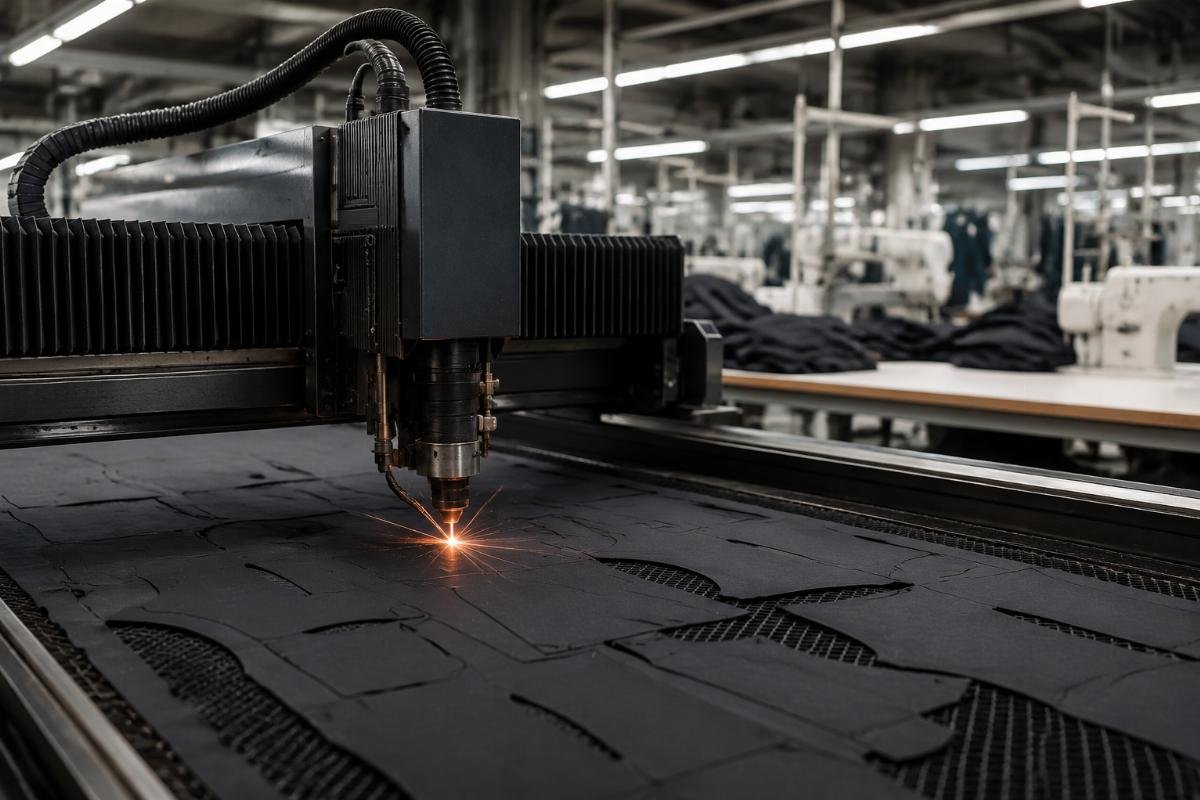
Last year, a factory owner contacted me frustrated because the "high-speed fabric cutter" he purchased from an online supplier could not cut his primary material, which was synthetic athletic fabric. The machine specifications listed 1200mm/second cutting speed and "multi-material capability." He paid 30 percent less than our comparable model. But the blade system generated friction heat that melted polyester edges, and the vacuum table could not hold slippery technical fabrics during direction changes. He needed a coolant system and enhanced vacuum zones that his chosen model did not offer as upgrades.
I could not retrofit his equipment. He essentially bought the wrong machine, and his only options were selling it at a loss or limiting orders to natural fiber fabrics. He lost two major clients who required synthetic performance fabrics before he replaced the equipment. His 30 percent price savings cost him approximately 200 percent of the original machine price in lost revenue and replacement costs.
The "high speed without fabric verification" misfit happens because clients compare cutting speeds across product brochures without understanding that maximum speed only applies to specific materials and straight-line cuts. Real-world cutting involves curves, corners, and fabric-specific speed limits. A machine rated 1200mm/second might only achieve 600mm/second on your actual fabric with your actual pattern shapes.
Another common misfit is "large format without material dimension analysis." Clients see competitors using 3-meter cutting tables and assume bigger machines increase productivity. A potential client last month insisted he needed our largest 2.5-meter table because his competitor had one. I asked what fabric widths he typically cut. He said 1.5 meters maximum. I asked what his average pattern length was. He said 0.8 meters. A 2.5-meter table was wasting floor space and requiring additional operators to load material across the extended area.
Here are the predictable misfits I see when clients skip diagnostic questions and jump to price or specification comparisons:
| Initial Priority | Resulting Misfit | Operational Consequence | Fix Difficulty |
|---|---|---|---|
| Lowest price | Inadequate blade force for thick fabrics | Cannot process primary order types | Requires equipment replacement |
| Highest speed | Incompatible blade system for synthetic materials | Edge quality failures and order rejections | Requires new tooling and vacuum system |
| Largest format | Oversized table for actual material dimensions | Wasted floor space and longer loading times | Cannot be fixed, only worked around |
| Most automated features | Complex software client's team cannot operate | Machine sits unused while team uses manual methods | Requires extensive training or simplified operation |
The "lowest price" misfit is particularly damaging because clients discover the problem after they already eliminated their manual cutting capacity. Two months ago, a factory purchased an entry-level machine online, then contacted me when it could not cut through their standard 8-layer fabric stacks. The machine specifications listed "multi-layer cutting" but did not specify maximum layer count or fabric thickness. Their production required cutting 8-10 layers of medium-weight cotton. The machine could only reliably cut 4 layers before blade deflection caused accuracy problems.
They asked if we could upgrade the blade system. We could not. The machine's structural frame and drive motors were not designed for higher blade forces. Upgrading those components cost more than purchasing a correctly specified machine initially. The factory continued using manual cutting for their multi-layer work and used the CNC machine only for single-layer cuts, which represented 20 percent of their volume. They essentially purchased equipment that automated their smallest problem while leaving their main bottleneck untouched.
I now show potential clients specific examples of these misfits during initial consultations, not to criticize competitors but to demonstrate why diagnostic questions prevent expensive mistakes. When a client tells me "I found a cheaper machine with similar specs," I ask if the supplier tested their actual fabrics, reviewed their actual patterns, and visited their facility to confirm workflow fit. The answer is almost always no.
The correct approach is asking diagnostic questions first, confirming fabric compatibility through testing second, and comparing price among compatible options third. Reversing this sequence saves the appearance of time during purchasing but creates problems that take years to fix.
How should distributors structure the fabric compatibility verification?
Many distributors tell clients "our machines handle all fabric types" during initial pitches, then discover compatibility problems during installation. This approach destroys your credibility and creates client relationships that start with disappointment. I learned to structure fabric compatibility verification as a formal diagnostic process that happens before configuration recommendations, not after purchase commitments.
Distributors should structure fabric compatibility verification by requesting client fabric samples before quoting equipment, conducting test cuts with the client's actual materials and patterns, and documenting edge quality, cutting accuracy, and speed limitations for each fabric type. This verification shifts the conversation from capability claims to demonstrated performance evidence.
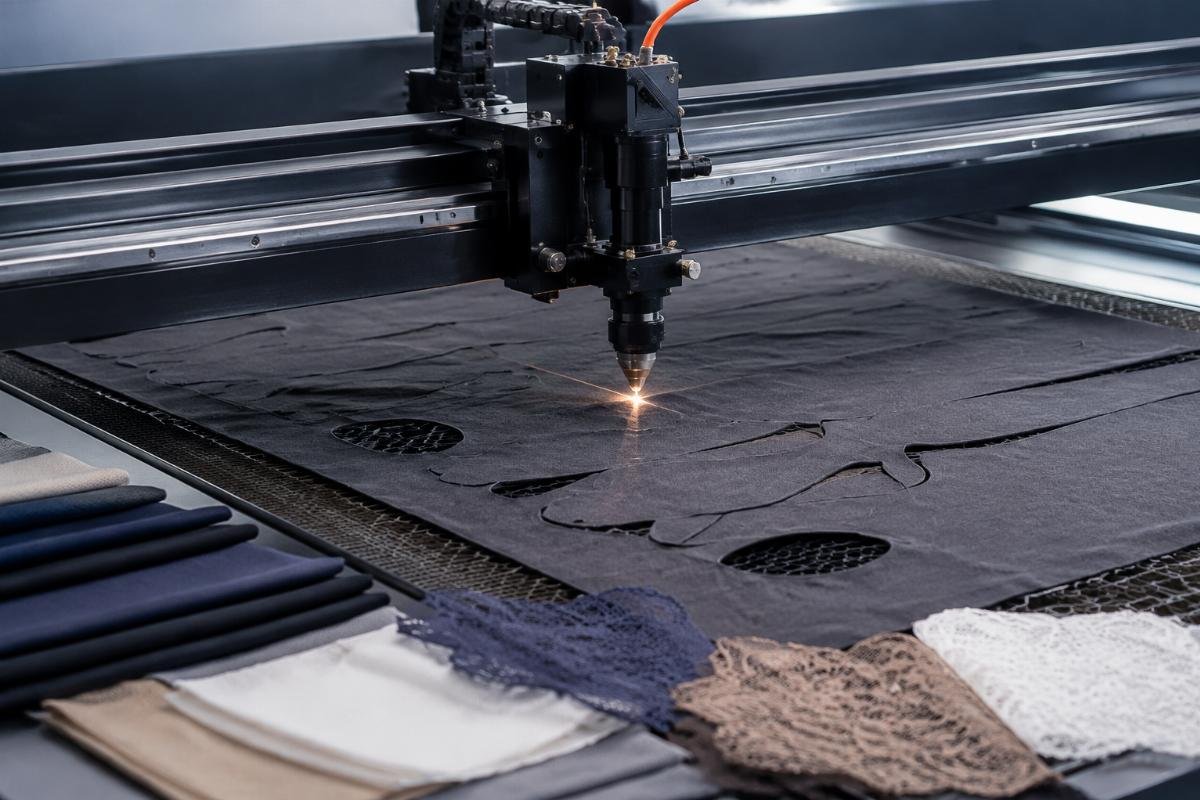
When a potential client contacts me, I request three specific items before I recommend any equipment configuration: samples of their three most frequently cut fabrics, samples of their most problematic fabric, and digital files of their typical pattern shapes. Most distributors ask for production volume and budget. I ask for materials and patterns because those inputs determine which equipment can actually solve their problems.
Last month, a factory sent me cotton twill, polyester lining, and stretch denim samples. They also sent a bonded technical fabric they described as "occasionally problematic." I tested all four materials on three different machine configurations in our facility. The cotton and polyester cut perfectly on our standard model. The stretch denim required pressure adjustment but worked reliably. The bonded technical fabric delaminated on our standard blade system, separated cleanly with our oscillating blade option, but only at 40 percent of maximum cutting speed.
I sent the client a video of each test cut, close-up images of the cut edges, and a specification document