

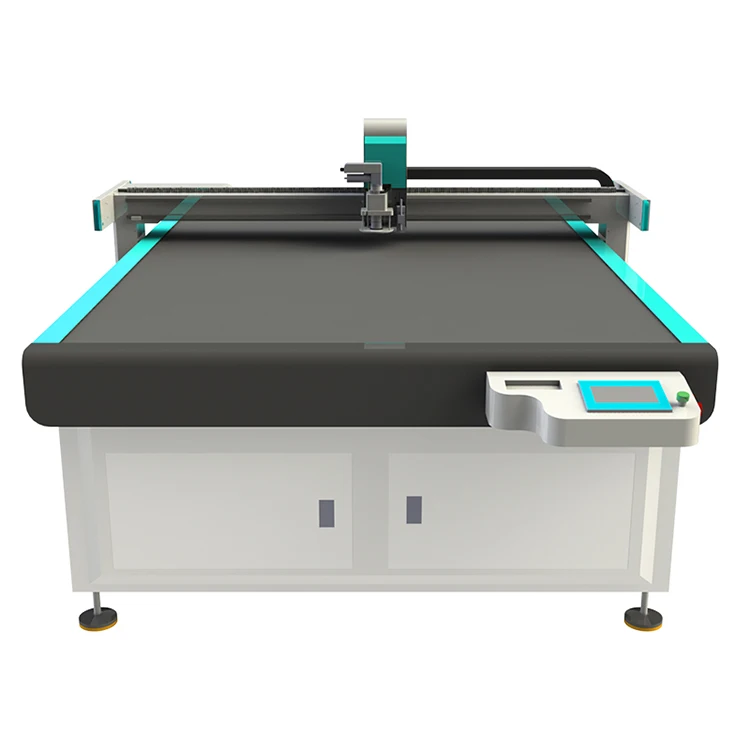
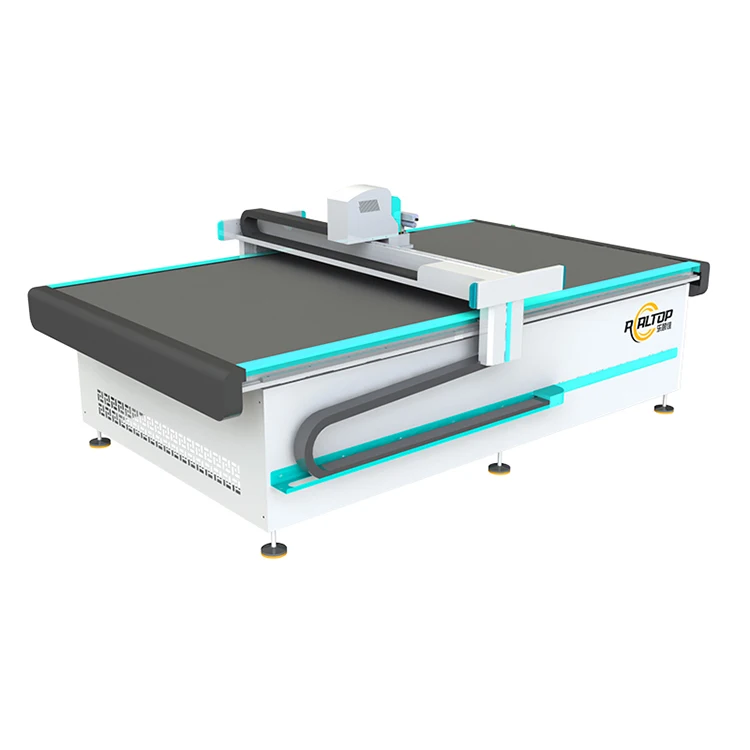
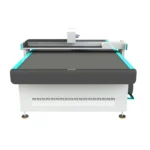
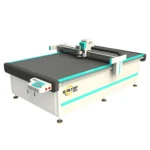
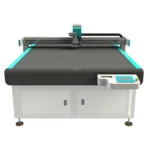
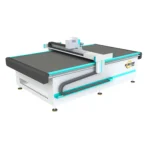
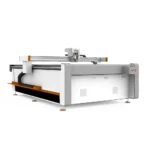

Auto Digital Cutting Machine with Vacuum Suction Table – Industrial Application
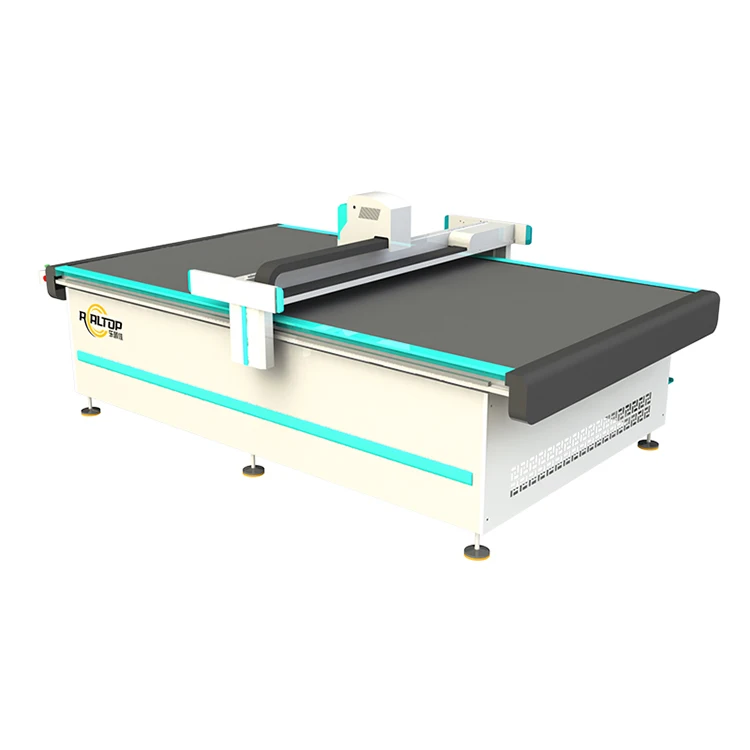
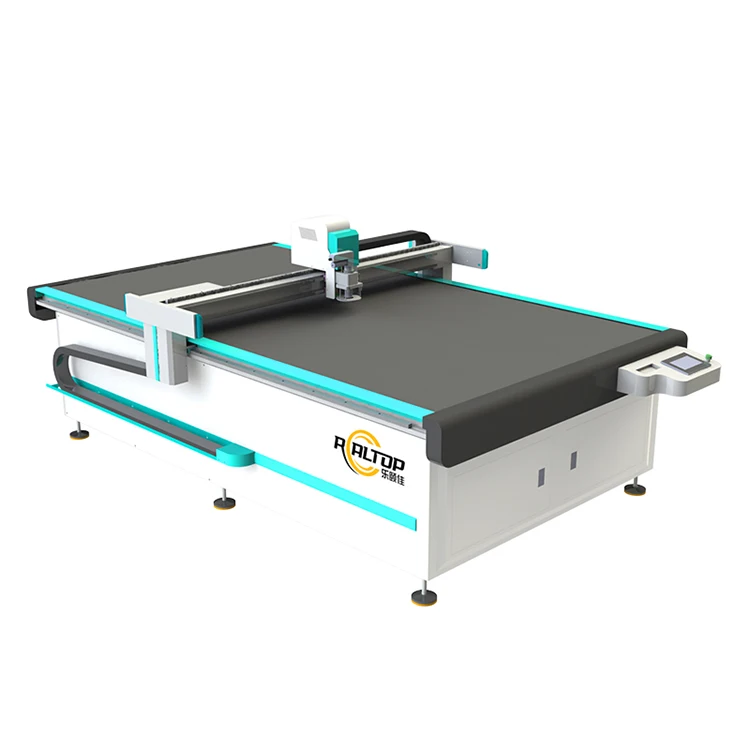
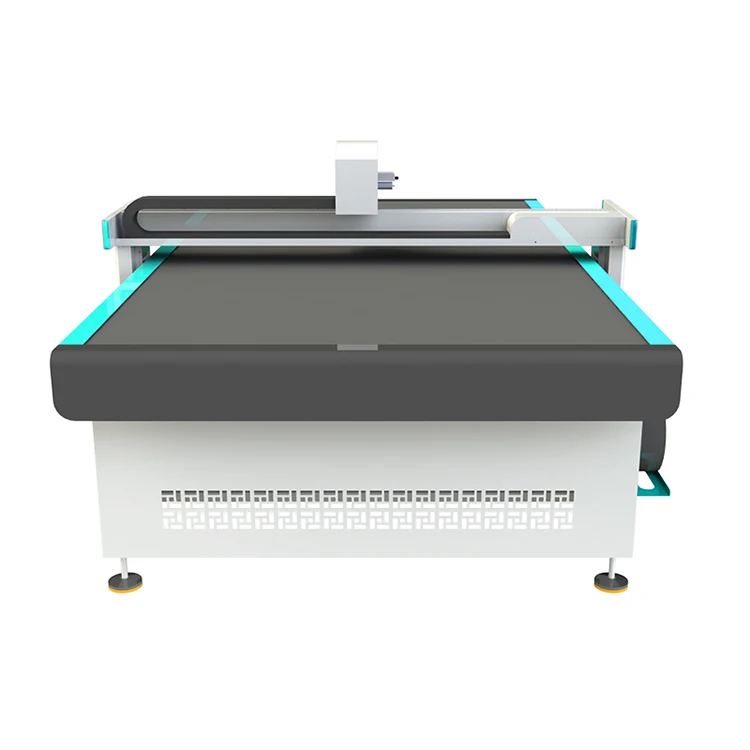
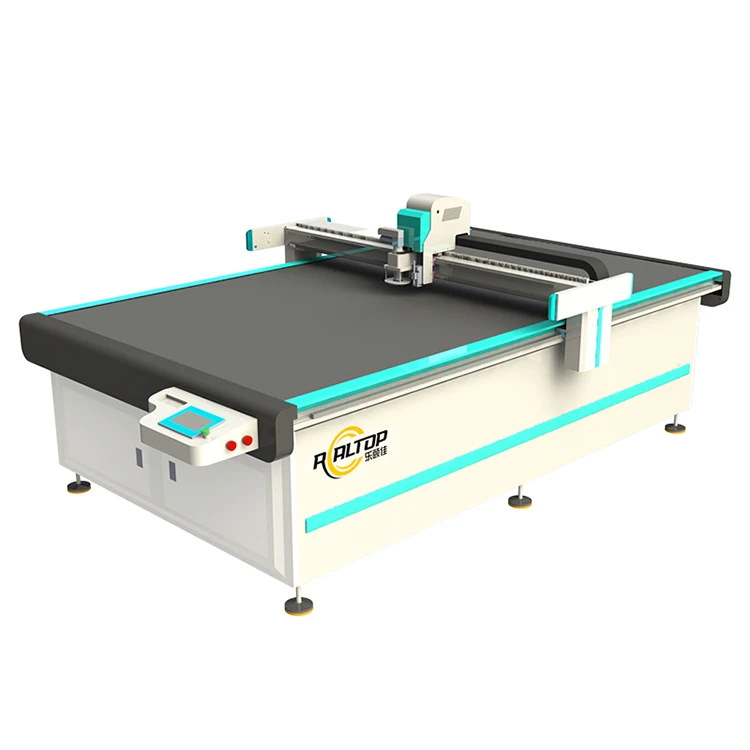
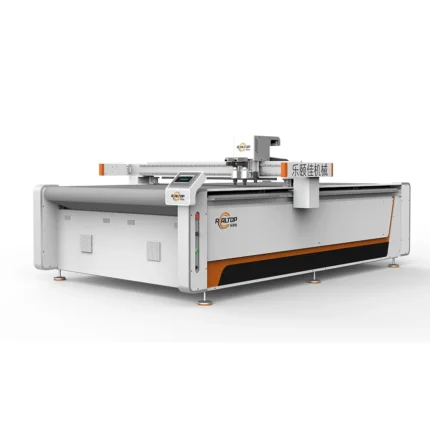
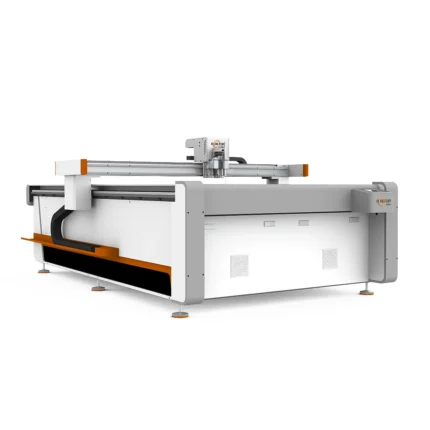
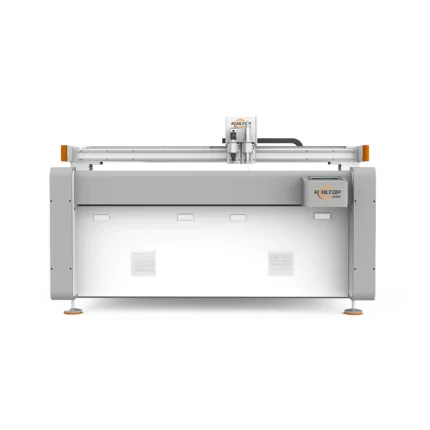
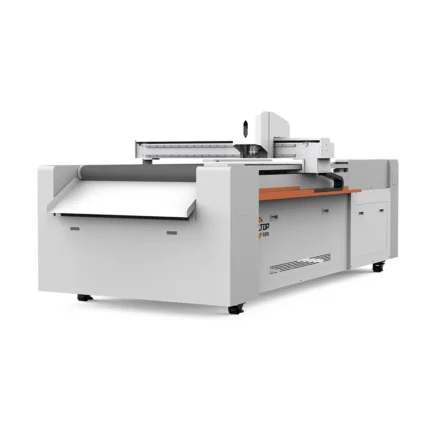
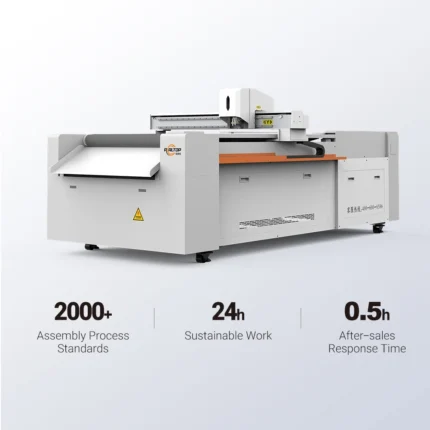
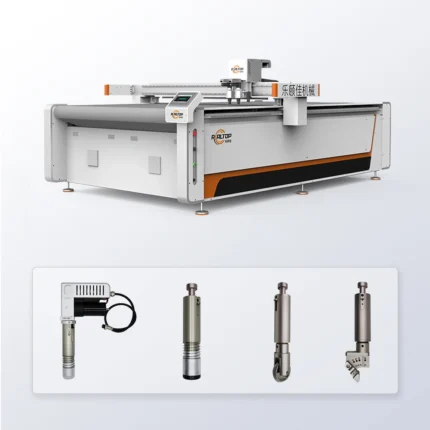
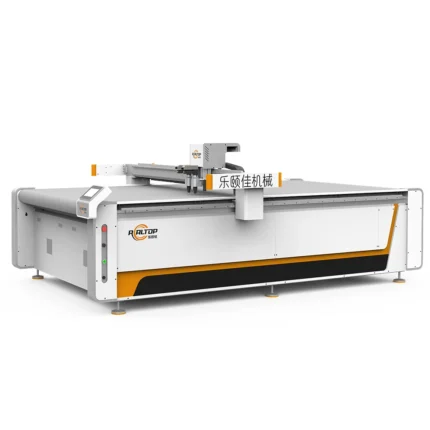
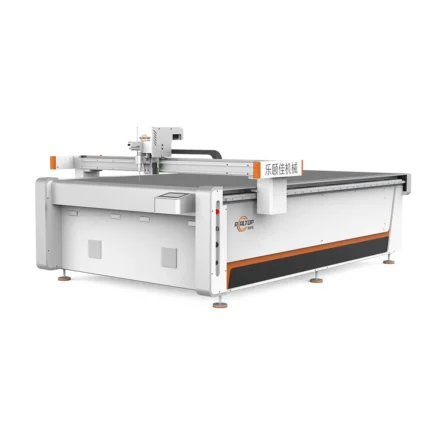
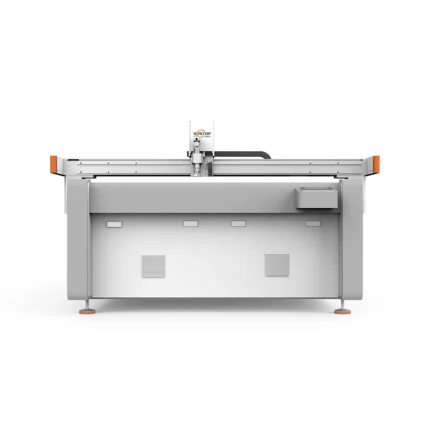
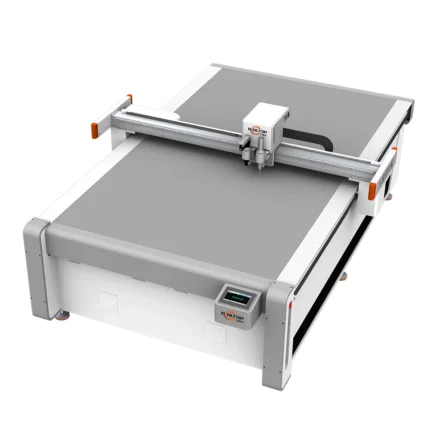
RT-D2516/RT-S2516 CNC Oscillating Knife Cutting Machine, 1600×2500 mm Vacuum Table, 9 kW — configured for flexible materials with Swiss imported oscillating knife head and 7.5 kW vacuum suction.
- Japanese Yaskawa servo motors with Taiwan Hiwin linear guides deliver ≤ 0.1 mm repeatability across the full working envelope
- HP-GL compatible instruction system and auto-feeding conveyor integrate into existing nesting workflows
Sample cutting on your own material confirms tool head selection, edge quality and vacuum zoning before the order is placed.
Material-matched configuration — every tool head, vacuum zone and software setting confirmed against your actual leather, foam or packaging stock before the order is signed, rather than shipping a generic working-area box.
Technical Specifications
| Parameter | Value |
|---|---|
| Model | RT-D2516 / RT-S2516 |
| Product Type | CNC Oscillating Knife Cutting Machine |
| Working Area | 1600 × 2500 mm |
| Machine Overall Dimensions (L×W×H) | 3450 × 2300 × 1250 mm |
| Rated Power | 9 kW |
| Voltage | 380 V ±10% |
| Table Type | Flat working table with vacuum suction |
| Vacuum Pump | 7.5 kW |
| Multifunctional Tool Head | Swiss imported knife with vibration full cutting, vibration half cutting and cursor location |
| Translational Velocity | 800–1200 mm/s |
| Cutting Speed | 200–800 mm/s (varies by material type and thickness) |
| Repeated Accuracy | ≤ 0.1 mm |
| Transmission System | Japanese Yaskawa digital servo motor, Taiwan Hiwin linear guide, synchronous belt, ball screw |
| Conveyor | Germany imported conveyor belt, auto feeding |
| Safety Device | Infrared sensors |
| Instruction System | HP-GL compatible format |
Application Suitability
| Application | Material or Output |
|---|---|
| Packaging and carton sample making | Corrugated board, card stock, foam inserts, grey board |
| Garment and leather goods cutting | Hides, textiles, synthetic leather, sponge composite leather |
| Footwear upper and insole processing | Leather, PVC, PU, textile layers |
| Automotive interior and gasket production | PVC, rubber, sponge composites, soft glass, silicon |
| Flexible composite fabrication | Multi-layer laminates, foam-core panels, rubber sheets |
Why Specified Cutting Depth Matters More Than Working Area
A flatbed CNC cutting table sized only by its X-Y envelope often fails the moment the first offcut lifts off the vacuum bed. Matching the tool head, vacuum zoning and cutting speed to your material thickness is the configuration step most buyers skip.
I once watched a carton sample shop lose three full days of production because their corrugated board had a heavier flute than the test pieces we ran during the trial. The vacuum zones could not hold the smaller offcuts flat, the knife kept dragging material mid-stroke, and every edge came out ragged until we re-zoned the table and recalibrated the hold-down pressure [NEED_CITE: vacuum zone zoning for small-part CNC cutting]. That shop ran a 1600 × 2500 mm bed — generous working area, wrong vacuum layout for their part geometry.
Oscillating Knife Control on Flexible and Semi-Rigid Stocks
The Swiss imported oscillating knife head on the RT-D2516 and RT-S2516 supports vibration full cutting and half cutting, letting the operator switch between through-cuts and kiss-cuts without changing tools. This matters when a single packaging sample calls for creased fold lines next to fully separated tabs. As a CNC Digital Cutting Machine manufacturer, Realtop pairs the knife frequency with the Yaskawa servo response so that translational speeds up to 1200 mm/s do not translate into ragged edges on soft PVC or crushed cells on open-cell foam.
Vacuum Holding Force and Small-Part Stability
A 7.5 kW vacuum pump behind a flat suction table generates enough negative pressure to pin leather hides and multi-layer composites during high-speed contour cuts. The table surface on the RT-D2516 and RT-S2516 covers 1600 × 2500 mm, giving nesting software enough real estate to arrange mixed part sizes while maintaining suction coverage [NEED_CITE: vacuum hold-down requirements for CNC flatbed cutting]. For smaller gasket or insole geometries, zoning the table into independent sectors prevents air leakage through adjacent open areas — a detail that only surfaces when the machine is actually cutting your part files.
Reading the Spec Sheet Beyond the Headline Numbers
The ≤ 0.1 mm repeated accuracy figure is delivered by the Yaskawa digital servo motors driving Taiwan Hiwin linear rails with ball screw and synchronous belt transmission. In practice this tolerance band keeps die-line registration tight across a full sheet of printed carton stock, so fold lines land where the graphic design expects them. The 200–800 mm/s cutting speed range reflects the fact that 3 mm silicone gasket material demands a slower stroke than 1.5 mm PU leather, and the HP-GL compatible instruction system accepts the file format most nesting software already outputs. Voltage is quoted at 380 V ±10%, which aligns with three-phase industrial supply across most export markets but still needs plug type and frequency confirmed before the crate is sealed.
What Happens When the Tool Head Does Not Fit the Material
Selecting the wrong knife profile or oscillation frequency for a given stock produces crushed foam cores, delaminated composite edges or partially cut leather that still needs hand-finishing. Buyers who skip the sample cutting step often discover the mismatch only after the machine is bolted to their floor and the first production run is already late [NEED_CITE: CNC knife selection for composite and foam cutting]. The cost is never just the wasted material — it is the missed shipment date and the credibility hit with the end customer who was expecting finished packaging samples or cut leather uppers.
Why Procurement Conversations Start With Your Material Sample
In-house design covers both knife and laser platforms, so the cutting method is matched to the material rather than forced onto whichever machine happens to be in stock. Every tool head and table configuration is specified against the buyer’s own material type, thickness and daily volume before the quotation is issued. Sample cutting runs on your actual stock produce a written report covering edge quality, cutting speed and vacuum hold performance. Voltage, plug format and control panel language are confirmed line-by-line before shipment, avoiding the on-site rewiring surprises that delay commissioning. The software licence, file format compatibility note and spare parts list ship inside the crate with the operation manual, so the production team can load HP-GL files and start nesting on day one.
Documentation & Verification
- Factory test record on your material thickness and part geometry before dispatch
- Electrical schematic confirming 380 V ±10% wiring, plug type and phase sequence
- Tool head and vacuum zone configuration list matched to your specified stock
- Software licence and HP-GL file format compatibility note for your nesting workflow
- Spare parts list identifying wear items and recommended reorder intervals
- CE declaration documentation where applicable to the destination market
Installation, Commissioning & Support
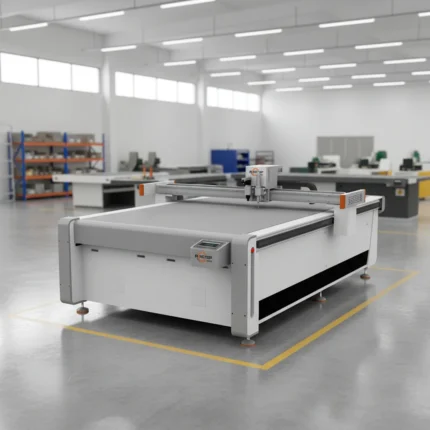
- Floor space of at least 4000 × 3000 mm clear around the 3450 × 2300 mm machine footprint for material loading
- Dedicated 380 V ±10% three-phase circuit rated for the 9 kW total load including the 7.5 kW vacuum pump
- Machine arrives partially assembled; vacuum table and gantry require on-site alignment and leveling
- First-run parameter tuning on your material for knife oscillation frequency, vacuum zone mapping and servo gain
- Operator training covering HP-GL file import, nesting workflow and tool head changeover procedure
- Infrared sensor safety circuit tested and certified before the machine is released for production use
What to Include With Your Inquiry
Send the material type, thickness range and maximum sheet size you plan to process, along with your target daily volume and the file formats your design team currently uses. Confirm the three-phase voltage and frequency available at your facility, the preferred control panel language, and whether your existing nesting software outputs HP-GL or requires a different import path. If your stock includes printed contour work or multi-layer laminates, note that explicitly so the tool head and vacuum zoning are configured accordingly from the start.
Frequently Asked Questions
Q: How is the tool head specified for my material thickness and type?
A: We run sample cuts on your actual stock before the order is finalized, testing oscillation frequency and knife profile against your thickness range. The test report records edge quality and cutting speed, and the tool head configuration is locked to those results rather than selected from a generic catalogue. This prevents the crushed foam or ragged leather edges that appear when a standard knife meets an unexpected material density.
Q: What voltage and control language options are confirmed before shipment?
A: The standard quote is 380 V ±10% three-phase, but plug type, frequency and phase sequence are confirmed against your facility’s electrical supply before the machine leaves the factory. Control panel language is specified at the same stage, so operators see familiar terminology on day one. Both items are documented in the electrical schematic shipped with the machine.
Q: Can the machine import my existing nesting files and software workflow?
A: The instruction system accepts HP-GL compatible format, which covers most mainstream nesting and CAD packages. We verify file import, layer recognition and cut-path assignment using a sample file from your design team before the order is confirmed. If your workflow relies on a proprietary format, we note the compatibility status in the software licence documentation so there are no surprises during commissioning.
Q: Is sample cutting available on my actual material before I commit?
A: Yes. You send a representative sheet or roll of your production stock, and we run it on the RT-D2516 or RT-S2516 configuration proposed for your order. The resulting report covers edge quality, achievable cutting speed, vacuum hold-down performance and any tool head adjustments needed. This step is the reason the final configuration sometimes differs from the initial inquiry assumptions.
Q: What spare parts and maintenance documentation come with the machine?
A: A detailed spare parts list identifies wear components such as knife blades, vacuum seals and conveyor belt sections, along with recommended reorder intervals. The operation and maintenance manual covers daily cleaning of the vacuum table surface, Hiwin rail lubrication schedules and Yaskawa servo inspection points. Sourcing guidance for consumables is included so your maintenance team can plan reorder cycles independently.


Related products
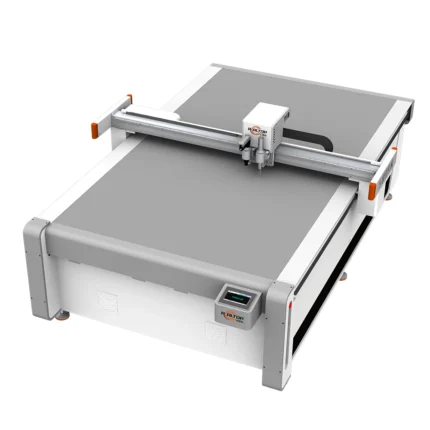
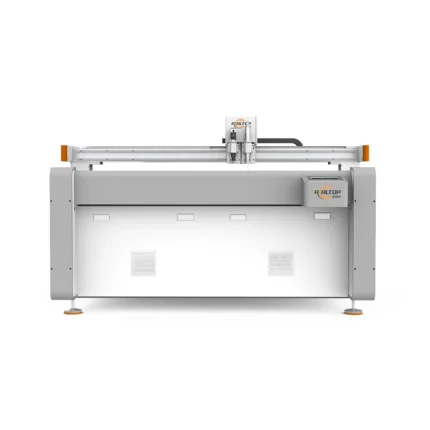
Automatic CNC Cutter Plotter 2026 Flat Bed Cardboard Cutter
Product Introduction
Automatic CNC Cutter Plotter 2026 is a flat bed cardboard cutting machine designed for precise and efficient cutting tasks. Ideal for various cardboard processing needs, it combines advanced CNC technology to deliver accurate results, suitable for manufacturing and packaging applications.Product Parameters
| Type | Automatic CNC Cutter Plotter |
| Model | 2026 |
| Design | Flat Bed |
| Application | Cardboard Cutting |
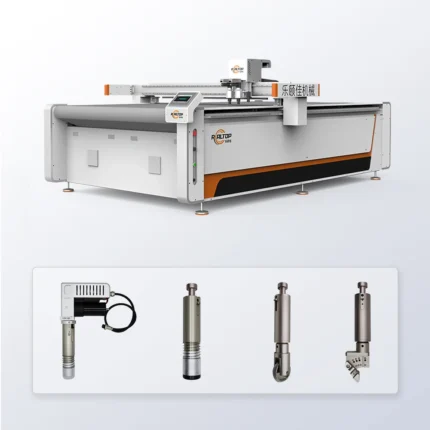
CNC Flatbed Cutter 2026 Digital Corrugated Box Making Machine
Product Introduction
High-precision CNC flatbed cutter designed for efficient cardboard box production. Ideal for 2026 digital corrugated box manufacturing, offering precise cutting and reliable performance for professional packaging solutions.
Key Specifications
| Type | CNC Flatbed Cutter |
| Application | Cardboard Box Production |
| Technology | 2026 Digital System |
| Material | Corrugated Board |

Realtop 2026 Digital Box Cutter High-Speed Corrugated Board
Product Introduction
Realtop Digital Box Cutting Machine 2026 is a high-speed solution for corrugated board cutting, designed for efficient and precise box production in manufacturing settings.Key Specifications
| Model | 2026 |
| Type | Digital Box Cutting Machine |
| Application | Corrugated Board |
| Feature | High-Speed Cutting |

REALTOP 2026 Digital Industrial Cardboard Box Cutter
Product Introduction
REALTOP Digital Industrial Cardboard Box Cutter Machine 2026 is a professional industrial-grade cutting equipment designed for efficient cardboard box processing, ideal for manufacturing and packaging applications.
Product Parameters
| Model | 2026 |
| Type | Digital Industrial Cardboard Box Cutter |
| Application | Cardboard Box Processing |
| Feature | Industrial-grade, Efficient Cutting |
商品评价
There are no reviews yet.