

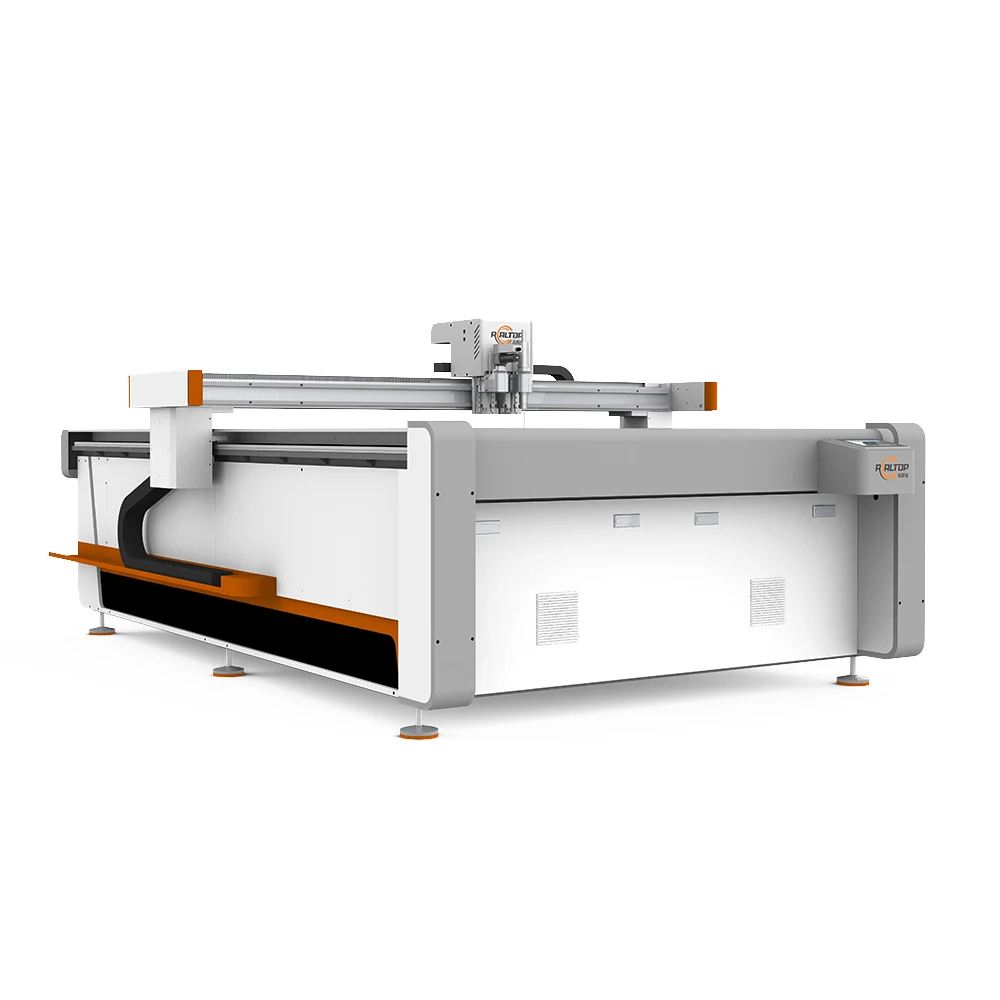
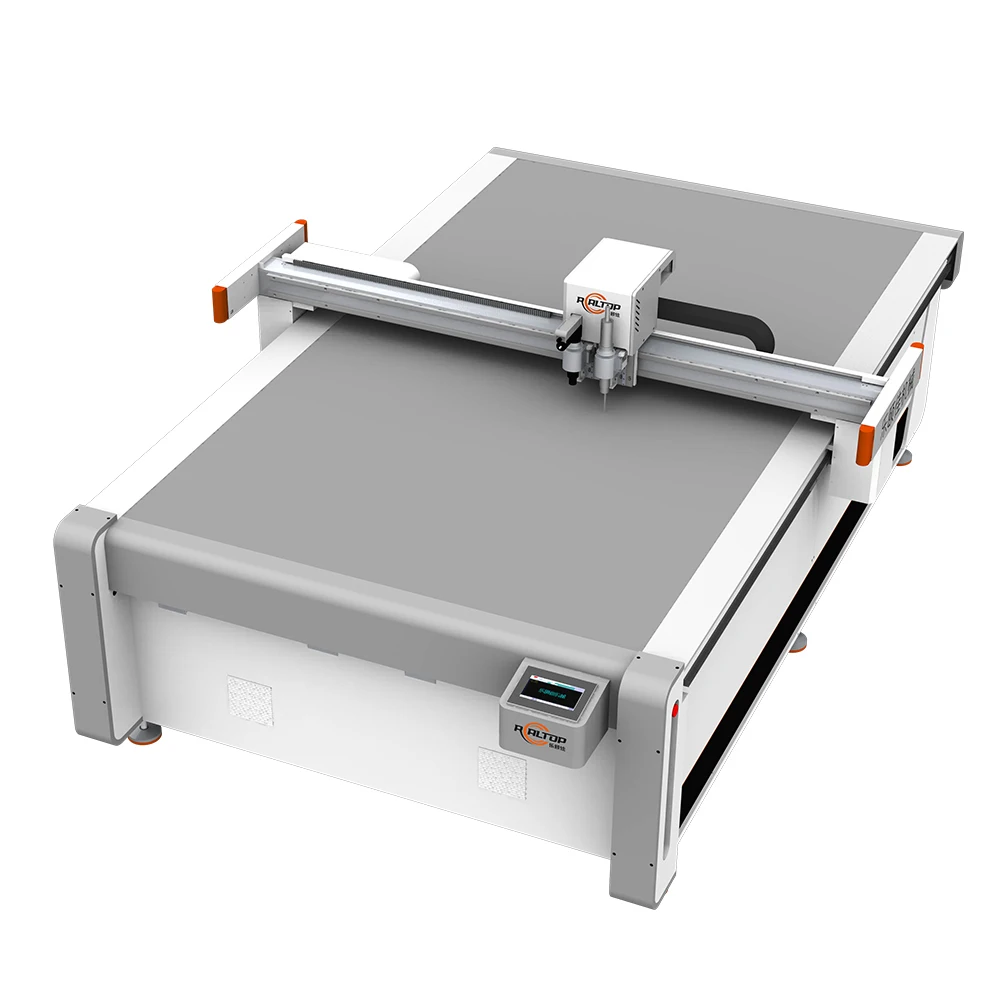
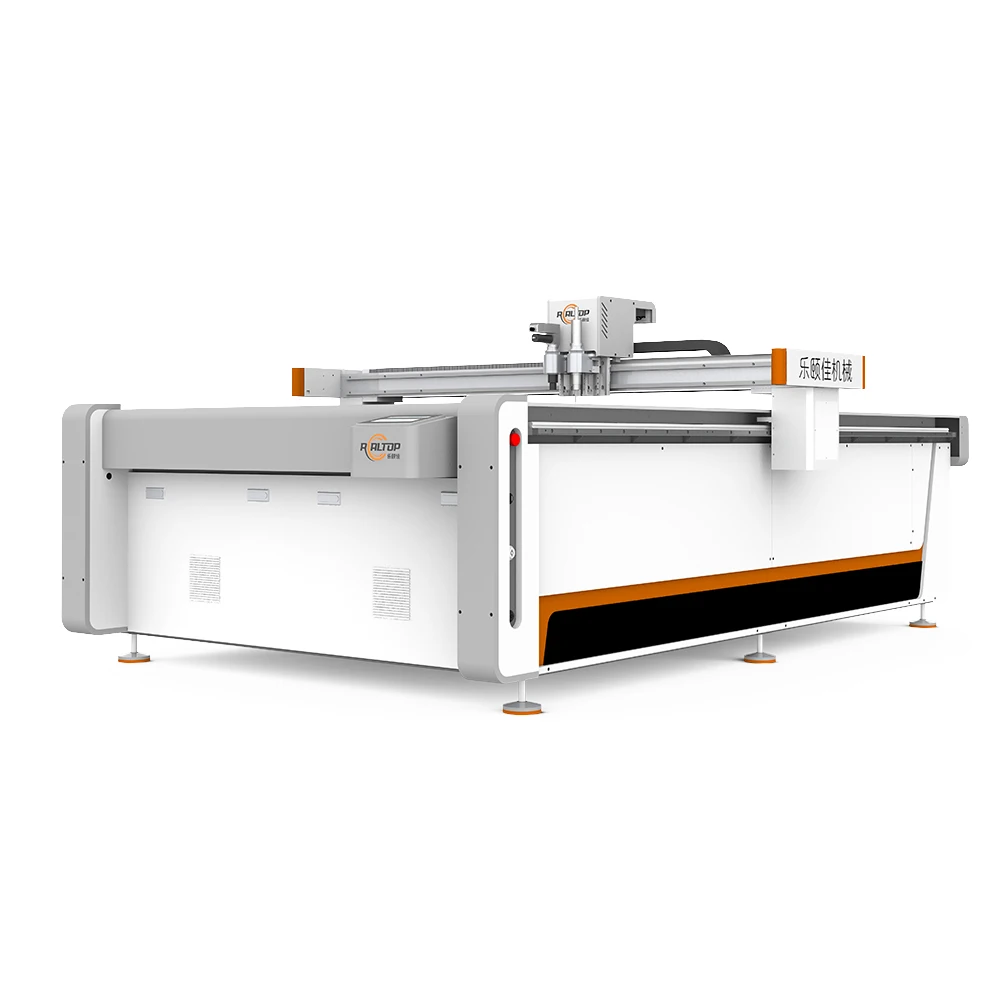

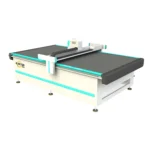
Industrial Electric Cardboard CNC Cutting Machine – Manufacturer
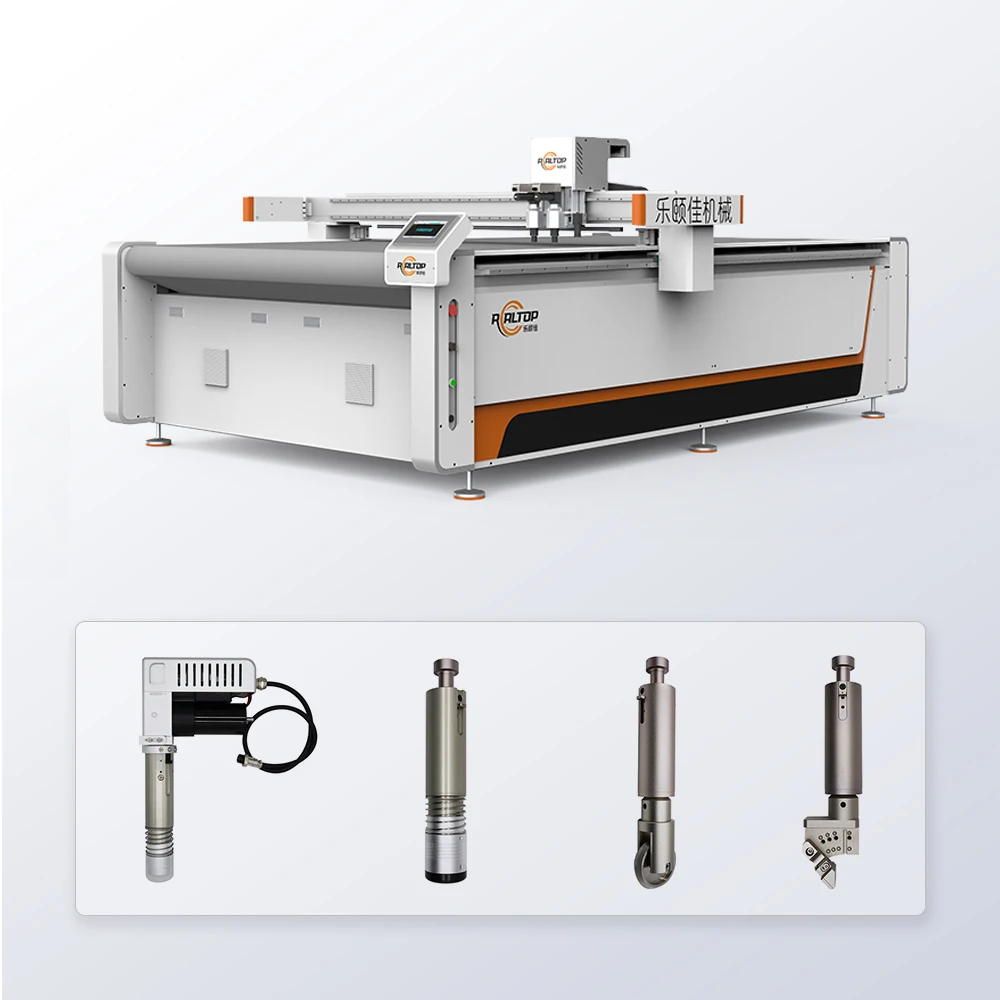
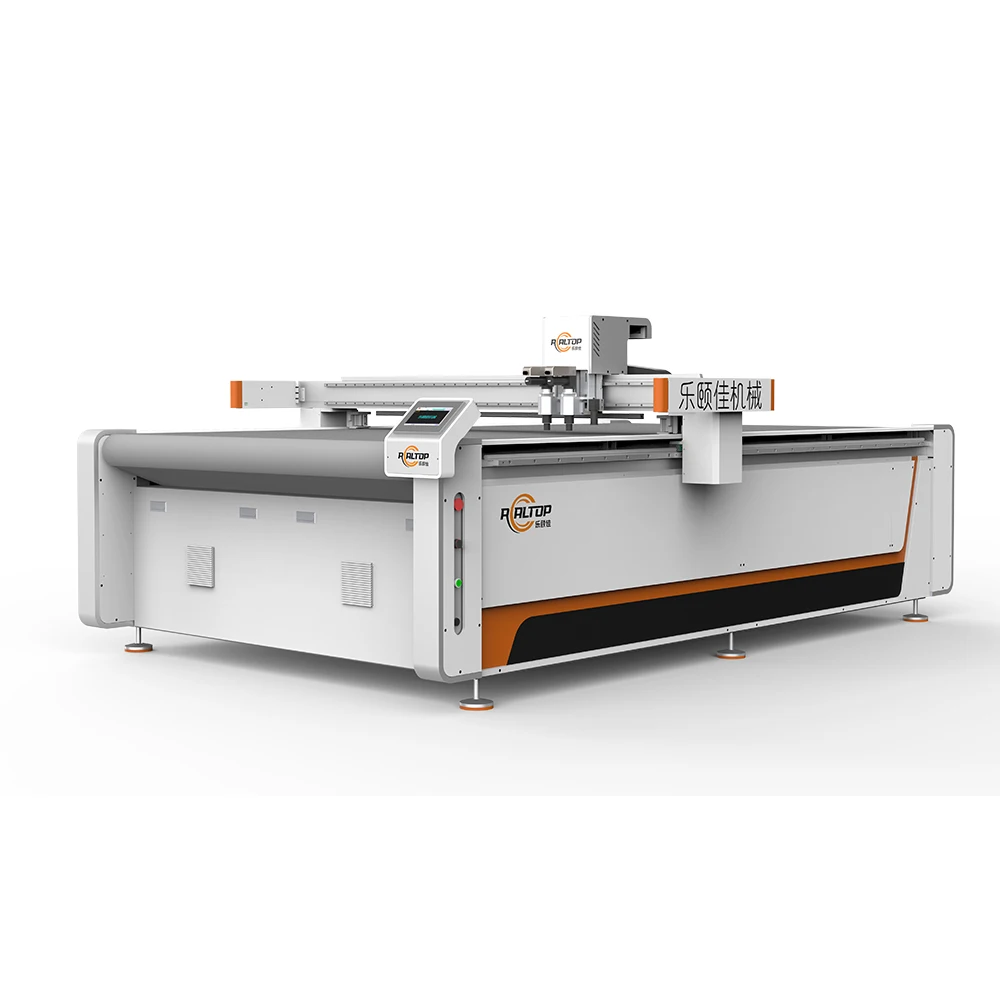
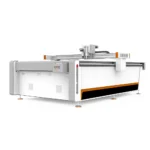
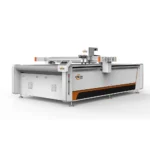
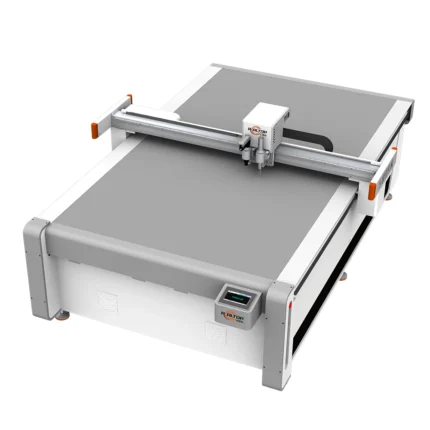
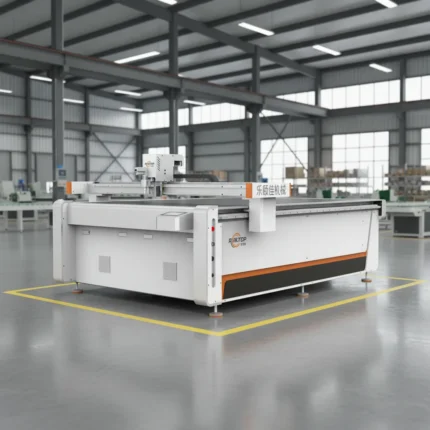
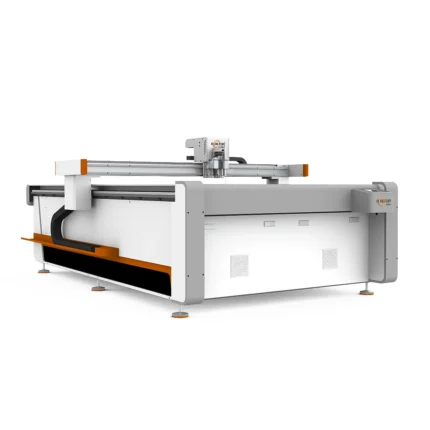
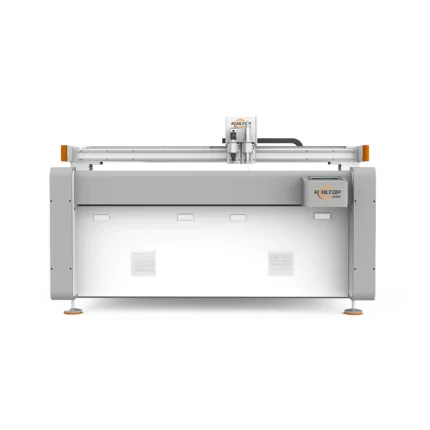
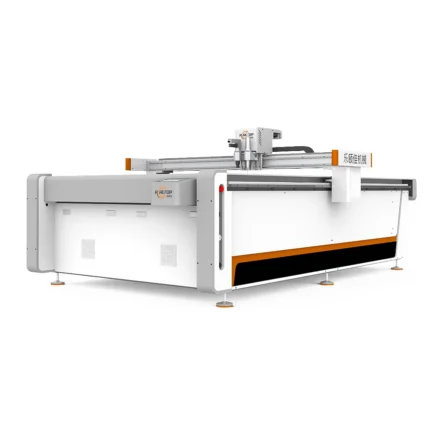
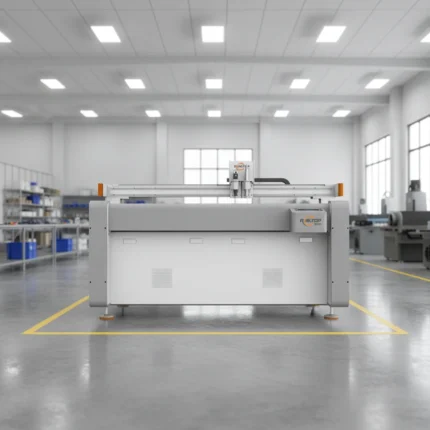
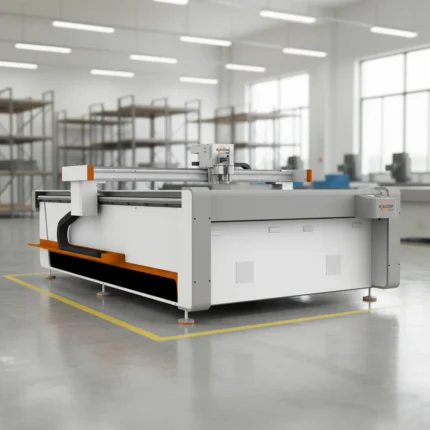
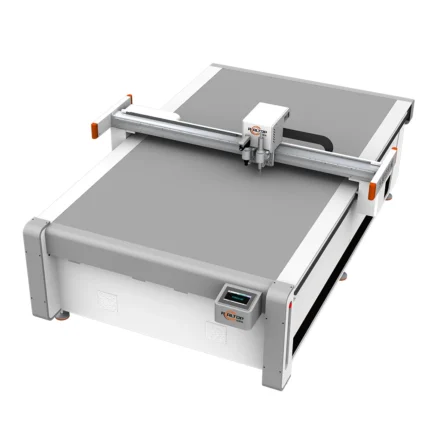
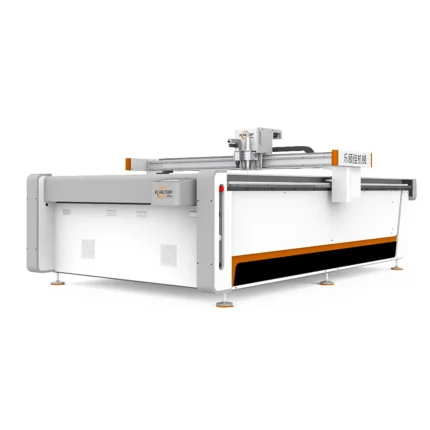
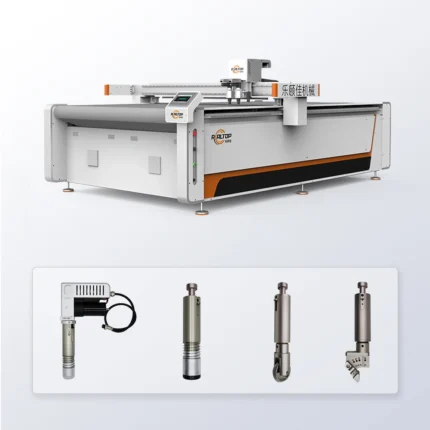
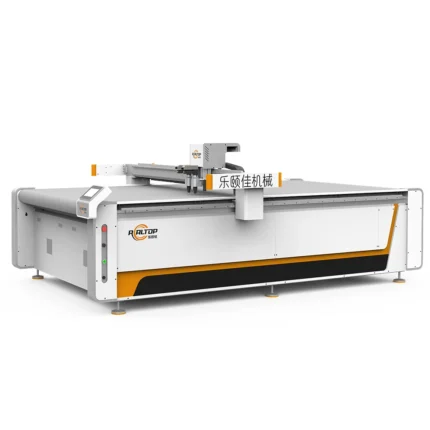
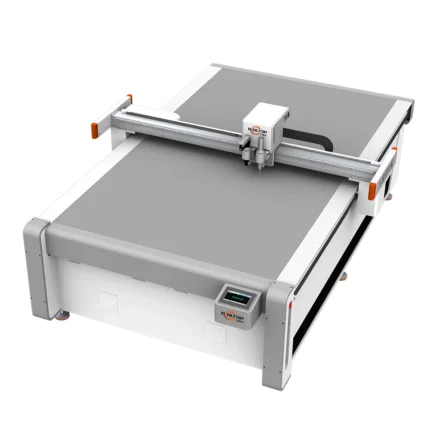
Packaging CNC Cutting Machine, 1600×2500 mm Working Area, 0–1500 mm/s Cutting Speed — configured for corrugated, greyboard and foam substrates with oscillating knife, creasing wheel and V-groove tool heads.
Tool head and vacuum zoning matched to your specific material type, thickness and daily volume, with CCD contour recognition available for printed packaging prototypes. PLC control with dedicated packaging design software accepts PLT, DXF, AI and PDF files directly.
Sample cutting on your own material confirmed before order, with voltage, control language and full electrical documentation verified prior to shipment.
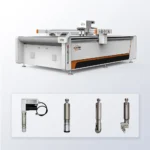
In-House Tool Head Engineering — every oscillating knife, creasing wheel and driven rotary tool is specified per material before the machine leaves our Jinan factory, not swapped from a generic catalog.
Technical Specifications
| Parameter | Value |
|---|---|
| Product Type | CNC Oscillating Knife Cutting Machine for Packaging |
| Working Area | 1600 × 2500 mm |
| Cutting Speed | 0 – 1500 mm/s |
| Cutting Thickness | ≤ 40 mm (basis not stated in source — confirm material type and density) |
| Cutting Accuracy | ± 0.1 mm |
| Available Tool Heads | Oscillating knife, driven rotary knife, creasing wheel, kiss cutting tool, pneumatic knife, milling tool, V-groove knife |
| Vacuum Pump Power | 9 kW |
| Voltage Options | 110V, 220V, 380V |
| File Formats Supported | PLT, DXF, AI, PDF |
| Control System | PLC panel with dedicated packaging box structure design software |
| Servo Drive Options | Panasonic, Delta, Dorna |
| Vacuum Table | Aluminum bellows vacuum table |
| Safety Devices | Infrared sensor, emergency stop |
| Machine Dimensions | 3300 × 2100 × 1350 mm |
| Language Options | English, Russian, Italian, Chinese (custom languages available) |
Application Suitability
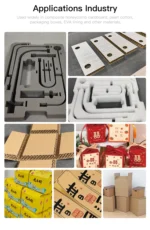
| Application | Material or Output |
|---|---|
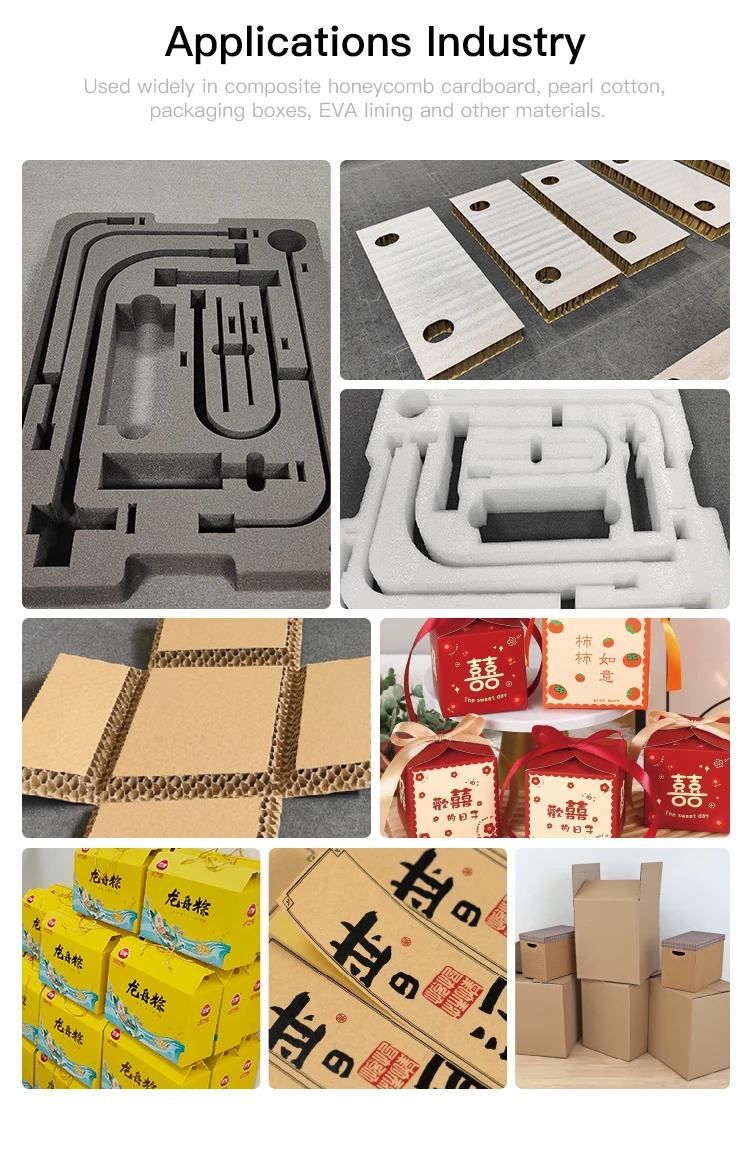
| Packaging sample making | E-flute, B-flute, BC-flute corrugated cardboard |
| Carton and corrugated box prototyping | Greyboard, cardstock, art paper |
| Custom short-run packaging production | EVA foam, EPE foam, PU foam inserts |
| Protective packaging conversion | Rubber mats, velvet, fleece, non-woven fabric |
| Thin plastic and composite cutting | PVC, PET sheets, synthetic leather, adhesive-backed laminates |
What Happens When Material Thickness Exceeds the Machine’s Real Capacity
A 40 mm cutting depth figure means nothing without knowing the flute profile, board density and tool head used to reach it.
I learned this in Dubai on a carton sample line. We commissioned the unit using three-layer corrugated and the sample cuts looked clean. The buyer’s actual daily run was five-layer double-wall board. On day one the oscillating knife crushed the top flutes and the edge delaminated. The entire first week of production was scrapped before we swapped to a pneumatic knife and re-tuned the vacuum zones. Cutting thickness on a CNC oscillating knife cutting machine manufacturer data sheet is a starting conversation, not a guarantee [NEED_CITE: corrugated board flute profiles and crush resistance standards]. The substrate density, moisture content and number of layers all change how the blade enters and exits the sheet.
Laser and Knife Technologies Under One Factory Roof
Most packaging converters are told they must choose between a knife table or a laser line. Our Jinan facility designs and builds both the oscillating knife platform and CO2 laser systems, so the cutting method is matched to the material rather than forced to fit one technology. Corrugated board and greyboard stay on the knife table where edge compression matters; thin plastic film and intricate textile inlays can shift to laser where edge sealing is the priority.
Why Sample Cutting on Your Own Board Eliminates Guesswork
Every packaging substrate behaves differently under the blade. A BC-flute board at 6 mm thickness cuts differently than an E-flute at the same depth because the internal air columns resist the knife differently. We run your actual material through our test bay before any order is confirmed, documenting the tool head, blade frequency, down-pressure and vacuum zone settings that produced the cleanest edge [NEED_CITE: oscillating knife frequency and material response in corrugated substrates]. The sample cutting report ships with the quotation so you see the parameters before you commit.
Reading the Spec Sheet Against Your Actual Production Variables
The 1600 × 2500 mm working area accommodates most standard packaging sheet sizes, but usable cutting area depends on how the vacuum table is zoned. The aluminum bellows table with its 9 kW pump holds large sheets flat, yet small carton components near the sheet edge need independent zone activation to prevent lift during high-speed passes. The PLC control panel lets operators assign vacuum zones to specific nesting regions, which matters when a single sheet contains both full-size box blanks and small internal dividers. The dedicated packaging structure design software accepts PLT, DXF, AI and PDF files directly, reducing the translation errors that creep in when operators re-draw geometry from a customer’s artwork [NEED_CITE: file format fidelity in CAD-to-CNC packaging workflows]. Servo drive options span Panasonic, Delta and Dorna, allowing buyers to specify the motion brand their local service technicians already support.
The Cost of Discovering a Mismatch After Delivery
When the wrong creasing wheel is paired with a heavily sized art paper, the score line cracks instead of folding. When vacuum zoning is left at full-sheet mode for a nest of small gussets, those parts lift and the oscillating knife catches an edge, tearing the sheet and stopping the line. These are not warranty issues — the machine is functioning exactly as configured. The cost lands on wasted material, missed delivery deadlines and operator frustration that no remote troubleshooting session can fix [NEED_CITE: vacuum hold-down requirements for small-part CNC cutting].
Why Buyers Source This Equipment Directly From the Factory
Our design team engineers the knife head assembly, vacuum plenum and frame as an integrated system rather than bolting third-party components onto a generic gantry. Tool head selection is confirmed against your specific substrate before quotation, not left as an after-sales adjustment. Voltage, plug type and control panel language are locked in during the order review so the machine arrives wired for your facility. Software compatibility is verified with your existing file workflow before production begins. Every unit undergoes a full factory test on your material before crating, and the test record is included in the shipment documentation.
Documentation & Verification
- Machine specification sheet listing every tool head and vacuum zone configured for your order
- Electrical schematic with confirmed voltage, frequency and plug type for your market
- Sample cutting report on your packaging material with blade, speed and vacuum parameters
- Software licence file with supported format list and nesting workflow compatibility note
- CE declaration included where applicable for the destination market
- Factory test record with dated photographs before packing
Installation, Commissioning & Support
- Foundation must support 3300 × 2100 mm footprint with level tolerance for the aluminum bellows vacuum table
- Dedicated electrical circuit matching confirmed voltage option (110V, 220V or 380V) and frequency
- Machine arrives fully assembled; gantry and tool head carriage require post-transit alignment check
- First-run commissioning includes vacuum zone mapping and oscillating knife frequency tuning on your material
- Operator training covers PLC panel navigation, packaging software import and tool change procedures
- Spare parts list identifies consumable blades, creasing wheels and vacuum seals with reorder codes
Preparing Your Inquiry
Tell us the exact board flute profile or foam density you run daily, the largest sheet size you feed, and your local voltage and frequency standard. If you already use nesting software, share a sample file so we can confirm format compatibility before quotation. Where possible, courier a stack of your actual production material so our test bay can run live cuts before we recommend a tool head configuration.
Frequently Asked Questions
Q: How do you decide which tool head to fit for my packaging material?
A: We match the tool head to your substrate type, thickness and edge-quality requirement. Corrugated board typically uses an oscillating knife for clean through-cuts, while scored fold lines need a creasing wheel matched to the board caliper. Foam inserts may require a pneumatic knife. We confirm the configuration by running a sample cut on your actual material before finalizing the order.
Q: Can I send my own corrugated board for a test cut before ordering?
A: Yes. We ask buyers to courier a representative stack of their daily production material. Our test bay runs cuts using multiple tool head and vacuum settings, then issues a sample cutting report documenting blade type, speed, oscillation frequency and edge quality. This report accompanies the quotation so you evaluate real results, not catalog claims.
Q: What voltage and control language will the machine arrive with?
A: Voltage is confirmed during the order review — options include 110V, 220V and 380V. The PLC control panel language is set to your preference from available options including English, Russian, Italian and Chinese, with custom languages possible. Plug type and electrical schematic are verified against your local standard before the machine is wired and crated.
Q: How does the vacuum table handle small packaging parts without them lifting?
A: The aluminum bellows vacuum table is divided into independent zones controlled through the PLC panel. For nests containing small carton components, operators activate only the zones beneath those parts, concentrating hold-down force. This prevents the oscillating knife from catching a lifted edge during high-speed contour passes.
Q: Will the packaging design software work with my existing file formats?
A: The dedicated packaging structure design software accepts PLT, DXF, AI and PDF files. Before your order enters production, we verify compatibility with the specific file format and nesting workflow you currently use. A software licence and format compatibility note are included in the shipment documentation.


Related products
Automatic CNC Cutter Plotter 2026 Flat Bed Cardboard Cutter
Product Introduction
Automatic CNC Cutter Plotter 2026 is a flat bed cardboard cutting machine designed for precise and efficient cutting tasks. Ideal for various cardboard processing needs, it combines advanced CNC technology to deliver accurate results, suitable for manufacturing and packaging applications.Product Parameters
| Type | Automatic CNC Cutter Plotter |
| Model | 2026 |
| Design | Flat Bed |
| Application | Cardboard Cutting |
Automatic Die-less Cardboard Vibrating Knife Cutter 2026
Product Introduction
Automatic Die-less Cardboard Vibrating Knife Cutter 2026, a precision cutting solution for cardboard materials, featuring advanced die-less technology for efficient and flexible cutting operations. Ideal for various cardboard processing needs in manufacturing and packaging industries.Key Specifications
| Model | 2026 |
| Type | Automatic Die-less Cutter |
| Cutting Tool | Vibrating Knife |
| Material | Cardboard |
CNC Flatbed Cutter 2026 Digital Corrugated Box Making Machine
Product Introduction
High-precision CNC flatbed cutter designed for efficient cardboard box production. Ideal for 2026 digital corrugated box manufacturing, offering precise cutting and reliable performance for professional packaging solutions.
Key Specifications
| Type | CNC Flatbed Cutter |
| Application | Cardboard Box Production |
| Technology | 2026 Digital System |
| Material | Corrugated Board |

CNC Flatbed Oscillating Knife Cutting Machine 2026
Product Introduction
High-performance CNC Flatbed Oscillating Knife Cutting Machine 2026, ideal for precision cutting of various materials with advanced oscillating knife technology, ensuring efficient and accurate operations for industrial manufacturing needs.Specifications
| Model | 2026 |
| Type | CNC Flatbed Oscillating Knife Cutting Machine |
CNC Vibrating Knife Cutter 2026 Custom Cartons Packaging
Product Introduction
CNC Vibrating Knife Cutter 2026 is ideal for custom cartons & packaging, offering precise cutting solutions for various materials. Engineered by a leading Chinese welding & cutting equipment manufacturer, it ensures efficiency and accuracy for packaging production needs.Key Specifications
| Model | 2026 |
| Type | CNC Vibrating Knife Cutter |
| Application | Custom Cartons & Packaging |
| Manufacturer | Chinese Leading Factory |

REALTOP 2026 Digital Industrial Cardboard Box Cutter
Product Introduction
REALTOP Digital Industrial Cardboard Box Cutter Machine 2026 is a professional industrial-grade cutting equipment designed for efficient cardboard box processing, ideal for manufacturing and packaging applications.
Product Parameters
| Model | 2026 |
| Type | Digital Industrial Cardboard Box Cutter |
| Application | Cardboard Box Processing |
| Feature | Industrial-grade, Efficient Cutting |
商品评价
There are no reviews yet.