

Automatic PVC Tarpaulin Cutter Machine 1625 | Laser Cutting and Engraving
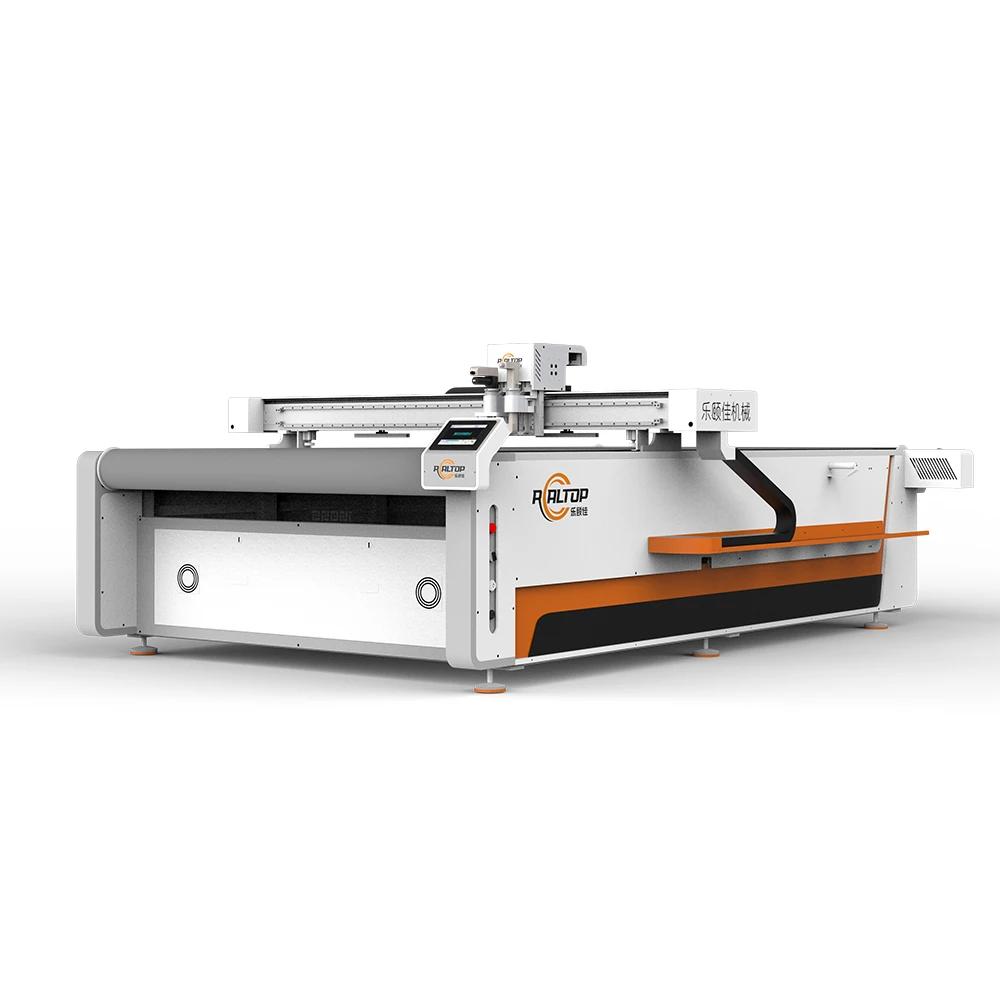
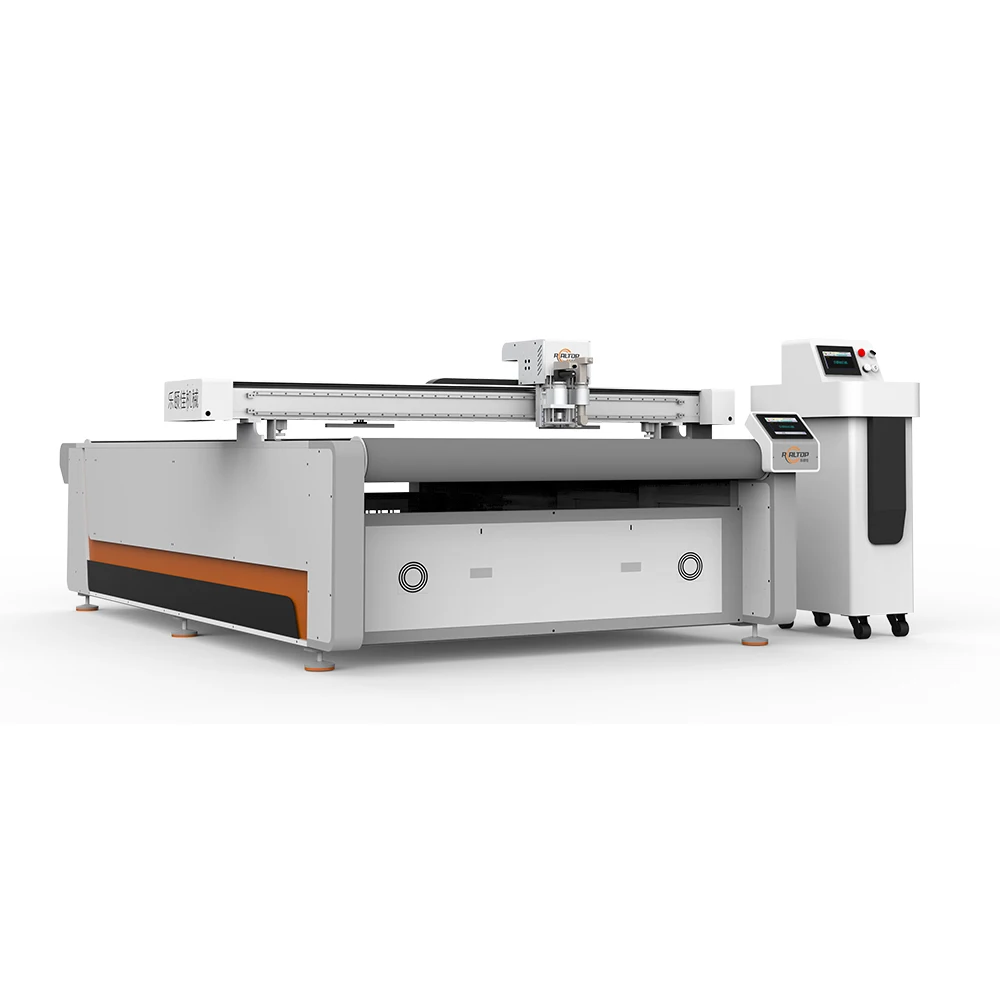
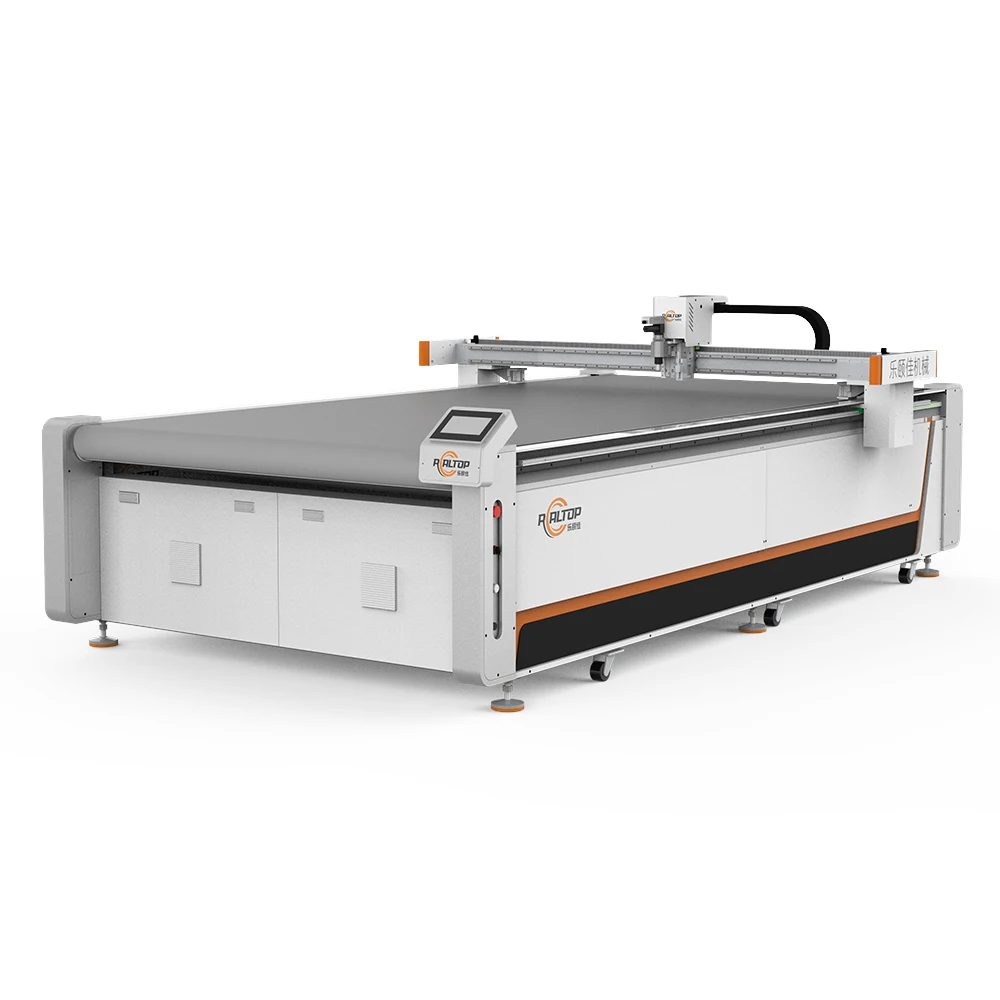
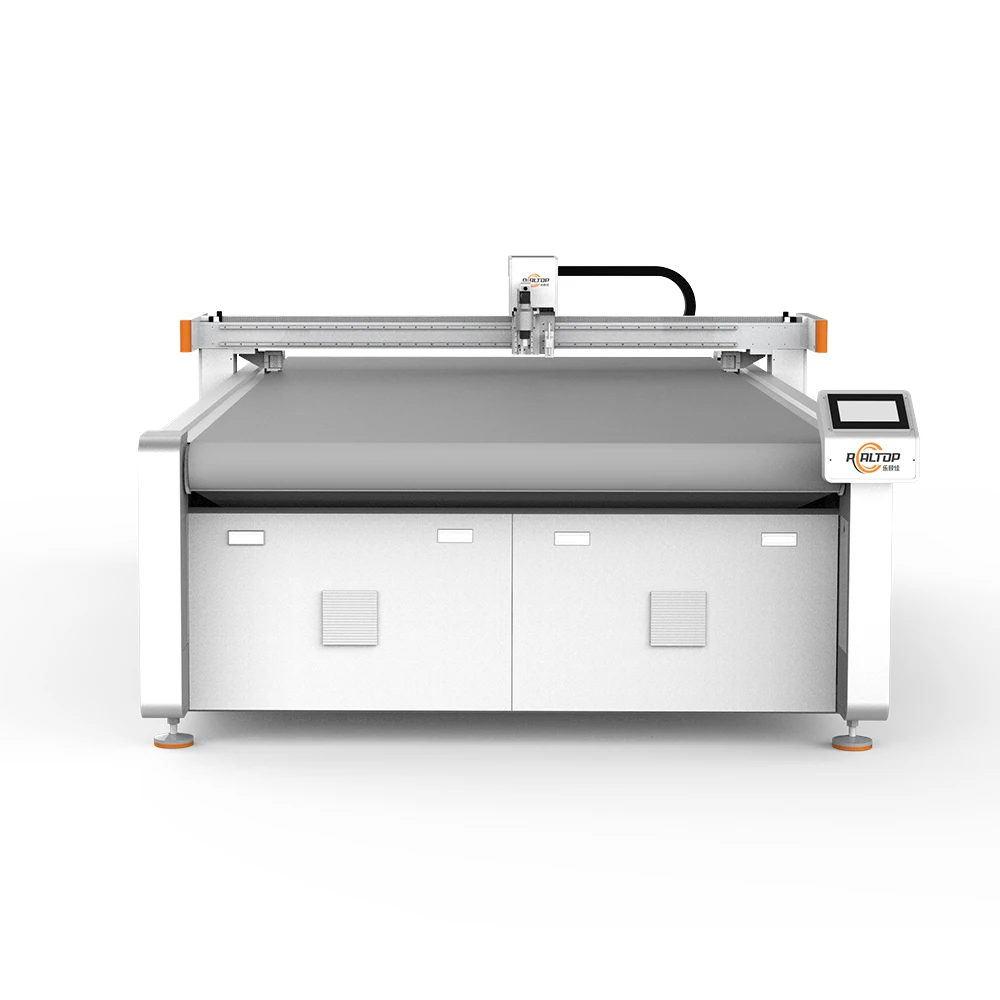
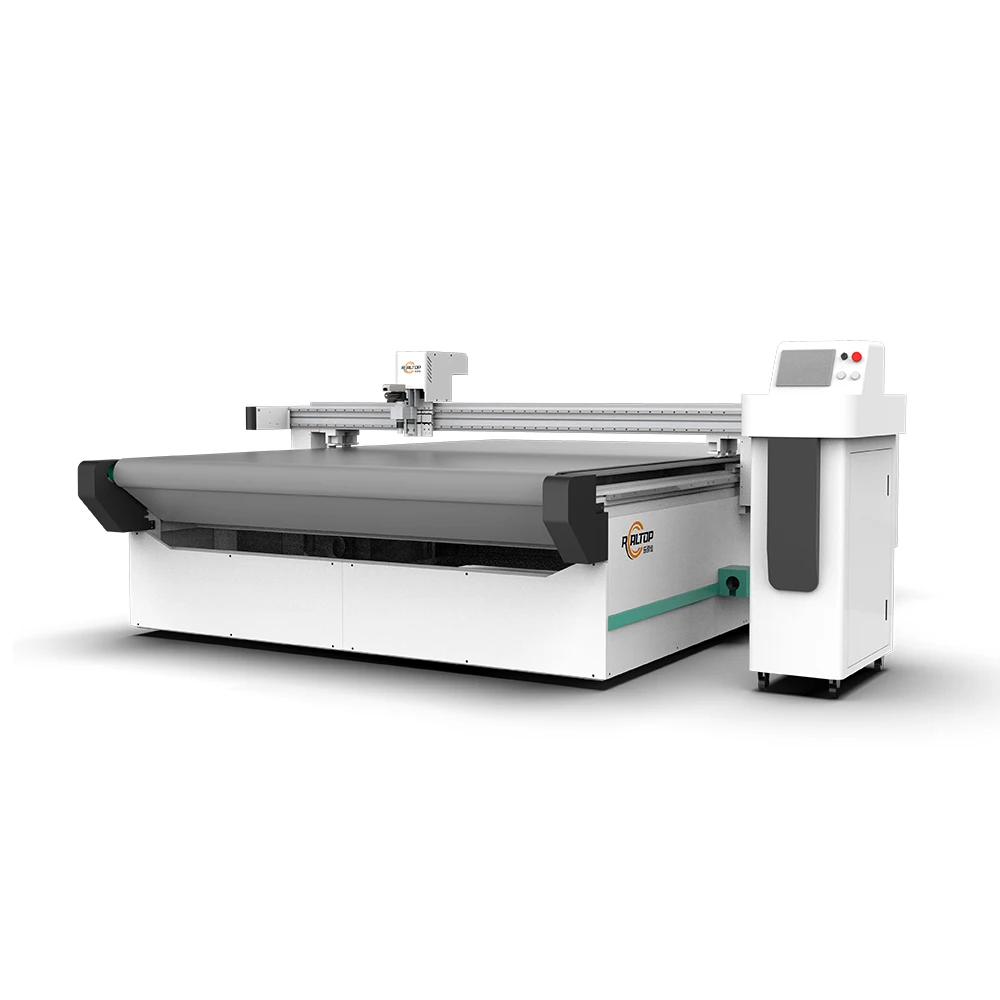
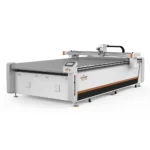
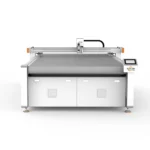
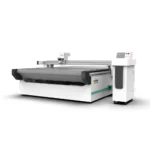
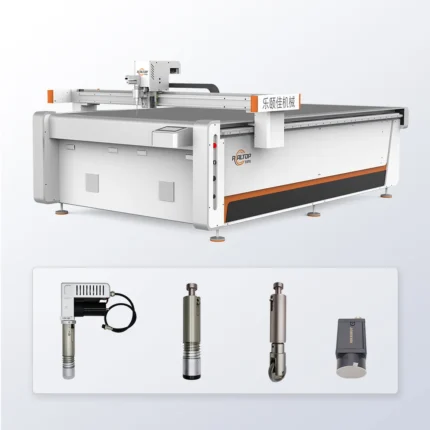
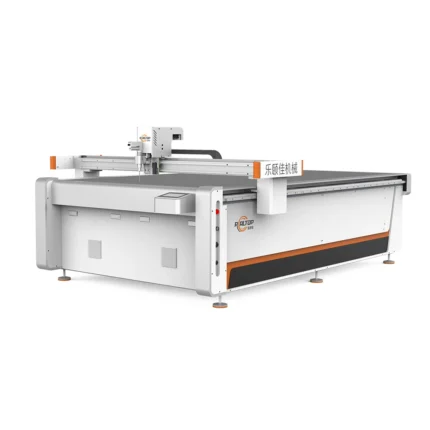
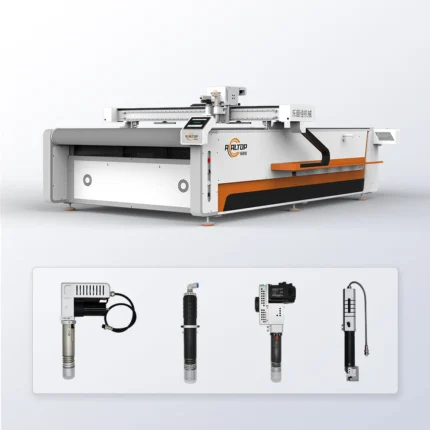
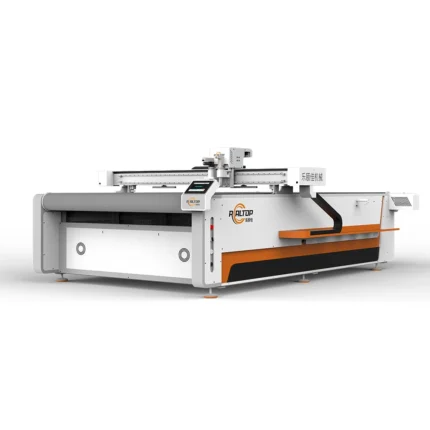
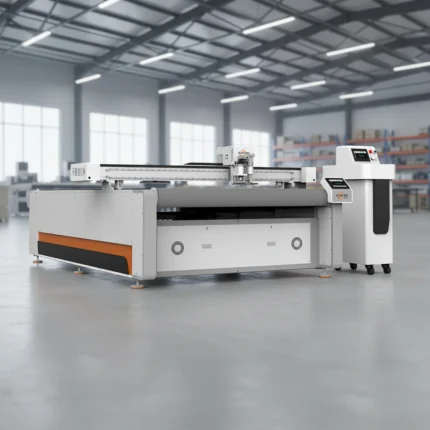
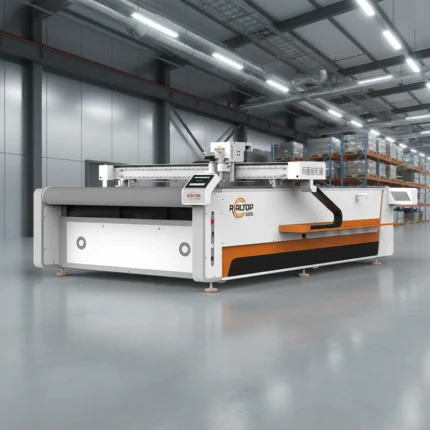
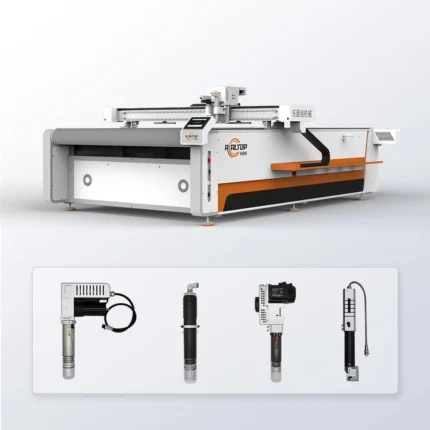
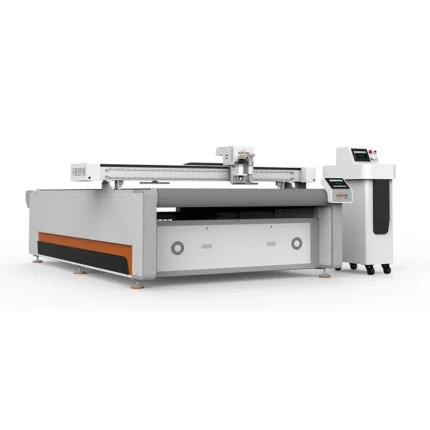
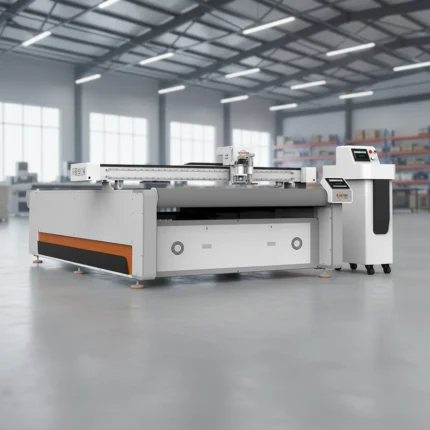
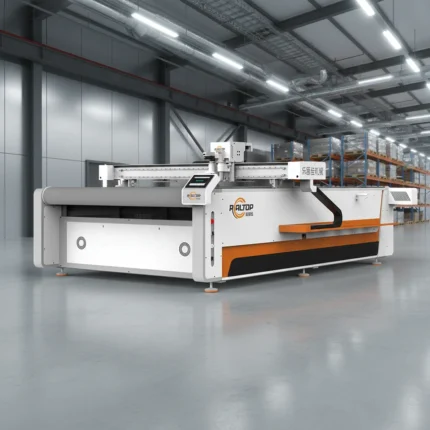
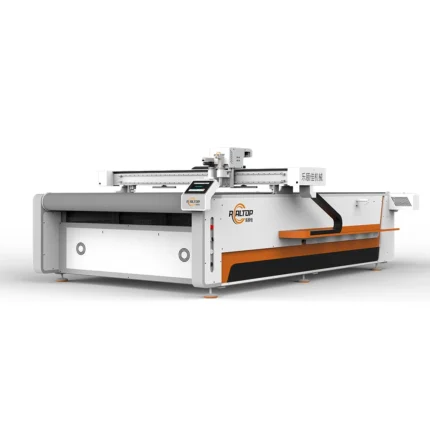
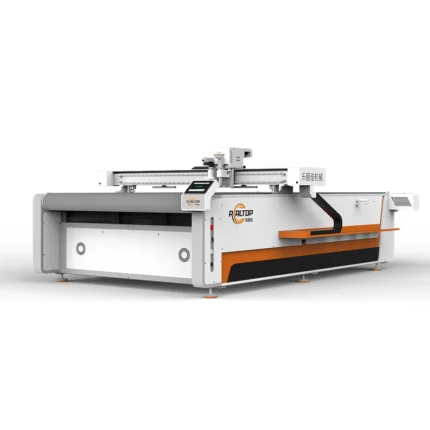
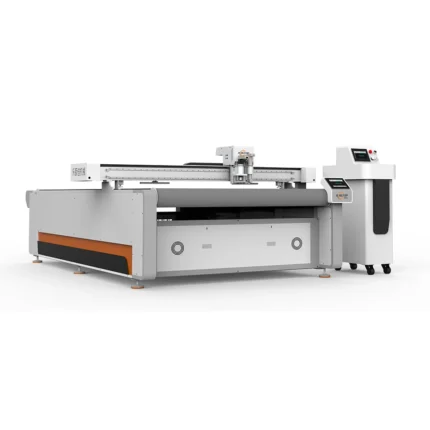
1625 CNC Oscillating Knife Cutting Machine, 1600×2500mm Working Area, ≤30mm Cutting Thickness — designed for flexible materials including PVC tarpaulin, fabric, leather and foam.
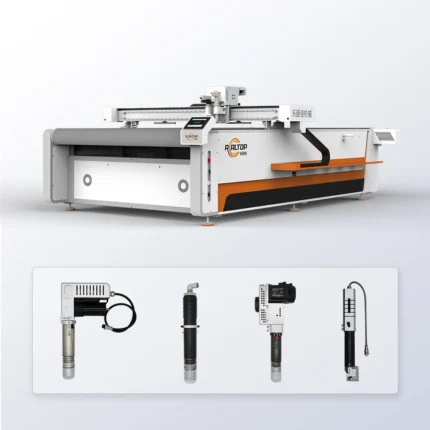
- Oscillating knife, driven rotary knife, creasing wheel, kiss cutting, pneumatic knife and milling tool heads matched to material type, avoiding melted edges and toxic fumes common with laser processing of PVC and synthetics
- Aluminum bellows vacuum table with 9KW pump, PLC control, ±0.1mm cutting accuracy, multi-voltage and multi-language configuration
Sample cutting on buyer’s own material with edge quality report available before order commitment, with tool head and table configuration specified per material thickness and production volume.
Cold Cutting Precision — oscillating knife technology avoids the melted edges, toxic fumes and sealed seams that CO2 lasers produce on PVC tarpaulin and synthetic fabrics.
Technical Specifications
| Parameter | Value |
|---|---|
| Model | 1625 |
| Product Type | CNC Oscillating Knife Cutting Machine |
| Working Area | 1600×2500 mm |
| Cutting Thickness | Up to 30 mm (basis to be confirmed by material type and density) |
| Cutting Accuracy | ±0.1 mm |
| Tool Head Options | Oscillating knife, driven rotary knife, creasing wheel, kiss cutting, pneumatic knife, milling, V-groove |
| Cutting Speed | 0–2000 mm/s |
| Vacuum Pump | 9 kW |
| Vacuum Table | Aluminum bellows vacuum table |
| Machine Frame | Heavy-duty frame with precision-ground surface |
| Machine Size | 3300×2100×1350 mm |
| Voltage Options | 110V, 220V, 380V |
| Control Panel | PLC control panel with optional display languages |
| File Formats | PLT, DXF, AI, PDF |
| Safety Device | Infrared sensor and emergency stop |
| Certification | CE |
Application Suitability
| Application | Material or Output |
|---|---|
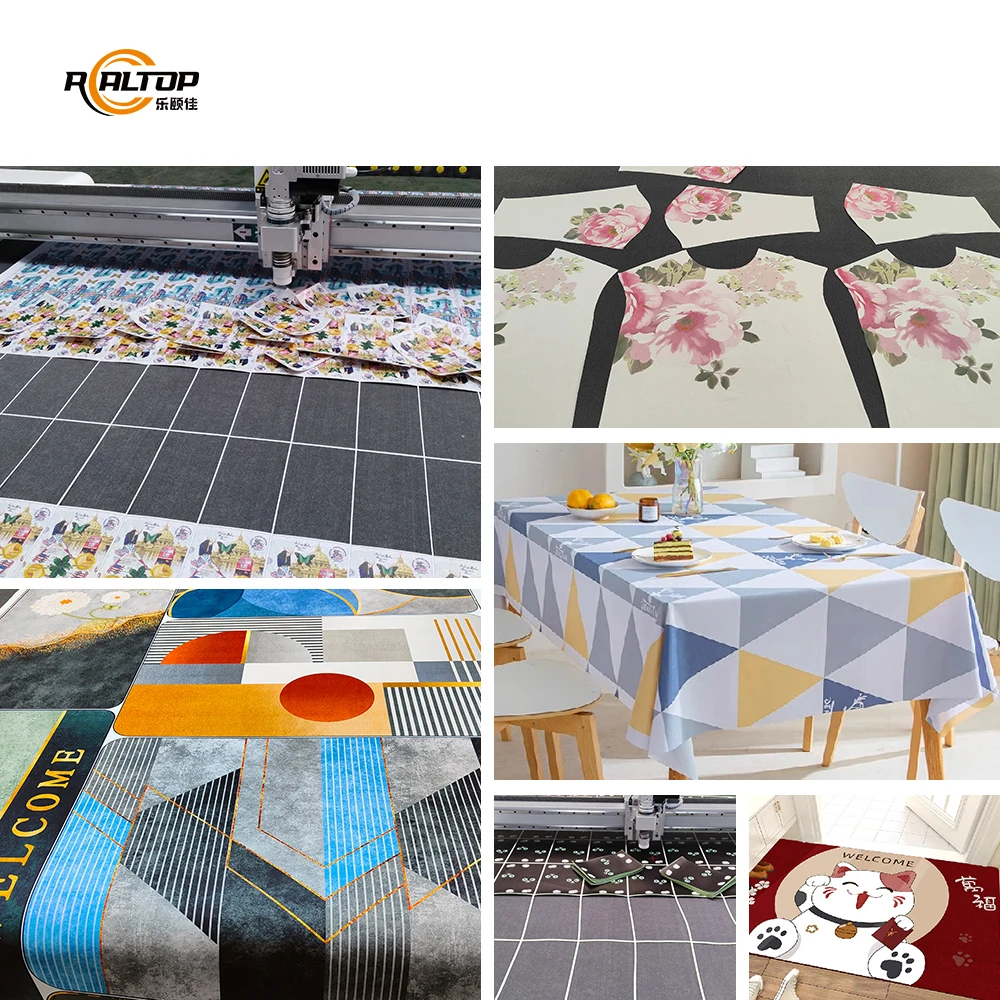
| PVC Tarpaulin Production | Heavy-duty PVC coated fabrics for truck covers, tents and industrial covers requiring clean edges for heat welding |
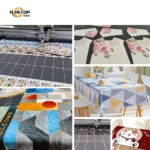
| Apparel and Garment Cutting | Multi-layer fabric stacks including suits, knitwear, lace and complex textiles without scorch marks |
| Automotive Interior Trim | Seat fabrics, carpets and PVC mats with burr-free edges for downstream assembly |
| Home Textile Manufacturing | Sofa fabrics, curtains, rugs and upholstery materials requiring nested cutting |
| Composite Material Processing | Carbon fiber prepreg, aramid and specialty technical textiles without delamination |
| Flexible Signage and Banners | Vinyl and reinforced PVC sheets where sealed laser edges would prevent sewing or welding |
Why Laser Cutters Fail on PVC Tarpaulin — and What This CNC Oscillating Knife Cutting Machine Does Instead
Cold mechanical cutting eliminates the chlorine gas, melted edges and sealed seams that CO2 lasers inevitably produce on PVC-based materials.
Many signage and tarpaulin producers initially specify a CO2 laser for flexible material cutting, only to discover that the thermal process melts the PVC coating, releases toxic hydrogen chloride fumes, and fuses the fabric layers together along the cut line. This sealed edge makes subsequent heat welding or sewing impossible — the exact operations most tarpaulin products require. [NEED_CITE: OSHA and EU-OSHA guidelines on thermal decomposition of PVC materials during laser processing]
I have watched workshops in the Pearl River Delta struggle with this mismatch. A producer bought a laser tube cutter for PVC tarpaulin, and within a week the extraction system could not keep up with the chlorine fumes. The edges came out hardened and impossible to weld. They had to re-evaluate the entire process and switch to a CNC oscillating knife cutting machine for fabric and PVC to get clean, unsealed edges suitable for their downstream welding line.
Thermal Damage Avoidance on Synthetic Fabrics
When a CO2 laser beam hits PVC or synthetic textile fibers, the localized heat melts and often chars the material along the kerf. This creates a hardened, discolored edge that resists folding, sewing and high-frequency welding. The CNC oscillating knife cutting machine for fabric and PVC uses a high-frequency vibrating blade that slices through the material mechanically at room temperature. The resulting edge remains soft, flexible and fully compatible with heat-welding processes that join tarpaulin panels together on the production floor.
Fume Extraction and Workshop Air Quality
Laser processing of PVC releases hydrogen chloride gas, which is corrosive to machine components, harmful to operators and requires dedicated fume extraction systems with chemical filtration. Cold knife cutting generates no thermal decomposition byproducts. The only waste is small physical offcuts that are collected manually or through a conveyor waste system, removing the need for expensive extraction infrastructure and ongoing filter replacement costs. [NEED_CITE: industrial ventilation requirements for PVC thermal processing versus mechanical cutting]
Edge Quality and Downstream Process Compatibility
The 1625 model delivers ±0.1 mm cutting accuracy across its 1600×2500 mm working area, which holds tight enough tolerances for nested garment pattern cutting and automotive interior trim panels. The aluminum bellows vacuum table, powered by a 9 kW pump, holds flexible sheets flat without mechanical clamping that could mark or distort the material. This matters particularly when cutting multi-layer fabric stacks where any material shift between layers ruins the entire batch. The heavy-duty precision-ground frame provides the rigidity needed to maintain this accuracy during high-speed oscillating knife passes.
Tool Head Selection by Material Behavior
The specification includes seven tool head options because no single blade geometry cuts all flexible materials cleanly. Oscillating knives handle thick PVC tarpaulin and foam by vibrating at high frequency to slice without dragging. Driven rotary knives suit continuous long cuts on woven fabric. Creasing wheels score cardboard and carton packaging samples without penetrating the surface. V-groove tools produce precise fold lines on composite panels. Selecting the wrong tool head for the material is one of the most common specification errors — it produces ragged edges on thin films or fails to penetrate thicker PVC coatings entirely.
The Cost of Skipping Material-Specific Tool Head Testing
Buyers who specify a cutting machine based solely on working area and price often discover after delivery that the configured tool head cannot handle their specific material. A PVC tarpaulin with a heavier coating than the standard test sample may require a different oscillation frequency, a sharper blade angle or a completely different tool head such as the pneumatic knife option. Without a sample cutting report on the buyer’s actual material before shipment, these mismatches are only discovered during installation — causing days of production delay while replacement tool heads are sourced and shipped. [NEED_CITE: industrial equipment commissioning delays caused by material specification mismatch]
The vacuum table zoning can also cause problems. If the zones are too large relative to the part size being cut, small pieces lose vacuum hold-down and lift during the knife pass, producing dimensional errors or blade damage. This is especially common in nested garment cutting where pattern pieces vary widely in size across the same sheet.
Why Source This Machine Through REALTOP
In-house design and production covering both knife and laser cutting technologies means the buyer receives an honest process recommendation rather than being pushed toward whichever machine is in stock. If a material is better suited to laser sealing — such as synthetic textile edges that benefit from thermal sealing to prevent fraying — that option is available rather than forced into knife cutting.
Tool head and table configuration is specified per material type and production volume before order confirmation, not left as a generic default that may not suit the buyer’s actual workload. The PLC control panel supports multiple display languages and software accepts PLT, DXF, AI and PDF file formats, integrating with existing design workflows without requiring new CAD software licenses.
Voltage customization covering 110V, 220V and 380V options means the machine ships configured for the destination market’s electrical supply, avoiding transformer additions or motor rewinding after arrival. Sample cutting on the buyer’s own material before commitment provides physical evidence of edge quality and cutting speed before financial commitment.
Documentation & Verification
- Machine specification sheet confirming tool head configuration matched to buyer material type
- Electrical schematic with voltage and frequency confirmation for destination market
- Sample cutting report on buyer-supplied PVC tarpaulin or fabric with edge quality photographs
- Factory test record documenting cutting accuracy across the full working area before dispatch
- Software licence and file format compatibility note for PLT, DXF, AI and PDF workflows
- CE declaration documentation for European market machinery directive compliance
Installation, Commissioning & Support
- Foundation requirement assessment for the 3300×2100×1350 mm footprint with level tolerance specifications
- Dedicated circuit planning for 9 kW vacuum pump plus servo motor load across selected voltage option
- Tool head calibration and oscillation frequency tuning for buyer material during on-site commissioning
- PLC control panel language setup and file format import verification with buyer production files
- Spare blade inventory planning based on cutting volume and material abrasiveness for first-year operation
- Vacuum table zone configuration adjustment for buyer typical part size range to prevent material lift
What to Include in Your Inquiry
Provide the specific material type, coating weight and total thickness you plan to cut, along with your typical sheet dimensions and daily cutting volume. Specify your workshop voltage supply and frequency, preferred control panel language, and whether you need sample cutting on your actual material before placing an order. If you have an existing nesting software workflow, share the file formats you currently use so compatibility can be verified before quotation.
Frequently Asked Questions
Q: Why choose cold knife cutting over laser for PVC tarpaulin?
A: Laser processing melts PVC edges, releases toxic hydrogen chloride gas and seals the cut line, making heat welding impossible. The CNC oscillating knife cutting machine produces clean, unsealed edges at room temperature, preserving full compatibility with downstream welding and sewing operations while eliminating the need for chemical fume extraction systems.
Q: How do I confirm the cutting thickness will work for my material?
A: Request a sample cutting test on your exact material with your specified layer count and coating weight. The reported cutting thickness capacity depends heavily on material density and composition, and standard test materials may not represent your production stock. A physical sample report before order confirms actual capability.
Q: What voltage options are available for different export markets?
A: The 1625 model supports 110V, 220V and 380V configurations. Voltage and plug type must be confirmed in writing before shipment, as retrofitting motors and control panels after arrival is costly and time-consuming. Specify your local supply voltage and frequency during inquiry.
Q: Will the vacuum table hold small parts during nested cutting?
A: The aluminum bellows vacuum table with 9 kW pump provides full-surface adsorption, but zone size relative to part size determines hold-down effectiveness. For nested cutting with small pattern pieces, confirm vacuum table zoning adequacy during specification to prevent material lift and cutting inaccuracies.
Q: Can I use my existing design files with the machine software?
A: The control system accepts PLT, DXF, AI and PDF file formats. Software compatibility should be confirmed before order by sharing your typical production files. This avoids workflow disruption and the cost of additional file conversion software after installation.


Related products
2026 Auto Fabric Cutter Round Knife High Efficiency
Product Introduction
High Efficiency 2026 Auto Fabric Cutter with Round Knife is a professional cutting equipment designed for fabric processing. It features advanced automation and high cutting efficiency, suitable for various fabric materials in industrial production.Product Parameters
| Model | 2026 |
| Type | Auto Fabric Cutter |
| Blade Type | Round Knife |
| Feature | High Efficiency |
2026 CNC Knife Cutting Machine for Fabric Leather PVC Hot Sale
Product Introduction
2026 Hot Sale CNC Knife Cutting Machine for Fabric, Leather, PVC. Ideal for precise cutting of various materials with advanced CNC technology, perfect for manufacturing needs.
Product Parameters
| Application | Fabric, Leather, PVC |
| Type | CNC Knife Cutting Machine |
| Feature | Precision Cutting |
| Year | 2026 Model |
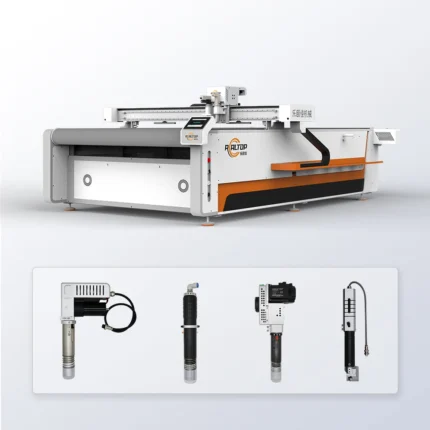
CNC Vibration Knife System 2026 for Polyester Nylon Non-Woven Prepreg
Product Introduction
CNC Vibration Knife System 2026 is ideal for cutting polyester, nylon, non-woven fabrics, and prepreg materials with precision and efficiency, suitable for industrial manufacturing needs.Product Parameters
| Model | 2026 |
| Cutting Technology | CNC Vibration Knife |
| Materials | Polyester, Nylon, Non-Woven, Prepreg |
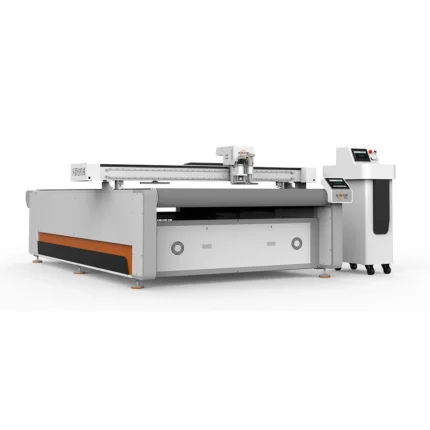
Custom CNC Shirt Fabric Cutting Machine 2026
Product Introduction
Custom CNC Shirt Fabric Cutting Machine 2026, ideal for precise fabric cutting in garment manufacturing, offering efficient and accurate cutting solutions.
Product Parameters
| Model | Custom CNC Shirt Fabric Cutting Machine 2026 |
| Type | CNC Fabric Cutting Machine |
| Application | Shirt Fabric Cutting |
| Year | 2026 |
Jinan Realtop CNC Oscillating Knife Cutter 2026
Product Introduction
Jinan Realtop CNC Oscillating Knife Cutter 2026, a precision cutting solution from China's leading welding & cutting equipment manufacturer, ideal for efficient material processing with advanced CNC technology.
Key Specifications
| Model | 2026 |
| Type | CNC Oscillating Knife Cutter |
| Manufacturer | Jinan Realtop |
商品评价
There are no reviews yet.