




CNC Oscillating Knife Cutting Machine Table for Cloth – Laser Cutting and Engraving Machine Manufacturer
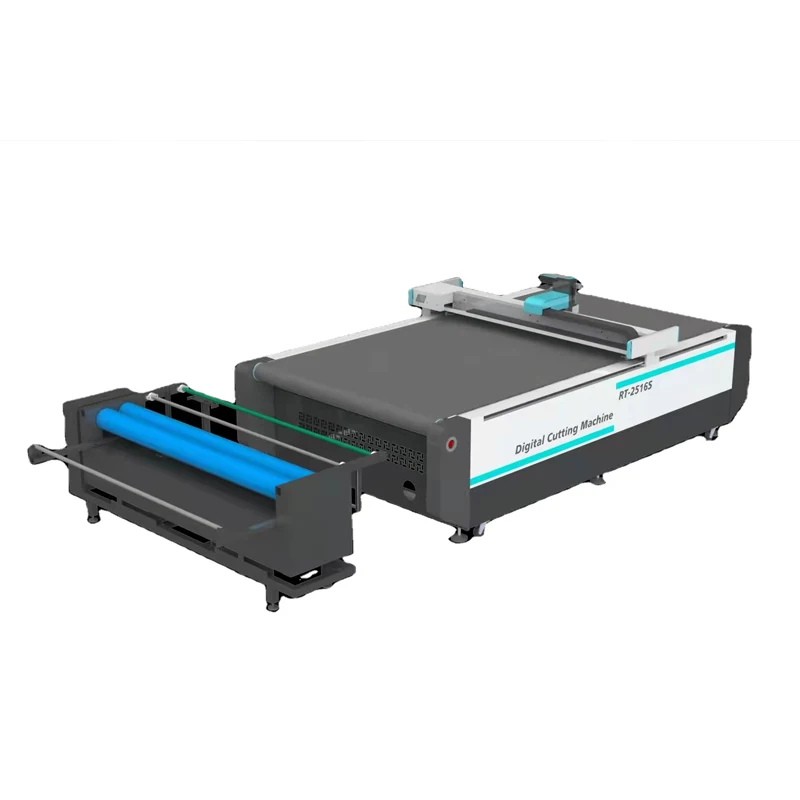
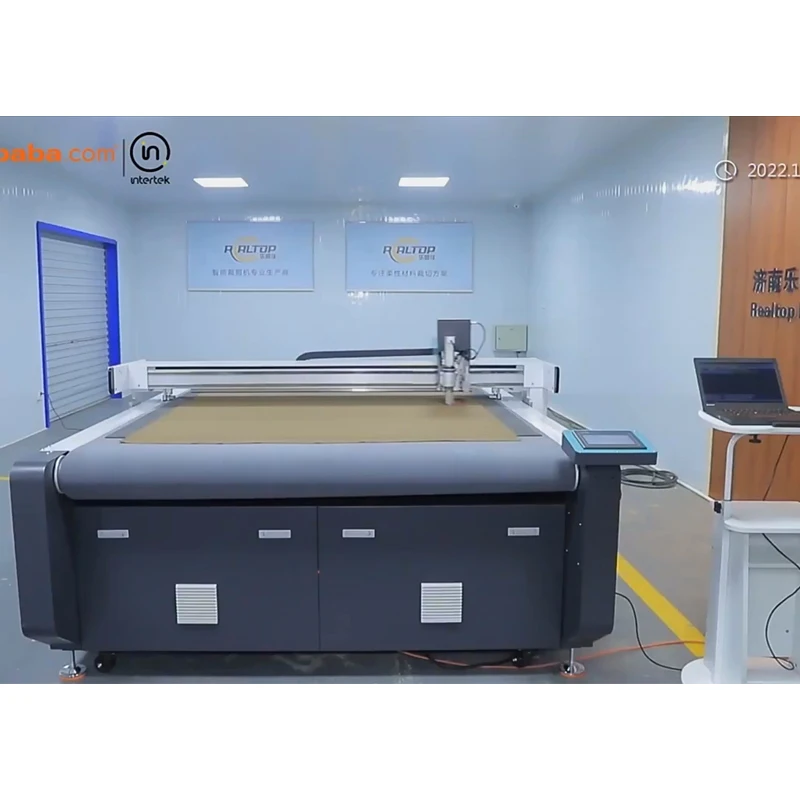
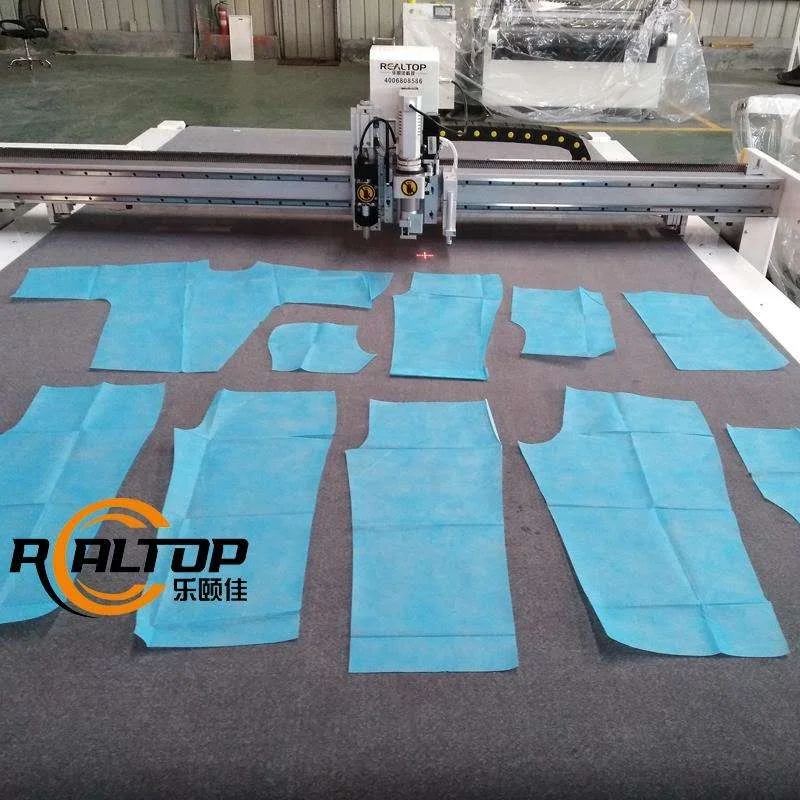
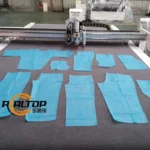
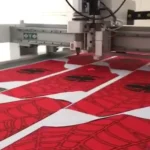
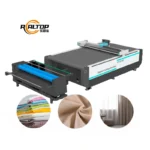
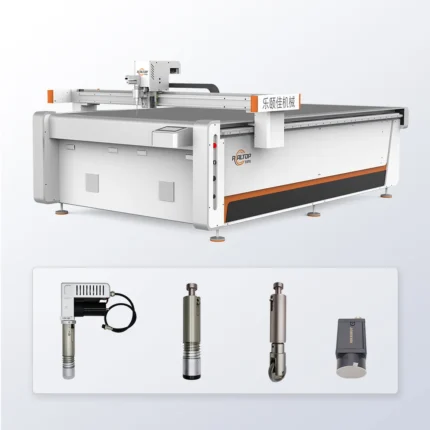
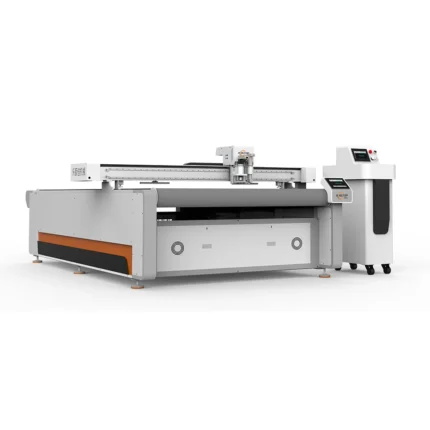
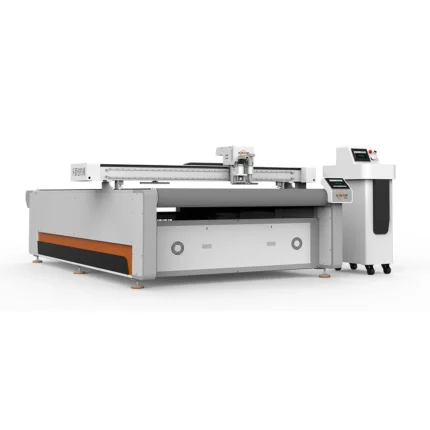
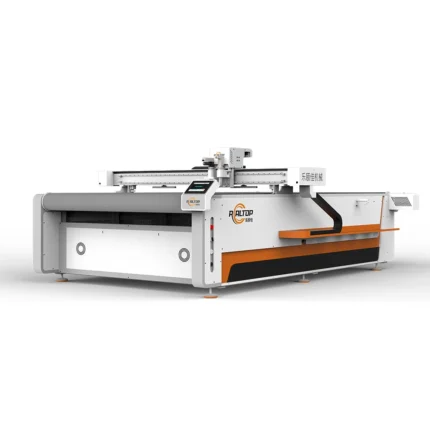
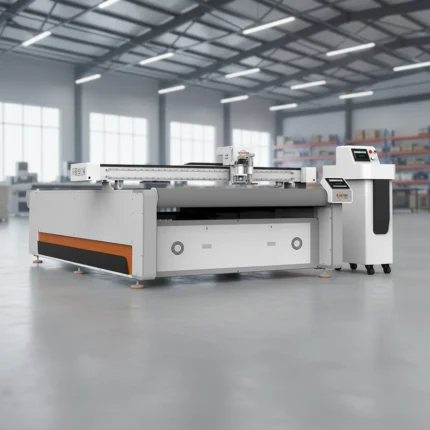
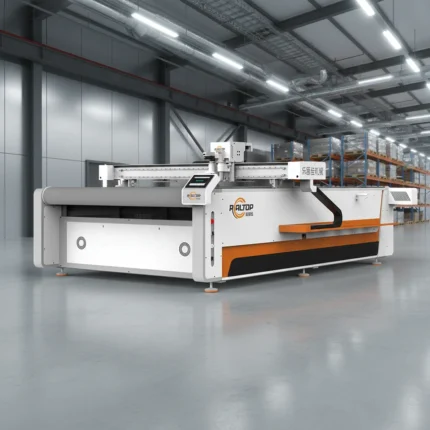
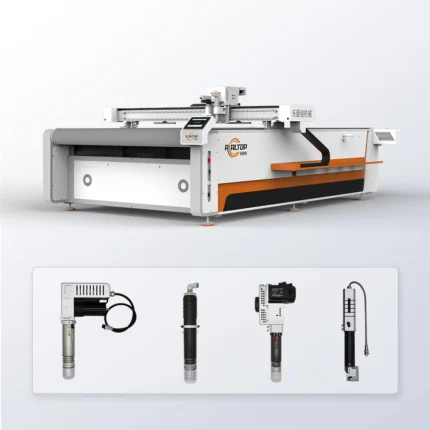
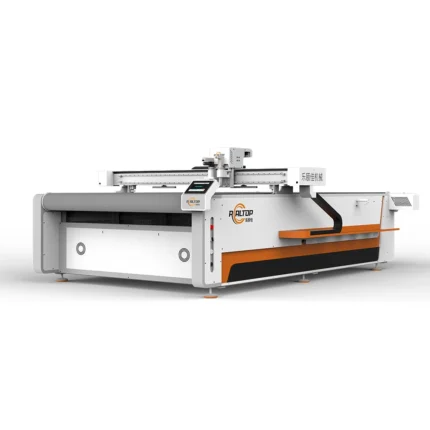
RT-D2516/RT-S2516 CNC Oscillating Knife Cutting Machine, 1600×2500mm working area, Swiss imported knife system — engineered for continuous fabric, leather and composite material processing.
- Rack and pinion drive with aviation aluminum vacuum table ensures uniform suction and cutting precision across all zones
- Modular tool holder accepts round knife, marking pen and auto feeder for rapid configuration changes
CO2 and fiber laser cutting solutions available from the same manufacturer — sample cutting on your own material provided before commitment to verify edge quality and thickness capability.
Precision cutting configuration — We match the oscillating knife type, vacuum zoning, and feeding system to your specific fabric density and thickness before the machine leaves our factory.
Technical Specifications
| Parameter | Value |
|---|---|
| Model | RT-D2516/RT-S2516 |
| Working Area | 1600×2500 mm |
| Machine Dimensions | 3450×2300×1250 mm |
| Rated Power | 9 kW |
| Table Type | Flat working table with aviation aluminum countertop |
| Cutting Head | Swiss imported knife (vibration full cut, half cut, cursor location) |
| Cutting Thickness | ≤50 mm (depends on specific material type and density) |
| Translational Velocity | 800-1200 mm/s |
| Repeated Accuracy | ≤0.1 mm |
| Drive Mechanism | Pinion and rack transmission |
| Transmission System | Digital servo motor, linear guide, synchronous belt, ball screw |
| Vacuum System | 7.5 kW vacuum pump, high-density felt table cloth |
| Tool Holder | Modular design (Round Knife, Marking Pen, Auto Feeder compatible) |
| Control System | HP-GL compatible format |
| Voltage | 380V±10% |
| Safety | Infrared sensors |
Application Suitability
| Application | Material or Output |
|---|---|
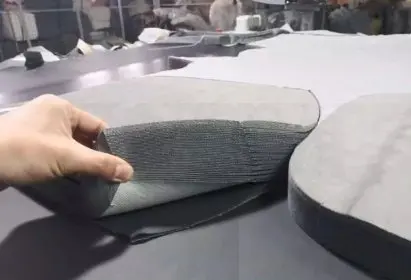
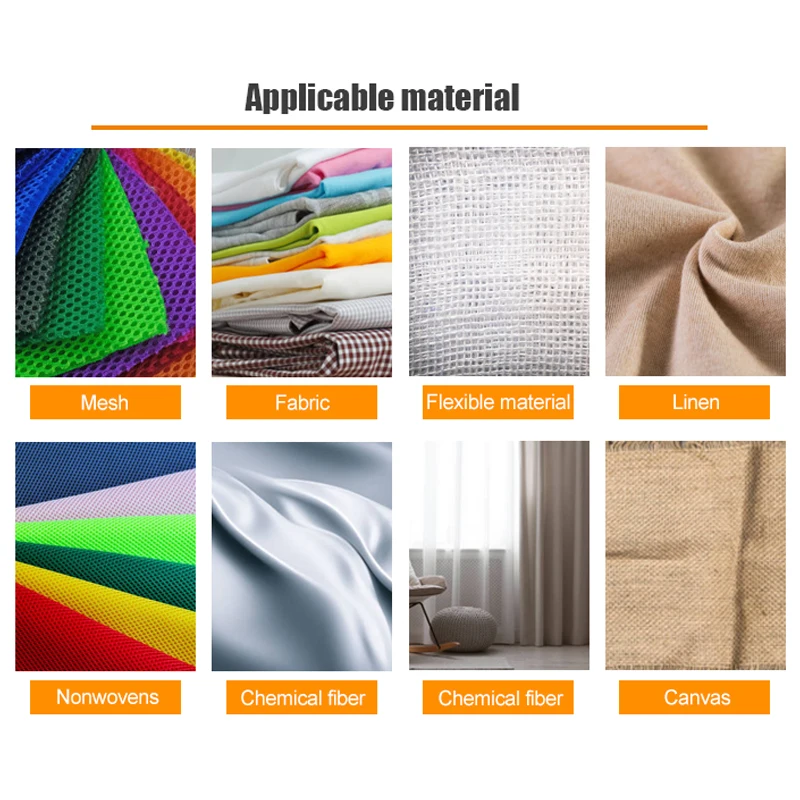
| Garment manufacturing | Single and multi-layer woven fabrics, knits, technical textiles |
| Automotive interior trimming | Leather hides, sponge composite materials, flexible PVC panels |
| Soft goods fabrication | Silicon sheets, rubber gaskets, soft glass covers |
| Footwear production | Shoe uppers, lining materials, synthetic leather components |
| Upholstery and furniture | Thick flexible foams, layered fabric assemblies |
Why "800-1200 mm/s" Means Nothing Without Your Material Sample
Head speed is only useful if the knife geometry actually matches your fabric structure.
When I was ordering equipment for a garment plant in Southeast Asia, I watched a fast-moving head tear through coated synthetics because the oscillation frequency was set for plain cotton. The vendor quoted high translational velocity, but the cut edge on our actual production fabric was frayed and unusable. Two weeks of re-tuning followed while the customer’s shipment deadline slipped [NEED_CITE: fabric cutting parameter matching by textile type]. A laser cutting and engraving machine manufacturer focused purely on laser work might miss these knife-process nuances entirely, which is why physical sample cutting on your specific material must happen before any configuration is locked in.
Knife Geometry and Material Interaction
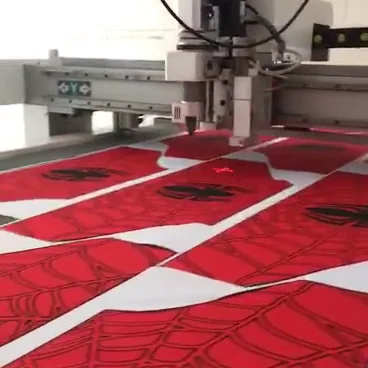
The Swiss imported knife system on the RT-D2516/RT-S2516 provides three distinct functions: vibration full cutting, vibration half cutting, and cursor location. Full cutting handles thick sponge composites and leather in a single pass, while half cutting scores flexible PVC without penetrating the backing layer. The laser cutting and engraving machine manufacturer offering knife systems must understand that oscillation amplitude and blade angle determine whether a woven textile edge stays sealed or unravels at the seam line.
Rack and Pinion Versus Belt Drive Dynamics
The pinion and rack transmission delivers consistent positioning accuracy across the full 1600×2500 mm working area, especially under the lateral load created when the knife penetrates dense composite materials. Belt-driven systems can drift over long production runs as tension fluctuates with temperature changes in the workshop. With repeated accuracy held at ≤0.1 mm, the RT-D2516/RT-S2516 maintains pattern alignment across nested layouts [NEED_CITE: transmission system accuracy comparison in CNC flatbed cutters], which matters when cutting multi-layer fabric stacks where even slight drift compounds through the pile.
Vacuum Zoning and Small Part Hold-Down
The 7.5 kW vacuum pump paired with the aviation aluminum countertop’s internal wind structure addresses a common failure point: small cut parts lifting off the table during high-speed head traversal. The high-density felt table cloth distributes suction evenly, preventing the localized lift that causes ragged edges or complete part displacement on intricate pattern pieces like collar stays or pocket flaps.
Aviation Aluminum Countertop and Thermal Stability
The inner wind structure machined into the aviation aluminum surface ensures that vacuum distribution does not degrade as the table warms during continuous shifts. Unlike welded steel tables that can develop uneven suction zones as thermal expansion alters surface flatness, aluminum maintains dimensional consistency. This matters when running back-to-back fabric cutting jobs where the machine operates for extended periods without cooldown intervals.
The Cost of Skipping Material-Specific Tool Head Selection
Choosing a universal knife setup and hoping it handles everything from silk to 50 mm sponge composite leads to compromised edges on at least one end of your material range. Delicate textiles require different blade angles and oscillation frequencies than automotive leather, and forcing one configuration across both produces either crushed fibers or incomplete cuts [NEED_CITE: tool head selection impact on edge quality in textile cutting]. Production supervisors then spend hours swapping blades mid-shift, defeating the purpose of automated cutting.
Why Procurement Teams Source This Configuration Here
In-house design covering both knife and laser technologies means the cutting method is matched to the material rather than forced into one process. Tool head and table configuration is specified per material and production volume before the order is finalized. Sample cutting on the buyer’s actual fabric or leather confirms edge quality and achievable thickness before commitment. Software compatibility with HP-GL workflows is verified so existing nesting files integrate without manual conversion. Voltage, control language, and plug type are confirmed in documentation prior to shipment, preventing the installation delays that happen when a machine arrives with the wrong electrical configuration.
Documentation & Verification
- Machine specification sheet listing exact knife type and vacuum zone layout for your material
- Electrical schematic confirming 380V±10% configuration and circuit breaker sizing
- Tool head and table configuration list matched to your fabric density range
- Sample cutting report produced on your actual material before order confirmation
- Factory test record documenting repeated accuracy across the full working area
- Software licence and HP-GL file format compatibility note for your nesting workflow
Installation, Commissioning & Support
- Foundation must support the 3450×2300×1250 mm machine footprint with level flooring
- Dedicated 380V±10% circuit with appropriate breaker rating for the 9 kW rated power
- 7.5 kW vacuum pump requires separate ducting and exhaust routing at installation
- First-run parameter tuning performed on your specific fabric type and thickness range
- Operator training covers modular tool holder changeover between round knife and marking pen
- Spare parts list includes high-density felt replacement and Swiss knife blade consumables
What We Need to Specify Your Machine Correctly
Send us your primary material type, typical thickness range, and maximum sheet dimensions so we can confirm cutting depth capability and tool head selection. Include your local voltage standard and preferred control panel language. If you already run nesting software, share a sample file so we verify HP-GL import compatibility before building the configuration.
Frequently Asked Questions
Q: How does cutting thickness vary across different fabric and leather types?
A: Maximum thickness reaches ≤50 mm depending on material density and composition. Dense sponge composite leather cuts differently than layered woven cotton, and the achievable depth changes with each material type. We run a sample cutting test on your specific fabric to confirm the actual thickness capability and edge quality before finalizing the tool head configuration.
Q: Which tool head handles both thin silk and thick composite without edge damage?
A: The modular tool holder accepts round knife, marking pen, and auto feeder options, with the Swiss imported knife offering vibration full cutting, half cutting, and cursor location functions. The correct blade geometry and oscillation setting depend on your material range. We test multiple configurations on your samples to identify the setup that delivers clean edges across your production mix.
Q: What vacuum table zoning prevents small parts from lifting during high-speed cutting?
A: The aviation aluminum countertop features an internal wind structure paired with a 7.5 kW vacuum pump and high-density felt table cloth to distribute suction uniformly. This prevents small pattern pieces like collar stays or gaskets from shifting when the cutting head moves at translational velocity. Zone configuration is confirmed based on your typical part sizes.
Q: Can the software import my existing nesting files without conversion?
A: The control system supports HP-GL compatible format, which covers most standard nesting workflows. We verify file format compatibility using your actual production files before the order is confirmed, and provide a software licence and compatibility note documenting the integration. This prevents workflow disruption when the machine arrives at your facility.
Q: What voltage and control language options are confirmed before shipment?
A: The standard configuration operates on 380V±10%, but we document your local electrical requirements before production begins. Control panel language and plug type are specified in the electrical schematic and voltage confirmation documentation, ensuring the RT-D2516/RT-S2516 matches your workshop infrastructure when it arrives [NEED_CITE: industrial equipment voltage and language customization standards].


Related products
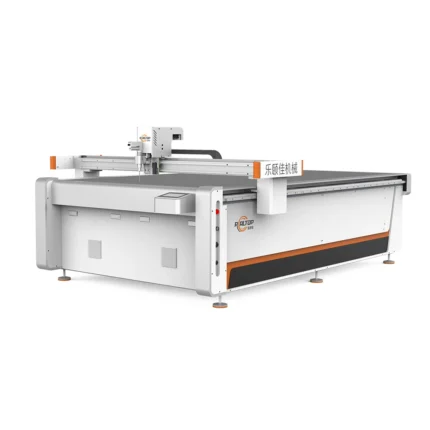
2026 Auto Fabric Cutter Round Knife High Efficiency
Product Introduction
High Efficiency 2026 Auto Fabric Cutter with Round Knife is a professional cutting equipment designed for fabric processing. It features advanced automation and high cutting efficiency, suitable for various fabric materials in industrial production.Product Parameters
| Model | 2026 |
| Type | Auto Fabric Cutter |
| Blade Type | Round Knife |
| Feature | High Efficiency |
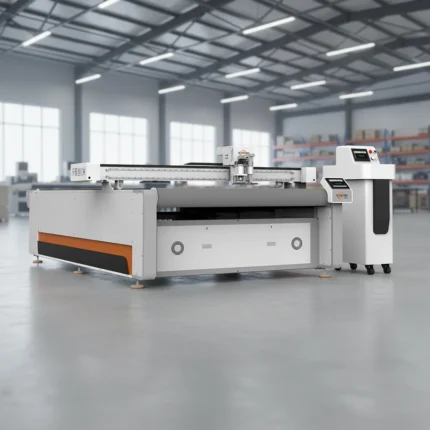
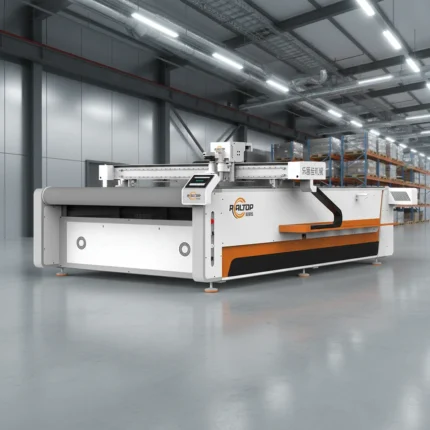
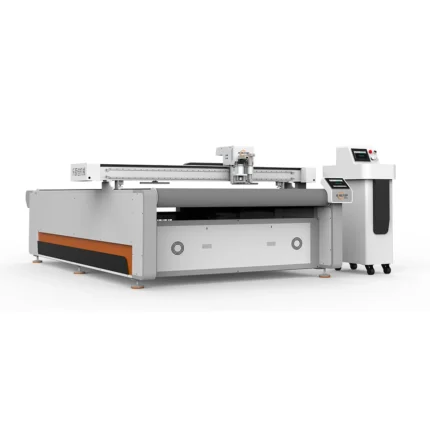
2026 Inflatable Surf SUP Board Cutting Machine
Product Introduction
Ideal for inflatable surf SUP board production, this 2026 cutting machine ensures precise and efficient cutting, tailored for manufacturers seeking reliable performance in water sports equipment manufacturing.
Specifications
| Application | Inflatable Surf SUP Board |
| Type | Cutting Machine |
| Model Year | 2026 |
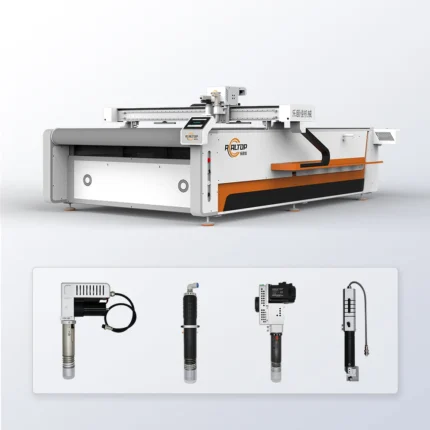
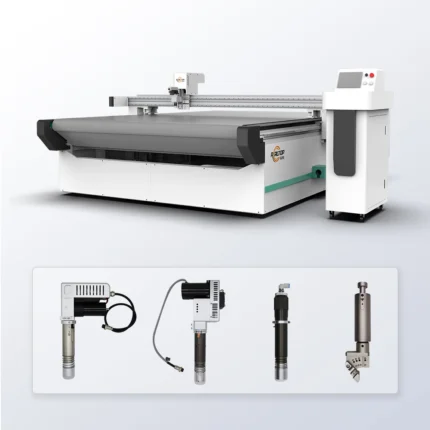
Automatic Fabric Cutting Machine 1200mm Delta Servo 2026
Product Parameters
| Cutting Width | 1200mm |
| Servo System | Delta Servo |
| Model Year | 2026 |
Introduction
High-performance Automatic Fabric Cutting Machine with 1200mm cutting width, equipped with Delta Servo for precision. Ideal for efficient fabric processing in textile industry, ensuring accurate and fast cutting operations.
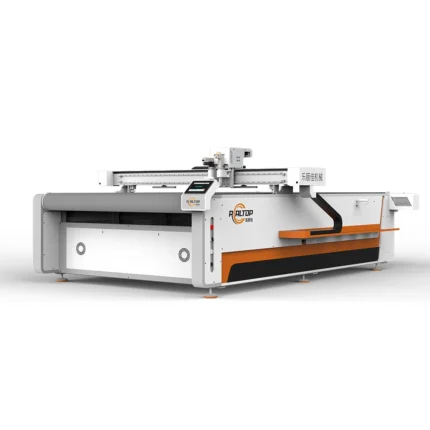
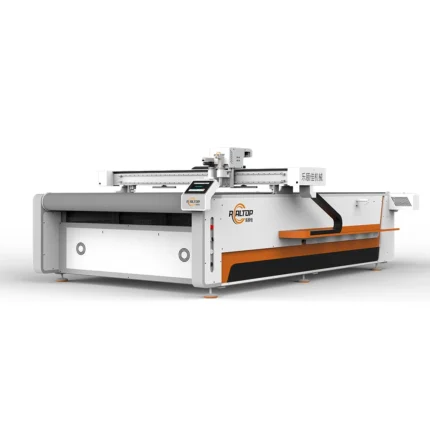
Realtop CNC Fabric Cutting Machine 2026 CE Certified
Product Introduction
Realtop CNC Fabric Cutting Machine 2026, CE Certified, ideal for precision fabric cutting with advanced CNC technology. Engineered for efficiency and reliability in textile manufacturing processes.Key Specifications
| Model | Realtop CNC Fabric Cutting Machine 2026 |
| Certification | CE Certified |
商品评价
There are no reviews yet.