

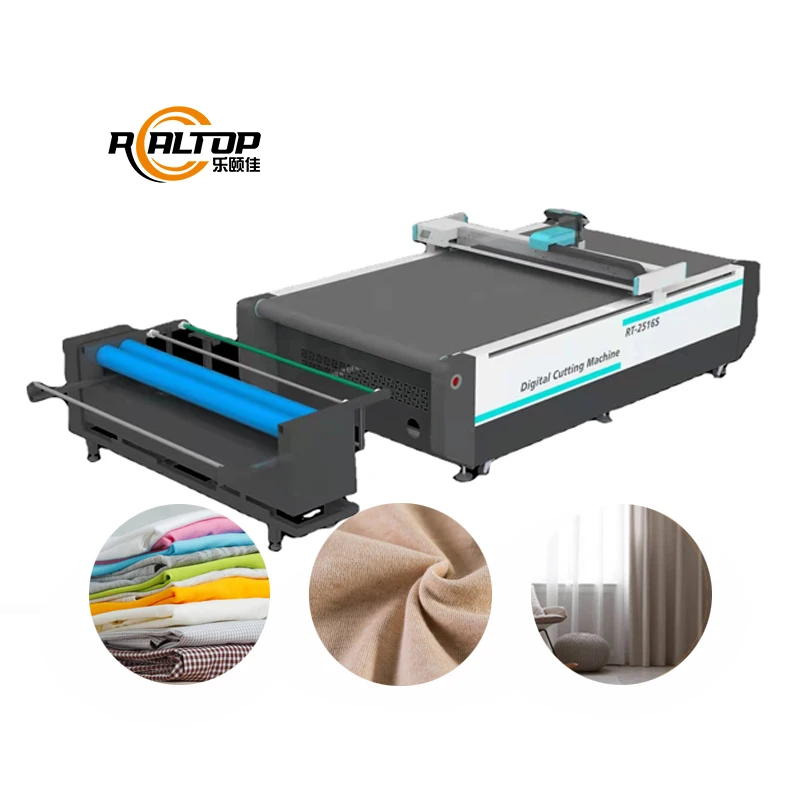
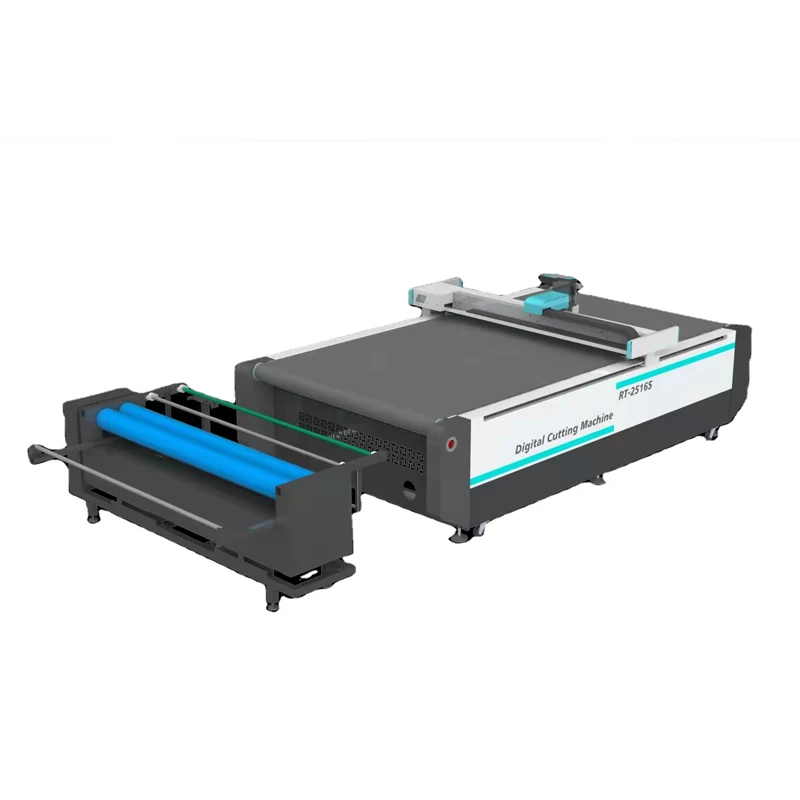
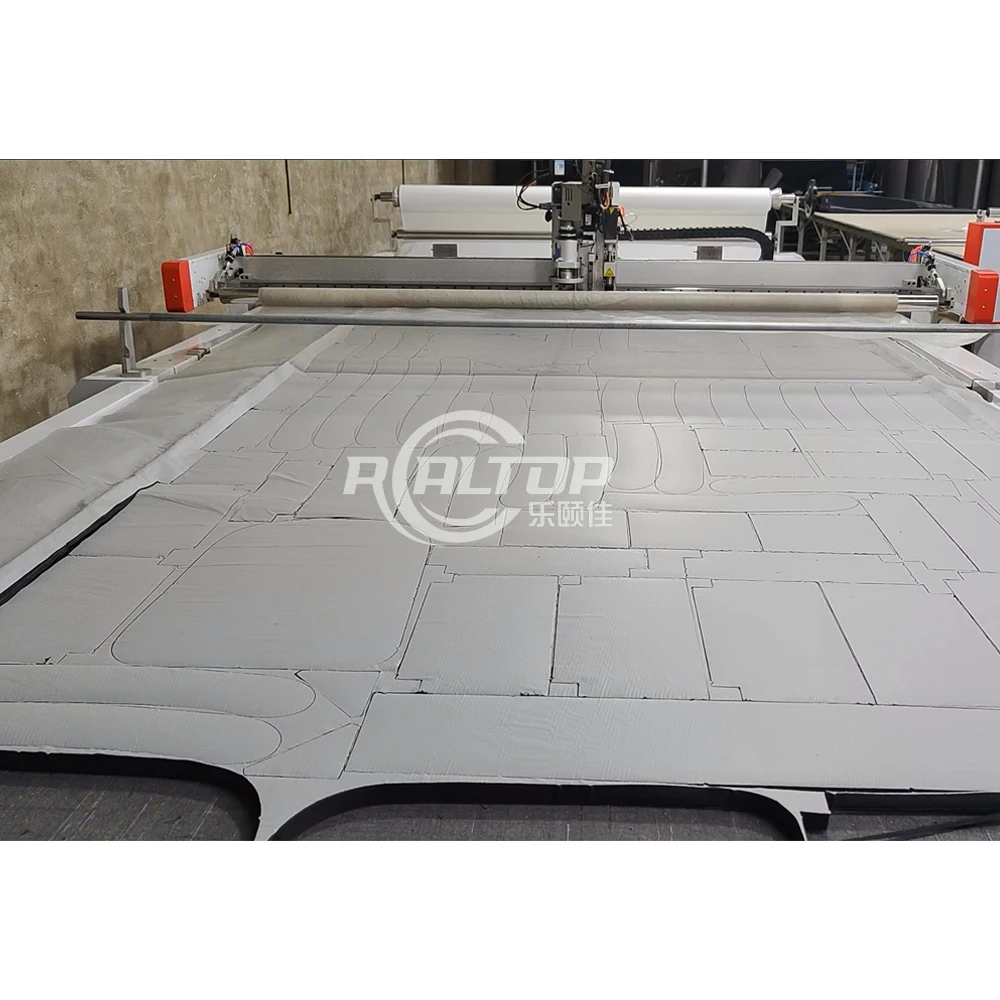
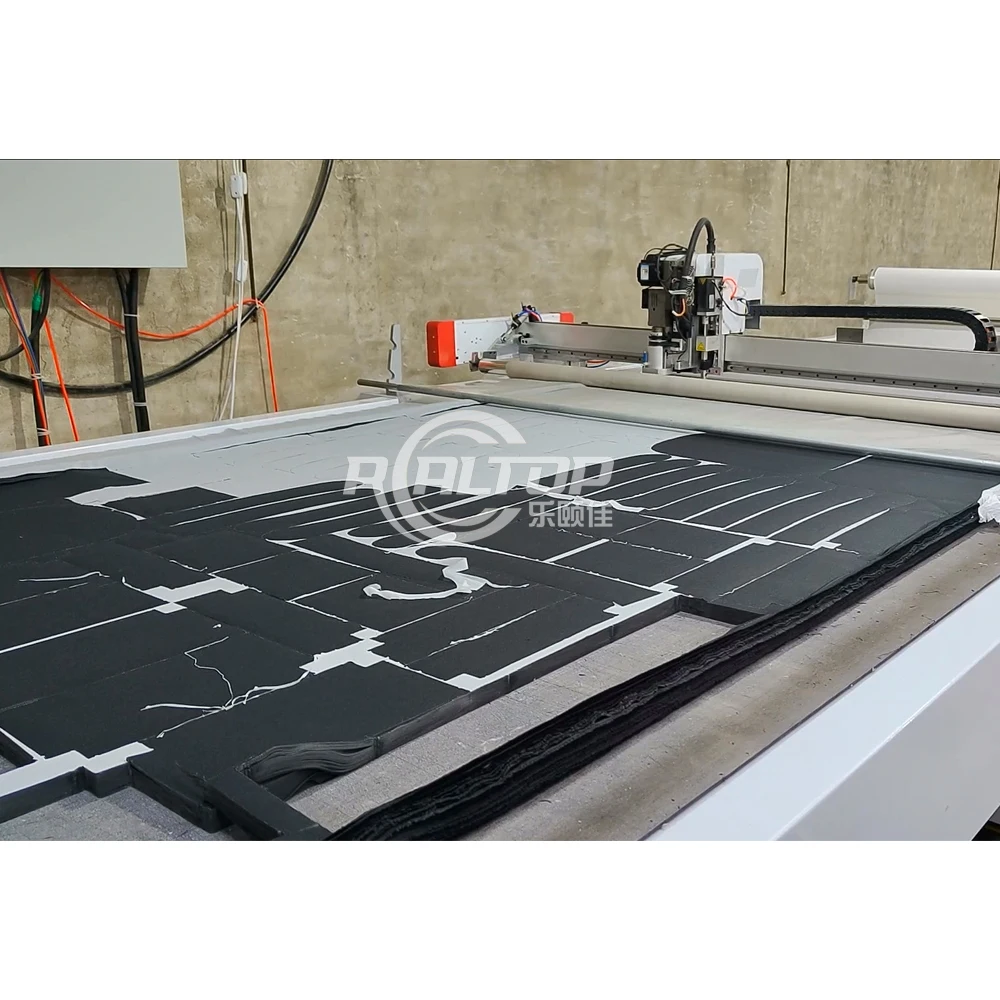


High Speed Digital Cloth CNC Cutting Machine for Fabric | Industrial Application
Sample cutting on your own material is completed before order confirmation, with full tool head configuration and electrical documentation provided.
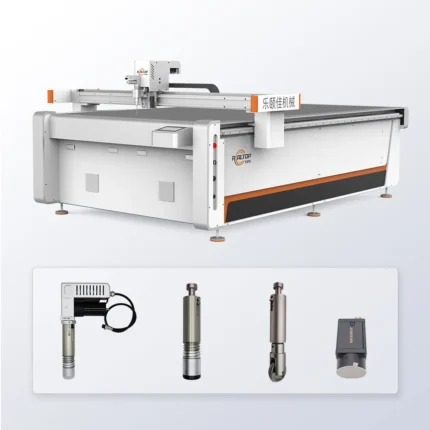
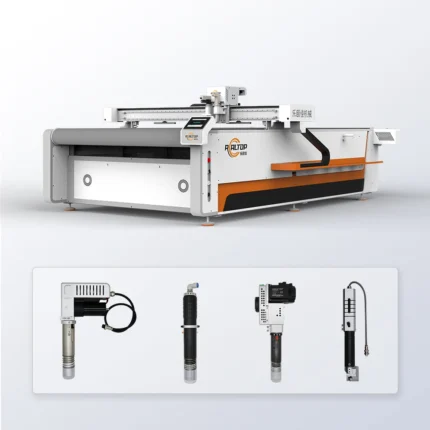
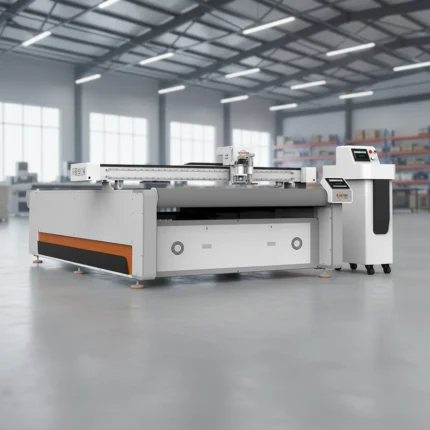
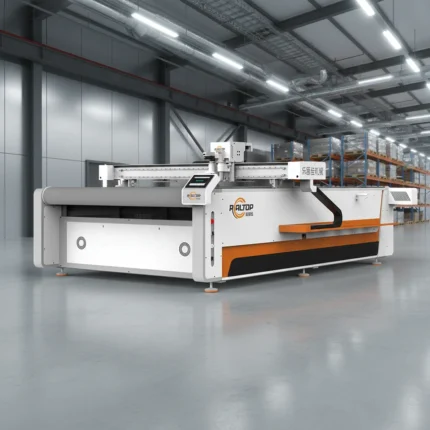
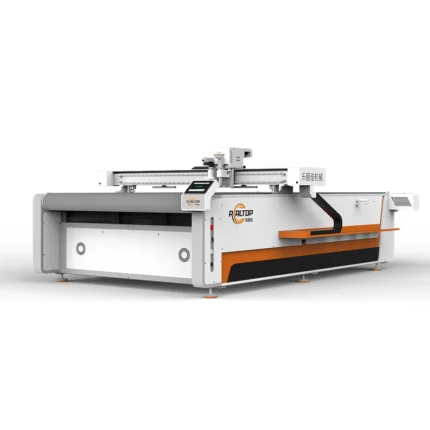
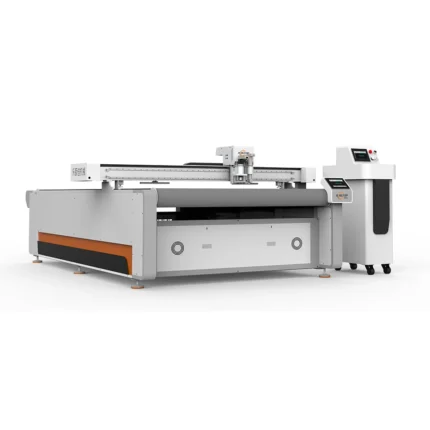
Swiss Tool Head Precision — The RT-D2516/RT-S2516 pairs an imported oscillating knife with material-specific parameter mapping and sample cutting on your stock before order confirmation.
Technical Specifications
| Parameter | Value |
|---|---|
| Model | RT-D2516/RT-S2516 |
| Product Type | CNC Vibrating Knife Fabric Cutting Machine |
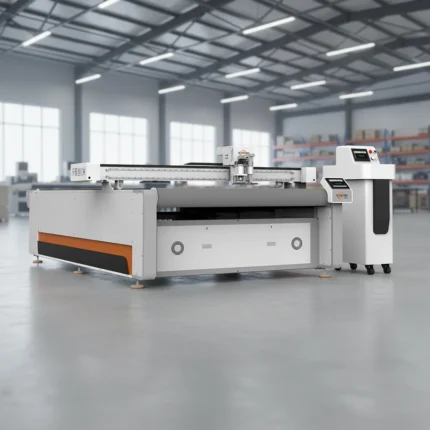
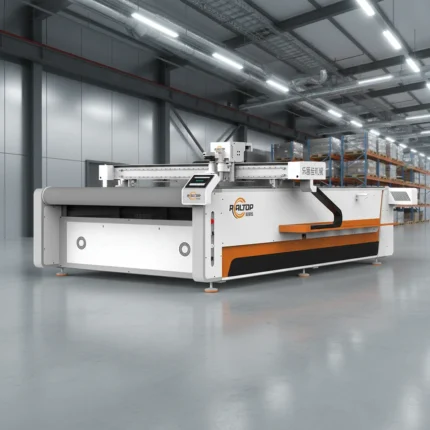
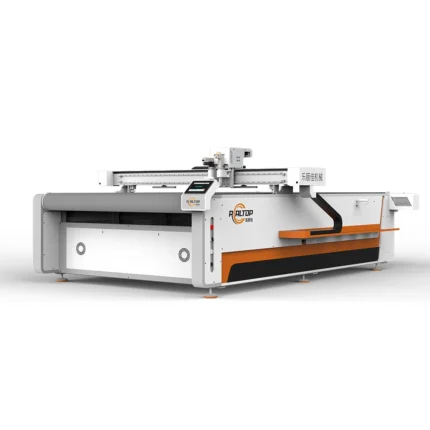
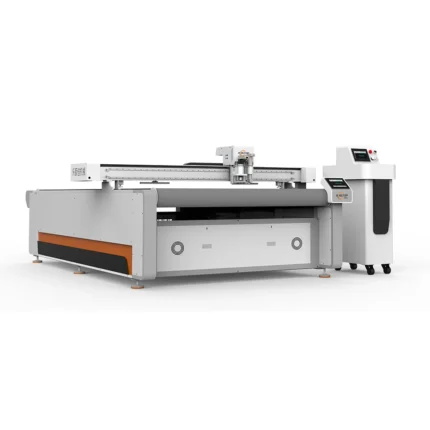
| Working Area | 1600 × 2500 mm |
| Machine Size | 3450 × 2300 × 1250 mm |
| Rated Power | 9 kW |
| Cutting Thickness | Up to 50 mm depending on material density |
| Translational Velocity | 800–1200 mm/s |
| Repeated Accuracy | ≤0.1 mm |
| Drive Mechanism | Pinion and rack transmission |
| Servo Motor | Panasonic (Digital AC servo) |
| Linear Guide | Taiwan Hiwin rail |
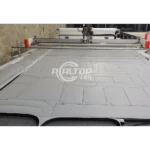
| Table Structure | Aviation aluminum countertop with internal wind-channel vacuum |
| Vacuum Pump | 7.5 kW |
| Table Surface | High-density felt over segmented vacuum zones |
| Multifunctional Tool Head | Swiss imported knife — vibration full cut, half cut, cursor location |
| Safety Device | Infrared sensor array |
| Instruction Format | HP-GL compatible |
| Voltage | 380 V ±10 % |
| Control Language | English, Russian, Italian, Chinese (other languages configurable) |
| Auto Feeding | Germany imported conveyor belt with continuous feed |
| Certification | CE |
Application Suitability
| Application | Material or Output |
|---|---|
| Garment and fashion production | Single and multi-layer woven fabric, silk, technical textiles |
| Automotive interior trimming | Sponge composite leather, PVC, synthetic suede |
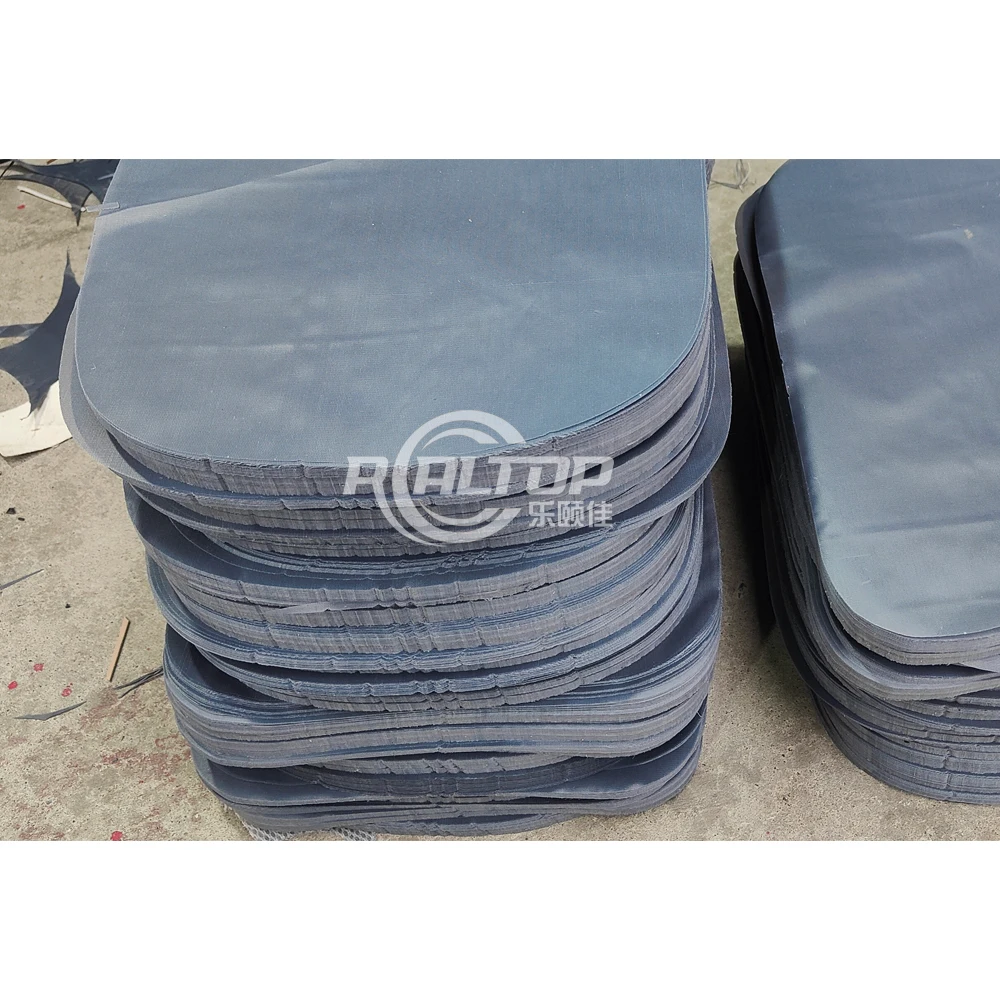
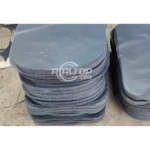
| Footwear and leather goods | Natural leather, PU, lining fabric with contour nesting |
| Soft gasket fabrication | Rubber, silicon, soft glass sheet |
| Signage and flexible graphics | Vinyl, banner material, self-adhesive film |
| Composite panel cutting | Foam-core laminates, honeycomb textile panels |
What "50 mm Cutting Depth" Actually Depends On
Material compressibility determines real cutting thickness far more than the stroke of the oscillating knife.
I have walked into workshops where a cloth CNC cutting machine rated for thick stock could not hold a clean edge on three-layer automotive upholstery because the operator never received a tool-head-to-material match sheet. The vibration frequency that slices cleanly through dense rubber will crush open-cell foam if the amplitude and blade profile remain unchanged. Buyers often see a single thickness number on a spec page and assume it applies across every roll they feed onto the table. The honest answer is that a CNC Fabric Cutting Machine for textile and garment production only reaches its stated depth when the blade geometry, oscillation rate, vacuum hold-down and feed speed are all tuned for one specific stack [NEED_CITE: oscillating knife cutting parameters by material type].
Tool-Head Matching Decides Edge Quality Before Speed Matters
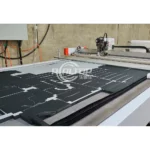
The Swiss imported tool head on the RT-D2516/RT-S2516 offers vibration full-cut and half-cut modes plus cursor location. Selecting between them is not optional — half-cut works for kiss-cutting adhesive-backed vinyl where the liner must stay intact, while full-cut drives through multi-ply denim stacks. Swapping blade profiles between round knife and oscillating blade takes minutes, but the wrong profile on coated automotive leather leaves micro-tears that show up under showroom lighting.
Vacuum Zoning and Small-Part Nesting Behaviour
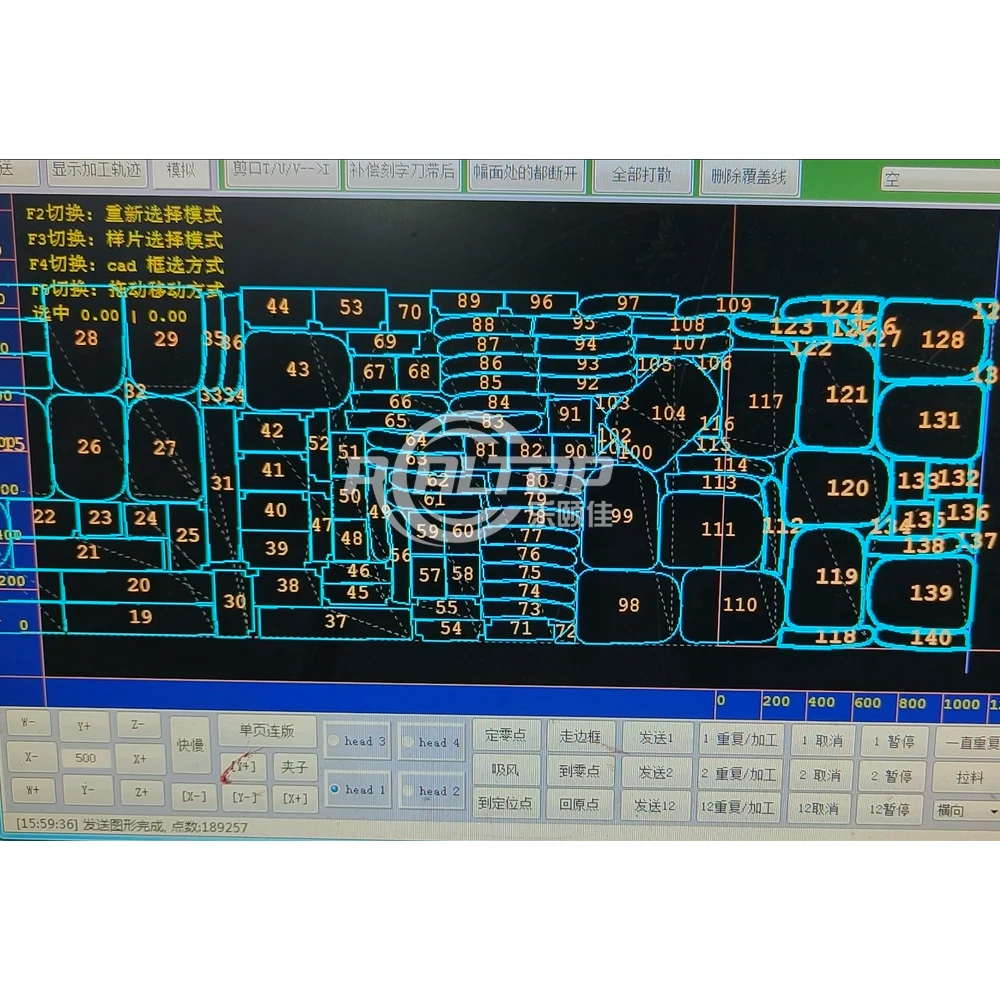
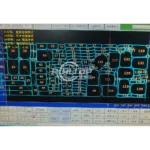
The aviation aluminum countertop contains internal wind channels rather than simple drilled holes. This routes suction more evenly across the felt surface. When nesting small pattern pieces — think shoe upper components under 100 mm across — uneven suction lets trailing edges lift as the knife exits the cut. The 7.5 kW vacuum pump delivers enough draw to hold lightweight silk, yet zoning must still be configured around the buyer’s smallest part geometry before the first production run [NEED_CITE: vacuum table zoning requirements for nested small parts].
Why Pinion-Rack Drive Outlasts Belt Transmission on Long Tables
On a 2500 mm travel axis, synchronous belts stretch with thermal cycling and humidity swings, introducing cumulative positional drift over an eight-hour shift. The RT-D2516/RT-S2516 uses pinion and rack transmission paired with Panasonic servo motors and Taiwan Hiwin linear guides. This combination maintains the ≤0.1 mm repeatability spec across continuous garment marker runs where a 0.3 mm drift would push seam allowances out of tolerance. The lathe bed is overall-welded and finished on imported milling equipment, keeping the rack mounting surface flat enough that the pinion never loses full tooth engagement even at 1200 mm/s traverse.
The Cost of Skipping Material-Specific Sampling
I once saw a fabric cutting line shipped to the Middle East with default oscillation settings tuned for standard polyester. The buyer’s actual stock was a PVC-coated automotive headliner that melted at the blade tip instead of parting cleanly. Two weeks of remote parameter adjustments followed, each session costing production time and felt replacement. Now the rule is simple: send a roll of your actual material before the order is finalised, and the sample cutting report documents the exact blade profile, oscillation frequency, vacuum zone map and feed rate that produced clean edges on your stock.
Why Procurement Teams Consolidate Here
The in-house design team covers both knife and laser platforms, so when a buyer’s material mix shifts from woven fabric to acrylic signage, the conversation stays within one factory rather than requiring a second vendor. Every RT-D2516/RT-S2516 leaves the Jinan floor with a tool-head and table configuration list signed against the buyer’s material sheet. Voltage, plug type and control language are confirmed in writing before the control cabinet is wired — not guessed from a shipping address. Factory test records include repeatability measurements taken on the buyer’s pattern file, not a generic demo shape.
Documentation & Verification
- Machine specification sheet cross-referencing your confirmed working area and tool head selection
- Electrical schematic with voltage and plug type locked to your facility standard
- Sample cutting report on your supplied material with blade profile and vacuum zone notes
- HP-GL file format compatibility statement matching your nesting software output
- Spare parts list identifying felt, blade and conveyor belt wear items by part number
- Operation and maintenance manual in your chosen control language
Installation, Commissioning & Support
- The 3450 × 2300 mm footprint requires a level concrete floor with clearance for the auto-feeding conveyor exit
- 380 V ±10 % three-phase supply on a dedicated circuit rated above the 9 kW machine load plus the 7.5 kW vacuum pump
- Machine ships in a single crate with the control box fixed to the fuselage — no separate cabinet reconnection needed
- First-run commissioning includes vacuum zone mapping on your production material and blade-depth calibration
- Operator training covers tool-head swap procedure, HP-GL file import and nesting workflow
- Wear items — high-density felt, oscillating blades, conveyor belt segments — ship with a recommended reorder interval
Preparing Your Inquiry
To get an accurate configuration, share the material type, maximum ply count or single-sheet thickness, and your typical marker length. Confirm the voltage and frequency at your facility, the plug standard, and the control language your operators read. If you run an existing nesting workflow, send a sample HP-GL file so software compatibility is verified before the build starts rather than discovered on commissioning day.
Frequently Asked Questions
Q: How is cutting thickness verified for my material before the machine ships?
A: You send a sample roll or sheet of your actual stock. We run it on the RT-D2516/RT-S2516 using multiple blade profiles and oscillation settings, then document the combination that produced clean edges in a sample cutting report. That report ships with the machine so your operators start with proven parameters.
Q: Which tool head suits multi-layer woven fabric versus coated automotive leather?
A: Multi-layer woven fabric typically runs on the oscillating full-cut blade at higher frequency, while coated leather needs a specific blade angle and reduced amplitude to prevent surface marking. The Swiss imported tool head allows quick profile swaps, and the configuration list specifies which blade ships mounted and which ships as a spare.
Q: Will the voltage and control interface match my workshop in Russia or Italy?
A: Voltage is confirmed at 380 V ±10 % or adjusted if your facility runs a different three-phase standard. Plug type and control language — English, Russian, Italian or Chinese — are locked in writing before the control cabinet is wired, avoiding on-site rewiring or menu confusion during commissioning.
Q: How does the vacuum table handle small nested pattern pieces without lift?
A: The aviation aluminum countertop uses internal wind channels to distribute suction evenly. Before build, we review your nesting layout and confirm that the smallest part geometry still receives adequate hold-down. If your pattern includes pieces under a certain threshold, additional zone segmentation can be configured during factory setup.
Q: What documentation ships with the machine and what is the typical lead time?
A: The shipment includes a specification sheet, electrical schematic, sample cutting report, HP-GL compatibility note, operation manual in your language, and a spare parts list. Lead time depends on configuration complexity and current production scheduling; your quotation states the confirmed dispatch date after factory test completion.


Related products
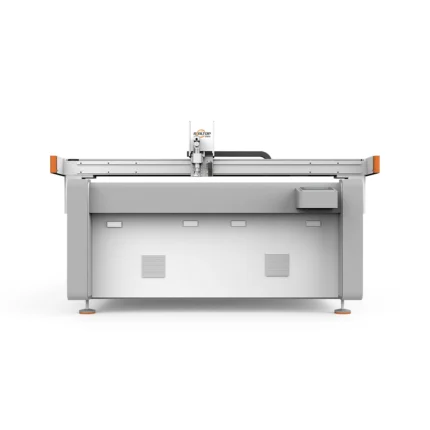
2026 Carbon Fiber Cloth Cutting Machine – China Manufacturer
Product Introduction
Fabric Sample Cutter Pillow Machine ¨C 2026 Carbon Fiber Cloth Cutting Machine, ideal for precise cutting of carbon fiber cloth and fabric samples, suitable for pillow production and related textile applications.Product Parameters
| Name | Fabric Sample Cutter Pillow Machine |
| Model | 2026 |
| Material | Carbon Fiber Cloth |
| Application | Pillow Fabric Cutting |
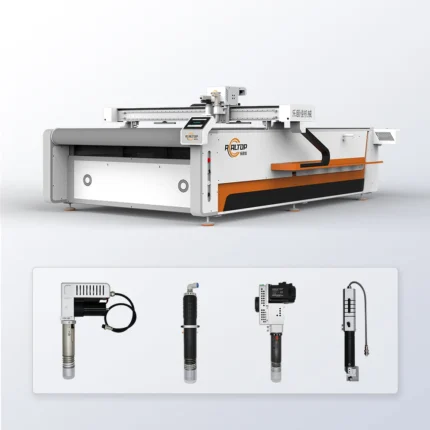
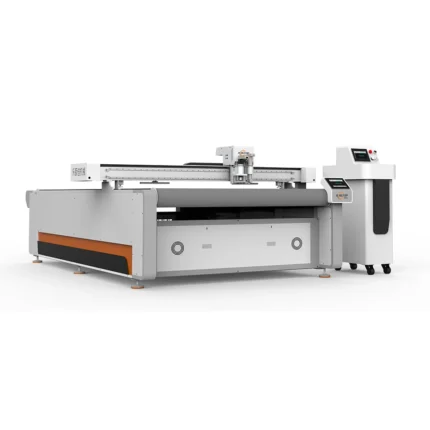
Custom CNC Shirt Fabric Cutting Machine 2026
Product Introduction
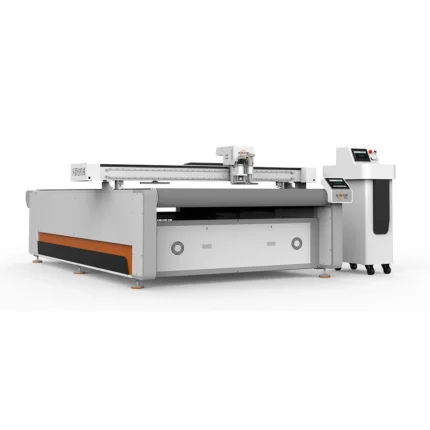
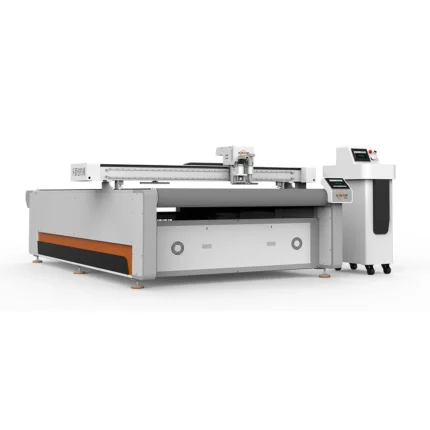
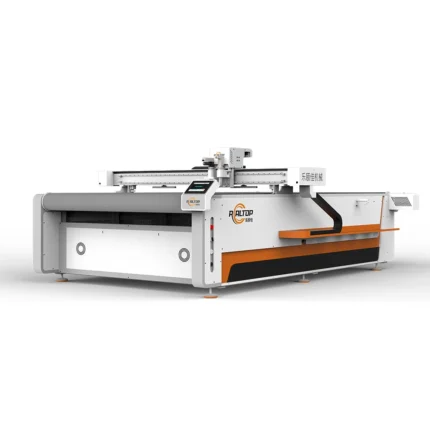
Custom CNC Shirt Fabric Cutting Machine 2026, ideal for precise fabric cutting in garment manufacturing, offering efficient and accurate cutting solutions.
Product Parameters
| Model | Custom CNC Shirt Fabric Cutting Machine 2026 |
| Type | CNC Fabric Cutting Machine |
| Application | Shirt Fabric Cutting |
| Year | 2026 |
商品评价
There are no reviews yet.