

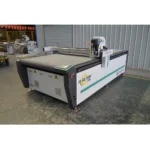
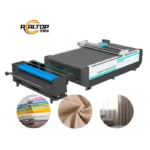
CNC Vibrating Knife Cutting Machine for Cloth – OEM Available
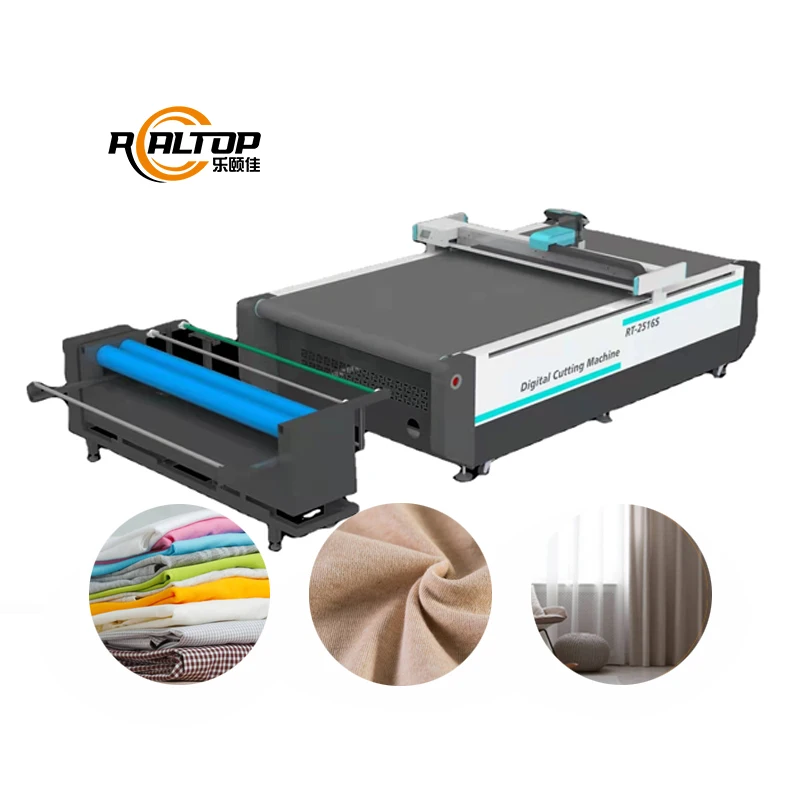
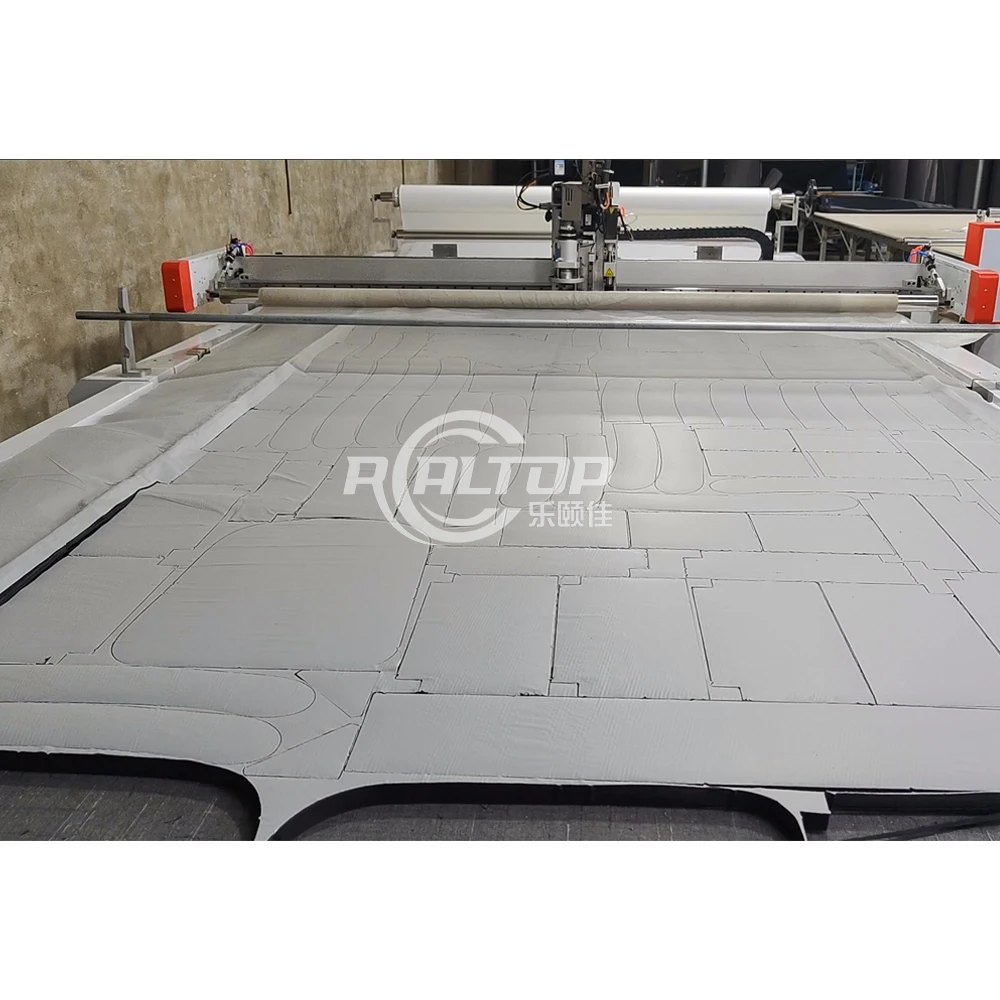
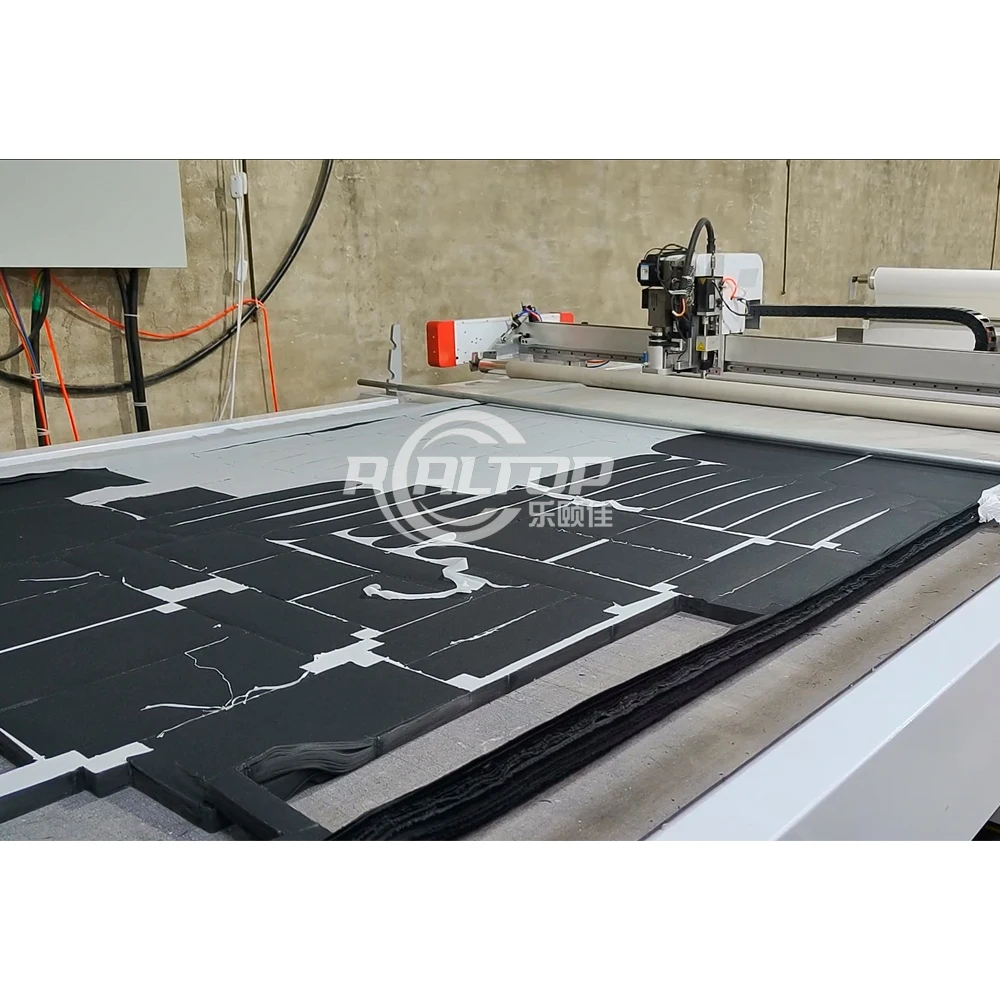
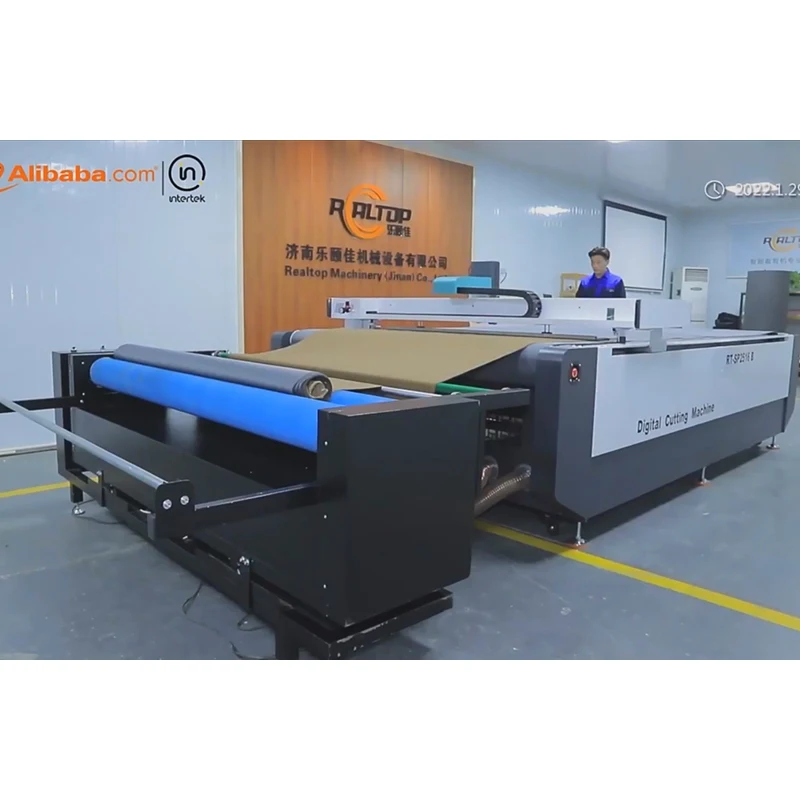
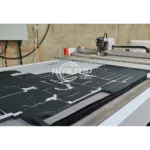
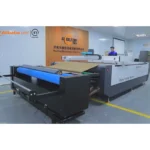
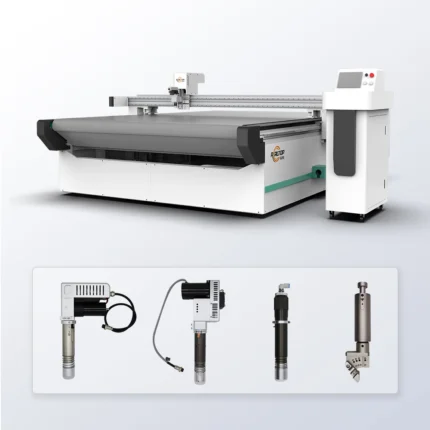
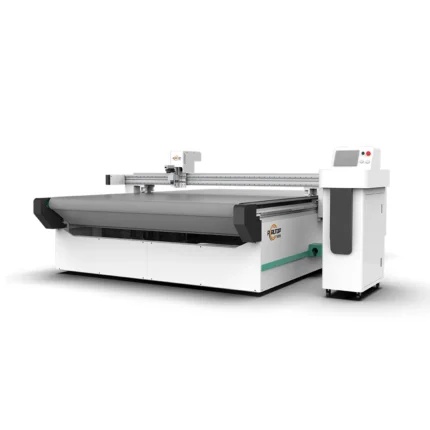
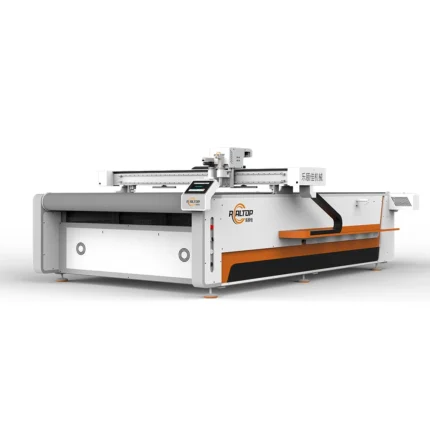
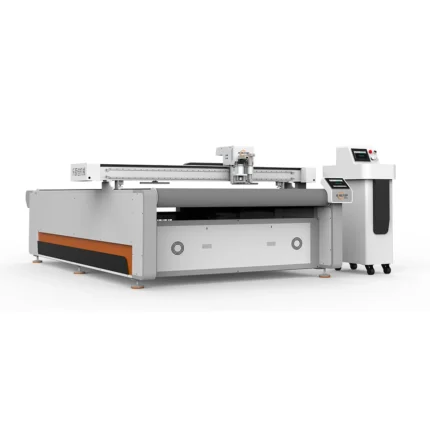
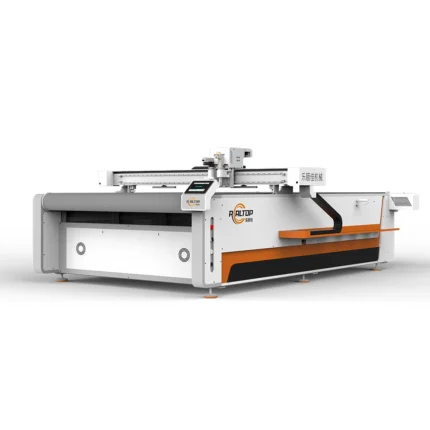
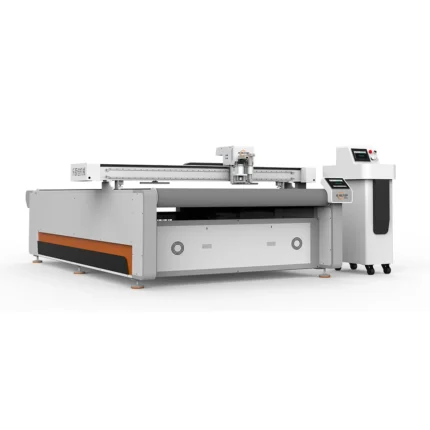
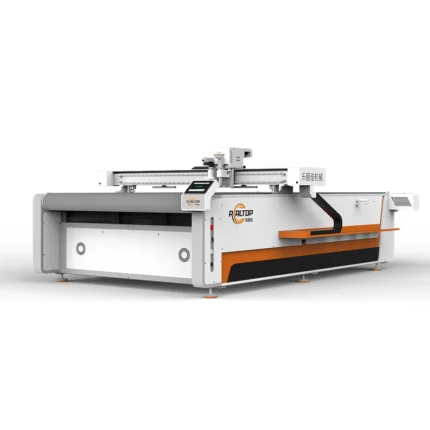
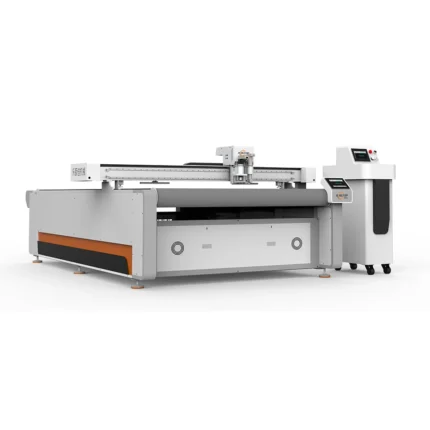
RT-D2516/RT-S2516 CNC Vibrating Knife Cutting Machine, 1600×2500mm Vacuum Table, Swiss Oscillating Knife — built for fabric, leather and composite material processing with rack-and-pinion drive, ≤0.1mm repeatability and HP-GL file compatibility. Tool head, vacuum zoning and nesting software are confirmed against your specific material and pattern workflow before order.
Sample cutting on your own fabric or leather is performed and documented before commitment, ensuring edge quality and thickness capability match your production requirements.
Cutting Method Matched to Material — We configure knife type, vacuum zoning, and software format around your actual fabric or composite, rather than quoting a standard table and hoping it works on your production floor.
Technical Specifications
| Parameter | Value |
|---|---|
| Model | RT-D2516 / RT-S2516 |
| Product Type | CNC Vibrating Knife Cutting Machine |
| Working Area | 1600 × 2500 mm |
| Machine Size | 3450 × 2300 × 1250 mm |
| Rated Power | 9 kW |
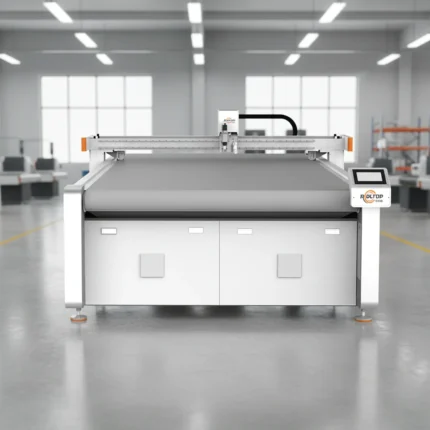
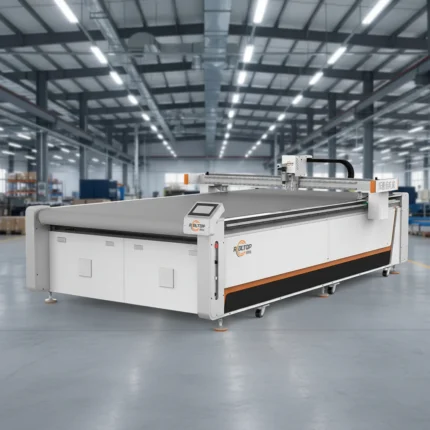
| Table Type | Flat vacuum table with auto feeding |
| Tool Head | Swiss imported oscillating knife (full cut, half cut, cursor location); modular holder for round knife, marking pen, auto feeder |
| Translational Velocity | 800–1200 mm/s |
| Cutting Thickness | ≤50 mm (varies by material density and structure — sample test required) |
| Repeatability | ≤0.1 mm |
| Transmission System | Digital servo motor, linear guide, synchronous belt, ball screw, rack and pinion drive |
| Servo Motor | Delta or Panasonic (confirm at order) |
| Linear Guide | Taiwan Hiwin rail |
| Vacuum Pump | 7.5 kW |
| Countertop | Aviation aluminum with high-density felt table cloth |
| Lathe Bed | Overall welding process, imported milling machine processing |
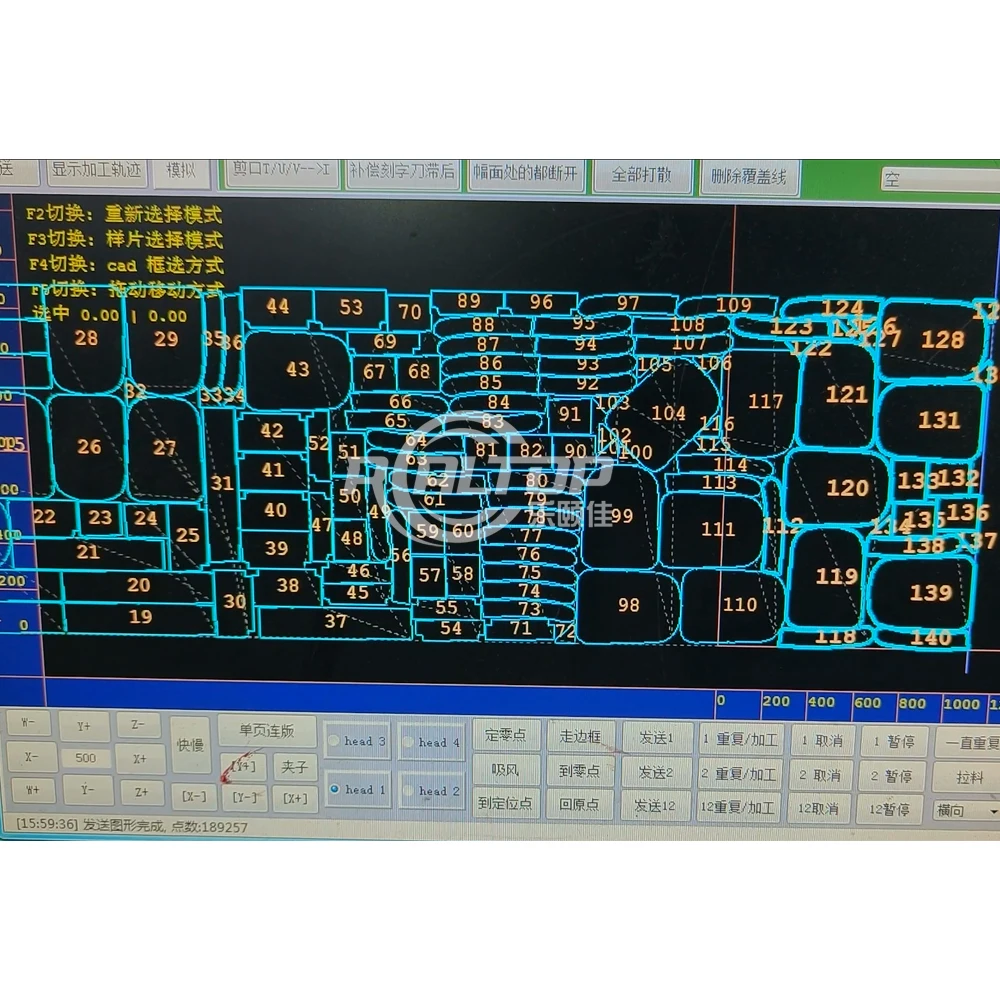
| Instruction Format | HP-GL compatible |
| Voltage | 380V ±10% |
| Safety Device | Infrared sensors |
| Electrical Box | Fixed on fuselage, high-flexibility cables (wear, moisture, cold and high temperature resistant) |
| Certification | CE (verify certificate number with manufacturer) |
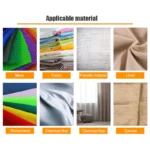
Application Suitability
| Application | Material or Output |
|---|---|
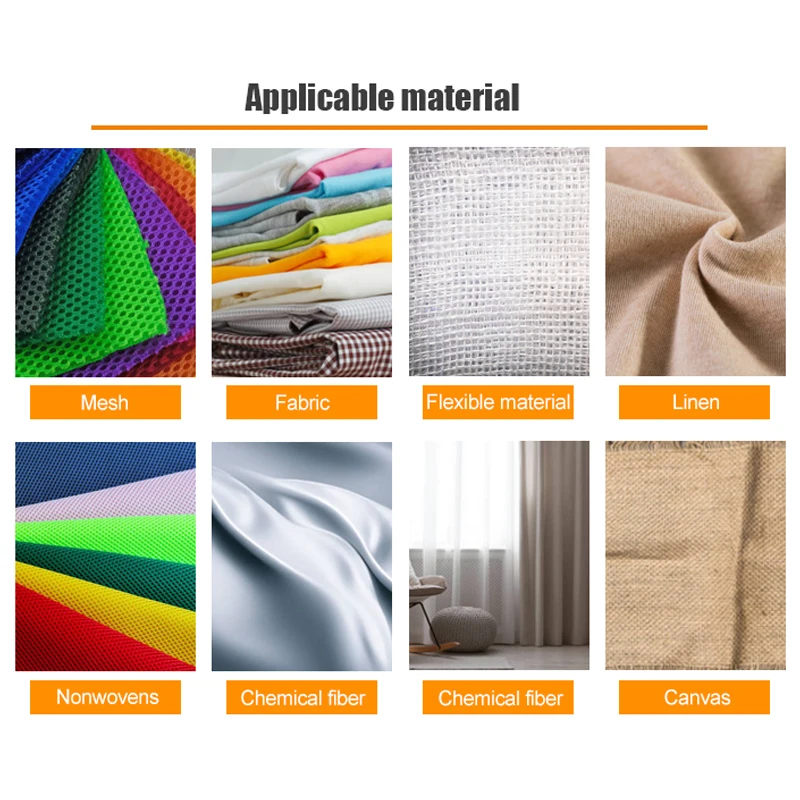
| Garment and fashion fabric cutting | Single and multi-layer textiles, silk to heavy woven fabrics, pattern pieces with complex contours |
| Leather goods and footwear production | Genuine leather, synthetic PU, sponge composite leather |
| Automotive interior fabrication | Soft PVC, sponge composite materials, interior trim panels |
| Home furnishings and upholstery | Multi-layer fabric, foam-backed textiles, curtain and drapery materials |
| Soft gasket and seal production | PVC, soft glass, silicon, rubber up to applicable thickness |
| Bag and luggage manufacturing | Nylon, canvas, synthetic leather, composite panels |
Why "≤50 mm Cutting Thickness" Needs a Material Qualifier
The thickness figure only means something when you tie it to the specific material density and layer structure you run every day.
I have seen buyers compare two machines purely on maximum cutting depth, then discover that 50 mm of open-cell foam behaves nothing like 50 mm of glass-fiber-reinforced composite. The oscillating knife on the RT-D2516/RT-S2516 can handle a wide range, but the actual usable depth shifts with material stiffness, fiber content, and whether you are cutting single-ply or stacked layers [NEED_CITE: material density and compressibility effects on oscillating knife penetration]. When a buyer sends us a sample of their actual production material, we run it on the machine, measure edge quality, and document what thickness and speed combination gives a clean cut. That sample cutting report tells you more than any spec sheet number. A CNC Vibrating Knife Cutting Machine configured without this step risks ragged edges or crushed foam on your first production run.
Swiss Oscillating Knife Head and Modular Tooling
The Swiss-imported oscillating knife delivers high-frequency vibration for clean cuts through woven textiles, non-wovens, and composite layers without fraying or pulling fibers. The modular holder design means you can add a round knife for heavier single-ply materials, a marking pen for pattern identification, or an auto feeder for continuous roll processing. This tooling flexibility lets garment and leather producers adapt the RT-D2516/RT-S2516 as product lines change, rather than buying a separate machine for each material shift.
Vacuum Table Zoning for Small Pattern Pieces
Garment and footwear cutting generates many small, intricate pattern pieces that tend to lift off the table when vacuum suction is uneven or zones are too large. The aviation aluminum countertop with internal wind-channel design works with the 7.5 kW vacuum pump to distribute suction across zones, holding pieces flat through the final knife stroke. When pattern pieces are smaller than a standard zone, suction bleeds off and material shifts, producing miscut parts [NEED_CITE: vacuum zoning requirements for small garment pattern pieces]. Confirming the zone layout against your smallest pattern piece before shipment prevents this.
What the Drive and Servo Specs Mean for Cut Quality
The rack and pinion drive paired with Hiwin linear guides and Delta or Panasonic servo motors delivers ≤0.1 mm repeatability across the 1600 × 2500 mm working area. For nested garment patterns where kerf compensation and piece-to-piece consistency matter, this precision level means you can trust the file-to-cut accuracy over long production runs. The translational velocity range of 800–1200 mm/s is usable on straight runs, but tight contours demand slower speeds for edge quality. The servo system handles these transitions without losing position, which matters when cutting intricate collar or cuff shapes in multi-layer fabric stacks.
The Cost of Guessing Your Tool Head and Feed Setup
Choosing the wrong knife profile for a coated or layered material produces frayed edges that require secondary trimming, adding time and waste to every production batch. Skipping the auto feeder on roll goods means an operator manually repositioning material every few nests, creating registration errors and downtime [NEED_CITE: manual vs automatic material feeding accuracy in textile cutting]. If the vacuum zone configuration does not match your pattern piece sizes, small parts lift during cutting and ruin the nest, wasting material and delaying the order. These problems surface only after the machine is installed and running your real jobs, making corrections expensive and disruptive.
Why Production Managers Source This CNC Vibrating Knife Cutting Machine Here
In-house design and production covers knife cutting technology specifically, so the RT-D2516/RT-S2516 configuration is built around material behavior rather than a generic frame. Tool head and table setup are specified per your fabric type, thickness, and daily volume, not pulled from a fixed catalogue. CCD camera positioning is available for printed contour work, with camera and software tested on your actual printed material before order. Voltage, plug type, and control language are confirmed during the specification phase, not assumed. Sample cutting on your own material runs at our Jinan facility before you commit, producing a documented report you can review.
Documentation & Verification
- Machine specification sheet listing confirmed tool head, servo brand, and voltage for your RT-D2516/RT-S2516 configuration
- Factory test record with cutting results on your specific fabric or composite material
- Electrical schematic and voltage confirmation matched to your plant supply and frequency
- Tool head and table configuration list showing zone layout, knife profile, and modular holder options
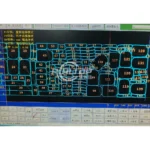
- Software licence and file format compatibility note covering HP-GL import and nesting workflow
- Spare parts list identifying consumable knife blades, felt table cloth, and servo-specific components
Installation, Commissioning & Support
- Foundation must support 3450 × 2300 mm footprint plus material staging area around the 1600 × 2500 mm working zone
- Dedicated 380V ±10% circuit required for 9 kW rated power and 7.5 kW vacuum pump combined draw
- Machine ships partially assembled; lathe bed, electrical box, and table require on-site alignment
- First-run commissioning includes servo tuning, vacuum zone balancing, and knife depth calibration on your material
- Operator training covers HP-GL file import, nesting workflow, knife change procedures, and safety sensor testing
- Consumable spare kit includes oscillating knife blades, round knife, and replacement felt cloth for the table surface
What We Need to Configure Your Machine Correctly
Send us the specific fabric, leather, or composite material you cut most often, including thickness and whether you run single-ply or multi-layer stacks. Let us know your plant voltage and frequency, plus the control language your operators prefer. If you have existing DXF or PLT files from your current nesting software, share a sample set so we can confirm import compatibility and cutting sequence before building your configuration.
Frequently Asked Questions
Q: How is the ≤50 mm cutting thickness qualified across different materials?
A: The maximum usable thickness depends on material density, fiber content, and compressibility. Open-cell foam at 50 mm cuts differently from a 50 mm glass-fiber composite. We run a sample test on your actual material to determine the practical cutting depth, knife profile, and speed combination that delivers clean edges without crushing or fraying.
Q: How does vacuum table zoning handle small garment pattern pieces?
A: The aviation aluminum countertop uses internal wind channels paired with the 7.5 kW vacuum pump. Zone count and layout must match your smallest pattern piece to prevent lifting during cutting. We confirm the zoning plan against your actual nest file before building the table, so suction covers every piece in the layout.
Q: Which servo motor brand ships on my configuration?
A: The RT-D2516/RT-S2516 is available with Delta or Panasonic servo motors depending on configuration and availability. We confirm the brand at order so you know exactly which spare parts and service procedures apply. Both options deliver the ≤0.1 mm repeatability specification across the full working area.
Q: Which tool head should I choose for my material?
A: The oscillating knife suits most woven textiles, non-wovens, and layered composites. A round knife works better for heavy single-ply materials like thick leather or rubber. We run sample cuts with both options on your material and compare edge quality, cutting speed, and blade wear before finalizing the tool head configuration for your order.
Q: What file formats and nesting workflows does the system support?
A: The control system accepts HP-GL compatible instruction format. Before order, we confirm compatibility with your existing DXF or PLT files and your nesting software workflow. If your current setup uses specific layer naming or kerf compensation values, we test import and cutting output to ensure a smooth transition.


Related products
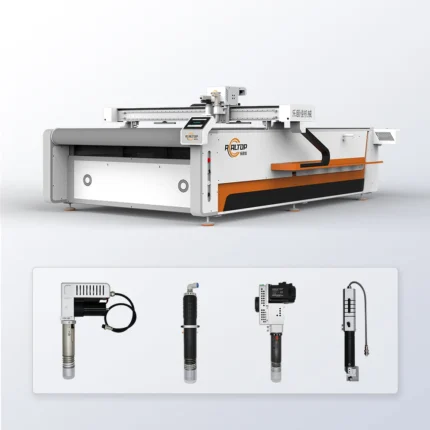
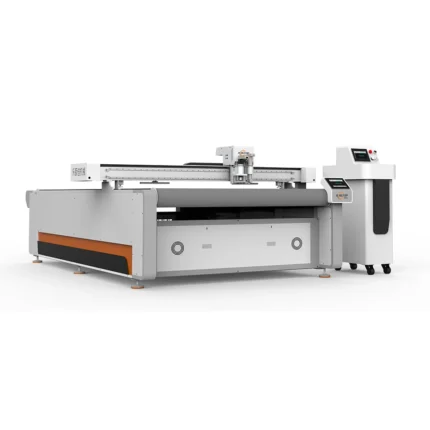
2026 Flatbed Oscillating Knife Cutter 1600x3500mm Auto-Feeding Textile
Product Overview
Flatbed Oscillating Knife Cutting Machine 2026 is a high-precision textile fabric cutter with auto-feeding function, ideal for efficient and accurate cutting tasks in textile manufacturing. It combines advanced oscillating knife technology with a large working area to meet industrial production needs.Key Specifications
| Model | 2026 |
| Working Area | 1600x3500mm |
| Feeding System | Auto-Feeding |
| Cutting Type | Oscillating Knife |
| Application | Textile Fabric |
2026 Inflatable Surf SUP Board Cutting Machine
Product Introduction
Ideal for inflatable surf SUP board production, this 2026 cutting machine ensures precise and efficient cutting, tailored for manufacturers seeking reliable performance in water sports equipment manufacturing.
Specifications
| Application | Inflatable Surf SUP Board |
| Type | Cutting Machine |
| Model Year | 2026 |
Automatic Multi-Layer Vibrating Knife Cutter 2026
Product Introduction
Automatic Multi-Layer Vibrating Knife Cutter 2026, ideal for precise cutting of various materials with multi-layer processing capability, enhancing production efficiency.
Key Specifications
| Type | Automatic Vibrating Knife Cutter |
| Layer Capacity | Multi-Layer |
| Model | 2026 |
| Function | Precision Cutting |
CNC Oscillating Knife Cutting Machine 2026 3000¡Á1600mm High-Speed
Product Parameters
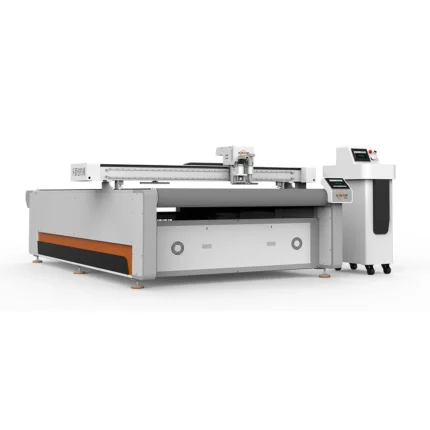
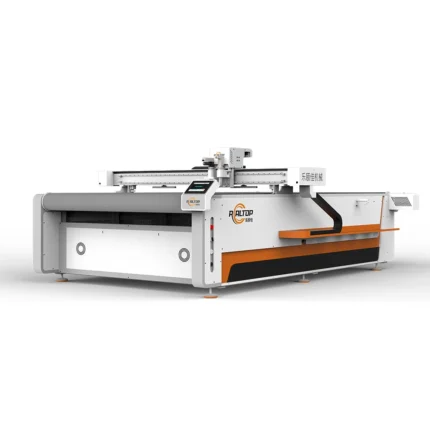
| Model | CNC Oscillating Knife Cutting Machine 2026 |
| Working Area | 3000mm¡Á1600mm |
| Cutting Type | Oscillating Knife |
| Application | Fabric Cutting |
| Feature | High-Speed |
Introduction
High-performance CNC oscillating knife cutting machine with 3000mm¡Á1600mm working area, ideal for high-speed fabric cutting. Precision and efficiency for professional textile processing needs.
商品评价
There are no reviews yet.