

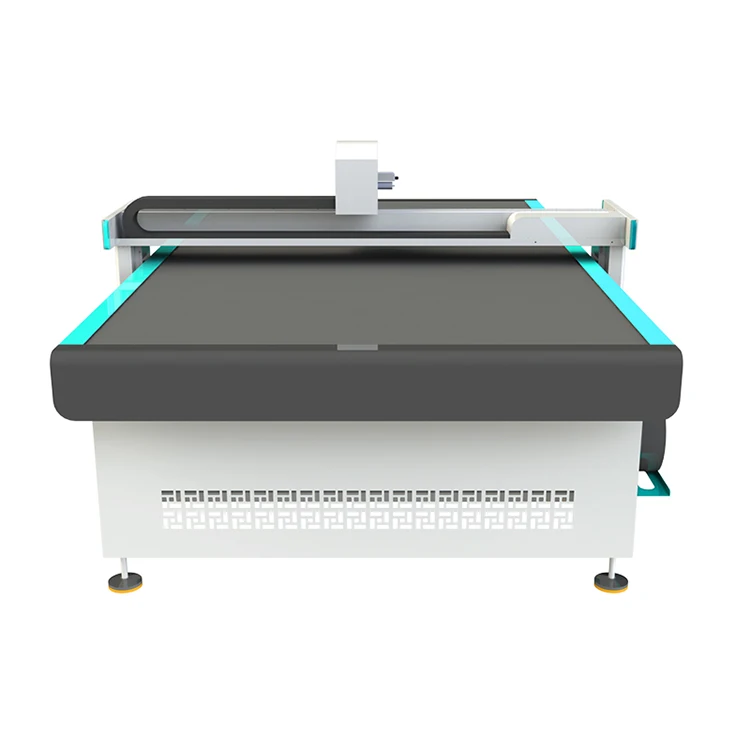
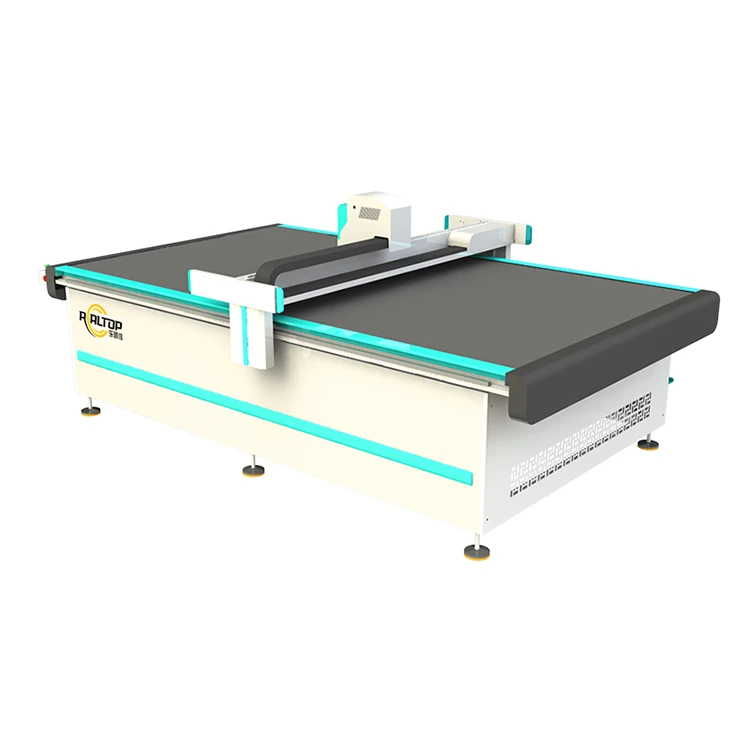

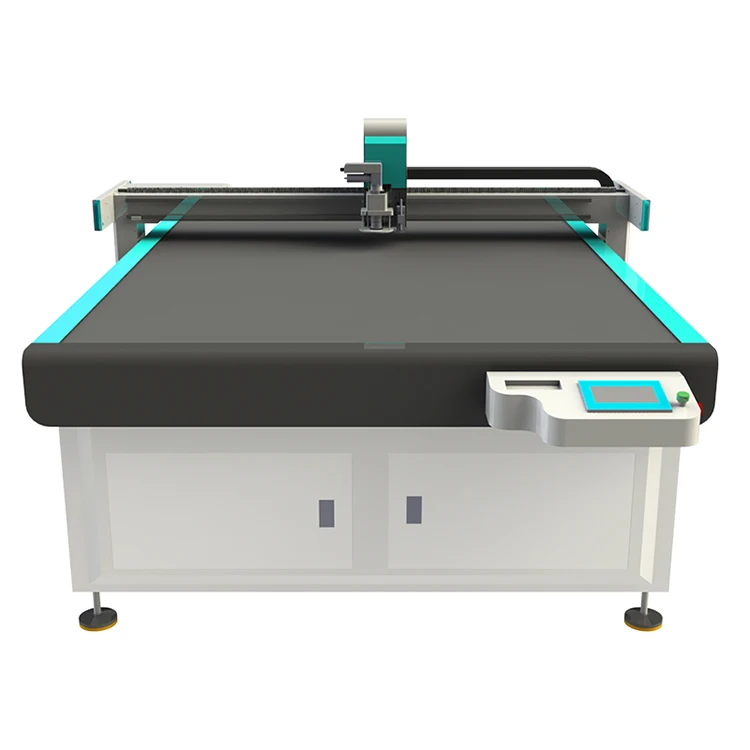
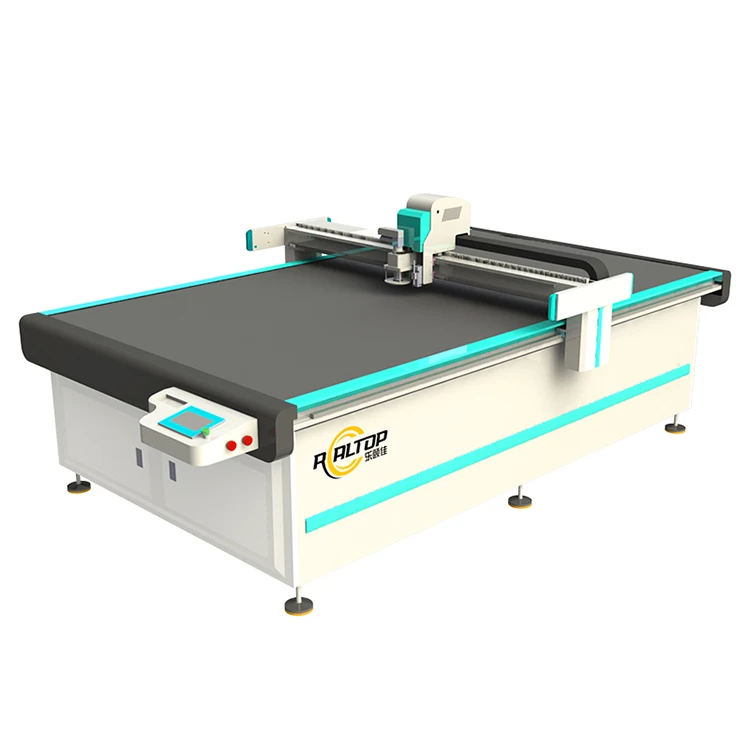
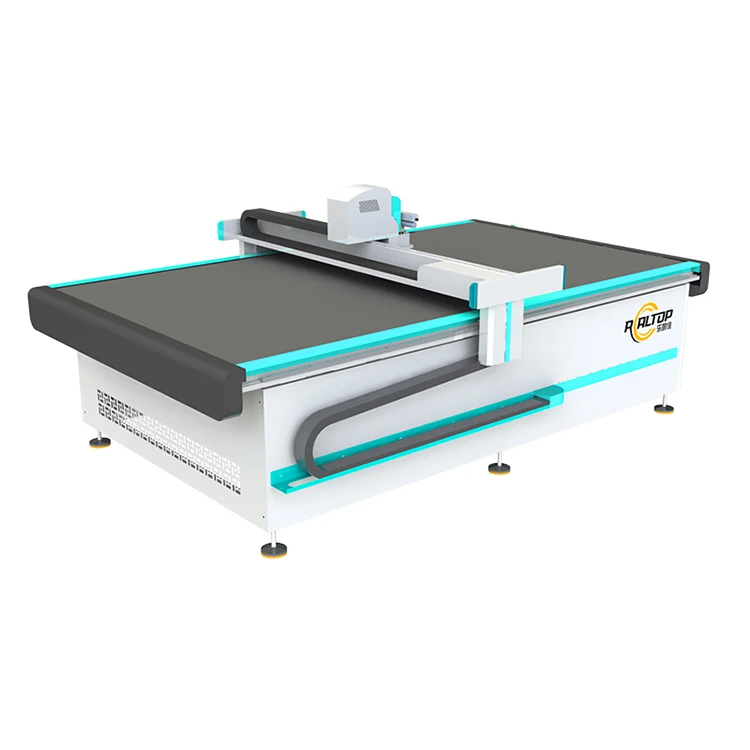



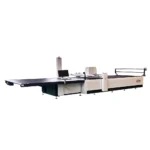
Kids Jean Nonwoven Cloth CNC Cutting Machine – Specifications
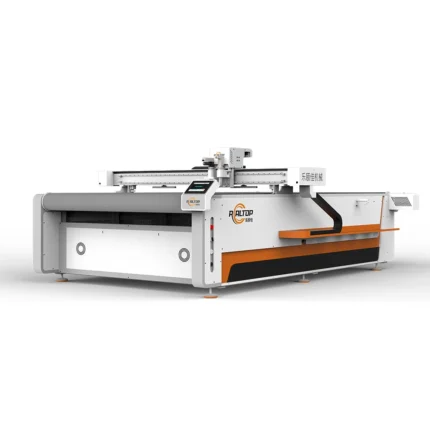
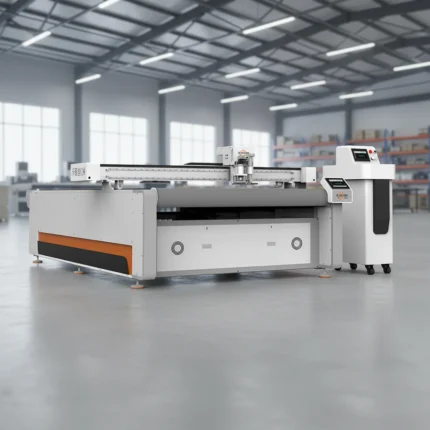
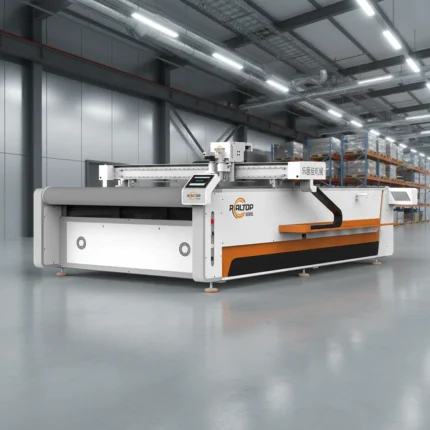
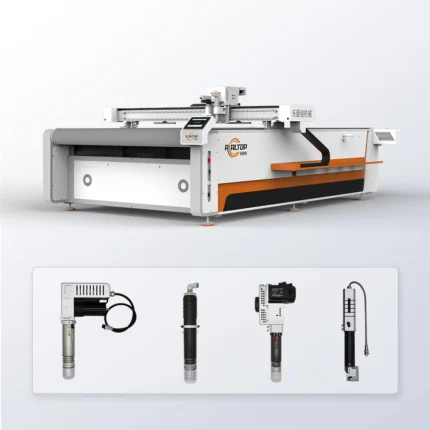
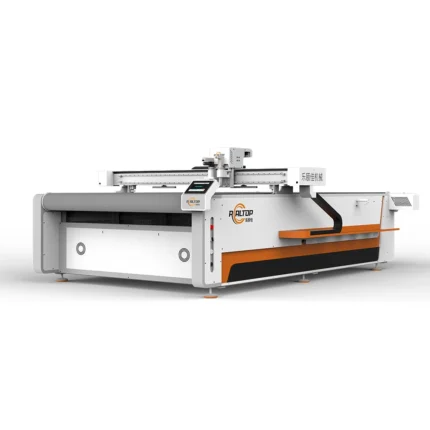
RT-D2516/RT-S2516 CNC Oscillating Knife Cutting Machine, 1600×2500mm working area, 7.5kW vacuum pump — equipped with Swiss imported oscillating knife head supporting full-cut and half-cut vibration modes for precise textile contour work.
- Taiwan Hiwin linear square rail with gear rack drive ensures ≤0.1mm repeated accuracy at 800–1200mm/s translational speed
- Flat vacuum table with conveyor belt and HP-GL compatible instruction system integrates with existing garment nesting workflows
- CO₂ laser process compatibility allows edge-sealed synthetic cuts alongside knife processing on the same platform
Laser process parameters, focal settings and extraction requirements are confirmed per material before order, with sample cutting report provided on buyer’s own fabric to verify edge quality and achievable thickness.
Kids Jean Nonwoven Cloth CNC Cutting Machine – Specifications
Process-First Specification — Every RT-D2516/RT-S2516 configuration is matched to the buyer’s actual material behaviour under heat, so edge sealing on synthetics and clean oscillating cuts on wovens are verified before the build is released.
Technical Specifications
| Parameter | Value |
|---|---|
| Product Type | CNC Oscillating Knife Cutting Machine |
| Working Area | 1600 × 2500 mm |
| Overall Dimensions | 3450 × 2300 × 1250 mm |
| Rated Power | 9 kW |
| Voltage | 380V ±10% |
| Table Type | Flat working table with vacuum and conveyor belt |
| Vacuum Pump | 7.5 kW |
| Multifunctional Head | Swiss imported knife — vibration full cut, vibration half cut, cursor location |
| Safety Device | Infrared sensors |
| Translational Velocity | 800–1200 mm/s |
| Cutting Speed | 200–800 mm/s (basis not stated in source — confirm material type and thickness) |
| Cutting Materials | Leather, clothing flexible material, sponge composite leather, PVC, soft glass, silicon, rubber |
| Repeated Accuracy | ≤0.1 mm |
| Transmission System | Digital servo motor, linear guide, synchronous belt, ball screw (imported) |
| Servo Motor | Taiwan Delta (also referenced as Japanese Yaskawa in source — verify against manufacturer catalog) |
| Guide Rail | Taiwan Hiwin linear square rail with lubricating oil seal gear rack drive |
| Instruction System | HP-GL compatible format |
| Tool Head Options | Multiple change heads for different materials |
| Certification | CE |
| Warranty | 12 months for whole machine, 3 months for consumables |
| Assembly State | Fully assembled |
| Laser Process Compatibility | CO₂ laser head available as paired process option for edge-sealed synthetic cuts |
Application Suitability
| Application | Material or Output |
|---|---|
| Kids’ jeans and apparel cutting | Multi-layer denim, nonwoven interlining, woven cotton |
| Footwear upper and lining production | Synthetic leather, sponge composite leather, textile laminates |
| Automotive seat cover and trim cutting | PVC, leather hides, sponge composite panels |
| Flexible gasket and seal fabrication | Rubber, silicon, soft glass sheet to custom profiles |
| Packaging sample making on flexible stock | Corrugated liner, foam inserts, thin flexible board |
What the Stated Cutting Speed Actually Means on Textile
A 200–800 mm/s cutting speed is only meaningful once the fabric weight, weave density and fibre composition are defined. The RT-D2516/RT-S2516 oscillating head reaches the upper end of that range on light nonwoven interlining, but heavier denim stacks or coated polyester will force the speed down to maintain edge fidelity.
Buyers who quote a speed figure to their production planners without first locking in the material spec often discover that the real throughput on their actual order mix sits closer to the lower bound. [NEED_CITE: textile cutting speed dependency on fabric weight and fibre composition] When a factory switches from cotton to a polyester-elastane blend mid-season, the oscillating frequency and blade geometry that worked on natural fibres can produce fraying or delamination on synthetics. That is where the option to pair a CO₂ laser head with the same flatbed table becomes relevant — the laser seals the edge as it cuts, eliminating fraying on heat-responsive synthetics without slowing the workflow.
Matching the Thermal Process to the Fibre
Textile buyers evaluating a CNC oscillating knife cutting machine laser cutting and engraving option need to separate natural fibres from thermoplastics before choosing a head. Cotton, wool and linen cut cleanly under an oscillating blade with no thermal residue. Polyester, nylon and acrylic blends, however, respond well to CO₂ laser energy — the beam melts the cut edge just enough to seal it, preventing unravel on garments that will face repeated wash cycles.
Exhaust Extraction and Workshop Air Quality
Laser cutting on coated or blended fabrics releases volatile compounds that differ from those generated by pure cotton. [NEED_CITE: VOC emissions from laser cutting synthetic textiles] The extraction system must be sized for the actual fume load the production mix generates. A unit specified only for natural fibre work may lack the filtration capacity once PVC-backed or polyurethane-coated fabrics enter the cutting queue, which is common in automotive interior and footwear applications running on the same table.
Reading the Specs That Matter on the Shop Floor
The 7.5 kW vacuum pump paired with a conveyor-belt table holds porous materials like nonwoven and denim firmly in place, which is essential because any lift during oscillating cuts produces dimensional drift on small pattern pieces. Repeated accuracy of ≤0.1 mm is achievable on the Hiwin linear square rail with gear rack drive — but only if the vacuum zoning is set correctly for the piece size in the nesting layout. The HP-GL instruction system accepts pattern files from most garment CAD packages without conversion middleware, reducing pre-production file preparation. Servo specification lists both Taiwan Delta and Japanese Yaskawa as referenced in source documentation, so buyers should confirm the motor brand before production release to match local service availability.
The Cost of Skipping Material-Specific Trials
A tool head chosen generically for "flexible material" may slice denim cleanly but crush sponge composite leather, leaving a compressed edge that shows through the finished seat cover. [NEED_CITE: tool head selection impact on edge quality in composite textiles] When a buyer discovers this after shipment, the remedy involves sourcing a different oscillating blade profile, recalibrating the vibration amplitude, and sometimes replacing the cutting mat — all downtime that could have been avoided with a sample cutting report on the actual material stack before the machine left the factory.
Why Sourcing the Laser-Knife Combination Here Works
In-house design covering both oscillating knife and CO₂ laser process means the RT-D2516/RT-S2516 platform is not locked into one cutting method — a garment processor cutting cotton denim on Monday and polyester sportswear on Wednesday can switch heads rather than run two separate machines. Tool head and table configuration are specified per material and production volume, not quoted as a default package. Sample cutting on the buyer’s own fabric, including coated and blended textiles, is completed before the order is confirmed. Voltage and control language are locked in at quotation stage to match the destination workshop. Electrical and software documentation travels with the machine so the local electrician and CAD operator both have what they need on day one.
Documentation & Verification
- Machine specification sheet listing confirmed servo motor brand and vacuum zoning layout
- Electrical schematic with 380V ±10% confirmation matched to destination supply
- Tool head and table configuration list signed off against buyer material samples
- Sample cutting report on buyer’s actual denim, nonwoven or synthetic stock
- Factory test record with translational speed and accuracy measured on buyer file
- HP-GL file format compatibility note with buyer’s nesting software confirmed
Installation, Commissioning & Support
- 3450 × 2300 mm footprint requires level concrete floor with anchor points for vibration isolation
- Dedicated 380V ±10% circuit with isolation switch rated above 9 kW total draw
- Machine ships fully assembled — rigging must clear 1250 mm overall height at doorway
- First-run parameter setting covers vacuum zoning, oscillating frequency and laser power mapping
- Operator training addresses HP-GL file import, head changeover and infrared sensor reset
- Consumable blade and laser tube stock list provided for the first reorder cycle
Before You Send the Inquiry
To get a configuration that actually fits your production, share the fabric composition and weight per square metre, the maximum lay height you run, and the daily piece count you need to sustain. Confirm your workshop voltage and frequency, the CAD software you currently use for nesting, and whether your product mix includes heat-sealable synthetics that would benefit from the CO₂ laser head option.
Frequently Asked Questions
Q: How is real cutting speed determined — what material type and thickness does the 200–800 mm/s range assume?
A: The published range spans light nonwoven at the upper end through heavier multi-layer denim or composite leather at the lower end. A definitive speed figure for your operation requires a sample cutting trial on your actual fabric stack at your target lay height, so the quotation includes a verified throughput rather than a generic estimate.
Q: Knife versus laser: how do I choose the right process for my textile or synthetic material?
A: Natural fibres like cotton and wool cut cleanly with the oscillating knife and produce no thermal residue. Synthetics such as polyester and nylon benefit from CO₂ laser cutting because the beam seals the edge and prevents fraying. Blended fabrics are evaluated on a sample basis to determine which process dominates.
Q: Can the control language and voltage be customised for my target market before shipment?
A: Voltage is confirmed at quotation stage to match the destination workshop supply, within the 380V ±10% baseline. Control interface language is specified before production so operators see their preferred language on first power-up, removing the need for post-delivery reconfiguration.
Q: How is vacuum table zoning configured for small garment pattern pieces to prevent lift during cutting?
A: The 7.5 kW vacuum pump feeds a zoned conveyor-belt table. Zones under small pieces such as collar or pocket patterns are activated independently so suction concentrates where material coverage is low, holding fabric flat against the oscillating blade path throughout the cut cycle.
Q: What sample cutting and factory test documentation is provided before the machine ships?
A: A sample cutting report on your own material confirms edge quality and achievable thickness. A factory test record documents accuracy and speed measured on your nesting file. Both documents accompany the electrical schematic, tool head list and software compatibility note in the shipping documentation package.


Related products
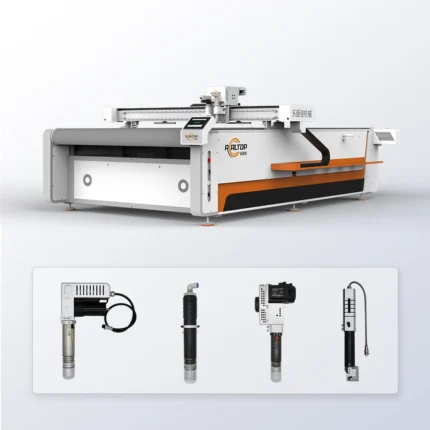
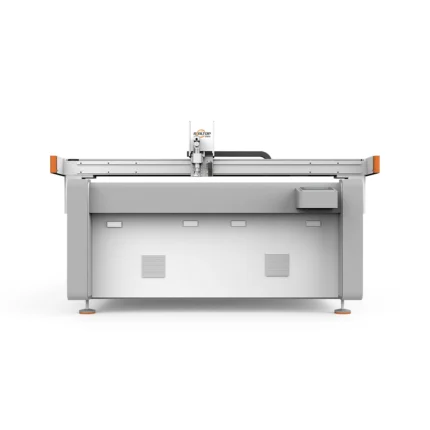
2026 Carbon Fiber Cloth Cutting Machine – China Manufacturer
Product Introduction
Fabric Sample Cutter Pillow Machine ¨C 2026 Carbon Fiber Cloth Cutting Machine, ideal for precise cutting of carbon fiber cloth and fabric samples, suitable for pillow production and related textile applications.Product Parameters
| Name | Fabric Sample Cutter Pillow Machine |
| Model | 2026 |
| Material | Carbon Fiber Cloth |
| Application | Pillow Fabric Cutting |
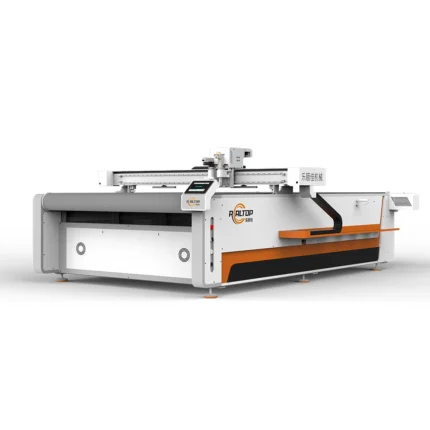
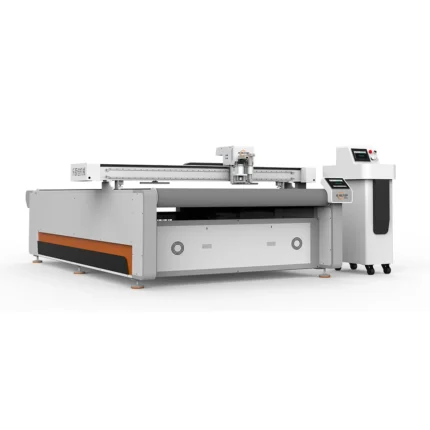
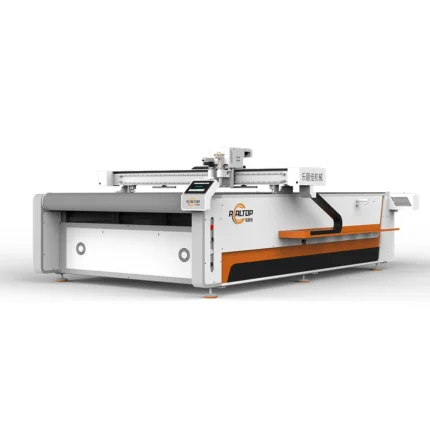
CNC Oscillating Knife Cutting Machine 2026 3000¡Á1600mm High-Speed
Product Parameters
| Model | CNC Oscillating Knife Cutting Machine 2026 |
| Working Area | 3000mm¡Á1600mm |
| Cutting Type | Oscillating Knife |
| Application | Fabric Cutting |
| Feature | High-Speed |
Introduction
High-performance CNC oscillating knife cutting machine with 3000mm¡Á1600mm working area, ideal for high-speed fabric cutting. Precision and efficiency for professional textile processing needs.
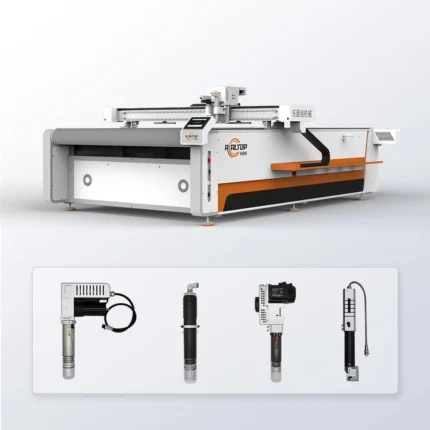
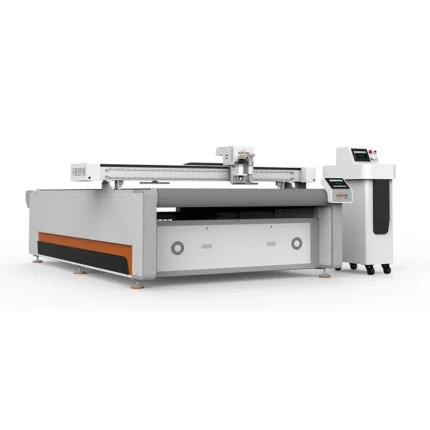
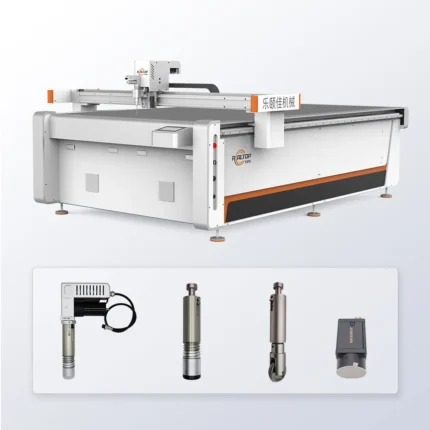
CNC Vibration Knife System 2026 for Polyester Nylon Non-Woven Prepreg
Product Introduction
CNC Vibration Knife System 2026 is ideal for cutting polyester, nylon, non-woven fabrics, and prepreg materials with precision and efficiency, suitable for industrial manufacturing needs.Product Parameters
| Model | 2026 |
| Cutting Technology | CNC Vibration Knife |
| Materials | Polyester, Nylon, Non-Woven, Prepreg |
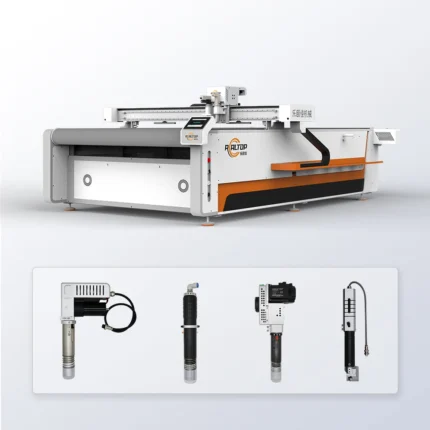
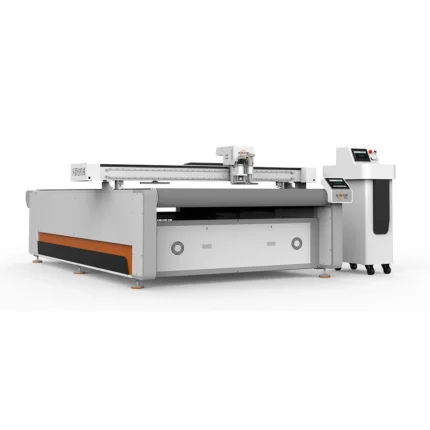
Custom CNC Shirt Fabric Cutting Machine 2026
Product Introduction
Custom CNC Shirt Fabric Cutting Machine 2026, ideal for precise fabric cutting in garment manufacturing, offering efficient and accurate cutting solutions.
Product Parameters
| Model | Custom CNC Shirt Fabric Cutting Machine 2026 |
| Type | CNC Fabric Cutting Machine |
| Application | Shirt Fabric Cutting |
| Year | 2026 |
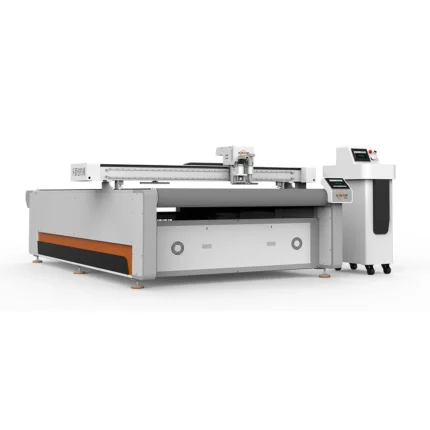
Realtop CNC Fabric Cutting Machine 2026 CE Certified
Product Introduction
Realtop CNC Fabric Cutting Machine 2026, CE Certified, ideal for precision fabric cutting with advanced CNC technology. Engineered for efficiency and reliability in textile manufacturing processes.Key Specifications
| Model | Realtop CNC Fabric Cutting Machine 2026 |
| Certification | CE Certified |
商品评价
There are no reviews yet.